
Updated: October 27, 2026
Filming things that were designed to be looked at.
Miami has emerged as a significant art city. There are museums with genuine collections, and a gallery scene that operates throughout the year instead of only during art fair weeks. Additionally, there are design showrooms, and neighborhoods where the walls themselves are the attraction.
All of it faces the same marketing challenge: the work must be seen, and most people will only ever see it on a screen. This makes video the primary encounter for a significant portion of the audience, which is an uncomfortable realization for an institution founded on the belief in the value of being physically present.
Filming art is technically challenging in specific ways, and it is governed by rights rules that often trip people up. Both aspects are worth understanding before you book a crew.
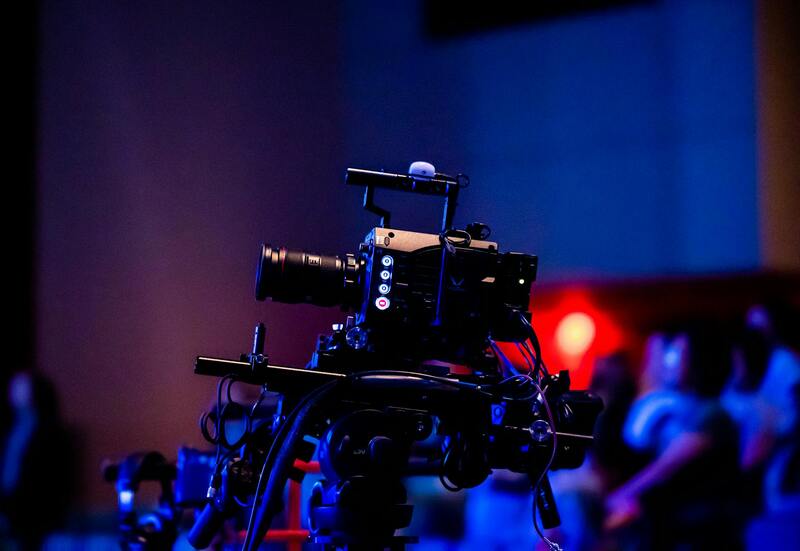
You may not own what is on your walls
Begin here, as it sets the constraints for everything else.
Owning a physical artwork and owning the right to reproduce it are two distinct matters. A gallery that holds a painting on consignment or a museum with a piece in its collection does not automatically have the right to film that work and publish it commercially. Copyright typically remains with the artist or their estate, and it persists long after the artwork has been sold.
This surprises institutions constantly. The sculpture in your atrium, which you paid for, may still require permission to feature in a promotional video. The same applies to the murals that define certain Miami neighborhoods: those walls belong to the artists who painted them, in the sense that matters here.
The practical approach
- Establish rights before the shoot, not during the edit. A cleared shot list is a genuine deliverable.
- Distinguish incidental appearances from featured ones. A work that is glimpsed as a camera passes is not the same as a thirty-second hero shot.
- Work under loan typically includes contractual restrictions on imagery. Review the loan agreement.
- Artist interviews are often the cleanest approach, as the artist is actively participating.
- When clearance is impossible, work around it. It is a constraint, not a disaster.
Getting this wrong can have very real consequences. If a video has to be pulled after an artist objects, it is a wasted production and can damage a relationship with someone you need.
Lighting art is a different discipline
Galleries are lit to be kind to the human eye, which is much more forgiving than the sensors used in cameras.
The issues compound. Gallery lighting is typically directional and designed to highlight artwork from a specific viewing angle. This setup, however, also creates glare from other angles. Additionally, glazed and framed artwork acts like a mirror, reflecting everything in the room, including your camera, crew, and lights. Highly saturated pigments can fall outside the range that a camera can reproduce cleanly. Furthermore, exhibition lighting is often mixed in color temperature.
| Problem | Cause | Approach |
|---|---|---|
| Reflections in glazing | Glass and gloss varnish | When the angle of the polarizer changes, flag the source. |
| Hot spots on canvas | Directional spot lighting | Work with the house lighting instead of against it. |
| Colour that will not sit right | Saturated pigment outside gamut | Balance carefully, grade conservatively |
| Crew visible in the work | Reflective surfaces | Plan positions before rolling |
| Mixed colour temperature | Several light types in one room | Reference card per room, set manually |
The critical constraint is that in most institutions, you cannot simply add your own lights. Conservation rules exist because light damages works, and there are limits on intensity and exposure duration for good reason. When a conservator says no to your key light, they are not being difficult; they are doing their job, and the work will outlive your video.
This often means working with what is available, using a wide aperture and a camera that performs well in low light. During the scout, inquire about any lighting restrictions, as the answer will inform the equipment list.
What actually works on camera
The inclination is to create a visually stunning film featuring beautiful objects. However, this approach often fails. A static shot of a painting, for example, tends to be less engaging than a photograph of the same painting. Furthermore, people can easily access photographs of paintings anywhere, reducing the appeal of such static film shots.
Video earns its place when it shows what a still image cannot.
- Use scale by placing a person in the frame next to the work.
- The process is compelling because watching something get made is inherently fascinating.
- The artist is speaking, something that no photograph can convey.
- Installation is the process of transforming an empty room into an exhibition space.
- Movement through a space is how the work is actually experienced.
- Detail at a level that nobody standing behind a rope could see.
The scale point is the most underused. Photographs of artwork are systematically misleading about size. A video that establishes how large something actually is delivers information that every still image on your website fails to provide.
Install footage is another reliable winner. An exhibition takes days to build and typically exists for weeks. Filming the build process provides genuinely interesting content that you own outright, and which does not depend on featuring finished work that you may not have cleared.
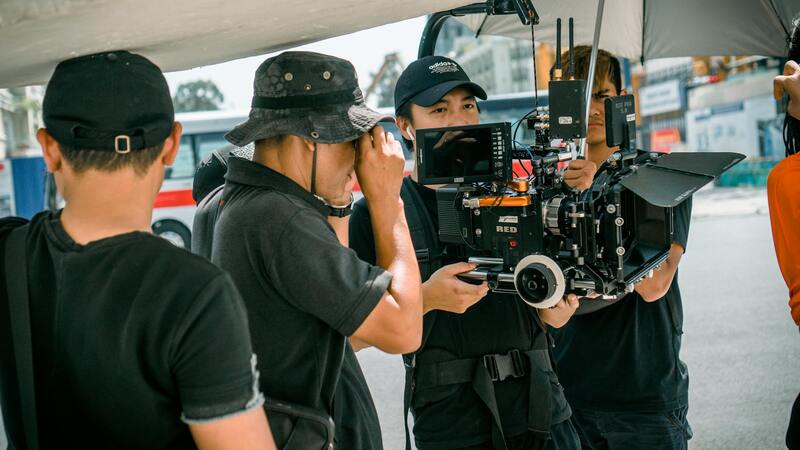
The Miami calendar shapes everything
This city's Art Year has a defined structure that production must respect.
Fair season concentrates enormous attention into a short window. During this period, the audience is present, and every venue operates at maximum stress. Access becomes the most challenging, and every crew in the city is fully booked. Filming during this time is both expensive and chaotic.
The better approach is usually to shoot earlier, so that the material is ready when people's attention peaks. An artist interview filmed in a quiet October studio tends to be a calmer, better interview than one conducted in a hurried December booth. This way, the interview is available exactly when people are most likely to search for it.
The off-season is also when the institution is actually reachable. A curator has time in July. They do not in December. Our note on retail video that drives foot traffic covers the same seasonal logic for commercial spaces.
Bring us the loan agreement
The most useful first conversation should focus on rights, not aesthetics. Please tell us what you can clear, what is loaned, and what is off-limits. We will then build a shot list within those boundaries, rather than shooting something that cannot be published.
We will also ask about your conservation constraints early on, as they determine what gear is worth bringing. Additionally, we prefer to propose an artist interview and an installation film rather than a montage of works for which you do not have the rights to distribute.
You can see how we approach specialist work on our about page. Get in touch through the contact page with your exhibition dates. If you are calling us in November about a December fair, we will be honest about what is still possible.