
Updated: October 27, 2026
A fundraising video is a distinct job from a marketing video.
A commercial video encourages someone to buy something they desire. In contrast, a nonprofit video asks someone to donate money for a cause they will never personally benefit from, on behalf of people they are unlikely to ever meet. This request is more challenging and often fails when the same marketing techniques are applied.
Miami has a dense nonprofit sector, with organizations focusing on housing, immigration support, hurricane relief, marine conservation, arts access, and youth programs. These organizations typically operate on tight budgets and are accountable to boards and funders who closely scrutinize spending.

Decide the purpose of the video before proceeding with anything else.
Nonprofits often commission a video without clarifying exactly what role the video will play. Each role requires different content:
- Donor appeal: aimed at individual giving. Needs one person's story, an emotional through-line and a specific, concrete ask.
- Grant and funder support: aimed at institutions. Needs evidence, outcomes, credible delivery and rather less emotional appeal than the above.
- Awareness: aimed at the general public. Needs clarity about the problem more than about the organisation.
- Volunteer recruitment: needs to show what volunteering is actually like, honestly, including the unglamorous parts.
- Annual report or gala film: aimed at existing supporters, celebrating what their money did. Concrete numbers matter here.
- Service explainer: aimed at the people you serve. Different language entirely, often multilingual, focused on access rather than persuasion.
That last category deserves attention because it often gets overlooked. Many organizations focus on producing polished donor films while neglecting to create materials that actually explain their services to the community they serve. In Miami, this often means developing Spanish and Haitian Creole versions as a starting point, not as an afterthought.
One story, told properly
The most common structural mistake is attempting to represent every program in a single film. The result is a list, and lists do not engage or move anyone.
A single compelling story, given enough time to develop, outperforms a broad survey of everything an organization does. Highlight the organization's breadth in a brief sentence of narration or a line of on-screen text. Then, dedicate the remaining running time to one person, one place, or one change.
The reliable structure for effective storytelling involves focusing on a specific individual and their circumstances. Describe what happened to them, then illustrate the changes that occurred. Conclude with a clear, actionable statement for the viewer. Keep it concise; donor appeal films typically work well at two minutes, and rarely benefit from being extended to four minutes.
Concrete beats abstract
We serve the community" is vague. In contrast, "We assist two hundred families each week from this building, and last winter we ran out of space" provides specific details. During the interview, ask for concrete examples and gently persist until you obtain them. Viewers tend to remember and share these specifics.
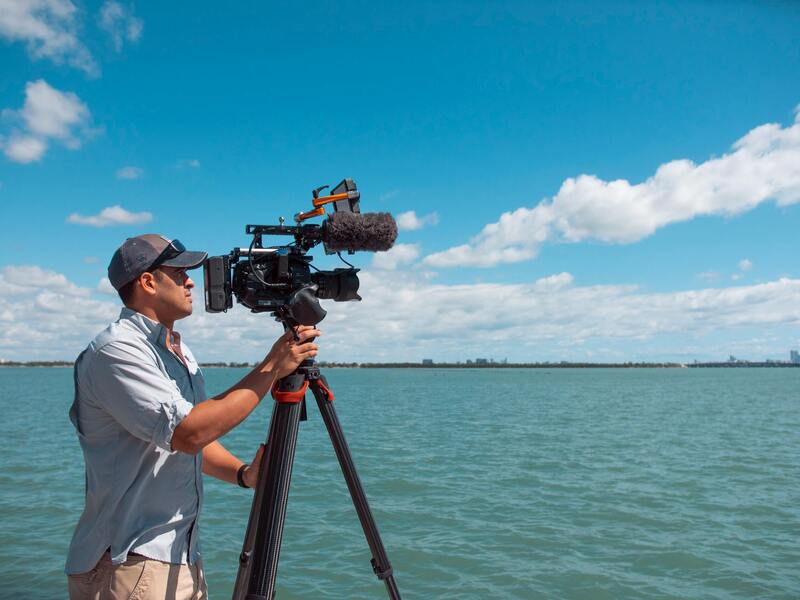
The ethical considerations involved in filming vulnerable individuals
This distinction sets good nonprofit production apart from exploitative practices, and it warrants more attention than it typically receives.
- Informed consent means understanding, not a signature. Explain in the person's own language where the video will appear, for how long, and who will see it. Someone consenting to "a video for the charity" may not realise that means public social media, permanently.
- The right to decline must be real. If someone receives services from the organisation, there is an inherent imbalance. Make it explicit that declining changes nothing about their support, and have that said by someone other than the person filming.
- Dignity over pity. Film people as capable individuals dealing with circumstances, not as objects of sympathy. The framing, the questions and the edit all carry this.
- Let people speak for themselves rather than having staff narrate their situation over footage of them.
- Consider anonymity options. Silhouette, voice-only, an actor reading a real account, or focusing on hands and environment. These are legitimate and sometimes more powerful.
- Safety first. For anyone whose visibility could put them at risk, including people with immigration concerns or those escaping violence, do not film identifiably at all.
Agree on these boundaries with the organization before the shoot, not on the day. The caseworker, who knows the individual best, is best positioned to judge the risk. They should be part of the conversation.
Give people a say in the result
Showing a participant their segment before it airs is not a standard commercial practice, but it should be here. It involves one additional review round, but it prevents participants from discovering how they were portrayed only after publication.
Getting value from a small budget
Nonprofit budgets are genuinely constrained, and funds should be visible on screen rather than spent on administrative processes.
- Shoot several deliverables in one day. The donor film, the social cuts, the volunteer piece and stills can come from the same setups.
- Use real locations and real people rather than staged setups. It is cheaper and more credible.
- Bank interviews when you have access. If a beneficiary or a long-serving volunteer is available, record more than the current project needs.
- Keep graphics simple. Elaborate animation reads as expensive, which is not the impression a donor-funded organisation wants to give.
- Ask about reduced rates. Many production companies, including us, work at nonprofit rates.
- Request clean versions and stems, so next year's film can reuse material instead of starting again.
The banking point is worth emphasising. Access to people willing to share their story is the scarce resource in this work, not camera time. When you have it, use it generously. The same logic applies across sectors, as covered in the article on franchise video production where one shoot serves many locations.
Working with us
We collaborate with Miami nonprofits, offering rates that reflect the sector. We schedule shoots to produce multiple deliverables in a single day, rather than quoting each separately.
For consent and safeguarding, we follow the organization's guidelines. We involve the caseworker who is familiar with the individual. We also offer anonymity approaches where identification could pose a risk. Participants have the opportunity to review their segment before it is published.
Tell us what the video needs to achieve and who it is for, and we will tell you honestly whether one film or several shorter pieces serves you better. More sector work in the production blog, or get in touch through the contact page.
The short version
Determine the purpose of the video, as different films serve distinct functions, such as donor appeals, funder evidence, and service explainers. Focus on telling one coherent story rather than covering every program. Insist on specific details to make the story compelling.
If the organization serves a community that primarily does not read English, create a version in their primary language. This version often matters most.