
Updated: October 27, 2026
Why childcare centers need a different kind of video
Parents choosing a daycare in Miami do something no other customer does: they hand over a baby or a toddler to strangers for eight or nine hours a day. Before they book a tour, most of them have already watched whatever the center has posted online, often late at night on a phone, looking for small signals. Are the rooms clean? Do the teachers get down to the children's eye level? Does anyone look stressed? A polished brand film with drone shots and upbeat music answers none of those questions. A calm, honest video of a real morning answers most of them.
This guide is for owners and directors of childcare centers, early learning academies, VPK programs and Montessori schools in Miami-Dade and Broward who want daycare video production that fills enrollment without putting a single child at risk. It covers what parents look for, how to film young children with proper consent, how to plan a shoot around naps and meals, and which formats actually move a family from scrolling to booking a visit.
What parents are looking for when they watch
We have filmed in nurseries, preschool classrooms and after-school programs, and the questions families ask after watching are remarkably consistent. They want to see the people first. The director, the lead teachers and the person who answers the phone matter more to a parent than the playground equipment.
- Teachers in action. A teacher reading to a small group, kneeling to help with shoes, or calmly redirecting a child who is upset. These moments carry more weight than any line of copy.
- Safety you can see. The check-in process, a locked entrance, hand washing before meals, outlet covers and soft flooring. Show them without making the center look like a security facility.
- The daily rhythm. Arrival, circle time, outdoor play, lunch, nap and pickup. Parents want to picture their own child's day.
- Language. In Miami, many families want to know whether staff speak Spanish, Creole or Portuguese. Let them hear it on camera.
- Communication. How the center sends photos, daily reports and messages through its parent app, shown on a demo account.
What parents do not need: stock footage of children who clearly are not at your center, slow-motion shots of empty rooms, or claims you cannot back up. If you hold a Gold Seal or a national accreditation, say so plainly and show the certificate. If you do not, talk about what you actually do.
Filming young children: consent and privacy come first
This is the part of preschool video production that separates a responsible crew from a risky one. Children cannot consent for themselves, and parents are right to be protective about where their child's face ends up. A video posted on Instagram can be screenshotted, shared and stored by anyone.
A consent process that works for a center
- Written media releases from every parent or guardian of every child who might appear, collected by the center before the shoot. Releases should say where the footage will be used (website, social media, paid ads, enrollment presentations) and for how long.
- A clear "do not film" list handed to the crew on the morning of the shoot, with photos so the camera team can recognize those children. Some families will say no for custody, safety or simple personal reasons, and they never need to explain.
- Visual markers on the day. Many centers use a small colored sticker on the shirts of children who are cleared to appear. It is simple and it works.
- No names, no locations in captions. Children are never named on screen or in post copy, and nothing in the frame (cubby labels, name tags on artwork) should identify them.
- Review before release. The director watches the final cut frame by frame before anything is published.
Florida licensing rules and your own center policies may add requirements, so check with your licensing contact if you are unsure. Our crew follows the center's background screening and visitor rules, signs in like any other guest, and never films in diapering areas, bathrooms or nap rooms with sleeping children in view.
Planning a shoot around naps, meals and small attention spans
A daycare runs on routine, and a film crew that ignores it will get crying toddlers and frustrated teachers. Good childcare video production fits the shoot into the day the center already has.
| Time of day | What to film | Notes |
|---|---|---|
| Arrival (7:30 to 9:00) | Check-in, greeting at the door, parent handoff | Film only families who agreed in advance, and keep it short |
| Morning activities | Circle time, art, sensory play, early literacy | Best energy of the day and the best light in most classrooms |
| Outdoor play | Playground, water play, gardening | Early, before the Miami heat makes outdoor time short |
| Lunch | Hand washing, family-style meals, the kitchen | Show food prep only if the kitchen is ready for it |
| Nap | Staff interviews, empty classroom detail shots | Quiet crew, no lights moving near nap rooms |
| Afternoon | Music, movement, older group activities | Short sessions, children tire fast after nap |
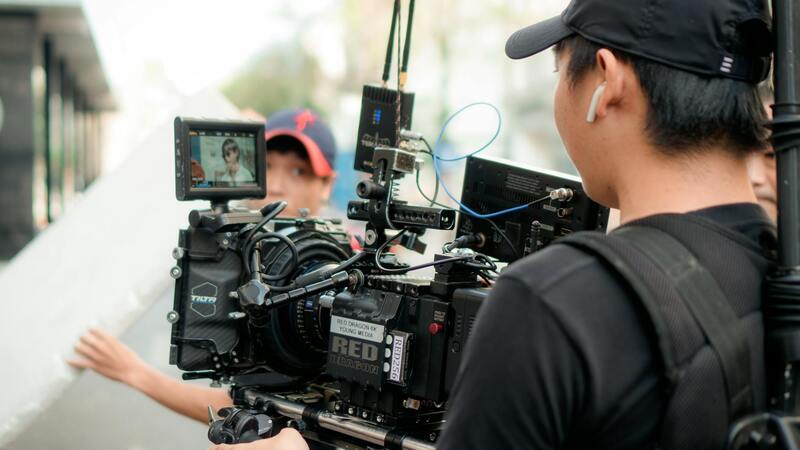
Keep the crew small: a director, one camera operator and someone on sound is plenty. Lights stay low and soft, and we avoid big stands and cables in rooms where toddlers are walking. Small children react to cameras for about five minutes and then forget they are there, so we often let the camera sit in a corner of the room before rolling. That is when the natural moments happen.
Interviews with the director and teachers
The interview is where trust gets built. Parents want to hear the director explain why she opened the center, how teachers are hired and trained, and what happens when a child is sick or has a hard day. Teachers who talk about why they chose early childhood education come across better than any script.
Most staff are nervous on camera. We send the questions a few days ahead, film in a quiet room during nap time, and ask people to answer in their own words in whichever language they are most comfortable with. Bilingual centers often get two versions out of one interview day, one in English and one in Spanish, which helps on local social media and in Google Business Profile video.
Formats that help a childcare center enroll
- Virtual tour, 2 to 3 minutes. A guided walk through classrooms, the playground and the entrance, led by the director. This is the video parents send to the other parent at home.
- A day in the life, 60 to 90 seconds. The daily rhythm cut to the length of a social post and a homepage header.
- Meet the teachers clips, 20 to 40 seconds each. One per classroom, used on the website and posted during the enrollment season.
- Program explainers. VPK, infant care, Montessori method, summer camp or after-school, each in a short clip that answers the questions the front desk hears every week.
- Staff recruitment video. Most centers in South Florida are short of qualified teachers. Footage from the same shoot can attract them, an approach covered in our article on recruitment and employer brand video in Miami.
If your center is part of a larger private school or feeds into one, the open house and enrollment approach in our guide to private school video production in Miami fits well alongside this. For a broader view of the sector, see our overview of education video production in Miami.
Mistakes we see in daycare videos
- Filming every child in the room and blurring the ones without releases afterward. Blurred faces look alarming to parents. Frame them out from the start.
- Music so loud it hides the sound of the classroom. Children's voices and teachers talking are the best soundtrack a center has.
- Scripting children. A three-year-old reading a line about "learning through play" convinces nobody.
- Shooting on a day with a substitute in the classroom or a broken air conditioner. Pick an ordinary, good day.
- Posting the video and never updating it. If the director or the building changes, the video should too.
Childcare and preschool video production with our Miami team
We produce video for early learning centers, daycares and preschool programs across Miami-Dade and Broward, and we plan every shoot around consent and the children's routine. That means release collection guidance before the date, a do-not-film list on the morning, a small and quiet crew, no filming in private spaces, and a final review by your director before anything goes online. The result is a tour video and a set of short clips that let parents see your teachers and your rooms the way they actually are.
If you are getting ready for an enrollment season or opening a new location, tell us about your center and your timeline on our contact page. You can learn more about the industries we work with on the about page. Usually the first planning call is about your daily schedule and which classrooms are ready to be seen, and the camera comes much later.