
Understanding Testimonial Videography
Testimonial videography is a specialized form of video production focused on capturing authentic client stories to showcase a company's products or services. Unlike traditional advertising, testimonial videos emphasize real experiences, emphasizing credibility and trust. They serve as a powerful marketing tool that illustrates how actual customers have benefited, helping prospective clients visualize the value offered.
This process involves detailed planning to ensure genuine stories are conveyed with clarity, emotion, and impact. The importance of testimonial videography lies in its ability to foster trust and influence purchasing decisions through relatable and compelling narratives. When executed professionally, it acts as a bridge that humanizes your brand, providing content that resonates emotionally with viewers.
Creating effective testimonial videos requires understanding the core message, selecting appropriate interviewees, and employing techniques that highlight authenticity. These videos become a vital part of a comprehensive marketing strategy by supplementing textual reviews and static images with dynamic storytelling, which can significantly boost engagement.
Planning and Pre-Production
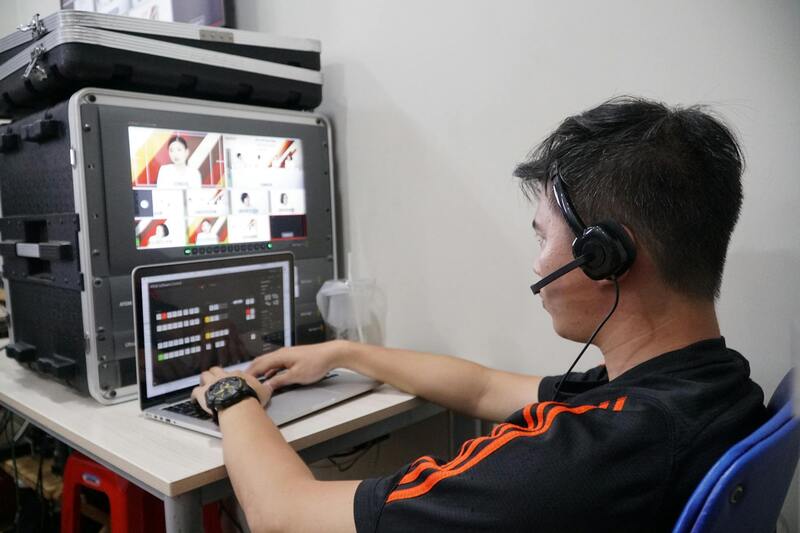
Establishing a clear plan is essential before filming testimonial videos. This phase involves identifying clients who can genuinely articulate their positive experiences and align with your brand values. Crafting an interview guide with targeted questions facilitates the collection of compelling stories while maintaining consistency across different testimonial segments. Precise planning also covers logistical details such as location, lighting, sound, and scheduling, ensuring a smooth production process.
Selecting the right interviewees plays a critical role in authentic storytelling. It is important to consider clients whose narratives are relatable and showcase diverse facets of your services or products. Their willingness to share candid insights adds to the credibility and emotional impact of the final video.
Creating a shot list and storyboard helps visualize the flow of the testimonial, including establishing shots, close-ups, and B-roll footage. This preparation ensures that every scene is purposeful, capturing both the interview content and the environment that contextualizes the client’s story.
A well-thought-out pre-production plan minimizes unforeseen issues during filming and guarantees alignment with your overall marketing objectives. It also sets the foundation for efficient use of resources, enabling a more polished final product.
Production Techniques for Effective Testimonials
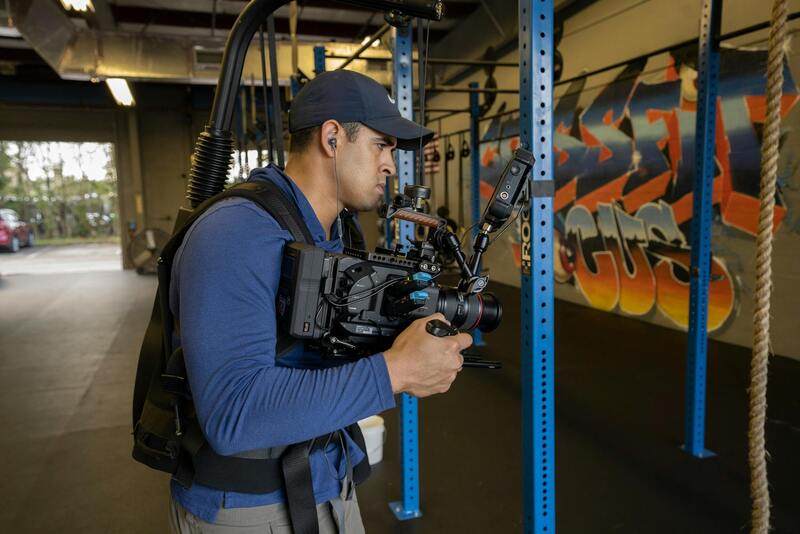
During the filming process, prioritizing clarity and authenticity is key. Setting up a professional environment with suitable lighting and high-quality sound equipment enhances the visual and audio appeal of the testimonial. Use a combination of wide shots to establish the scene and close-ups to capture emotional expressions, adding depth to the storytelling.
Encouraging interviewees to speak naturally and genuinely about their experiences fosters authenticity. Employ open-ended questions that allow clients to elaborate on their stories, enabling the capture of detailed insights that resonate with viewers.
Incorporating B-roll footage, such as the client interacting with your services or product, provides visual context and keeps the audience engaged. It also helps to illustrate the transformation or benefits experienced by the client, reinforcing the messaging.
Maintaining a comfortable and relaxed environment during filming facilitates honest responses. Avoiding overly scripted dialogue allows testimonies to feel spontaneous and sincere, which is instrumental in establishing trust and credibility.
Post-Production and Editing
Post-production involves editing footage to craft a coherent and emotionally compelling narrative. This stage includes selecting the most authentic and impactful clips, balancing interview content with supporting visuals, and ensuring the pacing aligns with the story’s flow.
Color correction and audio enhancement improve visual consistency and clarity, making the testimonial more professional and appealing. Integrating graphics, subtitles, or on-screen text can emphasize key messages or reinforce branding elements.
Sound design, including background music and ambient noise reduction, contributes to a polished listening experience. Music should complement the tone of the testimonial—whether inspiring, heartfelt, or professional—and not overshadow the spoken words.
Throughout editing, maintaining the authenticity of the client’s voice is vital. Excessive cuts or modifications that distort their message can diminish trust. Instead, aim for a seamless integration of visuals and sound that amplifies the genuine nature of the testimonial.
Legal Considerations and Client Consent
Securing explicit consent from clients is essential prior to filming and distribution. This includes outlining how the testimonial will be used, the channels of dissemination, and the duration of use. Written agreements protect all parties and clarify expectations, helping to avoid misunderstandings.
It’s advisable to provide clients with the final video or key segments to review before publication. This review process allows for any necessary revisions and reassures clients about how their stories are portrayed.
Respecting client privacy and confidentiality by anonymizing sensitive information when needed enhances trust and maintains professional standards. Clear communication about content rights and usage rights also facilitates a smooth approval process.
Practicing transparency throughout the testimonial creation process reinforces positive relationships with clients and underscores your commitment to ethical content creation.
Planning and Pre-Production
Effective testimonial videography begins with meticulous planning and careful pre-production steps that set the foundation for compelling storytelling. The process starts by selecting clients whose experiences genuinely reflect the quality of your services or products. Preference should be given to individuals who are articulate, authentic, and enthusiastic, as their genuine enthusiasm can elevate the overall impact of the testimony.
Once the clients are chosen, creating a structured outline of questions is essential. These questions should be designed to elicit detailed, honest responses that highlight specific benefits or positive outcomes. Open-ended prompts encourage clients to share personal stories and insights that resonate more strongly with viewers. It’s equally important to define the objectives of each testimonial—whether to showcase customer satisfaction, showcase success stories, or demonstrate solutions provided by your business.

Pre-production also involves logistical preparations, such as scouting locations, scheduling filming sessions, and ensuring all necessary equipment is available and calibrated for high-quality production. Establishing the desired tone, style, and visual aesthetics beforehand helps achieve a cohesive and professional look across all testimonial videos. It’s beneficial to brief clients about the filming process, including guidelines on setting, attire, and key points they might want to emphasize, ensuring their comfort and preparedness.
Clear communication of timelines, expectations, and data privacy measures fosters a transparent environment conducive to authentic storytelling. Additionally, legal considerations, such as securing advance permissions and consent forms, should be integrated into the planning phase. This preparation minimizes disruptions during production and ensures all content created aligns with established standards for ethical storytelling.
In sum, deliberate planning and thorough pre-production are vital for capturing testimonial videos that are not only visually engaging but also compelling and truthful representations of client experiences. This strategic groundwork results in content that can accurately demonstrate your value proposition and resonate deeply with your target audience.
Production Techniques for Effective Testimonials
Executing testimonial videography with precision and professionalism requires a combination of technical expertise and a keen understanding of storytelling. The foundation starts with optimal framing, where the subject is positioned to evoke trust and authenticity. Using the rule of thirds can help create balanced compositions that direct viewers' attention naturally toward the client’s expression and message. Proper framing also involves maintaining eye contact with the camera, which fosters a sense of direct communication and sincerity.
Lighting plays a crucial role in establishing mood and clarity. Soft, diffused lighting minimizes shadows and highlights facial features, ensuring clients appear approachable and genuine. It’s essential to avoid harsh backlighting or uneven illumination which can distract from the storyteller's message. When shooting indoors, utilizing natural light or softbox setups help achieve a warm, inviting ambiance that complements the client's narrative.
Audio quality significantly impacts the perceived professionalism of testimonial videos. Using lavalier microphones or shotgun mics ensures clear, crisp sound and reduces ambient noise. Before filming, conduct sound checks to identify potential issues like echo or background disturbances. Clear audio enables viewers to connect more deeply with the storytelling, emphasizing sincerity and capturing subtle emotional cues.
Interview techniques are equally vital. Encourage clients to speak naturally and share specific anecdotes that exemplify their positive experience. Open-ended questions serve as a guide, helping clients articulate their stories authentically. Maintaining eye contact with the camera and using gentle prompts can elicit genuine expression and spontaneous reactions, making the testimonial more relatable.
Background elements and environment also influence the credibility of the testimonial. Select locations that are well-lit, free of distracting clutter, and reflective of the client’s environment or brand identity. Consistent visual aesthetics across multiple testimonials contribute to a cohesive professional image, reinforcing your brand’s reliability and expertise.
Legal Considerations and Client Consent
In testimonial videography, securing explicit client consent prior to filming is a fundamental step that ensures transparency and respectful collaboration. This process involves providing clients with clear information about how their testimonial footage will be used, whether for promotional materials, social media, or website content. Formal consent forms are typically employed to document agreement, detailing the scope of use, the duration of use, and any rights granted to the videographer or production company.
It is crucial to communicate the importance of honest and authentic testimonials, encouraging clients to share genuine experiences that accurately reflect their perspectives. Emphasizing transparency enhances the credibility of the testimonial and upholds professional standards within videography practices.
Moreover, during the consent process, it is advisable to discuss specific concerns or limitations clients may have regarding their participation. For instance, some individuals might prefer to be identified only by their first name or anonymously, or they might request edits to certain parts of their testimony. Respecting these preferences fosters trust and demonstrates a commitment to ethical standards.
Ensuring proper documentation and obtaining written approval minimizes misunderstandings and protects both the client and the videographer. This process reinforces a professional approach, enabling the creation of impactful testimonial videos that serve promotional goals while honoring the rights and wishes of participants.
Implementing Proper Client Consent Procedures
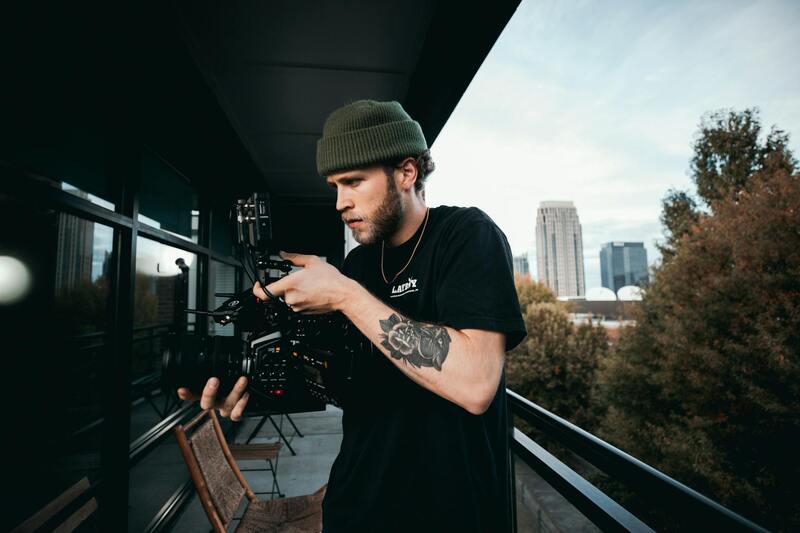
Before capturing testimonial footage, it is essential to establish a clear and thorough consent process with clients. This involves explaining exactly how the testimonial will be used across various channels such as promotional campaigns, social media, or website integration. Providing clients with comprehensive information ensures they understand the scope and nature of their participation, fostering transparency and trust. Utilizing formal consent documentation is a standard practice. These documents should explicitly state the intended use of the testimonial, specify the duration of its usage, and outline any rights retained or transferred to the videographer or production entity. Giving clients the opportunity to review and sign such agreements ensures that all parties have a shared understanding and agreement. In addition to legal formalities, it’s important to encourage honesty in testimonials. Authentic, candid experiences resonate more with viewers and add credibility to the content. Clients should feel comfortable sharing their genuine insights without feeling pressured to craft a polished or overly positive message. Respecting client preferences is equally crucial. Some individuals may wish to remain anonymous, use only their first name, or have specific sections of their testimonial edited for clarity or comfort. Addressing these preferences upfront demonstrates ethical professionalism and builds confidence in the process. Regular communication throughout the process helps prevent misunderstandings. Discussing potential concerns, revisiting the scope of the testimonial, and providing drafts for approval are effective ways to ensure everyone’s expectations are aligned. When properly documented and obtained in writing, client consent safeguards both the client’s rights and the integrity of the testimonial content.
Documented Consent as a Foundation for Professional Testimonials
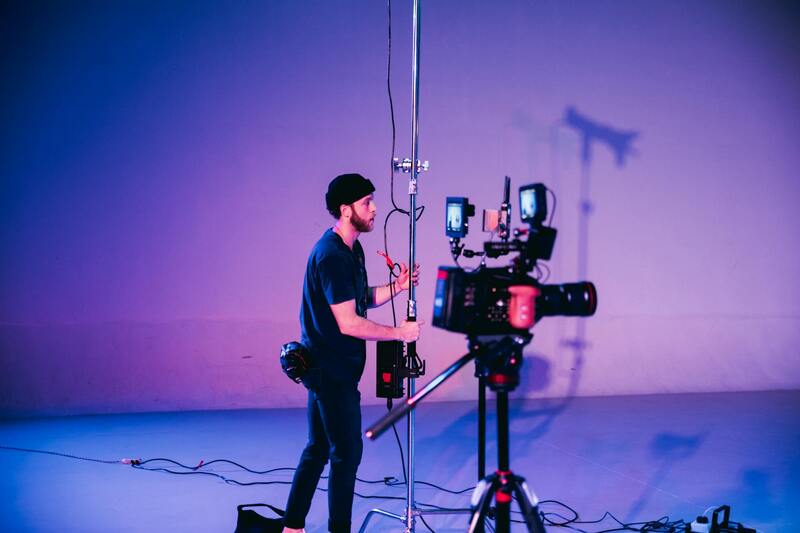
Documenting client consent is not merely a formality but a vital element that underpins the integrity of testimonial videography. This process involves collecting signatures on consent forms that clearly outline how testimonials will be used, ensuring clients are fully aware of the extent of their participation. These documents serve as a record of agreement, providing clarity for both parties. A well-crafted consent form covers critical aspects including the specific outlets where testimonials will appear, their duration, and any rights the client grants to the videographer. It may also include options for clients to specify parts they wish to omit or edit. This level of detail helps prevent future misunderstandings and disputes. Moreover, discussing and securing consent for the potential editing or enhancement of testimonials helps maintain authenticity while respecting client boundaries. This proactive approach emphasizes a professional standard and protects the interests of all involved. An effective consent process involves transparent communication, allowing clients to ask questions and express concerns. Providing them with copies of the signed documents ensures accountability and reinforces mutual understanding. When a structured, documented consent process is followed, it not only affirms ethical commitments but also enhances the overall credibility of the testimonial video.
Legal Considerations and Client Consent in Testimonial Videography
Securing clear, informed consent from clients is a fundamental aspect of producing testimonial videos that align with professional standards. This process safeguards both the videographer and the client by establishing a transparent agreement on how the testimonial will be presented and utilized across various platforms. A comprehensive consent strategy involves more than just a signed document; it entails open dialogue and explicit authorization for specific uses of the footage, ensuring all parties are on the same page.
One of the primary tools used in this process is a detailed consent form. This document should explicitly specify where and how the testimonial will be shown, including digital channels such as websites, social media, email campaigns, and other marketing outlets. It should also address the length of time the testimonial may be used and any rights the client is granting to the videographer. Including options for clients to highlight particular segments they wish to keep private or to suggest edits promotes transparency and trust.
Understanding the importance of authenticity while respecting client boundaries is crucial. When clients approve of the final content after editing or minor enhancements, it reinforces their comfort and confidence in the promotional material. Discussing these details beforehand allows clients to voice concerns about specific aspects of their testimonial and ensures no misrepresentation occurs.
Effective communication about how the testimonial will be used, combined with thorough documentation, forms the backbone of responsible testimonial videography. Providing copies of signed agreements and ensuring clients understand their rights fosters a trustworthy relationship, which ultimately enhances the credibility and professionalism of the finished product. This careful approach mitigates potential misunderstandings and supports a seamless integration of client insights into effective promotional content.
In addition to written consent, verbal agreements can reinforce understanding, especially when discussing possible edits or adaptable content usage. Maintaining detailed records of these dialogues, along with signed consent forms, creates a comprehensive record that can be referenced throughout the testimonial's lifecycle. Such diligence affirms the commitment to ethical standards and ensures both parties are protected and well-informed.
Legal Considerations and Client Consent
Ensuring the integrity and transparency of testimonial videography hinges on obtaining clear and comprehensive client authorization. This involves not only securing signed release forms but also conducting thorough discussions about the intended usage of the footage. Clear communication about the scope of distribution, potential platforms, and the duration of use helps align expectations and fosters trust between videographers and clients.
It is essential to maintain detailed documentation of all consent-related interactions. This includes keepings of signed agreements, email correspondences, and records of verbal permissions, especially when discussing potential edits or adaptations of the testimonial content. Such meticulous record-keeping acts as a safeguard, providing clarity and a solid foundation for future reference should questions or concerns arise.
In practice, this process involves outlining the rights, responsibilities, and expectations of all parties involved. Videographers should explicitly inform clients about how their testimonials will be showcased, including the possibility of being featured across different media channels and for varying durations. These discussions help preempt misunderstandings and ensure that all parties are fully aware of how the testimonial footage will be used.
Ensuring Authenticity and Ethical Standards
A commitment to authenticity is paramount in testimonial videography. This means producing content that accurately reflects the client’s experience without exaggeration or misrepresentation. Encouraging genuine stories and unscripted responses often results in more compelling and trustworthy testimonials.
Maintaining ethical standards also involves respecting client boundaries. Clients should be given the opportunity to review the final cut, suggest edits, or request that certain details be left out. Respecting these preferences reinforces a professional relationship based on honesty and integrity.
Technical Aspects of Consent and Legality
From a technical standpoint, including clear disclaimers within the release forms about the rights of both parties ensures that the testimonial content is produced and utilized in accordance with established standards. This may encompass permissions for audio and visual recordings, usage rights, and distribution channels.
In addition, videographers should stay informed about evolving regulations related to media production—such as copyright considerations and data protection protocols—to ensure their processes remain compliant. Adhering to these practices not only safeguards the interests of all involved but also enhances the professional reputation of the production service.
Conclusion
By prioritizing meticulous client consent, transparent communication, and ethical standards, testimonial videographers can create compelling, credible content that resonates with audiences and upholds the highest integrity. The foundation of effective testimonial videography lies in building trust, respecting client autonomy, and adhering to proven methods that reinforce authenticity and transparency—cornerstones for impactful and responsible content creation.