
Understanding the Importance of Professional Interview Filming
Effective interview filming plays a pivotal role in conveying messages with clarity and impact. High-quality visuals ensure that viewers remain engaged, while professional sound and lighting highlight the interviewee's expressions and tone. In Miami, where diverse locations and vibrant backgrounds are abundant, utilizing professional filming techniques helps create visually compelling content that stands out. A well-produced interview not only captures authentic insights but also enhances the credibility of the speaker, making the message more persuasive and memorable.
Quality filming enhances viewer trust and perception, which are crucial for brand reputation, educational aims, or journalistic integrity. When an interview is shot with attention to detail—such as optimal lighting, clear audio, and steady camera work—it communicates professionalism. This careful approach allows the audience to focus entirely on the content, fostering a deeper connection with the subject matter. Moreover, professional filming reduces the need for extensive post-production corrections, streamlining the workflow and ensuring the final product aligns precisely with the intended message.
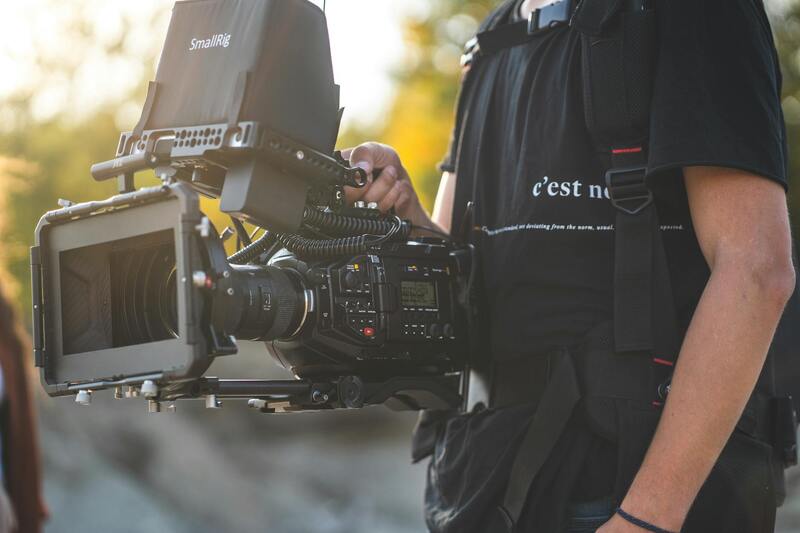
In the competitive landscape of Miami’s media scene, professional filming services elevate content delivery. Whether producing a corporate interview, a documentary segment, or a promotional piece, the visual and audio quality directly influence audience perception. When viewers see crisp visuals and hear clear audio, it reflects positively on the message's importance and the professionalism of the production. This is why relying on expert filming techniques and equipment is fundamental for those aiming to maximize their interview's reach and impact.
Ultimately, the effectiveness of an interview hinges on how well its storytelling components are captured on camera. Effective filming ensures that body language, facial expressions, and verbal cues are conveyed accurately, adding depth and authenticity to the conversation. High standards in filming practices foster greater engagement and help the message resonate more profoundly with the target audience, making the investment in professional filming solutions essential for successful communication endeavors.
Choosing the Right Equipment for Interview Filming
Selecting appropriate equipment is fundamental to capturing high-quality interview footage that communicates professionalism and clarity. The core equipment includes professional cameras, sound recording devices, and stabilization tools. High-definition cameras with excellent low-light performance ensure that visuals remain crisp and clear, even in varied lighting conditions inherent to Miami’s diverse filming environments. When available, utilizing multiple camera angles not only provides dynamic visuals but also enhances viewer engagement by offering varied perspectives throughout the interview.
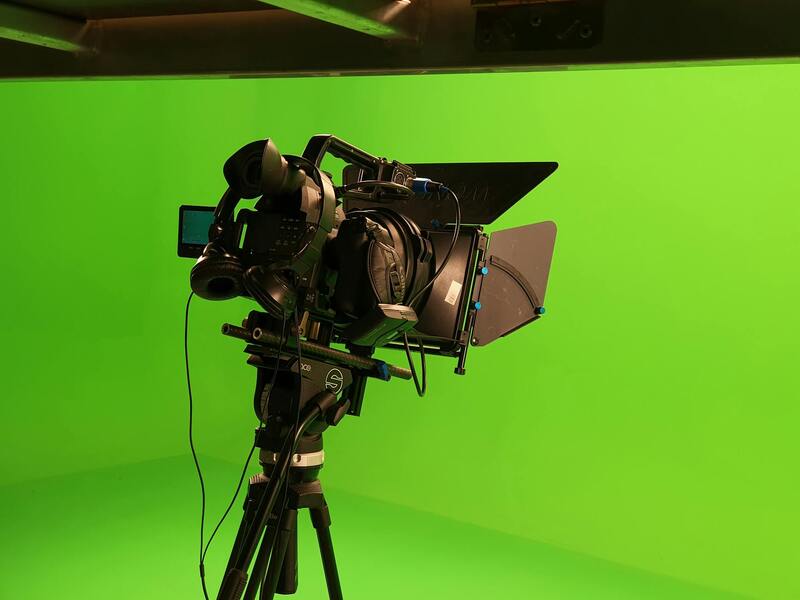
Audio equipment plays an equally vital role. Directional microphones, such as shotgun mics, effectively isolate the interviewee’s voice from ambient noise, ensuring clarity. Wireless lapel microphones are also popular for their discreet placement and mobility, allowing for natural body language without compromising sound quality. Using high-quality headphones during filming enables the crew to monitor audio in real-time, quickly identifying and addressing issues that might arise during recording.
Lighting gear, including portable LED panels and reflectors, is equally critical for managing the visual tone of each interview setting. In Miami, with its abundant natural light, blending artificial lighting with ambient sunlight can produce balanced, flattering illumination. Light modifiers such as diffusers and softboxes help soften shadows and create a professional look, regardless of location.
Beyond the primary equipment, accessories such as tripods, gimbals, and stabilizers contribute stability and fluidity to camera movement, preventing shaky footage that diminishes the perceived quality of the production. Ensuring that all equipment is compatible and functioning properly before the shoot minimizes delays and technical issues, maintaining a smooth filming process.
Considerations for Location and Environmental Factors
- Ambient Noise Control: Miami’s vibrant city life and outdoor settings may introduce uncontrollable sounds. Utilizing directional mics and soundproofing techniques can mitigate interference.
- Power Supply and Equipment Backup: Ensuring access to reliable power sources and carrying backup batteries prevents unexpected disruptions during shoots.
- Weather Preparedness: For outdoor filming, especially in Miami’s unpredictable climate, having weather-resistant equipment and contingency plans is crucial.
By carefully selecting appropriate cameras, sound gear, and lighting tools, film crews can produce high-caliber interview videos that stand out. The investment in quality equipment, coupled with meticulous planning, translates into content that not only captures viewer attention but also projects professionalism and authenticity.
Official Permitting and Authorization Procedures for Filming Interviews in Miami
Securing the appropriate permissions is an integral step in preparing for professional interview filming within Miami's diverse environment. The process begins with identifying the exact location where the shoot will occur—whether it's a public park, city street, historic site, or private property—and understanding the specific requirements associated with each. For public spaces, filmmakers are generally required to obtain a permit from the relevant municipal department, which may involve submitting detailed project plans, site maps, and possibly proof of insurance coverage. This ensures the filming activities align with local regulations and community guidelines.
Private property owners often have their own policies regarding commercial filming. It is advisable to seek formal approval directly from the property management or owner, outlining the scope of the project, logistical needs, and intended use of the footage. Doing so maintains transparency and fosters cooperative relationships, potentially avoiding delays or access issues during production.
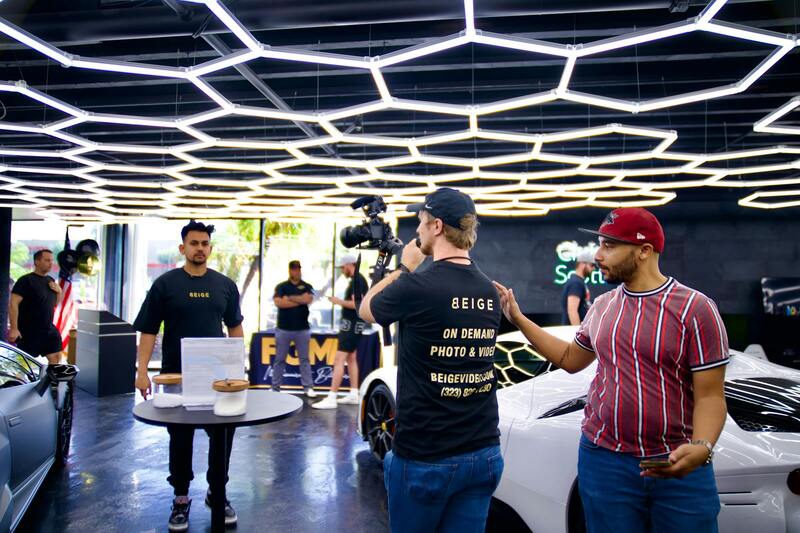
The permitting process may also involve filling out applications that specify timing, equipment use, crowd control measures, and other logistical details. Some locations might require additional permissions if filming involves drone footage, aerial shots, or specialized equipment that could impact public safety or infrastructure. Therefore, early engagement with local authorities or Miami’s film commissions can streamline the process, ensuring all necessary documentation and approvals are secured prior to the shoot.
In some instances, filmmakers might also need to coordinate with municipal departments responsible for traffic management, urban planning, or environmental regulation, especially for shoots involving large crews or complex setups. Adhering to established protocols not only keeps the production compliant but also demonstrates professionalism and respect for local ordinances. This approach minimizes potential interruptions, guarantees access to the desired locations, and ensures that the filming activities proceed without unforeseen administrative hurdles.
Furthermore, maintaining clear communication channels with city officials and property owners throughout the planning process helps address any unforeseen concerns that may arise. It is encouraged to keep detailed records of all permits, approvals, and correspondence related to the filming project. This documentation can be invaluable in case of inspections, disputes, or future projects requiring similar permissions, cementing a reputation for reliable and well-organized production practices in Miami.
Optimizing Audio Capture for High-Quality Interviews
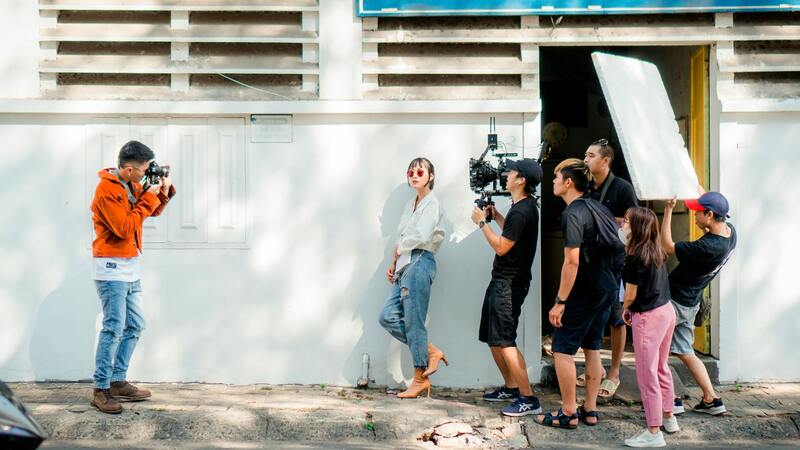
Achieving superior audio quality during interview filming is essential for creating engaging and professional content. Clear dialogue ensures that viewers focus on the message without distractions caused by background noise, muffled voices, or inconsistent audio levels. To accomplish this, selecting the right audio equipment and implementing effective techniques is crucial.
Using high-quality microphones tailored for interview environments can significantly improve audio clarity. Lavalier microphones, also known as lapel mics, are popular for their discreet design and ability to capture consistent sound directly from the subject's mouth. Shotgun microphones are excellent for capturing directional sound, especially in outdoor Miami settings where ambient noise can vary. Ensuring proper placement of microphones, such as positioning lapel mics close to the interviewee’s mouth and keeping shotgun mics directed at the subject, minimizes extraneous noise and enhances voice clarity.
Implementing windshields or windshields with microphones is vital for outdoor shoots in Miami, where breezy conditions or traffic noise can compromise audio quality. Additionally, employing wireless audio systems can provide freedom of movement for interviewees while maintaining a stable audio feed. However, regular monitoring during the shoot ensures that signal interference or battery issues do not interrupt the recording.
Controlling Ambient Noise and Environmental Factors
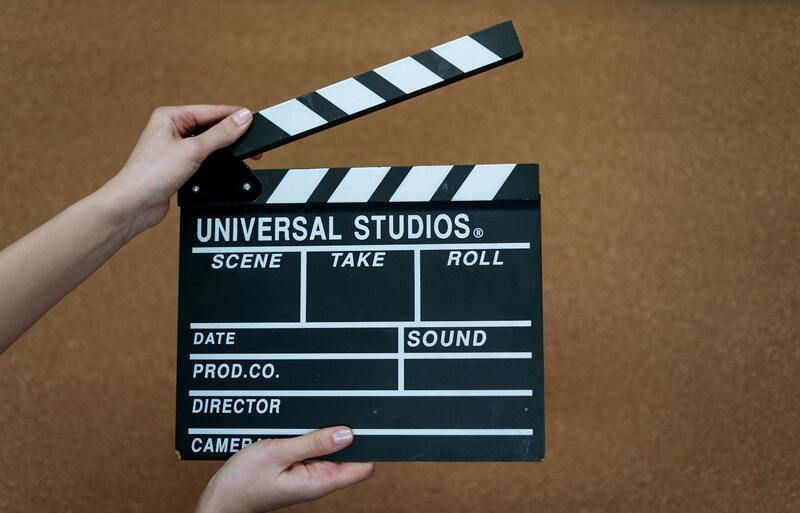
Miami’s vibrant outdoor environments present unique audio challenges, such as traffic, street performers, and weather conditions. To mitigate these factors, carefully selecting filming locations with minimal background noise is advisable. If shooting in busy areas, consider scheduling interviews during quieter times of the day or utilizing soundproof barriers and portable shields to isolate the interview space.
Weather conditions, including humidity and sudden showers, can impact audio equipment performance. Using weather-resistant microphones and windshields safeguards against moisture and wind noise. Additionally, setting up protected areas with tents or canopies will help preserve sound quality and equipment safety.
During post-production, audio editing tools can help clean up recordings. Applying noise reduction filters and leveling audio tracks ensures that the final product maintains a consistent and professional sound. Close attention to audio quality not only enhances audience engagement but also sustains the credibility of the interview content.
Ensuring Effective Monitoring and Backup Solutions
Real-time audio monitoring during filming helps identify and address issues promptly. Using headphones to listen to live recordings enables adjustments to microphone placement or settings that could improve clarity. Having backup audio recorders or secondary microphones on site ensures that valuable footage is not lost due to technical failures.
Proper management of audio files, including immediate backups and organized storage, facilitates a smooth post-production process. Maintaining detailed logs of audio settings, recordings, and any issues encountered during filming enhances workflow efficiency and ensures that the final interview video meets high-quality standards.
Implementing Professional Filming Techniques for Interview Success
When conducting a filming interview, employing established, official methods is crucial to achieving high-quality results that accurately represent the subject and uphold industry standards. A key component is the strategic positioning and framing of both the interviewee and interviewer, ensuring that the shot composition conveys professionalism and clarity. Proper framing involves maintaining a balanced shot, typically a medium close-up, to capture facial expressions and subtle gestures that add depth to the narrative.
Consistent camera settings are vital for maintaining visual integrity across the interview segment. This includes setting appropriate ISO levels to manage lighting conditions, selecting the correct aperture for depth of field, and adjusting shutter speed to avoid motion blur. These settings should be tested beforehand to ensure uniformity throughout the shoot.
It's important to utilize official camera stabilization equipment, such as tripods or gimbals, to prevent unwanted motion or shaky footage that can distract viewers and diminish the perceived professionalism of the video. Maintaining steady framing enhances the viewer’s focus on the subject, ensuring that the content remains engaging and easy to follow.
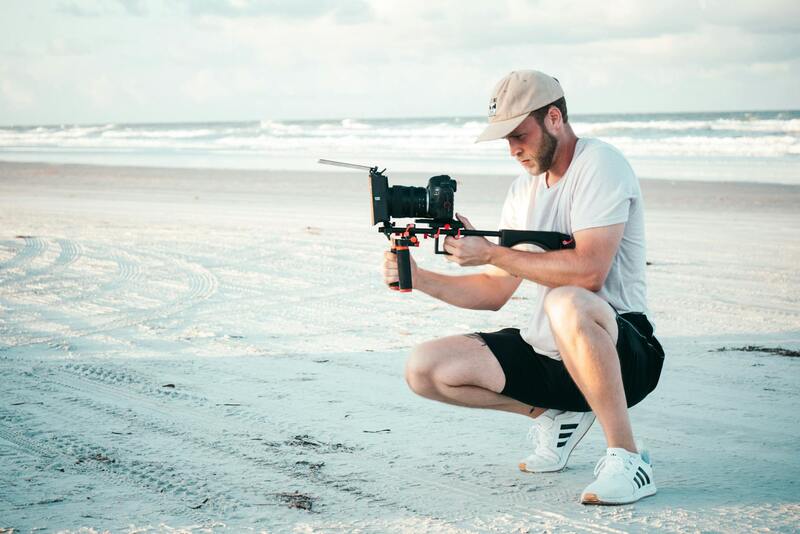
Audio quality remains just as critical as visual clarity. Using industry-standard microphones, such as lavalier, shotgun, or studio microphones, and positioning them strategically—close to the interviewee without being intrusive—ensures optimal sound capture. Conducting sound checks prior to filming guarantees that levels are balanced and free from distortion or background noise.
Off-camera, operators should monitor audio feeds continuously using professional headphones to identify issues promptly, such as interference or equipment malfunction. The deployment of secondary audio recorders serves as a failsafe, preventing data loss should primary equipment encounter problems.
For environments with potential distractions or ambient noise, setting up physical barriers or soundproofing elements around the interview area can vastly improve audio clarity. Rain, wind, or bustling city sounds can be mitigated with appropriate equipment like windshields, indoor acoustic treatment, or portable soundproof booths.
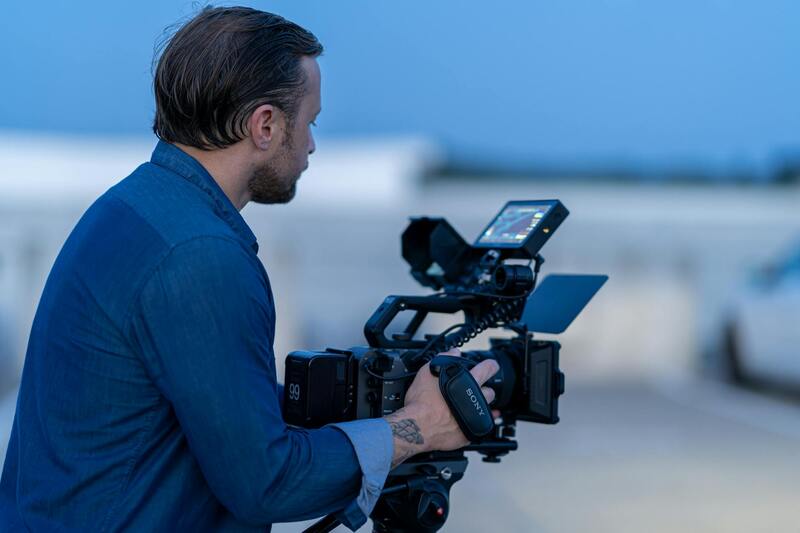
Post-production workflows include meticulous editing of both visual and audio components to produce a seamless final product. Color grading ensures visual consistency, while audio editing involves noise reduction, equalization, and leveling to create a balanced soundscape. These professional steps are essential in producing a polished interview that aligns with content delivery standards.
Finalizing the footage with titles, lower thirds, and transitions enhances the viewer’s experience and provides contextual information. Quality assurance checks are performed to review the interview for any technical issues, ensuring that the content meets established standards before distribution.
Adhering to official filming methodologies not only elevates the quality of the interview but also reinforces the credibility and authenticity of the content, vital for engaging an informed audience and establishing a trustworthy brand presence in Miami or beyond.
Ensuring Proper Filming Permits and Permissions in Miami
Securing appropriate permits and permissions is an essential component of professional interview filming within Miami. Navigating the procedural landscape involves understanding local regulations, property rights, and the scope of permissions required for specific filming locations. These steps ensure that the production adheres to city guidelines, avoiding interruptions or delays that could compromise the integrity of the project.
In Miami, certain public spaces, parks, or government-owned properties may require formal approval prior to filming. Obtaining these involves submitting detailed requests that specify the dates, times, and nature of the shoot. Providing comprehensive plans, including safety measures, equipment details, and expected footage, helps streamline the approval process. This proactive approach demonstrates professionalism and respect for local authorities, fostering a smoother operational flow.
For private properties or commercial venues, securing written consent from property owners or managers is necessary. This might include leasing agreements, filming permits, or contractual permissions that delineate access rights, liabilities, and any applicable fees. Clear communication with property stakeholders facilitates mutual understanding and ensures all parties are aligned on the scope and logistics of the interview shoot.
Ultimately, comprehensive adherence to the permitting procedures underscores a commitment to ethical and professional standards. It reflects an understanding of the importance of respecting community guidelines, property rights, and local policies—fundamental elements in maintaining integrity and fostering positive relationships within Miami’s vibrant filming landscape.
Managing Camera Angles and Framing for Effective Interviews
Capturing compelling interviews hinges significantly on correct camera angles and framing techniques, which serve to draw viewers into the story and emphasize key aspects of the subject’s message. When filming interviews, especially in a vibrant city like Miami, leveraging the right compositional strategies can elevate the quality and professionalism of the final product.
Optimal Camera Angles for Interview Filming
Choosing appropriate camera angles requires a blend of aesthetic sense and an understanding of the interview’s objectives. Typically, a direct eye-level shot creates a sense of equality and connection between the subject and the viewer, making the interview feel more personal and engaging. However, varying angles can add visual interest:
- Close-up shots: Focuses on facial expressions, capturing subtle emotions that enhance storytelling.
- Medium shots: Show the subject from the waist up, balancing facial cues with gestures and surroundings.
- Wide shots: Incorporate the environment, providing context or emphasizing location-specific narratives, especially relevant for Miami’s iconic scenery.
Effective Framing Techniques
Framing choices influence the narrative clarity and emotional impact of an interview. The "rule of thirds" remains a foundational guideline—positioning the subject's eyes along the top thirds of the frame to create a balanced and aesthetically pleasing composition. In Miami, where vibrant cityscapes and natural beauty serve as compelling backdrops, framing should highlight these elements without overwhelming the subject.
Camera Movement and Stability
Maintaining stability using tripods or gimbals ensures crisp footage and minimizes distractions. Subtle camera movements, such as slow zooms or pans, can be employed to guide viewers’ attention or transition between topics smoothly. These techniques, when executed with precision, add depth and dynamism to the interview presentation.
Integrating Environment for Visual Appeal
Miami’s diverse locations—from beachfronts to urban settings—offer numerous opportunities for dynamic backgrounds. Filming in a manner that showcases these environments while maintaining focus on the interviewee requires careful positioning and depth of field adjustments. Utilizing wide apertures can soften distracting backgrounds, drawing viewers’ attention directly to the subject, while wider lens choices capture the energy and vibrancy of Miami that turn simple interviews into memorable visuals.
Final Steps in Securing Your Shooting Environment
Once the planning, equipment setup, and initial shooting conditions are in place, the final responsibility lies in ensuring your interview footage is protected and adheres to established standards. This involves implementing a robust system for securing permissions, managing footage rights, and maintaining high-quality standards throughout the editing process.
Ensuring Footage Security and Rights Management
To maintain the integrity of your interview video, it is essential to organize your files meticulously. Store footage on reliable, encrypted drives with consistent backups to prevent data loss. Clear documentation of the recording dates, locations, and subjects involved helps streamline the editing process and provides a safeguard against potential disputes.
Furthermore, securing the rights to your content is paramount. Keep records of consent forms and release agreements signed by interviewees, outlining how the footage can be used. This documentation should specify the scope of use, duration, and any restrictions. Having these records readily available ensures a smooth post-production process and can protect your project from misappropriation or misuse concerns.
Refining the Editing and Final Review Process
The editing stage transforms raw footage into a compelling narrative. Attention to detail during this phase can substantially influence the viewer’s perception and engagement with the final product. Employ professional editing software capable of high-resolution outputs, color correction, and audio enhancement to meet the industry standards expected from reputable production services in Miami.
Consistency is key—standardizing color grading across shots, balancing audio levels, and removing distractions such as background noise or unwanted visual elements enhance the professionalism of your interview videos. Incorporating B-roll footage, graphics, and subtitles where appropriate adds depth and clarity, ensuring your message resonates effectively with the target audience.
Implementing Quality Control Measures
Before finalizing your interview footage for distribution, conduct a thorough review to identify and rectify any issues. Check for visual discrepancies, audio inconsistencies, and pacing problems that could detract from the overall quality. Engage multiple reviewers if possible, including those familiar with the content’s purpose, to gather diverse perspectives and ensure the video meets your standards. This rigorous approach helps produce a polished, impactful interview that truly aligns with your strategic objectives.