
Understanding Video Testimonials
Video testimonials are professionally produced videos where satisfied clients share their authentic experiences with a business, product, or service. These videos serve as powerful tools for enhancing brand credibility and fostering trust among potential customers. Unlike written reviews, video testimonials offer visual and auditory elements that create a more impactful and relatable message, allowing viewers to connect with real people and their stories.
The core purpose of video testimonials is to showcase genuine client satisfaction and success stories, effectively demonstrating how a business has positively impacted its customers. They are strategic assets in marketing campaigns, contributing to brand awareness, trust-building, and conversion rates. When crafted with authenticity and professionalism, these videos can significantly influence consumer decision-making, making them essential components of a comprehensive digital marketing strategy.
Implementing high-quality video testimonials involves understanding the dynamics of storytelling, production, and distribution. They are typically captured in a natural setting, emphasizing sincere expressions and relatable narratives that resonate with target audiences. When integrated into a website or social media platforms, video testimonials can enhance user engagement and provide a competitive edge in crowded marketplaces.
Planning a Successful Testimonial Video
Crafting a compelling testimonial video begins with meticulous planning to ensure authenticity and engagement. The initial phase involves selecting clients whose experiences align with the intended message and target audience, promoting credibility through genuine narratives. Establishing clear objectives for the video helps define the storytelling focus—whether it’s highlighting problem-solving capabilities, emphasizing results, or showcasing customer satisfaction. Developing a comprehensive shot list and script outline can streamline the production process, ensuring all key points are covered while maintaining spontaneity. While scripting is valuable, it’s essential to allow room for authentic expressions that resonate with viewers. Scheduling the shoot at locations familiar to the client or representative can enhance comfort and ease of storytelling. Pre-production preparations also include securing necessary permissions and coordinating logistical details such as equipment setup and crew roles. Selecting appropriate lighting and sound equipment is crucial for capturing high-quality footage that reflects professionalism. A well-organized plan minimizes disruptions during filming and maximizes footage quality, contributing to the overall effectiveness of the testimonial.
Key Elements of Effective Testimonial Videos
- Authenticity: Genuine stories delivered by clients who can articulate specific benefits and emotions.
- Clarity of Message: Clear communication of the problem, solution, and results achieved.
- Visual Quality: High-resolution visuals and clear audio that enhance credibility.
- Relatability: Connecting with viewers through relatable narratives and environments.
- Conciseness: Keeping the story focused and engaging, typically within 1 to 3 minutes.
Production Tips for Video Testimonials
During the production phase, attention to detail in filming techniques plays a vital role in capturing compelling footage. Employing multiple camera angles and dynamic framing can add visual interest and capture genuine reactions. It’s beneficial to use soft, diffused lighting to eliminate harsh shadows and create a warm, inviting atmosphere that highlights the client’s expressions.
Sound quality is equally important; utilizing lapel mics or shotgun microphones ensures clear dialogue free of background noise. Encouraging clients to speak naturally and share specific stories helps foster authenticity. Directors should create a relaxed environment, providing clients with prompts or questions beforehand to elicit detailed and heartfelt responses.
Post-filming, reviewing footage for consistency, focus, and audio clarity aids in selecting the best takes for editing. B-Roll footage—such as the client’s workspace or product in use—can be incorporated to enrich the narrative and provide context.
Editing and Post-Production for Testimonials
High-quality editing transforms raw footage into a polished testimonial video that effectively communicates the intended message. This stage involves trimming unnecessary segments, emphasizing emotional moments, and weaving in B-Roll footage to create a cohesive story. Adding subtitles enhances accessibility and ensures the message resonates even without sound.
Color correction and audio balancing further improve visual consistency and clarity, imparting a professional look. Integrating branding elements—such as logos, color schemes, and call-to-action overlays—can reinforce brand identity and inspire viewer engagement.
Graphics or text overlays highlighting key benefits or statistics can underscore important points without disrupting the narrative flow. Throughout post-production, maintaining authenticity and avoiding overly scripted edits preserves the genuine tone of the testimonial.
The final step involves exporting the video in formats suited for multiple platforms, ensuring optimal playback quality across websites, social media, and email campaigns. Implementing storytelling techniques that connect emotionally with viewers enhances overall impact.
Planning a Successful Testimonial Video
Creating impactful testimonial videos begins with meticulous pre-production planning. Identifying the right clients is crucial; selecting satisfied customers who genuinely resonate with your brand’s message and demonstrate authentic experiences ensures credibility. Establishing clear objectives for the testimonial helps guide the content, whether the goal is to highlight product benefits, showcase customer success stories, or reinforce brand values. These goals inform every stage, from interview questions to visual style.
Setting a realistic timeline and budget upfront allows for coordinated scheduling, equipment preparation, and resource allocation. Crafting detailed interview questions tailored to elicit candid, compelling stories ensures that the narrative remains focused and informative. Questions should be open-ended to encourage authentic responses while prompting respondents to share specific benefits or experiences.
Location scouting is another key pre-production step. Selecting environments that align with the testimonial’s tone—whether professional office spaces, customer sites, or neutral settings—can enhance the overall presentation. Securing necessary permits or approvals beforehand prevents disruptions. Additionally, coordinating with clients and stakeholders to validate interview content and logistics minimizes misunderstandings and sets expectations.
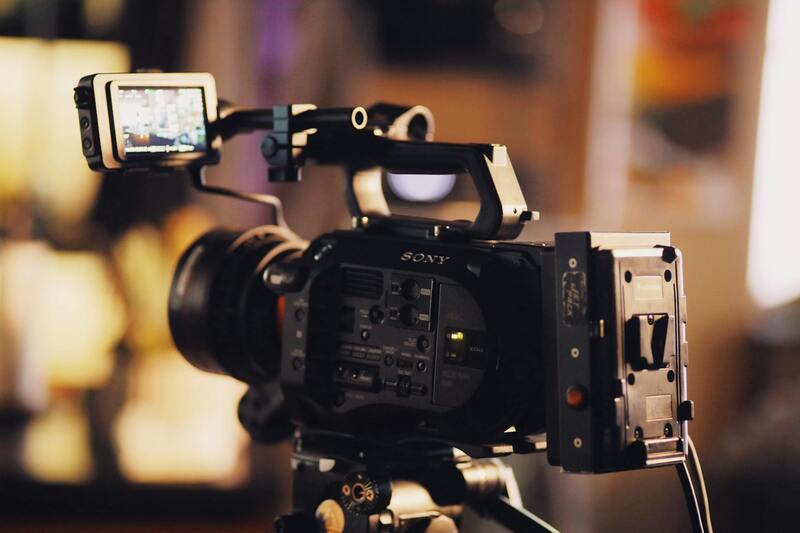
Preparation extends to logistical elements such as equipment checklists, transportation, and crew assignments. Establishing backup plans for unforeseen issues—like weather disruptions or technical glitches—avoids delays. Finally, outlining a clear shot list and interview format streamlines the shoot, allowing for a more efficient process that captures all necessary footage without unnecessary repetition or oversight.
Production Tips for Video Testimonials
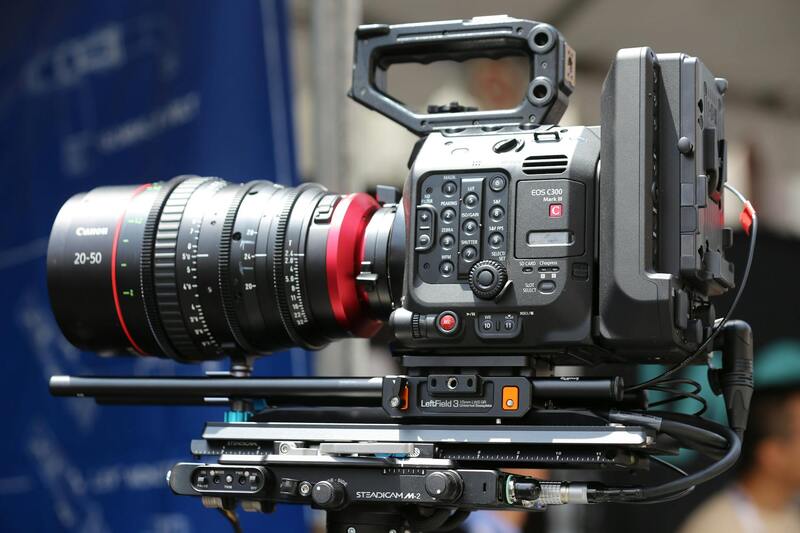
Achieving high-quality video testimonials requires careful attention during the shooting phase to ensure the final product effectively communicates the intended message. Proper planning and execution during production can significantly enhance the authenticity, engagement, and professionalism of the testimonial. Here are some essential production tips to consider:
- Lighting: Utilize soft, diffused lighting to create flattering visuals and eliminate harsh shadows. Even lighting enhances the subject’s features and maintains visual consistency across different shoots.
- Sound Quality: Invest in good-quality microphones, such as lapel or shotgun mics, to capture clear, crisp audio. Ambient noise should be minimized by choosing quiet locations or using soundproofing techniques, ensuring the testimonial's message is delivered without distractions.
- Framing and Composition: Follow the rule of thirds to position the subject attractively within the frame. Maintain eye-level shots to foster a sense of direct communication and authenticity.
- Background Selection: Choose backgrounds that complement the subject and reinforce the message, whether a professional office setting or a neutral backdrop. A clutter-free environment prevents visual distractions and maintains focus on the speaker.
- Interview Technique: Encourage natural, conversational responses by asking open-ended questions. Prompt respondents to elaborate on their experiences, highlighting specific benefits or stories that resonate with viewers.
- Multiple Takes: Record multiple takes and angles to provide flexibility in editing. This approach ensures you have options to enhance storytelling or fix minor issues in post-production.
- Visual Cues and Branding: Incorporate subtle branding elements, like logos or branded props, to reinforce identity without overshadowing the testimonial content.
- Non-Verbal Communication: Pay attention to body language, facial expressions, and gestures. Authentic and consistent non-verbal cues strengthen credibility and viewer trust.
Post-production plays a vital role in polishing the testimonial footage. Editing should focus on maintaining authenticity while enhancing clarity and engagement. This includes trimming unnecessary segments, balancing audio levels, and adding subtle graphics or overlays for branding purposes. Color correction can ensure visual consistency throughout the video, making it more appealing and professional.
Production Tips for Video Testimonials
Creating compelling video testimonials requires attention to detail in every phase of production. Focusing on technical elements such as shooting techniques, lighting, and sound quality ensures the final product appears polished and professional, compelling viewers and establishing credibility. The environment in which clients record their testimonials should be carefully prepared to foster comfort and authenticity, which directly impacts the quality of the content.
Creating a Comfortable Recording Environment
To elicit genuine responses, it is essential to set up a space that minimizes distractions and anxiety. Choose a quiet, well-lit area with minimal background noise. Arrange seating to promote natural conversation, and provide guidelines to interviewees beforehand, emphasizing the importance of relaxed posture and honest storytelling. This approach helps capture authentic emotions and insights that resonate with prospective customers.
Shooting Techniques
- Camera Placement: Position the camera at eye level to foster a direct and engaging perspective. Utilize multiple angles when possible to add visual interest and provide editing flexibility.
- Framing and Composition: Use the rule of thirds to frame subjects, ensuring faces are well-centered and expressions are clear. Leave sufficient headroom and avoid positioning subjects at the image edges.
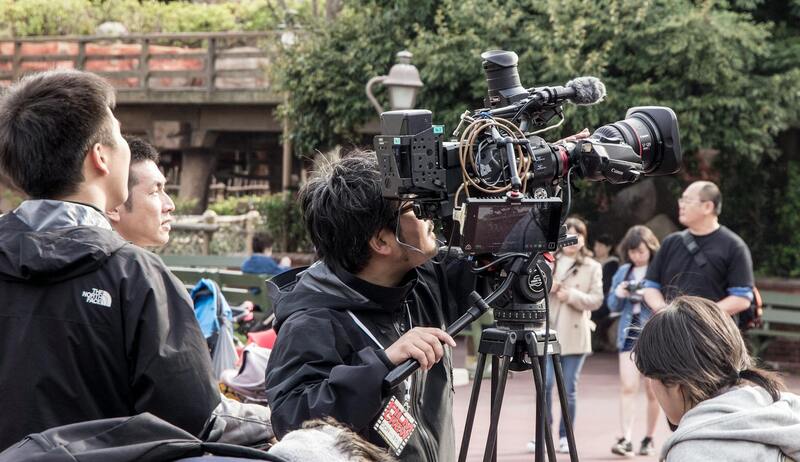
- Focus and Stability: Maintain sharp focus on the subject’s eyes, which are crucial for conveying emotion. Use tripods or stabilizers to prevent shaky footage, maintaining a smooth and professional appearance.
- Avoiding Distractions: Remove clutter from the background, and ensure the setting is relevant and visually appealing to reinforce the testimonial's context.
Lighting Techniques
Proper lighting is vital for a crisp, flattering video. Soft, diffused lighting minimizes harsh shadows and enhances skin tones. Use a key light positioned at a 45-degree angle to illuminate the subject’s face, complemented by fill lights and backlights to reduce contrast and add depth. For indoor shoots, ring lights or softboxes are ideal, while natural light can be effective outdoors or near large windows, provided it is controlled to avoid overexposure.
Sound Quality Considerations
Clear audio is as critical as visual clarity. Use quality microphones, such as lapel or shotgun mics, positioned close to the speaker to capture speech distinctly. Conduct sound checks prior to recording to adjust levels and eliminate background noise. Employ windshields outdoors and acoustic panels indoors if necessary, to optimize sound capture. Post-recording, audio editing should be performed to balance levels, reduce unwanted noise, and ensure speech intelligibility.
Ensuring a Smooth Recording Process
Communicate clearly with interviewees to foster ease during recording. Provide a brief overview of the process, emphasizing comfort and authenticity. Encourage spontaneous responses, resisting the urge to overly script or direct participants, as genuine experiences are more impactful. Record multiple takes from various angles to offer options during editing, and always monitor footage to address any technical issues promptly.
Post-Production and Finalization
Post-production editing refines testimonial videos for maximum engagement. This includes trimming unnecessary segments, enhancing audio clarity, and correcting color for visual consistency. Subtle branding graphics can be added to reinforce identity without distracting from the message. Incorporate captions or subtitles to improve accessibility, and consider integrating background music carefully selected to complement the testimonial content. The goal is a seamless, authentic presentation that effectively communicates client experiences to prospective customers.
Ensuring Authenticity Through Proper Editing and Distribution
Editing plays a crucial role in maintaining the genuine voice and message of testimonial videos. The editing process involves more than just cutting segments; it’s about crafting a cohesive narrative that resonates with viewers while preserving spontaneity. When editing testimonial videos, it’s essential to focus on accuracy, pacing, and clarity, ensuring that the interviewee’s message is communicated effectively without distortion or unnecessary embellishments.
Color correction should be applied to achieve visual consistency across different shots and lighting conditions. This step helps create a polished look that enhances professionalism without sacrificing authenticity. Additionally, subtle graphics such as logos or branding elements can be integrated carefully, ensuring they complement rather than distract from the testimonial’s core message.
Captions or subtitles should be incorporated to improve accessibility and reach a broader audience. This not only benefits viewers who prefer watching videos without sound but also facilitates comprehension for non-native speakers. When selecting background music, opt for tracks that subtly enhance the mood but do not overpower the spoken words, allowing the testimonial's sincerity to shine through.
Once editing is complete, distribution strategies become vital to maximize the testimonial's reach and impact. Platforms such as social media, the client company's website, and industry-specific channels are effective venues for sharing these videos. Optimizing videos for each platform involves customizing aspect ratios, using relevant hashtags, and including compelling descriptions that capture viewer interest. Implementing SEO best practices by embedding relevant keywords in titles, descriptions, and tags improves visibility and searchability.
Tracking performance metrics such as view counts, engagement rates, and conversion metrics provides insights into the effectiveness of testimonial videos. These analytics enable ongoing refinement of content and distribution tactics to better reach target audiences and enhance overall ROI.
Working with a Miami-based video production agency can streamline this entire process. Such agencies bring expertise in editing, branding, and distribution, ensuring the testimonial videos align with your campaign goals and resonate with your audience. This collaboration often results in higher-quality content that adheres to best practices and achieves desired outcomes effortlessly.
Distribution and Optimization Strategies
Distributing testimonial videos strategically across various digital channels is crucial for maximizing their reach and impact. An effective distribution plan involves selecting the right platforms tailored to the target audience, such as social media sites, your company’s website, email campaigns, and industry-specific online communities. Each platform has unique requirements in terms of video format, aspect ratio, and length, necessitating customized content to ensure seamless integration and optimal viewing experiences.
When sharing testimonial videos, a consistent publishing schedule helps build momentum and maintains audience engagement. Utilizing social media scheduling tools allows for streamlined posting across multiple channels, ensuring your message reaches the right viewers at the right times. Incorporating compelling captions and calls to action encourages viewers to engage further, whether by visiting your website, requesting more information, or sharing the content.
Optimization for search engines plays a pivotal role in increasing visibility. Embedding relevant keywords naturally within video titles, descriptions, and tags enhances searchability on platforms like YouTube and Google. Creating SEO-friendly thumbnails and compelling video titles attracts more clicks, while well-crafted descriptions provide context and include calls to action that guide viewers on their next steps. Additionally, leveraging keyword-rich meta descriptions and using descriptive tags helps the videos appear in relevant search results, amplifying the testimonial’s reach.
Measuring the effectiveness of testimonial videos involves analyzing various performance metrics. Monitoring view counts, engagement rates (likes, shares, comments), and conversion metrics (click-through rates, form submissions) offers valuable insights into how well the content resonates with your audience. These analytics inform ongoing adjustments to the distribution strategy, such as refining target keywords, adjusting posting schedules, or optimizing content formats for specific platforms.
Implementing tracking tools like UTM parameters, pixel tags, and analytics dashboards allows for precise measurement of campaign success. Analyzing these data points provides a clear understanding of the testimonial video’s contribution to your overall marketing goals. Regularly reviewing performance metrics ensures continuous improvement and helps identify the most effective channels and strategies for future content planning.
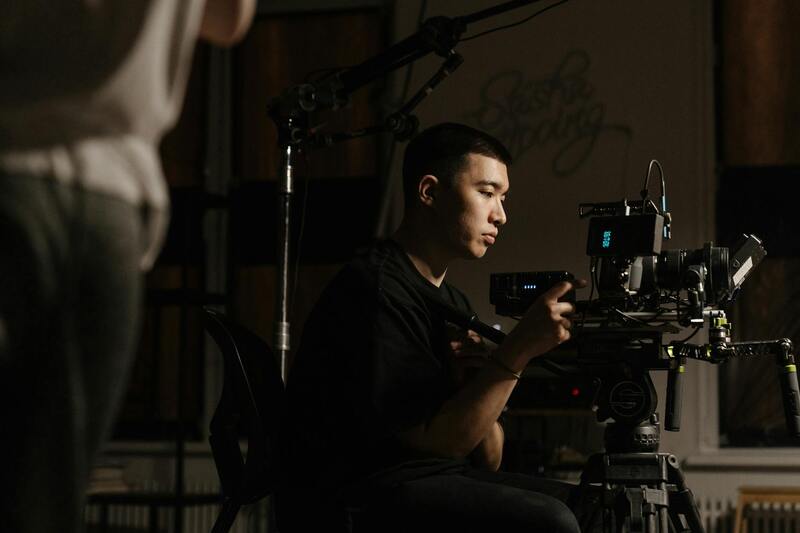
Working with a Miami-based video production agency simplifies this process by leveraging their expertise in content distribution, SEO strategies, and analytics integration. These professionals understand how to tailor content for each platform’s specifications, optimize videos for maximum search visibility, and track performance metrics to ensure campaign success. Their involvement ensures that testimonial videos achieve the desired level of exposure and engagement, ultimately boosting your brand’s credibility and customer trust.
Ensuring the Authenticity and Credibility of Video Testimonials
One of the most critical aspects of producing effective video testimonials is establishing and maintaining the credibility of the content. Authenticity resonates profoundly with viewers, as genuine testimonials foster trust and strengthen brand reputation. To achieve this, it is essential to implement rigorous verification methods that affirm the authenticity of each testimonial without relying on dubious or unverifiable practices.
Authentic testimonial production involves obtaining clear, verifiable consent from clients or customers, ensuring they are informed about how their testimonials will be used. This transparency enhances the perceived sincerity of the content. Additionally, capturing testimonials in natural settings—such as clients discussing their experiences in their own environments—helps reinforce a sense of honesty. Editing should preserve the core messages and emotional tone without altering the speaker's intent or making exaggerated claims.
Implementing proper documentation procedures is fundamental. For example, recording the circumstances under which each testimonial is obtained—such as the date, location, and context—provides a record of authenticity. When editing, it is advisable to include candid moments and spontaneous remarks that contribute to the overall sincerity of the message. Avoiding overly scripted or staged testimonials ensures that the audience perceives the content as genuine and trustworthy.
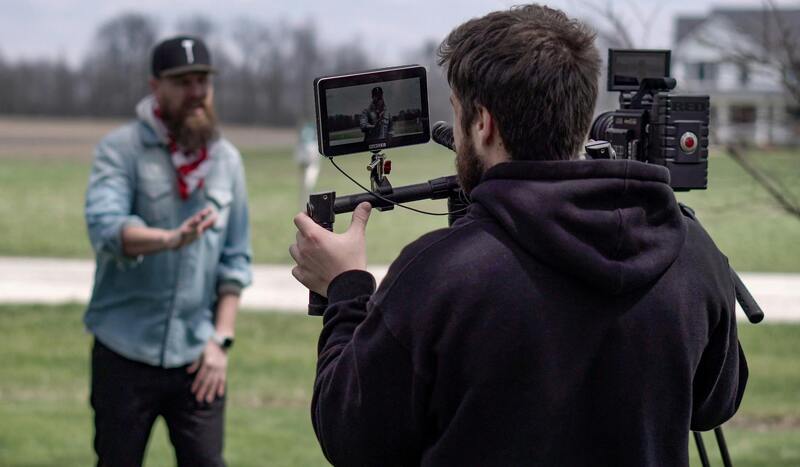
Furthermore, transparency about the testimonial's purpose and the relationship between the reviewer and the brand helps maintain trustworthiness. Clearly disclosing any incentives or associations prevents potential perceptions of bias, enhancing the testimonial’s legitimacy. Leveraging third-party endorsements or involving unbiased witnesses can also reinforce the authenticity of the testimonials.
Maintaining Ethical Standards in Testimonial Content
Adhering to high ethical standards is vital in video testimonial production. This includes honest representation of client experiences and avoiding exaggeration or misleading statements. Upholding these standards ensures that the testimonials serve as truthful reflections of customer satisfaction, which ultimately supports long-term brand integrity.
To facilitate this, companies should establish internal guidelines for testimonial collection that emphasize transparency, honesty, and respect for client privacy. Training interviewers and production staff in ethical practices further solidifies the commitment to authenticity. When viewers perceive the testimonials as honest and unfiltered, their engagement and trust in the brand increase significantly.
The Role of Expert Voicing and Presentation
An often underappreciated element of testimonial credibility involves the presentation style and voice of the interviewees. Professional videographers and interviewers can skillfully draw out genuine stories while respecting the natural speech patterns of participants. The tone should be conversational, authentic, and free from scripting that might suggest insincerity.
Additionally, selecting interviewees who genuinely have positive experiences ensures that the testimonials are not only credible but also compelling. Authentic expressions of satisfaction, combined with relatable stories, resonate more deeply with target audiences, further strengthening the impact of the testimonial.
Advanced Strategies for Authentic Testimonial Verification
Emerging best practices include the use of supplementary evidence, such as product demonstrations, before-and-after visuals, or supporting documentation. Incorporating these elements offers additional proof of the claimed benefits or results. When combined with honest verbal endorsements, these visual cues create a multi-layered, convincing narrative that upholds integrity.
Moreover, regular audits of testimonial content and ongoing quality control measures ensure that all produced testimonials meet established standards of authenticity. Continuous review helps identify and rectify any discrepancies, preserving the testimonial's integrity over time.
By adhering to these legitimate methods of testimonial collection and production, brands can cultivate a collection of verified and trustworthy video testimonials. These authentic stories serve as powerful social proof, capable of significantly influencing prospective customers' purchasing decisions and fostering long-lasting trust in the brand.