
Understanding Video Interviews Production
In today’s dynamic media landscape, video interviews have become an integral component across numerous sectors, including corporate communication, journalism, marketing, and entertainment. They serve as powerful tools for sharing expertise, telling compelling stories, and engaging audiences through visual storytelling. Producing a high-quality video interview requires meticulous planning and execution to ensure that the final product resonates with viewers and effectively delivers its message.
The primary goal of video interviews production is to capture authentic and engaging conversations while maintaining visual and audio clarity. This process involves more than just recording a conversation; it encompasses strategic planning, technical setup, and post-production refinement. When executed correctly, video interviews can amplify brand authority, foster trust, and facilitate meaningful communication between interviewers and audiences.
Successful production hinges on several core elements:
- Content Clarity: Ensuring that the interview’s purpose, key messages, and target audience are clearly defined prior to filming.
- Visual Quality: Employing professional lighting, framing, and camera work to create visually appealing shots.
- Audio Precision: Using quality microphones and sound equipment to capture clear and distraction-free audio.
- Effective Lighting: Creating a well-lit environment that enhances the subject’s features and maintains visual consistency.
- Expert Editing: Refining footage to enhance storytelling, eliminate distractions, and add visual interest.
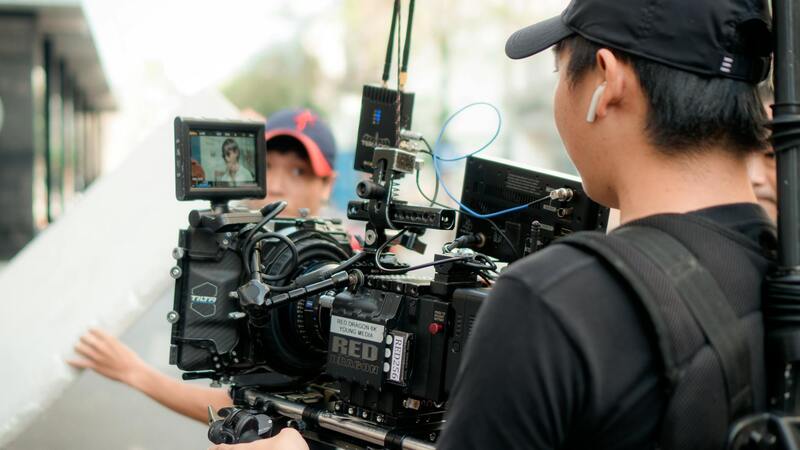
Furthermore, understanding the dynamics of the interview, such as question formulation and interview flow, plays a crucial role in capturing compelling content. As industries increasingly leverage video content for branding, training, and information dissemination, mastering the essentials of video interviews production remains a top priority for media professionals and organizations alike.
Choosing Locations and Setting Up Scenes
Selection of the appropriate location is crucial in establishing the tone and professionalism of a video interview. The environment should complement the subject and reinforce the interview’s purpose, whether it’s an office for corporate insights or a studio for a polished presentation. Ensuring that the location provides adequate space for equipment setup, camera angles, and movement allows for dynamic shot compositions and seamless transitions. It’s vital to evaluate ambient noise levels, lighting conditions, and background elements to create a distraction-free setting conducive to high-quality video production.
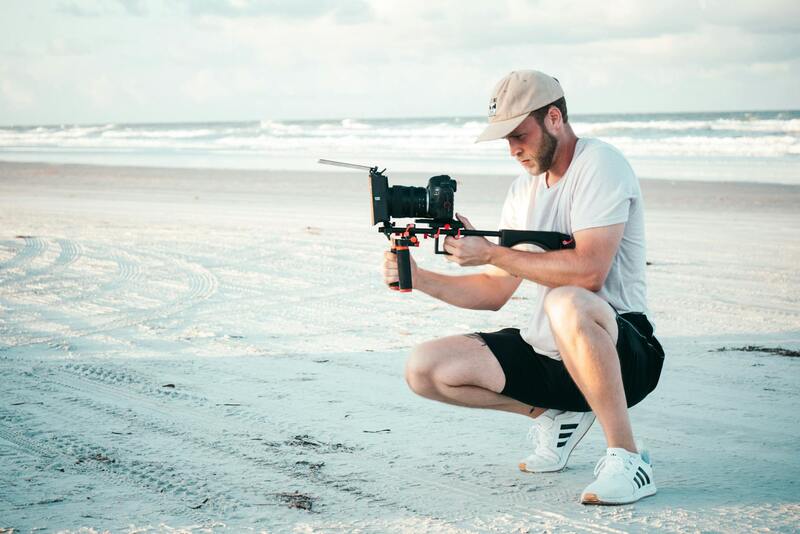
Scene setup involves more than mere placement; it requires meticulous planning regarding backdrop choice, furniture arrangement, and visual consistency. Whether employing a simple clean background or a branded setting, each element should be curated to enhance focus on the interviewee while maintaining aesthetic coherence. Popular choices include modular setups that can be tailored to suit various themes, thus providing flexibility for different production needs.
Creating a Controlled Atmosphere
- Minimize background distractions by choosing locations with minimal movement and noise.
- Use soundproofing measures, such as acoustic panels or blankets, to reduce echo and ambient noise.
- Ensure clean and organized backgrounds that reflect the professional tone of the content.
- Optimize natural light with diffusers or artificial lighting to maintain visual clarity and consistent exposure across shots.
Incorporating a designated interview space not only enhances production quality but also streamlines the filming process, saving time and resources. Careful location scouting and scene setup are fundamental steps that determine the overall impact of the interview, ultimately influencing viewer perception and engagement.
Equipment and Technical Considerations
Leveraging the right equipment is essential for capturing crisp visuals and clear sound during video interviews. High-definition cameras capable of recording with excellent color accuracy and resolution form the backbone of professional production. Coupled with high-quality tripods and stabilizers, these tools ensure steady shots that exude professionalism. Lighting equipment, such as softboxes or ring lights, directs and softens illumination to highlight interview subjects effectively.
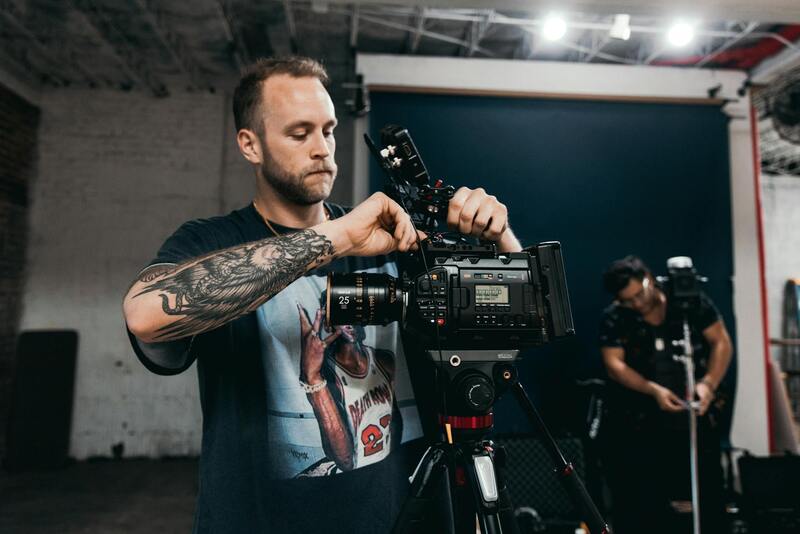
Audio quality often distinguishes impactful interviews from amateur recordings. Employing lapel microphones, shotgun mics, or condenser microphones ensures audio clarity, minimizing background noise and echo. It is crucial to monitor audio levels throughout filming to prevent distortion or unwanted disruptions.
Technical Checklist for Optimal Results
- Select cameras with manual settings to control focus, exposure, and white balance.
- Utilize multiple camera angles to add visual interest and flexibility during editing.
- Ensure consistent lighting to avoid fluctuating visual tones.
- Implement reliable sound recording equipment with backup options.
- Prepare power sources and backup storage devices to prevent data loss.
Investing in professional-grade equipment minimizes technical issues and enhances the overall production value, ensuring an immersive viewing experience that aligns with brand standards.
Equipment and Technical Considerations
When orchestrating professional video interviews, meticulous attention to equipment and technical details is mandatory to produce polished and impactful content. The selection of equipment directly influences the clarity, visual quality, and overall aesthetic of the production. High-resolution cameras equipped with advanced sensors facilitate sharp and vibrant visuals, which are essential for engaging viewers and elevating brand credibility.
In addition to resolution, manual controls over focus, exposure, and white balance enable videographers to adapt to varying lighting conditions, ensuring consistent image quality throughout the shoot. Employing multiple camera lenses allows for versatile shot compositions, ranging from close-ups that capture facial expressions to wide angles that establish the scene's context.
Lighting is another cornerstone of quality video interviews. Proper lighting setup not only highlights the interviewee but also minimizes shadows and enhances skin tones. Softboxes, ring lights, and key lights directed strategically can create a flattering and professional atmosphere. It is crucial to balance ambient and supplemental lighting to avoid harsh shadows or overly bright spots.
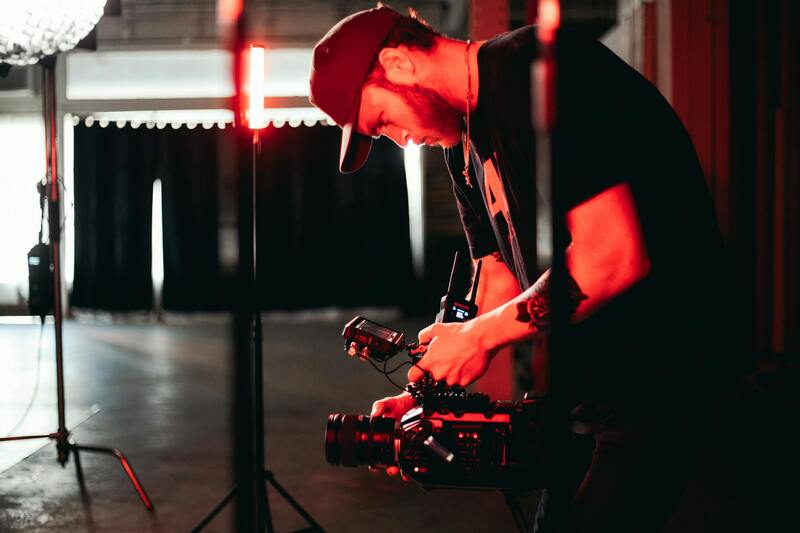
Audio fidelity is equally vital. Incorporating professional-grade microphones, such as lapel or shotgun microphones, ensures voice clarity and isolates speech from background noise. During filming, constant monitoring of audio levels is necessary to prevent distortion or volume fluctuations. Using backup audio recorders or dual-mic setups provides redundancy, safeguarding against potential technical failures.
Technical infrastructure must include reliable power sources with backup options like uninterruptible power supplies (UPS) and sufficient storage capacity. These precautions are essential for uninterrupted recording sessions and efficient post-production workflows. Regular equipment maintenance and pre-shoot technical checks mitigate unforeseen issues, ensuring a smooth filming process.
Employing professional editing software allows for seamless assembly of footage, color correction, and the integration of graphics or subtitles. High-quality post-production polishing elevates the final product, making it suitable for corporate branding, social media campaigns, or broadcast purposes. Attention to detail during editing, including precise cuts and sound synchronization, results in a cohesive and compelling interview piece.
Working with Miami Production Experts
Partnering with experienced production teams in Miami guarantees adherence to high standards and a thorough understanding of the local environment. Professionals bring a wealth of knowledge regarding equipment choices, location setup, and technical troubleshooting, which are crucial factors for successful video interview projects.
Collaborating with local experts streamlines scheduling, permits, and logistical arrangements, leading to more efficient production cycles. These specialists also possess insights into optimal times of day for natural lighting and atmospheric conditions, ensuring footage aligns with desired aesthetic and narrative goals.
Engaging experienced production agencies offers access to state-of-the-art equipment and resources, reducing the risk of technical setbacks. Additionally, their expertise ensures the final videos meet editorial standards and resonate with target audiences—key for brand consistency and effective communication campaigns.
Ensuring Authentic and High-Quality Content through Official Methods
Producing professional video interviews requires adherence to proven, reputable strategies that guarantee content integrity and superior production value. These methods encompass a comprehensive approach, starting from meticulous planning to precision in technical execution, which ultimately results in compelling, persuasive videos tailored to diverse audience needs.
One critical component is the selection of authentic interviewees whose expertise and credibility align with the video's objectives. Conducting thorough background checks and establishing transparent communication ensure the individuals involved are well-informed and prepared, fostering an environment of trust and professionalism. This stage often involves detailed briefings on the interview format, key topics, and expected outcomes, setting a solid foundation for meaningful dialogue.
When it comes to technical setup, utilizing state-of-the-art equipment from reputable providers guarantees high-resolution visuals and clear audio. For cameras, high-definition or 4K options are standard, paired with professional-grade microphones to capture voice nuances without interference. Proper lighting setups, including softboxes and diffusers, ensure consistent illumination that highlights interviewees naturally, avoiding harsh shadows or unnatural color casts. Backup gear, such as extra batteries, memory cards, and portable lighting, is essential to prevent mishaps during filming, maintaining the flow without disruptions.
Employing legitimate editing software, optimized for professional use, facilitates accurate assembly of footage, color grading, and seamless integration of graphics or textual elements. Sound editing processes, including noise reduction and equalization, refine audio clarity, which is vital for viewer engagement. These editing practices adhere strictly to industry standards, aligning with best practices for visual storytelling and ensuring the final product resonates authentically with viewers.
For distribution, official channels such as corporate websites, branded social media platforms, or broadcast networks guarantee content reaches targeted audiences effectively. Detailed promotion strategies, supported by data-driven insights, maximize viewer engagement and reinforce brand messaging. Regularly updating content, leveraging SEO techniques, and utilizing reputable hosting platforms are part of a comprehensive I officia l method to enhance visibility and professional reputation.
By prioritizing legitimate techniques and tools, companies and individuals involved in video interviews can produce authoritative, engaging content that withstands scrutiny and builds trust among their audiences. Detailed planning, employment of advanced and legitimate resources, and meticulous technical execution form the backbone of high-quality production, elevating the final product's impact and extending its reach across multiple channels.
Equipment and Technical Considerations
When producing high-quality video interviews, employing legitimate, industry-standard equipment is essential to achieve clarity, professionalism, and visual consistency. Camera technology should be selected based on specifications that support high-resolution output, such as 4K or higher, with reliable autofocus and excellent low-light performance. Professional-grade camera rigs include stabilized tripods and mounts that prevent shakiness, ensuring smooth, stable shots suitable for broadcast and digital streaming.
Audio quality stands as a cornerstone of effective video interviews. High-fidelity microphones, including shotgun mics or lavalier (lapel) microphones, are paired with sound mixers or digital audio recorders to capture clear dialogue and minimize background noise. Professional soundproofing or acoustic treatments of the interview setting reduce echo and external interference, resulting in pristine audio that enhances viewer engagement. Proper placement of microphones relative to speakers ensures balanced audio levels and consistent sound quality throughout the recording.
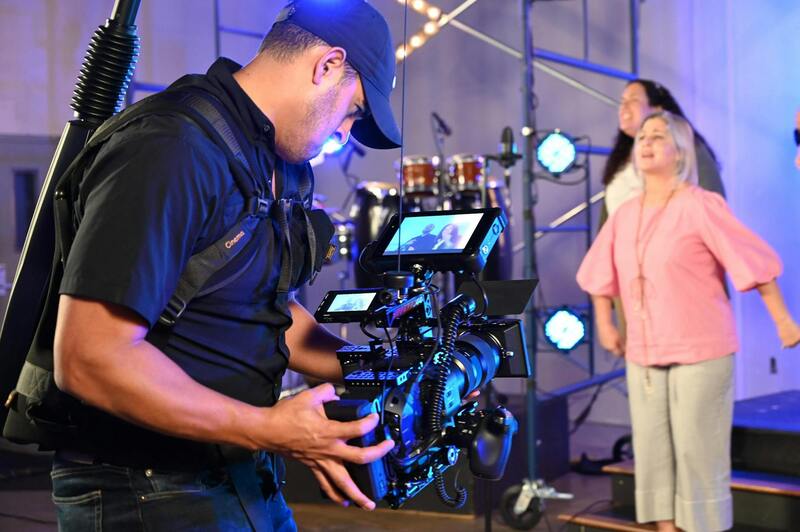
Lighting setups are equally critical, requiring legitimate, industry-standard solutions to illuminate subjects evenly and reduce shadows. Softbox lights or LED panels with adjustable brightness and color temperature enable precise control over scene ambiance and depth. Proper lighting not only highlights facial features but also ensures consistency across multiple shots or scenes, eliminating unwanted visual discrepancies that could distract viewers.
For scenes involving multiple camera angles or dynamic shot compositions, legitimate video production software and hardware must support seamless switching and editing. Video switchers, monitors for real-time review, and professional editing suites facilitate precise control during filming, allowing for immediate corrections and adjustments. Integration of high-quality visual elements, such as graphics or text overlays, requires compatible, reputable editing platforms that adhere to industry standards, ensuring content authenticity and visual coherence.
Moreover, the utilization of legitimate data management tools during production—such as secure memory cards, reliable storage drives, and detailed metadata documentation—supports organized footage management and seamless post-production workflows. This systematic approach preserves footage integrity and enables efficient editing, review, and finalization processes.
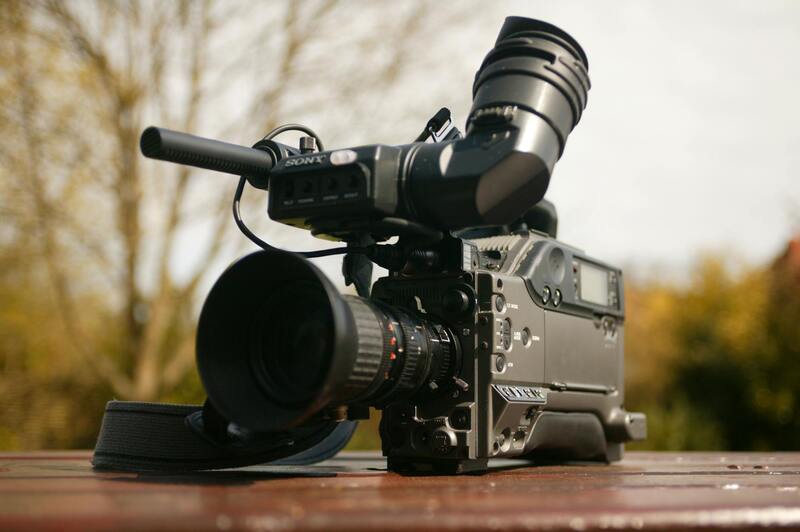
Total adherence to industry-approved equipment and technical practices forms the backbone of compelling video interview productions. This commitment ensures the resulting content is not only visually and sonically polished but also compliant with established quality standards that enhance credibility and viewer trust. Professional-grade tools and techniques enable content creators to deliver interviews that resonate with authoritative impact and sustain audience engagement across multiple platforms.
Understanding Video Interviews Production
Effective video interviews production hinges on meticulous planning, from initial concept development to post-production polishing. The process ensures that the final content not only captures authentic, engaging conversations but also aligns with strategic communication goals. High-quality production techniques, comprehensive planning, and advanced equipment are instrumental in achieving this standard.
Pre-Production Planning and Strategy
Prior to filming, establishing a clear strategy is essential. This involves defining the interview's objectives, identifying the target audience, and deciding on the tone and style of the content. Developing a comprehensive plan includes scripting key questions, preparing prompts, and outlining the narrative flow to maintain consistency and engagement throughout the interview. Such preparation allows for smoother execution and ensures that the messaging remains focused and impactful.
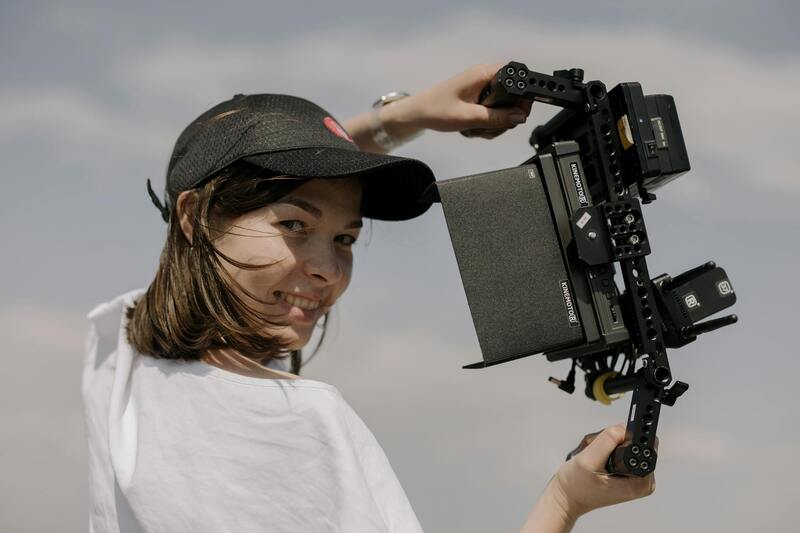
Collaborating with stakeholders during this phase ensures alignment on messaging and technical requirements. This includes choosing appropriate interview subjects, tailoring questions for clarity and relevance, and discussing logistical details such as timing and location. An organized approach to pre-production reduces potential obstacles during filming and enhances overall efficiency.
Choosing Locations and Setting Up Scenes
Location selection plays a critical role in setting the tone and visual appeal of the interview. Ideal sites should offer suitable lighting, minimal background noise, and an appropriate backdrop that complements the subject matter. Whether filming in a professional studio or an on-site environment, configuring the scene to support visual storytelling is vital. This includes arranging furniture, lighting, and camera angles to improve framing and clarity.
Optimal setup involves a combination of natural and artificial lighting, ensuring the subject is well-lit without harsh shadows. Using professional backdrops or branding elements can enhance visual consistency and reinforce the interview’s purpose. Proper scene setup not only improves aesthetic quality but also enhances participant comfort and engagement.
Equipment and Technical Considerations
High-caliber equipment is fundamental to capturing professional-quality video interviews. This encompasses high-definition cameras with reliable autofocus, external microphones for clear audio recording, and stabilizers or tripods for steady framing. Lens selection should align with scene requirements to produce sharp visuals and appropriate depth of field.
Additionally, lighting equipment, such as LED panels and diffusers, helps achieve consistent illumination. Audio capture benefits from lapel or shotgun microphones attached directly to the subject and ambient sound mixers to control background noise levels. It is also imperative to ensure all devices are compatible with professional editing software, supporting seamless integration during post-production.
Technical considerations extend to storage and data management solutions. Using secure, high-capacity storage drives and data encryption protocols safeguards footage integrity. Implementing detailed metadata tagging facilitates easy retrieval and organization, streamlining editing workflows.
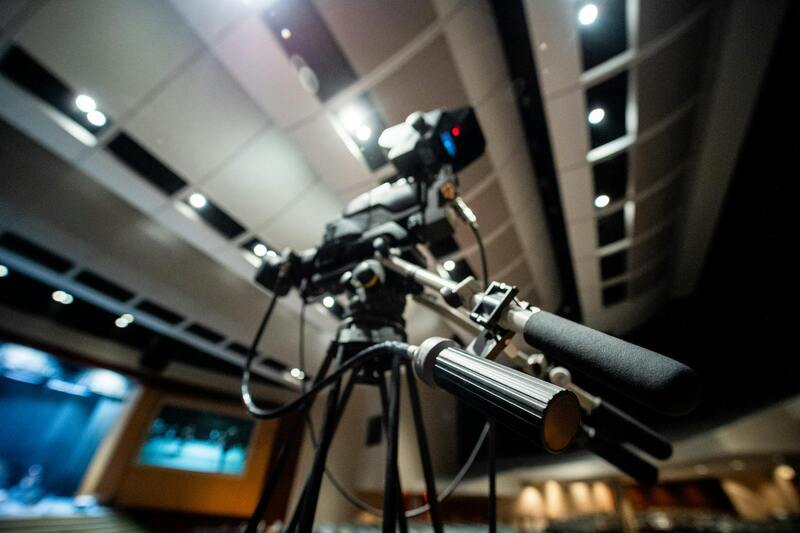
Conducting the Interview
During filming, establishing a professional environment is crucial. Interviewers should maintain a conversational yet respectful tone, encouraging authentic responses. Clear communication about the interview's flow helps subjects feel comfortable and prepared. Maintaining eye contact and active listening demonstrate engagement, yielding more natural and compelling footage.
Camera operators must monitor framing, focus, and audio levels throughout the session. Repeating takes or adjusting setups as necessary ensures the capture of optimal footage. Regular checks on equipment members' technical operation and backup footage at intervals prevent data loss and ensure continuity.
The interaction between interviewer and interviewee significantly influences the quality of the content. Creating a relaxed atmosphere encourages openness, resulting in candid insights that resonate with viewers. Employing legitimate, industry-standard techniques during recording preserves the authenticity and professionalism of the final product.
Post-shoot, organizing footage with detailed metadata enhances the subsequent editing phase. Having a structured approach simplifies content sorting and version control, ultimately contributing to a polished, high-impact final video.
Understanding Video Interviews Production
Producing high-caliber video interviews involves a systematic approach that ensures each phase, from conceptualization to final delivery, aligns with industry standards. This process not only enhances the quality of content but also solidifies the credibility and professionalism of the production team. When it comes to video interviews, the methods employed must prioritize authenticity, clarity, and visual engagement to resonate effectively with the target audience.
Pre-Production Planning and Strategy
Successful video interviews originate from meticulous planning. This stage involves identifying the interview subject, defining interview objectives, and tailoring the content structure to meet these goals. Creating a detailed storyboard and script outline helps streamline the flow of questions and ensure key messages are conveyed effectively. A comprehensive plan includes selecting suitable interview questions, estimating the required filming duration, and outlining technical needs.
During the planning process, it’s essential to establish clear communication with all involved parties, including the interviewee and technical crew. This minimizes misunderstandings and prepares everyone for the shoot. Developing a shot list that specifies camera angles, framing, and potential visual cues contributes to capturing dynamic footage aligned with the narrative intent.
Choosing Locations and Setting Up Scenes
Choosing the right location is pivotal in creating an engaging backdrop that reinforces the interview's message. Professionals assess lighting conditions, background noise levels, and visual aesthetics to ensure the environment supports high-quality production. When selecting settings, consider factors such as natural light availability and the space’s acoustics, which influence sound quality and image clarity.
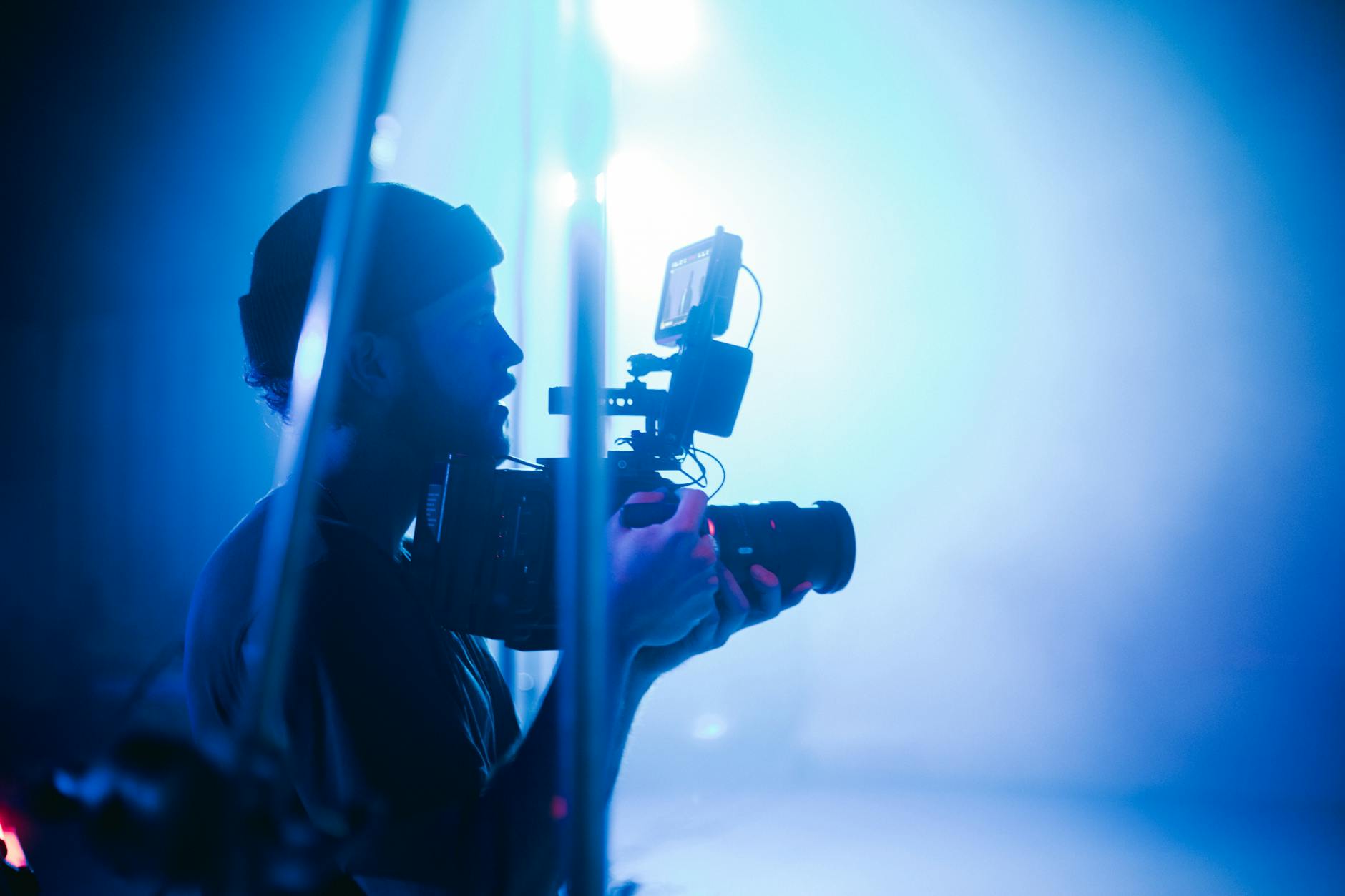
If the natural environment does not meet production standards, building a controlled set with appropriate lighting and soundproofing is a viable alternative. Proper scene setup includes arranging furniture and props to provide comfort and facilitate natural interactions. Ensuring the backdrop is free of distractions helps focus attention on the interviewee, making the content more impactful.
Equipment and Technical Considerations
Utilizing industry-grade equipment is fundamental in capturing pristine visuals and crisp audio. Professional cameras with manual controls offer the flexibility needed for various lighting conditions, while high-quality microphones ensure clear voice capture. Tripods and stabilizers prevent shaky footage, maintaining a polished appearance throughout.
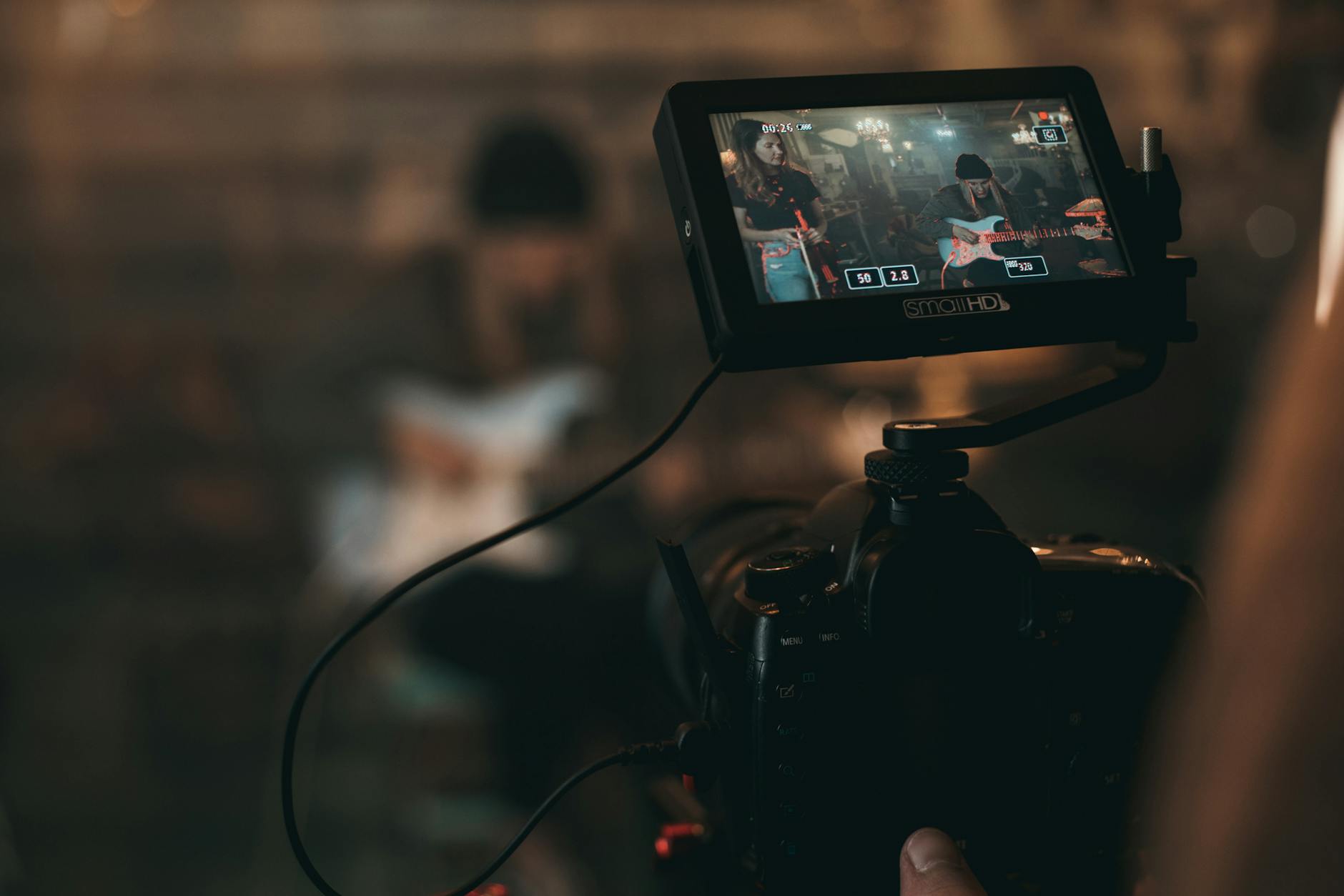
Lighting plays a vital role; three-point lighting techniques can be employed to highlight the interviewee effectively and reduce shadows. Sound recording equipment should include directional microphones and windshields, especially when filming outdoors, to eliminate ambient noise. Additionally, monitoring tools such as field monitors and audio meters help maintain consistent technical quality during filming.
Conducting the Interview
Executing a seamless interview requires a combination of technical proficiency and interpersonal skills. Establishing rapport with the interviewee encourages openness, fostering genuine responses. Clear explanations about the interview's structure help subjects feel at ease and promote natural delivery.
During filming, interviewers should maintain eye contact and active listening, which invites authenticity and engagement. A conversational tone reduces intimidation and can elicit more insightful answers. Simultaneously, camera operators must vigilantly monitor framing, focus, and audio levels, making adjustments as needed to ensure consistent shot quality.
Employing multiple takes and verifying equipment functionality periodically prevents missed opportunities and data loss. In cases where scenarios demand it, adjusting scene setups or rephrasing questions can help capture the most compelling content. Maintaining professionalism and technical discipline throughout the process guarantees your footage aligns with the highest standards.
Post-Production Editing and Enhancements
Once filming concludes, the editing phase begins. Organizing footage systematically using detailed metadata—such as scene descriptions, shot numbers, and time-stamps—streamlines post-production. Editors assemble the best takes, trim unnecessary segments, and refine pacing to craft a coherent narrative that aligns with the original vision.
Color correction, visual effects, and audio enhancements elevate the video's overall quality. Color grading ensures consistency across different shots, providing a polished look. Audio post-production, including noise reduction and equalization, optimizes sound clarity and speech intelligibility. Incorporating titles, lower thirds, and visual overlays adds professional branding and clarity to key points.
Advanced editing software allows precise timing adjustments, seamless transitions, and the integration of supplementary elements such as graphics and subtitles. These enhancements not only improve viewer engagement but also reinforce the interview’s message, aligning the final product with industry standards and client expectations.
Implementing Official and Reliable Methods in Video Interviews Production
To achieve a high-quality outcome in video interviews production, it is vital to adhere to structured and recognized methodologies that ensure the integrity and professionalism of the content. This involves meticulous planning, standardized technical procedures, and secure data management practices that are widely accepted within the industry.
One foundational approach is establishing a comprehensive production workflow that encompasses every phase, from initial concept development through to final delivery. This workflow should include standardized protocols for script development, interviewer and interviewee preparation, and scene delineation, ensuring consistency across all segments. Additionally, using industry-approved equipment calibration and maintenance routines guarantees optimal performance of cameras, lighting, and audio devices, minimizing technical errors and enhancing the clarity and visual appeal of the final product.
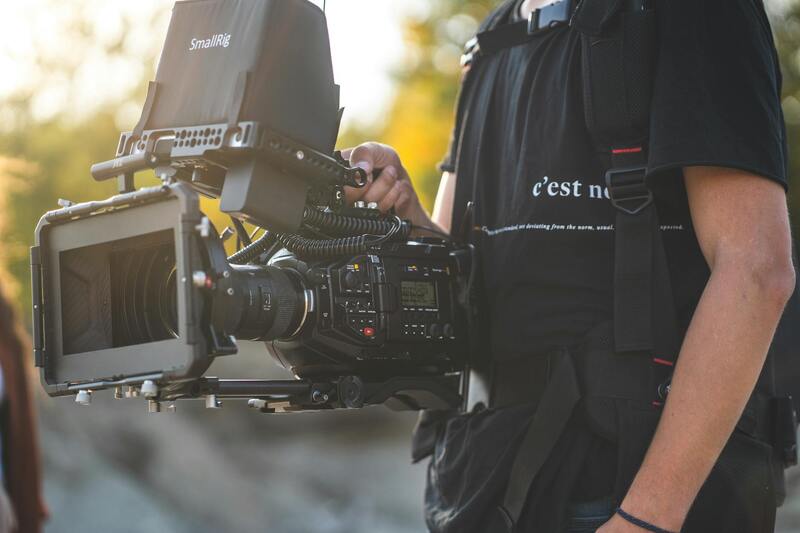
During the filming process, employing recognized recording standards—such as the correct frame rate, resolution, and audio levels—further affirms the quality of the footage. Employing backup systems for data recording, such as dual SD cards or secondary drives, is an established method to protect against data loss. This practice ensures that all valuable footage is preserved securely, enabling seamless access during post-production.
Another key aspect involves the implementation of official data management practices. Organizing raw footage with detailed metadata—such as timestamps, scene descriptions, and shot identifiers—allows for efficient media retrieval and accurate editing workflows. Secure storage solutions, including encrypted external drives or cloud-based repositories with access controls, safeguard this data from unauthorized access or accidental damage.
To further elevate the professionalism of the production, adherence to industry standards for lighting and sound is essential. Using professionally calibrated lighting kits that meet the recommended luminance levels and color temperature ensures consistency and naturalness in visual presentation. Similarly, employing high-quality microphones with proper windshields and pop filters contributes to crisp, intelligible audio, which is vital for effective communication in interviews.
In addition to technical protocols, officially sanctioned methods for interview conduct and environment setup are integral. This includes maintaining a quiet, controlled setting free from disruptive noises and distractions, utilizing official interview scripts or guidelines, and documenting the process through timely and comprehensive notes. Such practices uphold the professionalism of the interview and improve the authenticity and reliability of the recorded content.
Post-recording, the editing phase follows established industry standards for nonlinear editing systems (NLEs). Using software that complies with recognized specifications allows for precise editing, color grading, sound enhancements, and visual effects. Applying structured review and approval stages—such as peer reviews or client sign-offs—ensures the final product upholds the desired quality, ethics, and branding standards.
The distribution phase involves deploying the final video through official channels such as secured corporate platforms, reputable streaming services, or approved social media networks, following proven content management protocols. Employing strategic promotion methods—like targeted audience outreach or organized viewing events—maximizes the video's impact and reach. By consistently implementing these official methods, the production process remains transparent, accountable, and aligned with industry best practices, fostering trust and credibility among clients and viewers alike.