
Equipment and Technical Setup for Video Interview Production in Miami
Executing a high-quality video interview in the vibrant environment of Miami requires meticulous planning and the right technical resources. The unique backdrop of Miami's diverse settings, dynamic lighting conditions, and occasional environmental noise underscores the importance of specialized equipment and setup strategies. A robust technical foundation ensures the final product is polished, professional, and aligned with the goals of the production.
Camera Selection and Placement
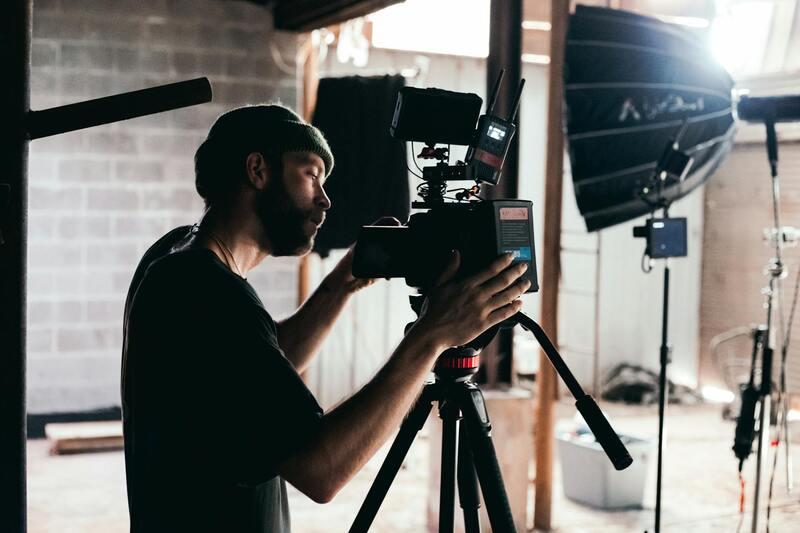
The cornerstone of any video interview is its camera system. Selecting the appropriate camera involves considering resolution, sensor size, and lens quality. For indoor shoots, a professional-grade DSLR or mirrorless camera equipped with a high-quality lens ensures sharp imagery and control over depth of field. When shooting outdoors or in variable lighting conditions characteristic of Miami's outdoor scenes, versatile cameras with high dynamic range (HDR) capabilities are essential. Proper placement and framing of the camera — typically at eye level with the subject — foster a natural and engaging viewer connection. Using multiple camera angles can add visual interest and facilitate effective editing later in post-production.
Lighting Equipment and Techniques
Lighting plays a crucial role in enhancing clarity and creating mood. Indoor interviews benefit from soft lighting setups, such as softboxes and ring lights, which minimize harsh shadows and provide even illumination. For outdoor shoots, utilizing natural light complemented with reflectors or portable diffusers helps achieve balanced exposure. Miami’s bright sunlight can lead to overexposed subjects, so employing neutral density filters and shooting during the golden hours — early morning or late afternoon — reduces glare and enhances visual appeal.
Audio Equipment and Acoustics
Clear audio quality is non-negotiable. Lavalier microphones clipped to the interviewee's clothing or shotgun mics mounted on cameras capture speech with clarity. Ensuring a controlled acoustic environment reduces background noise common in Miami’s bustling cityscapes or outdoor settings. When outdoor footage is necessary, windshields and shock mounts are vital to prevent wind interference and handling noise. Proper audio monitoring during filming guarantees the sound quality remains consistent and intelligible throughout the interview.
Technical Considerations Unique to Miami
Miami’s subtropical climate can influence equipment choice and set-up. High humidity necessitates the use of weather-resistant gear and protective covers, especially for outdoor shoots. The intensity of the Florida sun requires constant monitoring of exposure levels and potential overheating of electronic devices. Power supply stability is also critical; portable battery packs and backup power sources safeguard against interruptions. Additionally, location permits and understanding local regulations ensure a smooth operation without unforeseen complications.
Integrating the right equipment and adhering to these technical standards results in a polished, professional video interview that resonates with Miami’s vibrant audience and effectively communicates your message. Proper pre-setup inspection, test runs, and coordination with the entire production team are fundamental to mitigate potential technical issues on the day of filming, ensuring a seamless production process from start to finish.
Equipment and Technical Setup
Effective video interview production hinges on the meticulous selection and configuration of equipment tailored to the specific environment and desired outcome. In Miami, with its vibrant urban landscape and diverse outdoor settings, understanding the nuances of technical setup can significantly enhance the final product’s professionalism.
Camera Equipment
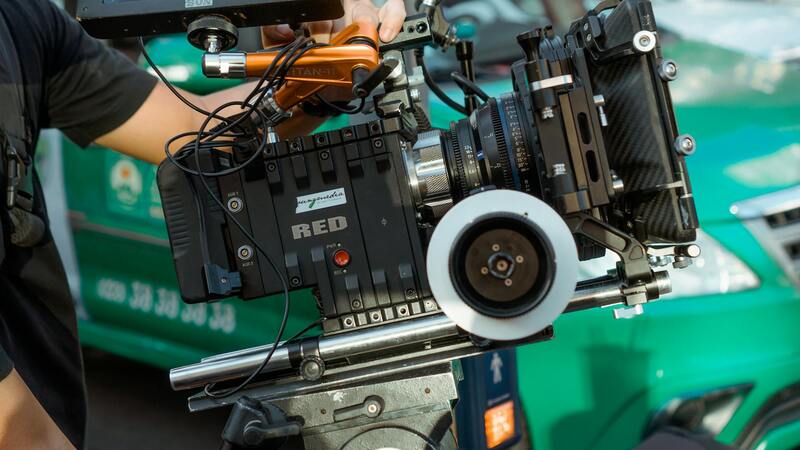
The choice of camera equipment should prioritize clarity and stability. High-definition professional cameras with interchangeable lenses offer versatility for different shot compositions. tripod stability is crucial on uneven Miami terrains, and gimbals or steadicams may be employed to achieve smooth motion shots, especially in dynamic outdoor scenes. Wide-angle lenses are beneficial for establishing shots that capture Miami’s lively backdrop, while telephoto lenses can focus on participants, ensuring a compelling visual hierarchy.
Audio Equipment
Clear audio is vital for engaging viewers and conveying authenticity. Lavalier microphones clipped to the interviewee’s attire provide consistent sound capture, even with movement. Shotgun microphones mounted on booms or camera rigs are ideal for capturing speech from a distance without interference. In noisy urban environments, employing windshields and shock mounts helps eliminate wind and handling noise, preserving audio integrity. Sound mixing devices or portable audio recorders enable real-time monitoring and adjustments, ensuring that audio levels remain balanced and intelligible.
Lighting Solutions
Lighting is instrumental in shaping the visual tone of the interview. For controlled indoor setups, LED panel lights with adjustable brightness and color temperature allow for precise illumination. When shooting outdoors under Miami’s intense sun, diffusers and reflectors softens harsh shadows and distributes light evenly across the subject. In shaded areas, fill lights can enhance facial features without overexposing background elements. Powering these lighting tools efficiently, especially in remote locations, often involves portable batteries or AC adapters compatible with the environment.
Environmental and Climate Considerations
Miami’s subtropical climate presents unique challenges. Humidity can cause equipment to malfunction if not properly protected. Weather-resistant enclosures, covers, and sealants guard sensitive gear from moisture. Elevated temperatures require cooling solutions such as fans or dedicated climate-controlled cases to prevent overheating during prolonged shoots. For outdoor sessions, scheduling during cooler parts of the day and implementing quick setup and pack-up routines minimizes exposure to harsh weather conditions. Proper cable management and insulation are essential to prevent damage and ensure safety.
Power Management
Consistent power supply is fundamental for uninterrupted production. Portable battery packs with high capacity serve as reliable sources for cameras, lights, and audio devices. Backup generators or additional power sources are advisable for extended outdoor shoots. Conducting pre-shoot diagnostics, including battery level checks and electrical testing, reduces the risk of unexpected interruptions. Maintaining a supply of spare batteries and power adapters ensures readiness for unforeseen needs, which is particularly important in Miami’s diverse shooting venues.
Pre-Production Equipment Checks and Testing
Prior to the shoot day, comprehensive inspection and testing of all equipment components are imperative. Simulating the shooting environment can uncover potential issues related to compatibility, functionality, or environmental resilience. Test runs facilitate calibration and fine-tuning of camera angles, audio levels, and lighting setups, helping to streamline the actual recording process. Coordination with all team members to confirm equipment readiness minimizes technical disruptions, contributing to a seamless production experience.
Essential Equipment and Technical Setup for Video Interviews
Implementing a successful video interview begins with a meticulous setup of equipment tailored to produce high-quality content. The choice of cameras, microphones, lighting systems, and audio recording devices directly influences the clarity, professionalism, and overall appeal of the final product. For professional video interviews, high-definition (HD) or 4K cameras are recommended to capture sharp visuals that translate well across multiple platforms and screen sizes.
Audio quality is equally critical; using lavalier microphones or shotgun mics ensures crisp sound capture, reducing background noise and echo. Proper placement of these microphones is vital to achieve a natural and balanced audio profile. Lighting setups, such as softboxes, LED panels, or ring lights, illuminate the subject evenly, minimizing shadows and highlighting facial expressions. These lighting options also allow for flexibility in various shooting environments, whether studio or on-location in Miami.
Stability and focus are maintained through tripods and gimbals, which facilitate steady shots and smooth camera movements. To manage the multiple devices and ensure uninterrupted power supply, portable power solutions such as high-capacity batteries and backup generators are essential, especially when shooting outdoors or at locations where power sources are limited.
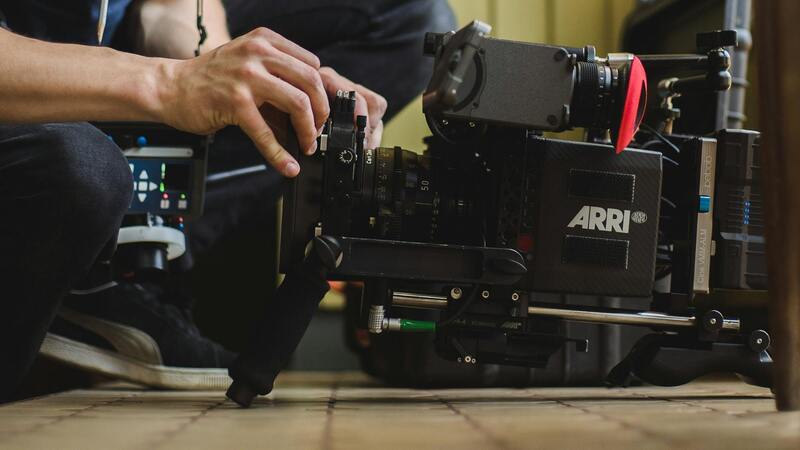
Pre-shoot diagnostics are a crucial step. Conducting thorough tests for all devices—checking for battery life, connection stability, and compatibility—prevents interruptions during filming. Calibration activities, such as adjusting camera settings for color balance and audio levels, ensure consistency in footage quality. Additionally, confirming that all team members are familiar with the operation of equipment reduces chances of technical errors and enables quick troubleshooting if issues arise during production.
Effective cable management and environmental controls contribute to the safety of the setup and the overall production workflow. Insulating cables, using cable ties, and organizing equipment in a designated, clutter-free area minimize hazards and facilitate swift adjustments during the shoot. In outdoor Miami environments, weather-resistant gear and protective covers safeguard equipment against humidity, heat, and unexpected rain—common challenges in the region.
Lastly, detailed pre-production planning involves not just equipment checks but also configuration of the technical environment, setting recording parameters, and rehearsing camera angles alongside interview questions. This comprehensive preparation accelerates the actual shoot process, ensuring a seamless production experience that meets the high standards expected of professional video interview content.
Ensuring Compliance Through Proper Documentation and Permissions
Establishing a smooth workflow for video interview production hinges on meticulous documentation and obtaining the necessary permissions. Securing releases from interviewees regarding the use of their likeness, voice, and statements is essential to protect against potential disputes. These documents outline the scope of usage, reaffirming the consent given for filmed content to be distributed across various channels.
Preparation of property and location releases safeguards against unforeseen issues when filming on private or semi-private premises. These permissions clarify criteria related to shooting at specific sites and help streamline access, allowing production teams to operate without interruption. Furthermore, when filming in public spaces within Miami, adherence to municipal regulations concerning filming permits can prevent legal-related setbacks that might delay or cancel scheduled shoots.
It's crucial to document and verify all licensing agreements for copyrighted materials used within the video, including music, logos, and branded elements. Proper clearance of intellectual property rights minimizes the risk of infringement claims and ensures that the content is fully compliant with relevant standards.
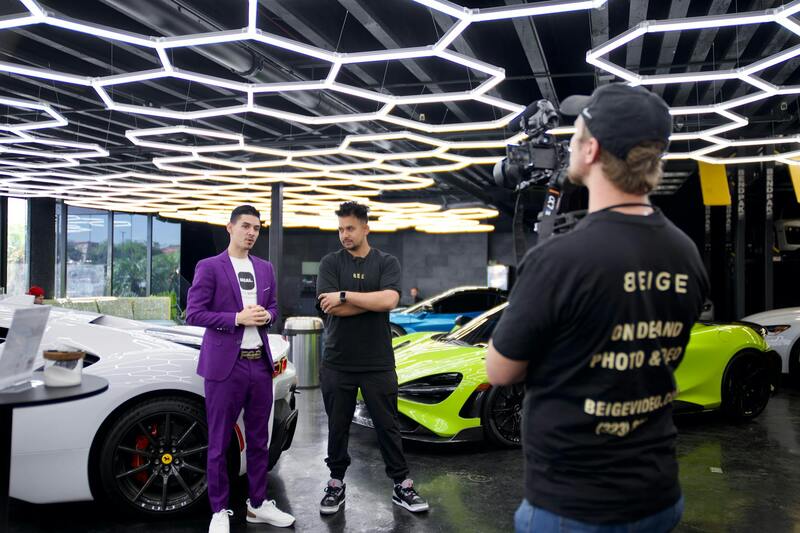
In addition to legal paperwork, maintaining detailed records of all communications related to permissions and legal approvals facilitates transparency and accountability at every stage of the production. This practice not only respects the rights of all parties involved but also contributes to a professional, well-organized workflow tailored for high-quality video interview content.
Adhering to these processes demonstrates a commitment to responsible production practices, fostering trust with clients and interviewees alike and ensuring that the final content aligns with industry standards and regional regulations.
Equipment and Technical Setup
Successful video interview production in Miami requires meticulous planning of equipment and technical resources to ensure high-quality results and smooth operations. The foundation begins with selecting appropriate cameras, lighting, and audio devices that meet the specific needs of the interview setting and desired outcome. High-definition cameras with good low-light performance are essential for capturing clear, professional visuals that reflect the interviewee’s expressions and environment effectively.
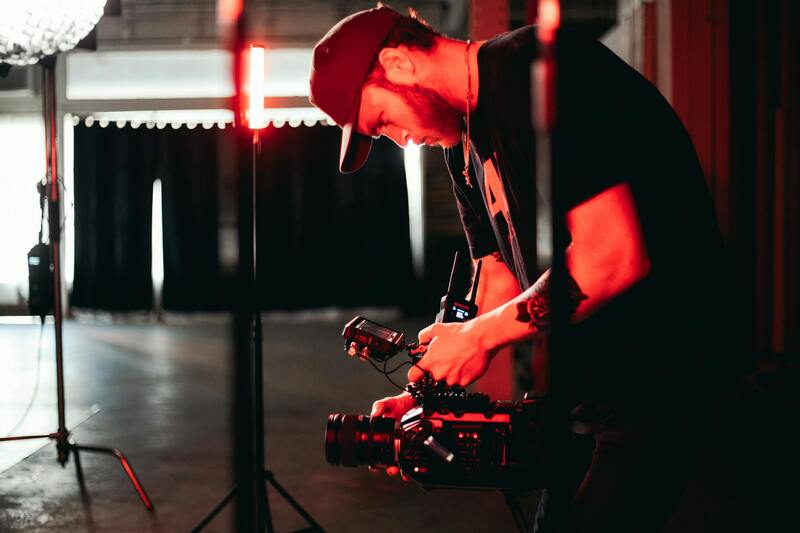
Lighting equipment plays a central role in establishing the appropriate mood and maintaining consistent visual quality. Softbox lighting, ring lights, and key lights should be positioned to minimize shadows and highlight the interviewee’s face naturally. Proper lighting not only enhances visual clarity but also contributes to a more engaging viewing experience.
Audio quality is equally critical; using lavalier microphones, boom mics, or shotgun microphones helps capture clear dialogue free of ambient noise. In noisy Miami environments, soundproofing or portable sound booths might be necessary to isolate audio sources effectively. Sound monitors and mixers should be employed to fine-tune audio levels, preventing distortion and ensuring crisp sound delivery.
Supporting Equipment and Accessories
- Tripods, stabilizers, and gimbals to maintain steady shots
- Backdrop options or branding elements for a professional appearance
- Wireless communication devices for crew coordination
- Additional batteries, storage media, and power supplies to support extended shooting sessions
Preparation extends beyond hardware to include software tools for live monitoring, media management, and post-shoot editing. Reliable media transfer systems ensure seamless transfer of footage, while backup data solutions protect against accidental loss. The technical setup must be configured considering the specific interview environment, lighting conditions, and logistical constraints common in Miami's diverse filming locations.
Technical Rehearsals and Equipment Checks
Before filming begins, conducting thorough technical rehearsals ensures all equipment functions correctly and that the team is familiar with the setup. These rehearsals help identify any issues related to camera angles, lighting adjustments, or sound quality. Checking all connections, battery levels, and memory capacities minimizes the risk of interruptions during the actual shoot. Additionally, rehearsals provide an opportunity to refine framing, camera movements, and lighting arrangements, aligning technical execution with the creative vision of the project.
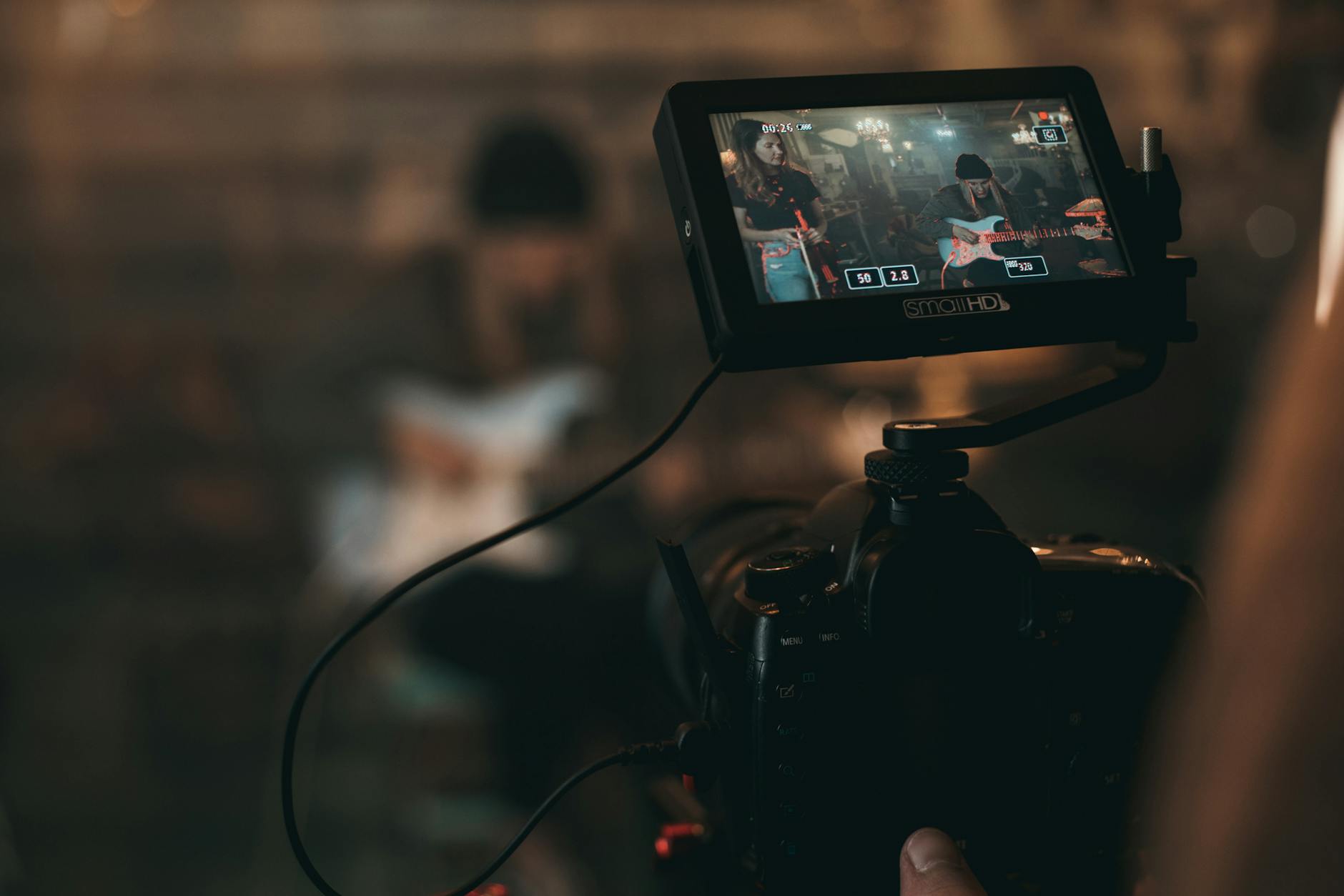
Leveraging state-of-the-art equipment tailored to Miami’s unique filming environments enables production teams to deliver visually compelling and technically flawless interviews. Integrating these elements with meticulous planning and execution ensures the final product meets industry standards and client expectations, establishing a benchmark of excellence in Miami's competitive video production landscape.
Legal and Ethical Considerations
When undertaking video interview production, adherence to legal and ethical standards is crucial to produce credible and respectful content. Ensuring compliance with contractual agreements, obtaining appropriate permissions, and respecting intellectual property rights form the backbone of responsible production practices. Clear consents from interviewees regarding the use of their footage prevent future disputes and uphold transparency. It is essential to document these permissions meticulously to avoid misunderstandings about rights and usage.
Respecting privacy considerations involves informing interviewees about the scope of the project and how their interviews will be utilized. Transparent communication about the distribution channels, potential reposting, and public airing helps build trust and maintains integrity throughout the production process. Additionally, confirming that all locations where filming takes place have been secured with proper authorization ensures smooth workflows and avoids disruptions caused by unauthorized access.
In the context of Miami's vibrant and diverse environment, respecting cultural sensitivities and local regulations further complements ethical practices. This may include understanding community guidelines for filming in public spaces and private properties. Engaging with local authorities or property owners beforehand safeguards the project from unexpected complications and demonstrates professionalism.
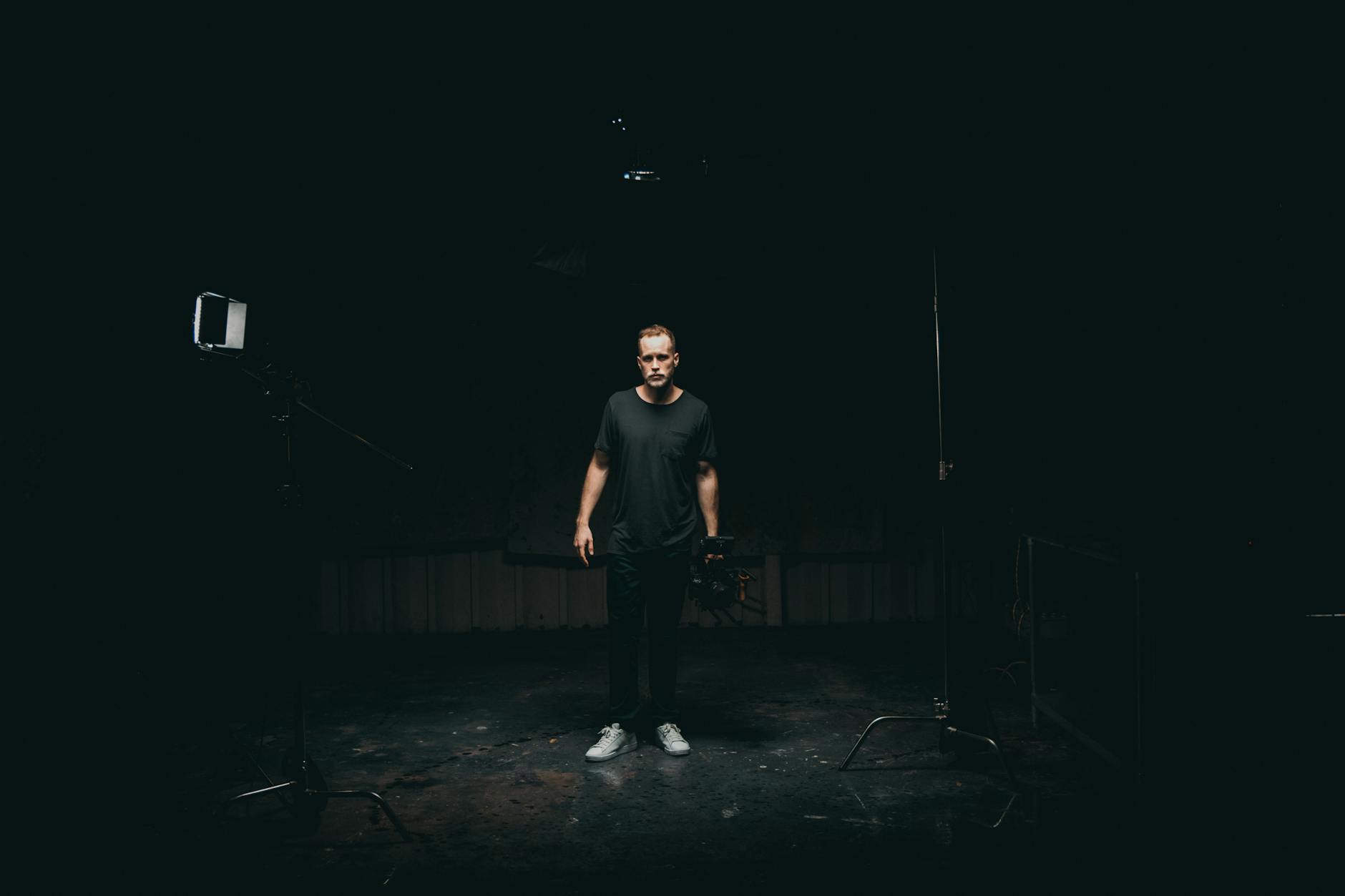
Developing a comprehensive plan that integrates legal adherence and ethical behavior not only mitigates risks but also enhances the reputation of the production team. Such diligent practices foster positive relationships with clients, interviewees, and the community, forming a foundation for repeat collaborations and long-term success in Miami’s dynamic video production scene.
Ensuring Accurate and Effective Post-Production Editing
Once filming is complete, the post-production phase begins, transforming raw footage into a polished, compelling interview presentation. This stage involves meticulous editing workflows that prioritize clarity, narrative flow, and visual engagement. Editors sift through hours of footage to select the most impactful segments, ensuring each cut aligns with the project's objectives and maintains the interviewee’s authentic voice. Precision in timing and pacing enhances viewer engagement, making the content both informative and compelling.
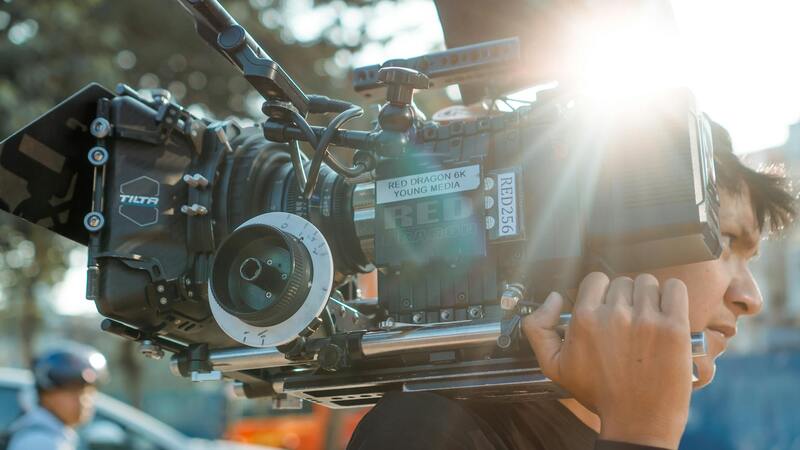
Color Correction and Grading
Color correction establishes visual consistency across the footage, balancing lighting discrepancies and ensuring skin tones appear natural. Color grading further enhances mood and tone, aligning the visual style with the project's message. For instance, a corporate interview might favor neutral palettes for professionalism, while a motivational interview could incorporate warmer tones to evoke inspiration. Skilled color work not only improves aesthetic appeal but also reinforces storytelling by subtly influencing audience perception.
Sound Design and Audio Enhancement
Clear audio is crucial for professional-quality interviews. Post-production involves removing background noise, balancing audio levels, and enhancing speech intelligibility. Incorporating sound effects or background music can add depth and emotional resonance, provided they complement the interview content without overshadowing the speaker. Proper sound design ensures that viewers focus on the interviewee's message, resulting in a more impactful delivery.
Adding Visual Effects and Graphics
Visual effects, titles, and lower thirds can significantly enrich the final product. These enhancements provide context, introduce interviewees, and highlight key points, making the content more accessible and engaging. Subtle graphics that align with branding or thematic elements reinforce professionalism and create a cohesive viewing experience. All visual enhancements should be carefully integrated to maintain authenticity and avoid distraction.
Quality Control and Final Review
Thorough review processes are essential to identify any inconsistencies, errors, or technical issues before distribution. This includes verifying audio-visual synchronization, checking visual effects, and ensuring the content adheres to project goals. Engaging multiple stakeholders for feedback ensures a comprehensive quality check and helps refine the final product to meet industry standards and client expectations.
Archiving and Documenting the Content
Proper archiving of all project files, including raw footage, project files, and edited versions, facilitates future revisions and reuse. Maintaining detailed documentation about asset versions, editing decisions, and licensing information assures the integrity of the project and supports efficient workflows for future projects in Miami’s diverse media landscape.
Through thorough post-production processes, video interview content transitions from raw material into a professional and impactful visual narrative that resonates with target audiences and effectively communicates key messages.
Equipment and Technical Setup
Ensuring a seamless and professional video interview begins with a meticulous equipment and technical setup. High-quality video interviews demand reliable cameras capable of capturing sharp, detailed visuals across various lighting conditions. DSLR or mirrorless cameras with 4K resolution are typically preferred for their clarity and flexibility.
Audio quality is equally vital; thus, professional lavalier microphones and shotgun mics help eliminate background noise and ensure clear sound capture. Investing in a mixer or audio interface can facilitate better control over multiple audio sources, producing a balanced and polished sound output.
Lighting setup plays a critical role in creating a flattering and visually appealing image. Softbox lights or ring lights positioned properly reduce shadows and highlight the interviewee's features. Light diffusers and reflectors should be used to soften natural or artificial light sources, ensuring consistent illumination.
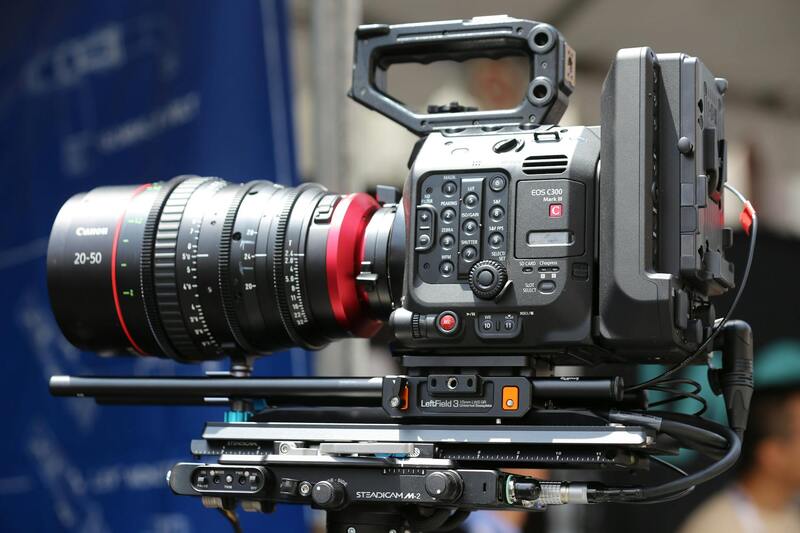
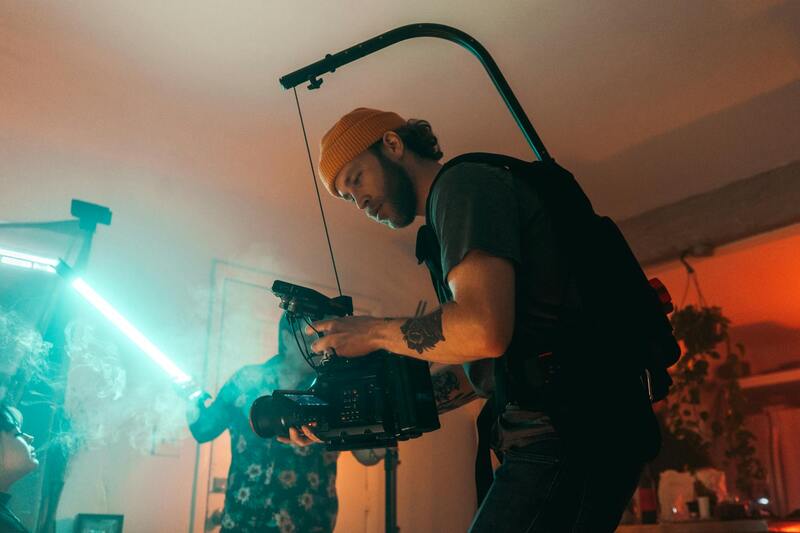
Additionally, stabilizers such as tripods, gimbals, or shoulder rigs help maintain steady shots, especially during movement or dynamic camera angles. For remote interview setups, reliable internet connections and high-quality webcams with adjustable settings can provide broadcast-grade video quality.
Technical Considerations for the Setup
- Resolution and Frame Rate: Opt for 4K resolution at 24 or 30 fps for cinematic quality.
- Lighting Consistency: Ensure uniform lighting to avoid shadows and uneven exposure.
- Audio Clarity: Use directional microphones and soundproofing measures to eliminate echoes and external noise.
- Background and Environment: Choose clean, uncluttered backgrounds or professionally designed sets that align with branding.
- Connectivity: For remote interviews, a wired internet connection is preferable to Wi-Fi, minimizing latency and disruptions.
Preparation and Equipment Testing
Pre-shoot preparation includes testing all equipment through dry runs to identify potential issues. Check camera settings, audio levels, and lighting before recording. Ensure batteries are fully charged, memory cards have sufficient space, and backup equipment is available. Calibration of cameras and microphones should be performed to match the studio or location conditions, ensuring consistency throughout the shoot.
Incorporate a backup plan for technical failures, such as secondary recording devices or alternative power sources. Proper cable management and secure mounting prevent accidental disconnections or equipment damage during filming.
Conclusion
A comprehensive technical setup tailored for video interview production not only enhances the overall quality but also facilitates a smoother production process. Attention to detail in equipment selection, environment control, and testing ensures that the final product meets professional standards and effectively communicates the intended message.
Legal and Ethical Considerations in Video Interview Production
Ensuring that your video interview adheres to proper legal and ethical standards is crucial for maintaining credibility and avoiding potential issues. This encompasses obtaining clear consent from interviewees, respecting intellectual property rights, and ensuring transparency about the intended use of the footage. It is essential to inform participants about how their statements will be used, stored, and shared, which helps foster trust and compliance with industry best practices.
When recording interviews, especially in professional settings, it is necessary to acquire written releases or permissions from all involved parties. These documents should specify the scope of use, distribution channels, and duration of the permissions granted. Such measures prevent misunderstandings and protect all parties from potential disputes.
Privacy considerations also come into play, particularly when recording sensitive or proprietary information. Maintaining confidentiality and implementing secure storage procedures for raw footage and edited content uphold ethical standards and reinforce a trustworthy production environment.
Additionally, respecting intellectual property rights involves verifying that all visual and audio materials used — such as music, graphics, or stock footage — are properly licensed or obtained with permission. Incorporating copyrighted material without authorization can lead to legal complications and damage reputations.
In terms of content authenticity, it is vital to present interviews truthfully and transparently. Editing should not misrepresent the interviewee’s intentions or message. This responsible approach to storytelling enhances the credibility of the final product and aligns with ethical principles of honest communication.
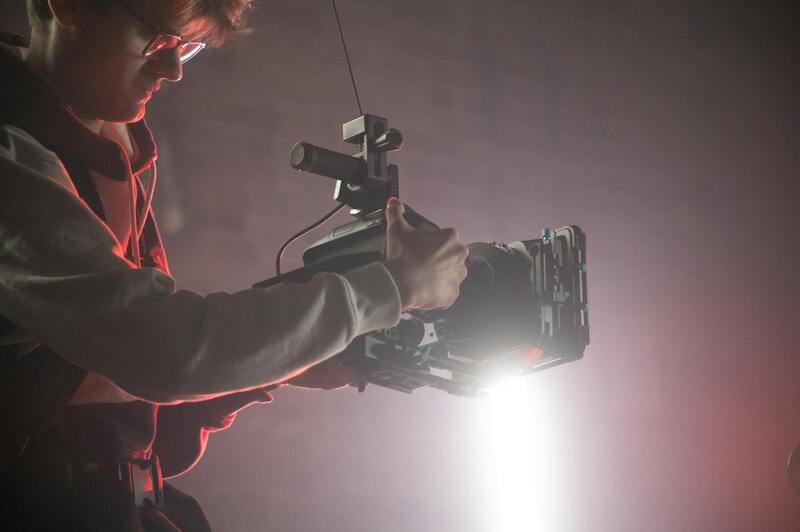
Focusing on these official procedures ensures your video productions maintain integrity and contribute positively to your brand's reputation, both locally in Miami and beyond. Collaborating with experienced professionals who understand the nuances of legal and ethical standards in video production can streamline compliance and elevate the overall quality of your content.
Equipment and Technical Setup
Establishing a robust equipment setup forms the backbone of a professional video interview production. High-quality cameras are essential for capturing sharp, clear visuals. Professional-grade DSLR or mirrorless cameras offer superior image quality and flexibility in various lighting conditions. When selecting lenses, choose those with wide apertures to achieve a cinematic depth of field and focus on the interview subject with clarity.
Lighting equipment also plays a crucial role. Soft, diffused lighting minimizes harsh shadows and evenly illuminates the subject’s face. Implementing a three-point lighting setup—key light, fill light, and backlight—ensures a balanced, professional appearance. Using LED panels allows for adjustable brightness and color temperature, which helps match the lighting to the environment and mood.
Audio quality is equally vital, as clear sound is essential for viewer engagement and comprehension. Professional microphones, such as lavalier (lapel) mics and shotgun mics, should be securely positioned to minimize noise and capture crisp dialogue. Utilizing boom poles can help achieve optimal distance and focus. Additionally, investing in audio recorders provides an extra layer of assurance for capturing clean audio, even in challenging acoustic spaces.
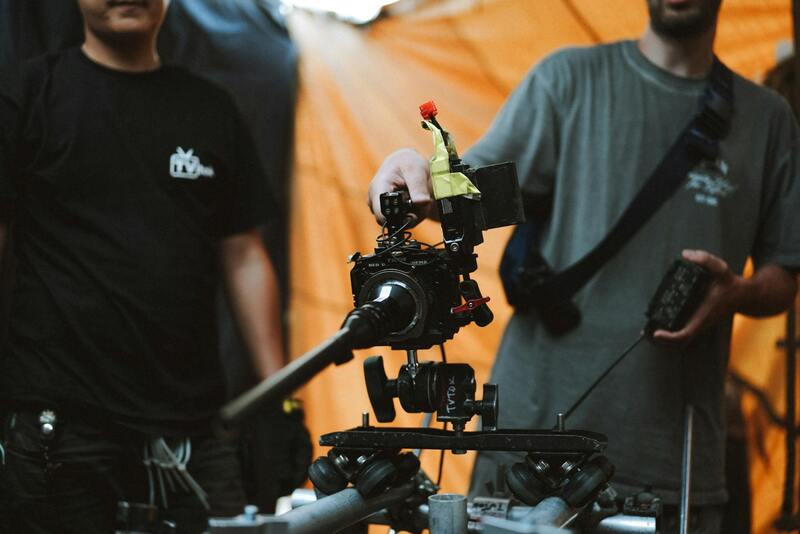
Tripods and stabilizers are indispensable for steady shots, reducing camera shake and maintaining a polished look. For dynamic shooting, gimbals or steadicams offer smooth mobility while filming.
Furthermore, video production requires a reliable source of power and backup systems. Extra batteries, portable chargers, and uninterruptible power supplies (UPS) prevent disruptions during shoots.
Equipment and Technical Setup
Establishing a robust equipment and technical setup is fundamental for achieving professional-grade video interviews. High-quality cameras with capabilities for HD or 4K recording ensure sharp, detailed visuals that improve viewer engagement. When selecting cameras, consider models that support interchangeable lenses, allowing for versatility in framing and focus.
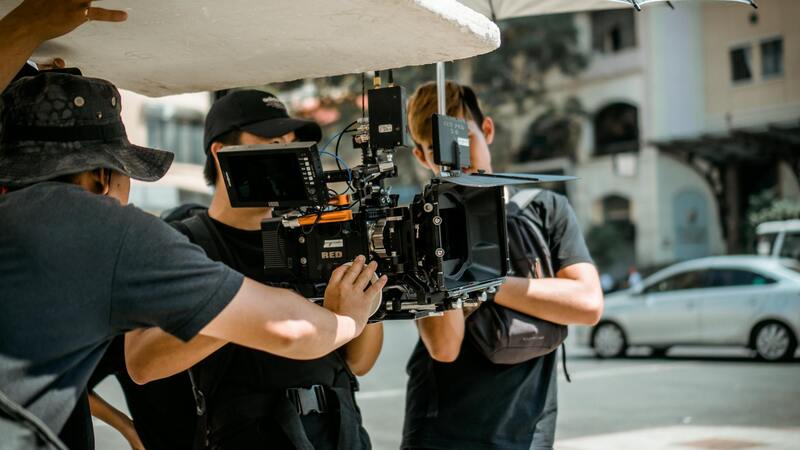
Lighting plays a crucial role in setting the mood and ensuring clarity of the subject’s face. Using softbox lighting kits or LED panels provides controlled, even illumination that minimizes shadows and highlights facial features naturally. The key light should primarily illuminate the interviewee, complemented by fill lights to soften shadows and backlights to create depth and separation from the background.
Audio quality remains one of the most critical elements. Professional microphones, such as lavalier microphones clipped close to the interviewee’s mouth or shotgun microphones positioned just out of frame, deliver clear, direct sound. Wireless mic systems add mobility, allowing interviewees to speak naturally without cable constraints.
Sound recorders or mixers with multiple channels facilitate simultaneous recording and allow for real-time sound adjustments, essential for balancing audio levels. Acoustic treatment of the filming environment, through sound panels or diffusers, also reduces echo and ambient noise that can detract from audio clarity.
Tripods and stabilizers, including gimbals and Steadicams, ensure steady shots for a polished appearance. Gimbals, in particular, are invaluable for dynamic interviews or scenes requiring movement, providing fluid motion without shake.
Power management involves multiple charged batteries, portable power supplies, and surge protectors to prevent interruptions. It is wise to carry backup equipment to address technical issues promptly and maintain production flow.
All components should be tested beforehand to confirm compatibility and functionality, minimizing on-site troubleshooting. Collaboration with skilled technical staff familiar with video and audio workflows guarantees the capture of high-quality footage that aligns with production standards.
Optimizing the technical setup considerably enhances the production value and credibility of the final interview content, directly influencing how viewers perceive and engage with the message being conveyed.
Equipment and Technical Setup
Achieving a professional quality in video interview production hinges significantly on selecting the appropriate equipment and establishing a robust technical setup. The gear used must align with the specific demands of the interview scenario, ensuring clarity, stability, and visual appeal. High-definition cameras capable of shooting in 4K or higher resolution are recommended to capture detailed imagery that enhances the viewer's engagement. DSLR or mirrorless cameras with suitable lenses deliver excellent image quality and depth of field, making the subject stand out against a blurred background if desired.
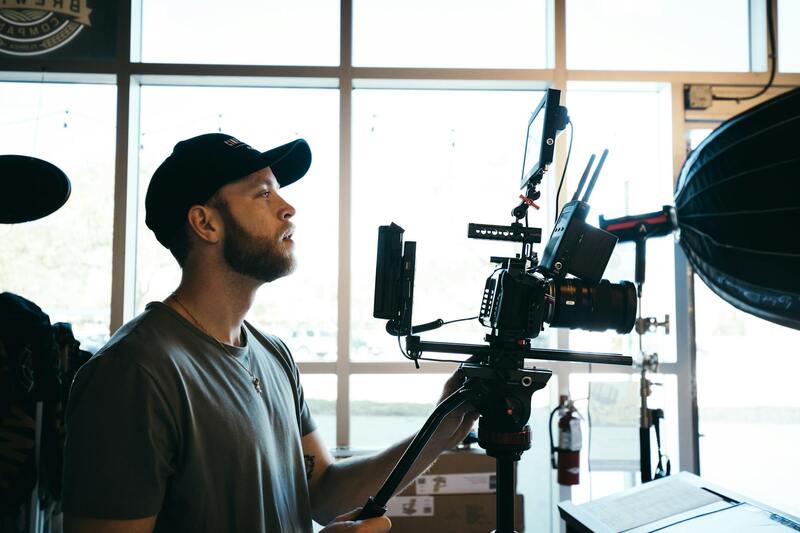
Proper lighting is critical to producing visually compelling interviews. Softbox lighting kits or ring lights provide even, diffuse illumination that reduces shadows and highlights facial features naturally. For interviews in studios or controlled environments, three-point lighting setups—key light, fill light, and backlight—offer balanced and flattering results. In dynamic outdoor settings, reflectors and diffusers help adapt natural light to suit the scene.
Audio quality is equally vital, often dictating the overall professionalism of the final product. Lavalier microphones, shotgun mics, and portable audio recorders should be chosen based on the environment and interview style. Lavalier mics are ideal for capturing clear speech without intruding visually, while shotgun microphones excel in noisy or larger environments. Using mixers or soundboards allows for real-time audio adjustments, ensuring consistent sound levels throughout.
Stability and camera movement control are achieved through tripods, gimbals, and stabilizers. Tripods provide steady static shots, essential for seated interviews or panel discussions. Gimbals and Steadicams facilitate smooth motion for interviews that require movement or dynamic angles, maintaining the professional look of the footage.
Power reliability cannot be overlooked. Multiple charged batteries, portable power sources, and surge protectors ensure continuous operation, especially during lengthy sessions. Carrying backup equipment mitigates the risk of technical failures, preserving the flow of production. All gear should be pre-tested to confirm compatibility and operational readiness, minimizing on-site delays.
Soundproofing or acoustic treatment of the recording environment is also recommended. Installing sound panels or diffusers reduces echoes and ambient noise, resulting in clearer audio recordings that meet industry standards. When filming on location, selecting quiet, controlled environments further enhances audio quality.
Extensive planning and calibration of all equipment before shooting are fundamental to achieving high production values. When executed correctly, these technical considerations elevate the perceived professionalism and credibility of the interview, influencing viewer perception and engagement positively.
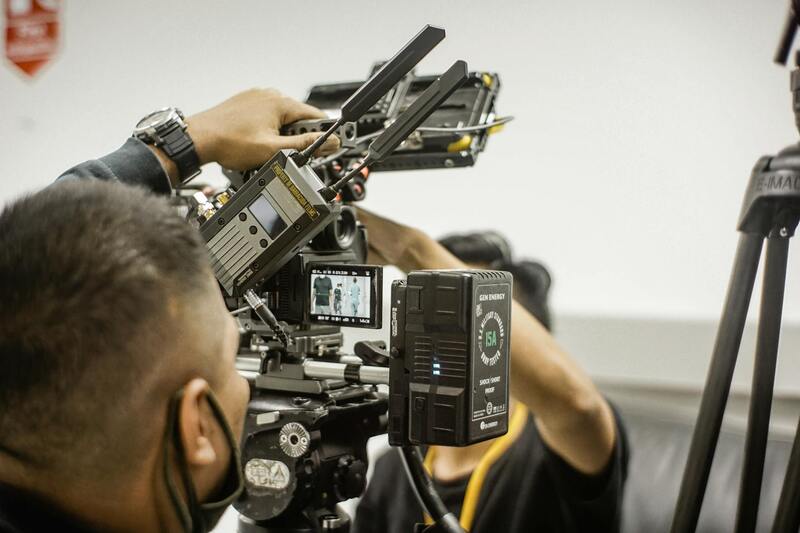
Equipment and Technical Setup
Achieving a professional quality video interview hinges on meticulous equipment selection and a robust technical setup. The foundation begins with high-definition cameras capable of capturing sharp visuals with accurate color reproduction. DSLR or mirrorless cameras are often favored for their versatility and image quality, but professional studio cameras can provide even higher standards for corporate or high-profile interviews.
Lighting is equally critical. Soft, diffuse lighting setups such as ring lights or softboxes ensure even illumination of the interviewee’s face, reducing shadows and highlights that can distract viewers. The key is to create a flattering, natural look that emphasizes the interviewee without overpowering the scene.
Sound quality is paramount in establishing credibility. Industry-grade microphones like shotgun mics or lapel (lavaliere) microphones provide clear, focused audio while minimizing background noise. Proper placement and sound checks are essential before filming begins.
Stability and camera movement control are achieved through the use of tripods, gimbals, and stabilizers. Tripods offer steady static shots, ideal for seated interviews or straightforward recordings. Gimbals and Steadicams facilitate smooth motion shots, adding dynamism when capturing interviews in active environments. Ensuring all equipment is compatible and pre-tested reduces on-site technical issues.
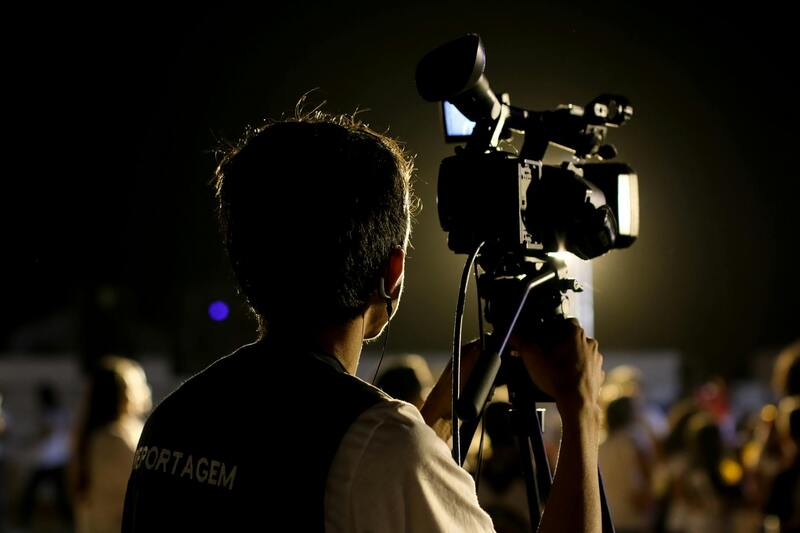
Power reliability should never be overlooked. Carry multiple charged batteries, portable power sources, and surge protectors to prevent interruptions during lengthy sessions. Backup equipment acts as a safeguard against unforeseen technical failures, thus preserving the flow of production.
Environmental considerations, such as soundproofing or acoustic treatment, help optimize audio quality. Installing sound-absorbing panels or diffusers reduces echoes and ambient noise, creating a controlled environment conducive to professional recordings. When filming on location, choosing quiet, controlled environments enhances audio clarity.
Pre-shoot calibration and extensive testing of all equipment contribute significantly to achieving high production standards. Ensuring every element is functioning correctly prior to the shoot minimizes delays and technical hiccups, ultimately elevating the overall quality of the interview content.
Equipment and Technical Setup
Achieving high-quality video interviews relies heavily on meticulous equipment and technical arrangements. Precision in selecting the right gear and setup ensures clear visuals and pristine audio, which are crucial for maintaining viewer engagement and conveying professionalism.
Camera Selection
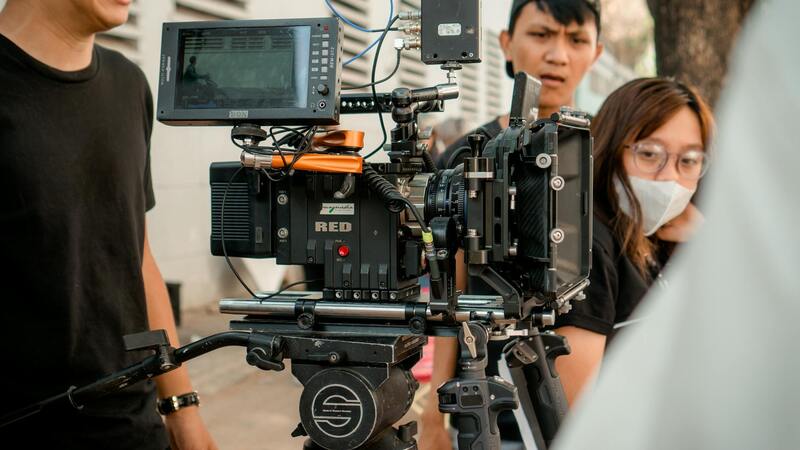
Choosing the appropriate camera involves considering resolution, frame rates, and sensor quality. Although 4K cameras offer exceptional detail, 1080p options can suffice for most interview productions and are often more budget-friendly. A camera with good low-light performance is essential for indoor shoots or environments with varying lighting conditions.
Lighting Configuration
Lighting plays a vital role in video quality. Soft, even lighting minimizes shadows and highlights facial features effectively. LED panels with adjustable brightness and color temperature are preferred for their flexibility. Incorporating key, fill, and backlights helps to create a three-dimensional look, adding depth and professionalism to the shot.
Audio Equipment
Crystal-clear audio is as important as visuals. High-quality microphones, such as lavalier (lapel) microphones or shotgun mics, should be positioned close to the interviewee to minimize background noise. Using wireless systems can provide freedom of movement, while portable audio recorders serve as reliable backups.
Supporting Equipment and Accessories
- Tripods or stabilizers for steady shots
- Gimbals for dynamic motion filming
- Backdrop and lighting modifiers to enhance visual consistency
- Power sources, including extra batteries and portable generators
Technical Environment Considerations
Conducting thorough pre-shoot testing reduces on-site technical issues. Ensuring compatibility between devices, checking connections, and calibrating settings before filming helps produce seamless footage. Environmental factors such as noise, ambient light, and space constraints should be analyzed to optimize the technical setup.
It’s essential to have backup equipment ready; this includes spare batteries, extra microphones, and secondary storage devices for footage. This foresight prevents disruptions during long shooting sessions or unforeseen technical failures.
Ensuring Environmental Sound Control
To enhance audio quality, consider environmental modifications like soundproofing or acoustic treatments. Portable sound barriers and diffusers can significantly cut down echoes and external noises, especially when filming on location. When shooting in public or outdoor spaces, selecting quieter times and locations helps maintain audio clarity.
Camera Calibration and Testing
Prior to recording, thorough calibration of all equipment—such as setting correct white balance, focus, and exposure—is essential. Testing all gear in the actual environment to identify and address potential issues ensures that during recording, the production remains smooth and professional.
Having a well-planned and properly executed technical setup not only enhances the visual and auditory quality but also reduces logistical complications post-shoot, making post-production editing more efficient and impactful.
Equipment and Technical Setup for Video Interviews
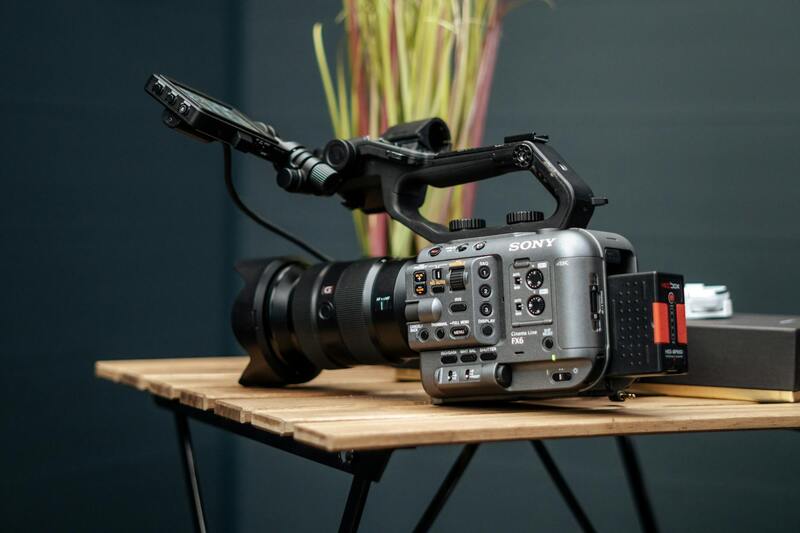
Establishing a robust technical foundation is critical for producing high-quality video interviews. This begins with selecting appropriate cameras that offer sufficient resolution and dynamic range, ensuring sharp visuals that capture every detail. High-definition camcorders or professional mirrorless cameras tend to deliver optimal results. Complementing the camera is an array of reliable lighting equipment. Softboxes and LED panels help create even, flattering illumination, reducing shadows and highlighting interview subjects naturally.
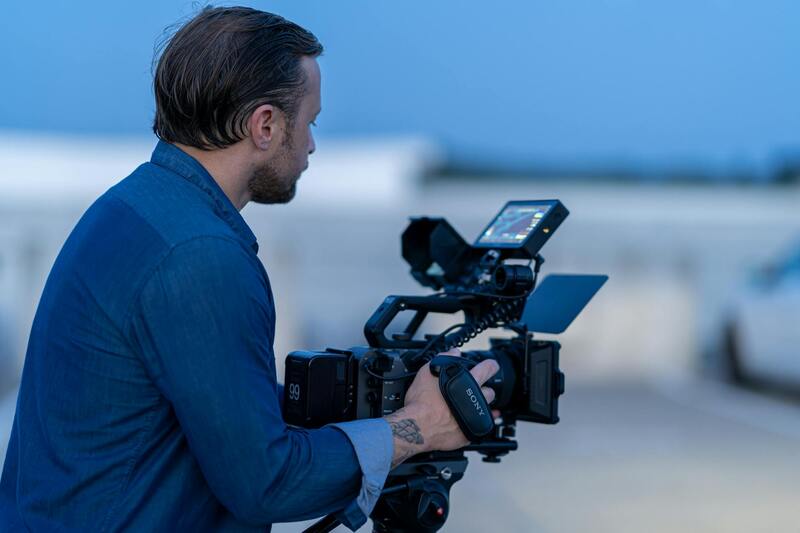
Audio quality is equally vital. Employing directional microphones, such as lapels or shotgun mics, minimizes ambient noise and ensures speech clarity. Audio recorders or mixers should be used to monitor sound levels continuously, preventing distortion or audio dropouts. For outdoor or acoustically challenging environments, portable soundproofing solutions like acoustic blankets or barriers can dramatically improve clarity.
Beyond equipment, environment control is essential. Select a quiet, controlled space free from external noise sources and unwanted interruptions. Environment stability allows for consistent audio and visual quality throughout the session.
Before actual shooting begins, comprehensive testing and calibration of all devices are necessary. This includes white balancing the camera to match lighting conditions, checking focus accuracy, and setting appropriate exposure. Conducting trial recordings helps identify any malfunctions or adjustments needed. Also, verify backup systems—extra batteries, spare memory cards, and additional microphones—to prevent technical failures during filming.
Documenting detailed setup procedures ensures consistency across multiple shoots and facilitates quick troubleshooting. Environmentally, consider the placement of lighting and cameras to minimize shadows and reflections. Minimizing reflective surfaces and controlling ambient light levels contribute to a polished, professional final product.
Overall, integrating high-quality equipment with environmental considerations and thorough testing creates a production environment conducive to capturing compelling, glitch-free interview footage. This preparation leads to more streamlined post-production edits and a superior viewing experience for audiences.
Legal, Ethical, and Local Considerations
When producing a professional video interview, understanding and adhering to legal, ethical, and local regulations is imperative. This ensures the content not only complies with regional standards but also maintains the integrity and reputation of the production. From obtaining appropriate permissions to respecting privacy rights, every step should be approached with diligence.
Securing consent from all interviewees prior to filming is a fundamental component. This involves clearly communicating the purpose of the interview, how the footage will be used, and obtaining explicit approval. An agreement or release form tailored to regional legal language can formalize this understanding while protecting all parties involved.
Additionally, the choice of location can trigger specific local regulations, especially if shooting in public or private spaces. It is essential to research permits or notifications required by municipal authorities to ensure compliance. This proactive approach prevents potential disruptions and legal complications during or after production.
Respecting privacy and intellectual property rights is equally important. This involves ensuring that any music, visuals, or third-party content integrated into the interview has appropriate licensing. When recording in locations with proprietary signage or artwork, permission should be secured to avoid infringing on ownership rights.
Moreover, particular attention should be given to local sensitivities and cultural considerations. Understanding regional customs and norms can influence the interview approach, ensuring respectful and meaningful content that resonates with local audiences.
From an ethical standpoint, maintaining truthfulness and transparency in presenting interview content is paramount. Avoiding manipulation of footage or selective editing fosters trustworthiness and aligns with professional standards. This commitment to authenticity reinforces the credibility of the produced interview, positioning it as a reliable source of information.
Post-Production Editing and Enhancement
Post-production processes serve as vital phases to refine the raw footage and craft a compelling narrative. Incorporating color correction, sound balancing, and visual effects can significantly enhance the final product, making it more engaging and polished.
Editing should follow a structured approach, focusing on clarity, pacing, and message integrity. Removing extraneous content while ensuring the core themes remain intact results in a concise, impactful presentation. Strive for a seamless flow that guides viewers intuitively through the interview.
Adding graphics or subtitles can increase accessibility and highlight key points, especially for viewers with hearing impairments or language barriers. These enhancements should complement the content without overshadowing the interviewees or the message conveyed.
Lastly, quality assurance procedures such as multiple review rounds and client approvals ensure that the final version aligns with expectations and standards. Properly managed post-production ensures the video interview not only looks professional but also effectively communicates the intended message, elevating the overall production value.