
Budgeting and Contracting for Interview Videography Services
When seeking professional interview videography services, especially within Miami’s dynamic media landscape, establishing a clear budget and understanding the contractual process are essential steps in ensuring a successful project. Start by assessing your specific needs, including the scope of the shoot, desired video quality, and complexity of the final product. This preliminary evaluation helps set realistic expectations and guides financial planning.
Pricing models for interview videography can vary widely, often based on factors such as project duration, location complexity, equipment requirements, and post-production needs. Some providers charge a flat fee for the entire project, which simplifies budgeting by providing a comprehensive cost. Others may operate on hourly rates, especially for shorter shoots or specific segments, allowing for more flexible expenditure. Additionally, line-item pricing for services like editing, sound design, or motion graphics can be offered to tailor the final package to your budget.
Understanding what is typically included in a quote is crucial. Standard services often encompass pre-production planning, shooting, and post-production editing. Clarify whether setup and teardown time are billed separately or included. An exact outline of deliverables—such as the number of video angles, codec specifications, and delivery formats—helps prevent surprises and ensures all project components are accounted for.
Establishing Clear Contracts for Interview Videography
Formalizing your arrangement with a comprehensive contract safeguards both parties and delineates project expectations. A contract should specify essential details, including scope of work, timeline, payment structure, and rights to footage. Given the tonal and visual nuances of interview content, clearly defining deliverables ensures alignment from the outset.
In Miami’s vibrant media environment, reputable videographers and production companies will provide detailed proposals and contracts that align with your objectives. It’s advisable to review these documents carefully, paying close attention to clauses related to revisions, cancellations, and confidentiality. Such clarity minimizes misunderstandings and creates a professional foundation for the collaboration.
Prior to signing, verify the credentials of the service provider, ensure they possess appropriate insurance coverage, and confirm their ability to meet specified deadlines. Maintaining open communication during this phase helps address any uncertainties and fosters a collaborative approach to connecting your content goals with the professional skills of your chosen videographer.
Effective Budgeting Strategies for Interview Videography Projects
Establishing a realistic budget is a critical step in ensuring the success of your interview videography project. It involves a comprehensive assessment of various cost components, including pre-production planning, equipment rental or purchase, on-site filming, post-production editing, and delivery. To develop an accurate budget, it is advisable to request detailed quotes from multiple service providers in Miami, comparing their offerings and pricing structures.
When considering costs, it’s important to factor in the scope of the project. For instance, a simple interview setup with minimal equipment may be more affordable, while a multi-camera shoot with elaborate lighting or specialized audio equipment will naturally incur higher expenses. Understanding your specific needs helps tailor the budget effectively and prevents unforeseen charges.
Transparent pricing models are often based on hourly rates, day rates, or flat project fees. Clarify what each quote includes—such as the number of shooting hours, post-production editing, revisions, and footage rights—to facilitate an accurate comparison. Opting for a service provider with a clear breakdown of costs can prevent budget overruns and align expectations from the outset.
Negotiating terms is a vital aspect of budgeting. Discuss potential additional costs upfront, such as travel expenses, extra filming days, or custom graphics. In Miami’s dynamic media landscape, experienced videographers are accustomed to customizing packages to fit different budget levels without compromising quality. Ensuring understanding and agreement on these details upfront fosters a smooth workflow and helps maintain financial control throughout the project.
Flexibility within the budget also allows for adjustments based on project revisions or unforeseen requirements. For instance, allocating a contingency fund—typically 10-15% of the overall budget—can provide a buffer for unexpected challenges. This proactive approach minimizes disruptions and maintains the integrity of your content production schedule.
In summary, effective budgeting hinges on detailed quotes, transparent pricing, and clear scope definitions. By aligning your financial plan with your content goals and thoroughly vetting potential videographers’ proposals, you lay the groundwork for a successful interview video production that meets both quality standards and budget expectations.
Legal and Ethical Aspects of Interview Videography
When engaging an interview videographer in Miami, it is essential to adhere to established protocols regarding permissions, releases, and respecting individuals' privacy rights. Prior to filming, obtaining signed authorization forms from interviewees ensures that all parties are aware of how the footage will be used and stored. These documents, often referred to as release forms, serve as official agreements granting permission for the content to be recorded, edited, and publicly disseminated.
Clear communication about the scope of the project, including intended distribution channels and duration of use, helps prevent misunderstandings. For interviews involving minors or vulnerable populations, additional consent from guardians or legal representatives is necessary to comply with ethical standards. Proper documentation of these permissions not only protects your project from potential disputes but also upholds a professional standard of conduct.
Respecting privacy is particularly critical during filming in public or semi-public spaces across Miami. While some locations may require permits for commercial filming, it is equally important to ensure that individuals in the background are not inadvertently captured or that their rights are not infringed upon. Using techniques such as framing shots carefully or employing bleep-out methods for identifiable individuals can help maintain privacy standards.
Furthermore, when producing content for commercial purposes, adherence to advertising standards and truthful representation is paramount. Misleading claims or manipulative editing can compromise the integrity of the project and undermine public trust. It’s advisable to provide honest narratives and clearly label sponsored or promotional content, aligning with ethical best practices.
In summary, thorough understanding and diligent application of permissions, releases, and privacy considerations are integral components of responsible interview videography. Engaging a seasoned Miami-based videographer familiar with local regulations and industry standards ensures that your project respects legal boundaries while maintaining high ethical integrity.
Budgeting and Contracting for Interview Videography Services
Establishing a clear budget is fundamental to the success of any interview videography project. Before engaging with a Miami-based videographer, it is essential to determine the scope of your content, the complexity of filming locations, and the desired quality level. Comprehensive budgeting ensures that all necessary expenses—from pre-production planning and equipment costs to on-site filming and post-production editing—are accounted for, preventing unexpected financial shortfalls.
When connecting with potential providers, obtaining detailed quotes that break down each service component is critical. This transparency allows for an accurate comparison of prices and deliverables, ensuring that your investment aligns with the project's requirements. It is also advisable to confirm whether the estimate includes additional costs, such as travel, permits, or special equipment rentals.
Drafting a Precise Contract
Formalizing your agreement through a detailed contract helps establish mutual expectations and protection for both parties. The contract should clearly specify the scope of work, deadlines, deliverables, and budget commitments. Additionally, payment terms—such as upfront deposits, milestones, or final payments—must be explicitly outlined to ensure transparency.
Legal Considerations in Contracting
While negotiating terms, it is equally important to include clauses related to intellectual property rights, confidentiality, and cancellation policies. These provisions safeguard your content rights and allow for adjustments if unforeseen circumstances arise. Additionally, specifying adherence to local filming permissions and privacy considerations can prevent complications later in the production process.
Choosing the Right Videography Partner
Selecting a Miami-based interview videographer with a strong portfolio and positive client testimonials fosters confidence in the project's success. Verify that prospective providers have experience in similar projects and possess the technical skills needed for high-quality filming. Engaging professionals with a detailed understanding of local regulations simplifies compliance and enhances overall project efficiency.
Ultimately, thorough budgeting paired with a meticulously drafted contract ensures your interview videography project proceeds smoothly while maintaining financial clarity and professional integrity. This preparation lays a solid foundation for capturing compelling content that resonates with your audience and aligns with your strategic objectives.
Ensuring Accurate Budgeting and Clear Contracting Terms for Interview Videography
Effective budgeting begins with a comprehensive understanding of the scope and specific requirements of your interview videography project. When planning your budget, consider elements such as equipment rentals, location fees, personnel costs, and post-production expenses. Establishing a detailed budget early on helps prevent unforeseen expenditures and ensures all aspects of the project are financially covered.
Next, formalize your agreements through a well-structured contract. A clear contract outlines key components including project scope, deliverables, timelines, payment schedules, and responsibilities. Including specifics about footage rights, confidentiality clauses, and cancellation policies can mitigate risks and provide assurance for both parties. This clarity fosters a professional relationship built on transparency and mutual understanding.
When drafting contracts, ensure that terms regarding intellectual property rights are explicitly defined. Clarify whether you retain ownership of the footage or if licensing rights are transferred. Additionally, include confidentiality clauses if sensitive content or proprietary information will be discussed or recorded during interviews. These legal safeguards are essential for maintaining control over your content and protecting your privacy interests.
Negotiating payment terms is equally crucial. Consider milestones tied to project phases, such as initial shooting, editing, and final delivery. This approach provides financial security and motivates timely completion of each stage. Also, specify conditions for project delays or alterations, allowing flexibility without compromising project integrity.
To confirm that all contractual elements align with your strategic goals, review and discuss the draft thoroughly with your chosen videography partner. A being upfront during negotiations ensures both parties' expectations are aligned, reducing the likelihood of disputes and fostering a collaborative, efficient production process.
Legal and Ethical Aspects of Interview Videography
Maintaining ethical standards and adhering to best practices are fundamental in interview videography, ensuring the integrity of the content and respecting the rights of all involved parties. One key aspect involves establishing clear permissions before recording begins. This includes securing explicit consent from interviewees to be filmed, which is essential for transparency and mutual understanding. Such agreements should outline the scope of usage, ensuring that all parties are aware of how the footage will be utilized, stored, and shared.
Another critical consideration pertains to the protection of sensitive information. When interviews cover confidential or proprietary topics, implementing strict protocols for handling and storing footage is vital. These measures not only safeguard the content but also uphold the trust between client and videographer. Confidentiality agreements can formalize this understanding, delineating responsibilities and restrictions regarding distribution and access.
Respecting intellectual property rights is equally important. Clarifying ownership of the recorded footage at the outset helps prevent misunderstandings. Typically, the client may seek full ownership of the final product, or the videographer may retain certain rights, such as usage for promotional reasons. Articulating these details within a contractual framework ensures that legal interests are protected for both parties.
During post-production, ethical editing practices include accurately representing the interviewee's words and context, avoiding misleading cuts or alterations that could distort the message. Transparency with the client about the editing process reinforces trust and integrity.
Furthermore, respecting privacy boundaries is essential, particularly when capturing individuals in sensitive settings. Consent should extend to background participants if they are identifiable, and appropriate measures should be taken to anonymize or exclude individuals if privacy concerns arise.
In all instances, adhering to these ethical principles not only aligns with professional standards but also enhances the credibility of the production. It demonstrates a commitment to responsible journalism and content creation, fostering respect and trust among clients, subjects, and viewers alike.
Budgeting and Contracting for Interview Videography Services
Securing professional interview videography services involves careful financial planning and clear contractual agreements. Establishing a comprehensive budget ensures that all aspects of the project are covered and helps prevent unforeseen expenses. The budget should account for factors such as pre-production planning, equipment rental or purchase, on-site filming, post-production editing, and final delivery. Transparency about costs from the outset enables both the client and videographer to align expectations and avoid misunderstandings.
When negotiating terms, it's essential to specify deliverables, timelines, and the scope of services. Contracts should clearly define payment schedules, cancellation policies, and revisions processes. Including detailed descriptions of project milestones—such as initial concept approval, rough cuts, and final edits—facilitates smooth collaboration and ensures that each phase is financially accounted for. A well-drafted contract also covers intellectual property rights, usage rights, and confidentiality clauses related to sensitive interview content.
For clients, understanding industry-standard rates helps set realistic budgets. Rates can vary depending on the complexity of the project, the experience of the videographer, and the equipment required. It's advisable to request detailed quotes from multiple providers, compare their offerings, and inquire about any additional charges that might arise, such as travel or expedited editing. Prioritizing quality and professionalism over cost is essential to achieving a compelling, high-quality interview video.
In summary, transparent communication and thorough contractual agreements are the foundation of successful budgeting and contracting processes in interview videography. Clearly outlining expectations, deliverables, and costs helps forge a productive partnership, enabling both parties to focus on creating impactful visual content effectively.
Preparing for an Interview Videography Project
Effective preparation is fundamental to capturing high-quality interview footage that aligns with your objectives. This process involves meticulous planning, including defining the scope of the project, understanding the interview content, and coordinating all logistical aspects with the videography team. A comprehensive pre-production plan helps ensure a seamless shoot, minimizes unexpected challenges, and optimizes resource allocation.
- Clarify the Project Goals and Style: Clearly communicate the purpose of the interview, preferred stylistic elements, and any branding or messaging guidelines. Providing examples of desired visuals or previous videos helps align expectations.
- Schedule and Location Planning: Confirm interview dates, times, and locations well in advance. Securing a suitable venue with necessary amenities—soundproofing, lighting access, and power supply—reduces potential disruptions during filming.
- Equipment and Technical Setup: Collaborate with the videographer to determine the necessary equipment, such as cameras, lighting, microphones, and backup supplies. Evaluate the site for technical requirements like power outlets, internet connectivity, and noise levels.
- Participant Coordination: Ensure interviewees are informed about the schedule, location, and any preparation needed. Providing guidelines on attire, interview topics, and anticipated interview duration fosters professionalism and reduces on-set uncertainties.
- Creative and Visual Planning: Develop shot lists, framing guidelines, and key visual elements to be captured. Incorporate creative concepts that enhance storytelling, such as incorporating B-roll footage or overlay graphics.
- Legal and Permission Details: Obtain necessary permissions, releases, and rights for locations, interviewees, and copyrighted materials. Clear documentation guarantees smooth content usage post-production.
Efficient communication between the client and the videography team during the planning phase is vital. Regular check-ins and detailed briefs help clarify expectations and prevent misunderstandings. By investing time in this preparatory stage, clients can ensure that the actual filming process is efficient, minimizes retakes, and results in a polished, impactful interview video that meets strategic goals.
Effective Budgeting and Contracting Strategies for Interview Videography
Planning a professional interview videography project involves more than just envisioning the final product; it necessitates meticulous budgeting and clear contractual agreements. Establishing a comprehensive budget upfront ensures that all essential elements—such as equipment, manpower, location logistics, and post-production—are adequately covered without unforeseen expenses derailing the project.
Begin by assessing the scope of the project, including the number of interviews, the complexity of visuals, and the desired post-production quality. Understanding these parameters allows for the development of precise cost estimates that reflect the project's requirements. Consider allocating funds for specialized equipment such as high-quality cameras, lighting, audio gear, and editing software to guarantee professional results.
When drafting a contract, it is crucial to specify deliverables, timelines, and payment schedules. Clear terms regarding project milestones and associated payments help maintain transparency and accountability. Detailing the scope of work, including pre-production planning, filming, editing, and revisions, ensures both parties are aligned on expectations.
Additional contract components should include clauses on rights and usage of the footage, confidentiality, and provisions for handling unforeseen circumstances like delays or technical difficulties. Using standardized contractual templates or consulting legal professionals experienced in media projects can further safeguard the interests of all involved parties.
Understanding the varied cost factors involved enables clients to make informed decisions. For example, hiring a highly experienced videographer with a specialized skill set might entail higher fees but often yields superior quality content. Similarly, including extras such as drone shots, multiple camera angles, or scripted segments will influence the overall budget.
To optimize expenditure, clients should seek detailed quotes from multiple providers, compare service packages, and prioritize needs based on project goals. Remember to account for post-production expenses, including editing, color correction, sound design, and revisions, which significantly impact the final delivery quality.
Transparent and detailed contracting paired with realistic budgeting facilitates smooth project execution and can prevent disputes and misunderstandings. This approach allows clients to invest confidently in their interview videography, resulting in compelling content that aligns with strategic objectives.
Effective Strategies for Managing Costs and Budgeting for Interview Videography
Establishing a clear and detailed budget is fundamental to ensuring a smooth production process and achieving the desired quality of your interview footage. It involves a comprehensive assessment of all potential expenses, from pre-production planning to post-production editing. When considering costs, clients should evaluate several key elements that contribute to the overall expenditure.
Understanding Cost Components in Interview Videography
- Pre-Production Planning: This includes conceptualization, scripting, location scouting, and securing permits if necessary. Proper planning minimizes unforeseen expenses during shooting.
- Equipment and Technology: High-quality cameras, lighting, sound equipment, and backup gear are essential. Advanced tools such as steady cameras, lavalier microphones, and teleprompters can enhance production value but may add to costs.
- Personnel and Crew: Compensation for videographers, sound engineers, lighting technicians, and production assistants should be factored into the budget. Experienced professionals often demand higher fees but contribute to superior results.
- On-Site Expenses: Transport, accommodation (if needed), and venue rentals are additional charges that can impact the overall budget.
- Post-Production: Editing, color grading, sound mixing, and possible graphical enhancements require skilled editors. Revision cycles and project complexity influence the final expense.
Methods for Cost Optimization
- Request detailed quotations from multiple providers to understand market rates and service inclusions.
- Prioritize your production needs by focusing on core elements that align with your strategic goals.
- Negotiate package deals or bundled services, including editing and post-production, to get better value.
- Account for contingency funds within your budget to manage unforeseen issues.
- Plan the shoot duration efficiently to minimize labor and setup costs.
Balancing Quality and Budget Constraints
Choosing the right interview videography partner involves carefully balancing quality expectations with available financial resources. Investing in skilled professionals and high-quality equipment can elevate the professionalism of your final product, but it's crucial to align these choices with your budget parameters.
Clients should also consider the scope of their project—whether it demands multiple camera angles, drone footage, or scripted segments—since these features will influence costs accordingly. Clear communication of your objectives and budget constraints allows providers to recommend tailored solutions that maximize value without compromising quality.
Constructing a Realistic and Flexible Budget
Developing a flexible budget involves setting technical priorities and establishing separate tiers for essential and optional enhancements. Regularly reviewing costs during each phase of production ensures adherence to financial plans. Maintaining open dialogue with your videography team helps manage expectations and allows adjustments where necessary, fostering a collaborative approach that ultimately benefits both parties.
Budgeting and Contracting for Interview Videography Services
Establishing a clear budget and comprehensive contract form the foundation for a successful interview videography project. A detailed budget helps outline the scope, expected deliverables, and financial boundaries, ensuring that both client and videographer are aligned from the outset. When crafting a budget, consider essential elements such as equipment rental, crew fees, location permits, and post-production costs. Part of effective budgeting involves identifying optional services that could enhance your final product, including additional camera setups, drone footage, or extra editing revisions. Allocating contingency funds within your budget provides flexibility to address unforeseen issues that may arise during filming, such as technical glitches or scheduling conflicts. A well-structured contract formalizes the agreement between you and your interview videographer. It should specify project timelines, deliverables, rights to footage, payment schedules, and conditions for revisions. Detailed contracts reduce misunderstandings and provide a legal framework for addressing potential disputes. When negotiating contract terms, consider including clauses about confidentiality, especially if the interview contains sensitive information. Clarify ownership rights to the footage and final cut, which is critical for control over the content post-project. Choosing a provider who offers transparent pricing and clear contractual terms ensures peace of mind and helps maintain a collaborative relationship, leading to more successful project outcomes.
Understanding the Role of an Interview Videographer
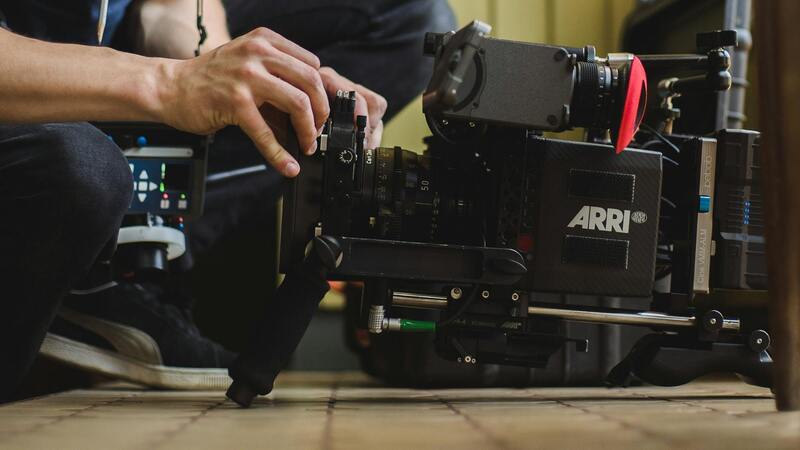
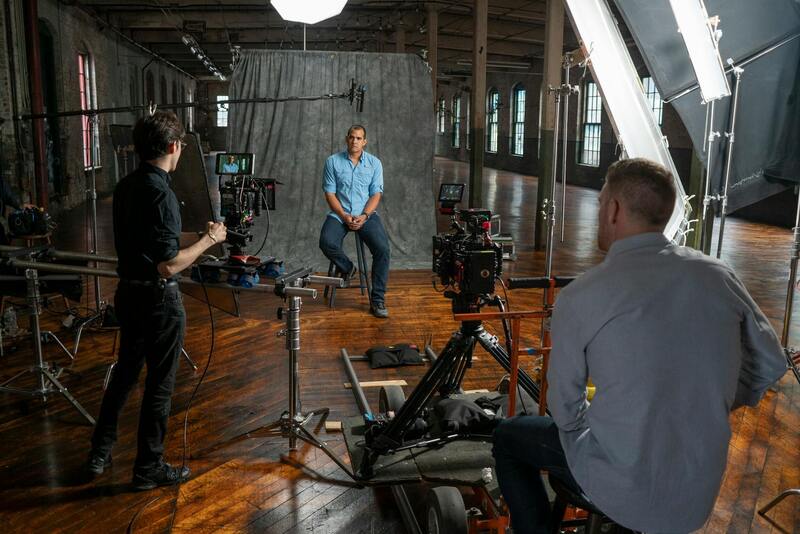
An interview videographer specializes in capturing engaging, professional footage of interviews for a variety of purposes, including documentaries, promotional content, or corporate communications. Their expertise extends beyond simple camera operation, encompassing skills in lighting design, sound recording, and shot composition, all focused on effectively conveying narrative or corporate messaging. A proficient interview videographer possesses the technical knowledge to optimize camera settings for different environments, ensuring consistent visual quality regardless of location. They excel in creating a comfortable setting for interviewees, which is essential for authentic and compelling storytelling. Beyond technical skills, an experienced videographer understands the importance of framing and pacing, adeptly managing the flow of footage to match the tone and objectives of the project. They coordinate with clients to develop a shot list, select suitable backgrounds, and choose the right angles that enhance the interviewee's message. In addition, a knowledgeable videographer is familiar with relevant equipment, such as lavalier microphones, portable lighting kits, and stabilizers, ensuring high-quality audio and visuals in varied conditions. Their role is instrumental in transforming a simple conversation into a polished visual narrative that resonates with the target audience.
Budgeting and Contracting for Interview Videography Services
When planning an interview video project, establishing a clear budget and comprehensive contract is vital to ensure smooth execution and satisfactory results. Effective budgeting involves understanding the scope of work, desired outcomes, and associated expenses, including pre-production, production, and post-production phases. An accurate estimate helps prevent unexpected costs and aligns client expectations with service deliverables.
Contracts serve as formal agreements that safeguard both parties by delineating responsibilities, timelines, payment schedules, and rights related to the final content. It is important to include specific details such as tasks included (e.g., lighting, sound, editing), number of shooting hours, project milestones, and copyright ownership. A well-crafted contract mitigates misunderstandings and offers clarity on the project's parameters, fostering a professional relationship built on trust and transparency.

Factors Influencing Costs
- Project Complexity: Intricate setups, multiple locations, or extensive editing can increase expenses.
- Equipment Requirements: Advanced cameras, lighting, and audio gear often involve additional fees.
- Talent and Crew: Hiring a crew beyond the primary videographer, such as sound technicians or assistants, impacts pricing.
- Duration and Scheduling: The length of the shoot and scheduling flexibility influence costs.
- Post-Production Needs: Editing, color grading, and licensing music can significantly affect the final budget.
Negotiating and Finalizing Contracts
Open communication during negotiation ensures both parties agree on deliverables and costs. Clients should request detailed quotes and review terms related to revisions, deadlines, and ownership rights. It is advisable to have legal counsel or industry professionals review contracts to address specific concerns or terms, especially in complex projects. Once finalized, both parties should sign and retain copies of the agreement to serve as a reference throughout the project.
Additional Tips for Budgeting
- Plan ahead to allocate funds effectively and avoid rushing expenses.
- Prioritize key elements like lighting and sound quality, as they greatly influence the professionalism of the final product.
- Request bundled packages or discounts when engaging multiple services from a single provider.
- Consider the long-term value of high-quality content, which can generate greater engagement and ROI.
Budgeting and Contracting for Interview Videography Services
Developing an accurate budget for interview videography projects involves understanding various cost components that influence the overall expenses. Each element, from pre-production planning to final delivery, plays a significant role in determining the financial outline of the project. To ensure a smooth process and satisfactory results, clients should systematically approach budgeting by identifying all potential costs and establishing clear contractual agreements with their chosen videographer.
Assessing Project Scope and Requirements
Start by clearly defining the scope of the interview shoot. This includes the number of interviewees, desired locations, and the complexity of the setup. For instance, high-profile interviews requiring multiple cameras, special lighting, or advanced audio equipment tend to incur higher costs. Additionally, consider modality—will the shoot be in-studio, on-location, or a hybrid approach? Each setting carries different logistical and equipment needs, affecting budget estimates.
Itemizing Expenses
- Pre-Production: Planning, scripting, and scheduling.
- Equipment: Cameras, lighting, sound recording devices, and backup gear.
- Personnel: Videographers, sound technicians, assistants, and production coordinators.
- Location Fees: Permits and venue rentals if applicable.
- Post-Production: Editing, color correction, audio mixing, and graphical overlays.
- Additional Costs: Travel, accommodations, and licensing fees for music or images used in the final cut.
Negotiating Pricing and Terms
Transparency in pricing is fundamental when establishing a contractual relationship. Clients should request detailed quotes that itemize each service component. This aids in comparing options and understanding where resources are allocated. During negotiations, clarify policies regarding revisions, project timeline milestones, and ownership rights to the footage. Establishing these parameters upfront helps avoid unexpected costs later on.
Legal and Contractual Precautions
Contracts should specify deliverables, payment schedules, cancellation policies, and confidentiality agreements. It’s advisable to review these documents thoroughly, possibly with legal counsel or an industry expert, especially for complex or large-scale projects. Retaining signed copies ensures clarity and accountability for both parties throughout the project lifecycle.
Cost Optimization Strategies
- Leverage bundled service packages to secure discounts.
- Opt for shorter shoot durations when feasible to reduce day rates.
- Consider virtual consultation options for pre-production planning to minimize travel expenses.
- Prioritize high-impact elements that influence the perceived professionalism of the final product—such as sound quality and lighting—over excessive filming hours.
By carefully planning and negotiating, clients can secure quality interview videography services within their budget constraints, ensuring a professional and impactful final video that serves their communication objectives effectively.
Budgeting and Contracting for Interview Videography Services
The process of budgeting for interview videography begins with a comprehensive understanding of the scope and requirements of the project. Clients should clearly outline their objectives, desired deliverables, and timeline to facilitate accurate cost estimations. Establishing a detailed scope helps prevent scope creep and ensures the final product aligns with expectations.
When reviewing proposals from Miami-based videographers or production agencies, it's essential to scrutinize each component of the quote. Costs typically encompass pre-production planning, equipment rental or usage, the duration of filming, talent or interviewees, crew expenses, and post-production editing. Transparent pricing should itemize these elements, making it easier to compare offers and identify any potential extras or hidden fees.
Contracts serve as the formal agreement that delineates each party's responsibilities, expectations, and rights. A well-drafted contract should specify deliverables, project timeline, payment milestones, revision policies, and ownership rights of the final footage. Clients should review these documents meticulously, ensuring that every aspect is clear before signing. Seeking advice from industry professionals or legal counsel can further safeguard interests, especially on larger or more complex projects.
Strategies to Optimize Costs
- Leverage bundled packages that combine filming, editing, and additional services for discounts.
- Opt for shorter shoot days—focused sessions tend to be more cost-effective without compromising quality.
- Utilize virtual consultations during pre-production to reduce travel and logistical expenses.
- Prioritize essential visual and audio elements, such as lighting and sound quality, over extended filming hours that offer diminishing returns.
Effective Negotiation Tips
Engaging in transparent discussions with your chosen Miami videographer can lead to more favorable terms. Clarify all costs upfront, including any potential revision fees or additional charges for extra footage. Establishing clear communication channels and understanding the payment schedule ensures that both parties remain aligned throughout the project's lifecycle.
Effective Strategies for Budgeting and Contracting Your Interview Videography Project
Securing professional interview videography services involves not only understanding the scope of work but also establishing clear terms and financial arrangements through detailed contracts. Effective budgeting begins with a realistic assessment of your project's requirements, including the number of interviewees, location complexity, and production quality expectations. Recognizing these elements allows for precise cost planning and prevents unexpected expenses midway through the project.
When drafting a contract with a Miami-based interview videographer, it is essential to specify all deliverables explicitly. This encompasses the scope of filming, editing processes, number of revisions included, and final output formats. Delineating project timelines ensures accountability, while payment milestones tied to deliverables foster transparency. Clarifying ownership rights to the footage ensures you retain proper control over your content after completion.
Rich, detailed contracts serve as a safeguard for both parties. For clients, they minimize misunderstandings and provide a reference in case of disputes. For videographers, they set boundaries and expectations, securing fair compensation for their work. Engaging legal or industry experts to review contracts can provide additional reassurance, particularly for extensive or highly customized projects.
Cost Factors Influencing Interview Videography
- Location Complexity: Filming in multi-site locations or challenging environments may increase costs due to travel and setup time.
- Duration and Shoot Days: Longer sessions or multiple shoot days generally raise expenses but can improve content quality.
- Equipment and Technology: High-quality cameras, lighting, and sound equipment contribute to better production value and may influence pricing.
- Post-Production Needs: Editing complexity, including graphics, subtitles, and color grading, can significantly impact final costs.
- Revisions and Additional Features: Extra rounds of editing or specialized features like animations typically incur additional charges.
Strategies for Cost Optimization
- Bundled Services: Opt for packages combining filming, editing, and additional services to benefit from discounts.
- Focused Shooting: Limit shoot days to essential hours—well-planned sessions yield high-quality results without extra costs.
- Virtual Coordination: Use digital communication tools during pre-production to reduce travel and logistical expenses.
- Prioritize Key Elements: Concentrate on crucial visual and audio qualities, balancing quality with budget constraints.
Negotiation Tips for Favorable Terms
Maintaining transparency during discussions with your Miami videographer helps establish mutual understanding. Be upfront about your budget constraints and seek clarity about all potential costs, including revisions and additional footage. Developing flexible arrangements and open communication channels fosters a collaborative environment, ultimately leading to favorable terms and satisfied project outcomes.