
Understanding Video Interview Costs
Producing a high-quality video interview involves a comprehensive assessment of various cost components that together determine the overall investment required. These expenses can vary significantly based on the scope, scale, and professionalism desired for the project. Understanding the fundamental elements that contribute to video interview costs is essential for planning an effective budget and ensuring the final product meets the desired standards.
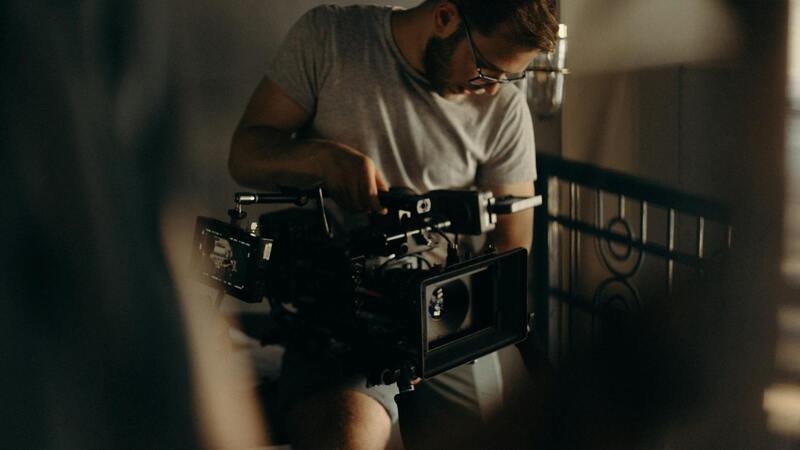
At the core of any video interview production are equipment costs, which include high-definition cameras, audio recording devices, lighting setups, and stabilization tools. Investing in quality equipment ensures clear visuals and crisp sound, which are critical for viewer engagement and message clarity. Depending on whether the production is handled in-house or outsourced to a production company, these expenses can be a fixed upfront cost or part of a service package.
Alongside equipment, personnel expenses form a significant portion of the overall cost. This encompasses hiring skilled crew members such as directors, camera operators, audio technicians, and production assistants. The experience level of the crew impacts labor costs, with seasoned professionals typically commanding higher rates but offering superior production quality. Additionally, the duration of the shoot influences staffing costs; more extended sessions require prolonged crew engagement and associated expenses.
Location costs constitute another critical component. Filming at a professional studio or a suitable venue may involve rental fees, permits, and insurance. Some locations might require additional setup or extensive logistics, increasing overall expenditure. Conversely, shooting at a client’s premises or a recognized public space can sometimes streamline costs but might limit production flexibility.
Post-production expenses also play a vital role. Editing, color correction, sound mixing, graphics, and visual effects contribute to the professional polish of the final product. These services often involve specialized software and experienced editors, adding to the overall investment. While some basic editing can be handled in-house, complex projects typically require engaging outside experts or agencies, which can influence pricing.
Finally, miscellaneous costs such as transportation, catering, wardrobe, and contingency funds should be factored into budgeting efforts. These supplementary expenses ensure the smooth execution of the project and help mitigate unforeseen costs.
Choosing trusted professional services and understanding these core components can facilitate an accurate projection of total costs for producing compelling and effective video interviews. Effective budgeting also ensures that each phase of the project—planning, filming, and post-production—is adequately supported, ultimately delivering a product that aligns with strategic communication goals.
Understanding Video Interview Costs
When evaluating the expenses associated with producing a video interview, it is essential to consider the various official costs that contribute to the overall budget. These costs are typically categorized into pre-production, production, and post-production phases, each with specific financial considerations.
Pre-Production Expenses
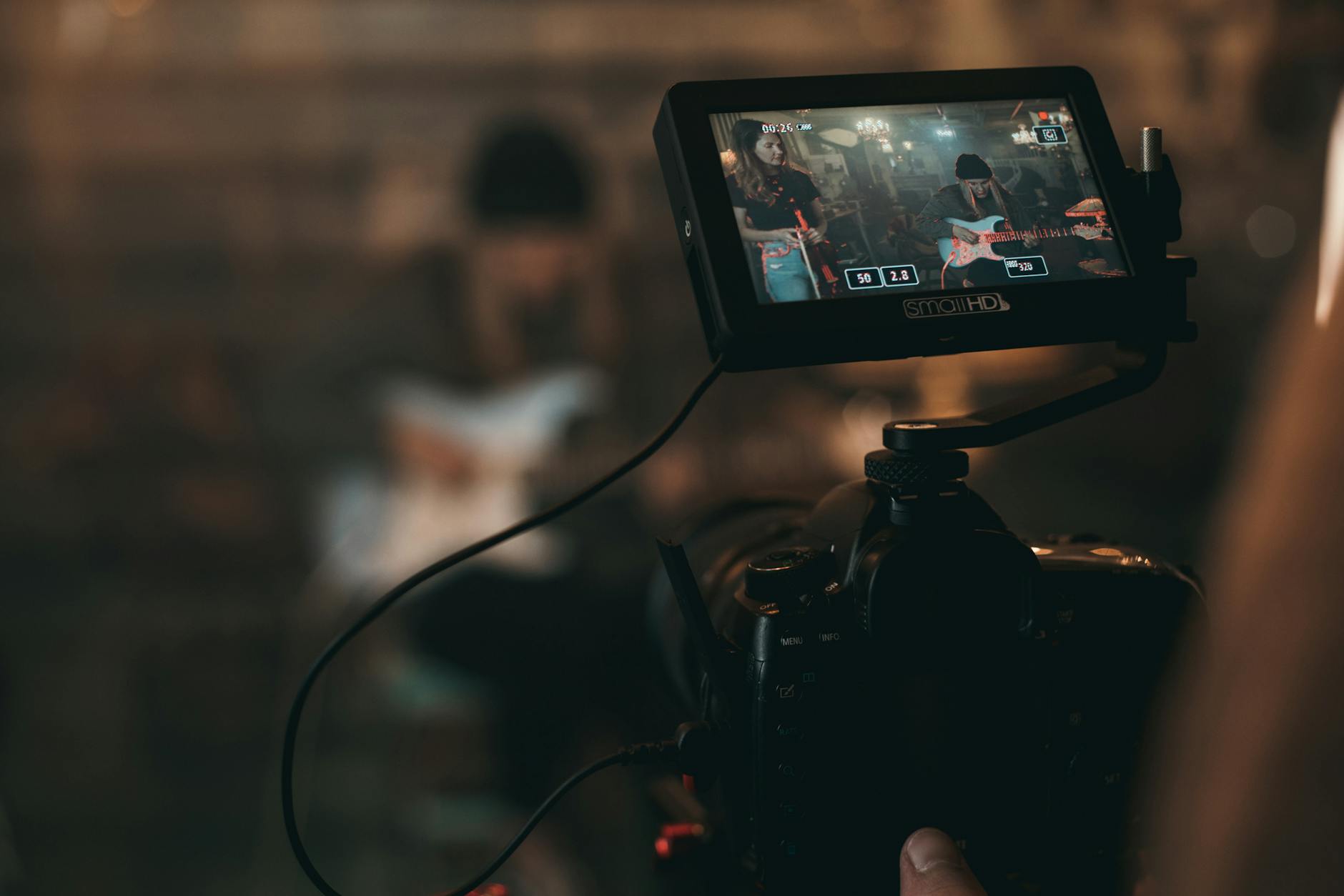
Pre-production involves the planning, coordination, and logistical arrangements necessary for a successful shoot. This phase includes expenses such as conceptual development, scripting, and location scouting. Licensing fees for location use, permits, and insurance are integral components, especially when filming in public or private spaces. These costs ensure compliance with local regulations and provide necessary coverage for potential liabilities. Additionally, securing talent and crew, including professional videographers, sound engineers, and lighting technicians, involves contractual fees that reflect their expertise and working hours. Content rights, release forms, and other legal documentation also incur costs designed to protect all parties involved.
Production Phase
During filming, a range of direct costs are incurred, such as equipment rental, set design, and on-site logistics. Utilizing high-quality cameras, lighting setups, and sound equipment guarantees a polished final product but requires careful budgeting. On-location filming expenses, like transportation and accommodations for crew members, are also considered. Employing experienced professionals such as directors or camera operators can influence the overall price, but their expertise ensures high production value. Proper scheduling and efficient use of resources help minimize downtime and associated labor costs, ultimately contributing to a more predictable budget.
Post-Production Costs
Post-production is a critical stage where the raw footage is edited, enhanced, and finalized. Costs include editing services, which encompass assembling footage, color grading, sound mixing, and incorporation of graphics or visual effects. These services are usually performed by specialized editors and may involve licensing fees for editing software. More complex projects necessitate additional hours, increasing overall expenses. Voiceovers, subtitles, and animations are optional enhancements that also incur costs but add significant value to the finished video. Quality assurance and review processes with stakeholders further ensure the final product meets strategic communication goals, justifying the investment in professional editing services.
Additional and Ancillary Expenses
Aside from core production-related costs, several miscellaneous expenses influence the overall budget. Transportation costs for crew and equipment, catering during shoots, wardrobe customization, and contingency funds to address unforeseen issues should be integrated into financial planning. Insurance premiums for equipment, personnel, and location rentals are vital to protect against potential damages or delays. Proper budgeting for these elements ensures a seamless production process and helps avoid unexpected financial burdens.
Cost Management Strategies
Adhering to a detailed budget plan, negotiating with service providers, and opting for scalable production packages are official methods to optimize costs without compromising quality. Working with reputable vendors and scheduling shoots efficiently also contributes to delivering high-caliber videos within the projected financial boundaries. Regular cost tracking and transparent communication between stakeholders facilitate adjustments needed to stay aligned with financial objectives.
Official Methods for Estimating Video Interview Costs
When evaluating the expenses associated with producing a video interview, it is essential to rely on formal and proven methods that ensure precise budgeting and resource allocation. These methods include comprehensive cost breakdowns provided by reputable production agencies, detailed quotation processes, and standardized pricing models aligned with industry standards. Engaging directly with established service providers allows clients to obtain clear, itemized estimates covering all facets of the project, from pre-production planning to post-production editing.
One of the primary official tools used in cost estimation is the Request for Proposal (RFP), which details the scope of work, desired quality levels, timeline, and specific video elements. The response to an RFP from trusted agencies typically includes detailed proposals that outline costs associated with each production phase. This transparency helps clients understand exactly where their investment will be allocated, such as equipment rental, crew labor, location fees, and editing. Additionally, standardized industry pricing guides provide baseline rates for different video formats, ensuring that quotes remain consistent across vendors and project types.
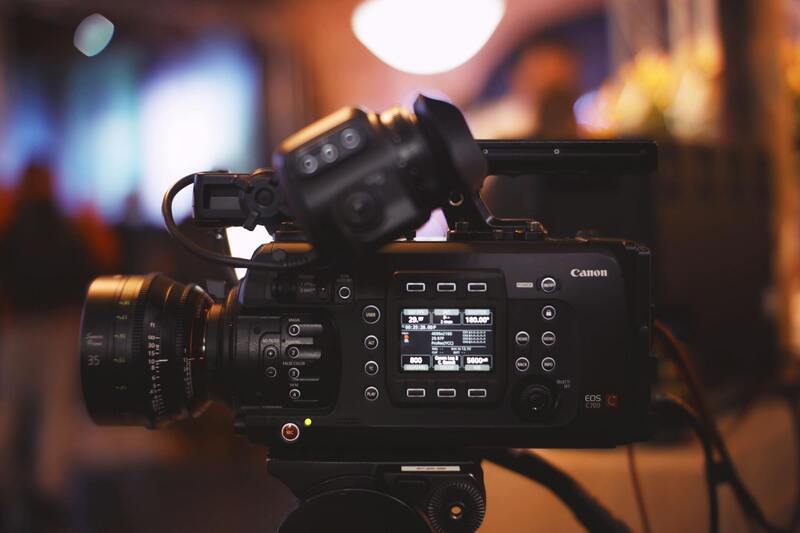
Another official method involves the use of production cost calculators integrated within industry platforms or produced by professional associations. These calculators factor in variables including video length, number of interviewees, location complexity, and desired production quality, resulting in a comprehensive cost estimate. Employing such tools helps maintain consistency and objectivity in budgeting, providing clients with a reliable foundation for financial planning.
Utilizing Licensed and Certified Vendors
Choosing officially licensed and certified service providers ensures adherence to recognized industry standards, which correlates strongly with accurate and fair pricing. Certified vendors typically follow transparent pricing models, maintain proper documentation, and offer contractual guarantees regarding costs, scope, and deliverables. This professionalism helps reduce unexpected expenses and facilitates smoother project management. When selecting vendors, it is advisable to review their portfolios, client testimonials, and accreditation details to confirm their credibility and adherence to established cost estimation practices.
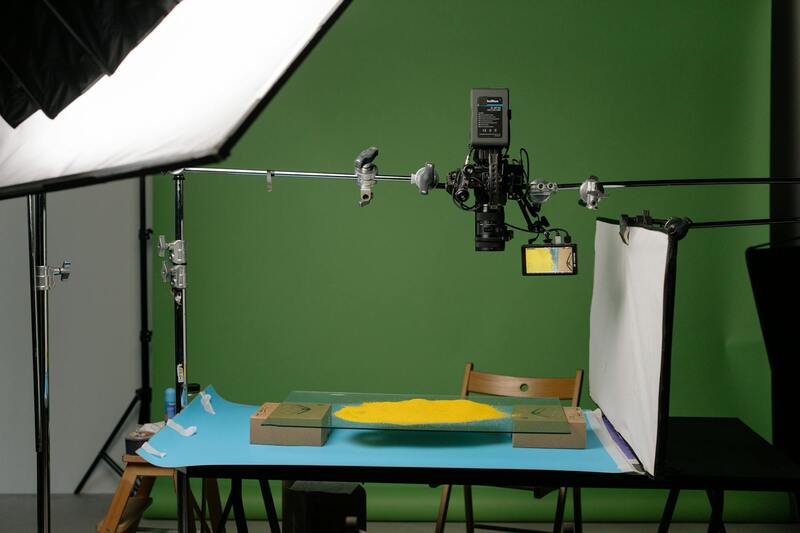
In sum, systematic approaches such as detailed RFPs, industry-standard pricing guides, cost calculators, and working with certified vendors constitute the backbone of official methods to determine video interview expenses. These strategies enable detailed budget planning, minimize financial uncertainties, and facilitate the alignment of project objectives with available resources.
Understanding Video Interview Costs
Accurately estimating the cost of a video interview involves examining several core elements that contribute to the overall expense. These components include pre-production arrangements, technical setups, the complexity of the shoot, and post-production editing. Each factor plays a vital role in determining the final price and should be approached with precision for effective budget management.
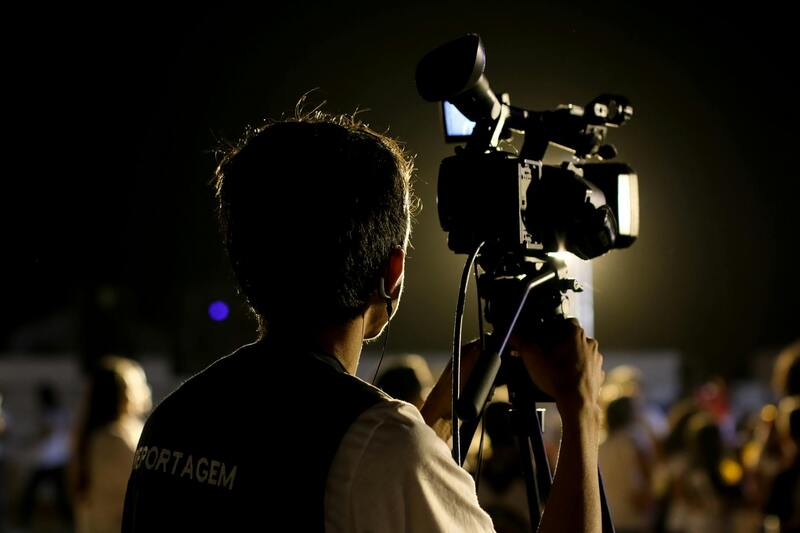
Pre-production costs encompass planning, scripting, location scouting, and obtaining necessary permits. These steps are crucial for defining the scope of the project, ensuring smooth execution, and preventing unforeseen expenses later on. Proper preparation often results in more efficient filming sessions and reduced costs in the long term.
Technical setup costs vary based on the equipment required, such as high-definition cameras, professional lighting, quality microphones, and stabilization gear. Advanced setups might also include multiple camera angles or specialized backgrounds, which can elevate production quality but also increase expenses.
On-site production costs include talent fees, crew wages, set design, and on-location logistics. The complexity of the environment, whether it’s a controlled studio or a dynamic outdoor setting, influences these costs significantly.
Post-production expenses cover editing, color correction, sound mixing, and possible graphical overlays or animations. Skilled editors factor into the budget, especially when high-quality output is a priority. Turnaround time may also affect costs, with expedited services generally warranting higher fees.
Factors Influencing Video Interview Pricing
- Project Scope and Complexity: Larger, more intricate productions require additional resources, personnel, and equipment, elevating overall costs.
- Production Location: Filming in remote or complex sites can increase transportation, permits, and logistics costs.
- Duration of the Interview: Longer recordings necessitate more extensive editing and higher crew wages, impacting the fee structure.
- Quality Standards: Higher production values, such as 4K resolution, multiple camera angles, or cinematic lighting, tend to be more expensive.
- Post-Production Requirements: Extensive editing, special effects, animations, or voice-over work contribute to increased costs.
- Equipment and Technology: Utilization of the latest filming technology, such as drone shots or advanced stabilization tools, can influence the overall price.
Average Cost Range for Video Interviews in Miami
Considering the diverse production landscape within Miami, the cost for professional video interviews generally falls within a specified range. Small-scale projects, such as straightforward interviews with minimal setup, might cost approximately $1,000 to $2,500. These typically include basic filming, simple editing, and limited crew involvement.
Medium-complexity productions, featuring multiple interviewees, enhanced lighting, and comprehensive editing, usually range from $3,000 to $7,000. These efforts often involve multiple shooting days, higher-grade equipment, and detailed post-production work.
High-end productions, which emphasize exceptional quality, creative direction, and custom graphics, can accrue expenses upwards of $8,000 and beyond. This category often includes extensive planning, large crews, specialized equipment, and advanced editing techniques.
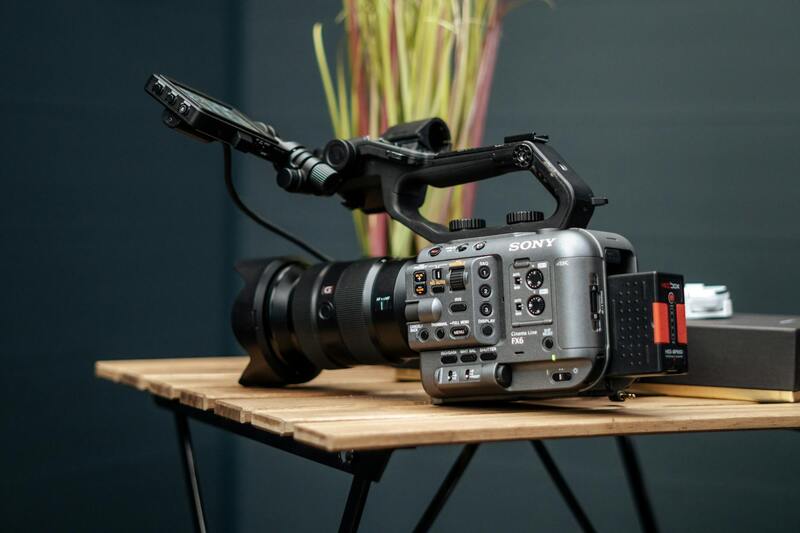
It is essential for clients to understand that these figures serve as general estimates. Precise costs can be more accurately determined by consulting with experienced vendors who utilize standardized quoting procedures, detailed project proposals, and cost calculators. Such methods ensure that estimates are both reliable and reflective of the project scope, enabling more effective financial planning and resource allocation.
Legal and Licensing Expenses in Miami
When planning for a video interview project in Miami, it is crucial to account for legal and licensing fees that uphold compliance with local regulations. These expenses ensure that all content created adheres to industry standards and respects intellectual property rights. Securing necessary permits for filming in certain locations, especially public or private properties, can incur fees that vary depending on the scope and location of the shoot. Permit costs typically range from $200 to $2,000, influenced by factors such as duration, usage rights, and whether the shoot involves special requirements like drone footage or street closures.
Additionally, licensing music and visual assets incorporated into the video can add to the overall costs. Using copyrighted material without proper licenses may result in significant legal costs or project delays. Licensing fees for popular music tracks or stock footage usually start at a few hundred dollars and can escalate based on the intended distribution, region, and duration of use. For projects aiming for broadcast or commercial distribution, obtaining comprehensive licenses from authorized agencies or rights holders ensures smooth deployment and avoids potential infringements.
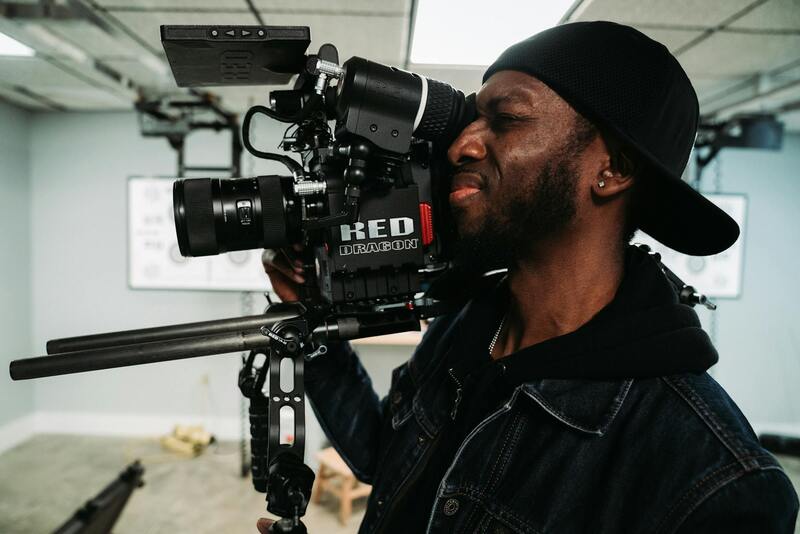
Investing in proper legal clearances and permits not only safeguards the project but also enhances its professionalism and credibility. Working with experienced production companies familiar with Miami’s regulatory landscape can streamline this process, providing accurate cost estimates and ensuring all legal requirements are met efficiently. By including these expenses early in the planning phase, clients can develop a realistic budget that accommodates all necessary compliances without unexpected financial surprises.
Understanding Video Interview Costs
Accurately estimating the cost of a video interview involves considering several key components that contribute to the overall expenditure. Costs can vary significantly based on the scope of the project, the complexity of production, and the specific requirements of the interview. Essential elements include pre-production planning, equipment rental, location fees, talent accommodations, filming duration, and post-production editing. Each factor adds a layer of expense that collectively shapes the final investment required.
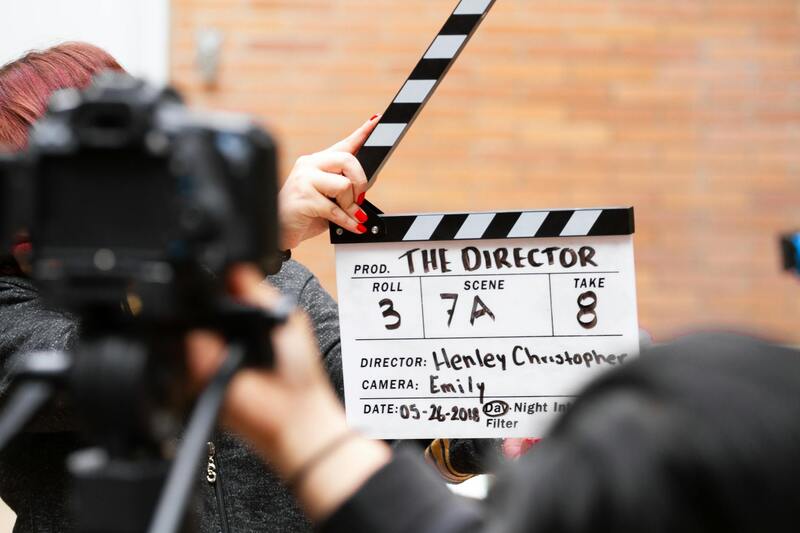
Pre-production encompasses the planning process, which involves scripting, scheduling, and logistics. This stage ensures that all necessary resources and personnel are aligned, preventing costly delays during filming. Equipment rentals include high-quality cameras, microphones, lighting, and stabilization tools, which are vital for achieving professional visual and audio clarity. Location fees can fluctuate based on whether the interview occurs in a studio, an outdoor setting, or a private venue; each setting demands differing charges for space usage and permits.
During filming, the duration significantly impacts costs — longer shoots require more crew time and equipment utilization. Talent fees, whether for interview subjects or voice-over artists, also influence the budget. Post-production costs cover editing, color correction, sound design, and sometimes visual effects, which are essential for polishing the final product to meet high standards of professionalism.
Factors Influencing Video Interview Pricing
- Project Scope and Complexity: More detailed or multi-camera setups require additional crew, equipment, and editing hours, increasing costs.
- Location and Permits: Shooting in public or restricted areas may incur permit fees, adding to the overall budget.
- Duration of the Shoot: Longer production times elevate labor and equipment rental expenses.
- Talent and Crew: The experience level of personnel involved can impact rates; seasoned professionals often command higher fees.
- Post-Production Requirements: Advanced editing, animations, or custom graphics extend post-shoot costs.
Average Cost Range for Video Interviews in Miami
Given the diverse production landscape in Miami, the typical cost to produce a professional video interview ranges from approximately $2,000 to $10,000. Basic setups, such as interviews filmed in a controlled studio environment with minimal post-production, tend to fall toward the lower end of this spectrum. These projects may include straightforward filming, standard lighting, and essential editing. Conversely, high-end productions involving multiple locations, complex lighting arrangements, on-screen graphics, and extensive editing can push costs above $10,000.
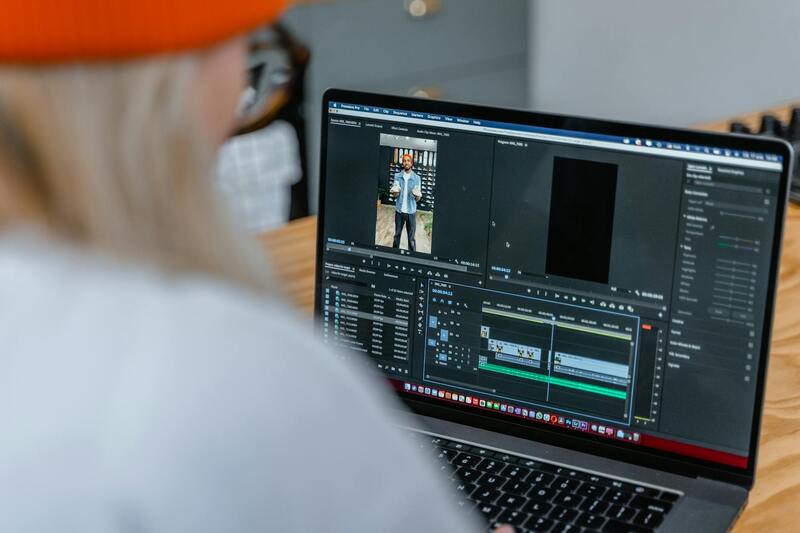
Factors such as specific project demands and the reputation of the production team play a significant role. Smaller enterprises or startups often opt for more streamlined, cost-effective solutions, while corporate entities or media outlets may allocate larger budgets for high-impact visuals and comprehensive coverage.
Budget Planning for Video Interview Projects
Effective budget planning begins with a detailed assessment of project goals and scope. Establishing clear priorities helps determine where to allocate resources most efficiently. Starting with a comprehensive quote from reputable production providers allows for an accurate understanding of anticipated costs. It is also prudent to build a contingency allowance—about 10-15%—for unforeseen expenses or last-minute adjustments.
Creating a phased budget framework facilitates tracking spending and aligning costs with project progression. Prioritize essentials like quality audio and visuals, which are critical for professional perception. Additionally, consider ongoing costs such as licensing fees for music or stock footage if incorporated into the interview. An upfront, transparent dialogue with production experts ensures that all potential expenses are accounted for during the planning stages, avoiding surprises that could impact the final deliverable.
Cost-Saving Tips for Producing Video Interviews
- Opt for a Fixed-Rate Package: Many production companies offer bundled services at a fixed rate, providing clarity and budgeting ease.
- Utilize Existing Resources: Hosting interviews in available spaces or leveraging existing equipment can reduce location and rental fees.
- Limit Post-Production Complexity: Focusing on essential edits rather than extensive graphics or effects cuts costs and maintains production efficiency.
- Plan Efficiently: Streamlined scheduling minimizes labor hours and facilitates smooth filming, reducing overall expenditure.
- Choose Off-Peak Times: Scheduling during less busy periods might lead to lower rates from production crews and venues.
Understanding Video Interview Costs
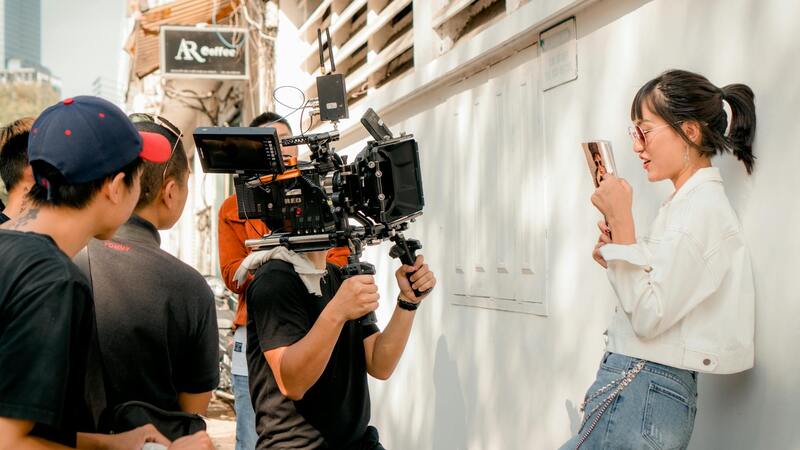
Determining the expenses associated with producing a video interview involves considering various components that contribute to the overall budget. These include pre-production planning, equipment rental or purchase, location fees, talent or interviewee honorariums, crew wages, post-production editing, and licensing or royalty fees for music or stock footage. Each element impacts the final cost, and understanding these factors helps in creating accurate budgets. It is essential to distinguish between different levels of production quality and complexity, as these directly influence the cost. Professional-grade productions that prioritize high-definition visuals, clear audio, and seamless editing naturally command higher prices, but they often yield more effective and credible results. Being aware of these components allows stakeholders to make informed decisions aligned with their financial capacity and project goals.
Factors Influencing Video Interview Pricing
Several key factors dictate the pricing structure for video interview projects. The complexity of the concept, including whether the interview involves multiple locations, special lighting setups, or advanced graphics, can significantly elevate costs. The choice of equipment, such as high-end cameras, professional lighting, and sound systems, also impacts the budget. Additionally, the expertise and experience level of the production crew influence rate variations—more seasoned professionals tend to charge premium rates for their skill and reliability.
- Location Selection: Exclusive venues or remote sites with challenging access may incur additional fees for permits, transportation, or setup.
- Talent and Interviewees: Prominent figures, industry experts, or celebrities command higher participation costs depending on their stature and availability.
- Post-Production Complexity: Advanced editing techniques, motion graphics, color grading, and special effects escalate final costs.
- Licensing and Rights: Acquiring rights for music, images, or footage can impose further expenses if specific licensing is required.
Average Cost Range for Video Interviews in Miami
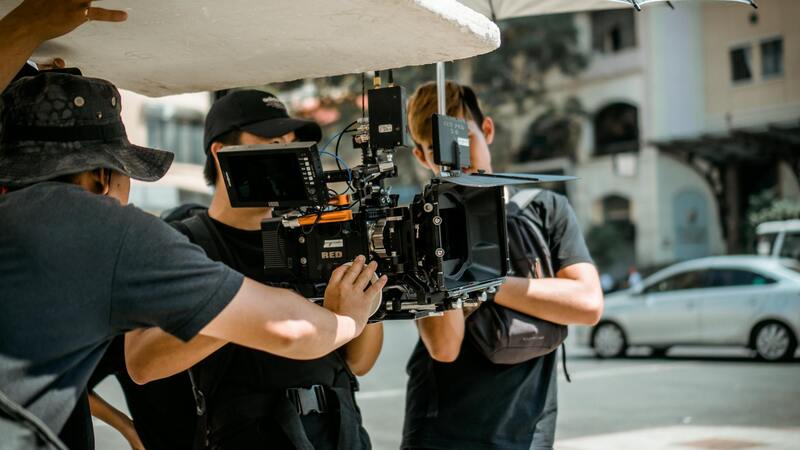
The typical cost for professional video interview production in Miami varies depending on the scope and quality of the project. Entry-level productions with minimal equipment and simple editing generally start around $1,500 to $3,000. Mid-range productions, featuring enhanced visuals, multiple camera setups, and polished post-production, tend to fall within the $3,500 to $7,000 range. High-end projects involving multiple locations, custom graphics, and top-tier talent may range from $8,000 to $15,000 or more. It is crucial to tailor your budget to fit the desired outcome, ensuring adequate investment in key areas such as audio clarity, lighting, and editing finesse.
Budget Planning for Video Interview Projects
Effective budget planning begins with clear objectives and scope definition. Outline the primary purpose of the interview, the target audience, and the intended distribution channels. This clarity guides decisions on production quality and extent, aligning costs with expectations. Creating a detailed budget breakdown includes estimating costs for equipment, location fees, talent, crew, and post-production. Incorporating a contingency fund—typically around 10-15%—accounts for unforeseen expenses that may arise unexpectedly. Prioritizing essential elements such as high-quality audio and visuals ensures that investment aligns with the desired professional standard, facilitating a balanced approach to resource allocation.
Cost-Saving Tips for Producing Video Interviews
Strategic planning can significantly reduce expenses without compromising quality. Utilizing a fixed-rate package offered by many production companies simplifies budgeting and project management. Repurposing existing resources, such as editing equipment or securing accessible locations, minimizes rental costs. Limiting post-production to necessary edits avoids additional charges associated with complex effects or animations. Streamlining the filming schedule reduces crew hours and logistical costs. Scheduling interviews during off-peak times can lead to reduced rates from venues and crew, offering cost advantages. These practices help maintain professional standards while respecting budget constraints.
Understanding Video Interview Costs
Determining the cost of producing a video interview involves a comprehensive assessment of various components that contribute to the overall expense. The total expenditure is influenced by factors such as scope, desired production quality, location, and chosen production methods. It’s essential to understand that investing in professional production services enhances the credibility and effectiveness of the interview, making the costs justifiable based on the objectives and expected reach. As such, establishing a clear production plan helps in accurately projecting expenses and avoiding unforeseen financial shortfalls.
Factors Influencing Video Interview Pricing
Several key elements directly impact the total cost of a video interview, including:
- Production Quality: Higher-quality visuals and audio require advanced equipment and skilled personnel, increasing costs.
- Location: Choosing a premium or exclusive venue may entail higher rental fees compared to accessible or public locations.
- Number of Cameras and Angles: Multiple camera setups provide dynamic visuals but necessitate additional equipment and crew members.
- Talent and Crew: Professional on-camera talent, videographers, lighting specialists, and audio technicians contribute to overall expenses based on their experience and the duration of the project.
- Post-Production: Editing, color correction, music licensing, and graphics add to the final cost, especially with complex effects or animations.
- Licensing and Permits: Securing necessary permissions, especially in certain commercial or public spaces, can incur additional fees.
Average Cost Range for Video Interviews in Miami
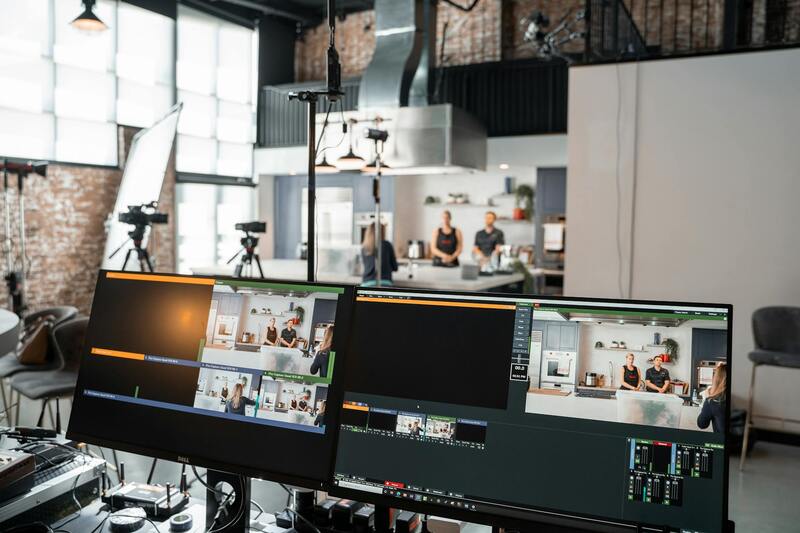
In Miami, the cost of producing a professional video interview typically spans a wide range, reflecting the diversity in project scope and quality expectations. For a basic setup involving minimal equipment, a single location, and limited editing, prices may start around $1,500 to $3,000. More comprehensive productions, which include multiple camera angles, high-end equipment, professional talent, and detailed post-production, can range from $5,000 to $15,000 or higher. These estimates serve as benchmarks, providing insight into reasonable investment levels aligned with standard production practices in the region.
Budget Planning for Video Interview Projects
Effective budget planning begins with a thorough understanding of project requirements and strategic allocation of resources. Start by defining the specific goals of the interview, target audience, and distribution channels, which influence production quality and scope. Develop a detailed budget that accounts for all major components—pre-production, production, and post-production—while including a contingency fund of approximately 10-15% to accommodate unforeseen expenses. Prioritizing essential elements such as clear audio and high-resolution visuals ensures a professional outcome without unnecessary expenditure. Additionally, leveraging existing resources, negotiating package deals, and scheduling during off-peak times can optimize costs without compromising quality.
Cost-Saving Tips for Producing Video Interviews
Strategic planning enables significant savings in video interview production. Consider the following approaches:
- Utilize Fixed-Rate Packages: Many production companies offer all-inclusive packages that simplify budgeting and eliminate surprises.
- Repurpose Available Resources: Employ existing equipment, such as cameras and lighting, and select accessible or free locations.
- Limit Post-Production Edits: Focus on necessary adjustments to avoid extra charges associated with elaborate effects or animations.
- Optimize Scheduling: Film during off-peak hours or on weekdays when venue and crew rates tend to be lower.
- Plan for Shorter Shoots: A well-organized schedule reduces crew hours and logistical costs, maintaining quality while controlling expenses.
Benefits of Professional Production Services
Professional services bring technical expertise, high-quality equipment, and creative direction, which elevate the overall production value. These professionals ensure the seamless execution of the project, from conceptualization through post-production, delivering polished and engaging content. Their experience in framing, lighting, sound quality, and editing significantly reduces risks of costly mistakes and re-shoots. Additionally, established networks with local vendors streamline logistics and licensing processes, contributing to more predictable costs and timely delivery.
Legal and Licensing Expenses in Miami
Producing video interviews in Miami may involve various legal and licensing expenses that ensure compliance with local regulations. These include fees for permits to film in public spaces, use of copyrighted music or footage, and agreements with interviewees or location owners. Securing the appropriate permissions mitigates potential legal complications and can impact costs depending on the project's scale and location specifics. Budgeting for these expenses early in the planning process helps prevent unexpected charges that could disrupt the project timeline or financial plan. Employing a licensed and experienced production team familiar with Miami's regulatory landscape ensures adherence to all necessary legal procedures, optimizing resource allocation and safeguarding the investment.