
Benefits of Using Video Testimonials for Business
In today's competitive marketplace, establishing credibility and fostering trust with potential customers are critical components of a successful marketing strategy. Video testimonials serve as powerful tools that showcase authentic customer experiences, making a tangible impact on brand perception. By providing real-life stories and genuine feedback, businesses can significantly enhance their reputation and influence the purchasing decisions of prospective clients.
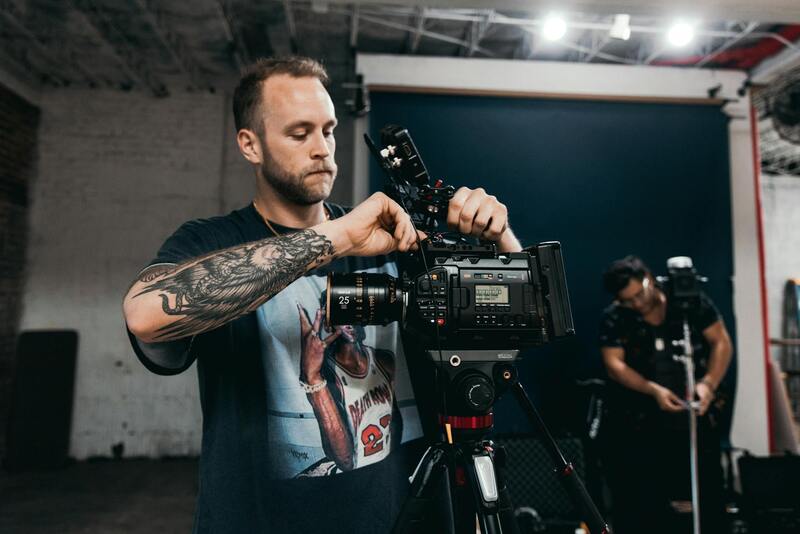
One of the primary advantages of integrating video testimonials into a marketing campaign is their ability to forge emotional connections. Visual storytelling combined with genuine customer voices evokes empathy and establishes authenticity, which written reviews alone might not fully achieve. This emotional resonance often results in higher conversion rates, as viewers feel more confident in their decision to choose one brand over another.
Moreover, video testimonials serve as social proof that influences consumer behavior. When potential customers see satisfied clients sharing positive experiences, they are more likely to trust the product or service being offered. This peer-driven endorsement effectively reduces perceived risks and encourages engagement, leading to increased sales and loyalty over time.
From a brand perspective, video testimonials boost reputation by publicly demonstrating a commitment to customer satisfaction. These videos can be repurposed across multiple platforms such as websites, social media, and email campaigns, broadening their reach and reinforcing the brand message. Consistent use of authentic testimonials also helps shape a positive brand image that resonates with target audiences.

Additionally, leveraging video testimonials can accelerate the sales funnel by providing prospects with answers to common questions and demonstrating real results. This educational aspect allows decision-makers to see tangible benefits and outcomes, reducing doubts and shortening the path to purchase. As a result, businesses that utilize video testimonials often experience a measurable lift in engagement and lead conversions.
Furthermore, for companies seeking to demonstrate expertise within a specific industry, professional-quality video testimonials can highlight specialized knowledge and successful case studies. Such content reassures clients that the business possesses the necessary skills and experience, reinforcing long-term credibility.
In essence, the strategic use of video testimonials transforms customer feedback into a dynamic marketing asset. They serve as a bridge between the business and its audience, fostering trust, elevating brand reputation, and ultimately influencing purchasing decisions in a profound and measurable way.
Strategies for Collecting Effective Video Testimonials
To maximize the impact of video testimonials, it is crucial to employ strategic methods for their collection. This involves identifying satisfied clients who can genuinely articulate their positive experiences with your business. Establishing these relationships often begins with personalized outreach, emphasizing the value and importance of their endorsement. Clear communication about the purpose of the testimonial, specific points to cover, and the desired tone can streamline the process and ensure the content aligns with your branding goals.
Timing plays a vital role in capturing compelling testimonials. Requesting videos at moments when clients have recently achieved significant results or experienced excellent service increases the likelihood of authentic, enthusiastic feedback. Post-purchase or post-service follow-ups are ideal touchpoints, as customers tend to be most engaged during these periods. Additionally, offering incentives such as discounts on future services or exclusive content access can motivate clients to participate willingly and enthusiastically.
Utilizing a structured approach ensures the collection of diverse and impactful testimonials. Consider implementing a standardized questionnaire or prompt to guide clients on key topics they should cover, such as specific benefits, challenges overcome, or how the service surpassed expectations. This consistency helps create a cohesive testimonial portfolio that speaks to different facets of your offerings.

Moreover, leveraging multiple channels for recruitment broadens your reach. Email campaigns, social media, and direct phone calls serve as effective platforms for inviting clients to share their stories. Providing clear instructions on how to record and submit their videos, including technical guidelines like preferred video length, format, and quality standards, can significantly enhance the professionalism of the submissions. Encouraging clients to speak naturally and authentically about their experiences fosters genuine testimonials that resonate more with prospective customers.
Production Tips for Quality Video Testimonials
Ensuring the production quality of video testimonials is essential for maintaining professional brand image and credibility. High-quality visuals and clear audio free from background noise enhance viewer engagement and make the content more compelling. Investing in basic lighting equipment to illuminate the subject consistently and choosing a quiet environment for recordings can significantly improve the final output.
Guiding subjects on presentation and delivery helps produce authentic yet polished testimonials. Coaches or interviewers can ask open-ended questions to elicit detailed responses while allowing authentic emotion to come through. Using multiple camera angles or dynamic framing can add visual interest, but simplicity often works best for testimonials focused on trust and credibility.

Post-production editing should aim at enhancing clarity, trimming any unnecessary segments, and adding branding elements such as logos or lower thirds for identification. Subtitles and captions are also beneficial, making content accessible to a broader audience and reinforcing key messages.
Integrating Video Testimonials into Marketing Channels
Once produced, strategically placing testimonial videos across various marketing channels maximizes their reach and influence. Embedding them on website landing pages, especially those targeting conversion or sales, can significantly bolster credibility at critical decision-making junctures. Integrating video content into email marketing campaigns not only increases engagement but also personalizes communication, making the message more relatable and trustworthy.
Social media platforms, such as Instagram, Facebook, and LinkedIn, provide ideal opportunities for sharing bite-sized testimonials that can be easily shared and engaged with by a wider audience. Short clips highlighting compelling testimonials can be curated into targeted advertisements to attract prospective clients. Additionally, including testimonials in sales presentations, webinars, and industry conferences enhances credibility and demonstrates proven success stories in real-time scenarios.
Implementing a consistent schedule for sharing testimonial videos ensures that different customer stories are continuously highlighted. Monitoring the performance of each channel allows for optimization, focusing on platforms that generate the highest engagement or conversion rates.
Legal and Ethical Considerations
While collecting and utilizing video testimonials, adhering to ethical standards is essential. Obtaining explicit consent from clients before recording and sharing their videos ensures mutual understanding and respect. Transparency about how the videos will be used reinforces trust and encourages authentic participation. It is also advisable to clarify that participation is voluntary and to provide options for clients who may prefer anonymity or limited exposure.
When editing testimonials, maintaining honesty is paramount. Avoid altering content in a way that misrepresents the client’s message or experience. Respect intellectual property rights by ensuring appropriate permissions for any music, imagery, or branding included within the videos. These practices foster credibility and strengthen your business’s reputation within your industry and community.
Strategies for Collecting Effective Video Testimonials
Obtaining compelling video testimonials begins with identifying the right clients—those who have experienced tangible benefits from your products or services and are enthusiastic about sharing their stories. Focus on customers who embody your target demographic and have demonstrated loyalty or considerable success using your offerings. Their genuine enthusiasm lends authenticity to the testimonial, making it more persuasive to prospective clients.
When approaching clients for testimonials, prioritize clarity and professionalism. Clearly communicate the purpose of the testimonial, emphasizing how their story can help others make informed decisions. Offering guidance on key points to discuss can help clients articulate their experiences effectively, such as outlining specific challenges they faced prior to using your services, the solutions your business provided, and the results achieved.
Framing open-ended questions encourages more natural responses, enabling clients to share detailed insights that resonate with viewers. Questions might include:
- Can you describe the challenge your business was facing before working with us?
- How did our product or service address your needs?
- What specific results have you seen since implementing our solutions?
- Would you recommend our services to others? Why?
Timing is another important aspect—coordinate recordings at moments when clients have recently seen positive results to capture their genuine enthusiasm. Providing clients with a clear overview of the filming process and expected outcomes ensures they feel comfortable and prepared for their participation.
Choosing clients who possess good communication skills and a comfortable demeanor on camera enhances the quality of the footage. Offer tips on optimal filming conditions, such as good lighting and quiet surroundings, to ensure the testimonial's clarity and professionalism.

Ensuring Authenticity and Credibility in Video Testimonials
Incorporating legitimate methods to gather video testimonials significantly enhances their credibility. Authentic testimonials are rooted in genuine customer experiences, making them more relatable and trustworthy for prospective clients. To ensure authenticity, businesses should focus on transparent communication about the purpose of the testimonials and set clear expectations with clients, emphasizing their voluntary participation. Avoiding overly scripted responses fosters natural storytelling, which resonates more effectively with viewers.
Furthermore, employing consistent verification processes—such as confirming the customer’s identity and experience—helps maintain the integrity of the testimonials. It is important to rely on clients who have had a substantial interaction with your product or service, as their insights are likely more informed and persuasive.
Proper documentation and consent are critical steps in the process. Clearly communicating how the testimonial will be used, and securing written permission, not only upholds transparency but also demonstrates professional integrity. This ensures all content shared is ethically sourced and aligns with industry standards.

Implementing Consistent Quality Standards for Testimonial Collection
Establishing standardized procedures for collecting video testimonials helps produce uniform, high-quality content that accurately reflects your brand’s professionalism. This includes providing clients with detailed guidelines on how to record their testimonials, such as optimal lighting, clear audio, and steady camera setup. Supplying clients with simple equipment checklists or tips on using their smartphones effectively can significantly improve the clarity and visual appeal of the footage.
Consistency in tone and style across testimonials also reinforces brand messaging and creates a cohesive portfolio. Businesses should develop templates or prompts that guide clients on key points to address, ensuring all testimonials highlight relevant aspects of their experience.
Training or briefing sessions with clients prior to recording can be effective in setting expectations and minimizing post-production edits. These sessions can include coaching on speaking naturally, maintaining eye contact with the camera, and staying concise yet informative.

Tips for Maximizing the Effectiveness of Video Testimonials
To harness the full potential of video testimonials for your business, it’s essential to ensure they are both authentic and strategically aligned with your overall marketing goals. Emphasizing genuine client stories that highlight specific benefits, solutions, or positive experiences can significantly influence prospective customers. When clients share detailed accounts of how your products or services addressed their needs, it creates a relatable narrative that resonates with viewers.
Encouraging clients to speak naturally and comfortably during their recordings ensures the testimonial feels sincere and engaging. Providing them with a set of guiding questions or emphasizing key talking points can help elicit comprehensive responses while maintaining authenticity. This process not only enhances the clarity of the message but also ensures consistency across multiple testimonials, which is vital for establishing a compelling narrative.
Incorporating diverse perspectives from different clients strengthens the overall credibility of your testimonial portfolio. Aim to include testimonials from various industry segments, business sizes, or client demographics. This diversity reflects your business’s versatility and appeals to a broader audience.
Another crucial aspect is optimizing the presentation of these testimonials across various channels. Embedding video testimonials on your website’s homepage, product pages, or dedicated testimonial sections makes it easy for visitors to access real client experiences. On social media, short clips or teaser snippets can generate engagement and direct viewers toward the full video or your website for more information.
- Utilize social media stories, reels, or posts to showcase snippets of customer success stories.
- Include video testimonials in email marketing campaigns to add credibility and foster trust.
- Feature consistent branding elements within the videos to reinforce your corporate identity.
Monitoring the engagement metrics and feedback related to your video testimonials helps refine your approach over time. Tracking metrics such as views, shares, conversion rates, or inquiries generated provides insight into their effectiveness. Regularly updating and adding new testimonials ensures your content remains fresh and relevant, further enhancing credibility.
Overall, the consistent, professional collection and strategic deployment of video testimonials create a compelling narrative that builds trust, demonstrates proof of success, and ultimately drives growth for your business. Implementing these best practices with attention to authenticity and presentation ensures your testimonials serve as powerful tools within your marketing arsenal.
Official Methods for Collecting Video Testimonials
Securing video testimonials through official channels involves structured strategies that prioritize authenticity and professionalism. These methods ensure that the content remains credible and aligns with established business standards. One effective approach is to implement formal request processes, where businesses reach out directly to satisfied clients via email or official communication platforms. This interaction should clearly outline the purpose of the testimonial, the specific topics to address, and the expected format, fostering transparency and professionalism.
Another reliable method is to use standardized questionnaires or prompts that guide clients through sharing their experiences. This structured approach helps maintain consistency across testimonials while allowing clients to express their genuine opinions naturally. Providing clients with guidelines on filming quality, audio clarity, and authentic storytelling encourages high-quality submissions that reflect the true client experience.
In addition, establishing official consent procedures is vital. This involves obtaining written permission from clients to feature their video testimonials across marketing channels. Such documentation ensures clarity on how the content will be used and reassures clients of their rights and privacy considerations. Maintaining a record of these permissions keeps the process organized and compliant with internal policies.
Leveraging professional networks and collaborations can also facilitate legitimate testimonial collection. Partnering with reputable industry organizations or chambers of commerce often provides a trusted environment to gather endorsements from verified clients. These associations can endorse testimonials, further boosting their credibility and aligning with best practices.
Furthermore, hosting organized testimonial recording sessions at company venues or specific events ensures a controlled environment conducive to producing polished content. These sessions can be scheduled in advance, with clear instructions provided to clients to prepare their narratives, ensuring consistency and a professional presentation.
In summary, employing established, official methods for gathering video testimonials—such as direct client outreach, structured questionnaires, formal consents, strategic partnerships, and organized recording sessions—serves to maximize authenticity, maintain professionalism, and integrate these testimonials seamlessly into your broader marketing efforts. These approaches not only bolster credibility but also foster lasting client relationships anchored in trust and transparency.
Legal and Ethical Considerations
When integrating video testimonials into your marketing strategy, adhering to clear and transparent practices is essential to uphold trust and credibility. Obtaining explicit permission from clients prior to recording and using their testimonials is a fundamental step. This process should encompass detailed disclosures about where and how the videos will be utilized, ensuring clients are fully informed of the scope of their consent.
To maintain a high standard of professionalism, companies should implement standardized consent forms that outline key details such as the purpose of the testimonial, distribution channels, and duration of use. These documents not only serve as a record of authorization but also clarify the rights and privacy expectations for all parties involved.
Respecting client privacy and managing their personal data responsibly are critical components. Secure storage of consent documentation, along with timely updates should a client's circumstances or preferences change, reinforces a commitment to ethical practices. This transparency fosters stronger trust and encourages clients to participate confidently in testimonial initiatives.
Employing structured, official collection methods—such as direct outreach, scheduled recording sessions, and collaborating with reputable industry partners—helps ensure the authenticity and professionalism of the testimonials gathered. These practices create a controlled environment that minimizes risks associated with unauthorized or inappropriate content, thereby safeguarding your company's reputation.

Additionally, partnering with established organizations and industry groups can provide a trusted backdrop for testimonial collection efforts. These collaborations help verify the legitimacy of participating clients and lend additional credibility to the video content.
Finally, documenting all steps throughout the process—from initial outreach to final approval—ensures accountability and transparency. Such diligent record-keeping aligns with best practices and demonstrates a commitment to ethical standards, reinforcing your business’s reputation for integrity in marketing.
Legal and Ethical Considerations in Video Testimonials
Maintaining integrity and trust in your marketing efforts involves adhering to well-established procedures that prioritize transparency and authenticity. When collecting and utilizing video testimonials, it is essential to implement official channels and methods that guarantee each contribution is genuine and comes from verified sources.
One of the foremost steps is establishing clear and thorough consent protocols. This can be achieved through formal agreements or signed releases that explicitly outline how the testimonial will be used, distributed, and stored. Ensuring clients are fully informed about the scope and purpose of their participation fortifies a transparent process. These documents should be kept securely and updated regularly to reflect any amendments in usage rights or preferences of the testimonial provider.
Official collection techniques include scheduled interviews, dedicated testimonial sessions, or structured recordings arranged through your business operations or trusted third-party partners. These approaches foster a professional environment, ensuring the content recorded is authentic and appropriate. They also help avoid the risks associated with unverified or spontaneously shared content, thereby safeguarding your brand’s reputation.

Partnering with reputable organizations or industry groups can serve as an additional layer of verification. Such collaborations contribute to the credibility, as they can verify client identities and ensure the testimonials are legitimate representations of customer experiences. This partnership also supports ethical practices, reflecting positively on your brand.
Documentation is another vital component. Recording each step—from initial contact, consent obtaining, recording processes, to final approval—creates a clear audit trail. This not only ensures consistency and accountability but also reassures stakeholders and the testimonial providers of your commitment to integrity and transparency.
Best Practices for Ethical Video Testimonial Collection
- Secure Consent: Use standardized consent forms that detail the intended use of the content.
- Verify Participants: Confirm the identity of clients before recording testimonials.
- Document Processes: Keep detailed records of each step involved in testimonial collection.
- Use Official Channels: Conduct sessions through trusted in-house teams or reputable third-party vendors.
- Collaborate with Industry Partners: Engage with recognized organizations to validate participant credibility.
Ethics in Presentation and Usage
When sharing testimonials, it is important to respect the context in which the content was created. Use videos exactly as authorized, avoiding modifications that could alter the original message or mislead viewers. Transparency about the testimonial's origin and context fosters trust among prospective customers.
Furthermore, respecting privacy preferences is essential. If a participant prefers anonymity or limited exposure, their wishes should be honored without exception. This level of care demonstrates your business’s dedication to ethical standards and ensures long-term credibility.