
Understanding Corporate Video Production
Corporate video production is a specialized segment within the broader field of video creation, focused on developing visual content that advances a company's communication objectives. This process involves crafting videos that serve various functions, from explaining complex products or services to enhancing brand awareness and engaging target audiences. By leveraging professional techniques and strategic storytelling, businesses can communicate their messages more effectively across multiple platforms.
The primary goal of corporate video production is to deliver clear, compelling, and visually appealing content that resonates with viewers while supporting corporate goals. Whether it’s an internal training video, a product launch, or a promotional piece, each project requires meticulous planning, technical skill, and creative insight to ensure the final product aligns with the company's vision and messaging standards.
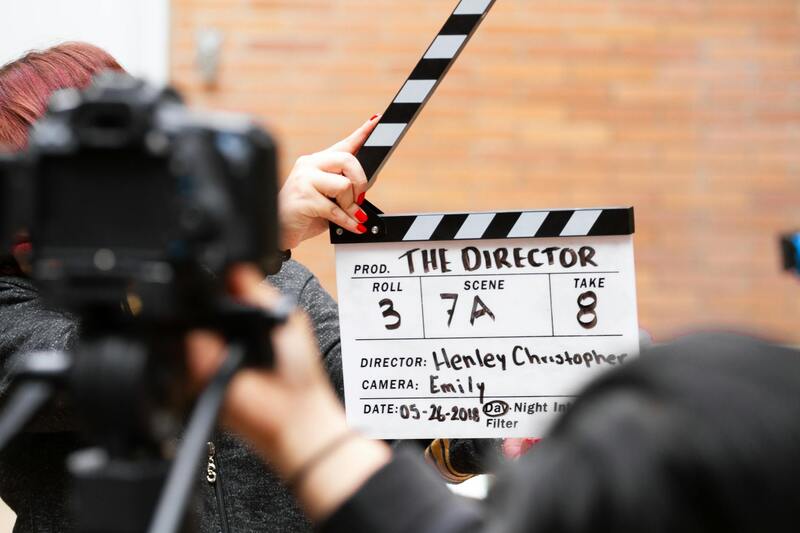
In today’s fast-paced digital environment, multimedia content formed through corporate video production plays a crucial role in fostering brand recognition, building customer trust, and establishing authority in competitive markets. These videos can be shared through various channels, including social media, company websites, and investor presentations, making them versatile tools in comprehensive branding and communication strategies. The process begins with an understanding of the company’s objectives, target audience, and key messages, which informs every subsequent phase of the production cycle.
Furthermore, engaging and well-produced corporate videos help businesses stand out by demonstrating professionalism and attention to detail. They serve as a dynamic medium to tell stories that resonate emotionally, showcase expertise, and highlight corporate values. Incorporating high-quality visuals, strategic scripting, and professional editing elevates the overall impact, ensuring the content leaves a lasting impression on viewers.
Ultimately, the objective of corporate video production extends beyond mere aesthetics; it is about creating meaningful content that drives results, whether that involves increasing sales, educating employees, or strengthening stakeholder relationships. With the right approach and professional execution, corporate videos can significantly contribute to a company’s growth and reputation in a competitive marketplace.
Planning and Strategy Development
Effective corporate video production begins with meticulous planning and strategy development, ensuring that every frame aligns with the company's overall communication goals. This phase involves detailed discussions about the video's purpose, target audience, and key messages, which guide the creative and logistical aspects of the project. Establishing clear objectives helps determine the most suitable video format, style, and tone, whether it’s a sleek promotional piece, an informative training session, or an engaging testimonial. Collaborating closely with stakeholders during this stage ensures that expectations are aligned, and potential challenges are addressed proactively.
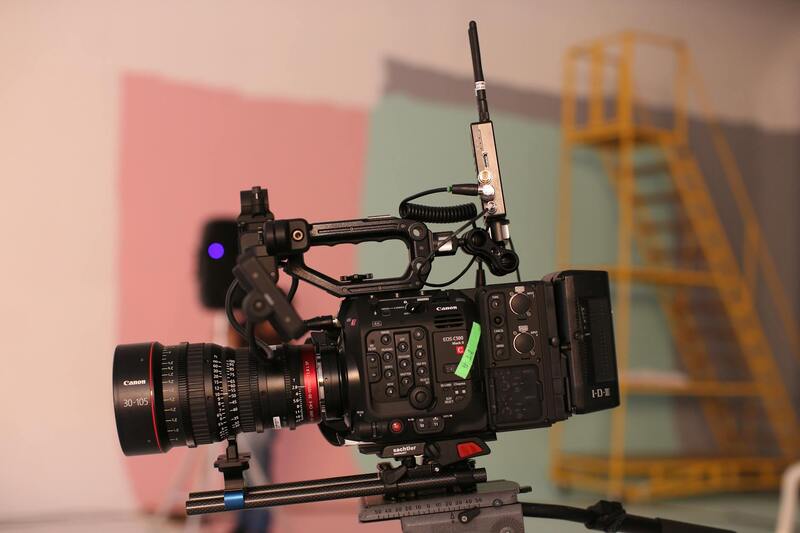
Developing a comprehensive script or storyboard is an essential component of the pre-production process. This blueprint details the narrative flow, visual elements, and key messaging, serving as a roadmap for the production team. It also helps identify necessary resources such as talent, locations, props, and equipment, facilitating efficient scheduling and budgeting. Effective planning extends to securing permits, coordinating logistics, and establishing timelines to keep the project on track from inception to completion. Many organizations choose to conduct stakeholder reviews during this stage to gather feedback and refine the concept, thereby minimizing revisions during filming and editing.
Pre-Production Process
Pre-production is the stage where all preparatory activities are finalized before filming begins. This involves casting talent or selecting spokespersons, scouting and securing locations, and assembling equipment and crew. Detailed storyboards, shot lists, and production schedules are created to ensure smooth operations on set. Additionally, pre-visualization techniques like mood boards or animatics can help visualize complex scenes and facilitate creative decisions.

Risk management and contingency planning are integral during pre-production. Identifying potential setbacks, such as equipment malfunctions or scheduling conflicts, allows for the development of backup plans to minimize delays. Coordination with vendors, talent agencies, and location managers forms a cohesive team committed to adhering to timelines and specifications. When all elements are aligned, the team can proceed confidently into the filming phase, knowing that foundational tasks and logistics have been thoroughly addressed.
Production Techniques and Best Practices
During production, employing high-quality techniques is essential for capturing compelling visual content. This includes selecting appropriate camera equipment, lighting setups, and sound recording devices to ensure clarity and professionalism. Skilled cinematography, combined with careful framing and composition, enhances the story’s impact and engages viewers. Directors often emphasize capturing multiple takes and angles to provide editing flexibility and visual diversity.
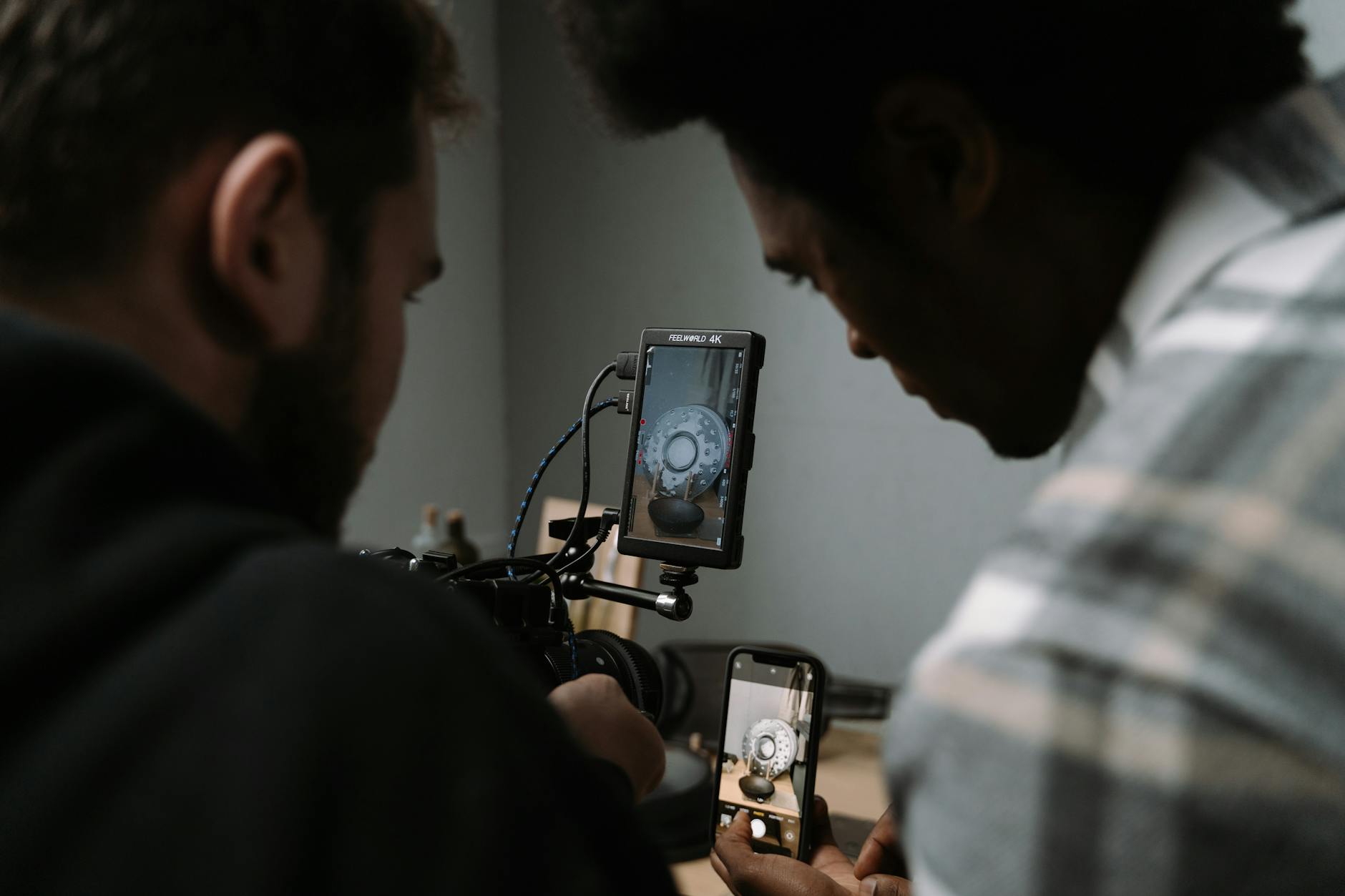
Best practices during filming involve maintaining consistency in visual style, adhering to the shot list, and fostering a collaborative environment among crew members. Effective communication on set minimizes errors and promotes efficiency, resulting in high-quality footage aligned with strategic objectives. Attention to detail, from securing proper lighting to capturing clear audio, directly influences the final outcome. Additionally, adhering to scheduled timelines ensures the project remains within scope and budget, paving the way for seamless transition into editing and post-production phases.
Post-Production and Editing
Post-production transforms raw footage into a polished, engaging corporate video. This stage involves editing video clips, refining sound, adding visual effects, and integrating branding elements to enhance storytelling. Professional editing software allows for precise cuts, color correction, and transitions, ensuring a cohesive narrative flow. Incorporating music, voiceovers, and on-screen graphics further amplifies the message and maintains viewer interest.
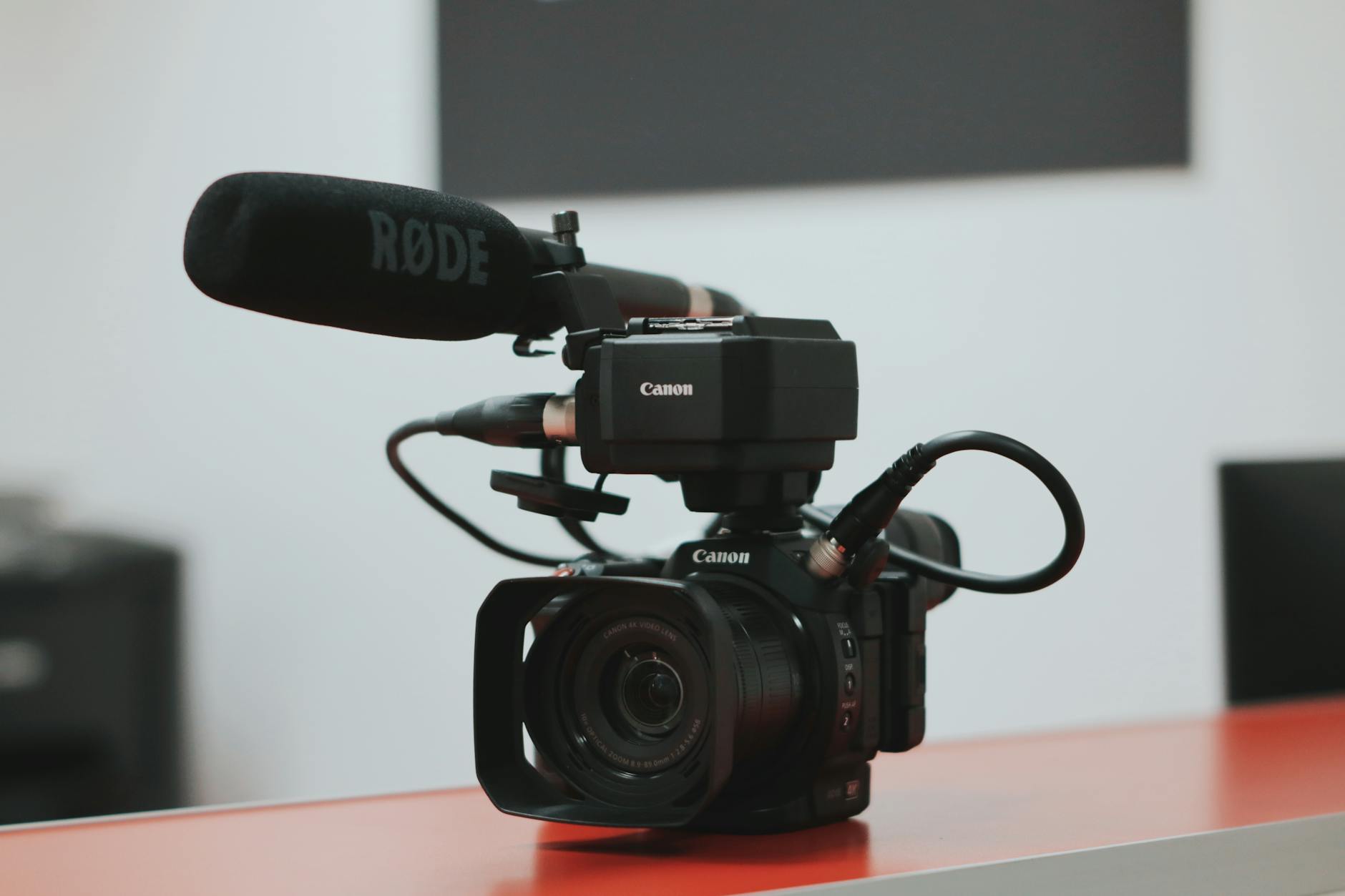
It is crucial to review earlier versions and incorporate feedback from stakeholders to refine the final product. This iterative process ensures that the video aligns with strategic goals and meets quality standards. Pay close attention to pacing, clarity, and overall visual appeal, as these factors significantly influence viewer engagement and message retention. High-quality post-production work results in a professional final piece capable of making a lasting impact across various distribution channels.
Understanding Corporate Video Production
Corporate video production is a multifaceted process that requires meticulous planning, creative execution, and strategic dissemination. It begins with a clear understanding of the company's objectives, target audience, and core messaging. These foundational elements guide the entire production cycle, ensuring the final product resonates effectively with viewers while achieving business goals. A well-structured corporate video not only enhances brand visibility but also strengthens relationships with stakeholders, employees, and clients. As such, each phase—from script development to shooting, editing, and distribution—must adhere to established standards of quality and professionalism.
Key Components of Corporate Video Production
- Pre-Production Planning: This critical phase involves scripting, storyboarding, casting, location scouting, and scheduling. Its purpose is to lay a solid foundation for the project, minimizing disruptions during filming and ensuring alignment with strategic objectives.
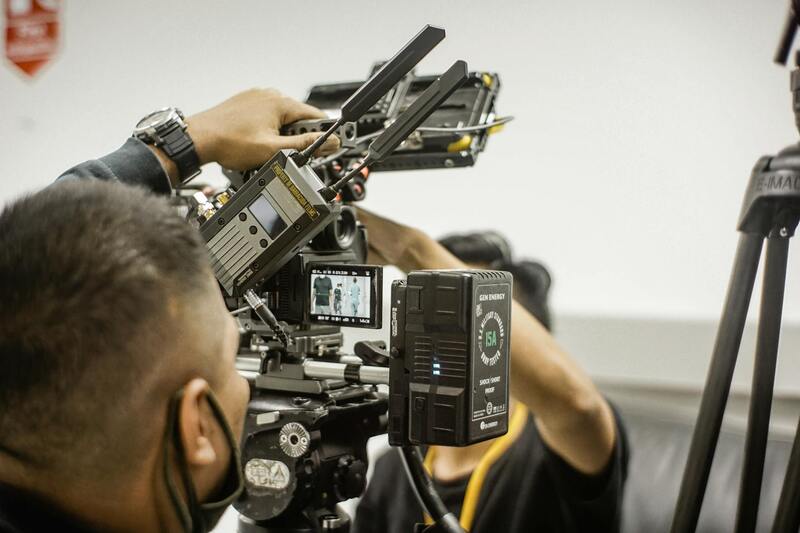
- Production: The filming stage captures all visual and audio elements needed. Employing proper lighting, sound recording techniques, and camera operation standards is essential. This phase demands coordination between the crew and talent to maintain continuity and capture high-quality footage.
- Post-Production: Through editing, visual effects, and sound design, raw footage transforms into a compelling narrative. Precision editing ensures smooth transitions, color grading establishes the desired mood, and graphics or captions highlight key messages. The incorporation of branding elements creates a cohesive look that aligns with brand guidelines.
Adherence to Industry Standards and Practices
Implementing legitimate methodologies is vital to uphold quality and ensure the integrity of the final product. This involves using authorized equipment, adhering to safety protocols on set, and following established industry workflows. Using professional-grade cameras, lighting, and audio equipment guarantees clarity and robustness in the visual and auditory output. Consistent quality checks throughout filming and editing phases help identify and rectify issues early, preserving the project’s integrity. Moreover, clear communication with clients about scope, timelines, and deliverables fosters transparency, reducing potential misalignments. Detailed contracts and well-defined project milestones are standard tools to maintain accountability, providing a framework that guides the project from conception to completion. This disciplined approach ensures that every aspect of production—be it scripting, filming, or editing—meets accepted professional standards and client expectations. Employing trained personnel, such as certified videographers and editors, contributes to maintaining high-quality outputs. These specialists possess the expertise to operate advanced equipment, troubleshoot technical problems, and apply industry best practices. Regular training and updates on new tools and techniques further enhance their capabilities, resulting in more polished and effective corporate videos. Quality assurance measures, including review cycles and stakeholder feedback incorporation, are integral to refining the project. These steps guarantee the content's accuracy, relevance, and adherence to strategic messaging, creating a final product that exemplifies professionalism and reliability. Overall, strict adherence to proven methods not only boosts production value but also fortifies the reputation of the producing entity as a dependable partner for corporate communication needs.
Production Techniques and Best Practices
Executing corporate videos with professionalism requires meticulous attention to production techniques and adherence to established best practices. Utilizing high-quality equipment ensures sharp visuals and clear audio, foundational elements for impactful corporate communications. Advanced camera setups, professional lighting, and sound recording devices contribute significantly to the overall production value. Employing multiple camera angles during filming allows for dynamic editing options, creating engaging visual narratives that maintain viewer interest.
During filming, delivering clear directives and maintaining a collaborative environment enhance efficiency and creativity. A well-prepared storyboard and shot list serve as invaluable guides, keeping the crew aligned with the creative vision and logistical requirements. Employing techniques like smooth camera movements, deliberate framing, and appropriate lighting enhances visual storytelling, reinforcing the message's clarity and professionalism.
Post-production demands rigorous editing standards to produce a cohesive final product. Color correction, sound editing, and motion graphics are integral components that elevate the video's quality and ensure consistency with brand identity. Incorporating legal and copyright considerations, such as securing rights for music, images, or footage, avoids potential disputes, maintaining the project’s integrity.
Furthermore, subtitles and captions should be incorporated to improve accessibility and reach a broader audience, especially in environments where audio cannot be played aloud. Consistent branding elements, including logos and color schemes, are embedded throughout the editing process to reinforce corporate identity.
Production Techniques and Best Practices
Achieving a professional corporate video hinges on the meticulous application of proven production techniques. High-quality footage is the foundation, requiring the use of professional-grade equipment such as high-definition cameras, stabilizers, and external microphones. These tools enable smooth camera movements, clear audio capture, and sharp visuals, which are essential for engaging viewers and conveying the intended message effectively.
Lighting plays a crucial role in setting the tone and enhancing visual clarity. Employing a combination of natural light, softboxes, and reflectors helps create a balanced environment that highlights subjects and products without unwanted shadows or overexposure. Proper lighting not only improves aesthetic appeal but also ensures that details remain visible, helping to reinforce the professionalism of the video.
Sound quality is often overlooked but is vital for maintaining viewer engagement. Incorporating directional microphones, lapel mics, and soundproofing techniques ensures clear narration and minimizes background noise. The integration of ambient sounds, music, and voiceovers, when used appropriately, enriches storytelling and increases emotional resonance.
Capturing dynamic footage involves strategic shot planning, including establishing shot compositions, camera angles, and movements that align with the storyboard or script. Techniques such as slow motion, time-lapse, and drone footage can add visual interest and emphasize key messages. Consistency in shot framing and camera settings across scenes guarantees a seamless viewing experience.
Effective sound design and editing finalize the technical aspects of production. Ensuring synchronization between audio and video, balancing sound levels, and removing unwanted noise are fundamental steps. Incorporating background music and sound effects, carefully selected to match the tone and audience, contributes to a compelling narrative.
Adhering to industry standards during filming involves thorough planning, camera calibration, and maintaining consistent shooting conditions. These practices ensure that the footage meets quality benchmarks and facilitates smoother post-production workflows. Additionally, training camera operators and crew on the latest techniques improves efficiency and output quality.
Documenting shot lists and maintaining organized media libraries streamline editing processes, enabling editors to efficiently assemble footage and apply color grading, visual effects, and corrections. Regular communication between production teams and stakeholders ensures the final product aligns with strategic goals and brand guidelines.
Incorporating these production techniques within a disciplined project workflow maximizes efficiency, results in visually engaging videos, and elevates the overall perception of your corporate brand.
Production Techniques and Best Practices
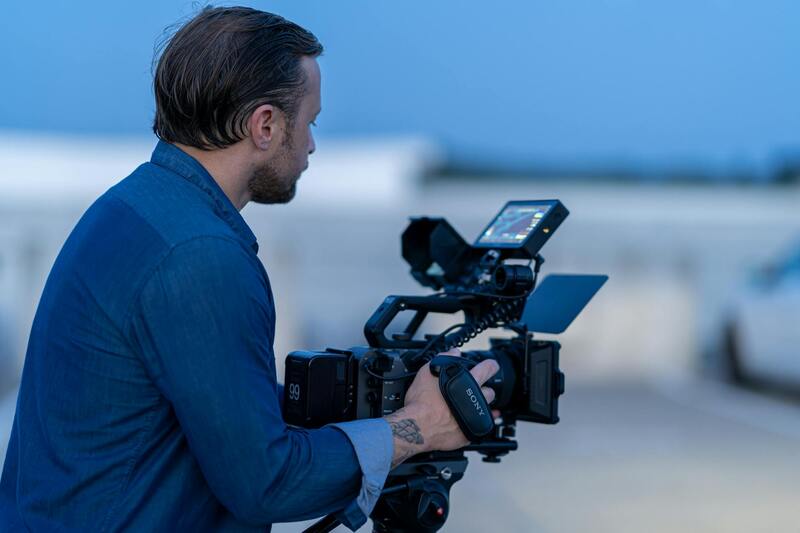
Adhering to the highest standards during filming is essential to ensure a compelling final product. Proper camera settings, such as aperture, shutter speed, and ISO, must be calibrated based on lighting conditions. This guarantees consistent image quality across all scenes. Using professional-grade lenses and stabilization equipment helps achieve sharp visuals with minimal shake, especially in dynamic shots or handheld footage. Camera operators should be well-trained in framing techniques to align composition with the message and branding guidelines.
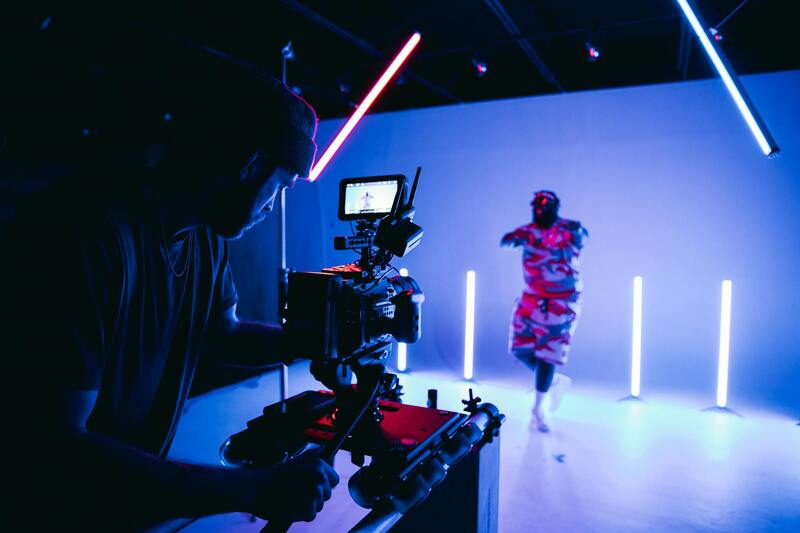
Lighting plays a pivotal role in setting the mood and highlighting key elements. Employing three-point lighting setups or diffused sources minimizes shadows and creates an even, flattering appearance. On-set lighting should be calibrated to match the color temperature of the camera sensors, ensuring natural color rendition. Additionally, using portable light modifiers allows for flexibility in various shooting environments, whether indoors or outdoors.
Sound quality heavily influences viewer engagement. Microphone placement, type, and recording environment should be carefully managed to capture crisp, clear audio. Wireless lavalier mics are effective for capturing dialogue, while shotgun microphones excel in outdoor settings. Soundproofing or controlling ambient noise during recording helps prevent disturbances that could distract from the core message. Post-recording, audio is meticulously mixed to balance levels, remove background noise, and enhance clarity. Incorporating sound effects and background music should be done with attention to timing and tone, ensuring they support the narrative without overpowering dialogue.
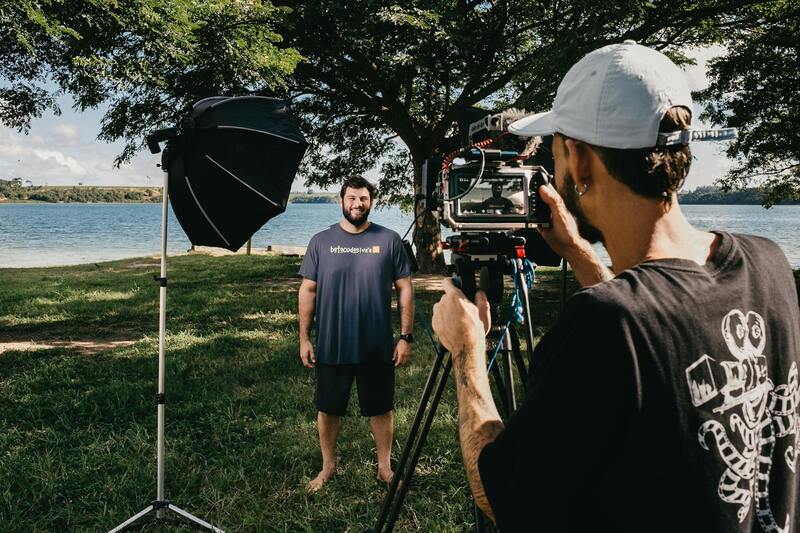
Effective shot composition transforms simple footage into a visually compelling story. Employing techniques such as the rule of thirds, leading lines, and framing draws attention to primary subjects. For interviews or talking head segments, close-ups and medium shots foster greater viewer connection, while wide shots establish context or environment. B-roll footage should be intentionally selected to complement the main narrative, providing visual variety and emphasizing key messages.
Consistency in shot framing and camera settings across scenes ensures a coherent visual style and smooth editing process. The use of professional lighting and camera techniques minimizes discrepancies, reducing post-production corrections. Training operators on the latest cinematography methods, including camera movements and focus pulling, enhances the technical quality of shots. Maintaining detailed shot lists and camera logs further streamlines the editing workflow, enabling editors to work efficiently while preserving the creative intent.
When planning scenes, consider factors like background elements, color schemes, and audience engagement. Utilizing multiple camera angles provides flexibility during editing and helps create dynamic visual sequences. A disciplined approach to production techniques maximizes the quality of the footage, which, combined with precise editing, results in a polished and impactful corporate video that effectively communicates the intended message and elevates the brand.
Distribution and Promotion Strategies
Once the corporate video has been polished through meticulous editing and post-production processes, the next crucial step involves strategic distribution and promotion to maximize reach and engagement. Leveraging the right platforms and methods ensures that the intended audience not only views the content but also resonates with the message, fostering brand recognition and trust.
Sharing corporate videos across various channels requires an understanding of where the target audience is most active. Companies often optimize their videos for different platforms to enhance visibility and interaction:
- Corporate Websites and Landing Pages: Embedding videos on official websites or specific landing pages can increase visitor engagement and convey key messages effectively, often leading to higher conversion rates.
- Social Media Platforms: Platforms such as LinkedIn, Facebook, Twitter, and Instagram serve as excellent venues for sharing content suited to their unique audiences. Short, engaging clips or teasers can be crafted for these channels, encouraging shares and interactions.
- YouTube and Video Hosting Sites: Utilizing YouTube allows for broad exposure and easier SEO optimization. Custom thumbnails, descriptive tags, and optimized titles enhance discoverability.
- Internal Communications: For employee engagement or training purposes, corporate videos can be disseminated through intranet portals or internal email campaigns, ensuring consistent messaging across the organization.
- Press Releases and Media Outlets: When launching new products or initiatives, including videos in press releases can generate media interest and coverage, amplifying the message beyond direct channels.
To optimize the impact of dissemination, companies should consider leveraging targeted advertising options available on many digital platforms, allowing for precise audience segmentation. Accompanying videos with compelling calls-to-action and clear messaging enhances viewer interaction and conversion.
Final Steps in Corporate Video Production: Effective Distribution and Performance Measurement
Once the selected distribution channels are in place and the corporate video has been launched, the focus shifts to monitoring its performance and ensuring it reaches the intended audience effectively. Accurate measurement and analysis are essential to understanding the impact of the video and informing future strategies.
Monitoring Video Performance
Implementing comprehensive analytics tools allows companies to track key engagement metrics, including view counts, average viewing duration, click-through rates, and interaction levels. Platforms like YouTube, social media channels, and even embedded video players often provide built-in analytics dashboards, offering valuable insights into viewer behavior.
Additional tracking methods may include setting up event tracking through analytics platforms to measure specific actions, such as downloads, conversions, or website visits prompted by the video. Maintaining a clear overview of these metrics helps identify which content resonates most, enabling data-driven decisions for future video projects.
Feedback and Audience Engagement
Active engagement with viewers through comments, shares, and direct feedback comments enhances the visibility and credibility of your corporate videos. Responding promptly to inquiries and encouraging interaction fosters a community surrounding your brand.
Refining Content Based on Performance Data
Analysis of viewing patterns and engagement data guides refinements in content quality, messaging, and distribution methods. For example, if shorter clips tend to perform better on certain social platforms, future videos can be optimized accordingly. This iterative approach ensures continuous improvement and maximizes your ROI.
Utilizing Testimonials and Case Studies
Gathering testimonials from viewers and clients who have been positively influenced by the videos provides additional content that can be leveraged in future marketing efforts. Case studies, in particular, demonstrate tangible results and success stories, which reinforce credibility and attract new clients or partners.
Legal and Ethical Considerations in Video Distribution
Throughout the distribution process, adherence to copyright regulations, data privacy laws, and intellectual property rights is paramount. Ensuring that all media used within the videos — such as music, images, or third-party footage — has proper licenses prevents potential disputes. Additionally, respecting viewer privacy by complying with data collection standards and clearly communicating how viewer information is used maintains ethical integrity.
When promoting videos through targeted advertising or personalized messaging, it is important to follow industry best practices related to transparency and user consent. Proper documentation of permissions and adherence to platform-specific guidelines ensure that your distribution activities are compliant with all relevant standards.
Expanding Reach Through Strategic Partnerships
Collaborating with industry influencers, media outlets, and strategic partners can significantly extend the reach of your corporate videos. Co-branding opportunities and sponsored content can help target niche audiences more effectively, generating broader visibility and engagement.
Incorporating these advanced distribution tactics—coupled with continuous performance evaluation—creates a cohesive ecosystem where corporate videos serve as a powerful tool for brand positioning and stakeholder communication across Miami's diverse business landscape.