
Understanding the Purpose of a Corporate Video
Creating a corporate video is a strategic effort that serves multiple vital functions within a business's communication plan. Its primary goal is to effectively convey the company's message, whether that involves strengthening brand recognition, showcasing products or services, training employees, or engaging target audiences. When a business invests in producing a corporate video, it aims to communicate professionalism, build trust, and establish a consistent brand identity across various platforms.
One of the key reasons for producing a corporate video is to enhance brand awareness. Videos tend to be more engaging than plain text or static images, allowing businesses to tell their story visually and emotionally. This dynamic form of communication helps to deepen the connection with viewers, making the brand memorable and recognizable among competitors. Whether through customer testimonials, executive messages, or brand narratives, corporate videos humanize a brand and create a lasting impression.
Another significant purpose of a corporate video is employee training and internal communication. Videos can streamline onboarding processes, demonstrate complex procedures, and communicate company values effectively. They serve as consistent training tools that can be accessed repeatedly, ensuring that all employees receive the same high standard of information regardless of geographic location. Internal videos also bolster company culture by sharing success stories, recognizing employee achievements, and reinforcing organizational goals.
Product promotion and launching new services are also common reasons for corporate videography. Demonstration videos showcase product features and benefits in a compelling manner that static images and written descriptions often cannot match. This visual storytelling can persuade potential customers, clear up frequently asked questions, and reduce the time spent on sales queries. Additionally, product videos can be repurposed across digital channels such as social media, websites, and email campaigns to maximize reach and engagement.

The effectiveness of a corporate video hinges on clarity of its objectives. A well-defined purpose directs the creative process, influences the tone and style, and shapes the overall messaging approach. Whether the intent is to inform, educate, inspire, or persuade, understanding the core goal ensures that each element of the production contributes to achieving desired outcomes. As a result, a corporate video becomes a powerful tool that not only communicates but also resonates with its intended audience, ultimately contributing to business growth and success.
Pre-Production Planning and Script Development
Effective corporate videos start with meticulous pre-production planning. This phase involves defining the core message, establishing key talking points, and designing a narrative that aligns with organizational objectives. A well-structured script serves as the blueprint for the entire project, guiding everything from location choices to on-camera talent and shot composition. During script development, it is essential to craft language that resonates with the target audience while maintaining a professional tone. The script should incorporate engaging storytelling techniques, clear calls to action, and a logical flow that captures viewers' attention from start to finish.

Choosing the Right Production Team and Equipment
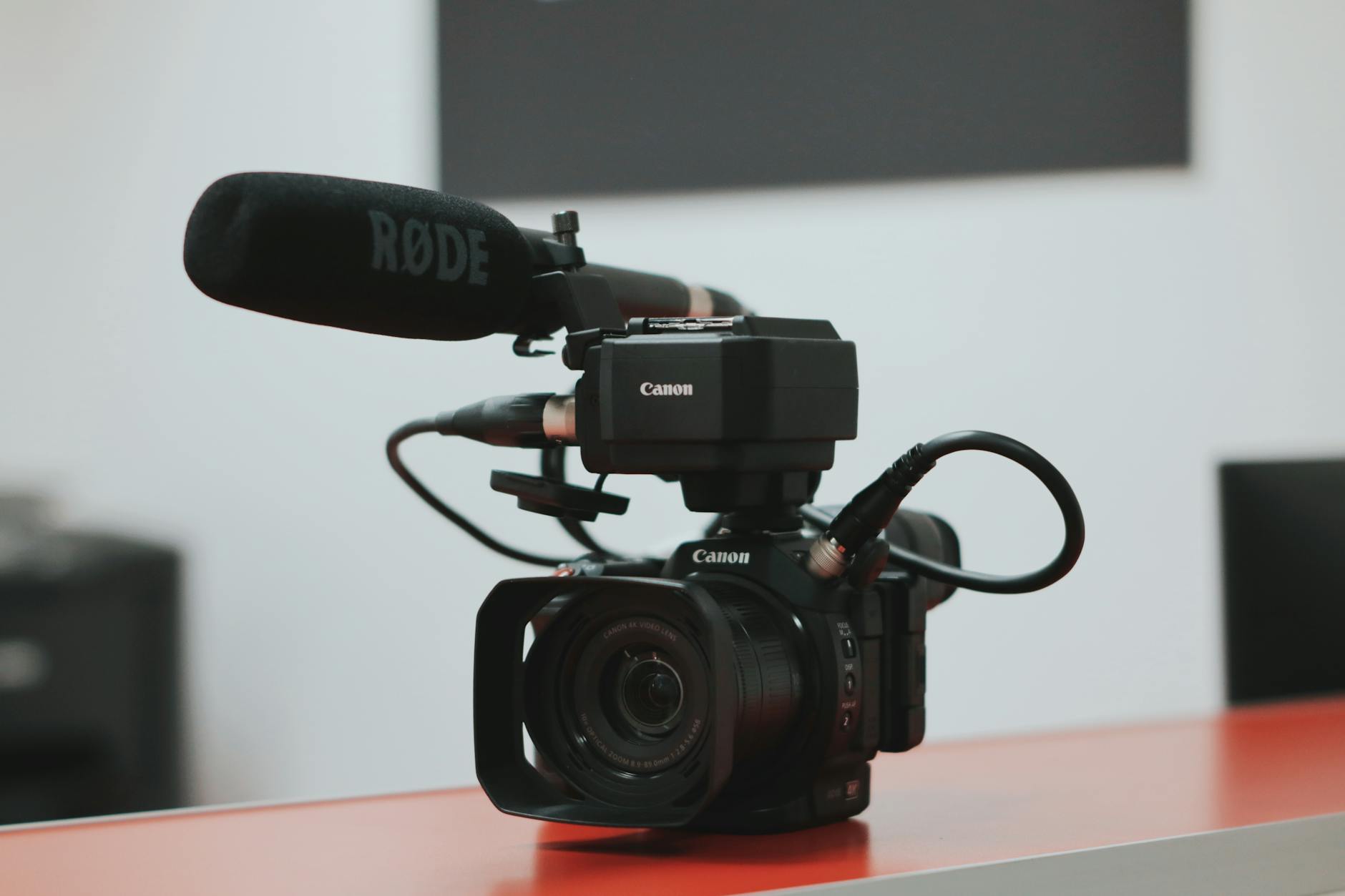
The success of a corporate video heavily depends on selecting a proficient production team with experience in corporate storytelling. This team should include directors, videographers, and sound engineers who understand the nuances of professional videography. Equally important is choosing the appropriate equipment to match the project’s scope, environment, and desired visual style. High-definition cameras, professional lighting setups, and quality sound recording devices ensure the final product’s clarity and impact. Utilizing the best tools allows for capturing crisp visuals and clean audio, which are crucial for engaging viewers and conveying messages effectively.
Filming Techniques and Best Practices
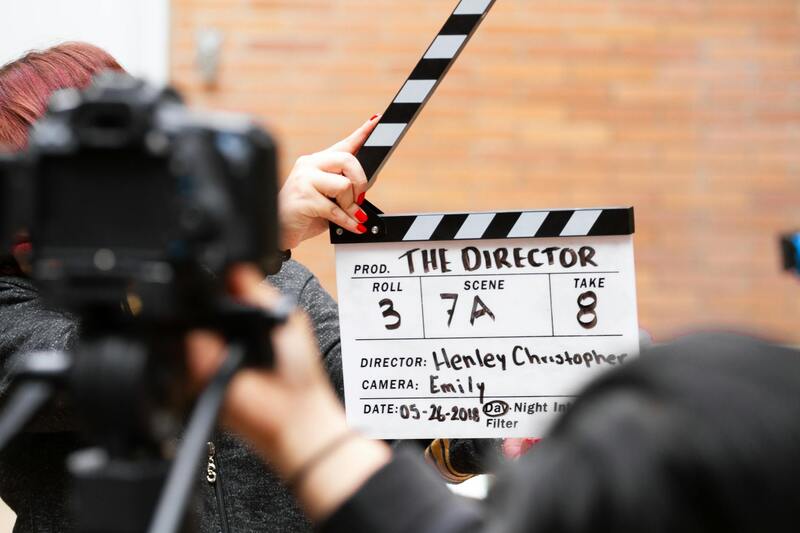
During the filming process, employing effective techniques is vital to produce visually appealing and coherent content. Techniques such as proper framing, camera movement, and lighting contribute to the overall professionalism of the video. It’s essential to capture multiple takes of key scenes to ensure options during editing. Additionally, directing talent with clear instructions and providing a comfortable environment can significantly improve on-camera performance. Maintaining continuity and adhering to the planned storyboard help in keeping the narrative consistent and engaging.
Post-Production Editing and Visual Effects
Post-production is where raw footage transforms into a polished corporate video. Expert editing involves selecting the best takes, arranging scenes for optimal flow, and adding transitions that enhance storytelling. Incorporating visual effects, color grading, and motion graphics can elevate the video’s aesthetic, making it more compelling and aligned with brand identity. Sound editing, including background music and voiceovers, is equally important in enhancing emotional connection and clarity. Attention to detail during editing ensures that the final product communicates the intended message powerfully and professionally.
Distribution Strategies and Promotion
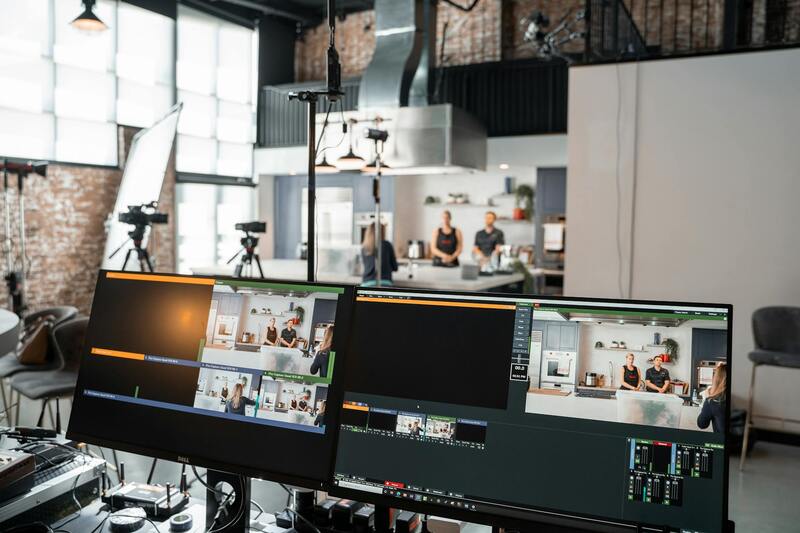
Once completed, the distribution phase involves selecting appropriate channels to reach targeted audiences effectively. Corporate videos can be showcased on company websites, social media platforms, email campaigns, and industry events. A strategic approach includes optimizing videos for different devices and platforms to maximize engagement. Timing and frequency of releases should align with marketing campaigns and organizational initiatives. Additionally, leveraging SEO techniques by embedding relevant keywords and descriptions increases visibility on digital channels, ensuring that the content reaches a broader audience and supports business objectives.
Measuring Impact and ROI of the Corporate Video
Assessing the success of a corporate video involves analyzing key performance indicators such as viewer engagement, shares, and conversions. Tools like analytics dashboards can provide insights into viewer demographics, viewing durations, and interactions, helping to evaluate whether the video meets its strategic goals. Tracking these metrics allows for data-driven decisions on future content and distribution efforts. Ultimately, understanding the return on investment ensures that the resources dedicated to video production generate tangible benefits, such as increased brand awareness, improved internal communication, or enhanced customer engagement.
Implementing Proven Methods for Producing a Corporate Video
Executing a professional corporate video requires adherence to established protocols that emphasize precision, quality, and consistency. The initial step involves meticulous planning, ensuring that every facet from concept to execution aligns with the overarching brand message and organizational goals. This process extends beyond creative vision to include logistical considerations such as selecting appropriate locations, scheduling shoots to minimize disruption, and coordinating with all stakeholders to ensure seamless operations.
Once the pre-production phase establishes a clear blueprint, the focus shifts to assembling a qualified production team. This team typically comprises directors, cinematographers, lighting technicians, sound engineers, and production coordinators who bring specialized expertise to ensure high production standards. Choosing industry-standard equipment—such as high-resolution cameras, professional lighting setups, and quality sound recording devices—is crucial for capturing visuals and audio that meet professional benchmarks.
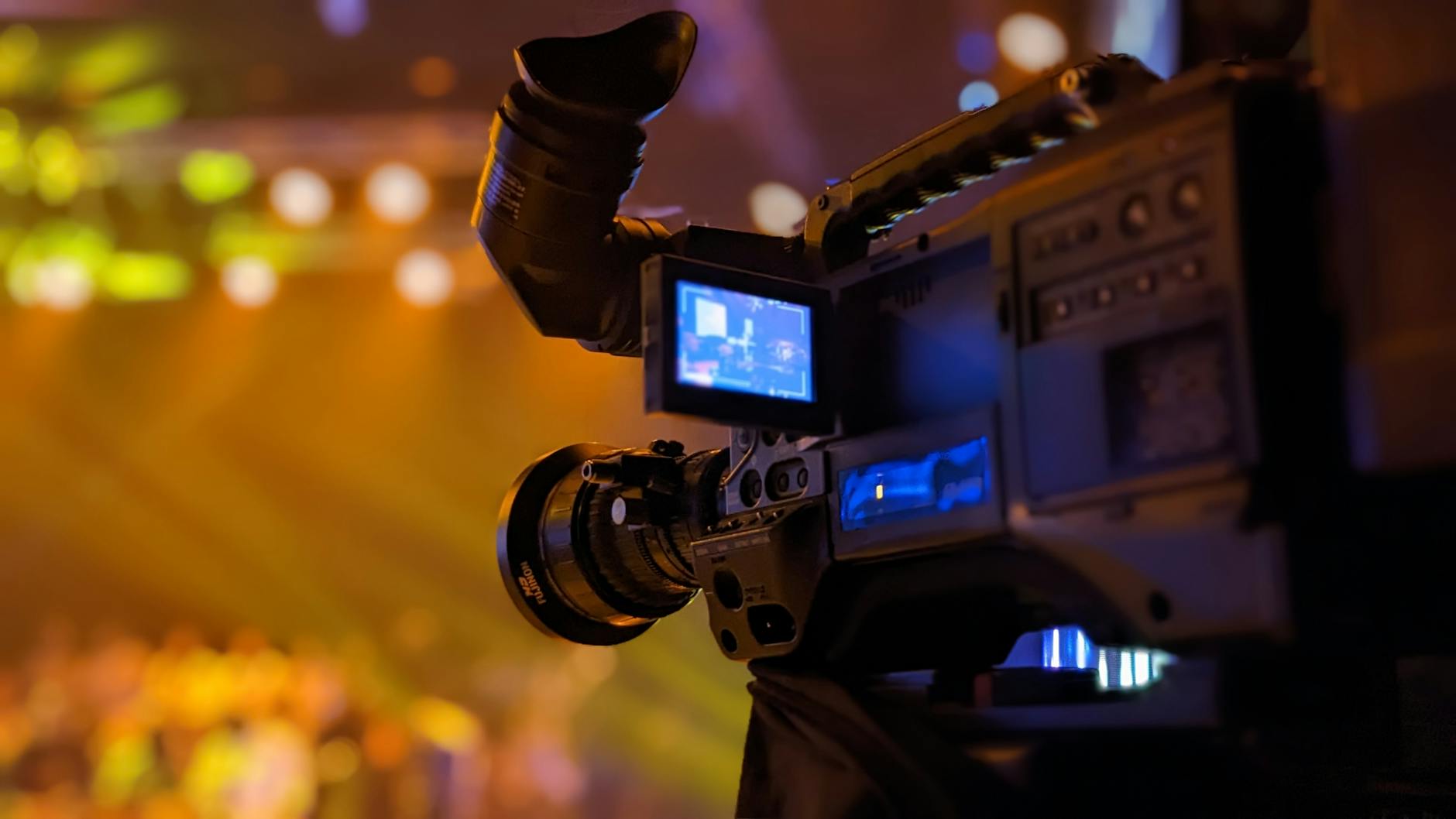
During filming, employing best practices ensures the delivery of compelling visual content. Techniques such as proper framing, effective lighting, and consistent audio levels contribute significantly to a polished final product. It is essential to educate the crew on maintaining continuity and capturing multiple angles to facilitate versatile editing options later. Additionally, filming multiple takes of key scenes provides options during post-production, ensuring the best shots are used to depict the brand authentically and engagingly.
Post-production stands as a critical phase where raw footage transforms into a captivating corporate narrative. Skilled editors manipulate footage through precise cutting, sequence arrangement, and color grading to enhance visual appeal. Incorporating visual effects, animations, and motion graphics—when appropriate—can enrich the storytelling and reinforce brand messaging. This phase also includes refining audio quality, integrating background music, voiceovers, and ensuring synchronization to create a seamless viewing experience.
Quality control checks are integral, ensuring the final product adheres to technical standards and reflects the intended message accurately. Iterative reviews allow stakeholders to provide feedback, prompting necessary adjustments before the final version is rendered. This rigorous process guarantees that the corporate video not only looks professional but also communicates the organization's values compellingly. When executed with precision and professionalism, these methods culminate in a highly effective corporate video that resonates deeply with the target audience and supports broader marketing and communication strategies.
Implementing Suitable Filming Techniques and Best Practices
When producing a corporate video, employing the right filming techniques is essential to ensure the final product aligns with the company's brand identity and communication goals. A systematic approach to filming involves meticulous planning of shot composition, camera angles, and lighting setups that enhance the visual storytelling. Utilizing steady, professional-grade camera equipment minimizes shake and ensures crisp visuals, which convey professionalism and attention to detail. Additionally, implementing techniques such as focal framing, depth of field control, and smooth camera movements can create engaging visuals that resonate with viewers.
Optimal lighting is another critical element; it must be tailored to the setting to highlight subjects effectively while maintaining consistency across scenes. Natural lighting can be advantageous for outdoor shoots, providing authenticity, while studio lighting allows for controlled illumination, resulting in polished visuals. The strategic use of color temperature and diffusion can influence the mood and tone of each scene, reinforcing the message.
Sound quality plays an equally vital role; employing high-quality microphones, lapel mics, and boom poles ensures clarity and reduces ambient noise, which is integral to conveying professional messaging. Capturing multiple takes from different angles allows flexibility during editing, providing options to craft dynamic and engaging sequences. When filming interviews, using close-ups and cutaway shots can emphasize emotional responses and key messaging points.
Best practices also include managing shot continuity—ensuring that movement, props, and lighting remain consistent across takes to prevent mismatches during editing. Additionally, preparing detailed shot lists and storyboards guides the filming process, reducing the likelihood of missed footage or duplicative shots. Regularly reviewing footage on-site helps identify any issues early, allowing for immediate adjustments and preventing costly reshoots.
Employing these techniques ensures the footage collected during production not only meets technical standards but also captures the essence of the corporate message. This foundation of high-quality visuals and clean audio simplifies the editing process and contributes to the overall impact of the final product. Every shot should be deliberate, with the aim of creating a cohesive narrative that vividly communicates the organization’s values and offerings to the targeted audience.
Strategic Approach to Producing an Effective Corporate Video
Once the pre-production planning has been thoroughly executed—covering script development, storyboard creation, and selecting the appropriate team and equipment—the focus shifts to the actual filming process. Employing the right filming techniques is essential to capturing high-quality footage that aligns with the project's objectives. This stage requires meticulous attention to framing, lighting, and audio capture to ensure the content is both visually appealing and clear in messaging.
Effective framing involves utilizing compositional rules such as the rule of thirds to create balanced and engaging shots. It is important to consider camera angles that add depth and interest, including wide shots for establishing context, medium shots for interactions, and tight close-ups to highlight emotions or critical details. Incorporating a variety of perspectives can facilitate dynamic editing and storytelling.
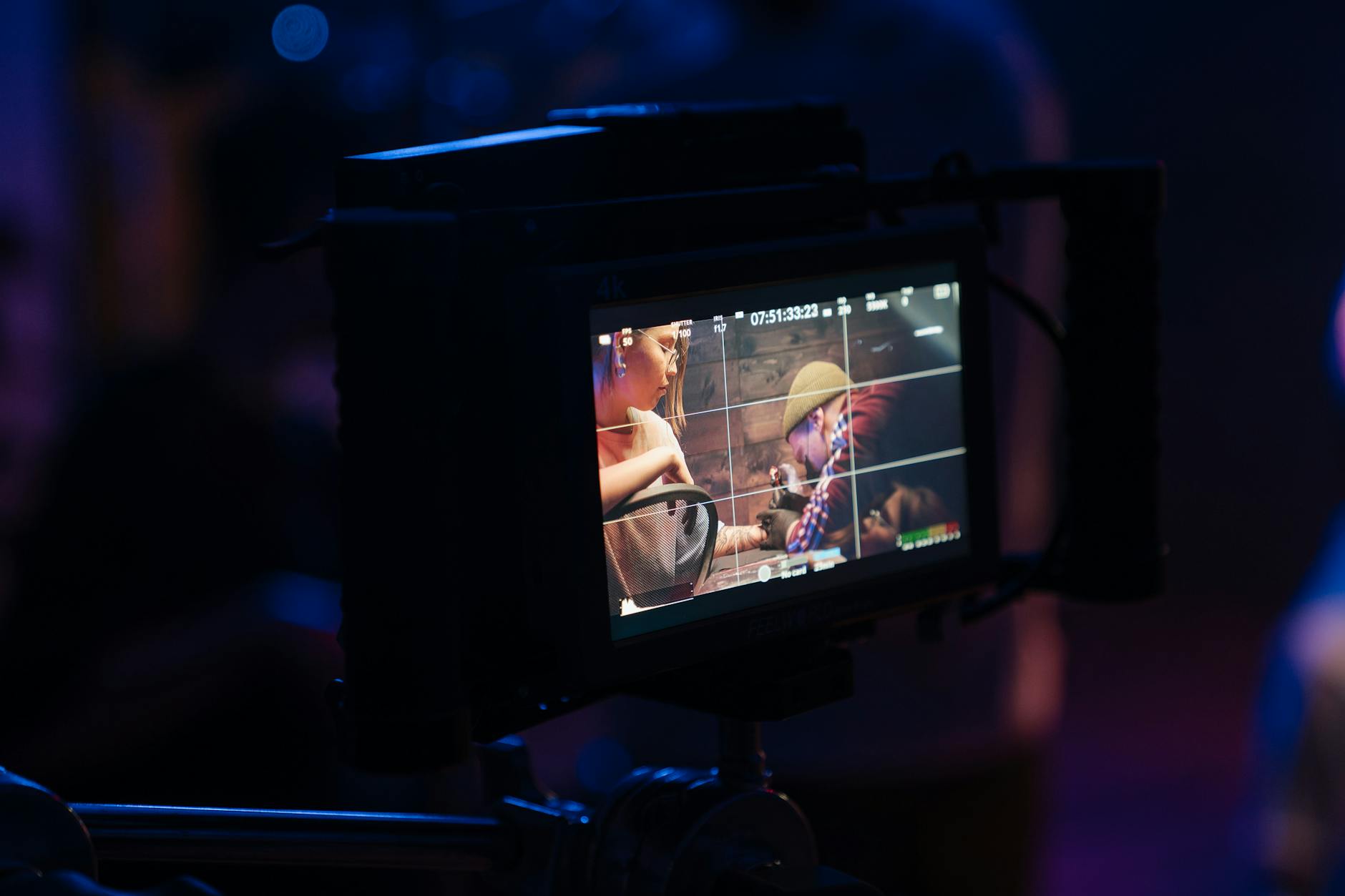
Lighting plays a pivotal role in setting the tone and emphasizing the subject. Proper use of key lights, fill lights, and backlights enhances facial features and creates depth, reducing shadows or hot spots that could distract viewers. Consistent lighting across scenes maintains visual continuity, which is vital for a seamless final product.
Sound quality must not be overlooked; the use of directional microphones, boom poles, and sound checks ensures clear audio that conveys professionalism and maintains viewer engagement. Minimizing background noise and echoes enhances the clarity of spoken content, which is essential for interviews, testimonials, or informative narration.
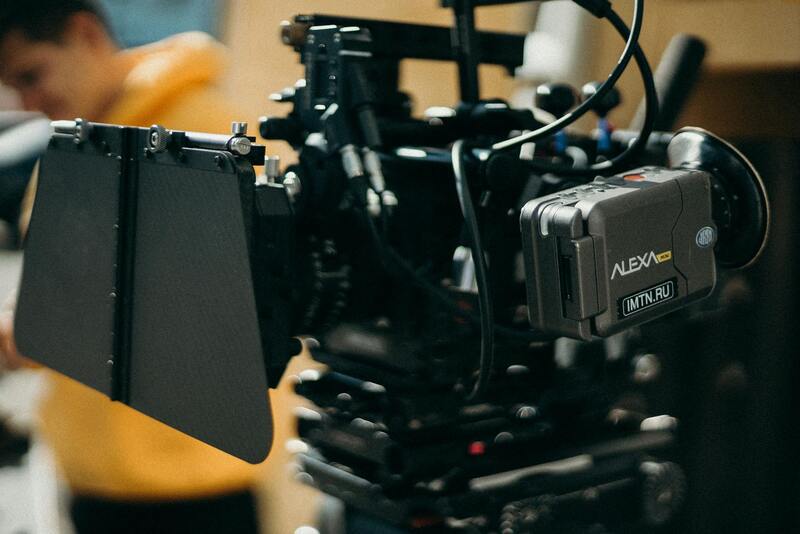
Furthermore, maintaining shot continuity is crucial to avoid visual inconsistencies that might distract viewers. This involves careful monitoring of props, actor positioning, and lighting conditions between takes. Preparing detailed shot lists and storyboards guides the filming process, ensuring all necessary footage is captured efficiently and thoroughly.
During on-site filming, regular reviews of footage help identify any issues early, allowing adjustments that prevent costly reshoots. Strategic camera movements and angles can add a cinematic quality to the footage, strengthening the overall message. Additionally, employing techniques such as slow pans, zoom-ins, and tracking shots can make the video more engaging and visually compelling.
Adhering to these filming best practices ensures that the resulting footage is not only technically sound but also effectively communicates the organization’s core message. The goal is to produce visuals that resonate with the target audience, showcasing the company's values, products, and services through compelling storytelling and high production standards.
Understanding the Role of Professional Video Production Methods
Creating a corporate video that effectively communicates your brand message requires adherence to established, reliable production techniques. High-quality video production relies on methodical processes that ensure each element—visuals, audio, and narrative—works harmoniously to support your organizational goals. Employing methods such as controlled lighting, stabilized camera work, and precise audio capture forms the foundation of a professional presentation. This structured approach guarantees that the final product not only appears polished but also aligns authentically with your brand identity and messaging strategy.
Implementing Industry-Standard Filming Techniques
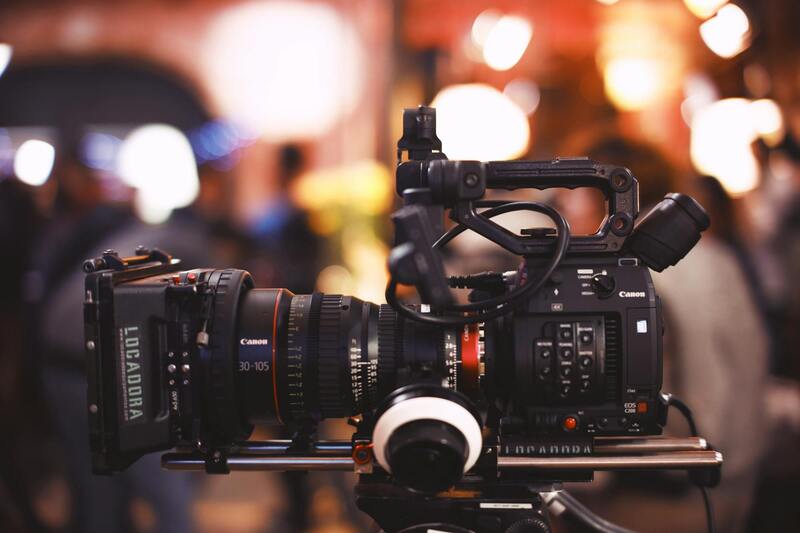
Effective corporate videography hinges on proven filming practices that optimize both image quality and storytelling clarity. Proper use of lighting equipment, such as diffusers, reflectors, and studio lights, creates a consistent aesthetic that enhances the subject’s features and sets the appropriate tone. Stabilized camera rigs, such as tripods and gimbals, eliminate shaky footage, providing smooth, engaging visuals. Camera angles and movements are carefully selected to emphasize key messages, evoke emotions, and guide viewer attention seamlessly through the narrative.
During on-site production, meticulous planning, including detailed shot lists and storyboards, facilitates efficient footage capture. This preparatory step ensures no critical scenes are missed and provides a clear roadmap for the filming team. Continual review of raw footage allows immediate adjustments, saving time and resources while maintaining high standards. Techniques like slow pans, close-ups, and strategic cuts contribute to a cinematic quality that elevates the overall production value.
Optimal Sound Capture and Audio Techniques
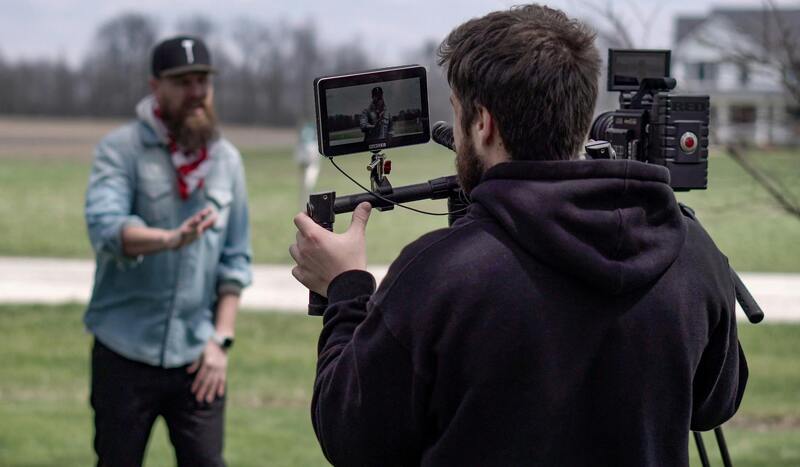
Clear and high-fidelity audio is fundamental to conveying your message effectively. Using directional microphones, such as lavaliers or shotgun mics, focuses sound capture directly from the source, minimizing background noise. Sound checks prior to recording sessions help identify and address potential issues like echo or interference. Employing soundproofing measures, such as portable acoustic panels or choosing shielded locations, ensures pristine audio quality.
Monitoring audio levels throughout the shoot prevents distortion or low-volume recordings that compromise message clarity. When recording interviews or testimonials, ensuring consistent audio quality across multiple takes and scenes avoids distracting discrepancies in sound. Post-production audio mixing refines these elements further, balancing levels, removing residual noise, and adding sound effects or music where appropriate to enhance storytelling.
Post-Production Refinement and Quality Assurance
Following the shoot, editing consolidates raw footage into a cohesive narrative. Color grading ensures visual consistency and emphasizes the desired tone, whether professional, dynamic, or innovative. Integrating graphical overlays, such as company logos, lower thirds, or animated titles, enhances brand visibility and informational clarity. Sound editing and mixing align audio tracks flawlessly with the visuals, reinforcing the message through auditory cues.
Quality checks are crucial at this stage to identify and rectify any inconsistencies or technical issues. Viewing the video from the perspective of the target audience helps ensure the content stays engaging and informative. Incorporating feedback from key stakeholders refines the final product, ensuring it meets all strategic objectives and maintains a high standard of professionalism.
Ensuring Proper Distribution of Your Corporate Video
Once the production process is complete, deploying your corporate video through appropriate channels is essential for maximizing its reach and impact. A strategic distribution plan ensures that your message aligns with your target audience's preferences and where they are most active. Leveraging multiple platforms enhances visibility and engagement, creating more opportunities for your audience to connect with your brand story.
Effective distribution begins with a detailed understanding of your audience demographics and their content consumption habits. For instance, professional networks like LinkedIn serve as ideal platforms for B2B content, while social media channels such as Facebook and Instagram cater to a broader consumer base. Additionally, hosting the video on your official website guarantees a dedicated space where visitors can easily access and share your content.
Incorporating your corporate video into email marketing campaigns extends its reach directly to contacts who are already engaged with your brand. Embedding videos within newsletters or sending personalized messages creates a compelling touchpoint that can drive higher conversion rates. Embedding the video on landing pages or product pages enhances your site’s interactive experience, encouraging visitors to spend more time engaging with your offerings.
For live events or trade shows, incorporating the video into presentations or booths can effectively showcase your brand's values and capabilities. Additionally, considering paid advertising options, such as targeted social media ads or video campaigns, can significantly amplify your message to a specific audience segment, optimizing your reach and engagement.
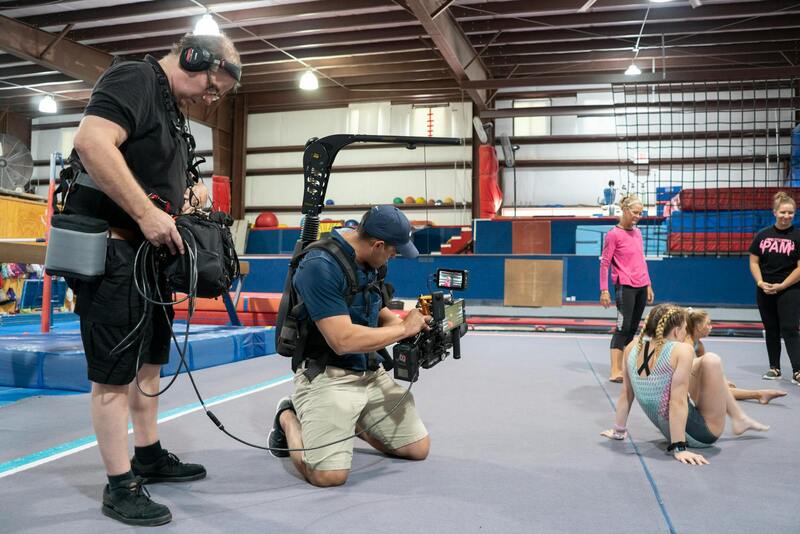
Developing a consistent content calendar and scheduling regular shares ensures continuous visibility, keeping your brand top-of-mind for your audience. Monitoring performance metrics across each platform allows you to refine your distribution tactics, ensuring your corporate video continuously resonates and drives the desired responses.
Ensuring Proper Distribution and Legal Compliance
To maximize the impact of a corporate video, it is essential to distribute it through well-established and legitimate channels that align with best practices for digital content dissemination. Starting with your official website, hosting the video on dedicated landing pages ensures that visitors encounter your content in a controlled environment, allowing for seamless integration with your broader branding and messaging strategies.

Leverage your organization's social media platforms by sharing the video through verified accounts. This not only broadens your reach but also enhances engagement rates, as content shared via reputable channels tends to garner higher visibility and interaction. When publishing on platforms like LinkedIn, Twitter, or Facebook, ensure the content adheres to their specific content guidelines and best practices, such as optimal video length, aspect ratio, and engaging thumbnails.
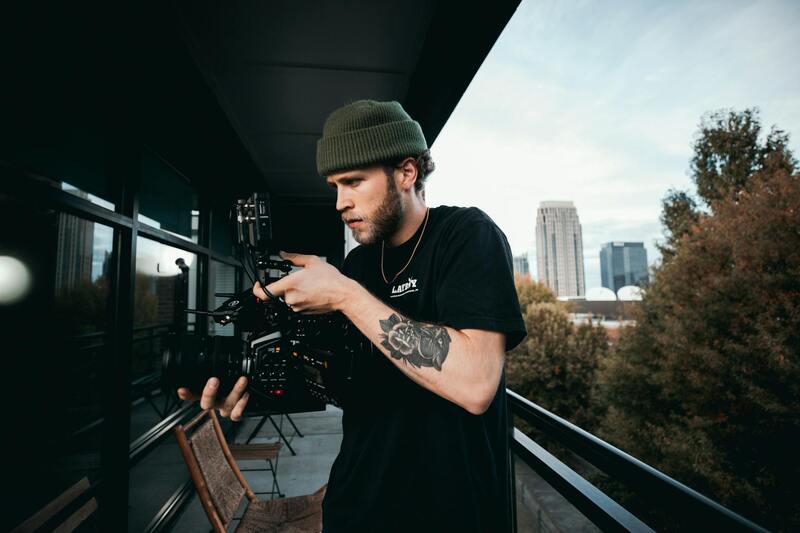
Embedding videos into email marketing campaigns remains an effective method for reaching an already engaged audience. Use clean, professional templates, and organize targeted messaging that resonates with various segments of your contact list. Personalization, such as addressing recipients by name and tailoring content to their interests, can significantly boost viewer engagement and action.
In addition, consider embedding your corporate video within online press releases, newsletters, and product pages. This ensures visitors can access the content without distraction, encouraging them to spend more time understanding your company's message and offerings.
Utilizing Paid Advertising and Strategic Partnerships
Paid media initiatives can elevate your corporate video’s exposure to targeted audiences. Implement precise ad targeting based on demographics, interests, and online behavior, especially on social media platforms that offer advanced audience segmentation options. This approach guarantees your content reaches the most relevant viewers, increasing the potential for conversions.
Forming strategic partnerships with industry influencers, media outlets, and relevant online communities can further enhance visibility. Co-hosting webinars, featuring your video in industry publications, or sponsoring related events creates additional touchpoints that reinforce your message and foster trust among potential clients.
Monitoring and Refining Your Distribution Efforts
Consistent monitoring of your distribution channels is essential to understand what strategies yield the best results. Utilize analytics tools to track metrics such as view count, engagement rates (likes, shares, comments), and traffic generated to your website or landing pages. Analyzing this data enables you to identify the most effective channels and content formats, allowing for continuous refinement of your distribution plan.
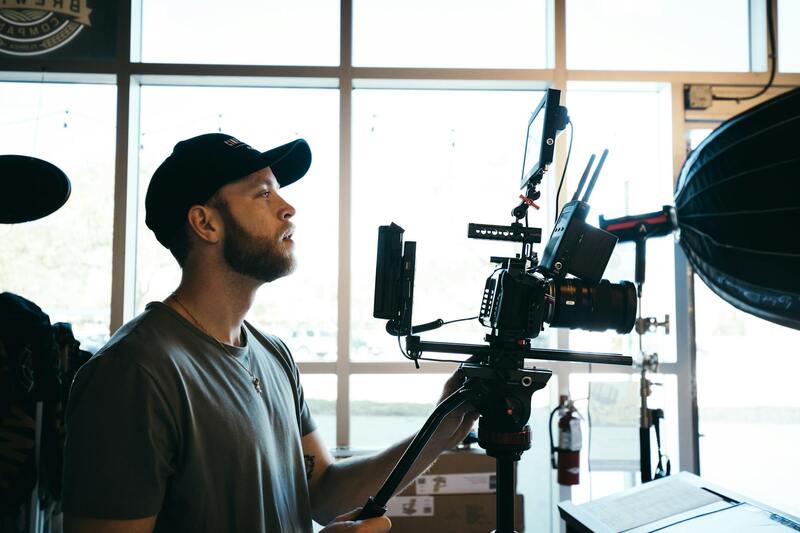
By maintaining a disciplined and methodical approach to distribution—focusing on reputable channels, respecting platform guidelines, and leveraging targeted advertising—you can ensure your corporate video not only reaches its intended audience but also sustains engagement that drives measurable business outcomes. Implementing a comprehensive distribution strategy, supported by ongoing performance analysis, is critical for achieving the full potential of your corporate communication efforts.