
Understanding the Importance of Corporate Production Videos
In today’s competitive business landscape, corporate production videos have become a vital component of effective branding and communication strategies. These videos serve as dynamic tools that help organizations convey their core messages, showcase their products and services, and build a strong brand identity within the Miami market and beyond. The strategic deployment of professionally crafted corporate videos enhances visibility, boosts customer engagement, and reinforces credibility among target audiences.
Corporate production videos are not merely about visual appeal; they are carefully designed to tell compelling stories that resonate with viewers. In Miami, a diverse and vibrant business environment, high-quality corporate videos can set a company apart from its competitors by illustrating its unique value proposition through engaging content. These videos serve multiple purposes:
- Branding: Consistently projecting brand values and personality through visual storytelling increases brand recognition and loyalty.
- Marketing: Video content enhances promotional campaigns, improves conversion rates, and supports digital marketing efforts across various platforms.
- Internal Communication: Corporate videos facilitate employee onboarding, training, and internal updates, creating a unified corporate culture.
Strategic Impact of Corporate Videos in Miami
The Miami business scene is characterized by its multicultural diversity and global connectivity. Leveraging corporate production videos allows companies to reach a broad audience, including local customers, international partners, and potential investors. A professionally produced corporate video can showcase a company’s innovative approach, community involvement, and industry leadership, positioning it effectively within this vibrant marketplace.
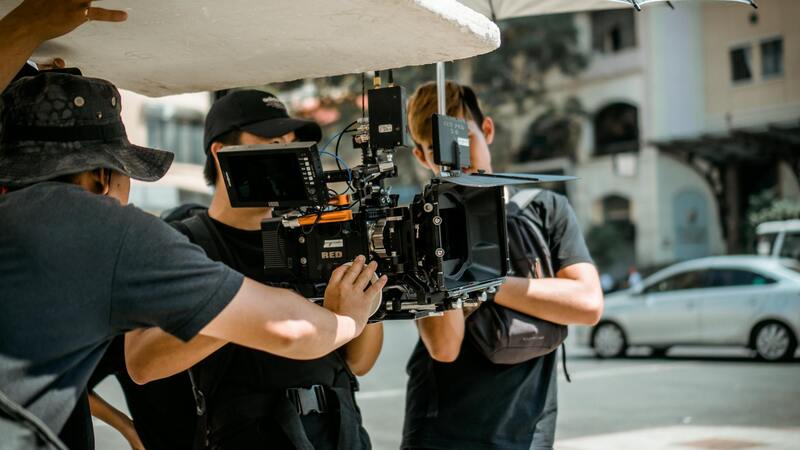
Moreover, with the rising importance of digital content, corporate videos serve as powerful tools for social media campaigns, website engagement, and email marketing strategies. By investing in exceptional production quality, Miami businesses can maximize their outreach potential and establish a lasting impression with their target demographic.
Legal and Budget Considerations
When embarking on the creation of a corporate production video, carefully managing legal and financial aspects ensures a smooth production process and maximizes return on investment. A comprehensive approach involves understanding licensing requirements, securing necessary permissions, and establishing a clear budget framework.
One of the foundational steps involves copyright management. Ensuring all visual and audio content used within the video is properly licensed or owned eliminates potential disputes and reinforces the professionalism of the final product. This includes sourcing stock footage, music tracks, and third-party images through legitimate channels with clear licensing agreements.
Permits and permissions are also vital when filming across multiple locations, especially in dynamic and diverse areas like Miami. Securing the appropriate filming permits from local authorities ensures compliance with municipal regulations, preventing delays or legal complications.
Furthermore, contractual agreements with talent, crew, and vendors should be meticulously drafted, clearly outlining scope of work, deliverables, timelines, and confidentiality clauses. Having legally vetted contracts safeguards all parties involved and preserves the integrity of the project.
As for budgeting, a detailed financial plan helps allocate resources effectively, balancing quality with fiscal responsibility. Costs to consider include pre-production planning, professional filming equipment, location fees, talent payments, editing, and distribution expenses. Establishing a contingency fund within the budget allows for unforeseen expenses, which are common in complex productions.
Creative development and technical execution must be prioritized within financial boundaries to ensure the final product aligns with the company's strategic goals. Investing in high-quality content production often necessitates a sizable budget, but the strategic value gained through impactful visuals and storytelling can significantly boost brand presence.

Ensuring Compliance Through Official Filming Methods
Implementing official and legitimate filming methods is crucial to maintaining professionalism, safeguarding project integrity, and ensuring seamless operations throughout the production process. This approach involves a comprehensive understanding of permitted filming techniques, equipment standards, and safety protocols recognized by industry authorities. Utilizing licensed equipment, adhering to safety regulations, and following established protocols demonstrate adherence to best practices and facilitate smooth collaboration with local agencies.
One vital aspect is selecting appropriate filming locations that have been approved through official channels. Location owners and municipal authorities often require filming permits, which validate the legitimacy of the shoot and provide clear guidelines on allowed activities. Securing these permits involves submitting detailed plans that specify the scope of work, equipment to be used, and filming schedules. This not only avoids potential disruptions but also ensures respectful use of private and public properties.

Legal and operational compliance are further reinforced through official methods such as employment of certified crew members, authoritative licensing of professional equipment, and adherence to industry safety standards. Prioritizing these strategies minimizes risks associated with unauthorized filming activities and helps in establishing a credible reputation with clients and stakeholders.
Authentic Talent and Content Sourcing
Legitimate corporate production videos depend on sourcing talent, music, and content through official channels. Engaging talent via reputable agencies or casting firms ensures contractual clarity and compliance with industry regulations. Using licensed music and stock footage obtained through authorized distributors not only enhances the video's professionalism but also mitigates potential legal repercussions.
Furthermore, official content sourcing involves proper documentation and manifesting clear license agreements. This guarantees that all intellectual property rights are respected and fully transparent, supporting compliance with copyright laws and licensing standards. Employing credible sources for content and talent exemplifies a commitment to integrity and professionalism—hallmarks of effective corporate communication.
Implementing Secure Project Management Systems
Adopting secure, officially recognized project management platforms ensures all production phases—from planning to distribution—are thoroughly documented and traceable. These systems enable tracking of approvals, version control, and compliance checks, which are essential for maintaining project legitimacy. Proper documentation also facilitates audits, dispute resolution, and future reference, underscoring the importance of official procedures.
Maintaining detailed records of contracts, permits, equipment certifications, and content licenses demonstrates transparency and accountability. These measures safeguard all stakeholders involved and uphold the project's credibility. By restricting access to sensitive project data through authorized channels, production teams enhance overall security and integrity.
Adherence to Industry Standards and Best Practices
Following established guidelines laid out by industry associations, governmental bodies, and safety organizations ensures that all corporate production videos are created under recognized standards. This includes conforming to technical specifications for filming equipment, data protection protocols, and safety procedures during on-set activities. Such compliance not only contributes to high-quality output but also reinforces the company's commitment to excellence and ethical standards.
Regular training and certification programs for crew members foster adherence to official practices. Ensuring that team members are knowledgeable about legal filming procedures, safety regulations, and ethical considerations creates a professional environment aligned with industry best practices. Ultimately, these efforts lead to superior quality content that respects legal boundaries and enhances brand reputation.
Effective Strategies for Distribution and Promotion of Corporate Videos
Once a corporate production video has been meticulously crafted and finalized through professional editing, the next crucial phase involves strategic distribution and promotion. Ensuring that the content reaches the target audience through appropriate channels not only maximizes engagement but also enhances brand visibility and corporate reputation.
Identifying the Ideal Distribution Channels
Successful dissemination begins with selecting the most fitting platforms for the corporate video. Corporate websites serve as authoritative sources where stakeholders, clients, and partners can access the content directly. Embedding videos on landing pages related to campaigns, product launches, or corporate initiatives enhances user engagement and provides contextual relevance.
Social media platforms such as LinkedIn, YouTube, Twitter, and Facebook are integral to reaching diverse audiences. These channels facilitate targeted advertising, enabling companies to promote videos to specific demographics based on location, industry, or interests. Leveraging platform analytics helps refine distribution strategies, ensuring content resonates with viewers and prompts desired actions.
Email marketing remains a powerful tool for direct communication. Incorporating videos into newsletters or direct outreach campaigns can significantly increase open and click-through rates, fostering stronger stakeholder relationships.
Optimizing Content for Search Engines
To maximize visibility, corporate videos should be optimized with relevant metadata, including titles, descriptions, tags, and transcripts that incorporate strategic keywords. Properly formatted video thumbnails and compelling descriptions attract clicks and improve search rankings. Utilizing schema markup ensures search engines understand the content context, facilitating enhanced presentation in search results, such as video snippets or rich cards.
Leveraging Paid Promotion and Advertising
Investing in paid advertising options amplifies reach. Social media advertising allows precise targeting and retargeting, ensuring the video is seen by viewers most likely to engage with the brand. Video ads can be integrated into broader marketing campaigns, driving traffic to landing pages or prompting conversions.
Measuring Performance and Refining Strategies
Effective promotion involves continuous monitoring of key performance indicators (KPIs), such as view counts, engagement rates, conversion metrics, and audience demographics. Tools like analytics dashboards provide insights into viewer behaviors, enabling marketers to adjust content, distribution channels, and promotional tactics accordingly.
Enhancing Engagement and Amplifying Reach
Interactive elements like call-to-action overlays, annotations, or clickable links within videos foster user interaction. Encouraging employee advocates, partners, and satisfied clients to share the content further broadens reach organically. Consistent branding, compelling storytelling, and high production quality uphold the company's professional image and reinforce message retention among viewers.
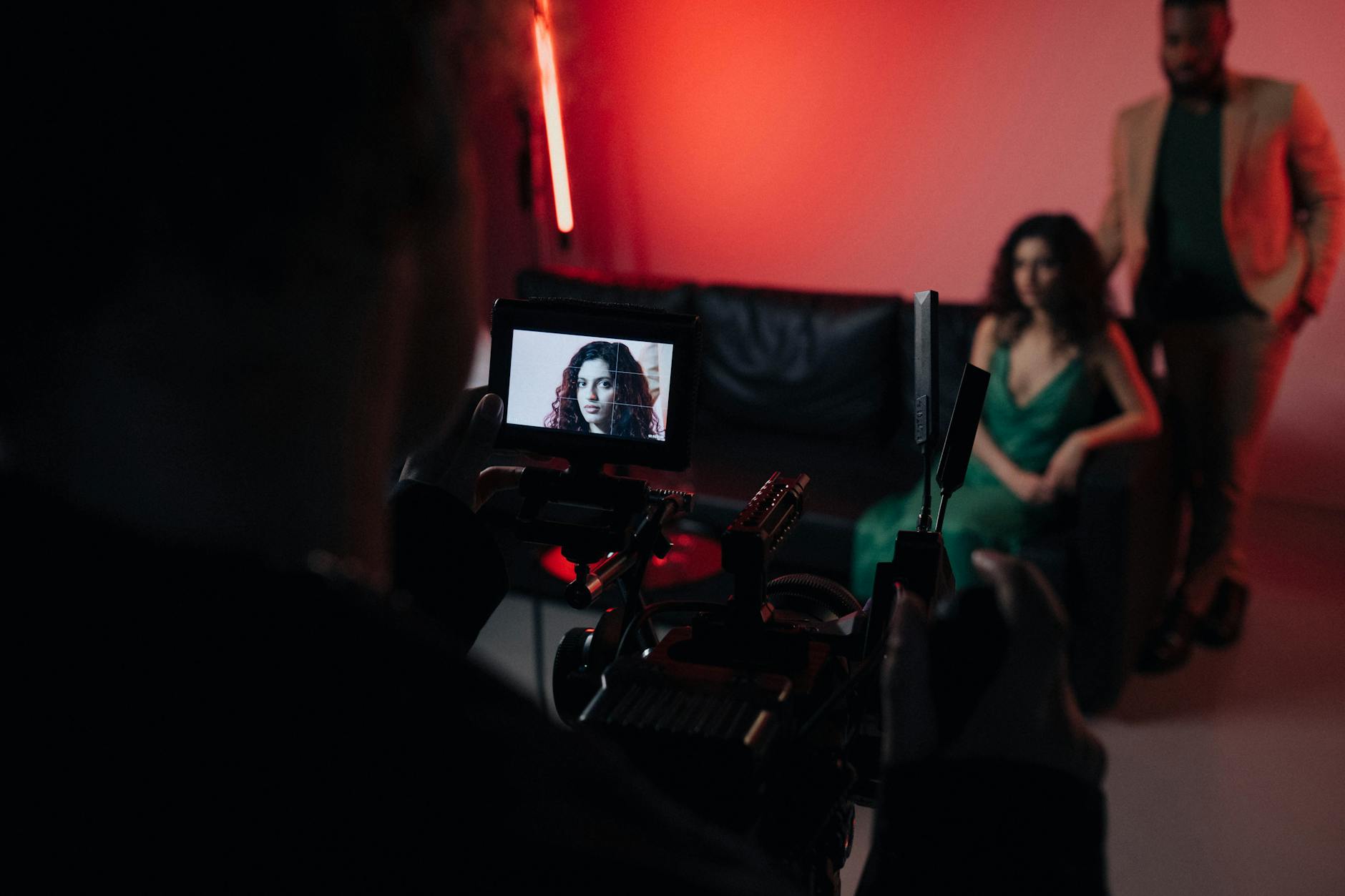
Strategies for Effective Filming and Production Techniques
Executing a successful corporate production video hinges on employing meticulous filming techniques that capture the brand’s message with clarity and professionalism. High-quality visuals and sound are non-negotiable components in maintaining a polished image and engaging viewers effectively. From the initial setup to the final shot, every element plays a critical role in the overall impact of the video.
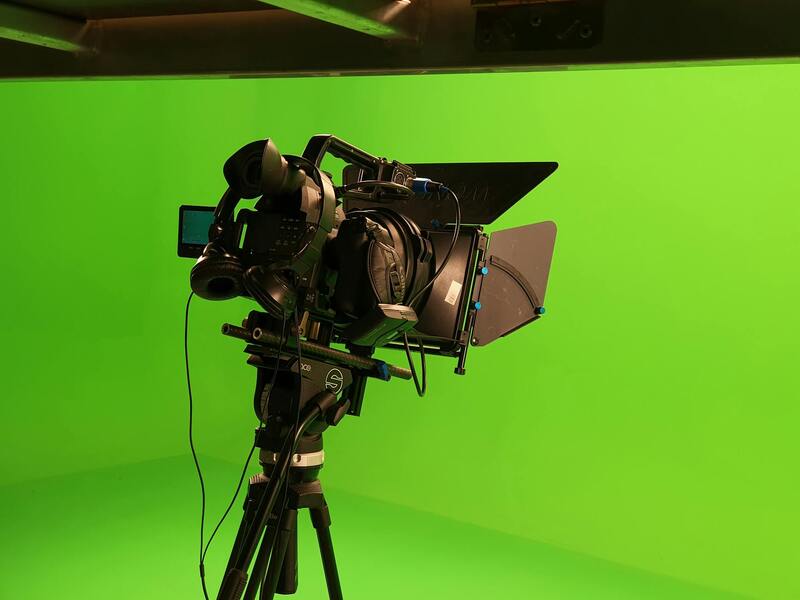
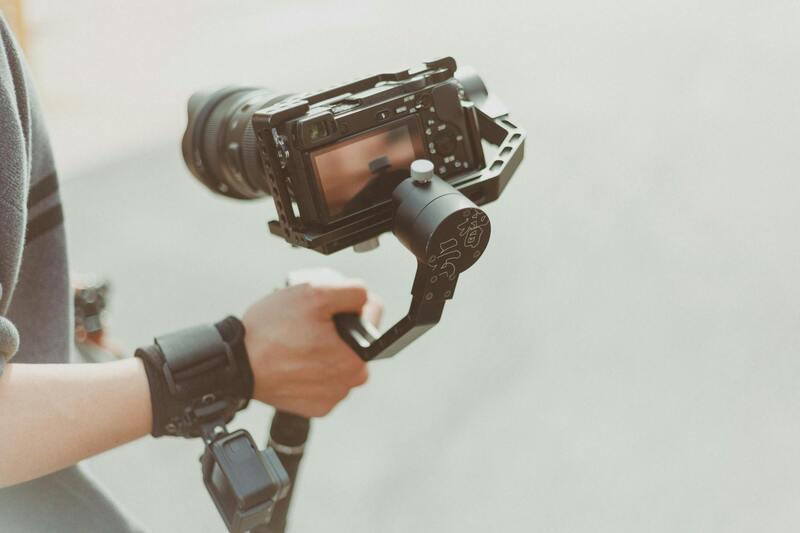
When selecting equipment, prioritize high-definition cameras capable of capturing crisp, clear footage under various lighting conditions. Modern DSLR or mirrorless cameras equipped with professional-grade lenses provide the flexibility and quality necessary for corporate environments. For steady shots, utilize tripods, gimbals, or stabilizers to prevent unwanted camera shake, ensuring smooth visuals that convey professionalism and confidence.
Lighting techniques significantly influence the visual tone of a corporate video. Use a combination of key lights, fill lights, and backlights to create balanced and flattering illumination, reducing shadows that might distract or obscure important details. Scene lighting should complement the environment and mood you wish to establish, whether aiming for a bright, friendly atmosphere or a more serious, authoritative tone.
Audio quality is equally vital, as poor sound can undermine even the most visually stunning footage. Employ professional microphones, such as lapel mics or shotgun mics, to capture clear dialogue and ambient sounds. External audio recorders can further enhance sound fidelity, especially in noisy or dynamic shooting locations. Conduct sound checks beforehand to identify and mitigate potential issues, ensuring a seamless auditory experience.

Directing the shoot involves clear communication of the script and shot list to the crew and talent. Establishing shot angles, framing, and movement strategies beforehand ensures shots are consistent and align with the overarching narrative. Scene continuity and attention to detail are critical; double-check wardrobe, props, and background elements to maintain a cohesive visual story.
Post-shoot, reviewing footage on set allows for immediate reshoots of any subpar shots, maximizing efficiency and quality control. Record multiple takes of each scene to provide options during editing, ensuring polished and impactful final content. Emphasizing a professional, organized shooting environment minimizes errors and enhances the overall production workflow.
Legal and Budget Considerations
Developing a corporate production video involves careful financial planning and adherence to established procedures to ensure a smooth process. Budget considerations begin with a detailed assessment of all necessary elements, including pre-production planning, filming equipment, location fees, talent compensation, post-production editing, and distribution expenses. Having a comprehensive budget plan helps identify potential costs early and allocate resources efficiently, preventing unforeseen expenditures that could impact the project's overall quality and timeline.
When managing costs, it’s essential to prioritize elements that contribute most significantly to the video’s effectiveness, such as high-quality visuals and clear audio. Investing in experienced professionals for filming and editing ensures results that align with your brand’s standards and objectives. Additionally, contingency funds should be included to address unexpected requirements or challenges that may arise during production.
Official procedures and recognized standards form the backbone of professional corporate video production. This entails obtaining the necessary permits and clearances for filming locations, securing rights for music, images, or branded content used within the video, and ensuring all talent agreements are formalized with signed releases. These steps foster transparency and safeguard the organization against potential disputes.

Furthermore, maintaining comprehensive documentation throughout the production process—such as contracts, production schedules, shot lists, and client approvals—serves to streamline communication and accountability. This systematic approach guarantees that all official processes are followed meticulously, resulting in a polished final product that effectively communicates your message while adhering to organizational standards.
In line with recognized industry practices, every stage of production should include reviews and sign-offs from relevant stakeholders. This includes script approvals, draft video reviews, and final sign-offs before publishing. Such measures prevent misalignment and ensure that the output accurately reflects the intended message and brand voice.
By adhering to these tried-and-true methods, organizations can produce corporate videos that not only meet their communication goals but also reinforce their professional image within the Miami business landscape. Proper budget management combined with diligent procedural compliance results in impactful content that delivers measurable value and supports strategic objectives.
Legal and Budget Considerations
When developing a corporate production video, it is essential to approach the project with a clear understanding of legal protocols and budget management strategies. Ensuring all content aligns with organizational policies and industry standards not only preserves the company's reputation but also facilitates a smooth production process.
One of the primary considerations is the proper management of intellectual property rights. This involves securing permissions and rights for any third-party content incorporated into the video, including stock footage, music, images, and branded elements. Maintaining detailed documentation of rights acquisition and licensing agreements is crucial, as it provides a clear record that supports compliance and mitigates potential disputes.
In the context of talent involved in the production—be it employees, external actors, or presenters—formal agreements such as signed release forms should be in place. These documents specify usage rights, distribution channels, and duration of use, ensuring both parties understand and consent to the terms. It is vital to keep these signed releases organized and accessible, as they form the basis for lawful content dissemination.
Budget Planning and Allocation
Establishing a realistic budget at the outset is vital for the successful production of a corporate video. This process involves careful estimation of all expenses, including pre-production logistics, equipment rental, on-location filming, post-production editing, and distribution efforts. It is advisable to include a contingency reserve, typically between 10% to 15% of the total budget, to accommodate unforeseen costs.
Prioritizing spending areas ensures that the most impactful aspects of the video are adequately funded. For example, investing in high-quality filming equipment and experienced crew can significantly enhance the overall quality and professionalism of the final product. Simultaneously, prudently managing post-production costs—such as editing, sound design, and visual effects—can maintain quality without overspending.
To maintain budget discipline, it is essential to develop a detailed cost tracking system. Regular financial reviews during each production stage help identify deviations early, allowing for timely adjustments. Staying transparent about expenses with all stakeholders ensures that the project remains aligned with organizational financial goals.

Balancing Cost and Quality
While it is important to stay within budget, the focus should always be on delivering a polished, effective message through high production standards. Collaborating with experienced professionals who understand both creative and technical aspects ensures optimal use of resources. Targeted investments in areas such as professional scripting, high-definition visuals, and sound clarity will significantly enhance audience engagement and content retention.
Additionally, leveraging local talent and facilities in Miami can reduce logistics and production costs, providing budget efficiency without compromising quality. Strategic planning to utilize available resources smartly is key to achieving a compelling corporate video that aligns with strategic communication objectives.
Ensuring Proper Distribution and Effective Promotion of Corporate Videos
After refining the corporate production video to meet the highest standards, the next critical phase involves distribution and strategic promotion. This ensures that the investment in professional video content results in maximum outreach, engagement, and achievement of communication objectives. Employing official, well-structured methodologies guarantees that the content reaches the appropriate audiences through verified channels, reinforcing brand credibility and fostering meaningful connections.
Targeted Channels for Video Distribution
The first step in distribution is identifying the platforms where the target audience is most active. These include:
- Corporate Websites and Platforms: Hosting videos on official websites provides a centralized location for visitors seeking information about the company. Ensuring the video is optimized for website SEO enhances visibility in search results.
- Social Media Networks: Platforms such as LinkedIn, Facebook, Twitter, and Instagram offer avenues for targeted outreach. Customizing content for each platform, including short clips, teasers, and behind-the-scenes footage, encourages engagement and sharing.
- YouTube: As the second largest search engine, YouTube offers extensive reach. Properly utilizing keywords, descriptions, and tags improves discoverability, while official branding helps reinforce the company’s identity.
- Email Campaigns: Embedding videos in newsletters and email updates helps maintain contact with clients and stakeholders, providing a dynamic way to communicate key messages.
- Industry-specific Platforms and Conferences: Sharing videos through targeted industry portals and at events can strengthen credibility and facilitate networking with decision-makers.
Optimizing Video Content for Different Platforms
Each distribution channel has its unique specifications and user behavior. Tailoring the video format, length, and messaging to match platform characteristics enhances viewer retention. This includes creating shorter versions or trailers for social media platforms, and more detailed, comprehensive edits for website hosting or corporate presentations.
Leveraging Official Resources for Promotion
Utilizing credible, established channels ensures consistent branding and message integrity. This includes:
- Corporate Social Responsibility (CSR) Initiatives: Sharing videos as part of CSR campaigns underscores corporate values and societal contributions, enhancing brand reputation.
- Public Relations and Media Outreach: Coordinating with reputable media outlets to feature the video can extend its reach and influence perception among broader audiences.
- Internal Distribution: Sharing the video internally with employees and stakeholders fosters a sense of pride and alignment with corporate goals, making them ambassadors for the content externally.
Measuring Effectiveness and Adjusting Strategies
Implementing analytics tools to monitor viewer engagement, reach, and feedback is essential. Official platforms typically provide comprehensive insights, allowing for data-driven adjustments. Metrics such as view counts, share rates, and audience demographics guide future content strategy, ensuring ongoing relevance and effectiveness of promotional efforts. Regularly reviewing performance data helps refine distribution tactics, optimize resource allocation, and achieve desired outcomes more efficiently.
By focusing on strategic distribution and promotion through verified channels, organizations can significantly extend their corporate video's impact, ensuring the message reaches and resonates with the intended audiences. This methodical approach not only elevates brand visibility but also enhances overall communication effectiveness, supporting corporate objectives holistically.