
Understanding the Importance of Corporate Videos
In today’s dynamic business environment, corporate videos serve as powerful tools for brand storytelling, internal communication, and customer engagement. They translate complex messages into visually appealing content that resonates with target audiences, fostering trust and credibility. Well-crafted corporate videos can showcase a company's values, highlight product benefits, and demonstrate its expertise, making them essential components of a comprehensive marketing and communication strategy.
Effective corporate videos elevate brand visibility and provide a consistent message across various platforms. They enhance stakeholder understanding of organizational goals and initiatives, creating a unified corporate image. Additionally, these videos facilitate engaging training sessions, onboarding processes, and investor relations, ensuring that key information is delivered succinctly and professionally. As businesses increasingly rely on digital channels, the importance of integrating high-quality videos becomes ever more apparent, influencing consumer perceptions, enhancing online presence, and supporting business growth.

research demonstrates that consumers are more likely to remember and trust brands that utilize compelling video content. For companies seeking to differentiate themselves in competitive markets, investing in the production of top-tier corporate videos is a strategic move. Professional videos can break down barriers of traditional marketing, providing a memorable experience that encourages action, whether it’s making a purchase, sharing content, or joining a community.
Why Corporate Videos Are Essential for Modern Businesses
- Brand Identity Reinforcement: Corporate videos help communicate core values and mission, solidifying brand identity in the minds of consumers.
- Enhanced Engagement: Videos captivate audiences more effectively than static content, increasing interaction and retention rates.
- Improved Communication: Visual content simplifies complex information, making it more accessible to diverse audiences.
- Increased Conversion Rates: Well-produced videos can influence purchasing decisions and drive leads.
- SEO Benefits: Videos improve website traffic and search engine rankings when optimized correctly.
From small startups to global corporations, incorporating high-quality corporate videos into overall communication strategies is a proven method for fostering growth and stakeholder trust. They serve as versatile tools that can adapt to internal and external audiences, providing long-term value through consistent and engaging messaging.
Types of Corporate Videos
In the pursuit of producing the best corporate videos, understanding the diverse formats available is essential for tailoring content to specific objectives. Different types serve distinct purposes, enabling organizations to communicate their message effectively across various platforms and audiences. Here is a detailed overview of key corporate video formats:
- Brand Stories: These videos narrate the company's origin, mission, and core values. They are crafted to build emotional connections and foster brand loyalty by sharing authentic narratives that resonate with viewers.
- Product Demonstrations: Showcasing how products or services work, these videos help educate potential customers about features, benefits, and usage. They are especially effective in illustrating complex concepts visually, making it easier for consumers to grasp the value proposition.
- Corporate Testimonials: Featuring satisfied clients or employees, testimonials lend credibility and trustworthiness to a brand. They serve as social proof, highlighting positive experiences that influence purchasing decisions.
- Training Videos: Focused on internal audiences, these videos are designed to educate employees on policies, procedures, or new tools. Well-structured training content ensures consistency and efficiency in knowledge dissemination.
- Event Coverage: Highlighting company events, conferences, or product launches, these videos extend outreach and engagement beyond the event itself. They help maintain momentum and showcase organizational activities to broader audiences.

Maximizing the Effectiveness of Corporate Video Types
To harness the full potential of these formats, it is vital to align each video type with overall business objectives and target audience preferences. For instance, storytelling videos should evoke emotional responses that foster brand loyalty, while product demos need clear, concise visuals to highlight key features effectively.
Strategic scripting, high-quality visuals, and authentic storytelling are crucial components in developing impactful corporate videos. When produced with precision, each format contributes to a cohesive communication strategy that elevates brand presence and encourages customer engagement.
Furthermore, integrating these video types into a comprehensive content plan ensures consistent messaging across channels. Combining formats such as testimonials with product demos can reinforce credibility while demonstrating tangible benefits, ultimately leading to improved conversion rates.
Key Elements of Effective Corporate Videos
Creating impactful corporate videos hinges on several fundamental components that work together to reinforce the intended message and captivate the target audience. A strategic approach to these elements ensures the final product aligns with the company’s branding and communication goals, ultimately fostering a strong connection with viewers.
Clear and Concise Messaging
At the core of every successful corporate video lies well-defined messaging. Clearly articulating the purpose of the video—whether to inform, persuade, or inspire—helps viewers understand the core value proposition. Avoiding jargon and complex language ensures accessibility for a broad audience. A focused message facilitates a seamless viewer journey, guiding them toward desired actions or perceptions.
Professional Production Quality
High production standards are vital for establishing credibility and professionalism. This involves utilizing quality cameras, lighting, and sound equipment to produce visually appealing and easy-to-hear content. Professional post-production editing, including color correction, sound balancing, and visual effects, enhances the overall aesthetic. A polished appearance reflects positively on the brand, portraying the company as trustworthy and committed to excellence.
Compelling Storytelling
Storytelling is a powerful tool that transforms monotonous corporate messages into engaging narratives. Effective stories evoke emotional responses, making messages memorable and relatable. Incorporating real-life examples, customer testimonials, or success stories personalizes the content and fosters emotional connections that can influence perceptions and behaviors.
Brand Consistency
Maintaining brand consistency across all elements of the video—such as logos, color schemes, tone of voice, and messaging—reinforces brand identity and fosters recognition. Consistent visual and narrative styles create a cohesive experience that aligns with overall marketing efforts, strengthening brand recall and trustworthiness.

Pre-Production Planning
Thorough planning is essential to streamline the production process and ensure the final product meets strategic objectives. This phase involves defining target audiences, setting specific goals, and developing a detailed script. Creating a storyboard or shot list helps visualize scenes and establish filming sequences. Budget considerations, scheduling, and resource allocation are also addressed during this stage, laying a solid foundation for the subsequent phases.
Production Techniques and Tips
Executing effective filming requires attention to detail and adherence to best practices. Employing professional lighting setups minimizes shadows and ensures clarity, while stable camera work enhances viewing experience. Utilizing a variety of shots—such as close-ups, wide frames, and dynamic movements—adds visual interest. Clear and clean audio is critical; microphones should be properly positioned to capture dialogue without background noise. Directing talent or presenters to deliver authentic performances contributes to the video’s credibility.
Post-Production and Editing
This stage involves assembling the footage into a cohesive story. Skilled editing ensures pacing matches the message, with cuts and transitions that maintain viewer interest. Incorporating on-screen graphics, animations, or captions can emphasize key points. Sound design, including background music and sound effects, enhances emotional impact. Color grading and visual effects further refine the aesthetic, aligning the finished product with branding standards. Final reviews and revisions ensure the video aligns perfectly with strategic objectives before release.
Distribution Strategies for Corporate Videos
Effective distribution amplifies the reach of corporate videos across relevant channels. Internal platforms such as intranets and email newsletters facilitate employee engagement, while social media channels extend outreach to external audiences. Embedding videos on official websites or landing pages increases visibility during campaigns. Leveraging targeted advertising helps deliver content to specific demographic segments. Consistent publishing schedules and repurposing content ensure ongoing engagement, reinforcing messages over time.
Measuring the Success of Corporate Videos
Assessing the performance of corporate videos involves monitoring various metrics aligned with predetermined goals. Engagement indicators—such as views, shares, and comments—provide insight into audience interest. Website analytics reveal how videos influence visitor behaviors and conversions. Feedback surveys can gauge viewer perception and message retention. Tracking these data points enables continuous improvement in content quality and distribution strategies, ensuring future videos achieve even greater impact.
Pre-Production Planning
Effective pre-production planning lays the foundation for creating compelling corporate videos that resonate with target audiences and fulfill strategic objectives. This phase involves clear goal setting, detailed scripting, accurate budgeting, and meticulous scheduling. Establishing specific objectives at this stage ensures the production team understands the desired outcomes, whether it is to enhance brand awareness, demonstrate product features, or communicate corporate values.
Scripting is a critical component, requiring a blend of concise messaging, engaging storytelling, and alignment with brand voice. A well-crafted script guides every element of the video, from visuals to dialogue, ensuring consistency and clarity. During this process, stakeholder input is essential to refine messaging and address any key points that need emphasis.
Budgeting must be realistic, considering all aspects of production, including equipment, location fees, talent, and post-production expenses. It helps prevent overspending and ensures resources are allocated efficiently. Additionally, creating a production schedule with milestones and deadlines facilitates seamless coordination among the team, minimizing delays and maintaining a steady workflow.
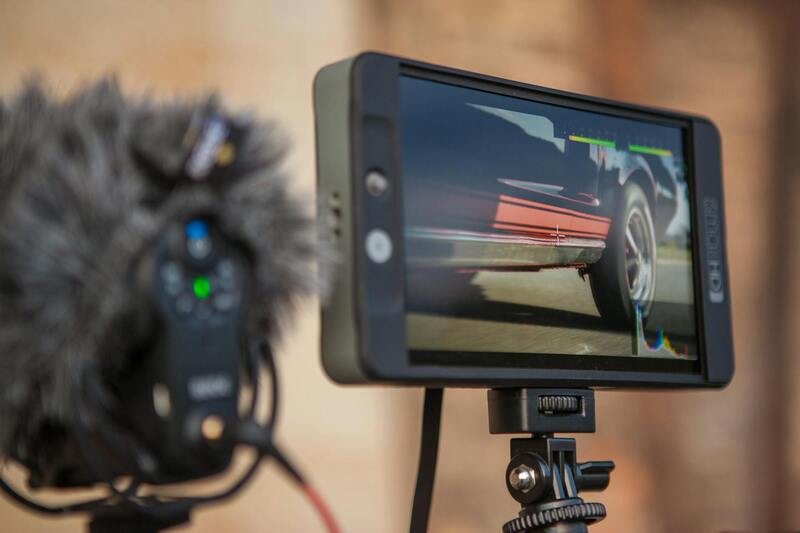
Engaging relevant stakeholders early in the process ensures buy-in and provides valuable insights that enhance content quality. This phase may also include selecting appropriate locations, sourcing equipment, and assembling the production crew. Each step taken during pre-production significantly increases the likelihood of a smooth filming process and a polished final product that effectively communicates the intended message.
Production Techniques and Tips
During production, employing advanced techniques and professional practices enhances the visual appeal and message clarity of the corporate video. Proper lighting, camera angles, and framing are crucial in creating aesthetically pleasing visuals that support the narrative. Using multiple camera setups allows for varied shots, providing flexibility during editing and ensuring dynamic storytelling.
Employing stabilization equipment, such as gimbals or tripods, ensures smooth footage free of shake or jitter. Clear direction from the videographer and production team guarantees actors or presenters deliver authentic performances aligned with the script. Additionally, capturing high-quality audio with external microphones reduces background noise and enhances clarity, making the message more impactful.
Utilizing multiple takes and reviewing footage on-site enables immediate quality control, reducing the need for extensive reshoots. Incorporating B-roll — supplementary footage that complements primary shots — adds depth and variety, making the final video more engaging. Vigilance throughout production minimizes errors and guarantees the footage collected aligns with the initial vision.
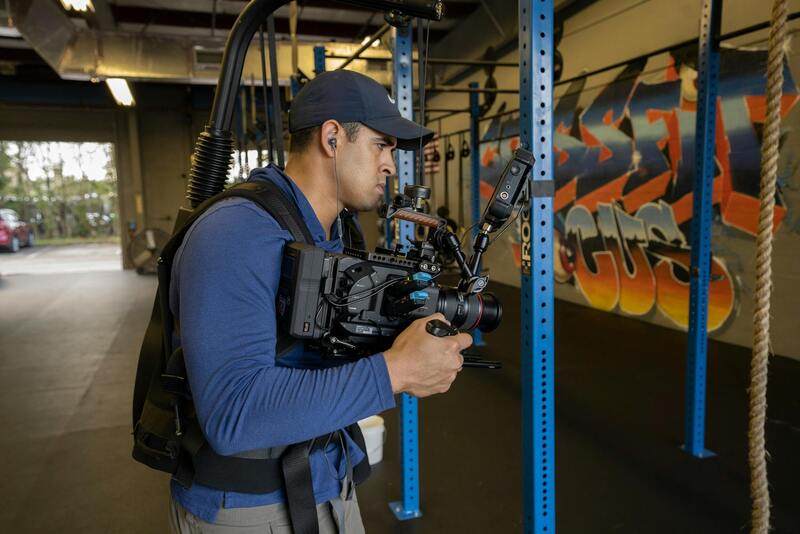
Post-Production and Editing
After filming is complete, the post-production phase takes center stage, transforming raw footage into a polished corporate video. Meticulous editing ensures seamless transitions, appropriate pacing, and visual coherence. Color correction and grading play vital roles in establishing the desired mood and aligning visuals with branding standards.
Sound design, including background music and sound effects, heightens emotional engagement and emphasizes key messages. Incorporating visual effects and graphics enhances clarity, especially when presenting complex data or concepts. Furthermore, consistent branding elements such as logos, color schemes, and fonts reinforce identity and professionalism.
Multiple review rounds, involving key stakeholders, enable refinement and ensure the final product accurately represents the company's message. Specialized editing software facilitates precise adjustments and creative effects, elevating the overall production quality. The goal is to craft a compelling narrative supported by stunning visuals and crisp audio, resulting in an impactful corporate video.
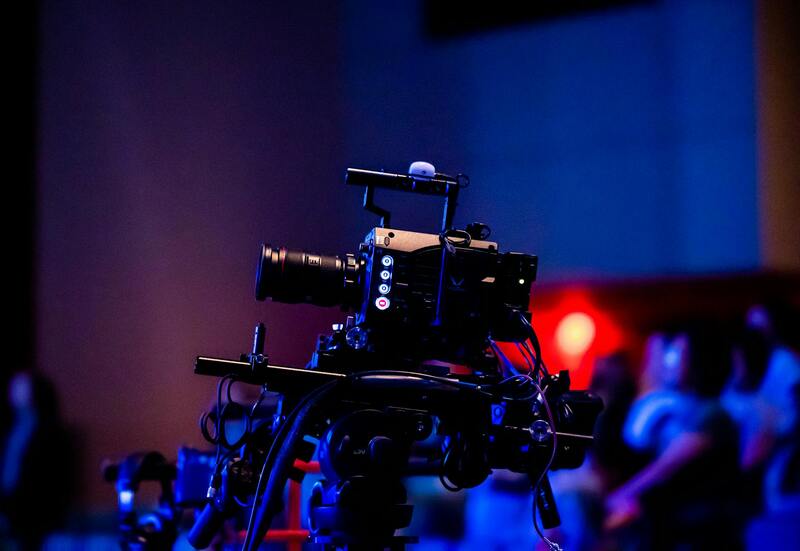
Distribution Strategies for Corporate Videos
Once a corporate video is finalized, implementing a strategic distribution plan is essential to maximize its reach and impact. Focusing on official channels ensures that the content reaches the target audience effectively and maintains the integrity of the brand message. Leverage the company's official website and landing pages, where the video can be embedded to attract visitors and encourage engagement. Optimizing these pages for search engines by incorporating relevant keywords, descriptive titles, and meta tags enhances visibility in organic search results.
Social media platforms are powerful outlets for broadcasting corporate videos to diverse audiences. Share the content across official profiles on LinkedIn, Facebook, Twitter, and Instagram, tailoring the message and format to fit each platform's unique environment. Utilizing platform-specific features such as LinkedIn's native video player or Instagram Stories can boost engagement and visibility. Additionally, developing targeted paid advertising campaigns through these social channels ensures the video reaches specific demographics that align with the company's marketing goals.
Email marketing also plays a significant role in distribution. Incorporate the corporate video into newsletters or personalized email campaigns to key clients, partners, and internal stakeholders. This direct approach fosters a deeper connection and encourages sharing among recipients, expanding the video's reach organically.
Embedding videos in email signatures or on digital press kits further enhances brand exposure through everyday communication channels. For larger corporate events or conferences, integrate the videos into presentations or digital signage to reinforce messaging during live interactions. Hosting the video on official YouTube or Vimeo channels ensures broader discoverability and provides additional metrics for performance analysis. When sharing via these platforms, focus on creating engaging thumbnails and comprehensive descriptions optimized with relevant keywords.
Internal distribution methods, such as intranet portals and employee training platforms, ensure that the video serves its purpose internally, fostering corporate culture and aligning staff with organizational goals. Finally, licensing the video for industry-specific platforms or collaboration with media outlets can expand its reach even further, ensuring it appears in pertinent professional contexts.

Post-Production and Editing
Post-production is crucial in transforming raw footage into a compelling corporate video that aligns with a company's branding and communication objectives. This phase involves meticulous editing, where editors trim unnecessary segments, refine sequences, and assemble the footage into a coherent narrative. High-quality editing not only enhances visual flow but also reinforces the message, ensuring viewers stay engaged from start to finish.
Incorporating visual effects can elevate the professional look of a video, making complex ideas easier to understand through animations, overlays, and motion graphics. Subtle transitions between scenes contribute to a smooth viewing experience, while color grading adjusts the video's tone and mood, aligning it with brand identity.
Music selection plays a vital role in setting the tone and emotional resonance of the message. Choosing appropriate background scores or sound effects enhances engagement and helps communicate emotions effectively. Additionally, clear audio editing guarantees that narration, interviews, and on-screen text are easily comprehensible, avoiding distractions caused by background noise or inconsistent levels.
Brand integration is also essential during post-production. This includes adding logos, taglines, or signature visual elements that reinforce brand recognition. Consistent application of branding across all elements of the video ensures a unified presentation that resonates with target audiences. For businesses aiming for a polished, professional outcome, collaborating with experienced editors who understand corporate storytelling techniques significantly improves the final product.
Advanced editing software, such as Adobe Premiere Pro or DaVinci Resolve, offers a wide range of tools for precise adjustments and creative effects. Achieving a balance between visual appeal and clear messaging is fundamental, as overly flashy effects can detract from the core message. Storyboarding, color correction, and sound design are integrated seamlessly to ensure that the final cut is cohesive and engaging.
Utilizing Official Platforms for Distribution
Maximizing the reach of your corporate videos requires selecting appropriate, authoritative channels for dissemination. Official channels such as your company’s official website, branded social media accounts, and email distribution lists serve as primary avenues to ensure your message reaches your target audience effectively. Embedding videos on a dedicated landing page or in the About Us section enhances visibility and visitor engagement. When videos are hosted on your website, optimize the embedding with responsive design to ensure compatibility across devices, enhancing user experience and retention.

Social media platforms—such as LinkedIn, YouTube, Facebook, and Instagram—are powerful for sharing corporate videos due to their vast user bases and targeted advertising capabilities. Tailor video content to suit each platform's unique format and audience preferences. For instance, shorter, engaging clips perform better on Instagram and Facebook, whereas in-depth videos or executive interviews are suitable for LinkedIn. Incorporating relevant hashtags, compelling thumbnails, and clear calls-to-action can amplify the video's reach and interaction rates.
Email Campaigns and Direct Outreach
Leveraging email campaigns allows for direct communication with existing clients, prospects, and stakeholders. Embedding videos within newsletters or personalized emails not only enriches the content but also increases click-through rates. When planning these campaigns, segment your audiences based on their interests or engagement history to tailor the message suitably. Including a succinct but compelling thumbnail and a concise description encourages recipients to view the video, fostering stronger connections and conveying your brand story more effectively.
In-Person and Digital Presentations
Corporate videos are integral to presentations at conferences, trade shows, and internal meetings. Incorporate these videos into sales pitches or annual reports to illustrate success stories, demonstrate product benefits, or communicate corporate values. Using reliable projection and sound equipment ensures that the video quality remains high and that your message resonates clearly with the audience, regardless of the setting. Digital signage and interactive kiosks in the corporate lobby offer additional opportunities to showcase your videos to visitors and clients, reinforcing your brand identity consistently across multiple touchpoints.
Optimizing the Video for Search Engines
Embedding videos within their respective platforms is just the beginning. To enhance visibility, optimize your video content for search engines through proper metadata, including descriptive titles, detailed descriptions, and relevant tags. Transcribe spoken content to generate subtitles and improve accessibility, which also positively impacts search rankings. Additionally, creating a dedicated video sitemap can help search engines discover and index your videos more efficiently. This comprehensive approach ensures your corporate videos attract organic traffic over time, expanding your reach without ongoing paid advertising.
Implementing Consistent Branding Across Distribution Channels
Maintaining brand consistency when distributing corporate videos is vital for reinforcing brand recognition and trust. Use consistent visual elements such as logos, color schemes, and signature fonts across all channels. Watermarking videos with your logo can serve as a subtle yet effective branding tool without disrupting viewer experience. Furthermore, develop a cohesive messaging strategy that aligns with your overall marketing goals, ensuring that your videos communicate a clear and unified message regardless of the channel.
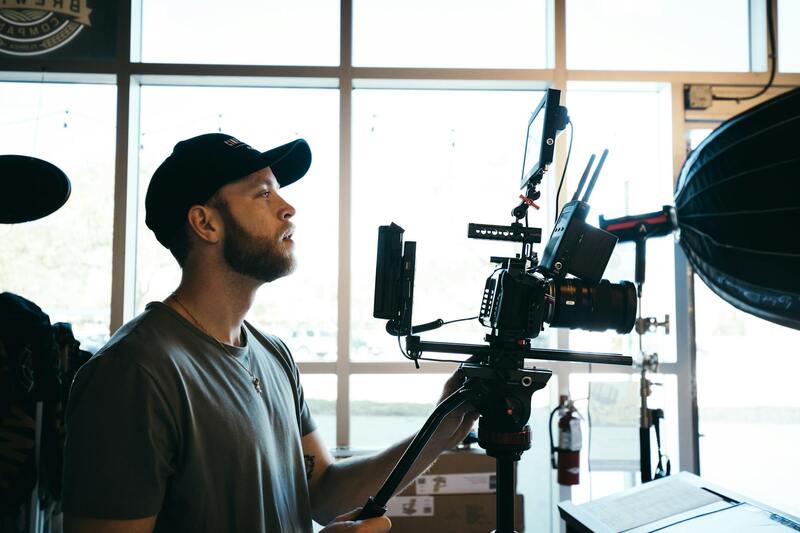
Complying with Official Methods for Producing Corporate Videos
Creating outstanding corporate videos requires adherence to a set of proven, legitimate practices that ensure quality, professionalism, and brand integrity. These methods involve a structured approach encompassing script development, budget management, casting, location scouting, equipment use, and post-production processes. Each step plays a crucial role in delivering a video that resonates with its target audience while maintaining compliance with industry standards.
Script Development and Concept Validation
Establishing a clear, well-crafted script forms the foundation of a successful corporate video. This involves developing a compelling narrative that aligns with your company's core message, target audience, and branding goals. It is essential to validate the concept through internal reviews and stakeholder feedback, ensuring the storyline accurately reflects your company's values and objectives. Relying on professional scriptwriters or content strategists guarantees that language, tone, and messaging stay consistent and impactful.
Budget Planning and Resource Allocation
Effective budget management involves detailed planning of all costs associated with pre-production, production, and post-production phases. This includes expenses for location permits, professional talent, equipment rentals, editing software, and distribution. Adhering to a predetermined budget ensures resource allocation aligns with project scope and prevents overspending. Working with reputable vendors and suppliers also guarantees the use of high-quality equipment and services essential for producing a polished final product.
Casting and Talent Selection
Choosing the right talent is vital for creating authentic and engaging corporate videos. Using official casting channels ensures that actors, presenters, or voice-over artists meet professional standards. This process involves reviewing portfolios, auditioning candidates, and conducting background checks to verify credentials and experience. Securing talent through vetted agencies or unions reinforces professionalism and simplifies contractual negotiations, thereby simplifying compliance with employment practices.
Location and Legal Permits
Securing appropriate locations for filming must follow official procedures, including obtaining necessary permits and agreeing to usage rights. This compliance guarantees that filming proceeds smoothly without legal interruptions and respects property rights. Additionally, ensuring that locations are accessible and suitable for the intended shoot minimizes logistical issues and safeguards everyone's safety during production.
Technical Equipment and Crew Management
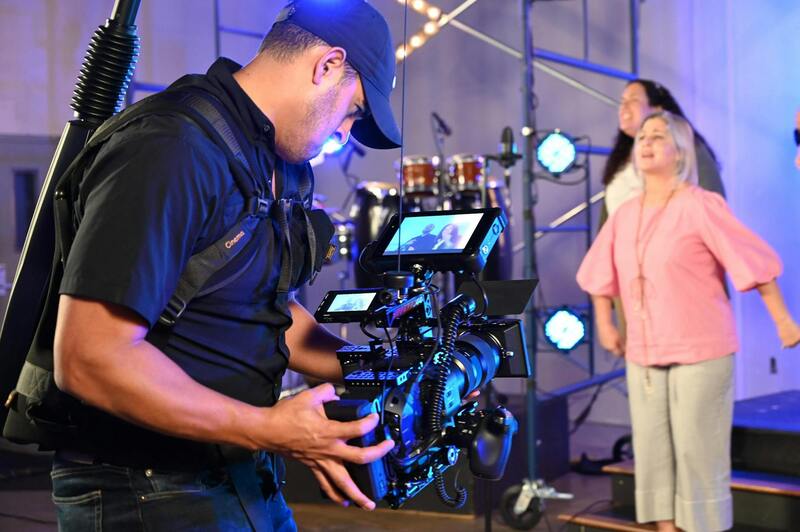
Employing professional-grade equipment—cameras, lighting, sound, and stabilization tools—ensures high-quality footage prepared for official presentation. Working with a certified crew comprised of experienced directors, camera operators, and lighting technicians further guarantees technical precision. Clear project management and communication channels enhance workflow efficiency, prevent misunderstandings, and uphold production standards.
Post-Production Editing and Quality Control
The editing process involves meticulous assembly of footage, sound mixing, color grading, and inclusion of visual effects. Utilizing industry-standard editing software and following established workflows contributes to polished, professional results. Rigorous review sessions with stakeholders allow for constructive feedback, ensuring the final product aligns with objectives and brand guidelines. Maintaining transparent documentation of updates and approvals aids in accountability and quality assurance.
Legal Considerations and Compliance
Throughout the production process, it's essential to retain documentation of permissions, licensing, and contractual agreements. This ensures all content, locations, music, and images are used within the scope of authorized rights. Employing official tracks and visuals obtained through licensing services or stock libraries safeguards against copyright infringements and maintains ethical standards. Clear contracts with all involved parties, including talent and suppliers, further reinforce compliance and protect your company's interests.