Understanding Commercial Video Production Cost: Factors That Influence Your Budget
Commercial video production costs vary significantly based on numerous interrelated factors. Recognizing these elements can help businesses and marketing professionals plan more accurately and allocate resources effectively. When evaluating the potential expenses involved in creating a promotional video, it is essential to consider the scope of the project, the selected location, the cast involved, and the technical and creative complexity of the production.
Scope and Project Size
The breadth of a commercial video directly influences its overall cost. A simple, single-shot promotion may require minimal investment, whereas a multi-scene, high-production-value commercial, with special effects and multiple locations, can substantially increase expenses. The length of the final product also plays a pivotal role; longer videos generally demand more resources, time, and post-production work.
Location and Shooting Environment
Location choices significantly impact production costs. Filming in prime urban areas or iconic spots in Miami may involve higher permits, insurance, and logistics costs. Additionally, indoor versus outdoor shoots requires different equipment and setup considerations, often affecting overall expenses. The accessibility of a location can also influence the amount of time and personnel needed to execute the shoot efficiently.
Cast and Talent
The type and number of talent involved in the commercial influence the budget. Using professional actors or celebrity endorsements can escalate costs due to talent fees, contractual obligations, and associated expenses. Conversely, employing local or non-professional talent can be more cost-effective, but it is essential to weigh this choice against campaign goals and desired production quality.
Production Complexity and Technical Requirements
Advanced filming techniques, special effects, drone footage, and complex lighting setups increase production expenses. The need for specialized equipment, extensive post-production work, and multiple filming days also contribute to higher costs. Additionally, the complexity of editing and color grading to achieve a polished final product impacts the overall budget.
Breakdown of Budget Components
Effective commercial video production requires a detailed understanding of its primary budget segments: pre-production, production, and post-production. Each phase plays a crucial role in shaping the final quality and overall cost of the project.
Pre-Production
This initial stage encompasses all planning activities necessary to set a solid foundation for the shoot. It typically involves concept development, scriptwriting, storyboarding, and location scouting. Securing permits and insurance is also a key part of pre-production, especially in Miami where certain locations demand additional paperwork and compliance. Casting is finalized during this phase, whether selecting professional actors or local talent. Equipment rental reservations and scheduling of filming dates are meticulously organized to prevent delays and ensure efficient use of resources.
Production
The filming process itself constitutes a significant portion of the overall budget. Expenses here include set construction, wardrobe, makeup, and special effects. The size of the crew—ranging from a minimal team to a large crew with specialized roles—directly influences costs. Location fees, outdoor vs. indoor settings, and the need for transportation add further variables. Miami's vibrant environment may require additional logistics, such as securing city permits and managing traffic control, especially when shooting in busy urban areas or at iconic landmarks. The choice of equipment, like high-end cameras, drones, cranes, or steadicams, also impacts expenses. Extended shooting days or reshoots will naturally increase the total cost of production.
Post-Production
Once filming concludes, post-production begins, involving editing, visual effects, color correction, sound design, and music scoring. Advanced editing techniques or incorporation of CGI can significantly elevate costs. Multiple revision rounds are common to align the final product with client expectations, adding time and expense. If the project requires voiceovers, animations, or subtitling, these elements further contribute to the post-production budget. In Miami, using local artists or specialized studios can sometimes influence these costs, especially if high-quality or unique effects are demanded.
Factors Specific to Miami Production Costs
Producing commercial videos in Miami involves unique considerations that can influence overall expenses. The city’s vibrant culture and busy urban landscape provide a wealth of visually appealing locations, but these often come with specific permitting requirements and associated fees. Securing city permits for outdoor shoots in popular districts or at iconic landmarks can add to the budget, especially when coordinating with multiple authorities and scheduling shooting times that minimize traffic disruptions.
Additionally, Miami's diverse architecture and scenic waterfronts offer excellent backdrops but may necessitate specialized equipment to capture high-quality visuals. Drones, aerial cameras, and stabilization gear are commonly used to maximize the city’s stunning vistas, and these tools can increase costs due to hiring licensed operators and ensuring adherence to local drone regulations. Weather considerations, particularly during the hurricane season or hot summers, could introduce scheduling delays or additional protective measures for equipment and personnel, further impacting costs.
Furthermore, Miami’s status as a hub for artistic and media talent can be advantageous, providing access to experienced local crew members and talent. While this can sometimes reduce costs compared to other major markets, high demand for top-tier professionals during peak seasons might lead to increased rates. Transportation and accommodation logistics for out-of-town cast and crew also need to be factored into the budget, especially when multiple shooting days are planned.
Understanding these location-specific factors helps in making informed decisions about shooting logistics, permitting, equipment use, and crew management, all of which are crucial elements that shape the overall commercial video production expenditure in Miami.
Additional Expenses and Contingencies
Beyond the core components of production costs, additional expenses and contingencies significantly influence the overall budget for commercial video projects. These supplementary costs, often unforeseen, require careful planning to prevent budget overruns and ensure a smooth production process.
One of the primary additional expenses encompasses permit and location fees. Miami’s vibrant cityscape and diverse neighborhoods often necessitate permits for filming in public spaces, parks, or private properties. Permit fees vary depending on the location, duration of shoot, and the nature of the content. Securing timely permissions may also involve administrative fees and potential costs for city services or local authorities’ supervision. Establishing clear communication with local agencies and understanding the specific requirements can help in accurately estimating these expenses.
Equipment rental and specialized gear are another significant factor. While standard cameras and lighting setups are usually included in the initial budget, specialty equipment such as aerial drones, underwater cameras, or high-speed capture devices might incur additional rental fees. The necessity for licensed operators and safety measures further amplifies these costs. Weather-related delays, particularly in Miami’s humid and storm-prone seasons, could lead to equipment downtime and rescheduling, thus adding to logistical expenses.
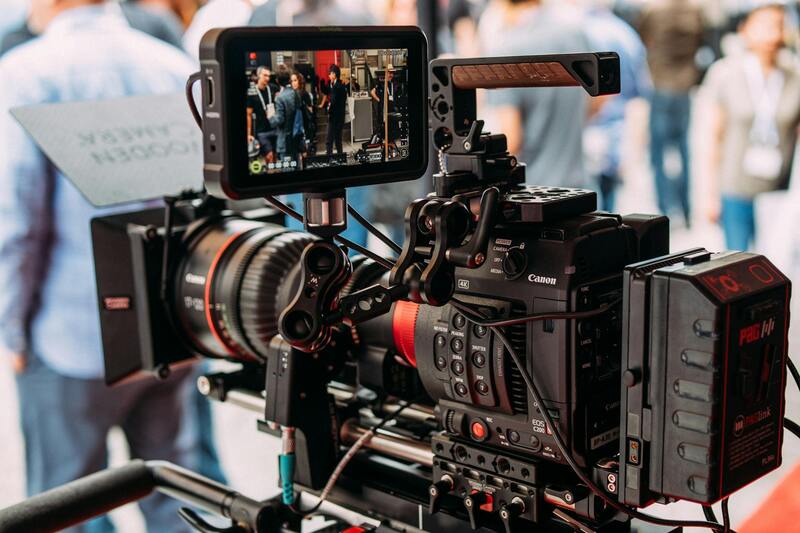
Transportation and accommodation represent another sizeable outlay, especially when shooting is scheduled over multiple days or involves out-of-town cast and crew. Logistics planning should include costs for vehicle rentals, fuel, and lodging, along with daily per diems for staff. Efficient scheduling can mitigate these expenses by consolidating shoot days and locations.
Post-production phase also warrants a contingency budget. Editing, visual effects, sound design, and color grading can often extend beyond initial estimates, especially for high-quality commercial standards. Having a buffer for post-production revisions ensures a seamless final product without compromising quality due to budget constraints.
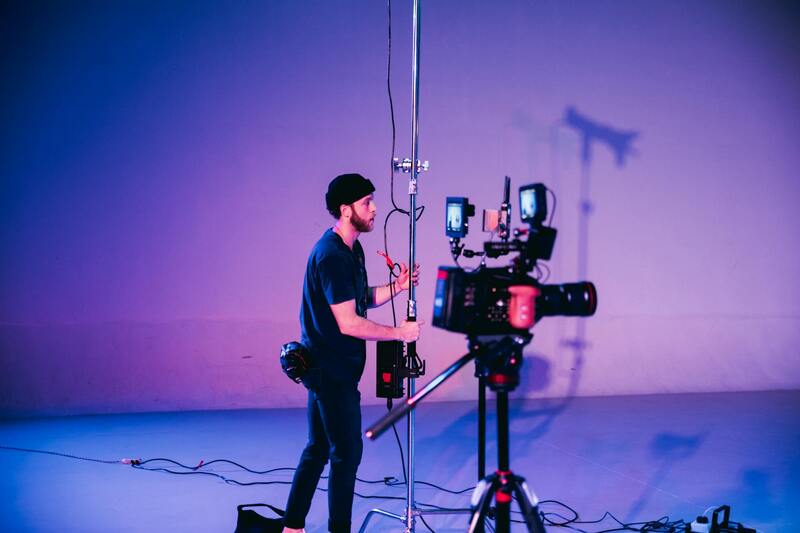
Finally, miscellaneous expenses such as catering for cast and crew, insurance coverage, and safety measures should be incorporated into the contingency planning. Proper financial buffers enable the production team to respond effectively to unexpected challenges, maintaining deadlines and quality standards without risking financial strain.
Thoroughly accounting for these supplementary costs and preparing contingency funds are essential steps in creating a realistic and manageable budget for any commercial video production. Strategic planning in this regard ensures that the project progresses smoothly, within scope, and with the desired creative outcomes, without surprises that could compromise both timeline and quality.
Factors Influencing Production Costs
Commercial video production costs are shaped by a multitude of variables that directly impact the final budget. The scope and complexity of the project, including the script and storyboard intricacies, play a significant role. A straightforward product showcase with minimal motion graphics will generally cost less than a narrative-driven commercial requiring extensive visual effects and advanced cinematography techniques. Additionally, the choice of cast and talent, especially if high-profile actors or models are involved, can considerably raise expenses due to talent fees, agency commissions, and usage rights.
Equipment requirements are another crucial element. Opting for state-of-the-art cameras, lighting setups, and specialized rigging can enrich production quality but often comes with higher rental or purchase costs. The employment of drones, Steadicams, or cranes adds to these expenses but can elevate the visual impact of the commercial.
Location choices influence production costs significantly. Shooting in popular or high-traffic areas may necessitate permits, which are associated with fees and compliance costs. Moreover, the need for secure locations or private properties entails additional costs for location fees, security arrangements, and potential alterations or set dressing.
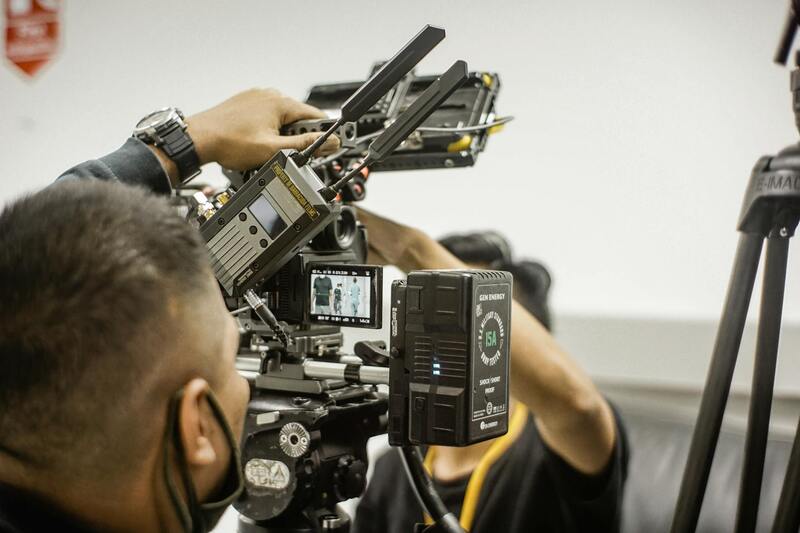
Breakdown of Budget Components
A comprehensive commercial video production budget is typically segmented into several core areas, with each requiring careful calculation and planning:
- Pre-production: Includes script development, storyboarding, casting, location scouting, and planning logistics.
- Production: Encompasses equipment rental, set construction, talent fees, crew wages, permits, and transportation costs.
- Post-production: Covers editing, visual effects, sound design, color grading, and royalty payments for music or stock footage.
- Miscellaneous: Insurance, contingency funds, catering, and miscellaneous expenses necessary for smooth operation.
Allocating funds appropriately across these segments ensures no aspect of the production is underfunded, reducing the risk of delays or quality issues.
Cost Range for Different Types of Commercials
The budget spectrum varies considerably based on commercial type and production scale. For simple, local business promotions, costs can start as low as several thousand dollars, primarily covering minimal crew and basic shooting setups. Medium-scale productions, which involve multiple locations, professional talent, and targeted post-production, generally range from $20,000 to $100,000.
High-end commercials, especially those requiring elaborate sets, special effects, extensive talent, and international shoots, can surpass $300,000 to $1 million or more. These budgets reflect the increased complexity and resource demands typical of brand campaigns aimed at national or global audiences.
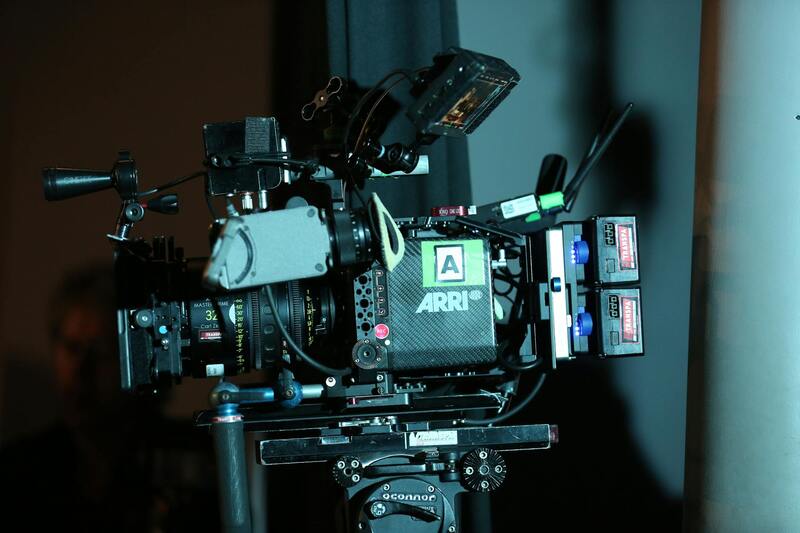
Factors Specific to Miami Production Costs
Miami’s unique environment influences commercial video production expenses in several ways. Its vibrant urban landscape, scenic beaches, and diverse architectural styles offer exceptional filming locations that can add substantial value to a project. However, shooting in high-profile or protected areas often requires detailed permit applications, which include fees and processing times, potentially increasing costs.
The local talent market provides access to a broad pool of skilled actors, models, and crew members, but utilizing well-known personalities or highly experienced professionals can elevate expenses. Equipment rentals are competitive and often more affordable compared to other major hubs, yet specialty gear like underwater camera systems or aerial drone technology may still command premium rates.
Accommodation and transportation are tailored to the city’s layout, with hotels and vehicle rentals accordingly priced. Efficient scheduling to minimize travel and location changes reduces logistical costs. Additionally, Miami’s vibrant culture and unique settings encourage thematic creativity, but this often involves higher set dressing or location-specific accommodations, again impacting overall costs.
Factors Influencing Production Costs
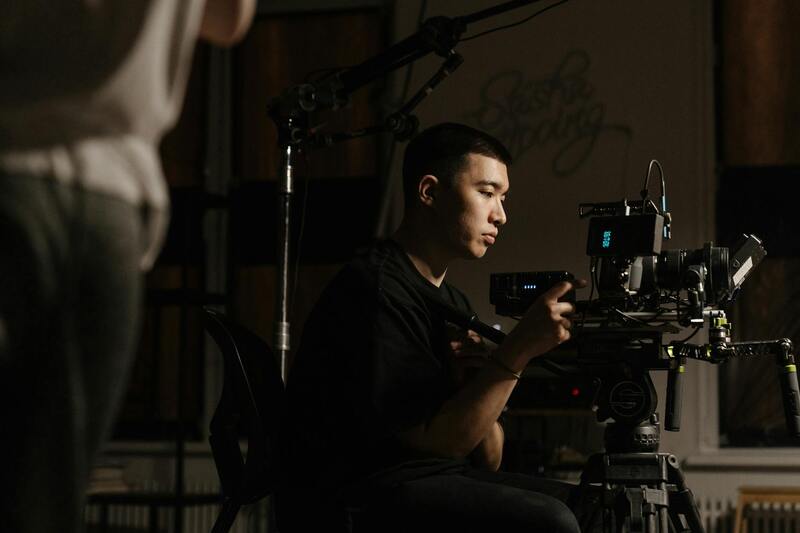
Understanding the elements that impact the cost of commercial video production is essential for creating an accurate budget. Several core factors, such as project scope, production complexity, talent requirements, and location specifics, play a vital role in shaping overall expenses. The scale of the project determines the number of crew members, equipment needed, and shooting days. A high-profile commercial with elaborate sets, special effects, or international talent will invariably require a more substantial investment.
Production complexity also affects costs significantly. For example, the inclusion of advanced camera rigs, drone footage, underwater shots, or CGI elements introduces additional expenses. The need for specialized professionals, such as visual effects artists or stunt performers, further elevates the budget. Additionally, the scope of post-production work—including editing, color grading, animation, and sound design—must be factored in when estimating costs.
Location choices directly influence expenses, particularly when shooting involves permits, location fees, or logistical challenges. Urban centers with high foot traffic or protected sites often have higher permit requirements, adding to the overall budget. The availability and pricing for talent, including actors, extras, and models, are also key considerations. The prominence of Miami’s local talent pool offers affordable options, but premium talent or well-known personalities can significantly increase costs.
Breakdown of Budget Components
Allocating funds efficiently requires a detailed understanding of each component involved in the production process. The primary budget categories include:
- Pre-production: Planning, scripting, storyboarding, location scouting, permits, and casting. This phase typically consumes about 10-15% of the total budget.
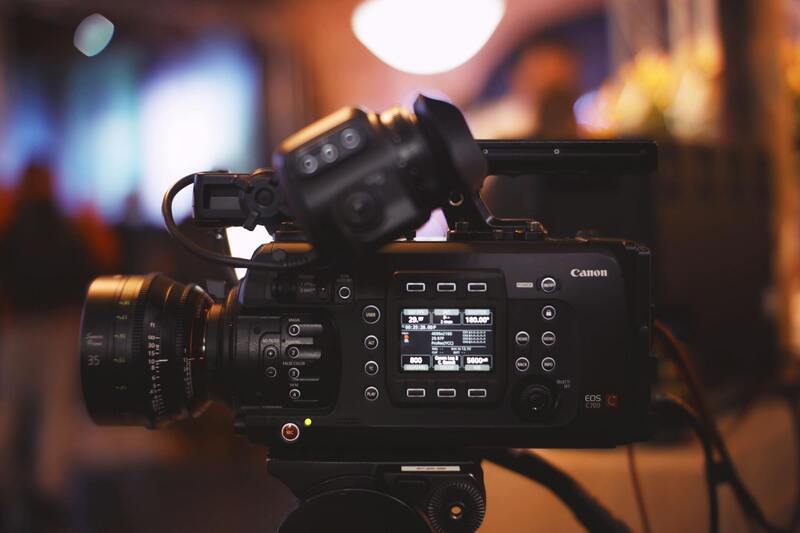
- Production: Includes equipment rentals, set design and dressing, crew wages, talent fees, transportation, and on-location logistics. Often accounting for 40-50% of overall costs, this is the most resource-intensive phase.
- Post-production: Editing, visual effects, sound design, music licensing, and color grading. Post-production can account for 20-25% of the total, depending on project complexity.
- Miscellaneous expenses: Contingency funds, insurance, catering, and miscellaneous logistical costs. It’s prudent to allocate around 10% of the budget to cover unforeseen expenses.
Cost Range for Different Types of Commercials
The investment needed for commercial video production varies widely based on the desired quality and scope. Smaller, local commercials targeting niche markets might fall within a range of $10,000 to $50,000. These projects typically involve minimal location changes, limited talent, and basic equipment.
Mid-range commercials with higher production values, multiple shooting locations, and professional actors can range between $50,000 to $200,000. These projects often include advanced equipment, professional crew members, and more intricate post-production work.
High-end commercials, especially those created for national campaigns or international markets, can exceed $250,000 and reach into the millions. These productions may feature extensive visual effects, original music scoring, celebrity talent, and filming in multiple locations across different regions.
Factors Specific to Miami Production Costs
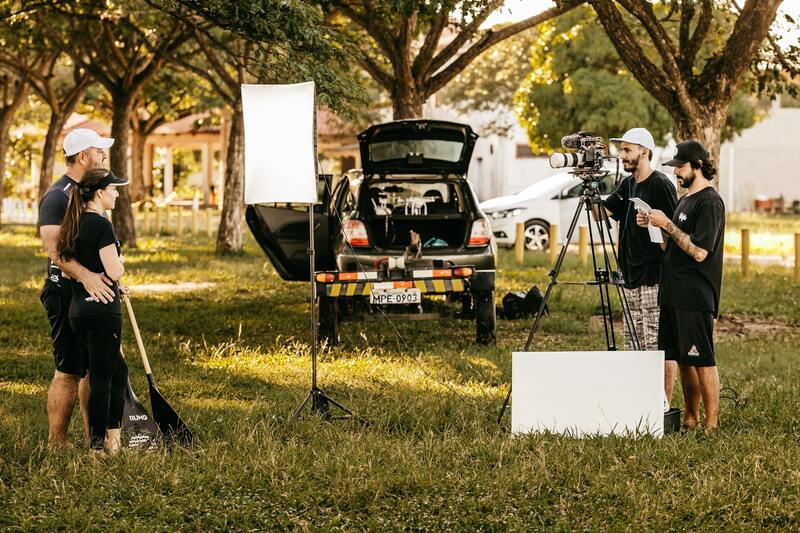
Miami’s diverse environment offers unique advantages for commercial filmmaking, but it also introduces specific expenses. Conducting shoots in popular public areas or iconic landmarks often requires detailed permits and location fees, which can significantly increase the budget. These costs depend on the city's regulations and the duration of filming at each site.
The city’s vibrant talent market provides access to skilled professionals and models at competitive rates. However, securing well-known personalities or specialized experts will raise production costs. Equipment rentals are generally affordable, yet specialty gear such as aerial drones or underwater cameras may command premium rates due to limited local providers.
Logistical costs are tailored to Miami’s layout, where efficient scheduling minimizes trips between diverse locations. Accommodations, transportation, and catering need to be factored in based on the scale of production and the availability of local services. The city’s lively culture and scenic settings can elevate a commercial’s visual appeal but might also require higher set dressing or location-specific adjustments, which influence costs.
Factors Influencing Production Costs
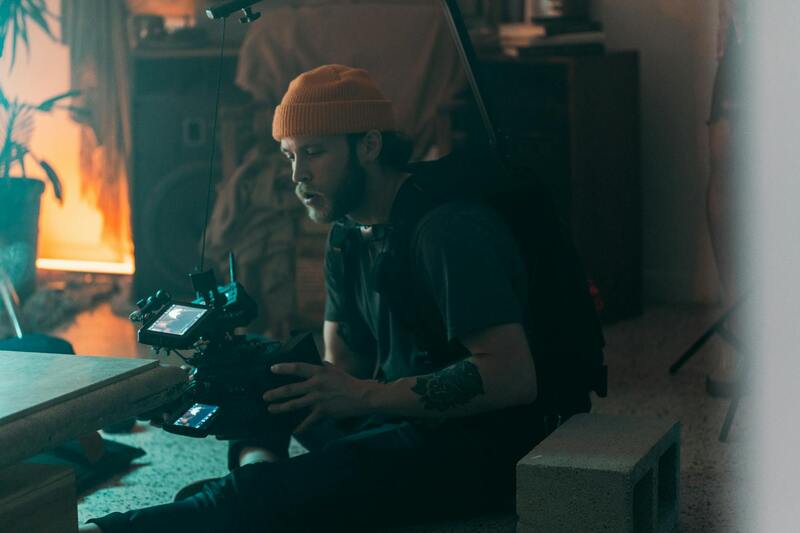
Several key elements play a role in determining the overall commercial video production costs. These factors include the scope and complexity of the project, the talent involved, the choice of locations, technical requirements, and post-production needs. A larger-scale production with intricate visuals, special effects, or high-profile talent naturally incurs higher expenses. Similarly, complex shoots that involve multiple locations, aerial shots, underwater sequences, or specialized equipment demand additional planning, permits, and technical resources, which can significantly drive up the budget.
In addition, the timeline of the project influences costs. Shorter, condensed shoot schedules might reduce some expenses but could require more intensive work and scheduling efficiency, while extended shoots often escalate accommodation, labor, and equipment rental costs. The experience level of the production team also impacts pricing; highly experienced professionals may command higher rates, but their expertise often results in higher quality output, justifying the investment. When considering the target audience and distribution channels, the production may need to meet specific technical standards, affecting both the technical setup and post-production costs.
Breakdown of Budget Components
- Pre-Production: Planning, script development, storyboarding, casting, location scouting, permits, and scheduling.
- Production: Equipment rentals, set dressing, talent fees, crew salaries, location fees, and transportation.
- Post-Production: Editing, visual effects, color grading, sound design, music licensing or scoring, and final delivery.
- Additional Expenses: Insurance, contingency funds, permits, specialized gear, and reshoots if necessary.
Cost Range for Different Types of Commercials
Commercial production costs can vary widely based on the type and scale of the project:
- Local, Basic Commercials: Typically ranging from $5,000 to $20,000, these productions are straightforward, often featuring simple narratives, minimal locations, and basic post-production.
- Mid-Range Commercials: Usually between $20,000 and $75,000, these include enhanced production values, professional actors, multiple locations, and more sophisticated editing and visual effects.
- High-End or National Campaigns: Budgeting from $75,000 to several hundred thousand dollars, these productions involve top-tier talent, elaborate sets, extensive planning, complex VFX, and extensive distribution strategies.
Factors Specific to Miami Production Costs
Miami’s diverse environment offers distinct advantages for commercial filmmaking, but it also introduces particular expenses. Securing permits for filming in popular public areas or iconic landmarks often involves detailed processes and location fees that can increase the overall budget. These costs are dictated by city regulations, the time of day filming occurs, and the duration of each shoot site stay. Local government agencies may require fees for each location, especially if they are high-traffic or historically significant sites.
The city’s expansive talent market provides access to skilled professionals, models, and actors at competitive rates. However, engaging well-known personalities or highly specialized experts will elevate production costs. Equipment rental rates are generally reasonable, yet specialty gear such as aerial drones, underwater cameras, or motion control rigs tend to carry premium rates due to limited local providers and the need for specialized handling.
Logistical considerations are also paramount. Miami’s geographical layout necessitates efficient scheduling to avoid excess travel or redundant trips, which add to transportation and crew costs. Accommodations, catering, and on-site services must be aligned with the production's scope and duration, influencing overall expenses. The city’s vibrant culture and scenic diversity can enhance visual storytelling but might also require additional set dressing or location-specific modifications, which need to be budgeted accordingly.
Planning and budgeting effectively in Miami involves understanding these unique factors to optimize resource allocation and ensure project success.
How to Plan and Budget for a Commercial Video
Effective planning begins with a detailed project brief that clearly outlines the objectives, target audience, and key messages. From there, a comprehensive budget estimate should account for every phase of production, from initial concept development through post-production and distribution. Collaborating with experienced production professionals familiar with Miami’s market and logistical landscape ensures realistic cost assessments and smooth execution.
Prioritizing essential elements—such as key talent, primary locations, and critical visual effects—allows for strategic allocation of resources. Contingency funds, typically 10-15% of the total budget, should be included to cover unforeseen expenses or adjustments during filming. Establishing a phased payment schedule aligned with project milestones helps maintain budget control and transparency throughout the process.
Cost-Saving Tips for Commercial Video Production
- Opt for fewer locations by selecting versatile sites that can serve multiple purposes.
- Leverage local talent and crew to reduce travel and accommodation costs.
- Schedule shoots strategically to minimize permit fees and location charges.
- Use existing or stock footage when appropriate to limit on-location filming and related expenses.
- Prioritize post-production tasks to avoid costly re-shoots or extensive revisions.
- Negotiate equipment rentals and services in advance to secure better rates.
- Implement a clear project scope to prevent scope creep that inflates costs.
Additional Expenses and Contingencies
When budgeting for a commercial video production, it is essential to account for potential unforeseen expenses that can impact the overall cost. These additional costs often arise from factors beyond initial planning, and neglecting them can lead to budget overruns. Including a contingency fund, typically around 10-15% of the total budget, provides a financial buffer to manage unexpected events and maintain project momentum.
Permits and Location Fees
Securing filming permits is an unavoidable step for locations in heavily regulated areas, including parts of Miami. Permit costs vary depending on the location, duration of the shoot, and the scope of filming activities. Paying for permits in advance ensures compliance and avoids delays or penalties. Location fees may also include charges for exclusive access to sites or specialized permissions, contributing to overall expenses.
Insurance
Comprehensive insurance coverage is vital for protecting all aspects of production. Coverage typically includes liability insurance, equipment insurance, and workers’ compensation. Insurance costs depend on the scale of the project, the types of equipment used, and the number of personnel involved. Investing in adequate coverage safeguards against potential damages, accidents, or liabilities that could incur significant costs if unaddressed.
Legal and Administrative Costs
Legal fees may be necessary for drafting contracts, obtaining rights clearance, or resolving permits and licensing issues. Administrative expenses such as travel, accommodation, catering, and transportation also add to the overall budget, especially for projects requiring extensive logistical coordination within Miami.
Equipment Rental and Technical Expenses
High-quality cameras, lighting, and sound equipment often require rentals, which can be costly depending on the sophistication and duration of use. Additional technical expenses include post-production software licenses, special effects, and animation tools needed to enhance visual storytelling. Advanced equipment and technical services can substantially influence the total production cost.
Post-Production and Distribution Costs
Post-production processes such as editing, color grading, sound design, and visual effects are crucial for delivering a polished commercial. These services may involve significant hours of work and specialized expertise, particularly for high-end edits. Distribution costs, including media placement, online advertising, and broadcasting, should also be factored into the budget to ensure the final product reaches its intended audience effectively.