Understanding Corporate Video Production Pricing
Corporate video production costs encompass a variety of elements that collectively determine the final price of a video project. These costs are influenced by factors such as the project scope, complexity, production quality, and the choice of production team. Typically, costs include pre-production planning, scriptwriting, storyboarding, filming, editing, post-production work, and distribution. Each of these components requires specialized skills, equipment, and resources, which are factored into the overall pricing.
Pricing can vary significantly depending on the scope and objectives of the video. A simple, short promotional clip may incur substantially lower costs compared to a comprehensive company overview or training video that demands multiple shooting days, advanced animation, or special effects. Additionally, the geographical location of the production team, the talent involved, and the equipment required all influence the final price.
Understanding the breakdown of costs helps organizations plan budgets effectively. For example, a basic video shot with minimal locations and a small crew is priced differently than a high-production-value video featuring international locations, professional actors, and specialized equipment. Recognizing these distinctions allows businesses to make informed decisions aligned with their objectives and financial capacities.

Key Elements Affecting Production Costs
Understanding the primary components that contribute to corporate video production prices is crucial for making well-informed decisions and aligning projects with budget constraints. Each element, from initial concept development to post-production, plays a significant role in shaping the final cost structure.
Concept Development and Planning
Successful video projects begin with a solid concept that resonates with the target audience and meets the client’s objectives. Development involves brainstorming sessions, market research, and strategic planning, which require dedicated time and expertise. Effective planning helps streamline the production process, reducing unnecessary revisions and saving costs, but the initial investment for creative development is a key factor influencing the overall budget.
Scripting and Storyboarding
The scripting process translates the brand’s message into a compelling narrative that guides shooting and editing. Well-crafted scripts and detailed storyboards improve efficiency and ensure the final product aligns with branding goals. The complexity of the script, the need for multiple revisions, and the involvement of professional writers all impact the overall cost.
Equipment and Technology
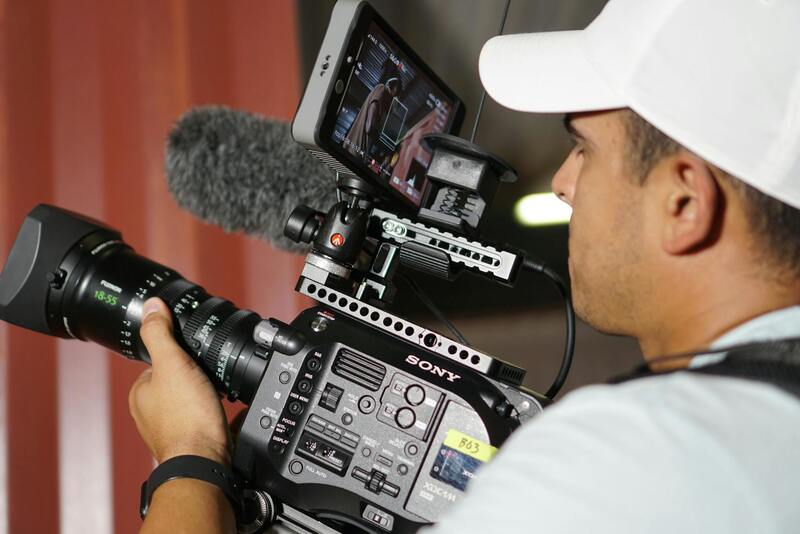
The level of equipment used—such as high-definition cameras, drones, steady cams, and lighting setups—directly affects expenses. Advanced technology can deliver higher quality visuals but often entails higher rental or purchase costs. Additionally, the use of specialized equipment like green screens or motion capture systems can increase costs depending on the project's scope.
Talent and Crew
Qualified talent, including actors, voice-over artists, and the creative team, significantly influence pricing. Experienced professionals demand higher fees but are essential for producing polished and impactful content. The size of the crew, from directors to camera operators and makeup artists, also contributes to the total budget, especially for complex shoots that require multiple personnel across various locations.
Location Costs and Permits
Shooting in different settings often involves location fees, permits, and logistical arrangements. Urban or high-profile locations tend to be more expensive and require additional planning, whereas internal corporate settings might reduce costs but could limit visual diversity. Proper management of permits and scheduling minimizes delays, helping control overall expenses.
Production Schedule and Duration
The length of time required for shooting and post-production impacts costs. Extended schedules increase labor, equipment, and location rental fees. Streamlined workflows and pre-planned schedules help contain costs without compromising quality, but unavoidable delays and revisions can elevate expenses.
Post-Production and Editing
This phase includes editing, color correction, motion graphics, and sound design. Advanced editing techniques and special effects require skilled editors and software licenses, which add to the final price. The level of polish and complexity desired in the finished product directly correlates with post-production costs.

By analyzing these components individually, clients can identify areas where budget adjustments might be necessary or where investment can enhance the project’s impact. A transparent and detailed proposal from a production company ensures all these elements are accounted for, facilitating efficient planning and resource allocation.
Understanding Corporate Video Production Pricing
Accurately determining the cost of a corporate video involves evaluating multiple components that contribute to the total budget. While some expenses are straightforward, others depend on specific project requirements and market conditions. A comprehensive understanding of these aspects enables clients to plan effectively, allocate resources wisely, and achieve their communication goals without overspending.
Breakdown of Cost Components
Corporate video production costs can be segmented into pre-production, production, and post-production phases, each with distinct financial implications. Recognizing what each phase entails helps in assessing where budget adjustments might be necessary and which areas add the most value.
Pre-Production Expenses
Pre-production involves planning, scripting, storyboarding, casting, and location scouting. Costs here include expenses for creative development, licensing rights if necessary, and hiring professionals or consultants. Effective pre-production minimizes the risk of costly revisions later in the process.
Production Expenses
This phase encompasses the on-set activities such as hiring crew, renting equipment, securing locations, and managing logistics. The scale of the shoot directly impacts costs, with more complex setups requiring higher budgets. Additional considerations include special equipment, drone footage, or multi-camera setups that enhance production value but also increase expenses.
Post-Production Activities
Post-production is where the footage is edited, visual effects are integrated, and sound design is finalized. High-end motion graphics, 4K color grading, and custom animations can significantly escalate costs. The complexity and quality expectations determine the investment needed during this stage.

Each of these components involves different levels of resource allocation, and their combined sum shapes the overall price of a corporate video. Transparent communication with production providers and detailed proposals can clarify cost expectations, reducing surprises and ensuring the project remains within budget.
Additional Cost Considerations
- Scheduling and Revisions: Multiple shooting days or extensive revisions after editing can increase costs. Efficient planning and clear communication mitigate unnecessary expenses.
- Usage Rights and Licensing: Incorporating licensed music, stock footage, or proprietary branding elements incurs additional fees.
- Delivery Formats: Final videos in multiple formats, resolutions, or platforms might require extra post-production work, impacting costs.
Cost considerations extend beyond the basic production processes. Clients should also factor in allowances for unforeseen expenses to maintain financial flexibility and safeguard project quality.
Cost Optimization Strategies
To control expenditures, clients should prioritize objectives and streamline their creative vision. Choosing ready-made templates for motion graphics, limiting shooting locations, or using existing assets can reduce overall costs without sacrificing impact. Collaborating with experienced production teams ensures that creative efforts are aligned with budget constraints, optimizing resource use and delivering a professional final product.
Factors Specific to Miami’s Market
Miami's vibrant business climate and its status as a hub for international commerce influence corporate video production pricing in several distinct ways. One of the primary factors is the geographic location, which affects transportation and logistics costs. Filming in iconic areas like Miami Beach or Downtown often requires permits and location fees, adding to the overall expense. These fees are necessary to secure access to popular sites and ensure compliance with local regulations, which can differ significantly from those in other markets.
Additionally, Miami boasts a thriving creative industry with numerous production companies competing for projects. This competitive environment can influence pricing, either by providing multiple options for clients or by driving costs upward in high-demand periods. Regional industry standards also play a role; for instance, higher labor costs and the premium placed on Miami-based talent can impact the overall budget.
Moreover, Miami's diverse cultural landscape inspires unique creative requirements, potentially leading to customized production elements that can elevate costs. When planning a project, understanding these regional nuances helps in crafting a realistic budget aligned with the local market context.
Finally, the seasonality in Miami's market—often related to tourism peaks or major regional events—may influence pricing and availability of production resources. Securing timelines during off-peak periods can be advantageous for cost management.
Understanding Corporate Video Production Pricing
Pricing for corporate video production is a complex process influenced by a multitude of factors that extend beyond simply the duration of the video. To accurately evaluate costs, it’s essential to understand the various components that comprise the overall budget. These include pre-production planning, script development, talent acquisition, location fees, equipment rental, filming, post-production editing, special effects, and final delivery. Each segment carries its own set of costs, which can fluctuate depending on the scope and complexity of the project.
While some projects may demand minimal investment—such as straightforward testimonial videos—others require extensive planning, multiple shooting locations, advanced animation, or celebrity talent. These elements significantly impact the total expenditure, making a comprehensive cost assessment vital before initiating any production activities. Transparent communication with production agencies allows for clearer expectations, enabling clients to allocate budgets efficiently and avoid unforeseen expenses that could derail project timelines.
Key Elements Affecting Production Costs
- Project Scope: Larger, more complex videos naturally demand higher budgets due to additional filming days, script revisions, and post-production work.
- Quality Level: High-end production values, such as 4K filming, professional-grade lighting, and advanced editing, elevate costs compared to simpler video formats.
- Talent and Crew: Hiring experienced actors, voice-over talent, and specialized crew members influences overall expenses, especially in markets where skilled professionals command premium rates.
- Locations: Filming in iconic or restricted areas, especially in a city like Miami, involves permits and location fees that can substantially affect budgets.
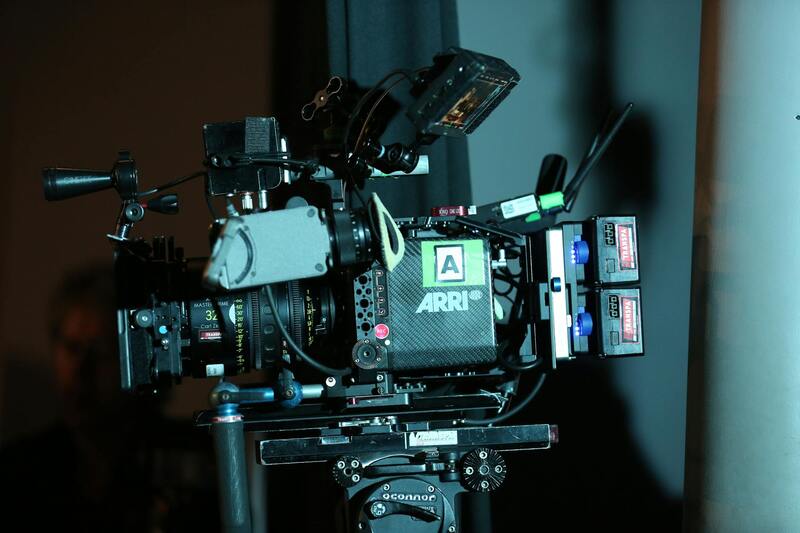
- Equipment Needs: Renting specialized cameras, drones, or lighting gear can add considerable costs, particularly for projects requiring aerial shots or detailed CGI effects.
- Post-Production: Editing, color grading, motion graphics, and sound design are labor-intensive steps that significantly contribute to the final cost.
Types of Corporate Videos and Cost Implications
Different types of corporate videos serve various organizational objectives and thus entail distinct budget considerations. Basic videos, such as internal training or product demonstrations, generally require fewer resources and come at a lower price point. Conversely, sophisticated productions like brand documentaries or executive profiles involve higher investments due to their complexity and production quality standards. Understanding these distinctions assists clients in aligning their expectations with available budgets.
Cost-effective options, when used strategically, can deliver high-impact messaging without exceeding budget constraints. It’s advisable to consult with production specialists who can recommend suitable formats and styles that fit both objectives and financial parameters, ensuring a balanced approach that maximizes value, regardless of the project size.
Average Price Range for Corporate Video Production
Determining the appropriate budget for a corporate video begins with understanding the standard price ranges associated with various production levels. Typically, basic corporate videos such as simple product overviews or internal training clips can be produced at a lower cost. These projects often range from $3,000 to $10,000, depending on scope, duration, and complexity. Such videos tend to utilize minimal locations, limited crews, and streamlined post-production techniques, making them more accessible for organizations with restrained budgets.
For mid-tier productions, which may include promotional videos featuring multiple locations, professional actors, voiceovers, and moderate post-production enhancements, the costs usually fall between $10,000 and $50,000. These projects often serve broader marketing purposes and necessitate a higher level of script development, equipment, and crew specialization. Incorporating elements like drone footage or advanced motion graphics can push costs toward the upper end of this spectrum.
High-end corporate videos, such as executive profiles, extensive brand documentaries, or productions requiring special effects and international shoots, frequently exceed $50,000. These projects are characterized by extensive pre-production planning, high-quality filming equipment, multiple filming days in diverse locations, and complex post-production workflows. The investment in such projects reflects the importance placed on quality, brand image, and audience engagement, ensuring the final product meets high standards and strategic objectives.
It’s vital for organizations to evaluate their objectives alongside these benchmarks to set realistic budgets. While the cost factors vary widely depending on project requirements, establishing a clear scope from the outset enables production teams to provide more accurate and tailored quotes. This approach helps prevent surprises during production and ensures the final product aligns with both expectations and financial plans.
Factors That Can Increase or Decrease Costs
When planning a corporate video production, several specific elements can significantly influence the final price. Recognizing these factors allows organizations to understand potential cost variations and make more informed decisions throughout the production process.
Production Scope and Complexity
The breadth of the project is a primary cost driver. A straightforward product demonstration or testimonial with minimal locations and simple filming techniques will generally cost less than a comprehensive brand documentary involving multiple locations, actors, and complex scenes. Increased complexity often necessitates more extensive planning, additional crew members, specialized equipment, and longer shooting schedules, all of which contribute to higher costs.
Location Selection and Logistics
Choosing multiple or geographically challenging locations can drive up costs substantially. In Miami, shooting in iconic settings, historical sites, or waterfront areas might require permits or special arrangements, adding to expenses. Additionally, transportation and accommodation for crew members and talent, especially for extended shoots, must be factored into the budget.
Talent and Crew Requirements
The caliber and number of talent involved influence project costs. Hiring professional actors, voice-over artists, or high-profile spokespersons often entails additional fees. Similarly, the size and expertise of the crew, including directors, cinematographers, lighting technicians, and post-production specialists, will impact overall costs. High-end crews equipped with cutting-edge gear are essential for achieving top-tier production quality.
Post-Production Services
Post-production processes such as editing, color grading, motion graphics, 3D animation, and sound design add complexity and cost. More intricate edits, the inclusion of special effects, and the need for a polished, high-quality final product extend both time and expense. Advanced editing techniques or custom graphics tailored to brand standards also contribute to increased costs.
Equipment and Technology
Utilizing sophisticated filming equipment — such as drone cameras for aerial shots, high-resolution 4K or 8K cameras, steadicams, and cranes — elevates the production value but raises costs accordingly. Similarly, employing cutting-edge post-production software for visual effects or color correction can lead to higher expenses, especially when custom animation or extensive CGI is involved.

Turnaround Times
Urgent deadlines or expedited schedules often incur premium charges. Rushed projects might involve overtime pay for crew, prioritization over other jobs, or extra sessions to meet tight timelines. Conversely, allowing more production time can help control costs and ensure quality.
Quality Expectations and Standards
Higher quality standards require investment in premium equipment, talented professionals, and meticulous post-production work. Clients seeking cinematic visuals or highly polished content should anticipate costs aligning with those expectations. Lower-quality deliverables or simpler projects usually translate into lower expenses.
By understanding these cost-influencing factors, organizations in Miami can better structure their budgets and expectations. Early discussion with production teams about scope, desired outcomes, and logistical considerations will foster transparency, align objectives, and help in devising a realistic financial plan for the project.
Factors That Can Increase or Decrease Costs
When planning a corporate video production, understanding the variables that influence overall costs is essential for creating an accurate budget. These factors can either escalate expenses or provide opportunities for cost savings, depending on the project's scope and specific requirements.
Additional Services and Enhancements
Incorporating add-on services such as professional voice-over, custom animations, motion graphics, or specialized visual effects can significantly impact the final price. These enhancements often require skilled specialists and additional post-production time, resulting in increased costs. Moreover, integrating multilingual subtitles or localized content might necessitate extra talent or translation services, further influencing the budget.
Project Urgency and Turnaround
Deadlines play a crucial role in budgeting. Expedited productions that require rapid turnaround times typically involve overtime pay, prioritization over other projects, and possibly additional crew members. Agencies may impose premium charges for rush jobs to accommodate tight schedules. Conversely, planning ahead to allow sufficient time management can mitigate costs, providing flexibility in crew scheduling and resource allocation.
Complexity and Technical Demands
The complexity of the proposed content directly correlates with production costs. Projects involving multiple shooting locations, advanced drone footage, or complex sets demand more logistical coordination and equipment. Extensive use of CGI, visual effects, or detailed animations also elevates costs. Simpler projects with minimal technical requirements tend to be more budget-friendly.
Logistical Considerations
Location choices influence expenses, especially in a vibrant market like Miami, where certain areas may incur additional permits or logistical challenges. Transporting equipment or personnel to remote or hard-to-access sites can add to the total costs. Additionally, securing permissions or permits for specific locations might involve fees that should be budgeted for accordingly.
Talent and Crew Expenses
Hiring high-caliber professionals, such as experienced directors, cinematographers, and editors, can impact the overall cost structure. Specialized roles, including makeup artists, stylists, and stunt coordinators, contribute to expenses, but they also ensure a higher quality output. Neglecting these details might compromise the final product but can also reduce immediate costs, which could lead to rework and additional expenses later.