
Understanding the Purpose of a Corporate Video
Creating a corporate video is a strategic effort that serves multiple objectives within a business landscape. These videos function as powerful tools to reinforce brand identity, communicate organizational values, and engage target audiences effectively. In today’s digital-first environment, a well-constructed corporate video can significantly elevate a company's visibility and credibility, making it an essential component of modern marketing and communication strategies.
Branding and Identity Building
One of the primary reasons companies invest in making a corporate video is to establish a strong brand presence. These videos often showcase the company's history, core values, and unique selling propositions, helping to differentiate the brand in a competitive marketplace. Consistent messaging through high-quality visuals and audio fosters brand recognition and builds trust with consumers, investors, and partners alike.
Marketing and Lead Generation
Corporate videos are powerful marketing tools that can significantly enhance outreach efforts. Whether used on websites, social media, or at industry events, these videos attract attention, convey complex messages efficiently, and motivate viewers to take action. This could include reaching out for more information, making a purchase, or engaging with the brand on various platforms. Videos that are tailored for specific campaigns help create more personalized interactions, leading to higher conversion rates.
Internal Communication and Employee Engagement
Beyond external audiences, corporate videos play a vital role inside the organization. They are often used for internal communications such as training sessions, onboarding programs, or updates about corporate goals. Engaging visual content can improve comprehension, foster a sense of community, and motivate employees by clearly embodying company culture and expectations.
Content Types and Applications
- Introduction Videos: Featuring company missions, visions, and leadership messages.
- Product Demonstrations: Showcasing features and benefits to prospective clients.
- Testimonial Videos: Highlighting customer experiences to build credibility.
- Event Coverage: Documenting corporate events, seminars, or conferences.
- Training Videos: Providing step-by-step guides for employees and partners.
Ultimately, understanding the core intentions behind making a corporate video ensures that every element—from concept to distribution—is aligned with overarching business goals. This clarity of purpose guides the production process, resulting in a compelling visual message that resonates with audiences and amplifies the company's strategic initiatives.
Planning and Concept Development
Effective planning and thorough concept development are essential steps in making a corporate video that resonates with your target audience and accurately reflects your brand. This phase involves defining clear objectives for the video, whether it’s increasing brand awareness, launching a new product, or internally motivating employees. Understanding the purpose guides every subsequent decision, from scriptwriting to visual style.
Identifying the target audience is equally critical. The message must be tailored precisely to engage viewers' interests, preferences, and expectations. This targeted approach ensures the content remains relevant and compelling, maximizing its impact.
Key messaging forms the core of the concept development stage. It involves crafting concise, persuasive messages that align with your business goals, highlighting unique selling points or core values. Clear messaging delivers a focused narrative, helping viewers quickly grasp the intended message.
Developing a creative concept entails selecting visual and narrative styles consistent with your brand identity. Whether opting for a professional, sleek look or a more casual, energetic tone, the concept should be distinguished enough to capture attention yet cohesive enough to reinforce your brand image. Brainstorming ideas, storyboarding, and visualizing the flow of the video are vital to ensure the final product aligns with your strategic objectives.
A well-crafted creative concept provides a blueprint that directs all subsequent production stages, from scripting to filming, and helps streamline decision-making processes. It also establishes a shared vision among team members, ensuring everyone involved understands the project’s goals and aesthetic direction, thus fostering a cohesive production effort.

Ensuring Official and Secure Methods for Making a Corporate Video
Producing a corporate video involves multiple stages, each requiring adherence to established best practices and operational standards to guarantee a seamless creation process. When considering official methods, it’s essential to depend on reputable resources, licensed services, and authorized personnel, thereby safeguarding the project’s integrity and intellectual property rights.
One foundational step in ensuring legitimacy is engaging with licensed production companies that have demonstrable experience and a comprehensive portfolio of successful corporate videos. These organizations comply with industry standards, employ certified professionals, and utilize appropriate equipment that meet safety and quality regulations. Working with verified vendors minimizes risks related to unauthorized use of content, improper handling of copyrighted materials, and subpar production quality.
Legal compliance also extends to obtaining necessary permits and authorizations for filming locations, especially in public or private spaces with specific restrictions. Official documentation ensures that the shoot proceeds smoothly without disruptions, helps maintain good relations with site owners, and prevents potential legal issues. This process involves coordination with property managers or city authorities, where applicable, to secure filming rights and access.

Intellectual property management is crucial throughout the process. This includes securing rights or licenses for any third-party content incorporated into the video, such as music, images, or footage. Utilizing reputable stock libraries or purchasing licensing rights through authorized channels guarantees content legitimacy and protects against infringement claims.
It's equally important to adhere to industry-standard workflows, which typically involve a clear chain of command and documented approval processes. These official procedures help in maintaining accountability, quality control, and transparency. All stakeholders, from scriptwriters to editors, should sign off on drafts and revisions to confirm alignment with the company's branding and messaging guidelines.
Advancing the project within an official framework also encompasses safeguarding data and digital assets. Implementing secure data transfer methods and storage solutions ensures that sensitive information remains protected against unauthorized access or breaches. Cloud-based platforms with encrypted access controls are commonly employed to facilitate collaboration while maintaining security protocols.
Lastly, maintaining precise documentation of all contracts, licenses, permits, and correspondence not only streamlines project management but also creates an official record of compliance efforts. This documentation is invaluable in case of future audits or disputes, demonstrating the methodical and legitimate approach taken throughout the production process.
By following these official methods—working with licensed professionals, securing proper permits, managing content rights, adhering to standard workflows, and ensuring data security—businesses can produce a corporate video that is not only impactful but also compliant with all operational standards. This approach guarantees a polished, professional output that accurately reflects the company's brand image and adheres to industry norms.
Ensuring Proper Content Rights and Clearances
Securing appropriate permissions is fundamental for maintaining the integrity and legality of a corporate video. This involves obtaining clearances for all elements included in the production, such as music, stock footage, logos, and any third-party content. Engaging with rights holders through formal licensing agreements ensures that the company has the legal right to utilize these assets in its final product. It is crucial to document all permissions and licenses meticulously, including dates, scope, and terms, to create an official record of compliance.
Consulting with legal professionals or content rights specialists can help verify that all necessary permissions are in place before production begins. This process minimizes the risk of copyright infringement claims and ensures the final product is free from legal encumbrances. When licensing music, for example, it’s important to acquire synchronized rights that allow the music to be paired with visual content, and master rights if audio recordings are included. For stock footage and images, licensing agreements should specify usage rights, scope, and duration.
Establishing Confidentiality and Data Security Measures
During all phases of the video production process, safeguarding sensitive information is essential. This includes proprietary business data, internal strategies, branding details, or upcoming product information that may be inadvertently exposed through the video. Implementing secure workflows with restricted access controls ensures that only authorized personnel can view or edit the content. Encryption methods for file transfer and storage further protect digital assets from unauthorized access or breaches.

Distributing content through secure, encrypted platforms allows collaboration while maintaining control over sensitive information. Regular audits of access logs, version control, and clear protocols for data handling reinforce the integrity of the project. Furthermore, having formal agreements with all vendors, contractors, and third-party collaborators regarding confidentiality and data protection underscores the company's commitment to lawful and responsible content management.
Documentation and Record-Keeping
Maintaining detailed records of all contractual agreements, permits, licenses, and correspondence related to the project is a key component of a structured production approach. This documentation provides a comprehensive trail that can serve as evidence of compliance with all procedural standards and operational practices. It also simplifies future audits or reviews by clearly demonstrating adherence to established protocols. Proper record-keeping includes file management, contract archiving, and updates on project milestones, ensuring transparency and accountability at every stage.
Coordination and Communication
Finally, effective communication channels between all stakeholders foster a disciplined, organized workflow. Regular meetings, progress reports, and feedback sessions support clear expectations and scope alignment. Utilizing collaborative platforms with role-based access and version control features promotes official documentation of changes and approvals. This methodical approach not only enhances organizational efficiency but also ensures that the production process adheres to all operational and compliance standards expected of a professional corporate video project.
Executing Production with Official and Certified Methods
Successful corporate video production hinges on adherence to established industry standards and robust operational practices. When moving from pre-production to filming, every action must be governed by well-defined procedures that prioritize quality, safety, and compliance. This involves a clear delineation of roles and responsibilities, structured protocols for on-set activities, and meticulous documentation of all processes.
On-Set Activities and Professional Protocols
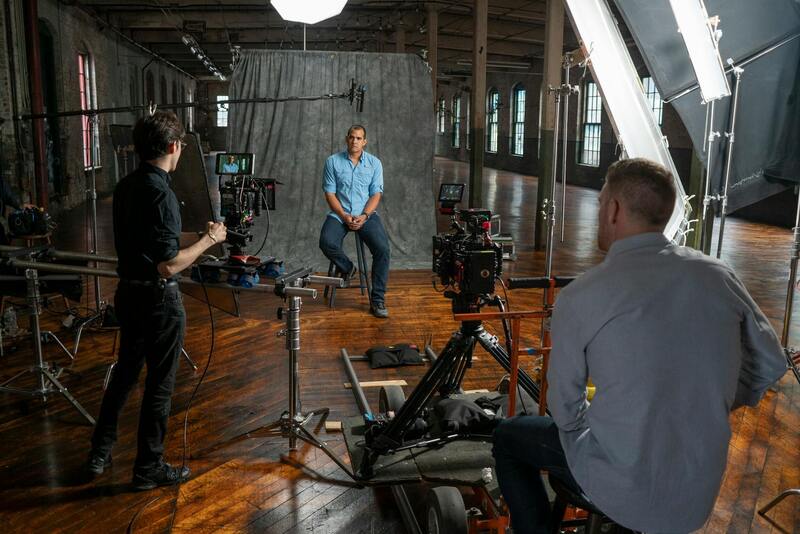
During filming, the focus remains on capturing high-quality footage that aligns with the project’s strategic objectives. Directors orchestrate the sequence of scenes, ensuring each shot adheres to the pre-approved storyboard and technical specifications. Camera operators employ calibrated equipment to achieve sharp, well-composed visuals while adhering to framing and lighting standards. Lighting technicians utilize certified setups to optimize scene ambiance without compromising safety standards or violating industry regulations.
Sound engineers manage recording equipment to ensure clean audio capture, minimizing external noise and maintaining consistent sound levels. All crew members operate under safety protocols mandated by industry guidelines, including the use of approved equipment, safety gear, and adherence to set protocols to prevent accidents or disruptions.
Team Management and Quality Control
Effective management of the production team involves assigning clear roles, establishing workflow schedules, and maintaining open communication channels. Regular check-ins, progress reviews, and real-time feedback promote alignment and swift resolution of any issues. Implementing a chain of command ensures that decisions are made efficiently, and any deviations from the plan are promptly addressed.
Quality control is integrated into every phase of the filming process. Supervisors and producers conduct ongoing evaluations to verify technical accuracy, visual consistency, and adherence to branding guidelines. This rigorous oversight guarantees the final footage meets or exceeds industry standards, reflecting professionalism and attention to detail.
Documentation and Compliance during Filming
Maintaining comprehensive records during shooting—including call sheets, shot lists, daily progress reports, and safety logs—establishes accountability and transparency. All footage captured is systematically archived and cataloged, with secure storage solutions compliant with data management policies. This approach facilitates straightforward post-production workflows and provides clear evidence of procedural adherence across all filming activities.
Furthermore, all necessary permits, location agreements, and contractual documentation should be verified and on hand before filming commences. These official records serve as proof of compliance with operational mandates and ensure that the project adheres to industry-specific standards for on-set conduct and logistical planning.
Post-Production and Editing with Certified Techniques
After filming, the editing phase involves assembling the footage into a cohesive narrative while maintaining fidelity to the company's brand voice and message. Editors employ licensed software tools that comply with industry regulations on digital content handling. Color grading, sound mixing, and visual effects undergo rigorous review processes conducted by qualified professionals who follow established workflow protocols to prevent errors or unauthorized alterations.
Quality assurance is performed through multiple review rounds, with detailed feedback documented to ensure final output aligns with project objectives. Secure file transfer protocols and version control systems guarantee the integrity of the footage and edit iterations, adhering to data security standards.
Distribution and Promotion in a Regulated Framework
Distribution strategies are executed using official channels, such as corporate websites, authorized social media platforms, and approved distribution partners. Implementation of digital rights management measures ensures content integrity, with access controls in place to prevent unauthorized sharing or duplication.
Promotion efforts are grounded in strategic compliance with advertising standards and platform-specific policies, ensuring the corporate video reaches its target audience effectively while respecting all relevant guidelines. Monitoring analytics and engagement metrics helps optimize promotional activities, making data-driven decisions based on legitimate and verifiable sources.

Partnering with a Reputable Miami Production Agency
Collaborating with an experienced Miami-based production agency ensures that every stage of making a corporate video adheres to professional standards and industry best practices. These agencies provide comprehensive solutions that cover legal compliance, technical proficiency, and creative excellence. Their established workflows, official certifications, and network of licensed professionals contribute significantly to maintaining the highest level of operational integrity throughout the project.
By engaging with a certified provider, companies benefit from transparent processes, thorough documentation, and consistent communication, all aligned with relevant industry regulations. This integration not only streamlines the production timeline but also reinforces confidence that the final product is produced responsibly, ethically, and in strict accordance with all applicable standards.
Understanding the Purpose of a Corporate Video
Defining clear objectives is essential when making a corporate video. This step involves identifying the key messages the company wants to communicate and the specific audience it aims to reach. Whether the goal is to enhance brand awareness, showcase products or services, or communicate company values, understanding the purpose guides every subsequent decision. A well-defined purpose ensures that the content remains focused, relevant, and effective in achieving desired outcomes. It also helps in determining the tone, style, and overall storytelling approach suitable for the target demographic.
Clarifying the purpose of the video influences every phase of production, from scriptwriting and visual design to distribution channels. For example, a corporate explainer video meant to educate customers might require simplified language and engaging animations, whereas a corporate culture video aimed at prospective employees might focus on authenticity and employer brand storytelling. Establishing measurable goals at this stage allows the team to evaluate success through specific metrics, such as viewer engagement, lead generation, or brand recognition boosts, ensuring alignment with the overall marketing strategy.
Developing a Strategic Content Plan
Once the purpose is established, developing a comprehensive content plan becomes the next critical step. This involves detailed planning of messaging, visual elements, and the narrative flow. A strategic content plan ensures consistency throughout the video and aligns with the company’s branding guidelines. It specifies the content structure, including key points to be covered, style of presentation, and the call-to-action to guide viewers towards the desired response.
In crafting the content plan, companies must also consider the legal and compliance aspects that govern advertising, marketing disclosures, and industry regulations. Using only legitimate, authorized sources for all content elements, such as licensed music, stock footage, and branded assets, helps avoid issues related to intellectual property rights. An effective plan also incorporates feedback loops, allowing multiple review stages to ensure accuracy, appropriateness, and adherence to legal standards before moving into production.

Ensuring Proper Licensing and Content Acquisition
One of the foundational elements in the legitimate production of a corporate video involves securing the correct licenses for all content used. This includes music, stock footage, images, and any third-party materials incorporated into the final product. Utilizing licensed assets ensures compliance with copyright laws and prevents potential legal disputes that could damage the company's reputation. Professionally sourced music libraries provide tracks that come with the necessary rights for commercial use. Similarly, employing stock footage from reputable providers guarantees that all visual elements are properly cleared for use in promotional content. It is crucial to verify the licensing agreements to understand usage limitations, duration, and geographic rights, thereby maintaining transparency and adherence to stipulated guidelines. In addition to media assets, branded elements such as logos, trademarks, and proprietary visuals should be used in strict accordance with brand guidelines and with explicit approval from relevant stakeholders. This process involves collaboration with legal teams or compliance officers to establish clear parameters for content use.
Creating a comprehensive content checklist before production begins can significantly minimize risks. This checklist should include all licensed assets, confirm rights clearance, and outline the sources of each element, fostering accountability and clarity throughout the project.
Utilizing Approved Scripts and Storyboards
Developing and adhering to approved scripts and storyboards is essential for maintaining content legitimacy. These tools serve as the blueprint for the video, outlining the narrative flow, key messages, and visual cues. They should be reviewed and authorized by designated company representatives or legal advisors to confirm that all statements, claims, and representations are accurate and properly substantiated. Any claims made within the script must be backed by verifiable data or official sources. Avoiding exaggerated or unsubstantiated statements protects the company from potential claims of false advertising or misrepresentation. Employing clear citations or references within the script strengthens credibility and allows for transparent reviews. This stage also involves securing permissions for any proprietary data or quotes included, and ensuring that spoken content aligns with internal policies and industry standards. Maintaining rigorous oversight during script development assures that content remains legitimate and compliant with external regulations.
Formalizing the Review and Approval Process
Implementing a structured review process with multiple checkpoints helps validate that all components of the corporate video meet established standards. This process typically involves content review by legal, marketing, and compliance teams to identify any potential issues related to intellectual property, accuracy, or misleading messaging. Approval workflows should be streamlined with clear sign-off procedures, ensuring that each version of the content is scrutinized thoroughly before proceeding to the next stage. This reduces the risk of errors, unauthorized content, or non-compliant messaging making it into the final product. Furthermore, documenting approvals provides a record that demonstrates due diligence was exercised, which is invaluable in case of future audits or disputes. A well-organized review system enhances the overall legitimacy of the corporate video and supports ethical content practices.
Ensuring Proper Distribution and Promotion Methods for Corporate Videos
Once the corporate video has undergone meticulous post-production refinement and has obtained all necessary approvals, strategic distribution becomes critical to maximize its reach and effectiveness. Deployment should focus on legitimate channels and proven methods to ensure the content reaches the intended audience while maintaining the company's professional integrity and brand reputation.
Utilizing Official Digital Platforms
The primary, bona fide venues for sharing corporate videos include the company's official website, official social media accounts, and reputable video hosting platforms recognized for their credibility and wide reach. Embedding videos directly on the corporate website provides visitors with immediate access where they can learn more about the company's offerings, values, and mission. This approach not only enhances user engagement but also supports SEO efforts by increasing dwell time and reducing bounce rates.

Publishing content on reputable platforms such as YouTube or Vimeo can further extend the video's reach. These platforms offer robust analytics tools, enabling companies to assess viewership metrics, viewer demographics, and engagement patterns to refine future marketing strategies. Using these established channels ensures the video is accessible to a broad audience while adhering to platform policies and community standards.
Targeted Email Campaigns and Direct Outreach
For a tailored approach, integrating the corporate video into email marketing campaigns directed at specific client segments, stakeholders, or prospects proves highly effective. Personalized messaging accompanying the video can reinforce key messages, foster stronger relationships, and promote transparency. Carefully crafted email content that aligns with industry regulations ensures the approach remains trustworthy and professional.
Engaging Through Industry Events and Official Presentations
Incorporating the corporate video into live presentations at industry conferences, webinars, or corporate events provides authentic opportunities for targeted exposure. When paired with official schedules and invitations, this method guarantees that the content is presented in a controlled environment where its message is reinforced by credible presenters and supported by official documentation.
Leveraging Partnerships and Sponsored Content
Forming strategic partnerships with industry associations, chambers of commerce, or media outlets allows for co-branded opportunities to showcase the corporate video. Engagement through reputable publications or partner networks guarantees the dissemination of accurate, high-quality content while leveraging established trust with the audience.
Monitoring and Measuring Performance
Implementing comprehensive tracking enables the company to evaluate how the corporate video performs across various platforms and channels. Data collection from embedded videos, email analytics, and social media insights provide valuable feedback, guiding future content development and distribution tactics. Maintaining detailed records of these performance metrics demonstrates accountability and supports ongoing content legitimacy efforts.
Every distribution strategy should be complemented by adherence to copyright policies, licensing agreements, and platform guidelines. Ensuring that all promotional activities are carried out through legitimate channels sustains the company's reputation and demonstrates a commitment to responsible content sharing. Regular audits of distribution processes offer opportunities to verify compliance and uphold the integrity of the corporate message.