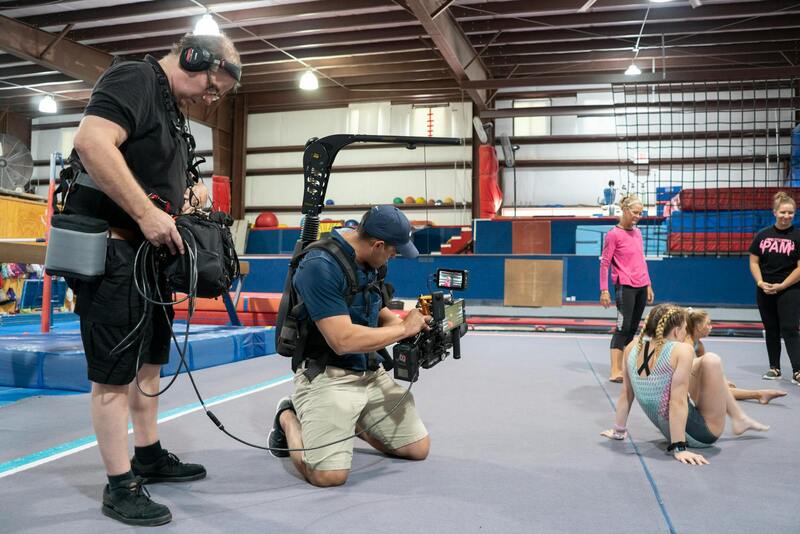
Understanding Corporate Video Production Costs: Factors Influencing Your Investment
Creating a corporate video is a strategic investment that requires careful planning and budgeting. The overall costs involved are influenced by a variety of factors, including the scope of the project, its complexity, and the desired quality. Accurately estimating these costs is essential for organizations aiming to maximize their ROI while ensuring the final product aligns with their brand standards and messaging objectives.
Factors Affecting Production Costs
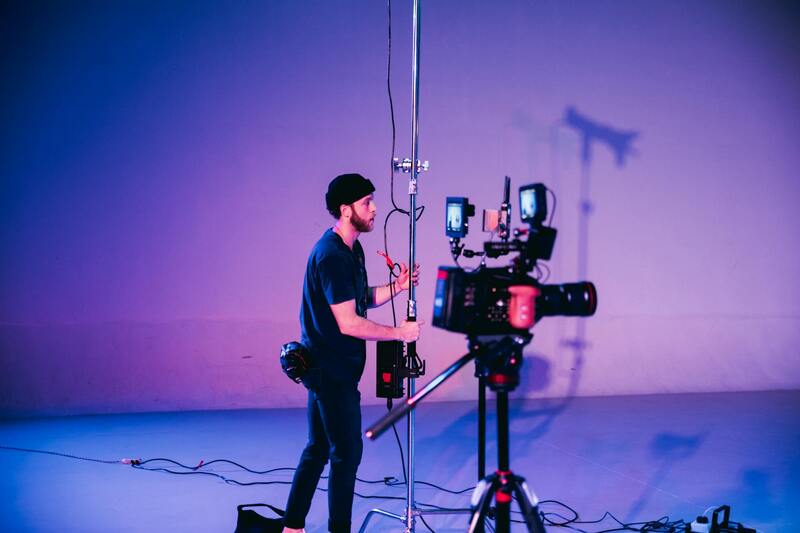
Several core elements directly impact the total expense of producing a corporate video. These factors can be broadly categorized into project scope, complexity, equipment and technology needs, and quality expectations. The greater the scale and intricacy of a project, the higher the financial investment required.
Project Scope and Duration
The length and breadth of the video significantly influence costs. A short promotional clip might involve minimal filming and editing, whereas a comprehensive corporate overview with multiple scenes, interviews, and animations entails longer production timelines and more resources. Extended projects also demand more planning, coordination, and post-production work which adds to overall expenses.
Content Complexity and Creative Elements
Integrating advanced graphics, motion animations, special effects, or specialty shooting techniques increases production costs. Complex storytelling or high-end visual effects require more nuanced editing, specialized equipment, and skilled personnel, all contributing to a higher budget.
Quality Requirements and Production Standards
The desired quality level influences equipment choices, crew expertise, and editing processes. High-definition footage, cinematic visuals, and premium sound design elevate professional standards, translating into increased costs. Conversely, simpler productions with standardized resolutions tend to be more budget-friendly.
Use of Equipment and Technology
State-of-the-art equipment, including drones, 4K cameras, and professional lighting setups, enhances production value but also adds to expenses. The choice of technology must align with project goals and quality expectations, balancing budget constraints against visual impact.
Post-Production and Editing
The editing phase involves color correction, sound editing, animation, and sometimes voice-over work. More detailed editing processes and tailored visual effects require additional time and skilled labor, influencing overall costs.
Summary
Understanding these fundamental factors helps organizations allocate appropriate budgets and set realistic expectations for their corporate video projects. While each project varies, a clear grasp of these elements facilitates strategic decision-making, ensuring the final product meets branding, communication, and engagement objectives without exceeding financial constraints.
Breakdown of Common Cost Components
When evaluating the total investment in corporate video production, breaking down the costs involved provides clarity and helps in effective budgeting. Typically, expenses are segmented into several core areas, each contributing uniquely to the final price.
- Pre-Production: This initial phase encompasses scripting, storyboarding, location scouting, casting, and obtaining necessary permits. Investment in pre-production ensures a clear plan, reducing unforeseen expenses during filming.
- Filming: The actual shooting involves costs related to crew, talent, equipment, and location fees. More complex scenes requiring multiple setups, special effects, or advanced technology increase shooting duration and expenses.
- Post-Production: Editing, color correction, sound design, animation, and visual effects fall into this category. Detailed editing and high-quality finishing demand skilled labor and specialized software, raising costs.
- Additional Services: Voice-over recordings, subtitles, motion graphics, and compliance with branding standards are often added services that influence the overall budget. These elements enhance message clarity but require extra resources.

Understanding these fundamental components allows companies to allocate resources effectively and identify areas where cost efficiencies can be achieved without compromising quality.
Impact of Production Quality on Costs
The level of production quality significantly influences the overall budget. Investing in high-definition footage, cinematic visual techniques, and top-tier sound equipment elevates the production value but also adds to the expenses. Advanced camera systems, such as 4K or 8K resolutions, require specialized equipment and experienced operators, which inherently increases costs. Similarly, employing professional lighting and stabilization gear ensures visual consistency and professionalism but involves higher inventory and labor costs.
High-quality productions often necessitate the use of talented professionals—such as directors, cinematographers, and sound engineers—whose expertise translates into a polished, impactful final product. While this elevates project costs, it also boosts viewer engagement and credibility, delivering better returns on investment.

Conversely, simpler productions utilizing standardized resolutions, fewer visual effects, and minimal post-production editing can be produced more economically. These options suit organizations seeking cost-effective solutions while still maintaining essential messaging standards.
Cost-Saving Strategies for Companies
Achieving quality outcomes within budget constraints requires strategic planning. Several tactics can optimize production costs without sacrificing effectiveness:
- Pre-Planning and Clear Objectives: Well-defined goals reduce on-set adjustments and re-shoots, saving both time and money.
- Limiting Locations: Using fewer sites or utilizing existing company spaces minimizes location fees and logistical challenges.
- Streamlining the Crew: Hiring a versatile team or reducing personnel to essential roles can lower labor costs.
- Utilizing Existing Assets: Incorporating in-house talent, equipment, or venues can significantly cut expenses.
- Balancing Quality and Budget: Selecting technology and services that match project goals helps prevent overspending on unnecessary high-end features.
Implementing these strategies allows companies to produce compelling videos that meet branding standards without exceeding financial limits.
Regional Pricing Factors in Miami
Regional considerations play a crucial role in shaping production costs. The Miami market, known for its vibrant visual culture and diverse shooting locations, offers both opportunities and challenges. Local talent, equipment rentals, and location fees tend to reflect regional market rates, which can vary based on demand and availability.
Pricing differences in Miami arise from factors such as high living costs for crew members, limited availability of specialized equipment, and competitive bidding among production agencies. Selecting experienced local partners can provide cost efficiencies, leveraging established relationships and regional knowledge to streamline processes and reduce unexpected expenses.
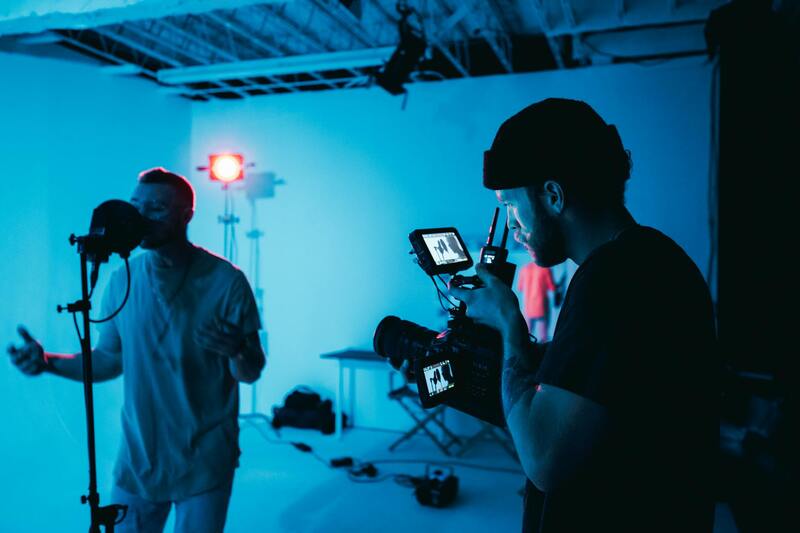
Furthermore, understanding regional permit requirements, traffic considerations, and logistical nuances can help in planning a budget that accounts for possible additional expenses, ensuring a smooth and cost-effective production process.
Impact of Production Quality on Costs
The level of production quality directly correlates with overall costs in corporate video production. Higher-quality videos often require advanced equipment, skilled personnel, and meticulous post-production work, all of which contribute to increased expenses. For example, shooting with 4K or higher resolution cameras, utilizing professional-grade lighting and sound equipment, and employing experienced directors and cinematographers elevate the production value but also add to the budget. Additionally, the complexity of special effects, advanced animation, or premium editing techniques can significantly influence costs. A straightforward interview-style video may incur lower expenses, whereas a cinematic corporate narrative with multiple locations, drone shots, and elaborate visual effects will naturally push the budget upward. Companies aiming to maintain a balance between cost-efficiency and visual impact must carefully strategize their quality expectations based on their brand standards and target audience. Investing in higher production quality can lead to a more polished final product that resonates more effectively with viewers, enhancing brand perception and engagement. Nonetheless, understanding the specific goals and audience preferences allows organizations to allocate funds appropriately, ensuring the investment aligns with the intended message and desired brand image. Opting for scalable solutions—such as utilizing existing assets, leveraging efficient filming techniques, and focusing on core message delivery—can help maintain high standards without unnecessary expenditure. Strategic planning around the desired outcome ensures that quality enhancements serve the project's objectives without exceeding financial constraints.

Detailed Factors Influencing Corporate Video Production Costs
Understanding the various elements that contribute to the overall expense of corporate video production is essential for developing an accurate budget. Several critical factors play a role in determining the final costs, including project scope, location choices, equipment requirements, talent and crew fees, and post-production complexity.
Firstly, the scope of the project heavily influences costs. A simple testimonial or explainer video that involves minimal locations, basic filming techniques, and straightforward editing generally costs less than a comprehensive brand narrative or product launch video. Larger projects that encompass multiple scenes, actors, or detailed animations will require a higher investment.
Location selection also impacts costs significantly. Shooting in a busy urban area, such as Miami, often necessitates permits and associated fees, curtailing additional expenses related to transportation and logistics. Filming in remote or high-demand locations may involve extra costs for travel, accommodations, and extended shoot days.
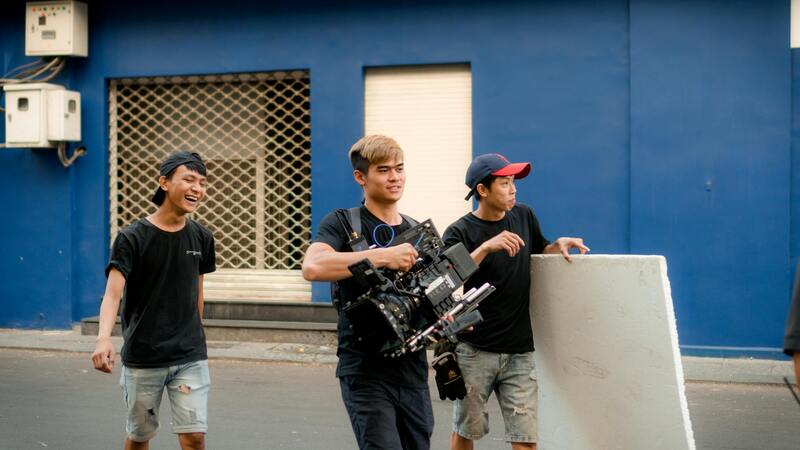
Equipment needs are another major cost component. High-definition cameras, professional lighting, sound recording devices, and specialized camera rigs, including aerial drones, entail substantial rental or purchase costs. Additionally, employing top-tier editing software and visual effects tools further enhances post-production costs.
Crew and talent fees are a substantial part of the budget, particularly when hiring seasoned directors, cinematographers, makeup artists, actors, or voice-over artists. The level of expertise and experience required for the project can directly impact overall expenses. For instance, high-profile industry professionals demand higher remuneration, which should be factored into planning.
Post-production processes such as editing, color grading, sound design, and visual effects can significantly alter the cost structure. Complex animation sequences or the integration of advanced special effects can extend timelines and increase labor costs. Even the choice of music licensing or custom soundtrack can influence the budget.
Additional Cost Drivers and Budgeting Tips
- Pre-production planning: Comprehensive planning minimizes unforeseen expenses and delays during filming.
- Storyboarding and scripting: Well-prepared scripts help streamline filming, reducing time and costs.
- Duration of filming: Longer shoots require more equipment rental, crew wages, and location fees.
- Post-production complexity: Simplifying visual effects and editing techniques can control costs while maintaining message clarity.
- Reuse of assets: Incorporating existing footage, graphics, or branding elements can significantly reduce expenses.
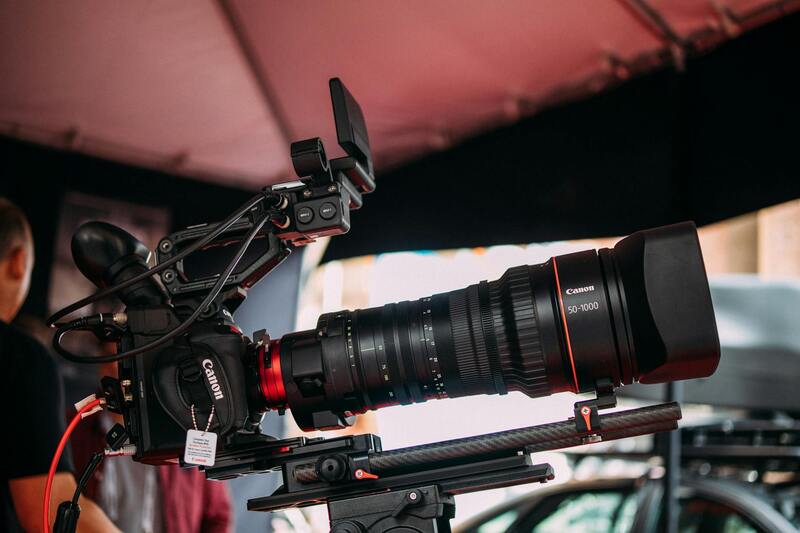
To ensure the project stays aligned with budget expectations, it is advisable to engage in detailed planning and transparent communication with your production partner. A clear understanding of priorities and desired outcomes will guide decisions on where to allocate resources most effectively, thus achieving a balance between quality and expenses that best suits the company's strategic goals.
Regional Pricing Factors in Miami
When planning for corporate video production costs in Miami, understanding regional pricing nuances is essential. Local market conditions, availability of production talent, and logistical considerations influence overall expenses. Miami's vibrant media industry offers a diverse pool of experienced professionals, yet their rates reflect the high demand for quality production services in the area. In addition, cost variations can arise from the proximity to popular filming locations, which may attract premium fees due to demand. Transportation, permit fees, and local taxes further contribute to regional cost differentials, necessitating detailed budgeting to avoid surprises.
In Miami, some specific factors may elevate costs, such as the need for specialized equipment or permits for shooting in bustling urban environments or renowned landmarks. These location-based expenses should be integrated into the initial budget estimates. Moreover, Miami's diverse climate can influence scheduling and production timelines, especially if outdoor shoots are planned during peak hurricane season or high-temperature months, which can affect crew availability and equipment safety, impacting overall costs.

To optimize costs, companies should consider leveraging local vendors and location-hire companies that have established relationships with regional authorities. Employing local talent not only reduces transportation and accommodation expenses but also benefits from their familiarity with local regulations and logistical needs. A thorough understanding of Miami's permitting procedures and scheduling flexibility can prevent delays and extra fees, ensuring smoother project execution within the intended budget.
Factors Influencing Production Costs in Corporate Video Projects
Understanding the various elements that impact the overall corporate video production costs is essential for aligning project expectations with budget constraints. These factors encompass a range of variables including project complexity, desired production quality, location considerations, and post-production requirements. Each component can significantly alter the final expenditure, making meticulous planning and clear communication with production teams crucial to avoid unexpected expenses. For instance, the scope of the project—whether a simple testimonial video or a high-end brand documentary—directly correlates with resource allocation and labor hours, thus influencing total costs.
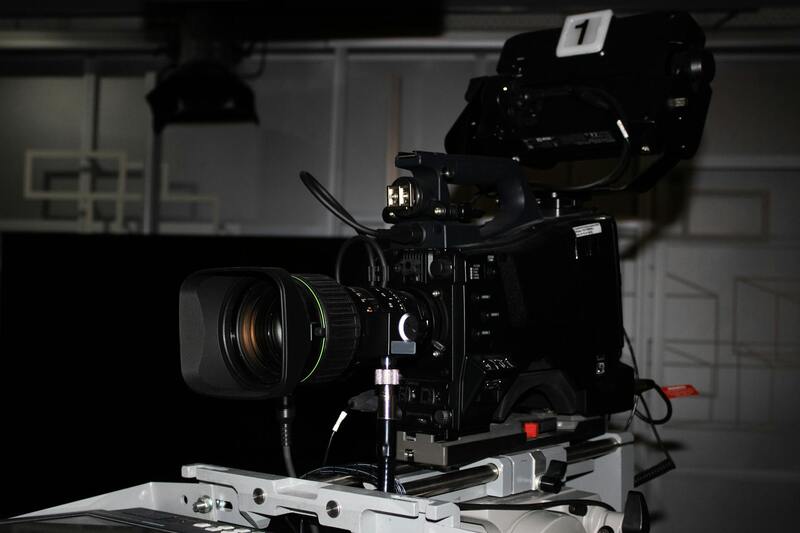
Breakdown of Common Cost Components
When budgeting for a corporate video, it’s critical to identify and itemize the core expense categories. This breakdown typically includes pre-production, production, and post-production costs. Pre-production encompasses activities such as script development, storyboarding, casting, scouting locations, and obtaining necessary permits. These preparatory steps lay the groundwork for a smooth filming process and can account for a notable portion of the budget depending on project complexity.
Production costs cover the actual filming process, including hiring crew members like camera operators, lighting specialists, sound engineers, and directors. The use of specialized equipment, such as drones or high-end camera rigs, can further elevate expenses. Additionally, logistics costs—such as transportation, accommodation (if needed), and location fees—must be incorporated into the budget.
Post-production involves editing, visual effects, sound design, music licensing, voice-overs, and final delivery. Depending on the level of polish required, post-production costs can vary significantly. Effective management of each stage ensures a realistic budget aligned with project goals.
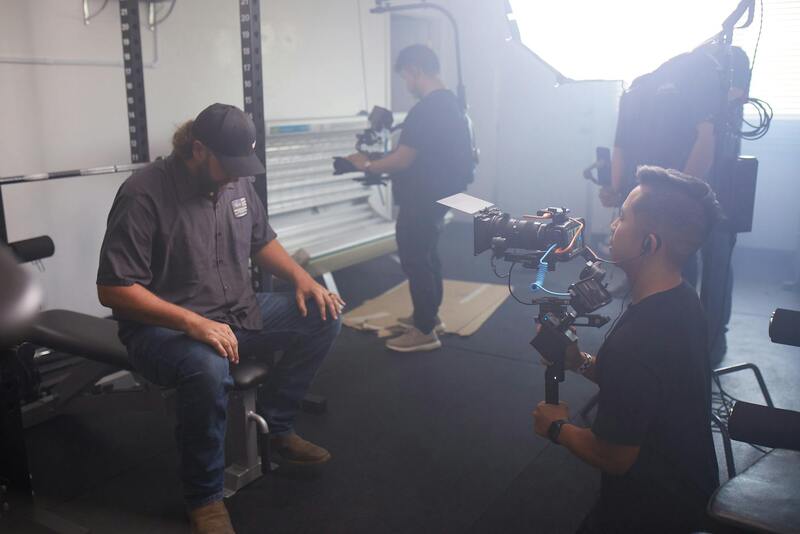
Budget Ranges for Various Types of Corporate Videos
The investment needed for corporate videos varies widely based on their scope and production value. Basic or explainer videos, often simple animations or straightforward shoot-and-edit projects, tend to fall within a more accessible budget range, typically starting at a few thousand dollars. These are suitable for internal communications, training, or product demonstrations where high-end production quality isn’t imperative.
Mid-range corporate videos, such as client testimonials or more polished marketing content, usually require a higher investment—ranging from $10,000 to $50,000—due to increased filming complexity, talent, location needs, and post-production refinement.
High-end corporate productions, including brand documentaries, promotional campaigns, or videos utilizing advanced visual effects and multiple shooting locations, can exceed $100,000. These projects often involve extensive planning, a large crew, and sophisticated equipment to achieve the cinematic quality expected for high-profile campaigns.

How Production Quality Impacts Cost
The level of production quality directly correlates with costs, as higher-quality videos demand more skilled personnel, advanced equipment, and meticulous post-production work. Crisper visuals, superior lighting, and seamless editing enhance the professional look but require investment in top-tier technology and experienced talent. For example, incorporating multiple camera angles and aerial shots with drones adds to both production time and expenses but can dramatically elevate the final product’s visual impact.
Moreover, the choice of talent—whether hiring professional actors or using company staff—also affects budget. Experienced voice-over artists or on-camera talent with high profiles typically command higher rates, contributing to overall production costs. Pursuing a quality-centric approach ensures your message resonates effectively, but it’s vital to balance these aspirations against the available budget to optimize resource allocation without compromising key messaging goals.
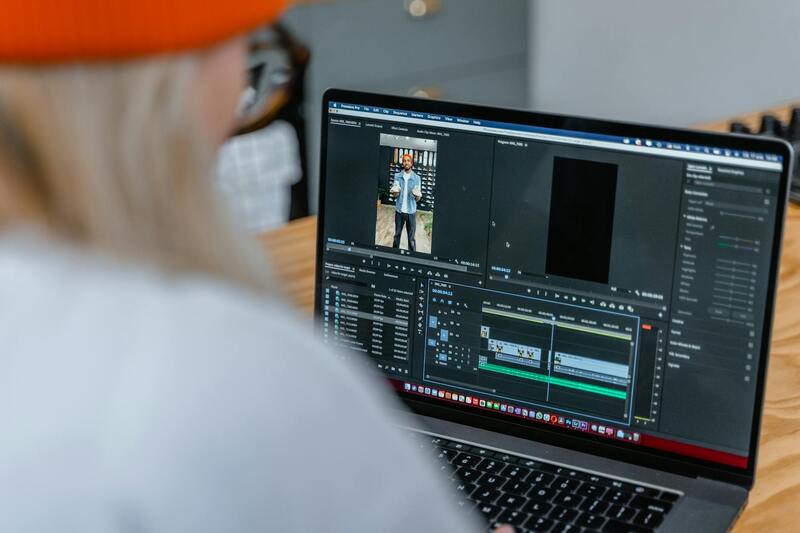
Strategies to Optimize Corporate Video Costs Without Sacrificing Quality
While maintaining high standards for corporate videos is achievable within a set budget, strategic planning and resource management are essential. Leveraging local talent and vendors familiar with Miami’s filming environment can minimize logistical costs and streamline operations. For example, partnering with regional production specialists can expedite permits, reduce transportation expenses, and ensure access to suitable locations without premium charges.
Implementing efficient scheduling practices minimizes downtime and optimizes crew and talent utilization. Pre-visualization techniques, like detailed storyboards and shot lists, reduce the need for multiple retakes, saving time and money during production. Additionally, opting for scalable equipment packages—using high-quality but cost-effective gear—can strike a balance between aesthetic appeal and budget constraints.
Post-production workflows can be optimized through careful planning and clear briefings to editing teams, avoiding costly revisions. Utilizing licensing libraries for music and stock footage can also cut expenses without sacrificing visual and auditory quality. Overall, adopting a disciplined approach to each phase of production ensures a polished final product aligns with corporate branding and budget expectations.
Factors Affecting Production Costs
Several key elements influence the overall expense of corporate video production. Understanding these factors can help organizations plan more effectively and allocate resources intelligently. Primary considerations include the scope and complexity of the project, the level of production quality desired, location requirements, talent and crew fees, equipment needs, and post-production processes. Each of these components contributes variably, depending on the specific goals and vision of the corporate video.
For instance, a straightforward product demonstration with minimal effects and a single location generally incurs lower costs compared to a high-end, multi-location promotional video featuring elaborate visual effects and multiple talent segments. The creative complexity directly impacts the amount of pre-production planning, shooting time, and post-production editing required. Budget considerations also fluctuate based on the use of advanced equipment, drone footage, or specialty effects, which can significantly escalate production expenses.
Location scouting and permits are additional cost factors. Filming in designated and secure environments such as popular Miami landmarks or private properties may involve permit fees or location leasing costs. These elements, alongside the need for specialized talent or extras, further shape the final budget. Moreover, timeline constraints can affect costs—the shorter the deadline, the more urgent and possibly expensive the production becomes due to overtime and premium service charges.
Breakdown of Common Cost Components
Accurately assessing the breakdown of costs allows for a transparent budgeting process. Typically, expenses can be categorized into pre-production, production, and post-production segments.
- Pre-production: This phase includes concept development, scripting, storyboarding, location scouting, casting, and securing permits. These activities lay the foundation for the entire project and require dedicated planning resources.
- Production: The core filming process involves equipment rental or purchase, crew and talent wages, set design or location setup, costumes, lighting, and audio equipment. Depending on the project scope, this phase can span from a single day to several weeks.
- Post-production: Editing, visual effects, color grading, sound design, voiceovers, and licensing fees for music or stock footage. High-quality finishing touches are crucial for a polished final product, often constituting a significant portion of the total costs.
An accurate estimate incorporates all these components to avoid unforeseen expenses and ensure alignment with company budgets.
Budget Ranges for Different Video Types
The type of corporate video influencesthe associated costs, with budget ranges varying based on objectives, production values, and distribution strategies. Basic videos, such as internal training or simple product demos, often fall into a lower budget bracket, typically from a few thousand dollars up to $10,000. These projects usually involve minimal locations, limited scripting, and basic editing.
Mid-range videos, including promotional pieces or event coverage, generally cost between $10,000 and $50,000. They may incorporate multiple locations, professional talent, and more sophisticated editing techniques to enhance impact. For high-end corporate campaigns, particularly those requiring cinematic visuals, drone footage, comprehensive post-production, and specialty effects, budgets can escalate beyond $50,000, reaching into the hundreds of thousands of dollars for elaborate productions.
Impact of Production Quality on Costs
Elevating production quality directly correlates with increased costs but results in a significantly more compelling and memorable video. High production values involve premium equipment, experienced professionals, comprehensive set designs, and intricate post-production workflows. For example, investing in high-definition 4K cameras, advanced lighting setups, and state-of-the-art editing software enhances visual fidelity but also contributes to higher expenses.
Organizations must weigh the benefits of elevated quality against their strategic objectives and budget constraints. A well-produced video with crisp visuals, excellent sound, and seamless editing can markedly improve brand perception and viewer engagement, justifying the additional investment. Conversely, simpler videos may suffice for internal communications or minimal branding efforts, where cost efficiency takes precedence over visual extravagance.
Cost-Saving Strategies for Companies
Considering strategic approaches can substantially reduce production costs without compromising the core message. First, leveraging local talent and resources in Miami can minimize transportation and accommodation fees. Partnering with regional vendors familiar with the locale improves logistical planning and reduces delays.
Pre-visualization through detailed storyboards and shot lists streamlines the filming process, decreasing the number of takes and reducing overtime costs. Utilizing scalable equipment packages, which combine high quality and affordability, balances visual standards with budget considerations. Additionally, planning shoots during daylight hours and avoiding peak traffic times can optimize schedule efficiency.
Post-production costs can also be mitigated by clear communication and comprehensive briefs to editing teams, reducing revision cycles. Using licensed royalty-free music and stock footage accelerates workflows and lowers expenses. These tactics collectively contribute to high-quality outputs while maintaining financial discipline across all phases of production.
Regional Pricing Factors in Miami
Within Miami, regional economic factors influence the pricing structure for corporate video production. The city’s vibrant media industry, combined with high demand for skilled professionals, can lead to increased rates compared to less competitive markets. Production service providers in Miami often maintain premium pricing for experienced crews, renowned talent, and access to diverse locations.
Location-specific costs include permit fees, location rental, and transportation, all of which vary based on the prominence and accessibility of filming sites. Popular areas or private properties may command higher fees due to their desirability and logistical requirements. Nonetheless, Miami’s extensive network of local vendors, facilities, and freelancers offers opportunities for competitive pricing and tailored packages.
Producing videos in Miami also benefits from favorable weather conditions, which support outdoor shoots year-round, reducing the need for costly equipment or scheduling adjustments related to weather delays. By understanding the regional pricing landscape, companies can better negotiate rates, select optimal locations, and optimize their overall budget while achieving high production standards.
Factors Affecting Production Costs
Several key elements influence the overall expense of corporate video production, including project scope, complexity, and specific client requirements. The scope encompasses the length of the video, the number of shooting locations, and the variety of scenes involved. Complexity factors include the use of advanced visual effects, animation, and specialized equipment, which can significantly elevate costs. Additionally, the level of talent engaged—such as professional actors, voice-over artists, and expert crew members—affects pricing, especially if high-profile individuals or highly skilled specialists are involved.
Pre-production activities, including storyboarding, scripting, casting, and location scouting, also contribute to costs. These preparatory stages ensure a smooth production process but can be resource-intensive depending on the project's scale. During production, costs are driven by factors like equipment rentals, set design, lighting, and weather considerations, particularly for outdoor shoots. Post-production expenses, which include editing, color grading, sound design, and visual effects, vary based on the desired final quality and complexity.
Client-specific demands, such as rush deliveries or multiple revisions, further influence the overall budget. A tailored approach that aligns project goals with the appropriate level of investment ensures optimal use of resources while maintaining production quality. These interconnected factors highlight the importance of detailed planning and clear communication with production partners to control costs effectively.
Breakdown of Common Cost Components
Breaking down typical corporate video production expenses helps organizations allocate their budget more accurately. These components can be categorized as follows:
- Pre-Production: Encompasses planning, scripting, storyboarding, location scouting, permits, and casting. Typically accounts for about 10-20% of the total budget.
- Production: Includes crew salaries, equipment rentals, set design, lighting, wardrobe, and on-site logistics. This phase often represents 35-50% of overall costs.
- Post-Production: Covers editing, visual effects, sound mixing, color correction, and graphic design. Post-production can range from 20-30% of the total expenditure.
- Miscellaneous Expenses: Travel costs, insurance, contingency funds for unforeseen issues, and licensing fees for music or stock footage. These typically account for 5-10% of the budget.
Understanding these components ensures companies can identify areas to optimize spending without compromising the final quality of the video. Efficient resource allocation during each phase maximizes the return on investment while adhering to project timelines and quality standards.

Budget Ranges for Different Video Types
Corporate videos come in various formats, each with distinct budget expectations based on production demands and intended use. Here are general ranges for common types:
- Explainer Videos: Simple animated or live-action videos with straightforward messaging typically range from $3,000 to $15,000. These videos are ideal for product introductions or onboarding.
- Brand Videos: High-quality brand storytelling videos, often incorporating cinematic elements, can cost between $15,000 and $50,000 or more. These are used for online marketing and corporate branding efforts.
- Training and E-Learning Videos: Depending on complexity and length, budgets generally fall within $5,000 to $30,000, emphasizing clarity, engagement, and instructional quality.
- Event Coverage and Live Streaming: Coverage of corporate events or live streaming setups may range from $10,000 to $40,000, depending on scale and technical requirements.
- Documentaries and High-End Promotions: These productions, involving extensive research, high production value, and post-production work, often exceed $50,000, with budgets tailored to project scope.
Understanding these budget ranges helps organizations plan effectively and select production partners that align with their financial parameters while ensuring the desired messaging and quality are achieved.

Impact of Production Quality on Costs
The level of production quality, including visuals, sound, and overall execution, directly influences costs. High-production-value videos incorporate cinematic techniques, professional-grade equipment, skilled performers, and extensive post-production work, which increase expenses but also deliver a more compelling and polished final product. Conversely, basic videos with minimal editing and simpler setups are more budget-friendly but may lack the impact required for certain corporate objectives.
Investing in higher-quality production can enhance brand image, improve viewer engagement, and better convey key messages, leading to more effective communication. Companies should evaluate the importance of image reinforcement against their budget constraints, opting for the optimal balance that aligns with their strategic goals. Employing professional talent, advanced equipment, and meticulous editing ensures that the final video meets industry standards and resonates with target audiences, justifying the additional investment.

Cost-Saving Strategies for Companies
To optimize corporate video budgets without sacrificing quality, organizations can adopt several effective strategies:
- Creative Planning: Develop a detailed concept and storyboard to minimize on-set confusion and reduce filming days.
- Pre-Production Efficiency: Conduct thorough location and talent scouting beforehand to avoid last-minute changes or delays.
- Utilize Existing Assets: Incorporate stock footage, royalty-free music, or in-house talent to cut down on licensing and hiring costs.
- Limit Shoot Days: Schedule shoots efficiently by consolidating scenes and minimizing movement between locations.
- Prioritize Post-Production: Plan for streamlined editing workflows and avoid excessive revisions that can inflate costs.
- Partner with Local Vendors: Leverage Miami's local resources to access competitive pricing on equipment rentals, studios, and talent.
Employing these approaches enables companies to control expenses while producing professional videos that meet their strategic communication needs.

Regional Pricing Factors in Miami
Miami's dynamic media environment influences local production costs through various regional factors. The city’s popularity as a filming location results in a competitive marketplace that ensures high-quality services. However, elevated demand for skilled professionals, experienced crews, and premium facilities can lead to higher rates compared to less prominent markets.
Location-specific costs, such as permit fees, rentals of popular venues, and transportation, are significant considerations. Iconic areas or private properties often entail premium charges due to their desirability and logistical complexity. Nonetheless, Miami's extensive network of local vendors and service providers presents opportunities for customization and cost efficiencies, allowing for flexible budgeting based on project needs.
Favorable weather conditions facilitate outdoor shoots year-round, reducing costs associated with weather delays and equipment rental adjustments. By understanding the regional pricing landscape, companies can negotiate better rates, select suitable locations, and align their budget expectations with local market standards, ensuring high production standards alongside cost control.