
Understanding the Purpose of a Corporate Video
In the realm of modern business communication, a well-crafted corporate video serves as a powerful tool to convey your company's message with clarity and professionalism. These videos are strategically designed to reinforce branding, communicate core values, and enhance marketing efforts. They function as a visual extension of your brand identity, enabling you to reach a broader audience with engaging content.
Corporate videos support a wide array of business objectives. For instance, promotional videos highlight products or services, illustrating their benefits and unique features through compelling storytelling. Internal videos focus on employee engagement, training, or conveying corporate culture, fostering a unified and motivated workforce. Additionally, stakeholder presentations leverage high-quality visuals to communicate company achievements and future plans effectively.
Effective corporate videos not only elevate brand visibility but also improve audience engagement. They enable companies to establish trust by showcasing authenticity, expertise, and commitment to quality. Furthermore, a professionally produced corporate video enhances credibility, making it an essential component in any comprehensive communication strategy.
Key Objectives of Corporate Videos
- Brand Awareness: Establishing a recognizable brand identity that resonates with target audiences.
- Customer Engagement: Creating compelling narratives that foster emotional connections.
- Market Positioning: Differentiating your company through high-quality visuals and messaging.
- Internal Communication: Facilitating effective employee training and corporate culture dissemination.
- Lead Generation: Supporting sales efforts with persuasive content that drives conversions.
Understanding these objectives helps in tailoring the filming approach, tone, and content structure, ensuring that the end product aligns seamlessly with your strategic aims. This alignment maximizes the impact of your corporate communication initiatives and sustains long-term engagement with your audience.
Legal Considerations and Permits in Miami
Conducting a corporate video shoot in Miami requires meticulous attention to legal procedures and local regulations to ensure a smooth production process. Securing the appropriate permits is fundamental, especially when filming in public spaces, private properties, or locations with specific restrictions. The city mandates that any commercial filming on public roads, parks, or government property obtain a permit from the Miami Film Office or relevant authorities. This process involves submitting detailed plans, including shooting schedules, equipment, and impact measures, to minimize disruptions and uphold community standards.
For private properties, consent from property owners is essential, accompanied by contracts specifying the scope and duration of filming. It is crucial to respect private rights and confidentiality agreements, especially when capturing sensitive corporate assets or proprietary activities. Additionally, drone usage in Miami is regulated heavily; operators must adhere to the Federal Aviation Administration (FAA) guidelines and obtain specific permissions if aerial shots are involved. These permissions prevent legal complications and ensure safety during aerial filming.
Understanding Local Regulations
- Public Space Permits: Required for shooting in parks, streets, or other open-access areas. Application submissions should include a detailed shoot plan, intended dates, and impact mitigation strategies.
- Private Property: Consent from property owners and adherence to contractual obligations are mandatory.
- Drone Usage: Compliance with FAA regulations and local ordinances must be verified. Operators may need special authorizations for aerial shots.
- Traffic and Safety Measures: Potential road closures or traffic control may be necessary, requiring coordination with Miami transportation authorities.
Permitting Process and Timeline
Beginning the permit application process early is advised, as approval times can vary. Typically, submitting requests several weeks in advance allows sufficient time for review and adjustments. The application should include detailed filming schedules, security protocols, and environmental considerations. Once approved, permits must be visibly displayed on-site if required, and all crew members should be briefed on compliance with local rules and conditions.
Engaging with local authorities and industry professionals familiar with Miami’s filming landscape can streamline the permit process. This approach minimizes delays and ensures adherence to all relevant laws, safeguarding the project from legal complications and enhancing its professional integrity. Being proactive in obtaining necessary permissions demonstrates respect for local regulations and underscores a commitment to ethical production practices.
Choosing the Right Location in Miami
Hariing the perfect location forms a fundamental aspect of executing an impactful corporate video. When evaluating potential sites, it is essential to consider how well the environment aligns with the overarching message and branding of the company. Miami’s diverse cityscape offers an array of options—from modern downtown skyscrapers to scenic outdoor settings like beaches and parks—each providing a unique visual backdrop that can enhance the narrative.
Location selection involves assessing logistical factors such as accessibility for crew and equipment, proximity to transportation hubs, and the availability of amenities. An accessible site reduces the risk of delays and facilitates efficient workflow during filming. Additionally, it is vital to examine environmental considerations, including weather patterns and lighting conditions, which can influence shoot planning and camera setup.
While exploring potential sites, securing the appropriate permits is paramount for compliance and smooth filming operations. Each location may have specific requirements and restrictions enforced by property owners or local authorities. Early engagement with site managers and relevant permitting agencies can help clarify these protocols and ensure all necessary permissions are obtained in advance. This proactive approach minimizes disruptions and demonstrates professional diligence, fostering good relationships with stakeholders and authorities alike.
Furthermore, considerations such as environmental restrictions, noise ordinances, and community sensitivities should be thoughtfully evaluated to prevent conflicts and ensure a seamless production process. When the chosen site complements the brand's identity and complies with all regulations, it significantly enhances the authenticity and professionalism of the final product.
Overall, meticulous location planning in Miami enhances logistical efficiency, ensures legal compliance, and elevates the visual impact of corporate videos, creating a compelling narrative that resonates with target audiences.
Legal Considerations and Permits in Miami
Executing a corporate video shoot in Miami necessitates careful attention to local regulations and permit requirements. Securing the appropriate permissions is crucial for accessing specific locations, especially those with private property or publicly accessible spaces. It is essential to initiate the permit application process well in advance of the scheduled shoot dates, allowing sufficient time for approval and any necessary adjustments.
In Miami, permits are typically obtained through municipal agencies responsible for the particular filming site or activity. The types of permits may vary depending on the nature of the shoot, the equipment used, and the locations involved. For example, shooting in city parks, on city streets, or in landmarks often requires specific clearances. Each permit application usually demands detailed information about the shoot, including plans for safety measures, environmental considerations, and traffic control if applicable.
Confirming compliance with local ordinances involves understanding restrictions related to hours of filming, noise levels, and environmental protections. Additionally, if the production requires the use of drones or specialized equipment, special authorizations might be necessary to adhere to Miami's aviation and safety regulations. Engaging with local authorities early in the planning process ensures a smoother approval procedure and helps prevent disruptions during filming.
Property owner permissions should also be considered when filming on private estates or corporate premises. Obtaining written consent from property managers guards against potential legal complications and reassures all parties involved about the scope and terms of the shoot. Moreover, reviewing and adhering to contractual agreements helps protect production interests and ensures clarity on rights and responsibilities.
In sum, understanding the permit landscape and maintaining clear communication with relevant agencies form the backbone of a compliant, efficient corporate video production in Miami. This diligence not only streamlines the filming process but also underscores a professional approach that respects local guidelines and community standards, paving the way for a polished final product that resonates with viewers and stakeholders alike.
Assembling the Production Team and Equipment
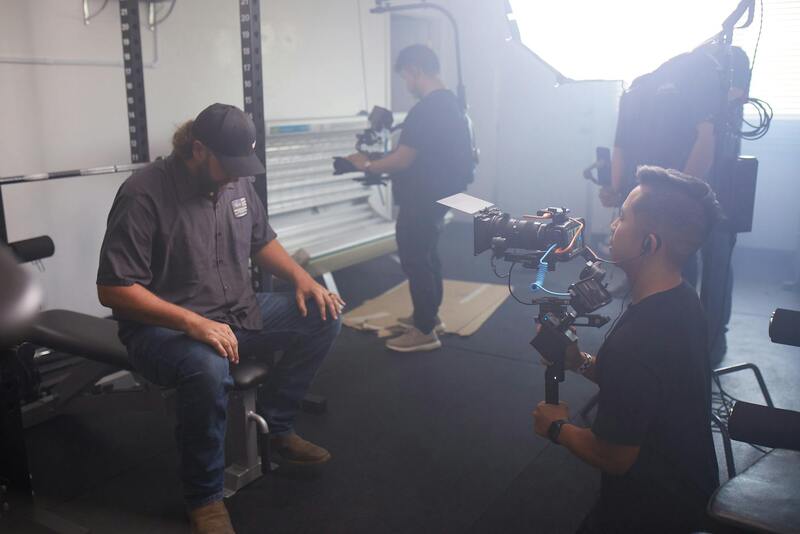
Once the planning phase is complete, assembling a skilled production team is paramount to executing a professional corporate video shoot. This team typically includes a director, camera operators, lighting specialists, sound engineers, and behind-the-scenes crew members who collaborate to bring the vision to life. Ensuring each team member has relevant experience with corporate content in Miami’s dynamic environment enhances efficiency and quality.
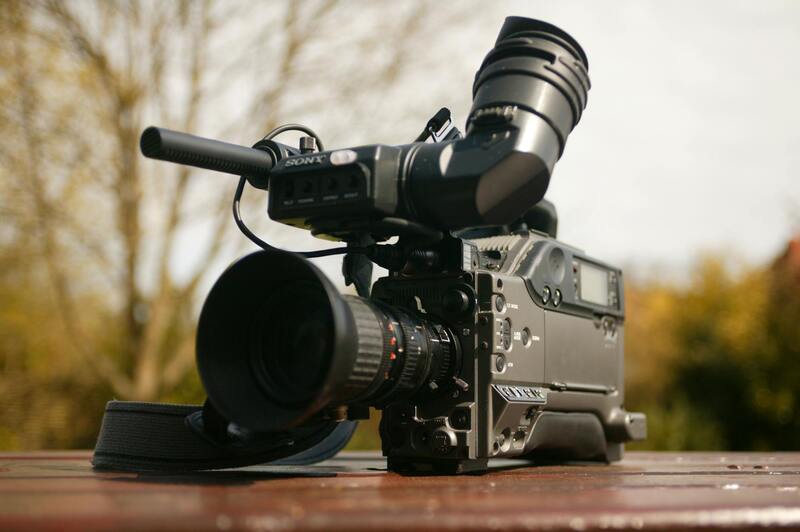
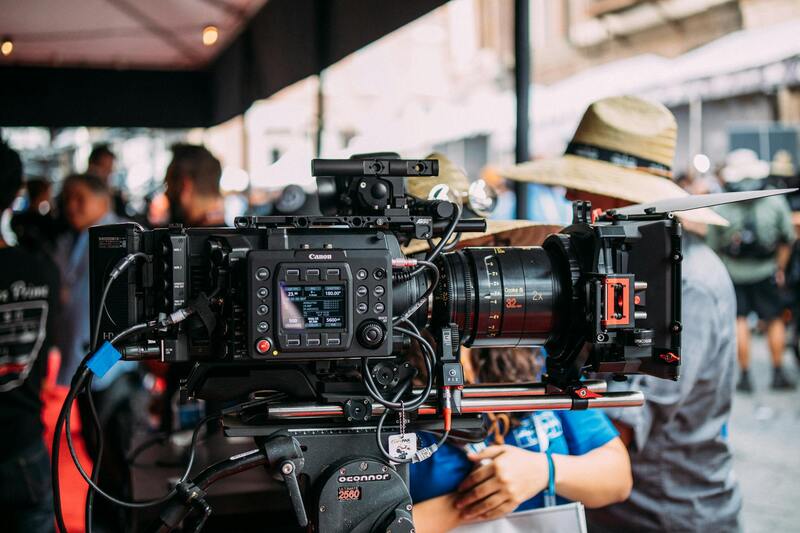
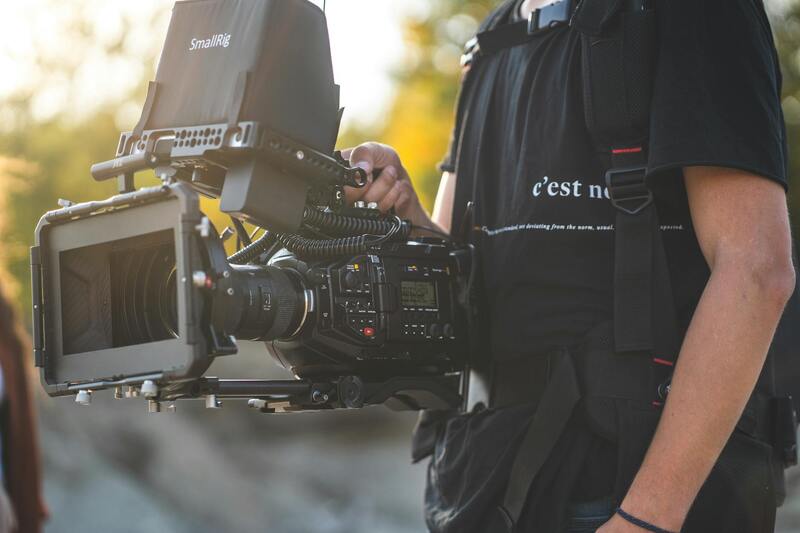
Equally important is selecting the appropriate equipment. High-definition cameras capable of capturing crisp visuals are essential, as they ensure the final product meets professional standards. Tripods, stabilizers, and drones can add unique perspectives and improve shot stability, while advanced lighting gear is vital to achieve optimal illumination, especially when shooting indoors or during low-light conditions.
Sound quality significantly influences viewer engagement and corporate credibility. Therefore, utilizing high-quality microphones and sound recording devices should be a priority. This facilitates clear audio capture, including interviews, narrations, or ambient sounds relevant to the brand story.
For equipment transportation and setup, careful planning is essential to maintain gear integrity amidst Miami’s vibrant but sometimes unpredictable weather. Protective cases, weather-resistant gear, and backup equipment should be part of the planning to minimize delays. Additionally, ensuring all equipment complies with local safety standards prevents potential issues during the shoot.
Team coordination is critical to stay on schedule, particularly when managing multiple locations or complex setups. Employing walkie-talkies or dedicated communication apps enhances real-time collaboration, allowing crew members to adapt quickly and uphold the high standards expected of a corporate video. Proper planning ensures all resources are available precisely when needed, creating a streamlined workflow from setup through tear-down.
Legal Considerations and Permits in Miami
When conducting a corporate video shoot in Miami, it is crucial to adhere to local regulations that govern filming activities within the city and its surrounding areas. Securing the appropriate permits ensures smooth access to selected locations and helps avoid potential disruptions or fines that could arise from unauthorized filming. Permits are typically issued by municipal or county authorities and often require submission of specific documentation, such as proof of insurance and detailed production plans.
It is recommended to initiate permit applications well in advance of the planned shoot date, allowing sufficient time for processing and approval. This proactive approach helps coordinate logistics and ensures that all necessary paperwork is in place before production begins. Working with experienced local production companies or permit specialists can simplify this process, as they are familiar with the specific requirements and procedures unique to Miami.
In addition to permits, it’s important to consider property rights and permissions for private locations. Securing written consent from property owners minimizes the risk of legal complications and ensures full cooperation during the shoot. When filming in public spaces, it is essential to comply with local regulations regarding assembly and the use of equipment, such as drones or large lighting setups.
Some locations may require additional authorizations, especially if the shoot involves off-road vehicles, special effects, or drone footage, which are subject to specific regulations in Miami. Always verify with local authorities or location managers about any restrictions or guidelines that must be observed. Ensuring these legal and procedural aspects are handled correctly not only preserves the integrity of the project but also guarantees adherence to the city’s standards.
Legal Considerations and Permits in Miami
When undertaking a corporate video shoot in Miami, adhering to proper protocols for permits and permissions is fundamental to ensuring a smooth production process. This involves understanding the specific documentation required for filming in various locations and securing the appropriate authorizations well in advance of the scheduled shoot date. By proactively managing these aspects, production teams can mitigate the risk of delays or interruptions that may arise from unforeseen legal or administrative obstacles.
The process typically entails submitting detailed plans to local authorities, including information on the size of the crew, equipment, duration, and specific locations involved. Working closely with experienced local production companies or permit specialists can greatly streamline this process, as they possess deep knowledge of Miami's regulatory landscape. They can assist in preparing the necessary paperwork and liaising with officials to facilitate a timely approval cycle.
In addition to permits for public space usage, considerations such as copyright and intellectual property rights also come into play. Ensuring that all visual and audio content used in the video is properly licensed or owned outright helps avoid potential legal conflicts. Securing model releases from individuals appearing in the footage further safeguards the project, providing clear authorization for commercial use of their likenesses.
For private property, obtaining written consent from property owners and tenants is imperative. This ensures full cooperation during the shoot and minimizes disruptions or disputes. Such measures not only protect the production entity but also bolster the reputation and professionalism of the project within the Miami community.
When planning to include elements like drone footage, special effects, or off-road filming, additional restrictions or specialized permits may be required. It is advisable to verify specific regulations with local authorities or location managers to prevent issues related to airspace, safety protocols, or environmental considerations. Addressing these elements thoroughly reinforces the legal integrity of the production and ensures compliance with all applicable standards.
Legal and Ethical Methods for Securing a Corporate Video Shoot in Miami
To ensure a smooth and compliant corporate video production in Miami, organizations must follow established procedures that align with municipal regulations and industry best practices. Adherence to these methods not only facilitates a seamless filming process but also upholds the reputation of the production company and the client’s brand.
Acquiring Necessary Permits from Local Authorities
Prior to commencing filming, it is essential to obtain the appropriate permits from Miami’s municipal government or relevant local agencies. The process involves submitting detailed application forms that specify the scope of the shoot, location details, dates, and any equipment that may interfere with public spaces. In many cases, permits are categorized based on whether the shoot occurs in public or private areas; public space permits are crucial for street scenes, park shoots, or downtown Miami locations.
Permitting procedures often include providing proof of insurance coverage, especially if specialized equipment like cranes or drones is involved. Compliance with safety regulations and respecting noise ordinances are also key elements in obtaining approval. It is advised to initiate permit requests well in advance, as processing times can vary depending on the complexity of the shoot and specific location requirements.
Securing Intellectual Property Rights and Clearances
To avoid potential disputes, the production team must secure rights for all content used in the corporate video. This includes obtaining licenses for music tracks, stock footage, and third-party visual elements. For any proprietary brand elements, such as logos or products, written permissions or releases should be procured from respective owners.
Model releases are equally important when individuals appear on camera. These signed agreements grant permission for their likenesses to be used in the promotional material. When filming in private settings, it is prudent to acquire written consent from property owners or tenants, ensuring control over the use and disclosure of visual content.
Incorporating Special Filming Elements Securely
In cases involving aerial shots, drone usage requires adherence to Florida’s regulations on unmanned aircraft operations. Temporary flight authorizations and adherence to no-fly zones are necessary, especially near airports or sensitive areas. Additionally, any special effects or potentially hazardous setups require comprehensive planning and permissions from relevant authorities to guarantee safety and compliance.
Operational Best Practices During the Shoot
On-site, the production team should ensure proper signaling and communication with local authorities, security personnel, and property owners. Enforcing safety protocols and respecting the environment contribute to a professional image and facilitate cooperation.
Finally, maintaining meticulous records of all permits, releases, and correspondence with officials is crucial for transparency and accountability. Such documentation can serve as vital proof of authorized activities, preventing misunderstandings or conflicts during or after filming.