
Understanding the Purpose of an Event Photography Portfolio
An event photography portfolio serves as a visual resume that showcases a photographer’s skills, style, and versatility in capturing various occasions such as weddings, corporate events, festivals, and social gatherings. For photographers operating within Miami, a meticulously curated portfolio can significantly influence potential clients by providing tangible proof of their expertise and professionalism. It not only highlights technical proficiency but also demonstrates the photographer’s ability to tell compelling stories through images.
Given Miami's vibrant and diverse event scene, an effective portfolio should reflect the unique character and energy of this locale. By including a broad range of event types and environments, a photographer can appeal to a wider client base, from upscale corporate clients to local community organizers. As the event industry continues to grow in Miami, the importance of a well-structured portfolio becomes even more evident. Clients seek reassurance that their special moments will be expertly documented, making a portfolio an essential tool for marketing and reputation-building.
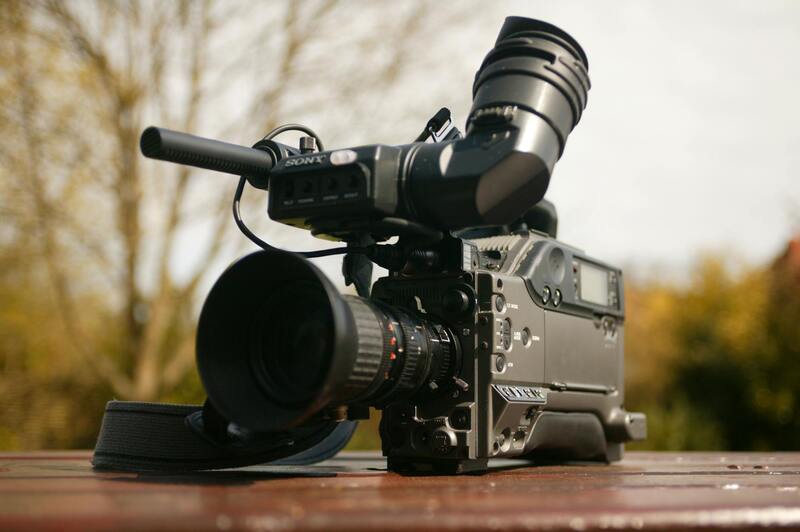
In addition, a strategic portfolio can distinguish an event photographer from competitors. It acts as a tangible testament to their experience and eye for detail, which are critical for capturing dynamic moments that unfold during events. For those working in Miami, an online portfolio available through a professional website or social platforms allows for broader exposure, faster client engagement, and easier sharing. Ultimately, the primary purpose of an event photography portfolio is to convert viewers into clients by convincingly demonstrating the photographer's ability to deliver exceptional images that meet or exceed expectations.
Key Elements of a Strong Event Photography Portfolio
An impactful event photography portfolio combines several core elements to effectively showcase a photographer's capabilities and style. First, it must feature a diverse selection of images that represent different event types, such as corporate gatherings, weddings, festivals, and charity events. This variety not only highlights versatility but also reassures potential clients of the photographer's adaptability to various settings and atmospheres.

High-quality imagery is non-negotiable. Sharp focus, proper exposure, and balanced composition are fundamental, but the images must also evoke emotion and tell a story. The narrative flow within the portfolio—how images are sequenced—can significantly influence viewer engagement, guiding them through the different moments of each event and illustrating the photographer’s storytelling prowess.
Captivating storytelling is further supported by the inclusion of candid shots capturing genuine emotions, well-composed group portraits, and dynamic action shots that convey the energy of the event. Strategic use of detail shots, such as decor or candid moments, enriches the overall narrative and depth of the portfolio. An adept photographer not only highlights the key moments but also captures the ambiance and unique character of each event environment.
A consistent visual style and branding across images lend professionalism and recognition to the portfolio. Whether employing a particular color grading, editing style, or composition technique, coherence helps to establish the photographer’s signature style, making their work distinguishable from competitors.
Including client testimonials, behind-the-scenes images, or behind-the-scenes videos can provide additional context, further validating the photographer’s experience and professionalism. It’s also crucial to present images in a manner that reflects a high level of technical proficiency, showcasing mastery over lighting, poses, and composition—skills that directly influence final image quality and impact.

Incorporating a variety of shot types, styles, and moments ensures that the portfolio appeals to a broad client base, catering to their specific needs and preferences. This comprehensive approach demonstrates the photographer’s competence in adapting to both the technical and emotional demands of diverse event scenarios.
Choosing the Right Photos to Showcase Your Expertise
Curating an impactful event photography portfolio begins with selecting images that exemplify technical excellence, emotional resonance, and versatility across various event types. It is essential to include a balanced mix of wide-angle shots capturing the ambiance, mid-range images portraying significant moments, and close-up details that highlight intricate decorations or expressions. Each photograph should demonstrate mastery of composition, lighting, and timing, emphasizing your ability to adapt to different environments and lighting conditions typical of events such as weddings, corporate gatherings, or charity functions.
When reviewing potential images, prioritize those that tell a compelling story or evoke genuine emotion. A powerful portfolio presents scenes filled with lively interactions, candid expressions, and moments of significance that resonate with viewers. Showcasing a range of event atmospheres—from formal ceremonies to lively celebrations—underscores your capacity to handle diverse client needs and expectations.
Consistency in image quality is crucial. Select photos that maintain sharpness, appropriate exposure, and color balance, reflecting your technical proficiency. Avoid cluttered or poorly lit images, opting instead for those exemplifying clarity and professional editing standards. Incorporate images that demonstrate your skill in capturing quick moments without sacrificing compositional integrity, which is particularly vital in dynamic event settings.

Organizing Your Portfolio for Maximum Impact
Strategic organization enhances visual storytelling, guiding viewers through a logical progression of your work. Divide your portfolio into categories based on event types, such as weddings, corporate events, and social gatherings, allowing potential clients to easily find relevant examples. Within each category, arrange images to showcase a progression of moments—from preparations and candid interactions to key highlights and end-of-event celebrations.
Consider grouping images by style or mood, such as candid shots, posed portraits, or detail-focused images. This segmentation helps illustrate your versatility and attention to different aspects of event coverage. Incorporate sections highlighting notable projects or client testimonials to add credibility and context.
Developing a Professional Online Presence
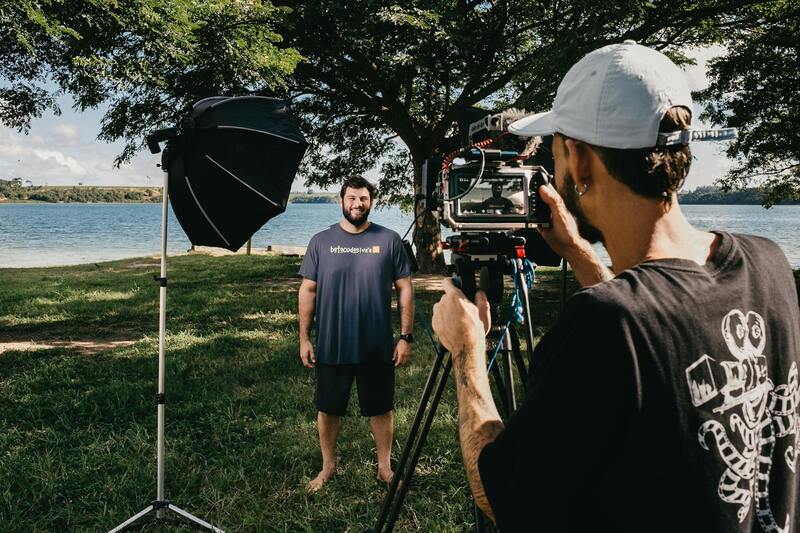
Building a polished online event photography portfolio involves selecting a user-friendly platform that ensures seamless navigation and rapid load times. Use high-quality images that represent your best work, and present them in a coherent visual style that aligns with your brand identity. Incorporate a clean layout with intuitive menus and easy-to-find contact information.
Consistent branding, including logos, color schemes, and typography, enhances recognition and creates a cohesive look. Implement titles and brief descriptions for each gallery or image to provide context and highlight technical or creative achievements. Regular updates keep your portfolio current, reflecting recent work and trends in event photography.

Implementing Search Engine Optimization Strategies
Optimizing your online event photography portfolio for search engines involves integrating relevant keywords thoughtfully into your website's content, including image tags, titles, and descriptions. Focus on localized keywords such as specific event types and your service area to attract nearby clients actively searching for event photographers.
Use descriptive file names for images, avoiding generic titles, and ensure your website’s metadata is comprehensive and accurate. Incorporate testimonials and blog posts related to your event photography expertise, enriched with keywords to boost your site's visibility. Regularly updating your content and maintaining fast load speeds also play vital roles in achieving higher search engine rankings.

Effective Strategies for Organizing Your Event Photography Portfolio
To maximize the appeal and professionalism of your event photography portfolio, a purposeful organization approach is essential. An intelligently structured portfolio not only enhances the viewer's experience but also highlights your strengths, allowing potential clients to easily navigate through different event types and styles.
Logical Categorization
Start by dividing your work into clear categories based on event types, such as weddings, corporate events, festivals, and private parties. This segmentation provides clarity, enabling clients to quickly locate the images most relevant to their needs. Each category should display a comprehensive selection that demonstrates versatility and technical proficiency.
Prioritized Presentation
Arrange images to create a compelling flow—begin with impactful, high-quality shots that leave a strong initial impression. Follow this with a diverse range of photos that show your ability to capture different moments, lighting conditions, and settings. Ending with a selection of your most impressive work reinforces your capabilities and encourages further engagement.
Use of Cover Pages or Galleries
Implement professional cover pages or introductory galleries for each category. These serve as visual summaries and provide context for prospective clients, revealing your style and approach. Ensure each gallery's sequence emphasizes storytelling—guiding viewers through the event's narrative in a cohesive manner.
Consistent Layout and Style
Maintain a uniform visual presentation by applying consistent layout designs, color schemes, and typography across your portfolio. A cohesive style reinforces your brand identity and presents a polished, professional appearance. Accessibility features, such as clear navigation menus and load-speed optimization, support an effortless browsing experience.
Highlighting Technical and Creative Skills
Within your organization strategy, deliberately feature images that showcase your technical expertise—such as well-executed low-light shots or dynamic compositions—and creative abilities, including unique angles or storytelling elements. Label images with descriptive titles and brief annotations to provide insight into your process and approach, further establishing your credibility as an event photographer.

Creating an Online Event Photography Portfolio
Establishing a polished online presence is essential for showcasing your event photography portfolio effectively. A professional website serves as a central hub where potential clients can browse your work, learn about your services, and contact you directly. When designing your online portfolio, clarity and ease of navigation are paramount. Opt for a clean, intuitive layout that guides visitors seamlessly through your galleries, emphasizing their storytelling aspect. High-quality images should be displayed in optimized formats to ensure quick load times without sacrificing visual impact.
It’s beneficial to incorporate categories or sections tailored to different event types such as weddings, corporate functions, parties, and cultural festivals. This organization helps visitors quickly find relevant work, reinforcing your versatility across various event genres. Adding client testimonials, detailed service descriptions, and contact information further enhances your credibility and encourages inquiries.
Design considerations should include responsive elements to ensure your portfolio displays optimally on desktops, tablets, and smartphones. Usability should not be compromised—clear menus, straightforward navigation, and accessible contact forms streamline the path from visitor to client. Additionally, integrating social media links and sharing options expands your reach, allowing satisfied clients or visitors to showcase your work within their networks.

As the digital landscape continues to evolve, maintaining a secure and regularly updated website fosters trust and demonstrates your ongoing commitment to your craft. Incorporating a blog or news section can also serve to highlight recent projects, share photography tips, or discuss upcoming events, thereby engaging visitors and encouraging repeat visits.
Optimizing Your Portfolio for Search Engines
To ensure that your event photography portfolio reaches potential clients effectively, optimizing it for search engines is essential. Implementing SEO best practices increases visibility in relevant searches, bringing more targeted traffic to your site. Start by integrating keywords strategically throughout your content, particularly in headings, image alt attributes, and descriptive text. For instance, including keywords such as "Miami event photographer" or "professional event photography portfolio" helps search engines understand your niche and specialization.
Craft detailed, keyword-rich image descriptions and alt tags for each photograph. Search engines cannot interpret images directly; providing descriptive text ensures your images appear in relevant image searches and gives context to your work. Additionally, creating a well-structured URL hierarchy, such as www.miamiproductionexperts.net/portfolio/weddings or /corporate-events, improves crawlability and helps categorize your work for both users and search engines.
Implement local SEO tactics by including location-specific terms throughout your website. Incorporate Miami-related keywords in your service descriptions, meta titles, and headers to attract local clients looking for photographers in the area. This can also involve registering your business on local directories and ensuring consistent NAP (Name, Address, Phone Number) details across platforms, thus enhancing your local search presence.
Regularly updating your website with fresh content, such as recent projects, blog posts, or client testimonials, signals activity to search engines and fosters higher rankings. Optimized content that aligns with trending search queries in the event photography niche helps your portfolio gain visibility ahead of competitors. Analyzing website traffic and adjusting your keyword strategies accordingly ensures continued growth in search engine performance.
Creating an Online Event Photography Portfolio
Developing a compelling online presence is essential for showcasing your expertise and attracting potential clients within the competitive event photography landscape. Begin by choosing a professional website platform that offers clean, customizable templates designed to emphasize visual content. Ensure that the website is mobile-responsive, providing an optimal viewing experience across all devices, as many clients browse on smartphones and tablets.
When designing your online portfolio, prioritize simplicity and ease of navigation. Organize your work into clear categories such as weddings, corporate events, festivals, or private parties, allowing visitors to find relevant samples effortlessly. Make use of intuitive menus and filters that enhance user experience and guide viewers seamlessly through your body of work.

Include high-resolution images that accurately represent your style and proficiency. Ensure each photograph is optimized for quick loading without sacrificing quality, which is crucial for retaining visitors and reducing bounce rates. Integrate descriptive captions with relevant keywords to provide context and enhance SEO performance, making your portfolio more discoverable through search engines.
Complement your visual portfolio with a professional biography that highlights your experience, specialized skills, and unique approach to event photography. Incorporate client testimonials, awards, or recognitions to establish credibility and build trust with prospective clients. Additionally, a clear call-to-action (CTA), such as contact forms or booking buttons, should be strategically placed to encourage visitors to initiate inquiries about your services.
Finally, ensure your contact information, including your business email, phone number, and physical location if applicable, are prominently displayed. This not only improves accessibility for your target audience but also supports local SEO efforts by reinforcing your geographic relevance.
Ensuring Your Event Photography Portfolio Remains Credible and Current
Maintaining an event photography portfolio that accurately reflects your skills and experience is fundamental to establishing trust and attracting new clients. As the events industry is dynamic, frequent updates with recent work demonstrate your ongoing commitment to excellence and help convey your evolving style. By continuously showcasing fresh projects, you highlight your ability to adapt to diverse event types and client preferences, reinforcing your reputation as a versatile and reliable professional.
Strategies for Upkeeping Your Portfolio’s Freshness and Credibility
- Regularly Review and Refresh Content: Periodically assess your existing portfolio to identify outdated or less representative images, replacing them with newer, higher-quality photographs that better showcase your current skill set.
- Highlight Recent and Relevant Work: Prioritize recent projects that align with your target clientele, whether they include corporate galas, local festivals, or personal celebrations. This approach ensures your portfolio remains pertinent to current market trends and client demands.
- Incorporate Diverse Event Types: Demonstrate versatility by including a variety of event settings and styles. This variety reassures prospective clients of your adaptability and broad skill set.
- Showcase Client Feedback and Testimonials: Incorporate positive reviews and client comments alongside your images to subtly substantiate your professionalism and client satisfaction.
- Update Visual Presentation Techniques: Stay informed about current web design and presentation trends. Modern, clean layouts and an intuitive user interface enhance user experience and foster engagement.
- Utilize High-Resolution Files and Optimized Loading: Use high-resolution images that capture intricate details without compromising site loading speed. Employ proper optimization techniques to balance quality and performance.
- Add a Blog or News Section: Including a regularly updated blog featuring recent projects, behind-the-scenes insights, or client success stories not only attracts repeat visitors but also boosts your SEO profile.
Technical Tips for Effective Portfolio Maintenance
- Implement a Consistent Naming and Tagging System: Use descriptive filenames and tags for your images, highlighting key details such as event type, location, and date. This consistency eases management and enhances searchability within your portfolio.
- Back Up Your Portfolio Data: Regularly back up your website files and images to prevent data loss due to technical issues or security breaches, ensuring your portfolio remains accessible at all times.
- Engage with Audience Feedback: Monitor visitor interactions and feedback to identify which images resonate most. Use this insight to guide future updates and to tailor your portfolio to audience preferences.
- Ensure Compatibility Across Devices: Test your portfolio on various devices and browsers. A responsive design guarantees that your work is presented flawlessly whether viewed on a desktop, tablet, or smartphone.
Conclusion
An up-to-date and well-maintained event photography portfolio acts as a powerful marketing tool, showcasing your latest work to attract prospective clients and secure new opportunities. Regular reviews, strategic updates, and technical diligence ensure your portfolio remains relevant, credible, and engaging in a competitive industry.