
Importance of High-Quality Event Photos
Capturing the essence of an event through professional photography is a vital aspect for any organization or individual hosting a significant gathering. High-quality event photos serve as a visual narration that preserves the atmosphere, showcases key moments, and enhances branding efforts. These images are more than mere records; they are strategic assets that help communicate the spirit and success of an event to attendees, stakeholders, and the wider audience. Effective event photography reflects the energy, emotion, and professionalism of an occasion, creating lasting impressions that can be leveraged for marketing, future promotions, and archival purposes.
When an event is captured with precision and artistic intent, it elevates the perceived value of the occasion. For corporate functions, award ceremonies, product launches, or social gatherings, well-composed images highlight achievements, foster engagement, and generate buzz. Additionally, event photos are instrumental in building credibility and trust, especially when showcased across digital platforms such as websites, social media, and email campaigns. The visual representation of a successful event reinforces the organizer’s brand identity and demonstrates a commitment to excellence.
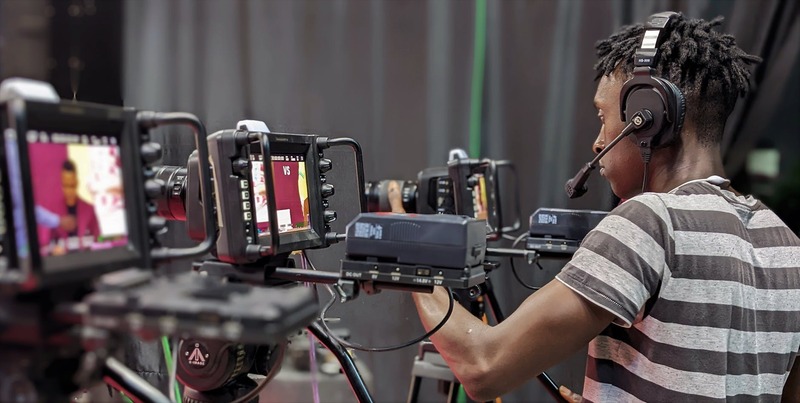
Achieving this level of quality requires partnering with experienced photographers who understand the nuances of live event coverage. Their expertise ensures that critical moments are not missed, lighting is optimized, and the overall aesthetic aligns with the event’s objectives. This proficiency is crucial in capturing spontaneous interactions, candid expressions, and the ambiance that makes an event memorable. As such, investing in high-quality event photography is a strategic move that yields tangible benefits, from fostering brand loyalty to creating compelling visual narratives that resonate long after the event concludes.
Types of Event Photos Commonly Needed
Different events call for specific types of photographs to effectively convey their story and significance. Recognizing these categories ensures comprehensive coverage that aligns with the event’s goals and promotional needs. Commonly requested types of event photos include:
- Decor and Setup Shots: Showcase the venue, design elements, and overall aesthetic.
- Candid Moments: Capture genuine interactions and authentic emotions among attendees.
- Keynote and Speaker Shots: Highlight speakers and significant presentations or performances.
- Audience Reactions: Document engagement levels and audience participation.
- Group Photos: Formal or informal images of attendees, staff, or VIPs.
- Behind-the-Scenes: Provide a glimpse into the preparation, staging, and event management.
By encompassing these categories, event photography becomes a comprehensive visual archive that can be used across diverse platforms and marketing channels. Understanding the specific needs of each event will guide effective planning, ensure critical moments are captured, and produce a well-rounded collection of images that tell the story of the occasion from multiple perspectives.
Ensuring Your Event Photos Reflect Authenticity and Professionalism
When it comes to capturing the essence of an event, selecting the right approach to photography is crucial. Authentic and professional event photos not only document the occasion but also elevate your brand’s image and storytelling power. To achieve this, a meticulous understanding of various photography styles, along with proper planning and execution, is essential.
Styles of Event Photography
- Candid Shots: These images capture spontaneous moments and genuine expressions, revealing the true atmosphere of the event. Whether it's laughter, surprise, or heartfelt conversations, candid photos keep the audience engaged and evoke emotion.
- Staged Portraits: Formal or semi-formal portraits of attendees, speakers, or VIPs help create a polished look. These images are often used in promotional materials, press releases, or event recaps to highlight key figures and moments.
- Key Moments and Highlights: Shots of noteworthy presentations, awards, or performances focus on the pivotal aspects of the event. These images serve as visual anchors, emphasizing the event's most impactful segments.
- Behind-the-Scenes: Capturing logistics, setup, and preparation activities offers viewers a comprehensive glimpse into the event management process. This content enriches the narrative and demonstrates professionalism.
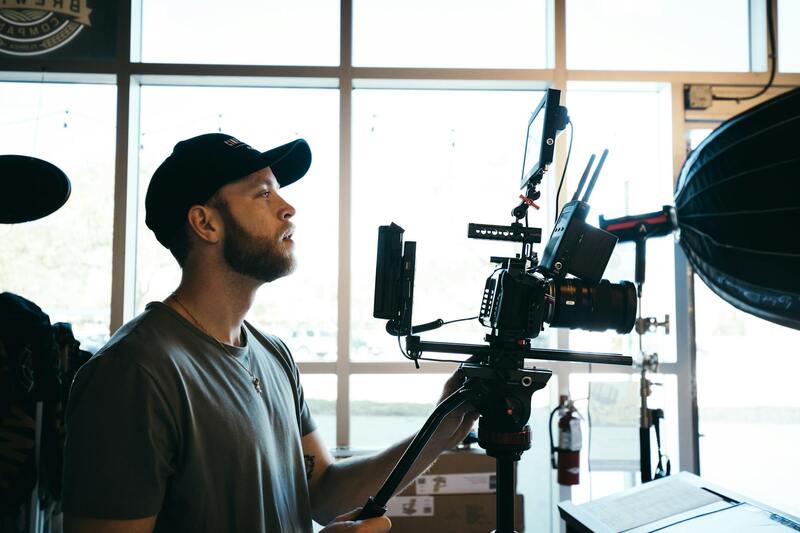
The Value of Diverse Photographic Perspectives
Utilizing a variety of photography styles enhances the storytelling potential of your event photos. Each perspective offers unique insights: candid images convey genuine emotions, staged portraits establish authority and formality, while behind-the-scenes content adds authenticity and transparency. Together, these elements create a well-rounded visual narrative that appeals to diverse audiences and satisfies multiple marketing channels.
Strategic Planning for Photography Styles
Prior to the event, it's vital to clearly communicate your objectives to your photography team. Determining the necessary styles aligned with your event’s purpose ensures comprehensive coverage. For example, a corporate conference may emphasize keynote shots, professional portraits, and candid attendee interactions, whereas a community festival might prioritize vibrant candid moments and informal group photos.
Creating a shot list tailored to the event's structure helps photographers anticipate and prepare for key moments. This proactive approach minimizes the risk of missing crucial shots and guarantees a cohesive collection of images that authentically represent the event's atmosphere.
Guidelines on Selecting Skilled Photographers with Experience in Event Coverage in Miami
When aiming to document your event professionally, choosing the right photographer is crucial. Review portfolios thoroughly to assess their ability to capture the essence of similar events, noting their style, consistency, and technical proficiency. A comprehensive portfolio provides insight into their expertise in various lighting conditions, dynamic crowd settings, and diverse event types. Experience in Miami's vibrant event scene offers additional benefits. Photographers familiar with local venues and operational logistics can navigate logistical challenges efficiently, ensuring smooth coverage throughout your event. They also understand how to work discreetly in bustling environments, capturing candid moments without disrupting the flow of your event. Reliability is another key factor. Opt for professionals who have established reputations for punctuality, timely deliverables, and effective communication. Gathering references or testimonials from past clients can validate their dependability and the quality of their work. Furthermore, aligning a photographer's style with your event's theme enhances the cohesion of your visual content. Whether your event calls for a documentary approach, classic portraiture, or artistic candid shots, selecting a photographer whose artistic vision complements your objectives ensures your photos will resonate with your target audience.
Equipment and Technology for Event Photography
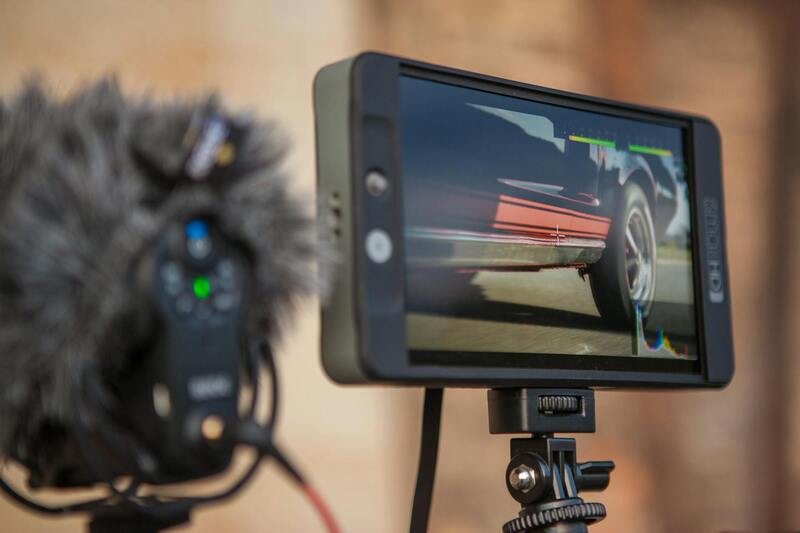
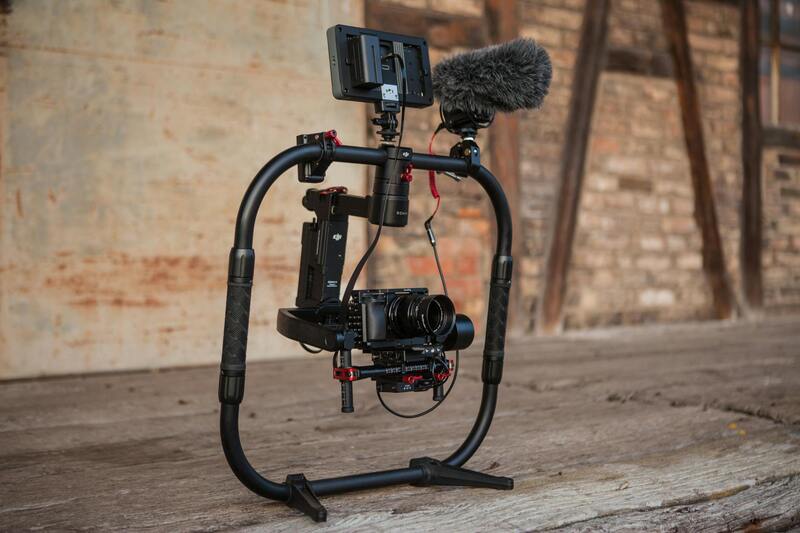
Quality event photography hinges upon the right equipment and technological tools. High-performance cameras with fast autofocus and high ISO capabilities enable capturing sharp images in varying lighting conditions typical of live events. Professional-grade lenses, including wide-angle and telephoto options, provide versatility for capturing wide venue shots, detailed close-ups, and candid moments. Lighting is another critical element. Portable lighting kits or external flashes can compensate for challenging indoor lighting, ensuring consistent image brightness and color accuracy. Drones and stabilizers are increasingly popular for dynamic shots and smooth footage, adding an innovative edge to your event visuals. Additionally, advanced storage solutions, such as multiple SD cards or cloud backups, prevent data loss and facilitate quick transfer of images for editing and delivery. Wireless transfer devices streamline workflow, minimizing downtime between shooting and post-processing. Finally, utilizing photo management software helps organize large volumes of images, enabling easy retrieval and editing. Keeping up-to-date with emerging technologies ensures your event can be documented with precision and creativity, resulting in compelling visual storytelling.
Best Practices for Event Photo Shooting
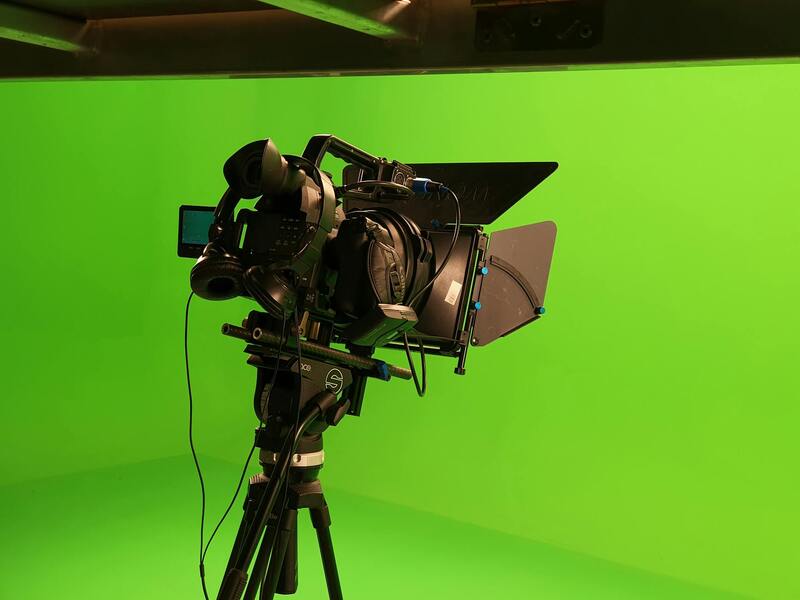
Effective event photography requires strategic execution. Prior to the event, establish a detailed shot list that aligns with the event’s schedule, key moments, and thematic elements. Clear communication with the client and the photography team ensures everyone understands the priorities, avoiding missed opportunities. During the event, photographers should adopt a proactive approach—anticipating interactions, capturing spontaneous moments, and adjusting to lighting and venue constraints. Being attentive to candid expressions and interactions adds authenticity to the imagery. Utilizing natural light where possible enhances the warmth and vibrancy of photos, but versatile photographers are prepared to supplement with artificial lighting when necessary. Ensuring steady hands or employing stabilizers minimizes motion blur for crisp shots. Post-survey, capturing wide-angle shots of the venue, group shots, detailed close-ups, and candid interactions will provide a comprehensive visual record. Maintaining a respectful approach while working discretely allows natural moments to unfold without feeling intrusive.
Post-Production and Photo Editing
Post-processing is vital in transforming raw images into polished visuals that match your event branding. Editing includes color correction, exposure adjustments, and cropping to enhance composition. For consistency, applying preset filters or specific editing styles can unify the overall look of the photo collection. Retouching may be necessary for portraits or key keynote speakers to ensure their appearance aligns with professional standards. Removing minor distractions and blemishes enhances image clarity and focus. Advanced editing software like Adobe Lightroom or Photoshop provides extensive tools for precise adjustments. Workflow efficiency can be improved by batch editing large sets of images, especially when dealing with numerous photos. Quality control is essential—thorough review of each image guarantees that only the best visuals are delivered, reflecting the professionalism of the event coverage.
Delivering and Using Event Photos Effectively
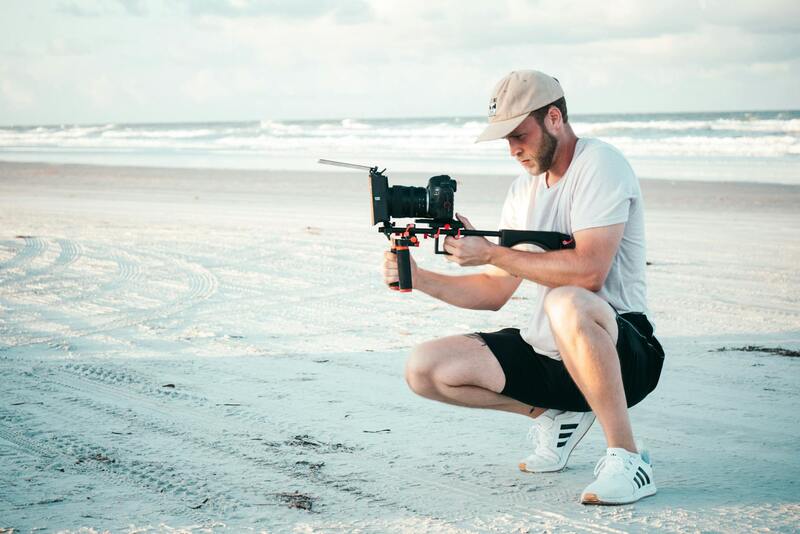
Timely delivery of high-quality images is fundamental for maximizing their impact. Digital galleries or cloud-based sharing platforms allow clients to access and download photos conveniently across devices. Providing both high-resolution images for printing or promotional use, and optimized versions for social media ensures versatile application. Strategic usage of event photos amplifies your marketing efforts. Sharing compelling images across social platforms, newsletters, or press releases can boost visibility, engage audiences, and enhance brand reputation. Archiving your event photos with proper metadata facilitates future retrieval and organization. Maintaining an accessible, well-organized collection also supports ongoing marketing campaigns and retrospective promotions. Additionally, licensing images properly ensures they are used in accordance with legal standards, avoiding unauthorized duplication. Clear usage rights and restrictions should be documented, especially when images are shared publicly or with third-party vendors.
Strategic Methods for Capturing High-Quality Event Photos
Utilizing Proper Equipment and Technology
Achieving exceptional event photos relies heavily on the right technological tools. Professional-grade cameras equipped with fast autofocus and wide ISO capabilities allow photographers to adapt to varying lighting conditions, whether indoors with low light or outdoors under bright sunlight. Full-frame sensors enhance image clarity and depth, which is critical for capturing detailed moments with clarity.
Lighting accessories such as portable strobes, diffusers, and reflectors help manage unpredictable lighting environments, ensuring that subjects are illuminated evenly without harsh shadows or overexposure. Wireless triggers and remote shutter releases enable photographers to remain unobtrusive, capturing candid moments without disrupting event flow.
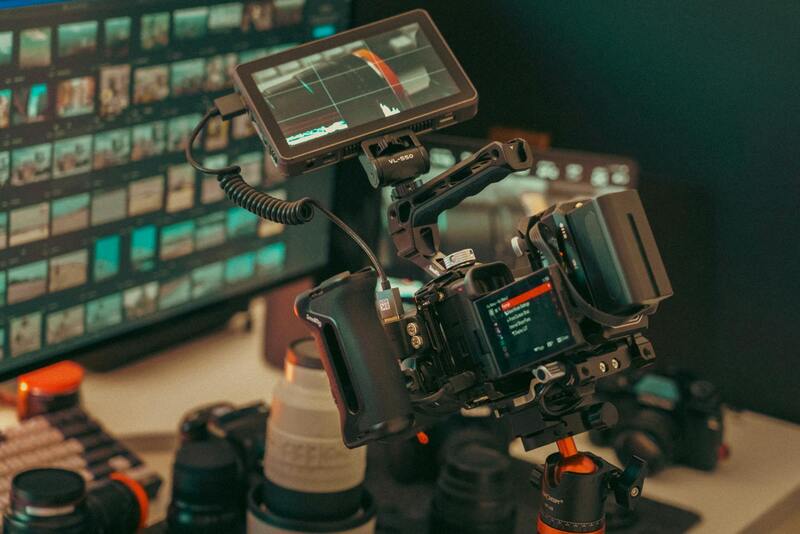
Technical reliability is also key; using multiple batteries, memory cards, and backup equipment prevents disruptions during critical moments. Tripods and monopods provide stability for shots requiring longer exposures, while lens variety—such as wide-angle, telephoto, and prime lenses—offers versatility for different scenarios.
Implementing Best Practices During Event Photography
Preparation sets the foundation for capturing striking event photos. This includes familiarizing with the venue layout, understanding the event schedule, and coordinating with event organizers to anticipate key moments.
Effective framing and composition play a significant role; employing techniques like the rule of thirds, leading lines, and balanced framing enhances visual interest and storytelling. Maintaining appropriate shutter speed, aperture, and ISO settings ensures sharpness and proper exposure, even in dynamic lighting environments.
Engaging with attendees and capturing authentic interactions not only enriches the event narrative but also creates more relatable and impactful visuals. Continuous shooting modes enable capturing spontaneous moments, increasing the likelihood of obtaining exceptional shots.
Post-Processing Techniques to Elevate Event Photos
Post-production is integral to refining event images. Basic adjustments such as exposure correction, contrast enhancement, and color balancing ensure images accurately reflect the event's atmosphere. Cropping and straightening can improve composition if necessary.
Advanced editing may involve skin retouching, removing distractions, and applying subtle filters to create a cohesive visual style. Batch editing software streamlines the process, allowing for consistent adjustments across large sets of photos. Professional-grade editing tools also facilitate retouching finer details and enhancing overall image quality.
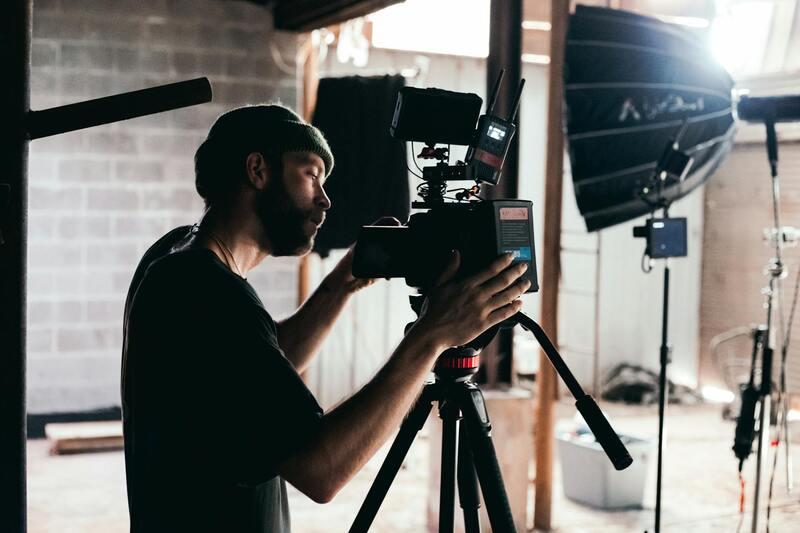
The goal of post-production is to produce polished visuals that tell the story of the event vividly, aligning with the intended tone and branding. Delivering high-resolution copies alongside social-media-optimized versions guarantees versatility in usage, from print material to digital platforms.
Conclusion
Implementing advanced equipment, adhering to proven shooting practices, and executing meticulous post-processing are pivotal in generating event photos that resonate with audiences. By consistently applying these strategies, event organizers and photographers can ensure their visuals stand out, convey the right message, and serve multiple marketing and engagement purposes effectively.
Post-Production and Photo Editing
Capturing exceptional event photos is only the first step; the true impact lies in how these images are refined and prepared for presentation. Post-production and photo editing play a crucial role in elevating raw captures into compelling visual narratives that resonate with audiences and align with branding objectives. The editing process involves a combination of technical adjustments and creative enhancements tailored to each event’s unique atmosphere.
Core Techniques in Post-Processing
- Exposure and Contrast Adjustment: Fine-tuning exposure levels ensures images are neither too dark nor too bright, preserving detail. Adjusting contrast further enhances depth, making subjects stand out against their backgrounds.
- Color Correction and Balancing: Proper color correction ensures that skin tones appear natural and ambient lighting is accurately represented. Color grading can also be used subtly to evoke specific moods or align with branding color schemes.
- Cropping and Straightening: These basic edits improve composition, eliminate distractions, and ensure the focal point remains prominent. Straightening horizons and aligning verticals contribute to polished, professional images.
Advanced Editing for Visual Consistency
Beyond basic adjustments, advanced editing techniques include skin retouching, distraction removal, and applying artistic filters. These enhancements must be applied thoughtfully to maintain authenticity while achieving a cohesive visual style that complements the event’s tone. Batch editing tools facilitate consistency across large sets, saving time and maintaining uniformity.
Delivering High-Quality Final Images
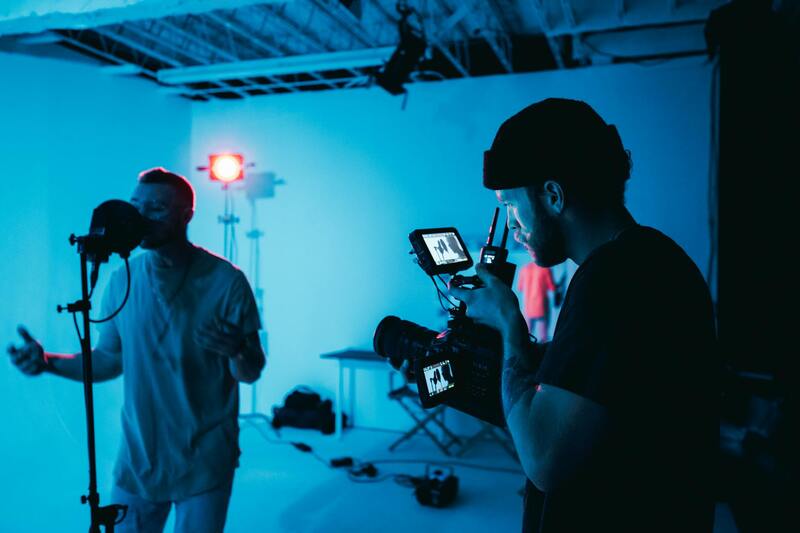
The ultimate goal of post-production is to produce versatile images suitable for multiple platforms. High-resolution copies are essential for print materials, while optimized versions should be tailored for social media sharing. Properly formatted images enhance engagement and ensure the visual message resonates across all channels.
Utilizing Professional Editing Software
Professional-grade editing tools such as Adobe Photoshop and Lightroom are industry standards for achieving precise adjustments and creative effects. Their advanced features enable subtle fine-tuning, ensuring each image accurately depicts the event while adhering to branding guidelines.

Ensuring Ethical Use and Storage
Managing the rights and proper storage of event photographs is essential. Maintaining an organized archive guarantees quick access for future use, while respecting any agreements concerning image distribution and publication is imperative to uphold professionalism and trust.
Legal and Ethical Considerations in Event Photography
In the realm of event photography, adhering to established guidelines ensures that all imagery is captured, used, and distributed responsibly. Respect for the rights of event attendees, hosts, and subjects is paramount. Photographers must obtain appropriate permissions before capturing images, especially in private settings where individuals have a right to privacy and control over their likeness. Clear communication about how event photos will be used helps to foster trust and transparency.
Copyright management plays a significant role in safeguarding both the photographer's and the client's rights. Proper licensing agreements clarify the scope of usage rights, stipulating whether images can be shared publicly, used commercially, or kept confidential. This reduces misunderstandings and protects the interests of all parties involved. When handling sensitive or proprietary event content, secure storage and restricted access are essential to prevent unauthorized dissemination.
It is crucial for photographers to implement measures that prevent misuse of event images. This includes watermarking images for preview purposes, maintaining detailed records of image rights, and ensuring that usage complies with agreed-upon terms. Implementing consistent branding and signature marks on final images can also serve as a safeguard of the work’s attribution.
Additionally, respecting cultural and personal sensitivities ensures that photographs do not inadvertently offend or harm individuals or groups. This entails understanding the context of the event, avoiding intrusive or inappropriate shots, and being considerate of the subjects' comfort and consent. Maintaining professionalism throughout the process builds credibility and reinforces the integrity of the photographer's services.
From a technical standpoint, adherence to data protection standards when storing digital copies of event photos is critical. Implementing secure backup solutions, using encrypted storage, and controlling access rights ensures the preservation of these images for future use without risking unauthorized access or data breaches.
Ensuring the Integrity and Proper Use of Event Photos
Safeguarding event photos during and after the shoot involves meticulous attention to detail and strict adherence to best practices, which are vital for maintaining the quality, security, and intended use of these images. It starts with careful organization of digital files, where establishing a consistent naming convention and folder structure simplifies retrieval and management. Using high-resolution storage solutions ensures that images are preserved without loss of quality, suitable for both immediate use and future marketing or archival needs.
Implementing access controls is crucial; encrypting files and restricting permissions prevents unauthorized viewing or downloading. Photographers should also maintain comprehensive records of image rights, including consent forms from subjects and licensing agreements. This documentation aids in clarifying permissible use, whether for promotional purposes, internal archives, or third-party licensing, and helps avoid potential conflicts.
When handling sensitive or proprietary content, employing watermarking techniques can serve as a visual safeguard, discouraging unauthorized use while still allowing previews. Watermarks should be discreet enough not to detract from the photo’s quality but clear enough to assert ownership or restrict reproduction. For final images intended for wider distribution, branding marks—such as logos or signature signatures—can reinforce attribution and control over image distribution.
Implementing Cultural and Personal Sensitivities in Photo Usage
Beyond technical security, understanding cultural and personal sensitivities tied to event photography is essential. This involves respecting subjects’ privacy and comfort, especially when capturing emotionally charged moments or confidential information. Photographers should obtain explicit consent before photographing individuals or groups, particularly in private or sensitive settings. During post-production, they must also consider whether to exclude or modify certain images that could be intrusive or potentially damaging if shared publicly.
Proper management extends to image dissemination policies. Digital rights management (DRM) solutions and licensing restrictions guide the appropriate use, preventing misuse while facilitating authorized sharing. For example, images used in promotional campaigns should align with agreements made beforehand, ensuring that the rights are clear and that images are not altered or distributed improperly.
Technical Standards for Digital Asset Security
Protecting digital copies of event photos involves adopting robust cybersecurity measures. This includes employing encryption protocols during transfer and storage, regular backups to geographically dispersed locations, and utilizing secure cloud services that comply with data protection standards. Rotating encryption keys periodically and auditing access logs help detect unauthorized activity and mitigate risks.
Furthermore, integrating digital watermarks or invisible metadata with copyright information can improve traceability and reinforce ownership claims. These technical layers act as deterrents against theft or unauthorized distribution, ensuring that the images remain under controlled and traceable access throughout their lifecycle.
Training and Developing Best Practices within Teams
For production teams managing event photos, ongoing training on security procedures and ethical standards is crucial. Well-informed team members are better equipped to handle digital assets responsibly, recognize suspicious activity, and adhere to agreed-upon protocols for image handling and distribution. Regular reviews of policies and procedures also foster a culture of accountability and professionalism, minimizing risks associated with digital asset management.
Effective Methods for Distributing Event Photos
Distributing event photos through official channels ensures that images reach the intended audience efficiently while maintaining the integrity and security of the content. Utilizing proprietary website galleries is a highly effective approach, allowing event organizers to upload high-resolution images securely and provide access only to verified individuals via password-protected links or user authentication systems. This method not only facilitates controlled sharing but also enables organizers to manage image distribution easily, track downloads, and prevent unauthorized access.
Another preferred method involves employing dedicated managed hosting platforms or digital asset management systems designed specifically for event photography. These platforms offer features such as granular permission settings, watermarking, and audit trails, which significantly enhance content security. They also streamline the process of delivering images, whether through download links, email galleries, or embeddable widgets, making it seamless for clients, participants, or media outlets to access the photos they need.
Into the mix, social media platforms continue to play a vital role in quick and broad dissemination. By sharing carefully curated galleries or albums on official social media pages, event organizers can reach a larger audience instantaneously. It is crucial, however, to prepare the images properly—ensuring they are optimized for web display, include appropriate watermarks or branding, and are accompanied by clear usage guidelines. Posting images with embedded metadata or copyright notices also reinforces ownership and discourages unauthorized sharing.
For exclusive distribution, using secure file transfer protocols such as SFTP or encrypted cloud storage solutions provides additional layers of protection. These methods enable the transfer of large high-quality image files safely and efficiently, especially when dealing with sensitive or proprietary content. When sharing via email, it is advisable to encrypt attachments or use secure links that expire after a certain period to prevent prolonged or unintended access.
Lastly, creating limited-time download windows or setting access permissions based on user roles ensures that event photos remain accessible only to authorized parties. Combining secure channels, proper file management practices, and clear communication protocols ensures that the distribution process is both efficient and compliant with project requirements.
Best Practices for Managing and Using Event Photos Post-Distribution
- Implement strict image access controls through password protection and user authentication.
- Maintain detailed records of who has received or downloaded photos, supporting accountability.
- Encourage users to adhere to usage guidelines provided with each image package.
- Utilize digital watermarks or invisible metadata to reinforce ownership and deter unauthorized sharing.
- Offer downloadable high-resolution versions alongside optimized web-ready images to meet various needs.
- Regularly review distribution protocols and update security measures to respond to emerging risks.
By employing these official distribution methods, organizers and photographers can ensure that event photos are shared securely, efficiently, and with proper attribution. Proper management and distribution not only uphold the quality and security of the images but also reinforce the professional reputation of those responsible for capturing the event.