
Role and Importance of Real Estate Photographers
In the competitive Miami property market, the significance of professional real estate photographers cannot be overstated. These specialists play a vital role in enhancing the visual appeal of a property, making it more attractive to potential buyers and renters. High-quality images serve as a virtual tour, providing prospective clients with an engaging and accurate representation of the property’s interior and exterior features. This visual presentation not only captures attention but also helps in building trust and interest, significantly increasing the likelihood of inquiries and viewings. Furthermore, professional real estate photography impacts online listings, which are often the first impression a target audience receives. Well-composed images with proper lighting, framing, and editing elevate a property's perceived value and can reduce time on the market. In Miami’s bustling real estate environment, where competition is fierce, leveraging the expertise of skilled photographers offers a strategic advantage. Their work ensures that each listing stands out, attracts serious buyers, and accelerates the sales process. This effectiveness stems from their understanding of market trends, architectural nuances, and the technical aspects of photography, enabling them to produce compelling visuals tailored for maximum market impact.
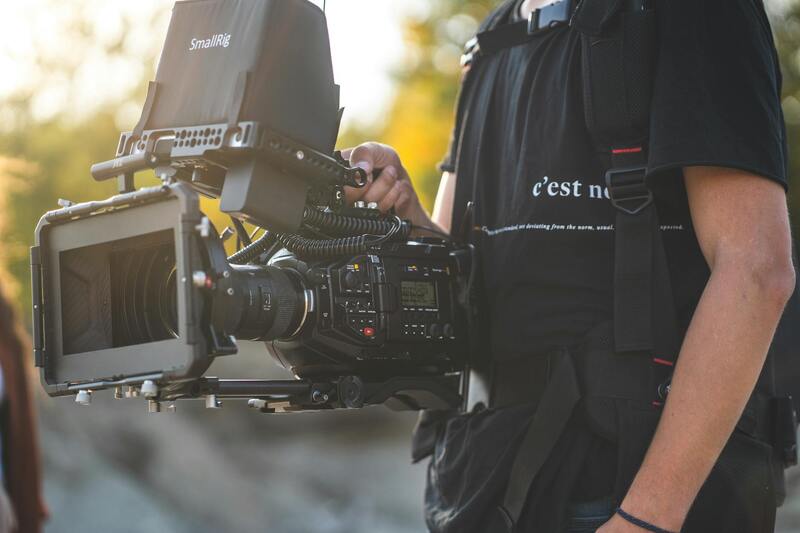
Ultimately, real estate photographers serve as an extension of marketing strategies, transforming ordinary property images into powerful sales tools. Their contribution shapes the perception of a property, influences buyer decisions, and plays a central role in achieving successful transactions. With property listings increasingly relying on online platforms, the quality of visual content remains a decisive factor in property sales and rentals across Miami’s diverse market landscape.
Key Skills and Qualifications of Real Estate Photographers
Professional real estate photographers in Miami require a comprehensive set of skills and qualifications that enable them to deliver high-quality visuals tailored for property marketing. These professionals possess mastery in various technical aspects, including the operation of advanced DSLR or mirrorless cameras, versatile lens usage for capturing both wide-angle and detailed shots, and proficiency with lighting equipment to ensure optimal illumination. Mastery in post-processing software like Adobe Photoshop and Lightroom ensures images are polished, color-corrected, and clearly highlight a property's best features. Equipment choice, such as drone photography for aerial shots and stabilizers for smooth interior videos, further amplifies their ability to produce compelling content.
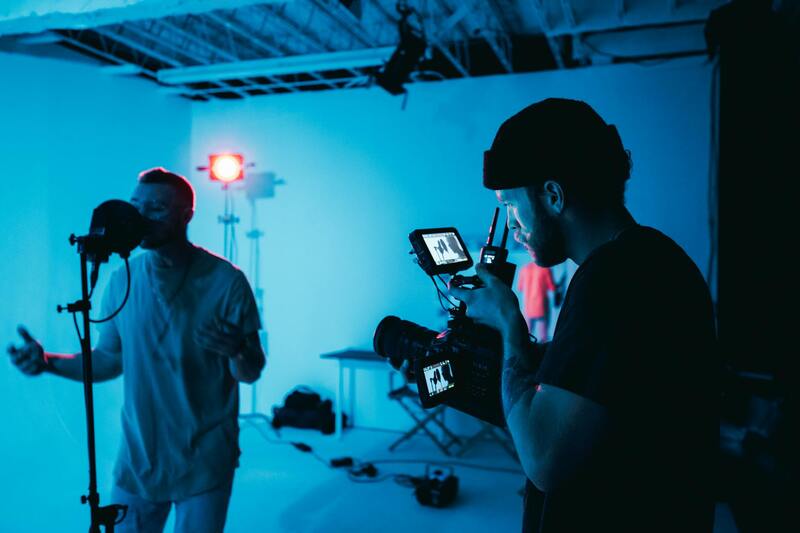
Aside from technical prowess, successful photographers possess a keen eye for composition and an understanding of architectural nuances. This ability allows them to emphasize a property's most aesthetic aspects, create balanced and inviting visuals, and effectively showcase space flow. Strong knowledge of lighting principles is crucial for accentuating architectural details and creating dynamic images that stand out in online listings. Furthermore, a professional photographer with a solid portfolio demonstrates experience working with real estate agents and property owners, understanding client objectives, and tailoring their approach accordingly.
Certifications or specialized training in real estate or commercial photography further signify a photographer’s commitment to high standards and industry knowledge. Ongoing education in emerging photography trends and new editing techniques helps these professionals stay ahead in a competitive Miami market, ensuring their work remains innovative and impactful.
- Technical expertise in camera operation, lighting, and framing
- Proficiency with post-processing and editing software
- Experience capturing commercial, residential, and luxury properties
- Knowledge of architectural styles and real estate marketing strategies
- Ability to operate drones responsibly for aerial photography
- Understanding of property staging to enhance visual appeal
- Strong communication skills to interpret client needs
Investing in a photographer with a well-rounded skill set ensures that each aspect of a property’s visual presentation aligns with current market standards and buyer expectations, maximizing online impact and interest generation across Miami’s dynamic real estate scene.
How to Select a Real Estate Photographer in Miami
Choosing a suitable real estate photographer requires a thorough evaluation of several critical factors that influence the quality and effectiveness of the visual presentation. Begin by examining their portfolio to assess the style, consistency, and diversity of previous work. A portfolio that showcases a range of property types—residential, commercial, luxury—demonstrates flexibility and expertise in capturing different architectural nuances and spaces.
Experience within the Miami market is particularly valuable, as local knowledge of lighting conditions, popular angles, and property staging techniques can significantly enhance the final images. Seek testimonials or reviews from past clients, especially real estate professionals, to gauge reliability, professionalism, and overall satisfaction with their work. Positive feedback indicating timely delivery, responsiveness, and collaboration skills often correlates with smooth project execution.
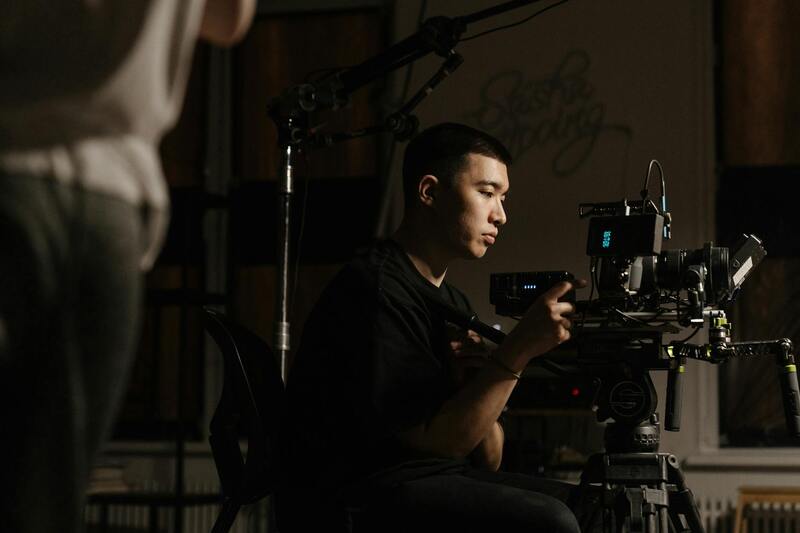
Additionally, inquire about their technical skills and equipment. The use of high-quality cameras, lighting gear, and advanced editing software ensures crisp, vibrant images that attract buyers. Familiarity with drone photography and aerial shots can add a distinctive edge, especially for luxury or expansive properties. Confirm that the photographer is experienced with different property styles and understands the visual marketing strategies effective in the Miami real estate landscape.
Pricing structures and packages are also essential considerations. Obtain detailed quotes that specify what is included—number of photos, editing, virtual tours, or aerial shots. Transparency in pricing helps set realistic expectations and ensures alignment with your marketing budget.
Finally, consider the professional’s communication style and responsiveness, as clear, timely interactions contribute to a seamless collaboration. A well-chosen real estate photographer with a proven track record and tailored approach will elevate property listings, ultimately fostering quicker sales at favorable market values.
Differences Between Real Estate Photography and Other Photography Types
Real estate photography uniquely focuses on capturing spaces in ways that highlight their best features, often emphasizing spaciousness, lighting, and architectural details. Unlike portrait or commercial photography, which may prioritize aesthetic or branding elements, real estate photography aims to produce images that evoke emotional appeal and draw prospective buyers into the property.
Lighting plays a crucial role in creating inviting, balanced images that accurately depict the property's ambiance. Techniques such as HDR (High Dynamic Range) photography are commonly employed to manage complex lighting conditions, ensuring interior details are visible without overexposing or underexposing certain areas. The objective remains to provide a realistic yet enticing preview that encourages viewings and inquiries.
Another distinction lies in the strategic composition of shots. Photographers must consider the best angles to showcase room layouts and size, often utilizing wide-angle lenses to convey a sense of space. Post-processing also differs, as editing focuses on enhancing natural colors and removing distracting elements without misrepresenting the property's true character.
Understanding these differences helps clients align expectations and select professionals equipped to meet the specific demands of real estate marketing, ensuring listings are compelling across digital platforms and print materials.
Best Practices for Working with a Real Estate Photographer
- Provide clear instructions on which areas of the property to emphasize, particularly unique features or upgrades.
- Coordinate scheduling to ensure the property is clean, well-staged, and properly lit at the time of shooting.
- Communicate your target audience and marketing goals to guide the photographer’s approach.
- Allow flexibility in timing to accommodate optimal lighting conditions, such as early morning or late afternoon for exterior shots.
- Request a shot list or specific angles beforehand to streamline the process and meet listing deadlines.
- Review initial images promptly to ensure they align with your expectations before final delivery.
- Discuss editing preferences, including color correction and retouching, to produce polished final images.
Maintaining open communication and providing detailed guidance enhances collaboration and results in images that effectively showcase the property's appeal, ultimately accelerating the sales process.
Cost and Pricing Expectations for Real Estate Photography in Miami
Pricing structures for real estate photography vary based on factors such as property size, location, the number of images required, and included services like aerial photography or virtual tours. On average, Miami professionals may charge between $150 to $500 per listing, with additional fees for advanced options or high-end properties. Package deals often offer a set number of images alongside editing services, providing a cost-effective solution for real estate agents and owners.
Consider the value of high-quality images as an investment that can significantly impact listing visibility and buyer interest. While some professionals offer lower rates, it is essential to assess the quality of work and experience to ensure a return on investment. Price comparisons should also account for turnaround times and the level of customization available, as faster delivery and tailored services can enhance marketing efficacy.
Transparent pricing models and detailed proposals help clients understand exactly what they are receiving, avoiding unexpected costs and ensuring that the visual presentation aligns with market standards and campaign objectives.
Legal and Licensing Considerations
Utilizing images captured by real estate photographers involves adherence to intellectual property rights and licensing agreements. Ensuring that photographers provide comprehensive usage rights for the images is vital for unrestricted commercial use across online listings, printed brochures, and promotional materials. Clear licensing terms delineate the scope of image rights, duration, and any limitations, preventing potential disputes or infringements.
Moreover, if drone photography is employed, compliance with local aviation regulations and safety protocols is paramount. Licensed drone operators understand the necessary permits and restrictions, ensuring aerial shots are obtained responsibly and without legal complications. Proper documentation and certifications further affirm the professional’s adherence to safety standards, offering peace of mind during the marketing campaign.
Impact of Professional Photos on Real Estate Marketing
High-quality, professionally produced images serve as powerful marketing tools that influence buyer perceptions and engagement. Visually appealing photos enhance online listings, making properties stand out among competitors. They also foster an emotional connection, helping potential buyers envision themselves in the space, which accelerates decision-making processes.
Statistics indicate that listings with professional photos tend to attract more views, inquiries, and scheduled viewings, ultimately reducing time on market and increasing sale prices. As the digital landscape continues to evolve, exceptional visuals remain integral to a comprehensive real estate marketing strategy in Miami, where visual impressions directly translate into buyer interest and successful sales.
Legal and Licensing Considerations
For real estate professionals and property owners looking to maximize the effectiveness of their marketing campaigns, understanding the framework surrounding the use of visual content is essential. When engaging a real estate photographer, it’s vital to ensure that all image rights and licensing arrangements are clearly defined and adhered to. Proper licensing agreements specify the scope of usage rights, including whether images can be utilized across digital platforms, printed media, or promotional events, and the duration for which these rights are granted. This clarity helps in avoiding any misunderstandings regarding ownership and usage limitations.
In the context of Miami, where real estate marketing is highly competitive, securing documented permissions for each photograph ensures that all parties are protected and that the images can be deployed confidently across various channels. Most professional photographers provide standardized licensing agreements that outline permitted uses, geographic restrictions, and any fees associated with additional rights. Clients should scrutinize these agreements to confirm they align with their marketing plans, especially for long-term campaigns.

Further considerations include compliance with any local regulations regarding photography and drone usage, particularly when aerial shots are involved. Photographers employing drone technology must hold appropriate certifications and permits, which serve as documentation of adherence to safety protocols and operational standards. These certifications not only validate the photographer’s expertise but also assure clients and property owners that aerial photography has been conducted responsibly, without infringing on privacy or airspace restrictions.
It’s also important to note that intellectual property rights related to the images belong to the photographer unless otherwise stipulated in the licensing agreement. If a client desires exclusive rights or rights for specific uses, these should be explicitly negotiated. Ensuring proper legal groundwork allows for seamless deployment of images across all marketing avenues, delivering consistent branding and professional representation in the Miami real estate market.
Maintaining meticulous records of licensing agreements and permissions is a recommended practice. This documentation can serve as a safeguard in case of disputes or inquiries, affirming a transaction’s legitimacy and protecting the interests of both the photographer and the client. By prioritizing clear, official licensing procedures, real estate stakeholders can leverage high-quality visual assets without concern over rights issues or regulatory compliance.
How to Select a Real Estate Photographer in Miami
Choosing the right real estate photographer is crucial for creating compelling property listings that attract potential buyers. In Miami, a vibrant market with diverse property types, it’s essential to verify that photographers possess specialized skills and a professional portfolio relevant to real estate. Begin by reviewing portfolios to assess the quality, consistency, and style of their images, ensuring they align with your marketing vision.
Next, consider their familiarity with local market trends and property types, as this knowledge ensures they understand the nuances of Miami's market. A photographer experienced in shooting luxury condos, beachfront properties, or commercial spaces will have a clearer understanding of how to highlight unique features effectively.

Client testimonials and references are invaluable during the selection process. These provide insights into the photographer’s professionalism, reliability, and ability to deliver projects on time. Additionally, inquire about their technical expertise, such as proficiency in lighting techniques, aerial drone photography, and post-processing skills.
Pricing structures may vary depending on the scope of work, property size, and image types required. Clarify what’s included in their packages—such as the number of edited images, virtual tours, or twilight shots—and ensure the pricing aligns with your budget. Transparent communication about deliverables, turnaround times, and licensing rights is essential to avoid misunderstandings.
Differences Between Real Estate Photography and Other Photography Types
While traditional photography focuses on artistic expression or personal milestones, real estate photography centers on showcasing property features in a manner that appeals to prospective buyers. This specialization demands a deep understanding of spatial dynamics, lighting, and perspective to portray spaces accurately and attractively.
Unlike portrait or event photography, real estate images often require a combination of wide-angle shots, aerial photography, and interior detail shots to provide a comprehensive view of a property’s dimensions and layout. The goal is to make spaces look both inviting and realistic, encouraging viewers to imagine themselves in the setting.
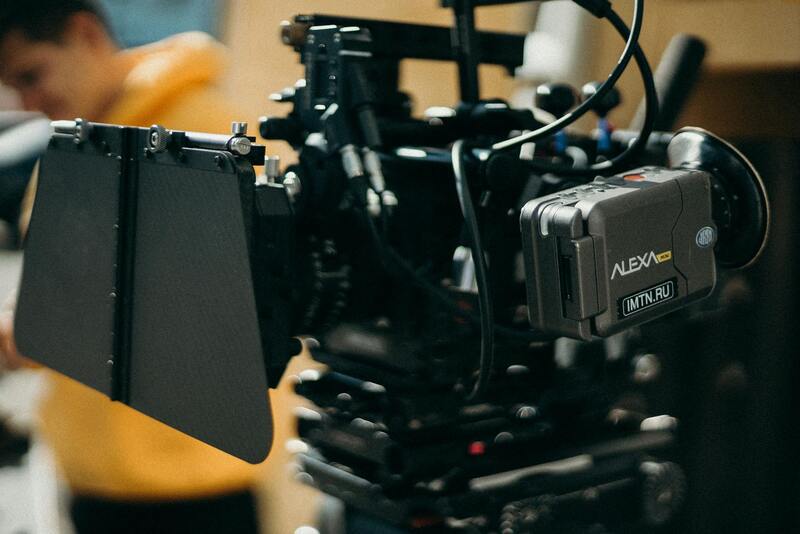
Understanding these distinctions helps clients choose photographers who are equipped with the right tools and skills for real estate-focused imagery. It also ensures that the visual content aligns with the marketing strategies tailored to the Miami real estate landscape, where high-quality visuals can significantly influence sale success.
Legal and Licensing Considerations
Engaging professional real estate photographers involves understanding the essentials of licensing and contractual agreements to ensure clarity and mutual understanding. Photographers typically operate under specific licensing for their equipment, such as drones or specialized cameras, which may require compliance with regional regulations. Securing appropriate permissions ensures seamless integration of aerial shots or unique imaging techniques without complications.
When collaborating, it’s critical to establish clear terms related to image rights, usage rights, and licensing fees. These stipulations define how property owners can utilize the photographs across various marketing channels, including websites, print advertisements, and social media platforms. Well-defined licensing agreements protect both parties and enable effective use of high-quality visuals within the parameters agreed upon.
Moreover, contractual arrangements should specify deliverables, deadlines, and reputational considerations, particularly for exclusive rights or licensing for a set duration. This transparency helps in avoiding misunderstandings and ensures that the marketing campaign benefits from the full potential of professionally captured imagery.

Understanding the nuances around licensing not only secures legal compliance but also enhances the overall quality and scope of visual marketing materials. Photographers often offer various licensing options, such as exclusive or non-exclusive rights, depending on the client's needs and intended use. It’s wise to review these options carefully before finalizing the partnership, especially in a competitive market like Miami where high-quality visuals are critical.
Additionally, some photographers might include stipulations about the use of proprietary editing techniques or post-processing enhancements. Clarifying these aspects upfront ensures that there are no surprises when the images are delivered, and the property is showcased in the best possible light across all marketing channels.
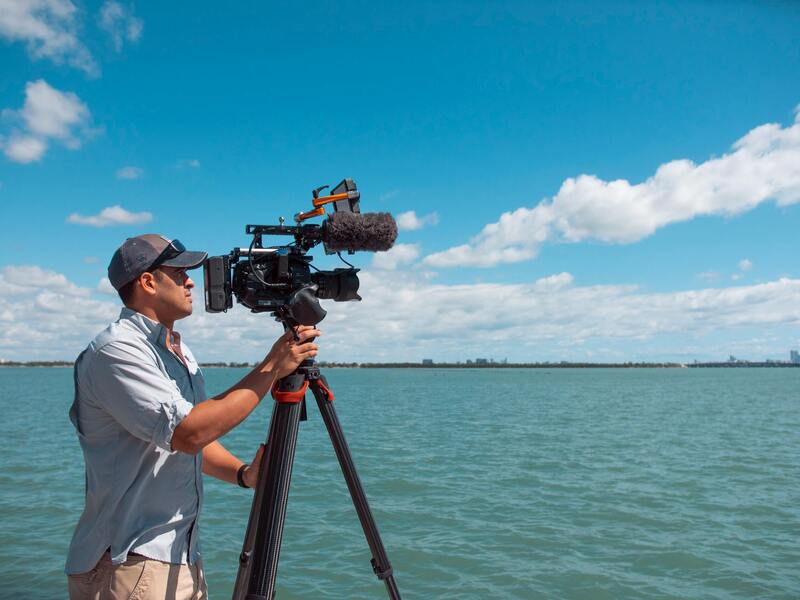
How to Work Effectively with Real Estate Photographers in Miami
Establishing a productive relationship with your chosen real estate photographer is essential for achieving visual content that truly enhances your property listings. Open communication and a clear understanding of expectations form the foundation of this collaboration, ensuring that both parties are aligned on project goals and deliverables. Providing the photographer with detailed briefs about the property, including special features and preferred angles, can significantly improve the quality of images produced.
During the planning phase, discussing the desired style of photos—whether bright and airy or moody and sophisticated—helps tailor the shoot to your target market. It is also important to coordinate scheduling to ensure optimal lighting conditions, often during the golden hours of early morning or late afternoon. This approach maximizes natural light and highlights the property's best features.
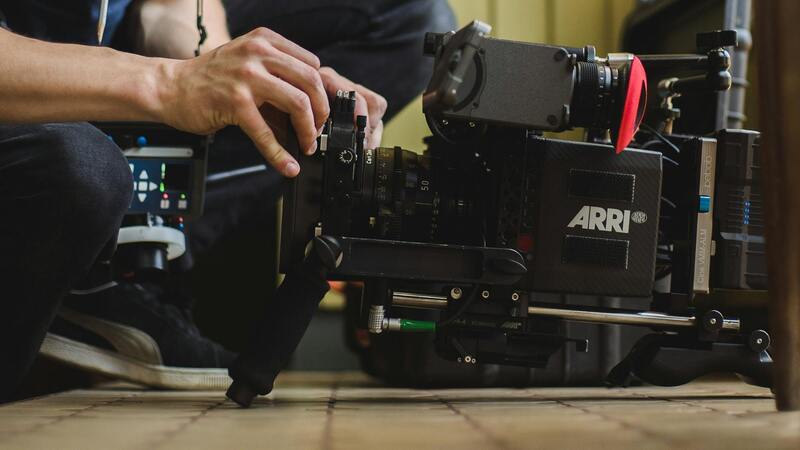
Providing access to the property and any necessary amenities in advance facilitates smooth shooting sessions. Clear instructions regarding any restricted areas or specific details that need emphasis prevent misunderstandings and allow the photographer to plan their shooting itinerary effectively. Additionally, discussing post-processing expectations upfront, including image enhancements or stylistic preferences, ensures the final products meet your marketing needs.
Effective Communication and Feedback
Maintaining ongoing communication during the project allows for immediate clarifications and adjustments. Reviewing preliminary images or drafts can be invaluable in guiding final edits, ensuring consistency with branding standards, and capturing the property's essence accurately. Constructive feedback helps photographers understand client preferences and improves future collaboration.
Respecting Professional Expertise
Recognizing the skill and experience of your real estate photographer fosters a respectful partnership. Their insights into composition, lighting, and staging can elevate property visuals beyond basic documentation. Listening to their suggestions about staging or angles can result in captivating images that attract prospective buyers.
Ultimately, a well-coordinated effort and mutual respect lead to high-quality imagery that significantly enhances the marketing potential of your Miami real estate listings, ensuring properties stand out in competitive markets and attract the right buyers efficiently.
Legal and Licensing Considerations
Engaging with a reputable real estate photographer in Miami involves understanding the necessary steps to ensure that your collaboration aligns with official standards. Professional photographers typically hold valid business licenses issued by local authorities, which demonstrate their adherence to regional regulations. These licenses may include specific permits for commercial photography, especially when shooting properties for marketing purposes. Confirming that your chosen photographer maintains current licensing helps in establishing a transparent professional relationship and guarantees that all work is conducted within the required legal framework.
In addition to licensing, adherence to copyright laws is fundamental. Photographers retain rights to their images unless explicitly transferred through a licensing agreement or contract. When commissioning real estate photography, ensure the contract clearly specifies usage rights, including restrictions on resale or distribution. Doing so preserves the integrity of the images and protects your marketing investment. Proper licensing and licensing agreements also prevent any potential disputes related to image rights, ensuring that all marketing efforts proceed smoothly and without interruption.
Many photographers also possess professional insurance coverage, such as liability insurance, which safeguards clients from unforeseen damages or accidents during the shoot. Requesting proof of such insurance confirms that your property and project are protected against potential liabilities. Working with insured professionals reinforces a commitment to conducting business responsibly, fostering trust and confidence in your partnership.
Furthermore, understanding tax obligations related to photography services is essential. Certified professionals handle their tax filings appropriately, ensuring that their operations comply with local tax laws. Collaborating with photographers who are registered and taxed correctly aligns with best practices and supports the integrity of your branding efforts.
Ultimately, verifying licensing, copyright agreements, insurance, and tax compliance are crucial steps that contribute to informed, legitimate collaborations with real estate photographers in Miami. These measures protect your marketing investments, uphold professional standards, and facilitate a smooth project execution from start to finish.