Overview of 3D Photos in Real Estate
In the highly competitive realm of property marketing, visual presentation is paramount. 3D photos have emerged as a transformative tool, allowing real estate professionals to showcase properties with unprecedented precision and depth. Unlike traditional photographs, which offer flat, two-dimensional representations, 3D images enable viewers to experience a property as if they were physically present, walking through the space. This immersive quality enhances engagement and provides prospective buyers a comprehensive understanding of the property's layout, size, and flow.
3D photos in real estate are created through advanced imaging techniques that capture detailed spatial data, which is then rendered to produce realistic, navigable visuals. These images are utilized across various marketing channels, including online listings, virtual tours, and social media platforms, increasing the likelihood of attracting serious inquiries. By integrating 3D imaging into property marketing strategies, real estate agents and developers can offer a dynamic viewing experience that transcends traditional photo listings, helping potential buyers visualize themselves within the space before arranging an in-person visit.
The adoption of 3D photography is supported by technological advancements and sophisticated imaging equipment, making it accessible for properties of all sizes and types. As a result, more agencies and property owners are embracing this innovative approach to stand out within a crowded marketplace, ensuring their listings receive maximum exposure and interest from prospective buyers worldwide.
Types of 3D Visualization for Real Estate
In the landscape of real estate marketing, various forms of 3D visualization have emerged, each offering unique advantages tailored to specific property types and marketing goals. Understanding these different visualization methods enables professionals to select the most effective approach for showcasing their listings.
- 3D Virtual Tours: This comprehensive visualization option allows prospective buyers to navigate a property interactively, exploring each room and corridor as if they were physically walking through. Using a series of interconnected 360-degree images, virtual tours provide a seamless experience that captures the essence of a property's flow and spatial relationships.
- 3D Floor Plans: Offering a detailed, three-dimensional depiction of a property's layout, these floor plans go beyond traditional two-dimensional drawings. They help viewers visualize room sizes, arrangements, and the overall spatial dynamics, making them particularly useful for properties with complex layouts or unique architectural features.
- 3D Renderings and Animations: Highly detailed, photorealistic images or short animated sequences enable potential buyers to see what the interior will look like after refurbishment or renovation. This method is especially effective when marketing new developments or properties under construction, as it bridges the gap between plans and final appearance.
- Interactive 3D Models: These models go a step further by permitting users to manipulate the visualization directly, adjusting angles, zoom levels, and sometimes even customizing certain design elements. This interactive experience enhances engagement and assists clients in understanding the space from multiple perspectives.

Process of Creating 3D Photos for Real Estate
The development of high-quality 3D photos involves a multi-step process that combines precise data collection with advanced rendering techniques. This process ensures that each visualization accurately reflects the actual property, thereby offering viewers a trustworthy and engaging experience.
- Initial Assessment and Planning: The process begins with a comprehensive assessment of the property, including measurements, architectural features, and lighting conditions. Planning involves determining which visualization types will best serve the marketing goals and client preferences.
- Image Capture: Skilled technicians use specialized imaging equipment, such as 3D cameras, to capture detailed spatial data. They strategically position cameras or scanning devices throughout the property to ensure comprehensive coverage of all areas.
- Data Processing and Modeling: The captured data are transferred to high-performance computers where software algorithms reconstruct the spatial layout. This step transforms raw images into detailed 3D models, identifying and correcting any anomalies or distortions.
- Rendering and Visualization: Using advanced rendering software, the models are processed to produce realistic, high-resolution visuals. Lighting, textures, and material finishes are meticulously added to reflect the actual property conditions.
- Final Review and Adjustments: The completed visuals undergo quality checks, with adjustments made as needed to ensure accuracy and aesthetic appeal. Finalized images and interactive models are then delivered for integration into marketing channels.
Process of Creating 3D Photos for Real Estate
Producing high-quality 3D photos for real estate involves a meticulous sequence of technical and creative steps to ensure maximum accuracy and visual appeal. The process begins with a detailed planning phase, where the intended use of the 3D visuals is clarified, the property's unique features are identified, and the necessary equipment is prepared. This planning stage helps streamline subsequent steps, ensuring that the images will meet client expectations and marketing goals.
Once planning is complete, the actual data acquisition phase commences. Skilled technicians employ specialized 3D cameras and laser scanning devices to capture comprehensive spatial data of the property. During this phase, multiple scans or shots are taken from various angles, covering every room and often outdoor areas, to ensure no space is left unvisualized. Proper positioning of the cameras is crucial to avoid blind spots and to capture detailed textures, architectural details, and lighting conditions.

The next step involves data processing, where the raw images and scans are transferred to advanced software platforms. These tools process the massive datasets to generate accurate 3D models, reconstructing the spatial dimensions and architectural features of the property. During this stage, technicians meticulously check for inconsistencies or distortions, adjusting the models to ensure they reflect the true layout of the property.
Following data processing, rendering turns the models into realistic visualizations. This stage involves applying textures, materials, and lighting effects to produce high-resolution images that accurately depict the property's current state. Advanced rendering software allows for the creation of visual experiences that closely resemble real-life perspectives, making floor plans and walkthroughs especially compelling and engaging for viewers.
The final phase includes a thorough review of the rendered images and interactive models. Quality control ensures that visuals are both accurate and aesthetically appealing, with adjustments made where necessary. Once verified, the 3D photos are formatted for integration into various marketing channels such as online listings, virtual tour platforms, and client presentations, providing potential buyers with an immersive and detailed view of the property.
This comprehensive process guarantees a seamless transition from raw spatial data to stunning, professional-grade 3D photos that elevate real estate marketing efforts, attracting interest and increasing engagement with potential buyers.
Technologies and Equipment Used in 3D Photography for Real Estate
Implementing high-quality 3D photos for real estate requires specialized technology and equipment to ensure accuracy, detail, and immersive experiences. Leading industry professionals utilize laser scanning devices, such as LiDAR (Light Detection and Ranging), which emit laser pulses to gather precise spatial data of the property. These scans create dense point clouds that accurately capture every architectural feature, from interior walls to exterior facades, enabling the generation of detailed 3D models. This process is essential for producing realistic and reliable visualizations that showcase the property's true dimensions.
Complementing laser scanners, high-resolution 360-degree cameras are frequently employed for capturing comprehensive panoramic images. These cameras facilitate the creation of virtual tours and immersive walkthroughs, allowing potential buyers to explore the property remotely with a sense of depth and scale. When combined with robotic camera mounts and stabilize systems, this equipment ensures smooth, distortion-free imagery, even in complex or expansive spaces.
Moreover, powerful computing hardware, including workstations equipped with advanced graphics cards and substantial processing power, supports the handling of large datasets, rendering high-fidelity images and interactive models. Software platforms specialized in 3D modeling and rendering, such as Autodesk Revit, 3ds Max, or SketchUp, are critical for transforming raw data into engaging visual assets. These tools allow professionals to manipulate textures, lighting, and materials to produce photorealistic images that accurately depict the property.

The integration of these technologies not only ensures precision but also enhances efficiency, reducing the time required to produce compelling visual content. By leveraging cutting-edge hardware and software, real estate professionals can deliver immersive visuals that resonate with prospective buyers and facilitate informed decision-making.
Technologies and Equipment Used
Producing high-quality 3D photos for real estate involves the deployment of advanced tools and innovative hardware that ensure accuracy, detail, and immersive quality. The core technology includes laser scanning devices, 360-degree cameras, and sophisticated software, each playing a pivotal role in capturing, processing, and presenting detailed visual representations of properties.
Laser scanners, such as terrestrial laser scanning units, are instrumental in capturing precise spatial data. They generate point clouds that form the foundational geometry of the property, providing exact measurements and detailed surface information. These point clouds serve as a base for creating detailed 3D models that reflect the true dimensions and layout of the space.
Complementing laser scanning are high-resolution 360-degree cameras capable of capturing panoramic views in a single shot. These cameras produce immersive images that can be integrated into virtual tours or combined with laser data to enhance realism and user engagement.
Software platforms are critical for processing raw data into polished visual outputs. Programs like Autodesk Revit, SketchUp, or 3ds Max facilitate the detailed modeling, texturing, and rendering of property visuals. These tools allow professionals to fine-tune lighting, materials, and environmental effects, resulting in photorealistic representations that mimic natural appearances.
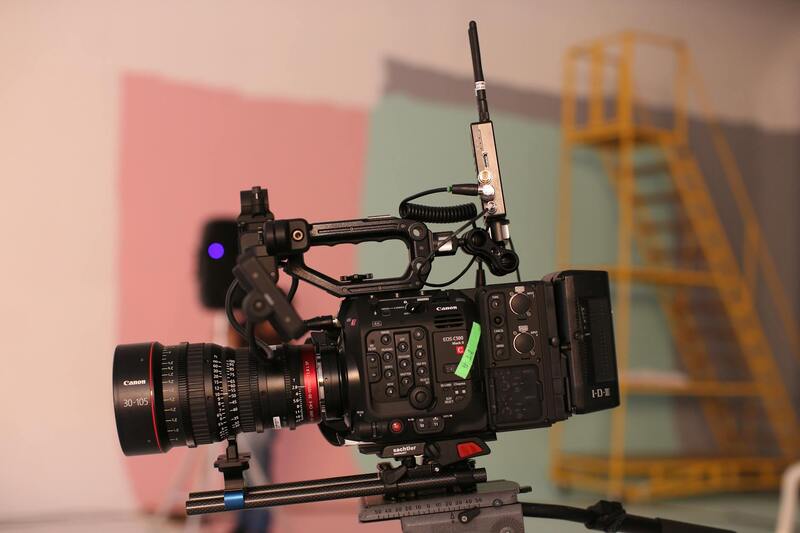
State-of-the-art hardware, including high-powered workstations equipped with powerful graphics processing units (GPUs) and ample processing memory, support the demanding tasks associated with 3D rendering and visualization. Additionally, stabilization systems and robotic mounts ensure that capturing equipment remains steady, minimizing distortion and ensuring consistent quality.
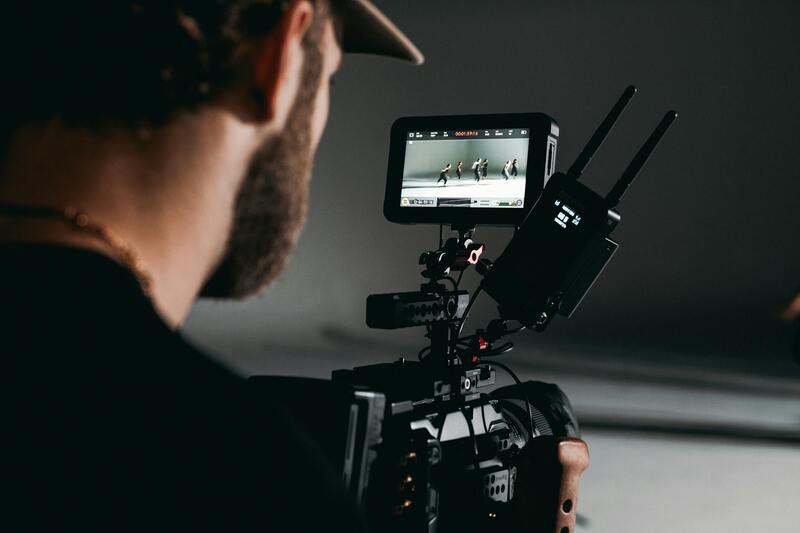
The convergence of these technological components fosters an efficient workflow where detailed, accurate, and immersive 3D visualizations can be produced within constrained timelines. As these tools evolve, they continue to enhance the realism and interactivity of property presentations, catering to the increasing demand for comprehensive virtual experiences.
Legal and Ethical Considerations
While leveraging 3D photos in real estate enhances marketing strategies, it is essential to adhere to certain standards that ensure fairness, transparency, and respect for all parties involved. Accurate representation of properties through high-quality visuals minimizes misconceptions and builds trust with prospective buyers. It is crucial that the imagery reflects the true appearance and condition of the property without misleading enhancements or omissions.
Furthermore, obtaining proper permissions from property owners and occupants before capturing images is a vital step in upholding ethical standards. This not only fosters good professional relationships but also reinforces the integrity of the visual content shared publicly. When integrating third-party data or external imagery, verifying the rights and licensing agreements safeguards against potential conflicts.
Operational transparency about the methods used in creating 3D visuals can further enhance credibility. Clearly explaining the scope of visualizations—whether they include modifications, virtual staging, or environmental adjustments—helps manage expectations and maintains authenticity.
Cost and Time Investment
Implementing high-quality 3D visualization for real estate involves a dedicated allocation of resources, including financial investment and meticulous planning. The initial costs typically encompass purchasing or leasing advanced equipment, acquiring software licenses, and hiring skilled professionals with expertise in 3D modeling and virtual staging.
On the timeline front, the process from capturing raw data to delivering polished 3D images can vary based on property size, complexity, and desired detail level. Smaller or straightforward properties may require just a few days, while larger or more intricate sites could extend to several weeks.
Investing in professional services equipped with proven workflows ensures efficient output without compromising quality. This strategic approach minimizes revisions and accelerates project turnover, ultimately providing a better return on investment in marketing efforts.
Choosing a Miami Production Agency for 3D Photos
Selecting a competent agency in Miami with extensive experience in 3D property visualization significantly impacts the success of your marketing campaign. Look for professionals who employ cutting-edge technology to deliver realistic, immersive visuals tailored to your specific requirements.
Assessing an agency’s portfolio provides insights into their capabilities and the diversity of projects undertaken. Proven expertise in handling various property types and integrating advanced features, such as virtual staging or interactive walkthroughs, can elevate your listings.
Moreover, responsive communication, transparency in procedures, and a clear understanding of your goals are indicators of a reliable partner. An agency committed to maintaining high standards ensures that each project aligns with your brand, appeals to potential buyers, and adheres to industry best practices.
Legal and Ethical Considerations
When incorporating 3D photos into real estate marketing, it is crucial to adhere to established standards and practices that uphold the integrity of the visual content. Ensuring that every image accurately represents the property prevents misleading impressions and fosters trust with prospective buyers and clients. It is essential to utilize high-quality capturing and rendering techniques that faithfully depict the property’s true appearance, including structural details, finishes, and spatial relationships.
Transparency in the creation process boosts the credibility of your listings. This can include clear documentation of the technologies used, the scope of visualizations provided, and any post-production modifications. When stakeholders understand the method behind the visuals, it reinforces confidence in the representation of the property.
It is also imperative to respect intellectual property rights and usage rights related to the visuals. This encompasses obtaining the necessary permissions for any proprietary elements included in the images, such as artwork, branded items, or exclusive architectural features. Proper attribution and licensing ensure the content is used responsibly and within legal parameters.
Furthermore, ethical considerations extend to avoiding manipulation that could distort property features or inflate the property's appeal artificially. Maintaining honest and objective visual content preserves industry standards and supports informed decision-making by potential buyers.
Legal and Ethical Considerations in 3D Photography for Real Estate
Implementing 3D photos in real estate marketing demands adherence to specific standards that promote transparency, respect intellectual property rights, and prevent deceptive practices. The primary objective is to produce visuals that accurately reflect the property's features and condition, thus fostering trust between sellers and prospective buyers.
One key aspect involves ensuring all elements within a 3D model or photo are appropriately sourced and authorized. This includes obtaining clear permissions for any proprietary content, such as copyrighted artwork, branded fixtures, or architectural designs that are not original. Proper licensing and attribution help prevent copyright infringement issues and demonstrate a commitment to ethical standards.
Furthermore, transparency plays a vital role in maintaining credibility. Providing detailed documentation about the visualization process, including the technologies utilized, the scope of the project, and any enhancements made during post-production, helps establish an honest relationship with viewers. When clients and stakeholders understand how images are created, their confidence in the representations increases, leading to more effective marketing efforts.

It is equally important to avoid manipulative alterations that might exaggerate or distort a property's spatial layout or features. While enhancing visual appeal through lighting or minor corrections is acceptable, any changes that significantly misrepresent the actual property undermine trust and can lead to problematic situations for all parties involved.
Adhering to professional standards and fostering an ethical approach to 3D visual content ultimately benefits the entire real estate industry by promoting honest marketing practices. This integrity ensures that potential buyers make decisions based on realistic representations, reducing the risk of dissatisfaction or disputes after property transactions.