
Overview of 3D Photography in Real Estate
In recent years, the integration of three-dimensional (3D) imaging has significantly transformed how real estate properties are marketed and showcased. The adoption of 3D photographs allows both real estate professionals and prospective buyers to experience properties in an immersive, highly detailed manner. This technological advancement provides a more accurate and engaging visual representation compared to traditional 2D images, creating a compelling first impression that can influence purchasing decisions.
3D photography leverages sophisticated imaging techniques such as photogrammetry, laser scanning, and rendering software to generate realistic virtual models of spaces. These models enable potential buyers to virtually explore entire properties from the comfort of their homes, providing a comprehensive understanding of layout, spatial relationships, and interior design.
The concept of 3D images in real estate is driven by the need for transparency and precision. Modern buyers often seek more than just static photos; they desire an interactive experience that reveals nuances that may otherwise be overlooked. As a result, 3D imaging has become a vital component in digital marketing strategies, offering an edge over competitors who rely solely on traditional photography.
Furthermore, 3D property visuals streamline the buying and renting processes by reducing the need for physical showings, especially for remote clients or international investors. Real estate agents and developers in Miami and beyond recognize that early investment in high-quality 3D visuals not only enhances property presentation but also accelerates the sales cycle.

Types of 3D Visualizations Used in Real Estate
Within the spectrum of 3D imaging solutions, several types of visualizations are employed to enhance property marketing efforts. These include virtual walkthroughs, interactive floor plans, 3D rendering, and photorealistic panoramas. Each type serves a specific purpose in showcasing the property’s features and spatial relationships with clarity and realism.
Virtual walkthroughs are among the most immersive options, enabling prospective buyers or tenants to navigate through a property remotely. Using high-quality 3D models, viewers experience a realistic sense of space, flow, and design elements, making it easier to assess suitability without physically visiting the site. Interactive floor plans complement this experience by allowing users to click on different sections of a detailed layout, gaining insights into room sizes, configurations, and proximity to key areas within the property.
3D rendering involves creating highly detailed images of a property’s interior and exterior, often used to visualize modifications, renovations, or design options before any physical work begins. Photorealistic panoramas, on the other hand, offer wide-angle views that provide an encompassing perspective of the property, ideal for creating virtual tours that emulate real-life experiences.

Process of Creating 3D Images for Real Estate in Miami
The development of high-quality 3D images involves a systematic process that combines precision scanning, detailed modeling, and sophisticated rendering techniques. Initially, physical spaces are captured through laser scanning, photogrammetry, or a combination of both, ensuring that every detail, from structural elements to interior finishes, is accurately recorded.
Following data collection, skilled 3D artists and CAD specialists transform raw data into detailed digital models. These models undergo refinement to ensure they represent the actual property with optimal fidelity. Textures, lighting, and materials are then incorporated to enhance realism and visual appeal. Advanced rendering software is employed to generate images that accurately depict lighting conditions, shadows, and surface finishes, providing a true-to-life representation.
Throughout this process, attention is given to maintaining consistency with the actual property, enabling agents, developers, and clients to visualize potential changes or marketing elements effectively. The final output can include static images, interactive virtual tours, and web-ready visual assets suitable for online listings and promotional campaigns.

Enhancing Listing Visibility and Buyer Engagement with 3D Photography
Implementing 3D photographs into real estate marketing strategies significantly boosts a property’s appeal and helps attract qualified buyers or tenants. These immersive visuals go beyond traditional images by allowing viewers to explore properties interactively, providing an experience that closely mimics walking through the space. This level of engagement can lead to increased interest, faster sales, and higher rental yields. For real estate agents and developers, incorporating 3D virtual tours and detailed visualizations into online listings ensures properties stand out in competitive markets. High-resolution, true-to-life renderings capture the intricacies of interior and exterior features, enabling prospective clients to assess layout, décor, and spatial relationships without visiting physically. This not only saves time but also extends marketing reach to remote or international clients, broadening the pool of potential buyers. Moreover, 3D imagery facilitates a deeper understanding of the property’s attributes, reducing misconceptions and clarifying features that might be overlooked in standard photos. When combined with descriptive text, these visuals form a comprehensive presentation that showcases a property's full potential, ultimately inspiring confidence and making the decision-making process more straightforward. Real estate professionals are increasingly integrating 3D images into digital marketing campaigns, from social media promotions to dedicated websites. Embedding interactive 3D tours on listing pages invites viewers to navigate through spaces effortlessly, enhancing user experience and increasing the likelihood of inquiries. This digital innovation aligns with modern consumer expectations for immersive, high-quality visual content, setting listings apart and elevating the overall market presence. Another critical advantage is the ability to simulate future modifications or design options within a virtual environment. Buyers can visualize different decorating styles, furniture arrangements, or renovation ideas directly on the 3D model. This foresight helps clients envision the finished space, making the property more appealing and fostering a stronger emotional connection. The ability to customize and manipulate 3D visuals for specific marketing objectives is a powerful tool for real estate stakeholders. Whether it's highlighting unique architectural features, demonstrating potential upgrades, or simply providing a comprehensive tour without physical limitations, 3D photography offers a versatile, engaging, and highly effective method to market properties in Miami and beyond.

Process of Creating 3D Images for Real Estate in Miami
Developing compelling 3D visualizations for Miami’s dynamic real estate market involves a comprehensive workflow that ensures each property is showcased at its best. The process begins with a thorough consultation between the client and the production team to understand the property’s unique features, target audience, and specific marketing goals. This initial phase is crucial for aligning creative visions with technical requirements, ensuring that the final output resonates with prospective buyers and renters.
Following consultation, a site visit is scheduled where highly specialized 3D scanning equipment is used to capture precise spatial data. For Miami properties, particularly those with intricate architectural details or expansive layouts, detailed scans facilitate accurate digital reconstructions. This step also involves capturing high-resolution photographs to aid in texturing and lighting setup, ensuring realistic and vibrant visuals.
Once the scanning and photography are completed, the data is imported into advanced 3D modeling software. Skilled designers meticulously construct a detailed virtual environment, paying close attention to texture mapping, lighting effects, and spatial accuracy. This phase allows for complex customization, such as simulating different interior styles or exterior landscaping, tailored specifically to the property and its marketing context.

After the modeling phase, rendering is performed to produce high-quality images or interactive tours. This step involves applying realistic lighting, shadows, and material properties to create visuals that look and feel like the actual property. The post-production stage fine-tunes these visuals to enhance clarity, color balance, and visual appeal, addressing specific market preferences prevalent in Miami’s real estate landscape.
Incorporating client feedback throughout this process ensures the final visuals meet their expectations and marketing strategies. The completed 3D images or virtual walkthroughs are then optimized for various platforms, ranging from listings websites and social media to virtual reality applications, providing a versatile toolkit for effective property promotion.

This meticulous process, executed by professionals familiar with Miami’s diverse property types, results in immersive, high-fidelity visual content designed to captivate and convert potential clients. The end product not only enhances online listings but also empowers real estate agents and developers with powerful marketing tools to elevate their market presence and accelerate property transactions.
Techniques for Developing Accurate 3D Visuals in Miami Real Estate
Establishing precise and compelling 3D visuals for Miami’s real estate market requires adherence to established, high-quality methods that enhance both visual accuracy and engagement. One essential approach involves comprehensive 3D scanning, which captures detailed spatial data of a property’s interior and exterior features. This technique utilizes LiDAR or photogrammetry tools to generate precise digital representations, ensuring that every facet of the property aligns with its real-world counterpart. Such accuracy is vital for creating visualizations that contribute to accurate marketing portrayals.
Another critical method involves photorealistic rendering, where architectural data and textures are combined with sophisticated lighting simulations. This process involves meticulous material mapping and lighting configurations to emulate natural and artificial light sources found in Miami’s varied climate and architectural styles. By harnessing these rendering techniques, real estate professionals can produce visuals that evoke the authentic ambiance of the property, capturing nuances like sunlight reflections, shadow play, and material textures.

Furthermore, integration of virtual staging within 3D models allows potential buyers to visualize different interior design configurations without the need for physical staging. This approach not only demonstrates the versatility of the space but also appeals to a broader audience by offering personalized styling options. Additionally, drone-based aerial imaging can be incorporated to provide comprehensive exterior views and context within the Miami cityscape, highlighting neighborhood features and property surroundings effectively.
The fidelity of these processes is enhanced through iterative review and refinement stages, during which feedback from clients and marketing strategists guides adjustments. This collaborative approach ensures that the final visuals meet the specific aesthetic and informational needs of each property, aligning with the dynamic expectations of Miami’s real estate buyers and renters.

Ultimately, these official, methodical techniques enable the creation of immersive, accurate, and appealing 3D images that serve as premium tools in the competitive Miami real estate market. They empower agents and developers to communicate property value effectively, attract qualified leads, and facilitate quicker transactions by offering highly engaging visual experiences that bridge the gap between digital presentations and tangible property evaluations.
Process of Creating 3D Images for Real Estate in Miami
Creating high-quality 3D images for Miami real estate properties involves a meticulous, multi-step process designed to capture every detail of a property with precision and clarity. This process begins with comprehensive site assessment, where professionals evaluate the property’s layout, lighting conditions, and unique features to ensure optimal imaging conditions. Precise planning is essential to determine the camera angles, equipment required, and scheduling that aligns with natural lighting patterns to enhance visual appeal.
Next, specialized equipment such as high-resolution 3D scanners and advanced cameras are employed to record detailed spatial data. These devices generate vast amounts of information, capturing interior layouts, textures, and structural nuances. In Miami’s vibrant real estate market, this step is pivotal, as accurate representation of property dimensions and features influences buyer perception and decision-making.

The captured data undergoes a rigorous processing phase using specialized software platforms that convert raw inputs into interactive 3D models. This stage involves cleaning raw data to eliminate inaccuracies, stitching images seamlessly, and assigning textures and materials to replicate real-world surfaces authentically. The software also allows for adjustments in lighting and shadows, which are critical in Miami’s sunny climate to present properties under optimal conditions.
Attention to detail during this phase ensures the final product accurately reflects the property's true appearance. Professionals then proceed to embed these models within virtual environments, creating immersive walkthroughs that can simulate different times of day or seasonal variations, offering prospective buyers a dynamic viewing experience. Collaboration with clients is integral at this point, as feedback helps refine the visuals, ensuring they meet specific marketing goals and aesthetic standards.
Beyond visualization, additional enhancements such as virtual staging or aerial views may be integrated, broadening the scope of property showcase. These enhancements are particularly advantageous in Miami, where waterfront properties or sprawling estates benefit from aerial perspectives that highlight context and surroundings.
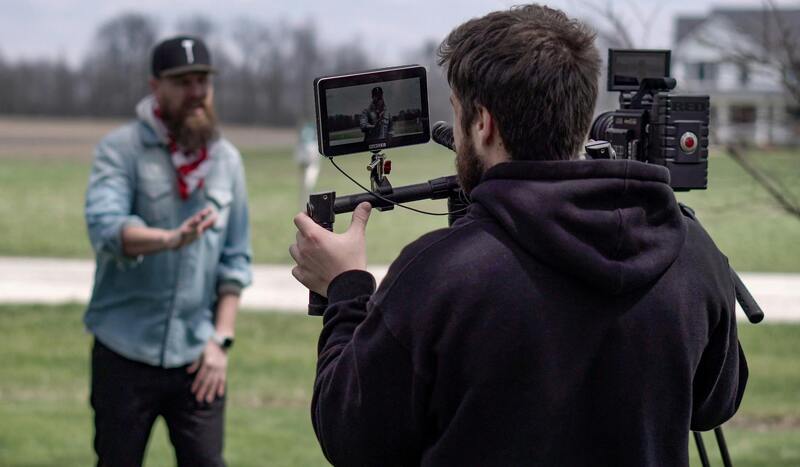
Ultimately, the creation of 3D images for Miami real estate demands a blend of technological expertise and artistic sensibility. The process’s iterative nature—where each stage builds on meticulous reviews and client input—ensures the production of engaging, accurate visuals that effectively communicate a property's appeal. This comprehensive approach enhances the property's digital presence, making it a powerful asset within competitive marketing campaigns and facilitating faster, more informed transactions.
Process of Creating 3D Images for Real Estate in Miami
Initial Site Assessment and Planning
Creating compelling 3D images for real estate begins with an in-depth assessment of the property. Professionals examine the layout, unique architectural features, and surrounding environment to determine the most effective visualization strategy. This stage involves detailed planning to ensure that lighting, angles, and focal points highlight the property's strengths, whether it's a waterfront estate or a downtown condo. Accurate measurements are taken to facilitate the creation of precise 3D models, which form the foundation of all subsequent visualization efforts.
Photogrammetry and Data Collection
High-resolution photographs are captured from various angles, utilizing advanced camera equipment to gather comprehensive data about the property. These images provide essential reference points for generating accurate 3D models through photogrammetry techniques. In addition to still images, surveying tools like laser scanners may be employed to collect detailed spatial information, capturing every contour, edge, and surface with precision. This meticulous data collection ensures that every virtual reconstruction reflects the true dimensions and features of the property.

Modeling and Texturing
Using specialized 3D modeling software, technicians transform raw data into highly detailed digital representations of the property. Architectural plans and photographs guide the modeling process, ensuring all structural elements are accurately rendered. Texturing adds realism, with surfaces and materials applied to mimic the look and feel of actual materials—such as wood, stone, or glass. Proper texturing enhances visual authenticity and helps prospective buyers imagine themselves in the space.
Lighting and Environment Simulation
Lighting plays a crucial role in making 3D images appear realistic and inviting. Virtual lighting setups simulate various conditions, including natural sunlight at different times of day and artificial lighting scenarios. This versatility allows clients to visualize the property under optimal conditions or showcase its appearance at different times, adding an emotional appeal. Environmental factors, such as landscaping or nearby water features, are incorporated to provide context and enhance the property's overall presentation.
Rendering and Post-Processing
Once modeling and environmental settings are finalized, the images are rendered using powerful computers that produce high-quality visuals. These renderings are then subjected to post-processing steps, where adjustments for color, contrast, and clarity are made to enhance visual appeal. Additional effects, such as virtual staging or seasonal modifications, can be integrated to demonstrate the property's potential uses and appeal during various times of the year. This iterative process involves close collaboration with clients, incorporating feedback to refine every aspect of the visuals.

Final Delivery and Integration
Upon completion, the high-resolution 3D images are delivered in formats suitable for multiple marketing channels. These visuals can be embedded into online listings, virtual tours, and marketing presentations, providing consistent and engaging content that captures interest. The ability to incorporate interactive elements, such as walk-throughs or seasonal adjustments, further enhances the property's virtual footprint. Proper integration maximizes the impact of 3D visualization on prospective buyers, leading to faster sales and effective leasing campaigns.
Effective Use of 3D Visuals in Miami Real Estate Market
In the competitive Miami real estate landscape, leveraging advanced visual presentation methods significantly elevates property marketing strategies. When high-quality 3D pictures are incorporated into listings, they serve as powerful tools that communicate the property's value more vividly than traditional photography. These images allow prospective buyers to explore properties thoroughly, gaining a comprehensive understanding of spatial layouts, architectural details, and interior design. The immersive quality of 3D visuals also helps to bridge geographical gaps, making remote viewing more effective and reducing the need for physical visits, which accelerates the decision-making process.

In addition, 3D images are versatile assets for various marketing channels. They can be integrated seamlessly into property websites, online listings, and social media platforms. Virtual tours powered by 3D visualizations keep potential buyers engaged longer, fostering a deeper connection with the property. For real estate agents and developers, this technology not only enhances visual appeal but also improves lead generation and client satisfaction by providing transparent and interactive property information.
Optimizing Marketing Strategies with 3D Imaging
Using 3D pictures strategically in marketing campaigns ensures a broader reach within Miami’s dynamic property market. Highlighting unique features through detailed visualizations attracts targeted demographics, from luxury homebuyers to commercial investors. Moreover, the ability to customize and update visuals rapidly—such as adding virtual furniture, seasonal scenery, or renovation options—makes 3D images adaptable to changing market trends and preferences.
Real estate professionals who adopt 3D technology early gain a competitive edge by offering a richer, more informative presentation of their listings. Enhanced visuals also support negotiations, as buyers are provided with a clearer picture of the property's potential, which can facilitate quicker agreements and reduced transaction timelines.
Collaborating with Miami’s 3D Visualization Experts
Partnering with experienced local providers ensures that the 3D images meet the highest standards of quality and realism. These specialists understand the unique architectural styles, climate considerations, and market expectations in Miami. They employ cutting-edge rendering techniques and advanced software to produce visuals that accurately reflect the property’s true essence. Whether creating virtual walkthroughs or stunning aerial views, working with seasoned professionals guarantees results that resonate with discerning buyers and investors.