
Importance of High-Quality Real Estate Photos
In the competitive Miami real estate market, the quality of property imagery can significantly influence buyer interest and the overall success of a sale. The first impression often begins online, where prospective buyers evaluate dozens of listings within moments. High-quality photographs serve as a visual gateway, capturing the essence of a property's unique features and ambiance effectively.
Professional images enhance the perceived value of a property, enabling buyers to envision themselves living in the space. Clear, well-composed photographs can highlight the property’s best attributes—whether it's the expansive waterfront views, modern interior design, or inviting outdoor areas—generating increased inquiries and visits.
Moreover, in Miami's diverse market, properties across various neighborhoods—ranging from upscale condos to luxurious estates—benefit immensely from compelling visuals. They not only attract more attention but also set listings apart from the competition. When images are optimized for digital platforms, they help maximize exposure, co-ordinate with local real estate trends, and bolster marketing efforts.
Furthermore, high-quality photos contribute to a sense of professionalism and credibility. The impression of an expertly marketed property reassures potential buyers of transparency and attention to detail, which are essential elements in the decision-making process.
In summary, investment in professional real estate photography directly correlates with faster sales, higher offer prices, and a more seamless transaction process. For Miami property owners and agents aiming to capitalize on the city’s vibrant real estate scene, utilizing premium imagery is a strategic step towards achieving optimal results.
Key Elements of Effective Real Estate Photography
Achieving high-impact real estate images hinges on mastering several fundamental components that work together to produce visually compelling photographs. These elements include strategic lighting, well-thought-out composition, precise angles, and attention to detail, all contributing to showcasing a property's most attractive features.
Lighting
Proper lighting is essential for highlighting the true character of a property. Natural light tends to be the most flattering and inviting, especially during the golden hours of early morning or late afternoon. Photographers often schedule shoots during these times to capture warm, soft light that enhances interior spaces and accentuates outdoor views. Supplementing natural light with professional lighting equipment can eliminate shadows and ensure even illumination, particularly in spaces with limited sunlight or window access.
Composition
Effective composition draws viewers’ eyes to key features and maintains visual harmony. This involves selecting focal points thoughtfully, arranging furniture and architectural elements to create a sense of depth, and avoiding clutter that could distract from the property's main highlights. The rule of thirds is a common guideline, helping photographers position key features off-center, adding balance and interest to each shot.
Angles and Perspectives
Choosing the right angles can dramatically influence the perception of a space. Wide-angle lenses are popular for capturing more of a room in a single shot, making interiors appear larger. Low or high vantage points may be employed to emphasize ceilings, views, or architectural details. An understanding of perspective ensures that images appear natural yet compelling, guiding potential buyers through the property’s layout organically.
Attention to Detail
Small elements like properly aligned furniture, cleaned surfaces, and minimal clutter can significantly impact the overall impression. Photographers often prepare the space beforehand, removing personal items or distracting decorations to present a clean, styled environment. The depth of field and focus should be carefully managed to highlight the most appealing features while maintaining clarity across the image.
Each of these factors plays a vital role in crafting professional photographs that resonate with prospective buyers. When executed correctly, these elements create an emotional connection and establish trust, which are crucial in a competitive market like Miami’s.
Additional Techniques for Enhancing Real Estate Images
- Utilize HDR (High Dynamic Range) techniques to balance light and shadow, revealing details in both bright and dark areas.
- Incorporate staging elements such as tasteful décor and strategic furniture placement to showcase a space’s potential.
- Employ proper camera settings, including aperture, shutter speed, and ISO, to ensure sharpness and accurate color rendition.
- Experiment with different focal lengths and perspectives to find the most flattering view of each room or exterior feature.
In combination, these core components and techniques foster the creation of professional-grade images crucial for capturing the unique allure of Miami properties. When these elements are thoughtfully integrated, they serve as powerful tools to enhance a listing’s appeal, attract qualified buyers, and facilitate quicker transactions.
Choosing the Right Equipment and Techniques
To capture exceptional real estate images that truly showcase a property’s best features, the selection of appropriate equipment and adherence to proven techniques are paramount. High-quality photography begins with the right tools that enable precision, clarity, and versatility in various lighting and spatial conditions. Professionals often rely on full-frame DSLR or mirrorless cameras equipped with high-resolution sensors, which ensure detailed imagery that can be printed or displayed digitally without loss of quality.
Prime lenses with wide apertures, typically between f/1.4 and f/2.8, are highly favored for interior shots. These lenses allow for optimal light intake, creating images with a pleasing depth of field that maintains focus on key elements while subtly blurring backgrounds. Additionally, wide-angle lenses, generally ranging from 10mm to 24mm, are instrumental in capturing expansive interior spaces and exterior vistas, giving potential buyers a comprehensive view of each property.
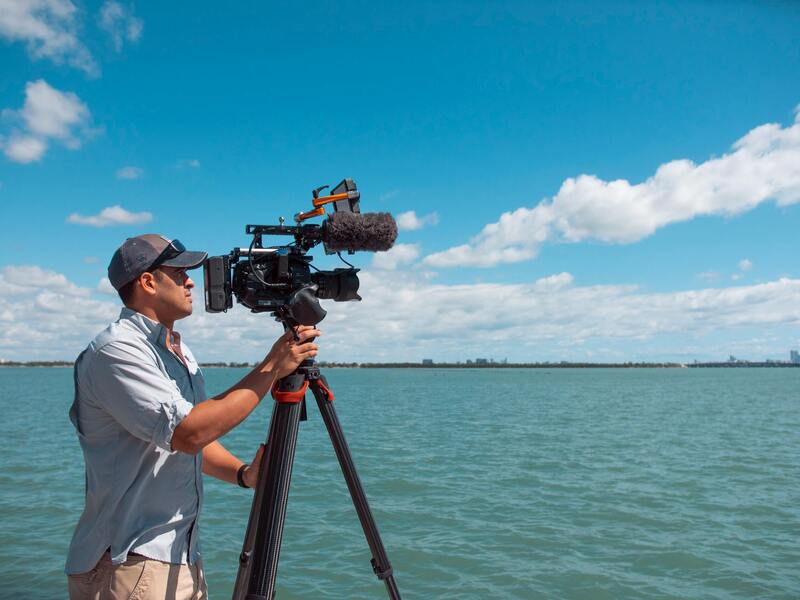
Beyond the camera and lenses, utilizing a tripod is essential for maintaining stability and sharpness, especially in lower-light conditions or when employing HDR techniques. A tripod also enables precise framing and consistency across multiple shots, which is vital for creating cohesive property galleries. To further enhance image quality, professional photographers calibrate camera settings meticulously, adjusting aperture, shutter speed, and ISO to achieve balanced exposure and true-to-life colors.
Techniques such as bracketing for HDR imaging, which involves capturing multiple shots at different exposures and combining them in post-processing, help manage complex lighting conditions. Similarly, choosing optimal shooting times—preferably during the golden hours when natural light is warm and diffuse—can significantly elevate the visual appeal of property images.
Focusing on the technical aspects of framing and perspective is crucial. Strategically shooting from the corners of rooms can create a sense of depth, while varying angles can highlight architectural features or outdoor scenery. When executed correctly, these methods produce images that are not only aesthetically pleasing but also true representations of the property, fostering trust with prospective buyers and reducing the need for multiple reshoots.Staging and Preparing Properties for Photography
Preparing a property to look its best before a photoshoot can dramatically influence the outcome of the images. Proper staging involves decluttering spaces, arranging furniture to emphasize flow and functionality, and adding tasteful accessories that highlight the property’s potential. Ensuring all surfaces are clean, beds are made, and all lights are operational contributes to a polished appearance.
Lighting is a critical aspect of staging; opening curtains and turning on all available lights ensures spaces are bright and welcoming. Additionally, removing personal items and excessive decor helps prospective buyers visualize themselves in the space without distraction. Within exterior areas, landscaping should be tidy, and outdoor furniture organized to create inviting outdoor living spaces.
Staging and preparation are not merely aesthetic choices but strategic steps to maximize the property’s appeal in photographs. When combined with professional photography skills, these efforts help create images that communicate the property's best qualities effectively.
Editing and Post-Processing Strategies
Post-processing is a vital component in producing polished and eye-catching real estate images. Using industry-standard editing software, such as Adobe Lightroom or Photoshop, allows for adjustments that enhance visual quality while maintaining realism. These edits include correcting exposure imbalances, fine-tuning white balance for accurate colors, and sharpening details to create crisp, vibrant images.
Retouching specific elements, such as removing minor imperfections or distracting objects, can further elevate the overall aesthetic without misleading viewers. Additionally, stitching multiple images in panorama shots or HDR composites allows for expansive, immersive views of interior or exterior scenes.
Consistency across a property’s image gallery is essential. Establishing a unified editing style ensures that all photos complement each other, presenting a cohesive story that draws potential buyers in. When approached with precision and an eye for detail, post-processing transforms raw files into compelling marketing tools that enhance the property’s visual narrative.
Using Drone and Aerial Photography in Miami Properties
In the dynamic Miami real estate market, aerial photography using drones has become an invaluable asset for highlighting the scope and scale of properties. Aerial shots provide a comprehensive perspective of large estates, waterfront homes, and unique architectural features that might be lost in traditional ground-level photography.
Employing drones capable of capturing high-resolution images and videos allows for striking visuals of a property’s exterior, landscaping, and surrounding environment. These images serve to attract attention online and can effectively communicate a property's location advantages, especially in picturesque settings or neighborhoods with desirable amenities.
Perfectly timed drone footage can showcase entire developments or neighborhoods, offering prospective buyers a sense of community and lifestyle. Properly capturing these images requires technical expertise and understanding of optimal flight paths, altitude restrictions, and safety protocols. When integrated thoughtfully into a property listing, aerial photography enhances the overall appeal and provides a comprehensive visual story.
Legal and Ethical Considerations
Participating in professional real estate photography involves adhering to established standards that respect property privacy, safety, and the rights of all parties involved. It is crucial to obtain proper permissions when capturing images that include neighboring properties, private land, or public spaces. Clear communication with property owners ensures that they are informed about the scope of the shoot, the intended use of photos, and any restrictions that may be in place.
Using drones for aerial shots requires more than just technical proficiency; it necessitates compliance with airspace regulations and guidelines established by regulatory bodies. Before operating a drone, it is essential to secure appropriate authorizations, understand altitude limitations, and avoid flying over crowds or private property without consent. These practices help prevent safety hazards and ensure the smooth integration of aerial imagery into marketing materials.
Respecting intellectual property rights is another important aspect of ethical real estate photography. Creatives should ensure that all images used are either originally captured or properly licensed. This approach safeguards against potential disputes and maintains a professional reputation within the industry.
Finally, transparency with clients about the methods employed in capturing images, whether ground-based or aerial, sustains credibility and fosters confidence. Providing honest descriptions of photographic techniques and respecting property boundaries contributes to a positive market reputation and aligns with best practices for real estate marketing.
Legal and Ethical Considerations
Adhering to proper procedures and standards in real estate photography involves a comprehensive understanding of the necessary practices to maintain integrity and professionalism. While capturing striking images is essential, it is equally important to respect property boundaries, privacy rights, and operational guidelines established for aerial and ground-based photography.
Securing proper permissions before photographing private properties ensures that all stakeholders are aware of the shoot’s scope and objectives. This step helps prevent misunderstandings and fosters positive relationships with property owners and neighbors. Clearly communicating the intended use of the images and any restrictions aligns with industry best practices, reinforcing trust and credibility.
Incorporating drone photography involves specific operational protocols. Professionals must comply with established airspace rules, which often include obtaining necessary authorizations from relevant authorities. Respecting altitude restrictions and avoiding restricted zones or private lands without explicit consent is vital to maintain safety standards and prevent disruptions. Proper planning and adherence to these guidelines ensure aerial imagery enhances the property's appeal while maintaining lawful operations.
Intellectual property considerations are another critical element. Photographers should only use images they have captured themselves or possess legitimate licenses to utilize. This practice not only avoids potential disputes but also upholds the integrity of the marketing materials, reflecting positively on the service provider.
Transparency forms the foundation of ethical real estate marketing. Clearly explaining the photography methods, whether using traditional techniques, advanced editing, or aerial captures, assures clients of honesty and professionalism. Respecting property boundaries, obtaining requisite permissions, and adhering to established operational standards underpin a responsible approach that benefits both clients and the broader industry.
Staying informed about evolving regulations and industry standards is crucial. Often, changes in drone operation rules or privacy laws necessitate continuous learning and adaptation from real estate photographers. Regular training and certification can enhance proficiency, ensuring that practices remain compliant and up-to-date, which ultimately benefits clients and preserves the photographer’s reputation.
Utilizing Advanced Editing and Post-Processing Techniques
Effective editing and post-processing are crucial components of professional real estate photography, serving to enhance the visual appeal of property images without compromising authenticity. A proficient photographer employs a suite of editing tools to correct exposure inconsistencies, balance color tones, and straighten skewed lines, thereby presenting the property in the best possible light.
One of the primary objectives during post-production is to ensure that images accurately reflect the property's true appearance, which involves meticulous color correction. This prevents images from appearing artificially saturated or washed out, maintaining a natural, inviting look that resonates with prospective buyers. Adjustments to brightness, contrast, and sharpness help highlight key features, making spaces appear larger and more welcoming.
Another critical aspect involves the seamless removal of minor imperfections, such as dust spots, reflections, or temporary obstructions within the frame. These subtle corrections remove distractions and focus attention on the property's most attractive elements. However, it is essential that these edits preserve the integrity of the original scene, avoiding any manipulations that could mislead viewers.
Advanced techniques, such as HDR (High Dynamic Range) blending, allow photographers to combine multiple exposures to craft images with enhanced detail in both shadows and highlights. This approach is particularly effective for capturing interior shots with complex lighting conditions or exteriors that feature bright skies and shaded areas simultaneously.
In addition, panoramic stitching and virtual staging can be employed to present expansive spaces or enhance furniture and decor arrangements digitally. These strategies help viewers envision the potential of each property, increasing engagement and interest.
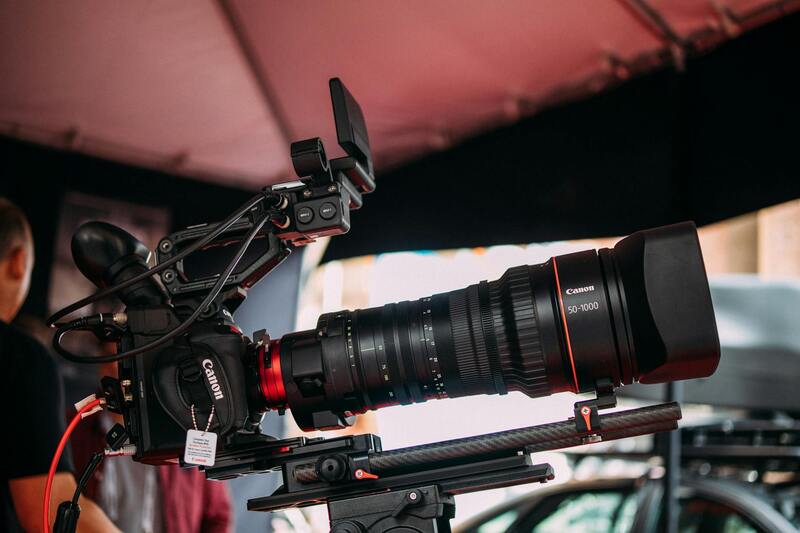
Ultimately, post-processing enhances the initial photographic capture, transforming good images into compelling marketing tools that effectively showcase a property's unique features. Skilled editing strikes a balance between visual appeal and honesty, bolstering the credibility of real estate listings and supporting informed purchasing decisions.
Using Drone and Aerial Photography in Miami Properties
In Miami’s dynamic real estate market, aerial photography has emerged as a vital component for creating captivating property listings. Drone imagery offers a comprehensive perspective that ground-level shots cannot achieve, allowing potential buyers to grasp the full scope of a property’s size, layout, and surrounding environment. This technique is especially impactful for showcasing large estates, waterfront properties, or homes with extensive landscaping and outdoor amenities.
Integrating drone photography into marketing strategies not only highlights the property's physical attributes but also emphasizes its geographical advantages, such as proximity to beaches, parks, or urban centers. High-quality aerial images can dramatically enhance an online listing, making it stand out amidst numerous competitors. When executed with precision, drone shots can reveal perspectives previously inaccessible, providing a sense of scale and context that resonates strongly with prospective buyers.
Investing in professional drone services ensures compliance with safety standards and optimal image quality. Professionals possess the expertise to operate drones safely and effectively, capturing images from ideal angles and heights. This skill guarantees sharp, stable footage, minimizing distortions and glare while maximizing visual clarity. Properly edited aerial images can also be integrated into virtual tours or 3D walkthroughs, offering an immersive experience that appeals to modern homebuyers seeking convenience and thoroughness.
Moreover, drone photography is increasingly valuable for commercial real estate, including hotels, resorts, and multi-family complexes. These images provide a strategic overview that helps investors assess property potential and location advantages efficiently. The use of drone footage is also effective in advertising marketing campaigns, where breathtaking aerial visuals can be utilized in promotional videos, virtual tours, and social media content.
To maximize the benefits of aerial photography, it’s essential to work with experienced professionals familiar with Miami’s specific regulations regarding drone flights. This ensures seamless, legal operation that aligns with local guidelines, facilitating the production of stunning imagery without interruptions or complications. When combined with ground-level photography, aerial shots create a comprehensive visual story that highlights every aspect of the property, driving greater interest and engagement from prospective buyers or investors.
Legal and Ethical Considerations
Ensuring compliance with established standards in real estate photography is essential for maintaining professionalism and respecting property rights. When capturing images, it is crucial to obtain explicit permissions from property owners or authorized representatives, especially when photographing private or restricted areas. This process safeguards all parties involved and fosters trust in the marketing process.
Respect for privacy extends beyond permissions. Photographers should be mindful of neighboring properties and public spaces to avoid infringing upon individuals' privacy rights. Using signage or consulting with local authorities when necessary can help clarify boundaries and prevent misunderstandings. Additionally, avoiding intrusive techniques such as obscuring windows or personal markings ensures a respectful portrayal of the property.
Proper handling and sharing of images is equally important. High-quality visuals should be used responsibly, with awareness of potential misrepresentations. Editing and enhancement should accurately reflect the property's true condition and features, avoiding misleading modifications that could lead to buyer dissatisfaction or disputes.
In some instances, certain locations or features may have restrictions on drone flights or photography activities. Working with professionals familiar with local rules and regulations can facilitate seamless operations that adhere to legal standards, while still capturing compelling visuals. This knowledge minimizes risks associated with unintentional violations, reduces project delays, and upholds the integrity of the marketing campaign.
Documenting these considerations and maintaining transparency about the methods used in capturing images add credibility to your listing. Prospective clients and buyers tend to trust listings that show diligence in ethical practices, ultimately enhancing the reputation of the real estate professionals involved.