Understanding the Importance of Budget-Friendly Real Estate Photography
In the competitive Miami real estate market, high-quality photography plays a vital role in attracting potential buyers and speeding up property sales. However, the rising costs of professional photography services can present challenges for property owners and real estate agents working within tight budgets. Cost-effective real estate photography ensures listings are visually appealing without overextending financial resources.
Effective, affordable photography methods can significantly enhance property visibility across online platforms, including popular real estate portals and social media channels. Good visuals help capture the unique features of a property, highlighting its best aspects and creating a compelling first impression for prospective buyers. This is especially relevant in Miami, where the vibrant and diverse property market demands visually engaging content to stand out.
Choosing budget-friendly photography options does not mean compromising on quality. It involves leveraging legitimate strategies that focus on optimizing visual appeal through proper lighting, staging, and photographic techniques while maintaining affordability. When executed correctly, these approaches can lead to increased inquiries, faster sales, and a better return on investment.
Furthermore, cost-efficient real estate photography can help smaller agencies, individual sellers, or property managers maintain consistent marketing efforts without draining financial reserves. It democratizes access to professional-looking visuals, providing all market participants the opportunity to showcase properties in the best possible light.
Properly understanding the importance of affordable photography solutions helps stakeholders navigate their options effectively. By balancing budget considerations with professional standards, they can achieve impactful listings that attract serious buyers and foster successful transactions.

Factors Influencing the Cost of Real Estate Photography
Understanding the variables that affect pricing for real estate photography is essential for securing cost-effective solutions without compromising quality. Several key factors come into play, including the property's location within Miami, the scope of the photographic work, and the experience level of the photographer or service provider. These elements collectively determine the overall expense while also shaping the available options for clients seeking affordable rates.
Location and Property Size
Miami's diverse neighborhoods, from bustling downtown properties to tranquil waterfront homes, influence photography costs. Properties located in high-demand or exclusive areas often require specialized attention or additional permits, which can elevate prices. Additionally, the size and complexity of the property directly impact the number of shots needed, the time spent on staging, and post-processing efforts. Larger homes or multi-unit buildings typically require more extensive coverage, affecting overall budgeting.
Photography Style and Equipment
The stylistic approach, such as traditional, drone, or virtual tour photography, can significantly influence costs. Advanced equipment like high-end wide-angle lenses, drones for aerial shots, or professional lighting setups necessitate higher investment, reflecting on the final rate. However, many providers offer options to tailor these services to suit budget constraints by selecting essential features or combining different packages.
Provider Experience and Reputation
Photographers with extensive experience and a proven track record often command higher fees due to their expertise, efficiency, and confidence in delivering superior results. Conversely, less experienced professionals or emerging freelancers may offer more affordable rates, making their services attractive for budget-conscious clients. It's essential to evaluate portfolios, reviews, and sample work to identify options that balance cost and quality effectively.
Additional Service Demands
Additional services such as twilight shots, virtual staging, or 3D tours can escalate costs but may be omitted or combined in a cost-conscious package. Understanding how these extras contribute to marketing effectiveness allows property owners to prioritize essential visuals, ensuring affordability without sacrificing the overall listing quality.
Timing and Scheduling
The timing of the photoshoot also plays a role in cost variation. Urgent requirements or last-minute bookings might incur premium charges. Planning photography sessions during optimal lighting conditions or off-peak times can reduce expenses while still capturing compelling images.
By carefully considering these factors and aligning them with specific property needs and budget limits, stakeholders can make informed decisions that ensure high-quality visuals at affordable prices. Engaging with providers who offer flexible packages tailored to these variables is vital to achieving a balance that enhances property listings without overspending.
Tips for Lowering Photography Costs Without Sacrificing Quality
Achieving high-impact real estate images within a restricted budget is possible through strategic planning and smart choices. Property owners and agents can implement several practical measures to reduce expenses while maintaining the visual standards necessary to attract prospective buyers.
Prioritize Key Visuals
Focusing on the most compelling aspects of the property ensures that limited photographic resources are utilized most effectively. Highlighting standout features such as spacious living areas, modern kitchens, or unique architectural details can create a powerful visual narrative without the need for extensive shots of every room. This targeted approach optimizes the photographer's effort, potentially lowering shoot time and costs.
Optimize Scheduling
Scheduling photography sessions during times with ideal natural lighting, usually early morning or late afternoon, enhances image quality without additional lighting equipment. Planning during these optimal windows reduces the need for complex lighting setups, which can escalate costs. Additionally, booking well in advance can often lead to better rates by securing slots during quieter periods.
Leverage Existing Equipment
Property owners or agents with access to quality smartphones equipped with advanced camera features may consider self-photography for basic shots. Ensuring proper framing, lighting, and composition can generate acceptable results without the expense of hiring a professional. When using a professional photographer, communicate clearly about budget constraints to focus on essential images, potentially reducing session duration and costs.
Combine Services with Value Packages
Many photographers and agencies offer bundled services that include basic editing, virtual staging, or additional angles at a discounted rate. Selecting value packages that align with specific needs helps contain overall expenditure while ensuring necessary enhancements are covered efficiently.
Minimal Post-Processing
While editing can enhance photos, excessive post-processing adds to costs. Requesting minimal adjustments and focusing on capturing high-quality shots in-camera minimizes editing time, saving money without compromising overall presentation.
Use of Free or Low-Cost Software for Basic Editing
Utilizing accessible photo editing tools can improve images economically. Software options with user-friendly interfaces allow property owners to make quick adjustments like brightness, contrast, and cropping, polishing images in-house before posting online.
Collaborate with Emerging Professionals
Engaging with aspiring photographers or freelancers often results in more affordable service rates. By reviewing portfolios and requesting trial shots, clients can identify talented individuals who deliver quality work at reduced prices, fostering long-term relationships that benefit future marketing efforts.
Implementing Cost-Effective Techniques in Practice
By combining these strategies—prioritizing key shots, optimizing timing, leveraging existing tools, bundling services, minimizing post-production, and collaborating with emerging talent—property owners can significantly lower real estate photography costs without compromising on the visual appeal needed to attract buyers. Effective communication with service providers about budget limitations also plays a critical role in customizing packages that meet both financial and marketing objectives.
DIY Real Estate Photography Options and Tools
Embarking on do-it-yourself real estate photography offers a practical route for property owners seeking to minimize expenses while still showcasing their homes effectively. With advancements in technology and user-friendly equipment, achieving professional-looking images without extensive costs has become increasingly attainable.
Equipment Essentials for DIY Photography
- Smartphones with High-Quality Cameras: Modern smartphones are equipped with multiple lenses and advanced image processing capabilities, allowing for sharp, well-exposed shots that can rival traditional cameras, especially when used with proper technique.
- Affordable Wide-Angle Lenses: Attachable wide-angle lenses for smartphones expand the field of view, capturing spacious interiors and ensuring rooms appear open and inviting.
- Tripods and Stabilizers: To avoid blurry images caused by hand movement, tripod mounts or handheld stabilizers provide steady shots essential for clear, professional images.
- Lighting Equipment: Portable LED lights or reflectors can enhance natural light or fill shadows, ensuring each room looks welcoming even during darker hours or poorly lit spaces.
Techniques to Maximize DIY Photography Quality
- Time Your Shots: Schedule photography sessions during daytime hours to take advantage of abundant natural light, which reduces the need for artificial lighting and minimizes post-editing.
- Declutter and Stage Spaces: Before shooting, remove personal items and clutter, and consider simple staging to make rooms look more appealing.
- Use Proper Composition: Adopt the rule of thirds, ensure vertical lines are straight, and shoot from eye level to create balanced, inviting images.
- Pay Attention to Lighting: Open curtains and blinds to flood rooms with natural light, and use supplemental lighting to highlight key features or brighten dark corners.
Editing Tools for Post-Production Enhancement
After capturing images, basic editing can greatly improve their visual impact. Several free or low-cost editing applications offer straightforward interfaces to adjust brightness, contrast, color balance, and straighten images, giving property photos a polished appearance without expensive software licenses.
- Adobe Lightroom Mobile: Offers advanced editing tailored for mobile devices, with a free version suitable for quick adjustments.
- Snapseed: A free, comprehensive editing app that allows detailed edits with intuitive controls, ideal for property photos.
- VSCO: Provides filters and simple editing tools to enhance images naturally, suitable for quick enhancements.
Additional Tips for Successful DIY Photography
- Browse online tutorials to learn effective composition and lighting techniques tailored for real estate images.
- Practice different angles and perspectives to find the most flattering shots of each space.
- Keep your lens clean to avoid unwanted spots or blurs in your photos.
- Take multiple shots of each room to select the best images during editing.
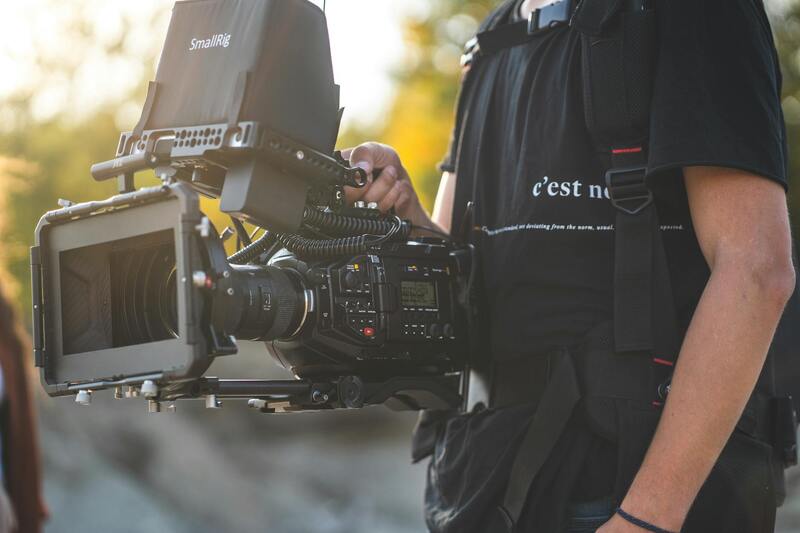
Effective DIY real estate photography setup with smartphone and accessories
Embarking on DIY real estate photography requires a strategic approach to equipment and setup, especially when working with a limited budget. The key is to leverage affordable tools that enhance image quality without the need for costly professional gear. Modern smartphones are equipped with high-resolution cameras capable of capturing crisp, vibrant images that can rival professional photographs when paired with the right accessories and techniques.
Essential accessories for budget-conscious photography
- Tripods: A stable tripod ensures steady shots, reduces blurriness, and helps achieve consistent framing. Compact and lightweight options are available at accessible price points, suitable for smartphones.
- Wide-angle lens attachments: Affordable clip-on lenses broaden the field of view, capturing more of a room in a single shot. This is particularly useful for small spaces where space constraints limit the camera's perspective.
- Lighting tools: Basic LED ring lights or portable fill lights can dramatically improve indoor illumination. Proper lighting reduces shadows and highlights key features of each property.
- Remote shutter buttons or timer functions: These tools help minimize camera shake during capture, ensuring sharper images.
Optimizing smartphone settings for better results
Maximize your smartphone's camera capabilities by adjusting settings for each shot. Use the highest resolution available, turn on grid lines to assist with composition, and switch to manual mode if possible to control exposure and focus. Utilizing HDR mode can also help balance overexposed windows with darker interior areas, providing more detailed and visually appealing images.
Preparing the space for photography
Prior to shooting, ensure the property is clean and clutter-free. Open all curtains and blinds to allow natural light maximum entry. Rearrange furniture if necessary to showcase spaciousness and flow, and remove personal items that may distract viewers. Turning on all lights helps eliminate dark corners, creating a warm and inviting ambiance in each shot.
Executing the shoot efficiently
- Set up the smartphone on a tripod for consistent framing across multiple images.
- Use wide-angle lens attachments to capture entire rooms or significant features.
- Experiment with different angles and heights to find the most flattering views.
- Take multiple shots of each area, adjusting lighting and perspective as needed to ensure a variety of options during editing.
- Review images on your device, retaking any that are blurry, poorly lit, or unflattering.
Post-shoot editing for professional-quality images
Post-processing tools can elevate DIY photos without incurring additional expenses. Free or affordable apps such as Snapseed, VSCO, or Adobe Lightroom Mobile allow property owners to adjust brightness, contrast, saturation, and straighten images. Cropping can improve framing, and filters can add a consistent aesthetic that enhances the property's appeal. Prioritize natural color correction to keep images realistic and engaging for viewers.
Final tips for successful DIY property photography
- Maintain a clean lens by wiping it with a soft cloth before each shoot for sharp, clear images.
- Practice different compositions and angles to discover what best highlights each space.
- Avoid overly staged photos; aim for an authentic, welcoming representation of the property.
- Take your time—patience and attention to detail are critical for achieving professional-looking results on a budget.
By thoughtfully combining affordable accessories, proper setup, and effective editing, property owners can significantly enhance their real estate visuals without overspending. These methods enable individuals involved in property sales or rentals to produce compelling listings that attract more prospective buyers or tenants, all while maintaining budget mindfulness.
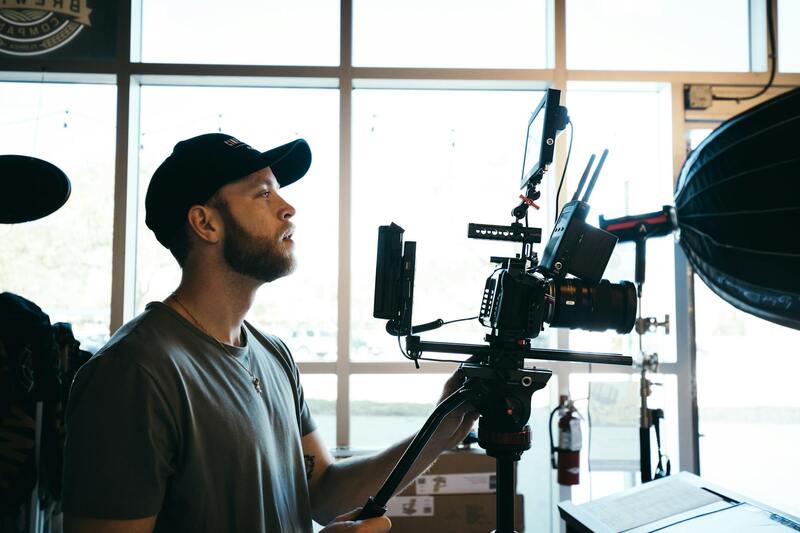
Strategies to Enhance Inexpensive Images with Editing, Staging, and Proper Lighting
When working with a limited budget, property owners and real estate professionals can still achieve visually appealing images by leveraging strategic editing techniques, effective staging, and optimal lighting conditions. These methods help maximize the visual impact of budget-friendly photographs, making listings more attractive to prospective buyers and renters.
Post-Processing for Maximum Visual Appeal
Post-shoot editing plays a critical role in elevating inexpensive photos. Using accessible, user-friendly editing software such as GIMP, Canva, or Lightroom Mobile, users can refine images to convey the property's best features. Basic adjustments like increasing brightness and contrast can make rooms look more inviting and spacious. Correcting color saturation ensures that walls, furniture, and decor appear vibrant without looking artificial.
Additionally, cropping images to focus on key areas removes distractions and emphasizes the property’s core attributes. Straightening skewed horizons or walls can significantly improve overall composition. Some editing tools also offer perspective correction, which is useful for straightening lines and making rooms look more proportionate.

Staging and Setup Techniques
Even with inexpensive photography, thoughtful staging can greatly enhance the property’s appeal. Simple arrangements such as neatly arranging furniture, adding fresh flowers, or placing accent pillows can create an inviting atmosphere. Remove clutter and personal items to allow potential buyers to envision themselves in the space. Natural elements like open curtains and turning on lights can add warmth and brightness to the scene.
Strategically positioning furniture and accessories to highlight a room’s spaciousness and functionality can compensate for lesser image quality. Using neutral tones and minimalistic decor helps maintain a clean look that appeals to a broad audience.
Harnessing Natural Light
Lighting is a crucial factor in the quality of real estate photos. Shooting during daylight hours, particularly in the early morning or late afternoon when sunlight is softer, can produce more balanced and flattering images without additional equipment costs. Opening all curtains and blinds maximizes natural light, which reduces shadows and emphasizes the brightness of interior spaces.
To further enhance lighting, small reflectors or white sheets can be used to bounce light into darker areas. Avoiding harsh midday sun prevents overexposure and deep shadows, ensuring even illumination across rooms. Properly lit images can significantly improve the perceived quality of even modestly priced photographs.
Additional Tips for Cost-Effective Photo Enhancement
- Use a tripod or stable surface to avoid camera shake and achieve sharper images.
- Capture multiple shots from different angles, then select the best through careful review.
- Avoid overly staged or cluttered photos which can obscure the property’s best features.
- Maintain consistency across all photos in terms of lighting and composition to achieve a professional look.
- Consider leveraging free online tutorials to learn quick editing techniques that can elevate your images.
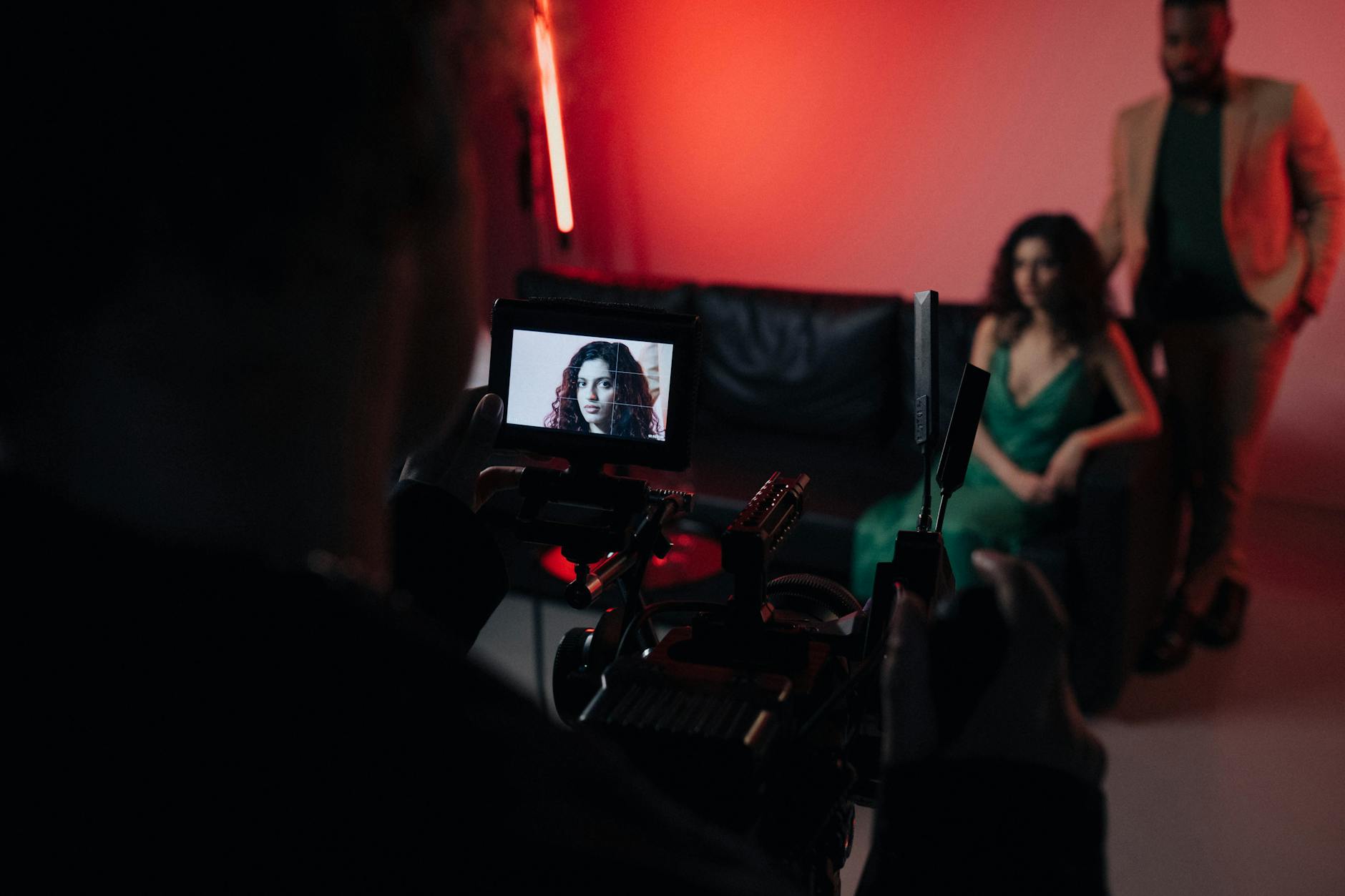
Understanding the Importance of Budget-Friendly Real Estate Photography
In the competitive Miami real estate market, high-quality property images are essential for attracting potential buyers and tenants. However, a costly photoshoot can sometimes deter property owners or real estate professionals operating within tight budgets. Affordable real estate photography offers a practical solution, ensuring properties are showcased effectively without significant financial strain. By prioritizing cost-effective methods, clients can still achieve compelling visuals that highlight key features of a listing while optimizing overall marketing expenses. This approach not only enhances the property's appeal but also provides a strategic advantage in a fast-paced market where quick sales are often linked to strong visual presentation.
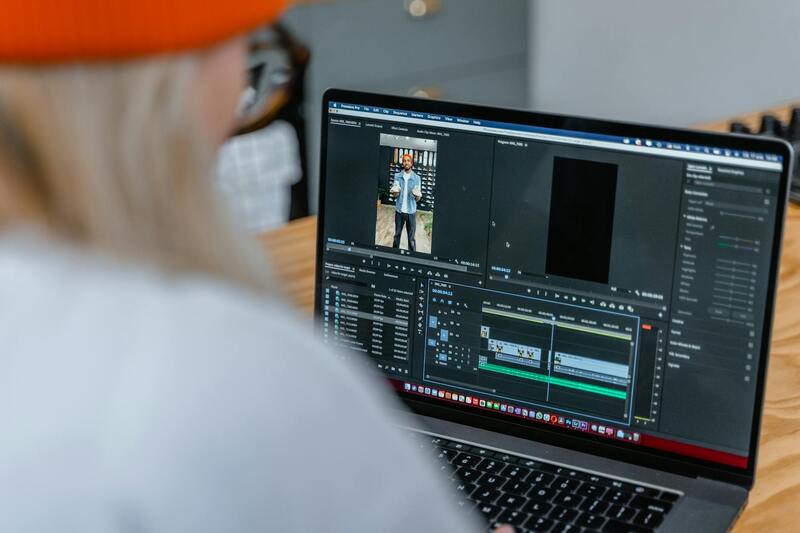
Factors Influencing the Cost of Real Estate Photography
The expense associated with real estate photography in Miami depends on various components. These include the experience level of the photographer, the scope of services provided, and the equipment used. For instance, professional photographers with advanced camera gear and editing skills typically charge more, but their expertise often results in superior images that can sell a property faster. Location-specific factors also play a role; properties in high-demand neighborhoods may require more detailed shoots or additional services like drone photography, which can impact pricing. Additionally, turnaround time and the number of images needed can influence overall costs. Understanding these factors helps property owners and real estate agents make informed decisions that balance quality and budget constraints.
Finding Affordable Real Estate Photography Services in Miami
Miami boasts a range of options for budget-conscious property marketing. Starting with local listings and community boards can reveal affordable freelance photographers or small studios offering competitive rates. Online platforms dedicated to freelance services often display portfolios and reviews, providing insights into quality and pricing. Reaching out for customized quotes based on specific project needs allows for better cost management. Some photographers specialize in real estate images and offer package deals that include a set number of photos or on-site services at reduced rates. Additionally, newer photographers who are building their portfolios often price their services lower to attract clients, providing an excellent opportunity for cost savings without sacrificing quality.
Tips for Lowering Photography Costs Without Sacrificing Quality
- Leverage Natural Light: Schedule photo sessions during daylight hours to utilize abundant natural light, reducing the need for additional lighting equipment.
- Self-Staging: Keep interiors tidy and uncluttered to enhance visual appeal without hiring professional stagers, which can add to costs.
- Limit Number of Shots: Focus on key areas that showcase the property's best features, avoiding unnecessary images that do not contribute to the listing's appeal.
- Use Consumer-Grade Equipment: Modern smartphones or basic digital cameras, when properly used, can produce good quality images suitable for online listings.
- Post-Processing Software: Utilize free or low-cost editing tools to enhance images, correct lighting, and improve overall presentation post-shoot.
- Bundle Services: Seek package deals that include multiple images and editing services from single providers to reduce overall costs.
DIY Real Estate Photography Options and Tools
For property owners or agents on a tight budget, do-it-yourself (DIY) photography offers a feasible alternative. Modern smartphones equipped with high-resolution cameras and sophisticated editing apps can deliver decent images suitable for online listings. To maximize results, invest in simple accessories like a tripod for stability, wide-angle lenses to capture more in each shot, and reflectors to bounce natural light into darker areas. Conducting thorough research through online tutorials can familiarize users with framing techniques, lighting adjustments, and editing tips necessary for producing professional-looking photos. While DIY photography may lack some of the polish of professional shoots, careful execution can still generate compelling visuals that attract viewers' attention and generate interest in the property.
Maximizing the Impact of Low-Cost Real Estate Photos
Achieving high engagement with budget-friendly images requires thoughtful presentation and strategic optimization. High-quality photos, even if inexpensive, need to be strategically used across various marketing channels. Employing consistent photo styles and lighting helps maintain a professional appearance in all listings. Incorporating descriptive, keyword-rich captions enhances online visibility and attracts targeted traffic. Additionally, pairing images with compelling property descriptions and accurate specifications ensures potential buyers receive a complete understanding of the listing. Effective use of social media platforms and online property portals with these images further amplifies visibility, often resulting in quicker sales. Ultimately, combining cost-effective imagery with strategic marketing maximizes return on investment and accelerates the property sale process.
Choosing the Right Balance Between Cost and Quality in Real Estate Photography
When aiming to keep real estate marketing expenses low, property owners and agents must understand how to balance cost and quality effectively. Striking this balance involves evaluating multiple factors to maximize visual appeal without overspending.
Assess Your Property’s Unique Features
Identify hallmark features that make your property stand out. Highlighting key architectural details, spacious interiors, or scenic views can justify investing slightly more in specialized shots that accentuate these aspects. For features that are less prominent, basic but well-composed images can suffice, saving costs while maintaining visual appeal.
Prioritize High-Impact Shots
Focus on acquiring a core set of high-quality images that showcase the property's strongest points. These should include exterior front views, main living areas, kitchens, and master bedrooms. Ensuring these shots are well-lit and professionally composed will create a lasting impression, often justifying a higher investment in fewer, more impactful images.
Compare Service Tiers and Packages
Many photography providers offer varying levels of service bundles. Starting with basic packages that include essential shots can control costs. If budget permits, adding enhancements such as twilight photography or virtual staging can significantly elevate listing appeal without the need for a full range of expensive extras.
Evaluate Portfolio and Experience
Choosing photographers with a proven track record of producing appealing images can lead to better results at a lower cost. Experienced professionals often work efficiently and deliver superior images in less time, reducing overall expenses. Reviewing online portfolios and seeking references can help identify skilled photographers who provide quality work within your budget.
Leverage Efficient Scheduling and Planning
Planning the shoot during optimal weather conditions and at the right time of day ensures natural lighting is at its best, minimizing post-production editing needs. Making sure all interior and exterior areas are prepared and staging is appropriately managed beforehand can streamline the process and reduce additional costs.
Utilize Cost-Effective Editing Techniques
Post-processing is crucial for enhancing images and correcting lighting or color discrepancies. Opting for photographers who include professional editing in their packages or providing basic editing yourself can save money while maintaining a professional appearance. Focus on color correction, straighten horizons, and removing distracting elements to improve image quality without extensive edits.
Assess Long-Term Investment Benefits
While initial savings are important, consider the potential return on investment from higher-quality images. Well-produced photos can attract more viewers, generate faster sales, and often command higher listing prices. Investing thoughtfully in visual content can thus lead to better overall financial outcomes.