
Factors Influencing Drone Photography Pricing
Understanding the cost structure for commercial drone photography requires a comprehensive look at the various elements that influence pricing. Several key factors determine the final fee quoted by professional drone operators, including the quality and type of equipment used, the duration of the flight, the complexity of the project, and the location where services are provided.
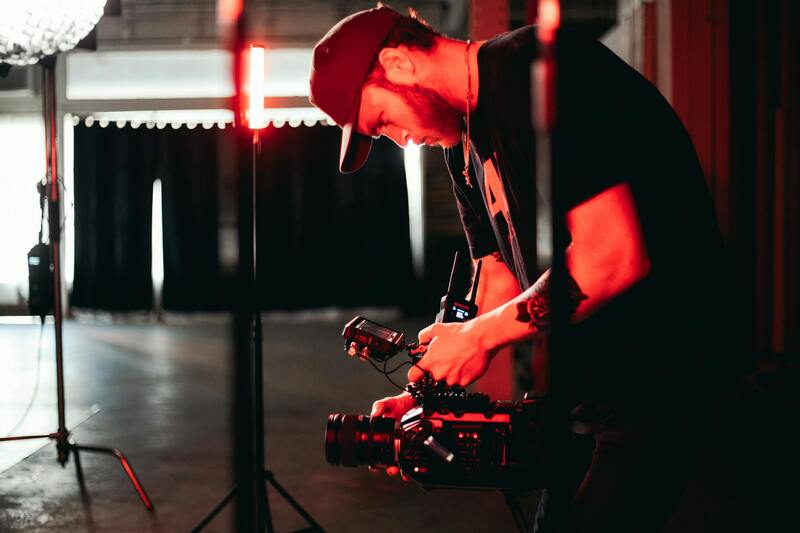
At the core of pricing is the quality of drone technology. Advanced drones equipped with high-resolution cameras and stabilization features tend to command higher prices due to their superior performance and output quality. The equipment’s capabilities directly influence the overall project scope, especially for detailed, crisp imagery or video content.
Flight time represents another critical element impacting costs. Longer shooting sessions require more operator hours and potential battery replacements, which contribute to the overall expense. For projects demanding extensive coverage, the fees increase accordingly.
Project complexity also plays a pivotal role. Tasks involving difficult terrains, restricted zones, or requiring special permits tend to elevate costs due to additional planning, safety measures, and compliance efforts. Many projects also necessitate pre-flight surveys or multiple flight points, further influencing the pricing.
Location factors cannot be overlooked. Urban environments like Miami may involve airspace restrictions, special permissions, or coordination with local authorities, all of which can add to the cost structure. Additionally, logistical considerations such as accessibility and turnaround time impact overall pricing.
Complex projects often demand customized solutions, such as editing services, aerial mapping, or 3D modeling, which can significantly impact the final cost. It is essential for clients to understand these variables early in the planning process to accurately budget their aerial photography needs.
Factors Influencing Drone Photography Pricing
When evaluating the costs associated with commercial drone photography, several key elements can significantly impact the final invoice. These determinants are essential for clients to understand, as they influence the scope and complexity of each project, ultimately shaping the pricing structure.
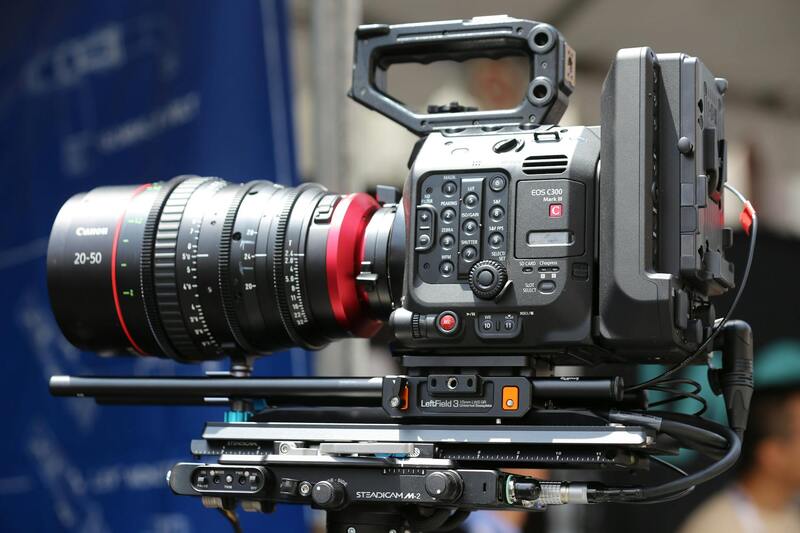
Equipment and Technology
The quality and sophistication of the drone hardware and camera systems directly correlate with project costs. High-end drones equipped with premium cameras capable of capturing 4K or higher resolution images, or specialized equipment for thermal or multispectral imaging, tend to command higher fees. Additionally, the need for advanced stabilization systems and long-range capabilities can further influence pricing, particularly for projects that demand detailed, high-resolution outputs or extensive post-processing efforts.
Flight Duration and Coverage
The length of the operational window is a significant variable. Longer flight times not only require more operator involvement but also increase battery usage and potential equipment wear. Projects that cover expansive areas or require multiple flight points incur higher costs due to the additional time and resource commitment. For instance, capturing extensive real estate developments or large commercial sites may necessitate multiple flights or comprehensive post-flight data stitching, raising overall expenses.
Project Complexity and Environment
Complexity stems from various factors such as terrain difficulty, environmental conditions, and flight restrictions. Navigating around obstacles, working at heights, or in densely populated urban zones like Miami can impose operational challenges. These scenarios often require meticulous planning, additional safety measures, or obtaining special permissions, all of which add layers of planning and ancillary costs. Projects involving night flights or drone operations in protected areas can further influence the pricing structure.
Location-Specific Factors
Miami's bustling urban landscape entails unique logistical and administrative considerations. Airspace management, local regulations, and the need for coordination with authorities or property owners can affect service charges. Access issues, such as remote or hard-to-reach sites, may also necessitate extra equipment or extended travel time, contributing to variations in pricing.
Post-Processing and Additional Services
Deliverables often extend beyond raw footage. Aerial mapping, 3D modeling, or detailed editing can significantly increase the service cost. Customized solutions like color correction, image stitching, or creating specialized visualizations require skilled post-production work, which influences the overall invoice. Clients seeking comprehensive packages should consider these additional services when budgeting for their projects.
Additional Charges and Premium Services
Beyond the foundational costs of drone operation and basic footage delivery, clients should anticipate additional charges for specialized services that cater to complex project requirements. Premium options include high-resolution image capture, advanced post-production enhancements, and customized deliverables tailored to specific branding or marketing needs. These services often involve a higher level of expertise and equipment, leading to elevated pricing.
For instance, aerial surveys that require precise georeferencing, photogrammetry, or detailed 3D mapping are usually billed as supplementary services due to their technical complexity. Similarly, projects that aim to produce cinematic-quality footage with professional-grade stabilization, color grading, and editing will incur extra fees reflecting the immersive effort involved.
Equipment upgrades, such as deploying drones with extended flight times, higher payload capacities, or specialized sensors (thermal, multispectral, or LiDAR), can also influence overall costs. These enhancements are crucial for projects demanding detailed environmental analysis, structural inspections, or other niche applications.
Factors That Can Increase or Decrease Cost
Several variables directly affect the final pricing of commercial drone photography services. These include project scope, environmental conditions, client specifications, and operational logistics.
- Project Scope: Larger areas requiring extensive coverage, multiple flight sessions, or long-duration shoots naturally elevate costs. Additionally, projects with detailed deliverables like high-resolution imagery or interactive visualizations tend to be priced higher.
- Environmental Conditions: Unfavorable weather or challenging terrains such as dense urban zones or coastal areas can extend flight times and increase safety precautions, thereby increasing expenses.
- Operational Logistics: Airspace restrictions, permit acquisitions, and coordination with municipal authorities in Miami add administrative overheads. Remote or hard-to-access sites may require specialized transportation or extra equipment, further influencing costs.
- Client Specifications: Customized requirements, including specific shot lists, time-sensitive deadlines, or special effects, may lead to adjustments in standard pricing models.
How to Obtain Accurate Quotes for Commercial Drone Projects
Securing precise estimates involves a detailed understanding of your project’s scope and requirements. When consulting with drone service providers in Miami, ensure the following information is clearly communicated:
- Project Details: Clearly define the aerial footage objectives, areas to be covered, and desired resolution or output formats.
- Site Conditions: Share information about the terrain, accessibility, and any known restrictions or environmental concerns.
- Deliverables and Post-Processing: Specify whether post-production, editing, or additional services are necessary, as these can significantly influence costs.
- Timeline: Provide a schedule to align expectations and identify any rush requirements that may affect pricing.
Request detailed proposals from multiple providers to compare pricing structures and ensure all essential components are included. This comparative approach helps maintain transparency and supports informed budgeting decisions.
Factors That Can Increase or Decrease Cost
Understanding the variables that influence commercial drone photography pricing is essential for clients seeking accurate estimates and efficient budget planning. Several factors can contribute to fluctuations in the final cost, ranging from project complexity to technical requirements.
- Scope of the Project: Larger areas, more extensive coverage, or detailed shot requirements naturally demand more flight time and resources, leading to higher costs. Detailed pre-visualization and extensive coverage plans increase operational hours and post-processing workloads.
- Type of Equipment Used: Deploying specialized camera systems, such as thermal imaging, high-resolution video setups, or multi-sensor configurations, incurs additional expenses. These advanced tools often require expert handling and calibration, contributing to overall cost increases.
- Flight Regulations and Airspace Management: Navigating Miami’s airspace involves obtaining permits and coordinating with authorities, especially in urban or restricted zones. These administrative procedures can add to the timeline and budget.
- Environmental and Site Conditions: Challenging weather, dense urban environments, or inaccessible locations may necessitate additional planning, equipment, or safety measures, leading to increased costs.
- Turnaround Time and Delivery Deadlines: Rush projects or expedited editing services typically command premium pricing due to resource reallocation and extended work hours.
- Post-Processing Requirements: Detailed editing, color grading, or format conversions increase labor costs. The need for specialized post-production workflows can significantly impact the overall budget.
Key Considerations When Budgeting for Drone Photography
Accurate budgeting begins with clearly defining the project scope and aligning expectations appropriately. Clients should consider outlining essential aspects such as intended deliverables, site specifics, and timeline constraints upfront. This clarity enables service providers to prepare more precise cost estimates and ensures that all project components are accounted for in the final quote.
Additional considerations include assessing the need for supplementary services like aerial mapping, 3D modeling, or ongoing maintenance. Factoring these into the initial budget can prevent unexpected expenses later in the project lifecycle. Moreover, maintaining open communication with the drone service provider facilitates adjustments for any scope changes or unforeseen challenges, promoting transparency in pricing and workflow.
Factors Influencing Drone Photography Pricing
Understanding the dynamics of commercial drone photography pricing requires an examination of several key factors that can significantly impact the overall cost of a project. These elements include the scope and complexity of the shoot, the type of equipment required, environmental conditions, and the level of post-production involved. Each component plays a vital role in shaping the final invoice, making precise planning essential for both clients and service providers.
Project Scope and Complexity
The scope of a drone photography project refers to its size, duration, and the specific deliverables expected. For instance, capturing static aerial shots of a property involves less time and equipment than conducting extensive aerial surveys, 3D modeling, or mapping large-scale constructions. Complex projects often demand more detailed planning, specialized equipment, and extended flight times, which naturally elevate costs.
Additionally, the intricacy of the shoot environment influences pricing. Flights in densely populated urban areas or over inaccessible terrains require additional safety measures, permissions, and sometimes specialized flight equipment. These factors contribute to higher operational costs, ensuring safety and compliance are maintained throughout the project.
Equipment and Technology
The type and quality of drone equipment used directly affect project pricing. High-end drones equipped with advanced stabilization, high-resolution cameras, thermal imaging, or LiDAR sensors are more costly to operate and maintain. Specialized equipment enables capturing specific types of footage, which can be crucial for commercial applications such as real estate, construction monitoring, or infrastructure inspections.
Multi-drone operations or the use of different camera configurations also add to the investment, especially when multiple flights or extensive post-flight calibration are necessary. Service providers may charge additional fees for renting or deploying high-end gear, reflecting the technological capabilities needed for particular deliverables.
Environmental Conditions and Safety Considerations
Weather plays a significant role in drone flight operations. Wind, rain, fog, or harsh sunlight can restrict flying windows and affect footage quality, potentially requiring additional shoots or equipment adaptation. Unpredictable weather conditions increase costs due to scheduling adjustments, extended project timelines, or equipment safeguards.
Furthermore, challenging environments—such as urban canyons, bird-rich areas, or sites requiring special safety buffers—may necessitate additional personnel, permits, or risk mitigation strategies. These safety considerations translate into higher service fees, ensuring the aerial operations are conducted securely and efficiently.
By carefully assessing these elements during the initial planning stages, clients can align their expectations with realistic cost estimates. Transparent communication with the chosen drone service provider is essential for identifying how specific project requirements impact pricing, enabling a tailored approach that balances budget with quality outcomes.
Factors That Can Increase or Decrease Cost
Understanding the variables that influence commercial drone photography pricing is crucial for clients aiming to optimize their budgets while achieving high-quality results. Several key elements can significantly alter the overall cost of a drone project, ranging from technical requirements to operational environment.
Project Scope and Complexity
The scope of the project encompasses the desired coverage, the complexity of shots, and the level of detail required. A straightforward aerial photograph of a commercial property might be less costly than a comprehensive survey that includes multiple vantage points, detailed mapping, or 3D modeling. High-detail deliverables often require specialized equipment, multiple flights, and extensive post-processing, all of which contribute to higher fees.
Flight Duration and Number of Shots
The length of drone operation directly influences pricing. Longer flight sessions, more extensive coverage areas, or the need for repeated flights due to changing conditions will drive up costs. Likewise, projects demanding a large volume of high-resolution images or videos across different locations necessitate additional flight time and data management efforts.
Technological and Equipment Requirements
Utilizing advanced sensors, thermal cameras, or high-end cinema-grade cameras will incur extra costs. These specialized tools often require additional handling, calibration, and expertise, which can escalate pricing. When clients require unique equipment that enhances visual quality or captures specific data, service providers may charge premium rates to account for the gear's capabilities and operational complexity.
Post-Processing and Editing
The level of post-production work required can also affect costs. Simple color grading and basic editing usually add minimal charges, but extensive editing workflows involving 3D modeling, panoramic stitching, or detailed color correction will increase project budgets. Clients should clarify the extent of editing services included in the quotation to ensure alignment with their expectations.
Environmental and Location Factors
Environmental conditions and the nature of the location impact operational costs. Difficult environments, such as urban areas with strict safety protocols, wildlife-rich zones, or sites with limited access, may require additional planning, permits, or personnel. These factors contribute to logistical challenges that can elevate pricing, especially if extra safety measures, insurance, or specialized flight permissions are needed.
Regulatory and Permit Requirements
Some projects in Miami demand specific permits, especially in densely populated or protected areas. Acquiring and adhering to these regulatory requirements involves administrative procedures and compliance checks, which can add to the project cost. Service providers often include these costs in their quotes, ensuring that all legal considerations are duly addressed without affecting the project timeline.
Summary
Ultimately, the total cost of commercial drone photography is shaped by multiple intertwined factors. A comprehensive understanding and transparent discussion of these variables enable clients to establish realistic budgets and select appropriate service providers tailored to their project needs.
Factors Influencing Drone Photography Pricing
When determining the cost of commercial drone photography, several key elements come into play that influence the final pricing structure. These factors ensure that clients receive a service tailored to their specific needs while also covering the extensive operational requirements associated with aerial imaging.
Operational Scope and Project Complexity
The scope of the project—such as the size of the area to be covered, the number of locations involved, and the complexity of the shots desired—significantly impacts the overall cost. A straightforward shoot over a single property with simple angles will be less expensive than a multifaceted campaign involving multiple sites, intricate maneuvers, or high-resolution imagery. For instance, projects requiring advanced techniques like thermal imaging, 3D modeling, or panoramic stitching demand additional drone flight time and post-processing efforts, increasing the budget accordingly.
Drone Type and Equipment Specifications
The choice of drone and camera equipment also plays a crucial role in pricing. High-end drones equipped with specialized sensors—such as infrared or multispectral cameras—are typically associated with higher rental or operational costs. Furthermore, larger or more sophisticated drone models capable of extended flight durations, higher stability, and superior image quality often come with increased costs that are reflected in the pricing offered to clients.
Flight Duration and Number of Shots
The total flight time required to complete a project directly correlates with the cost. Shorter shoots that involve minimal footage generally cost less, whereas projects necessitating prolonged flight sessions, multiple angles, or high-volume image capture will elevate the price. The need for repeated flights, angle adjustments, or complex camera setups can extend operational hours, affecting costs proportionally.
Permits, Insurance, and Safety Measures
Operational safety and compliance considerations often necessitate permits or licenses, especially in urban or densely populated areas. Securing these permissions involves administrative procedures, fees, and possibly coordination with local authorities. Additionally, comprehensive insurance coverage for drone operations, including liability and damage protection, adds to the overall expense. These layers of compliance and risk mitigation are incorporated into pricing to ensure responsible operation and project security.
Post-Processing and Editing
The technical quality of the final product depends heavily on post-processing efforts. Basic editing such as color correction and image enhancement is typically included in standard packages. However, more elaborate workflows—like 3D modeling, panoramic image stitching, or detailed video editing—contribute to additional costs. Clients should clarify the extent of editing services when obtaining quotations to prevent unexpected expenses and align the results with their expectations.
Environmental and Location Factors
- Environmental Conditions: Weather, lighting conditions, and environmental obstacles can delay shoots or necessitate specialized equipment, impacting overall costs.
- Site Accessibility: Difficult-to-access locations, restricted zones, or protected areas may require additional planning, permits, and safety protocols, which influence pricing.
Understanding these variables helps in creating precise budgets and selecting suitable service providers capable of delivering high-quality aerial imagery tailored to specific project requirements.
Factors Influencing Drone Photography Pricing
Several critical factors impact the overall cost of commercial drone photography projects in Miami. Understanding these elements ensures that clients receive accurate estimates and select the best service providers to meet their specific needs. These factors encompass equipment quality, operational complexity, project scope, environmental conditions, and the required level of post-processing.
Equipment and Technology
High-end drones equipped with advanced stabilization systems, high-resolution cameras, and specialized lenses substantially affect pricing. The sophistication of the equipment determines image quality and the ability to operate in complex environments. For instance, drones capable of capturing 4K or higher resolution footage, thermal imaging, or LiDAR data will command higher rates due to the specialized hardware involved.
Operational Complexity and Coverage Area
The size and complexity of the project area directly influence costs. Large-scale campaigns covering extensive terrains or multiple locations require more flight time and planning. Urban environments like Miami's downtown or waterfront districts pose additional challenges due to restricted zones and the need for precise navigation, which can elevate operational expenses.
Project Scope and Specific Deliverables
The nature of the intended deliverables also impacts pricing. A simple aerial photo shoot might have a set fee, while comprehensive projects involving multiple shoot days, high-volume data collection, or specialized videos will have tiered costs. Clients should specify if they require still images, cinematic video production, 3D models, or virtual tours.
Environmental Conditions and Timing
Weather conditions influence scheduling and safety measures. Miami’s coastal climate, with occasional rain and high humidity, can lead to delays. Optimal lighting and clear weather conditions are essential for high-quality imagery, sometimes requiring rescheduling or additional equipment. Night or low-light shoots further increase project costs due to specialized lighting or camera equipment and extra safety protocols.
Post-Processing and Editing Requirements
Post-processing significantly impacts pricing, especially when advanced editing services are involved. Basic color correction and image enhancement are usually included, but complex workflows like panoramic stitching, 3D modeling, or detailed video editing are billed separately. Clear communication about these requirements upfront helps prevent unexpected expenses.
Regulatory and Licensing Compliance
Adherence to regulatory guidelines, including obtaining necessary authorizations for drone flights over certain areas, contributes to project costs. These processes may involve fees for permits or additional safety measures, particularly in designated protected zones or crowded commercial districts.
Common Pricing Models for Drone Photography
Drone photography providers typically adopt various pricing structures to accommodate diverse client needs. The most common models are hourly rates, project-based fees, and package deals. Each model offers distinct advantages depending on project complexity and scope.
Hourly Rates
Billing by the hour is suitable for short-term projects or those with uncertain durations. Hourly rates for commercial drone work in Miami generally range from $150 to $300, depending on the drone sophistication and operator expertise. This model allows flexibility but may become costly if the project extends beyond initial estimates.
Flat-Rate Project Pricing
Many service providers prefer clear, upfront project prices that encompass all planned activities. These flat fees eliminate surprises and help clients budget accurately. Costs can vary from $1,000 to over $10,000, influenced by geographical scope, deliverables, and post-processing requirements.
Package Deals
Some companies offer tiered packages combining specific services at set prices. For instance, a basic aerial shoot package might include several high-resolution images and standard edits for a fixed fee, while premium packages include multi-angle footage, advanced editing, and expedited delivery.
Average Cost Range for Commercial Drone Photography in Miami
In Miami, the typical expenditure for commercial drone photography falls within a broad spectrum reflecting project variables. Basic aerial shoots generally start at approximately $500 to $1,500, whereas complex promotional campaigns or real estate virtual tours can range from $3,000 to $10,000 or more. Factors such as location intricacy, image quality standards, and post-production demands influence these figures significantly.
Additional Charges and Premium Services
Beyond base pricing, clients should anticipate potential additional fees that reflect the project’s specific requirements:
- Permits and Regulatory Fees: Costs associated with securing necessary flight clearances for restricted areas or special event coverage.
- Specialized Equipment Usage: Deploying night-vision, thermal imaging, or heavy-lift drones incurs extra charges.
- Expedited Delivery: Faster turnaround times for edited images or videos are generally billed as premium options.
- On-site Safety and Support: Additional personnel or safety measures required in complex environments may add to expenses.
- Revisions and Additional Edits: Extra post-processing beyond initial agreements can result in supplementary charges.
Factors That Can Increase or Decrease Cost
Several elements influence final pricing, either elevating costs or providing opportunities for savings:
- Travel and Transportation: If the project location requires extensive travel or specialized transportation, these costs are factored into the total.
- Project Timeline: Urgency or tight deadlines often necessitate additional resources, raising prices.
- Accessibility and Site Restrictions: Hard-to-reach or protected zones may require extra planning and safety protocols.
- Equipment Upgrades: Using the latest drone technology or adding custom features can increase charges.
- Experience Level of the Operator: highly skilled or renowned pilots typically bill higher for their expertise and proven track record.
How to Obtain Accurate Quotes for Commercial Drone Projects
For precise cost estimates, clients should approach providers with detailed project descriptions, including the scope, desired outcomes, location specifics, and any special requirements. Requesting written quotations allows for clear comparison and budget planning. It's advisable to vet providers thoroughly, examining their portfolios, licenses, and client reviews. Confirm whether quotes include all relevant fees, such as permits, post-processing, and equipment usage, to avoid hidden costs. Clarifying project deadlines and flexibility can also help in negotiations and securing favorable rates.