
Overview of Commercial Real Estate Drone Video
In the competitive landscape of commercial property marketing, visual storytelling has become a pivotal element in capturing the attention of prospective tenants, investors, and stakeholders. Among the most innovative tools to elevate property presentation is the use of commercial real estate drone video. This technology leverages unmanned aerial vehicles (UAVs) equipped with high-definition cameras to produce dynamic, comprehensive, and immersive footage of properties and their surrounding environments.
Drone videos enable stakeholders to showcase various property attributes, including location advantages, scale, architectural features, and neighboring infrastructure, from unique vantage points that traditional filming methods cannot easily replicate. As urban environments grow more complex and properties more expansive, the adoption of drone footage helps create a vivid narrative that bridges the gap between static images and actual visitor experiences.
The significance of drone video in commercial real estate marketing continues to expand, fueled by advancements in drone technology, improved video quality, and increased demand for engaging digital content. These videos not only enhance online listings but also serve as powerful presentation tools during investor presentations, virtual tours, and marketing campaigns. Ultimately, integrating drone footage into property marketing strategies provides a competitive edge, making property listings more attractive, informative, and accessible to a broad audience.
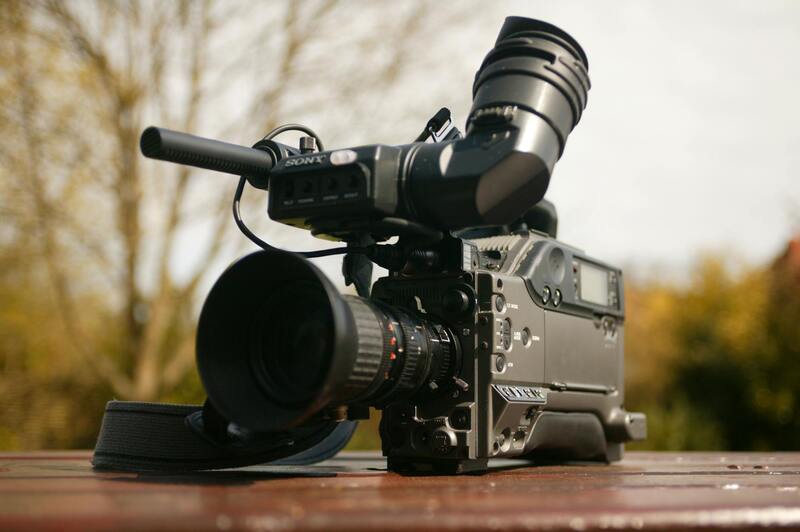
Utilizing top-tier camera systems and flight techniques, professionals can deliver crystal-clear images that highlight key property features and environmental context, establishing a professional and credible presentation for clients and investors alike. As the industry evolves, drone video has become an indispensable component of modern commercial real estate outreach, offering a level of visual richness and detail previously unattainable through traditional means.
Legal and Regulatory Considerations in Miami
When incorporating commercial real estate drone video into marketing strategies within Miami, adherence to official guidelines set by relevant authorities is vital to ensure smooth operations. The Federal Aviation Administration (FAA) oversees unmanned aerial vehicle (UAV) operations across the United States, including Miami, and sets standards for safe and responsible drone use. Obtaining necessary flight authorizations and permits involves submitting detailed flight plans and demonstrating compliance with FAA regulations, particularly if drones operate beyond visual line-of-sight or in controlled airspace near airports.
Additionally, Miami's local ordinances and city-specific regulations may impose restrictions on drone flight zones, altitude ceilings, and operational hours to protect privacy and public safety. It is essential to prioritize thorough pre-flight planning, including assessing local no-fly zones, proximity to private properties, and areas of high pedestrian activity. Engaging with authorized drone service providers familiar with these regulations can streamline the process, ensuring that all commercial operations meet official standards.
To further reinforce compliance, professionals should keep detailed records of flight logs, authorization documents, and safety measures undertaken during each project. This documentation not only demonstrates adherence to regulatory standards but also enhances the credibility of the production team in the eyes of clients and stakeholders. As Miami continues to develop its drone regulations, staying informed about updates from local authorities and industry associations ensures ongoing compliance and the ability to adapt swiftly to any changes.
Partnering with experienced drone operators who are well-versed in Miami’s official procedures minimizes risks and ensures that high-quality footage is captured within legal boundaries. Such collaborations contribute to seamless project execution, safeguarding the reputation of the production team and delivering visually compelling content that aligns with professional standards.
Legal and Regulatory Considerations in Miami
Operating commercial real estate drone videos in Miami requires adherence to a structured set of official procedures designed to ensure safety, security, and privacy. Before undertaking any drone-based filming, it is crucial for professionals to familiarize themselves with the Federal Aviation Administration (FAA) guidelines that govern commercial drone operations nationwide. These regulations establish minimum standards for pilot certification, drone registration, and operational altitude, all of which are essential for maintaining compliant workflows.
In addition to federal requirements, Miami-specific permits and permissions may be necessary to facilitate drone flights over certain areas. Securing these permits involves submitting detailed flight plans to relevant local authorities, especially when operating near sensitive infrastructures or densely populated zones. This process ensures that drone activities are aligned with city policies and any local ordinances that could impact the operation’s legality.
Privacy considerations also form an integral part of regulatory compliance. Miami’s privacy laws protect individuals and private property from unpermitted surveillance or intrusive imagery. As such, drone operators must implement operational practices that respect privacy boundaries—such as avoiding capturing private residences without consent or filming in areas where individuals have a reasonable expectation of privacy. Employing technology such as geo-fencing and ensuring clear communication with property owners can mitigate potential conflicts and foster trust during the project.
Effective compliance also involves maintaining detailed documentation for each project. This includes records of flight durations, locations, authorization emails, and safety protocols followed during each session. These records serve to verify that all operations were conducted within permitted frameworks, providing transparency and accountability for clients and regulatory bodies alike.
Engaging licensed and experienced drone service providers who are thoroughly acquainted with Miami's regulatory landscape can significantly reduce operational risks. Such professionals are adept at navigating the permit application process, securing necessary clearances, and implementing safe flight procedures—all of which are critical to executing successful and compliant commercial real estate videos. Their expertise ensures the production of compelling visuals that are fully aligned with regulatory standards, reinforcing the professionalism and credibility of the project from start to finish.
Technical Aspects of Creating Effective Drone Videos
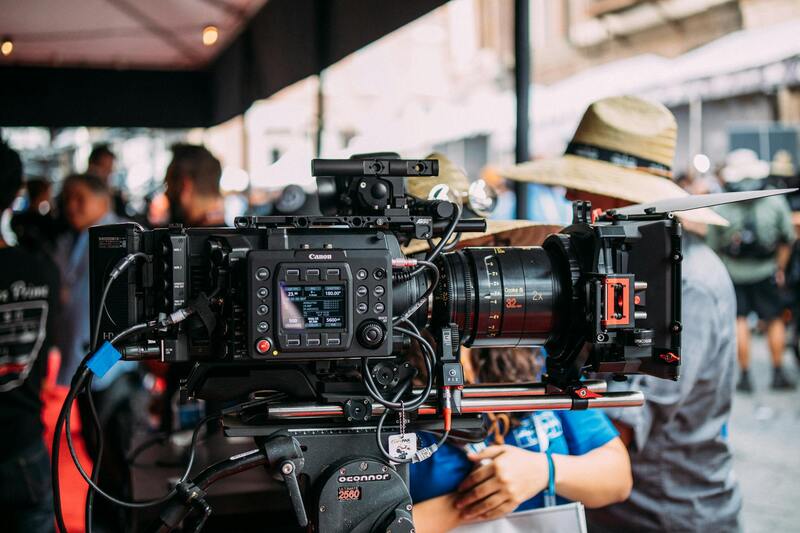
Producing high-quality commercial real estate drone videos requires meticulous attention to technical details that ensure visual clarity, stability, and impactful presentation. One of the primary considerations is selecting the appropriate drone equipment. Modern commercial-grade drones are equipped with high-resolution cameras capable of capturing detailed footage in 4K or higher resolutions, which is essential for showcasing intricate architectural features and property details.
Camera stabilization technology, such as gimbal systems, plays a crucial role in maintaining smooth footage despite drone movements or wind conditions. This stability enhances the professional look of the video and reduces the need for post-production stabilization, saving time and maintaining footage integrity.
Proper flight planning is essential for capturing comprehensive footage of the property. This involves mapping out optimal flight paths to cover all relevant angles, including aerial shots that highlight property size, landscaping, access points, and surrounding infrastructure. Utilizing drone flight planning software enables precise navigation, obstacle detection, and efficient coverage, minimizing flight risks and ensuring safety.
Lighting conditions directly impact video quality. Shooting during optimal times—typically during the golden hour just after sunrise or before sunset—provides natural, warm lighting that enhances the property's appearance. Overcast days can also produce diffuse lighting that reduces harsh shadows, offering even illumination across the scene.
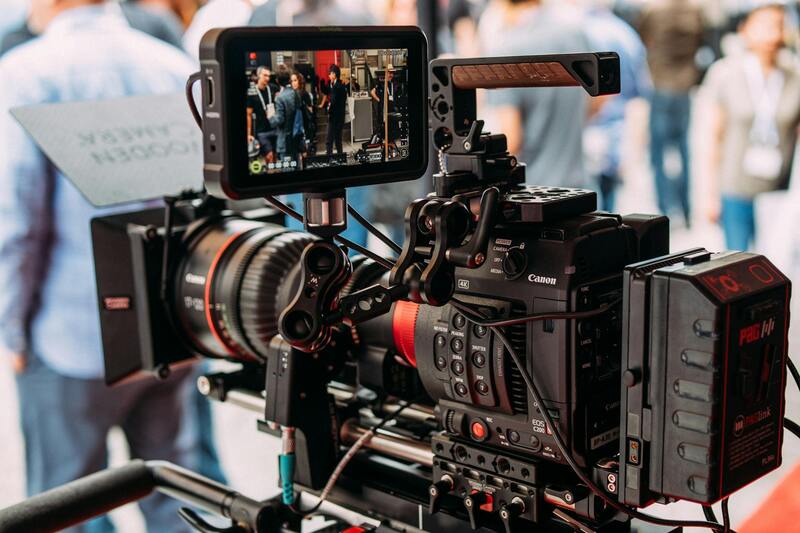
Post-production editing is equally important to craft compelling narratives. Professional editors adjust color grading, brightness, contrast, and add overlays or annotations that highlight property features. Seamless transitions and cinematic techniques help produce a polished final product that effectively communicates the property's value and appeal.
Integrating aerial footage with ground-level shots can create a dynamic and comprehensive visual story. This combination allows viewers to appreciate both the scale of the property and finer architectural details, delivering a multifaceted perspective that resonates with potential investors or tenants.
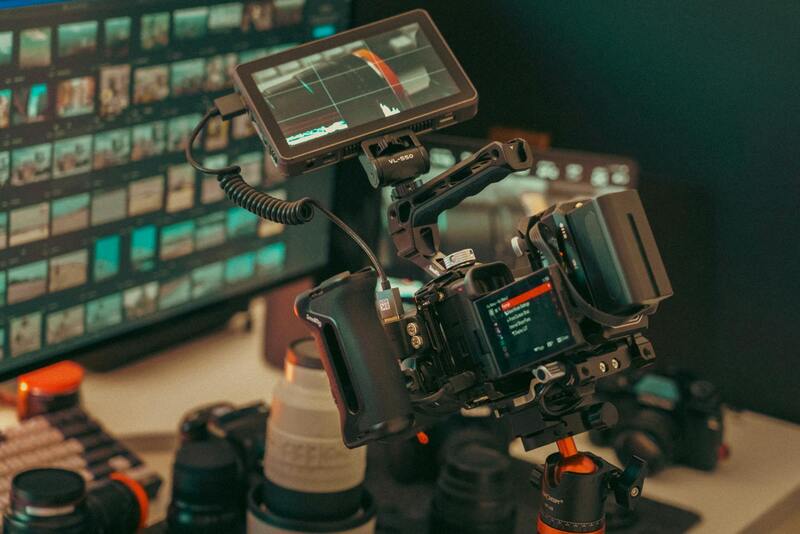
Adhering to these technical best practices results in engaging, professional-grade commercial real estate videos that elevate marketing strategies. By leveraging advanced equipment, refined flight operations, and expert editing, real estate professionals can effectively showcase properties and attract targeted audiences, ultimately accelerating sales or leasing processes.
Ways Drone Video Enhances Commercial Property Marketing
In today’s competitive real estate market, high-quality visual content has become a critical component of effective marketing strategies. Commercial real estate drone videos offer a distinct advantage by providing comprehensive, engaging, and highly detailed visual narratives of properties that traditional photography and ground-level videos often cannot match. These aerial perspectives deliver a unique vantage point, enabling potential investors, tenants, and stakeholders to grasp the full scope and context of a property’s size, layout, and surrounding environment. Objectively showcasing features such as accessibility, proximity to key infrastructure, and the overall appeal of the locale enhances a property’s marketability.
Drone videos allow for the capture of expansive views that effectively highlight property boundaries, landscapes, and adjacent amenities. For example, an expansive commercial complex or industrial park can be showcased with sweeping shots that emphasize scale and connectivity. These visuals are particularly valuable when aiming to attract larger-scale investors who seek detailed contextual understanding before making commitments. The immersive quality of aerial footage can evoke a sense of the property's potential and its strategic placement within the broader regional landscape.
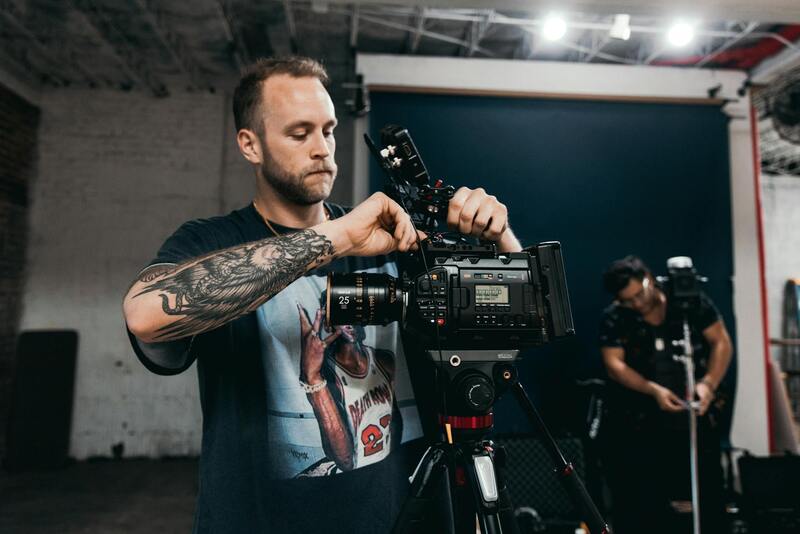
High-quality drone videos also facilitate virtual tours, saving time and resources for both property managers and prospective clients. Modern stakeholders expect transparent, easily accessible information, and drone footage meets this demand with dynamic, view-rich content accessible across multiple digital platforms. This increased visibility helps properties gather more attention from remote or international buyers and tenants who might not have the opportunity to visit in person. The ability to showcase a property's exterior, surrounding neighborhood, and immediate infrastructure from a single aerial shot offers a comprehensive understanding in a fraction of the time and effort compared to traditional methods.
Moreover, drone footage can be integrated into broader marketing campaigns, including online listings, social media promotions, and virtual reality experiences. This multimedia approach creates a compelling narrative that can distinguish your commercial property from the competition. Elevated visuals foster stronger emotional connections, allowing potential clients to visualize themselves within the space, thus accelerating decision-making processes.
Furthermore, professional-grade drone videos serve to exemplify attention to detail and a commitment to high standards. They can be used as powerful tools during property viewings, investor presentations, and strategic negotiations. Ensuring each shot is meticulously planned and executed guarantees a polished presentation that emphasizes all aspects of the property, from expansive parking lots to detailed architectural features. Through such comprehensive visual storytelling, stakeholders gain confidence in the property’s value and potential, ultimately contributing to faster leasing, sale closures, or investment commitments.
Technical Aspects of Creating Effective Drone Videos
Producing high-quality drone videos for commercial real estate requires meticulous planning and execution to ensure the footage captures the property's key features effectively. The selection of appropriate drone equipment is foundational, with professional-grade drones equipped with stabilization technology and high-resolution cameras being essential for capturing crisp images and smooth motion sequences. The choice of camera settings, including resolution, shutter speed, and frame rate, plays a vital role in achieving professional results that can stand out in marketing efforts.
Pre-production planning involves a comprehensive understanding of the property and the story you wish to tell. Mapping out specific shots, including aerial panoramas, close-ups of architectural details, and contextual shots of the surrounding area, guarantees a well-rounded presentation. Weather conditions, time of day, and seasonal factors are also considered to optimize lighting and visibility, which directly influence the video's overall quality.
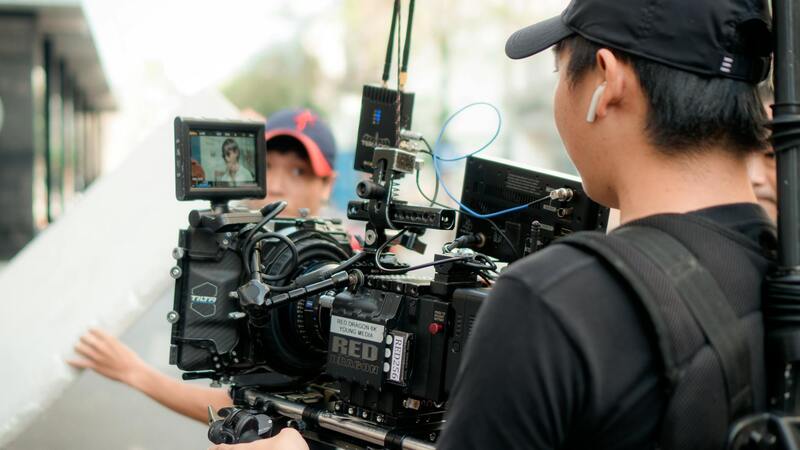
During the actual filming, maintaining a steady drone flight path and consistent altitude is crucial. Skilled pilots utilize advanced flight planning software to execute complex maneuvers smoothly, ensuring the footage remains steady and visually appealing. Incorporating dynamic camera movements, such as sweeping panoramic shots or orbit shots around key features, adds a cinematic quality that enhances viewer engagement.
Post-production editing further elevates the video’s professionalism. Color correction, stabilization, and sound design are pivotal steps. Adding background music or narration can help guide viewers through the property’s narrative, emphasizing its strengths and strategic location advantages.
Quality Control and Delivery
Sound quality checks and review sessions are essential to confirm that each frame aligns with the project’s goals. Deliverables are typically tailored to specific marketing channels, whether for online listings, virtual tours, or investor presentations. Ensuring compatibility with various platforms maximizes the video's reach and impact. Precision in editing and attention to detail in post-production not only showcase the property's best attributes but also reinforce a professional image that builds trust with prospective clients.
Technical Aspects of Creating Effective Drone Videos
Producing high-quality commercial real estate drone videos requires an understanding of key technical elements that influence visual impact and viewer engagement. Selecting the appropriate drone equipment is fundamental, with cameras capable of capturing high-resolution footage (at least 4K) to ensure clarity and detail in every shot. Stable gimbal systems are essential for smooth footage, especially when executing complex maneuvers or capturing dynamic views of large properties.
Flight planning plays a critical role. Detailed pre-flight procedures include analyzing site maps to determine optimal flight paths and camera angles, adjusting for natural lighting conditions, and considering environmental factors such as wind or obstructions. Utilizing advanced flight planning software allows for precise control over drone movements, reducing the risk of disturbances during filming and enabling the execution of complex shots like orbiting or high-altitude sweeps.
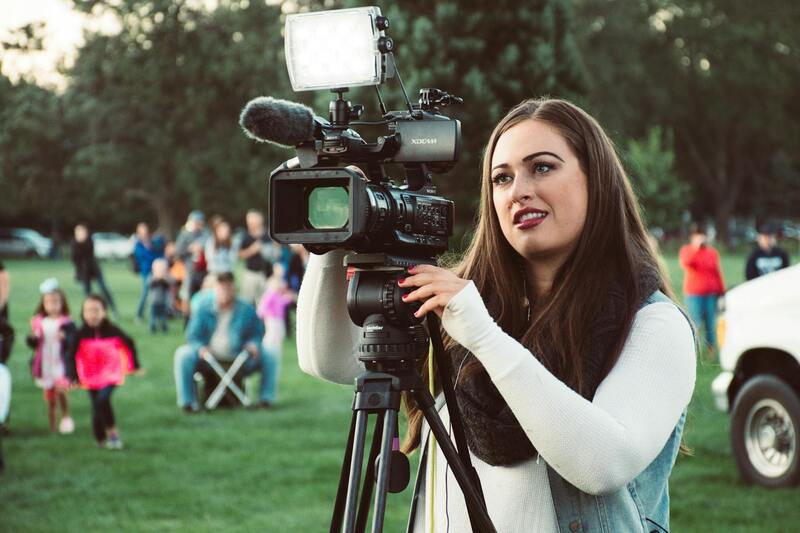
Once in the air, maintaining consistent altitude and speed is essential to produce professional-grade footage. Skilled drone pilots employ techniques such as maintaining visual line of sight, managing battery life effectively, and adjusting flight parameters dynamically to adapt to changing conditions. Incorporating cinematic camera movements—like sweeping panoramas, slow orbit shots, or fly-throughs—enhances the storytelling aspect, allowing potential investors and tenants to appreciate both the property's scale and its strategic advantages.
In post-production, editing focuses on color grading to enhance visual appeal, stabilization to eliminate jitters, and sound design to add realism or atmosphere. The addition of contextual graphics, such as property boundaries, key features, or statistical overlays, further clarifies each property's unique selling points. The final product should not only provide a comprehensive view but also evoke emotional responses, motivating viewer action.
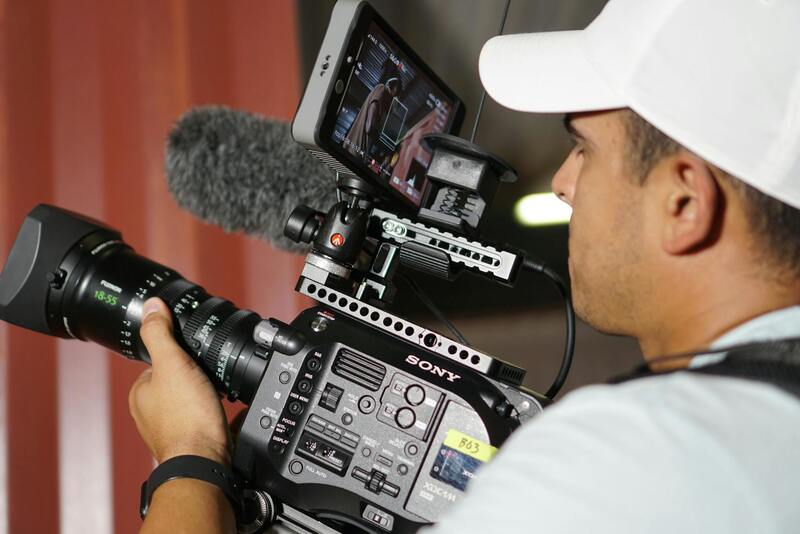
Effectively leveraging these technical strategies ensures that a commercial real estate drone video stands out in a competitive market, offering a detailed, dynamic, and professional perspective that resonates with prospective clients. Mastery of aerial imaging technology, combined with creative composition, results in a powerful marketing tool capable of showcasing properties in their best light and supporting strategic business decisions.
Technical Aspects of Creating Effective Drone Videos
Producing impactful commercial real estate drone videos involves a combination of technical expertise and strategic planning. High-quality footage starts with selecting the right drone equipment, which must be capable of capturing crisp, stable imagery in various lighting conditions. Professional-grade drones equipped with high-resolution cameras, gimbal stabilization systems, and advanced flight controls are essential to achieve cinematic quality. These tools enable filmmakers to execute smooth, fluid shots, including sweeping panoramas, dynamic fly-throughs, and precise orbit circles around key structures.
Planning the flight path prior to filming is critical. This involves understanding the property’s layout, surrounding environment, and optimal angles to showcase its features compellingly. A well-designed flight plan minimizes the need for extensive post-flight adjustments and ensures comprehensive coverage of the property. During filming, pilots must monitor battery levels closely to secure additional footage without interruption, and adapt flight paths dynamically to changing environmental factors such as wind or obstacle movement.
Post-production processes are equally vital in refining drone footage into a polished marketing tool. Color correction enhances visual clarity and highlights property features. Stabilization techniques eliminate minor jitters, providing smooth visual transitions. Incorporating cinematic camera movements—such as slow rotations, downward sweeps, or strategic zoom-ins—adds depth and engagement to the presentation.
Adding contextual overlays, including property boundaries and key features, can significantly improve viewer understanding. Sound design, such as ambient background sounds or subtle music, further elevates the viewing experience. These elements combine to create a professional-grade video that not only captures the property's physical attributes but also conveys its potential and strategic value.
Ensuring the final product adheres to industry standards entails meticulous editing and quality control. The goal is to produce a compelling narrative that resonates with investors, tenants, and other stakeholders, ultimately supporting the property's market positioning and sales efforts.