
Importance of Commercial Real Estate Photography in Miami
In the competitive landscape of Miami’s real estate market, high-quality commercial photography plays a pivotal role in effective property marketing strategies. Professionally captured images serve as powerful tools that highlight the unique features and potential of commercial spaces, from office buildings to retail centers and industrial complexes. These images not only draw the eye of prospective tenants and buyers but also communicate a sense of professionalism, quality, and value associated with the property.
In an ecosystem saturated with online listings and digital marketing channels, visual content becomes the primary gateway for generating interest. High-resolution, well-composed photographs can significantly increase click-through rates on listing sites, social media platforms, and email campaigns. Detailed imagery can also help Realty professionals and property owners establish credibility and trustworthiness, positioning their offerings above competitors.
Furthermore, quality commercial real estate photography can considerably accelerate the decision-making process for potential clients. When viewers can fully grasp the spatial layout and architectural details through compelling imagery, they are more likely to envision themselves within the space, leading to a quicker progression from inquiry to transaction. Such imagery can also enhance the perceived value of the property, often translating into higher offers or rental rates, thereby increasing overall return on investment.
Miami’s vibrant economic environment, characterized by diverse sectors such as finance, tourism, and technology, demands a visual approach that captures the city’s dynamic energy and sophistication. Professional commercial real estate photography ensures that properties are presented in their best light, appealing to local, national, and international audiences alike. This level of visual quality can make the difference between a listing that gets lost amid the competition and one that stands out, securing the attention of serious investors and tenants.
Types of Commercial Properties and Visual Requirements
Different types of commercial properties present unique challenges and opportunities for photography, each requiring tailored visual strategies to effectively showcase their features. Office buildings, retail centers, industrial warehouses, hospitality venues, and multifamily complexes all have distinctive architectural and functional elements that should be highlighted to attract the right audience.
For office spaces, capturing the layout, natural lighting, and interior design specifics is crucial. Wide-angle shots from strategic angles can demonstrate spaciousness and facilitate visualization of the work environment, appealing to corporate tenants and investors. Retail properties benefit from images that emphasize high foot traffic areas, storefront appeal, and interior merchandising setups, which can influence patronage and tenant interest.
Industrial facilities demand photography that underscores scale, logistics capabilities, and safety features. Aerial shots can be particularly useful for warehouses and distribution centers, revealing site accessibility, proximity to transport links, and overall land use. Hospitality venues, such as hotels and conference centers, require a blend of interior and exterior imagery that captures ambiance, amenities, and the surrounding environment to evoke comfort and luxury.
Multifamily complexes, including apartment and condo developments, benefit from high-quality imagery that emphasizes community spaces, unit layouts, and exterior appeal. Capturing diverse perspectives—both daytime and twilight—can help prospective tenants visualize life within these residences. Through consistent stylistic choices across these property types, real estate professionals can effectively communicate the unique value propositions of each asset class.
Understanding the distinct visual requirements for each property category ensures that marketing campaigns are more impactful. High-quality images enable property owners and brokers to effectively promote their assets across multiple channels, from online listings to print advertisements. The goal is to create compelling visuals that not only showcase the property's physical attributes but also evoke an emotional response that motivates potential tenants or buyers to take immediate action.
By adopting a strategic approach tailored to each property type, real estate professionals can maximize the appeal of their listings, differentiate their offerings from competitors, and ultimately accelerate transaction processes. This methodical focus on the visual presentation underpins a successful commercial real estate marketing strategy in the Miami market and beyond.
Legal and Ethical Considerations in Commercial Real Estate Photography
Maintaining integrity and responsibility in commercial real estate photography is fundamental to building trust with clients and fostering transparent relationships. When capturing commercial properties, professionals must adhere to established guidelines that ensure images accurately represent the property’s features without misrepresentation or exaggeration. Clear communication with property owners and stakeholders is crucial to gain consent for photography sessions, and it’s important to respect privacy boundaries, especially when shooting interior spaces that may contain sensitive or proprietary information.
Understanding property rights and access permissions is essential for photographers to avoid potential disputes or infringements. For example, securing written approval for drone photography ensures compliance with aviation and privacy regulations, especially in densely populated urban environments like Miami. Additionally, photographers should be diligent in avoiding the inclusion of any personal or confidential details that could compromise privacy rights or violate confidentiality agreements.
Ethical photography practices also involve accurate color representation, proper lighting, and framing that highlights the property's true condition and features. Editing images should enhance clarity without altering the reality of the space, ensuring that prospective tenants or investors receive an honest depiction. Falsified or heavily manipulated imagery can undermine credibility and potentially damage a professional’s reputation. Regularly updating and verifying the authenticity of photographs ensures content remains relevant and trustworthy, reinforcing client confidence and enhancing the overall marketing strategy.
Legal and Ethical Considerations
Securing proper authorization and adhering to established guidelines are integral to the integrity of commercial real estate photography in Miami. Establishing clear agreements with property owners and stakeholders prior to the shoot prevents misunderstandings and ensures access rights are respected. Written consent forms specify the scope of photography, usage rights, and the areas permitted for capture, which is especially important in complex commercial environments where proprietary information and privacy concerns are prevalent.
Photographers must familiarize themselves with local regulations pertaining to drone usage, especially in high-density urban areas like Miami. Obtaining necessary permits and adhering to no-fly zones helps avoid disruptions and legal complications. When shooting interiors, explicit permission is essential when photographing confidential spaces, such as offices with sensitive information or proprietary layouts. Respecting privacy boundaries extends to avoiding the inclusion of any personal data or personally identifiable information in images, which could inadvertently compromise confidentiality.
Accurate representation of the property is fundamental for maintaining credibility and trust with prospective buyers or tenants. Post-processing techniques should enhance image quality and highlight key features without misrepresenting the space, which can lead to misleading marketing campaigns and damage to professional reputation. Techniques such as color correction, perspective correction, and lighting enhancement should be used judiciously, ensuring that the images reflect the true condition of the property.
Adherence to copyright laws is another critical aspect, with photographers ensuring that all images are original or properly licensed. Misuse of copyrighted material or unauthorized editing can result in legal actions and harm to professional relationships. Maintaining transparent communication channels with clients regarding usage rights and restrictions helps establish clear expectations and minimizes potential disputes.

Providing honest, high-quality visual content directly impacts the effectiveness of marketing efforts, influencing decision-making processes for investors and tenants alike. Ensuring that images are both compelling and truthful respects the diverse interests involved in commercial property transactions. Routine audits of photographic practices and continuous education about evolving regulations safeguard ongoing compliance and reinforce a professional reputation within the industry.
Legal and Ethical Considerations
When engaging in commercial real estate photography across Miami, understanding and adhering to established legal and ethical standards is vital. The integrity of visual content not only influences perception but also upholds the credibility of marketing campaigns. To maintain professionalism, photographers must ensure that all images captured and utilized are original or have obtained appropriate permissions. This process involves securing licenses for any copyrighted elements, including artwork, signage, or proprietary branding displayed on property sites.
Respecting property rights is a core component of ethical practices. Photographers should always obtain written consent from property owners or authorized representatives before conducting shoots. This agreement clarifies permissible usage, limits on image distribution, and any restrictions related to sensitive areas or content. Such transparency minimizes misunderstandings and supports smooth collaborations with clients.
Accurate representation of properties is equally critical. Post-production editing should enhance the authenticity of images without exaggerated alterations. Techniques like color correction and perspective adjustments must be used responsibly to prevent misleading viewers, which can negatively impact professional relationships and future opportunities. When images are overly manipulated, it may lead to what is known as deceptive marketing, which undermines the trust of potential investors, tenants, or partners.
Maintaining transparency regarding the use of images is also essential. Clear agreements about image rights, licensing terms, and distribution channels help set realistic expectations. Clients should be informed about where and how images will be displayed, whether online listings, promotional materials, or other marketing avenues. This clarity preserves professional integrity and fosters long-term relationships based on trust.
By aligning photographic practices with these ethical standards, real estate professionals demonstrate their commitment to honest representation and responsible marketing. Incorporating ongoing training and staying current with industry best practices ensures that photographers and agencies continue to operate within these standards, ultimately benefiting all stakeholders involved in Miami's vibrant commercial real estate market.
Legal and Ethical Considerations in Commercial Real Estate Photography
Engaging in commercial real estate photography involves adherence to numerous standards that uphold transparency, professionalism, and respect for property rights. Professional photographers and agencies operating within Miami typically establish clear contractual agreements with property owners or agents prior to commencing shoots. These agreements precisely detail usage rights, licensing terms, and the scope of image applications, ensuring all parties have a mutual understanding of the intended use of the photographs. Such clarity reduces potential conflicts and fosters a trustworthy working relationship.
In the process of capturing images, photographers must respect privacy and safety considerations on-site. This includes obtaining necessary permissions if photographing private or restricted areas and ensuring that certain sensitive features are not exposed or misrepresented. When photographing commercial properties, especially those with high-profile tenants or proprietary features, it is essential to respect confidentiality agreements and adhere to property policies.
Ethical practices extend beyond the shoot. Post-production editing should aim to authentically represent the property's features without exaggeration or distortion. Color correction and perspective adjustments are performed responsibly to enhance visual appeal while maintaining accuracy. Misleading representations can lead to misplaced expectations, ultimately harming professional reputation and client trust.
Furthermore, property owners and photographers should formalize rights concerning image distribution. Clear licensing agreements stipulate whether images can be used for online listings, printed marketing materials, or multimedia campaigns. Proper licensing also specifies duration of use and geographic scope, which are critical to prevent unauthorized exploitation of the images.
Finally, maintaining ongoing transparency and communication throughout the project enhances professionalism. Photographers should keep clients informed about their shooting plans, the scope of editing, and the intended distribution channels. This openness fosters accountability and safeguards the interests of all stakeholders involved.
Legal and Ethical Considerations in Commercial Real Estate Photography
Engaging in commercial real estate photography within the Miami market involves a series of important considerations to ensure that all aspects of the project adhere to established standards of professionalism and integrity. These considerations encompass rights management, confidentiality, permission protocols, and the accurate representation of properties, all of which contribute to a reliable and trustworthy visual marketing strategy.
Securing Proper Permissions and Consents
Before capturing images of a property, it is essential to obtain explicit permissions from the property owner or authorized representatives. This ensures that the photographer has the legal goodwill to access and photograph the premises without infringing on property rights or privacy. Clear communication about the intended usage of images, whether for online listings, brochures, or multimedia presentations, should be established beforehand to prevent misunderstandings. Formal agreements, such as licensing contracts, specify the scope, duration, and geographical distribution of image rights.
Additionally, when photographing interior spaces, especially those with confidential or proprietary features, photographers must respect confidentiality clauses. These clauses prohibit disclosing certain details or images that could compromise security or proprietary interests.
Accurate and Honest Representation
At the core of ethical real estate photography lies the commitment to authenticity. Images should reflect the property's true condition, scale, and features without embellishment or manipulation that could mislead potential clients. While editing techniques like color correction or perspective adjustments are commonplace, these should be applied responsibly to maintain visual integrity. Overly altered images can set false expectations, leading to dissatisfaction and tarnished credibility.
Photographers and clients should agree on expectations about image editing practices from the outset. This transparency not only upholds standard ethical practices but also fosters trust between all parties involved in the marketing process.
Licensing, Usage Rights, and Distribution
The management of image rights and licensing agreements is an integral part of ethical commercial real estate photography. Clearly defined contracts specify how images can be used, whether for online property listings, print advertisements, or multimedia campaigns. These agreements include details on usage duration, exclusivity, and geographical rights.
Owners and photographers must ensure that distribution rights are respected, including any restrictions on sharing images with third parties or across multiple platforms. Such clarity prevents unauthorized use or dissemination, which could otherwise lead to conflicts or intellectual property concerns.
Transparency and Professional Conduct
Effective communication plays a vital role in maintaining professionalism. Photographers should keep clients informed about the scope of their work, the editing process, and potential uses of the images. Similarly, clients should provide comprehensive briefs and feedback to align expectations with deliverables.
By fostering open dialogue and adhering to agreed-upon procedures, all stakeholders can operate in an environment of mutual respect and accountability, reinforcing the credibility of the commercial real estate marketing efforts in Miami.
Legal and Ethical Considerations in Commercial Real Estate Photography in Miami
Adhering to established legal and ethical standards is essential in the realm of commercial real estate photography, particularly in a vibrant and diverse market like Miami. This ensures that all parties involved uphold integrity, respect property rights, and foster trust among clients, photographers, and audiences.
One of the fundamental aspects involves acquiring explicit permission from property owners or authorized representatives before conducting any photography sessions. This permission process guarantees that the photographer has the lawful right to access and photograph the property, and it clarifies the scope of image usage. Proper documentation, such as signed agreements or permits, is standard practice and helps prevent misunderstandings or disputes regarding the use of images.
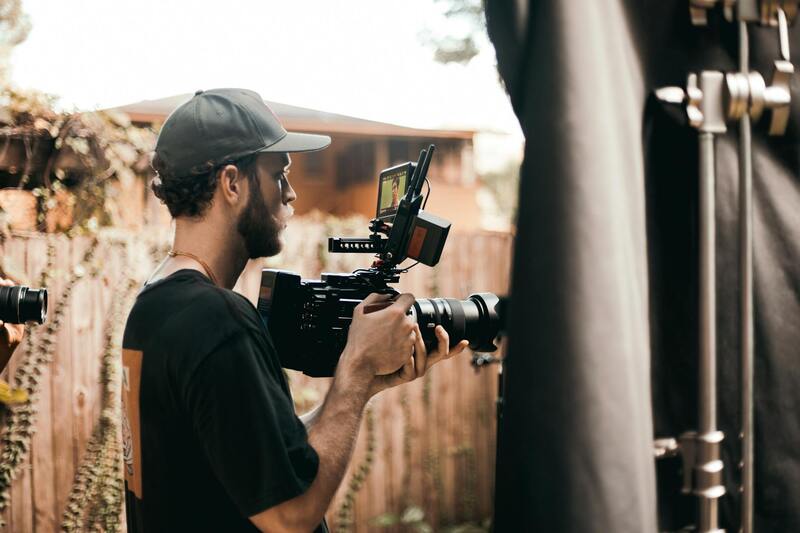
Privacy concerns also play a crucial role, especially when photographing occupied commercial sites where employees, clients, or sensitive operations may be present. Photographers must be diligent in avoiding capturing identifiable individuals without consent and should respect any restrictions on photographing certain areas or activities. When in doubt, it's preferable to seek consent from individuals present before including them in images.
Copyright considerations are equally significant. Photographers maintain the rights to their work, and clients are granted specific usage rights through licensing agreements. These agreements delineate how images can be published, duplicated, or shared across platforms, ensuring that intellectual property rights are upheld and protected. Clear delineation of rights also prevents unauthorized reproduction or distribution, which is especially important in competitive markets like Miami's commercial sector.
Additionally, adherence to local regulations concerning drone photography or aerial shots must be observed. Miami has specific guidelines for drone operations, requiring proper licensing and adherence to safety protocols. Flying drones over commercial properties without authorization not only violates regulations but can also compromise safety and privacy.
Professionalism extends to transparent communication about the scope of work, editing processes, and intended use of images. Clients should receive detailed briefs, and photographers should provide insight into how images are captured, processed, and distributed. This openness nurtures mutual respect and ensures that all expectations are aligned from the outset.
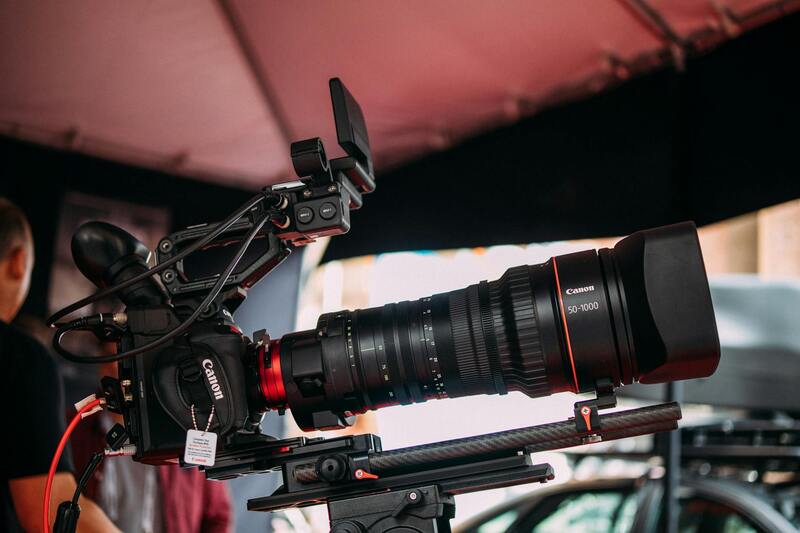
Finally, staying informed about evolving laws and standards concerning real estate photography in Miami is vital. Industry best practices include continuous education on new regulations, technological advances, and privacy protections. This proactive approach helps photographers and clients navigate the dynamic legal landscape responsibly, fostering a trustworthy environment for marketing and property promotion.