
Importance of High-Quality Commercial Real Estate Photos
In the highly competitive Miami commercial real estate market, the visual presentation of a property can significantly influence its appeal and marketability. High-quality commercial real estate photos serve as a powerful tool to attract potential investors, tenants, and buyers. These images are often the first point of contact, creating an immediate impression that can either encourage further inquiry or lead to disinterest. Professionally captured images emphasize the property's best features, showcase its spatial layout, and provide a clear, compelling narrative about its potential uses. InMiami’s bustling commercial hubs, where competition is fierce and the market moves quickly, stunning imagery can set a property apart from the rest. Details such as interior design, natural lighting, and architectural elements are accentuated through professional photography, giving viewers an authentic and inviting glimpse of the space. This level of quality not only enhances the perceived value of the property but also reinforces the credibility of the listing, attracting serious and qualified prospects. Additionally, with the increasing prominence of online property listings, digital marketing, and social media platforms, the importance of high-resolution, visually appealing commercial real estate pictures has become even more critical. Eye-catching images can significantly increase click-through rates, engagement, and lead generation. For Miami property owners aiming to maximize their property's exposure, investing in professional photography is a strategic move that aligns with current marketing standards and buyer expectations. Expert photography also helps to streamline the sales process by accurately representing the property's features and layout, reducing unnecessary visits and inquiries. This efficiency benefits both sellers and prospective clients by focusing attention on serious offers and well-suited tenants or buyers. Given the dynamic nature of Miami's real estate scene, showcasing properties with stunning visual content is not merely an enhancement but a necessity. It is a proven approach to captivate audiences, build reputation, and ultimately accelerate the transaction process. Professional commercial real estate images are an investment that yields measurable returns by increasing visibility, establishing credibility, and attracting high-quality prospects.

Best Practices for Shooting Commercial Properties
When photographing commercial real estate, employing best practices ensures the images effectively showcase the property’s strengths and appeal to prospective clients. Proper planning and execution are essential to capture high-quality visuals that stand out in competitive Miami markets. A systematic approach involves detailed preparation, including understanding the property’s unique features, the target audience’s preferences, and the intended use of the images.
One of the primary steps is conducting a thorough site visit before the shoot. This allows the photographer to assess lighting conditions, identify best angles, and plan the sequence of shots. Natural light should be maximized whenever possible, especially in spaces with abundant windows or glass facades common in Miami commercial properties. When natural light is insufficient, professional lighting setups help balance illumination and eliminate shadows, ensuring clarity and vibrancy in the final images.
Utilizing wide-angle lenses is crucial to capture more of the space in a single shot, creating a sense of openness and scale. This technique is particularly effective for interior shots of office spaces, retail units, or industrial facilities. Care should be taken to avoid distortion, which can misrepresent the actual dimensions of a property. Proper camera positioning and lens selection are key to maintaining proportionality and accuracy.
In addition to technical considerations, paying attention to the property’s condition during the shoot greatly impacts the results. Spaces should be clean, organized, and free of clutter. Highlighting architectural details, key features, and the flow between different areas enables viewers to visualize themselves in the space. For outdoor shots, capturing the property’s exterior and surroundings, including landscaping, signage, and parking areas, adds context and enhances visual appeal.

Finally, consistency in style and quality across all images helps establish a professional portfolio and builds trust with potential clients. High-resolution images should be sharp, correctly exposed, and color-balanced to reflect the actual appearance of the property. When executed thoughtfully, these practices result in compelling commercial real estate visuals that attract attention and generate inquiries effectively.
Effective Use of Lighting and Composition in Commercial Real Estate Photography
Achieving visually compelling commercial real estate images hinges on strategic lighting and precise composition. Proper lighting ensures that interior and exterior features are highlighted naturally, without color cast or shadows that could distort the perception of space. Utilizing natural daylight during optimal times, such as early mornings or late afternoons, can produce a warm, inviting ambiance. For interiors, supplemental lighting like softboxes or diffused flash units can fill in shadows and balance exposure, especially in spaces with variable lighting conditions.
Angles play a crucial role in emphasizing the spatial dimensions and architectural details of a property. Shooting from elevated viewpoints or using wide-angle lenses can create an expansive view, making rooms appear larger and more open. It's essential to position the camera to avoid distortions and maintain proportionate perspectives. For exterior shots, capturing the building from multiple angles—front, sides, and rear—provides viewers with a comprehensive understanding of the property’s footprint and surrounding context.
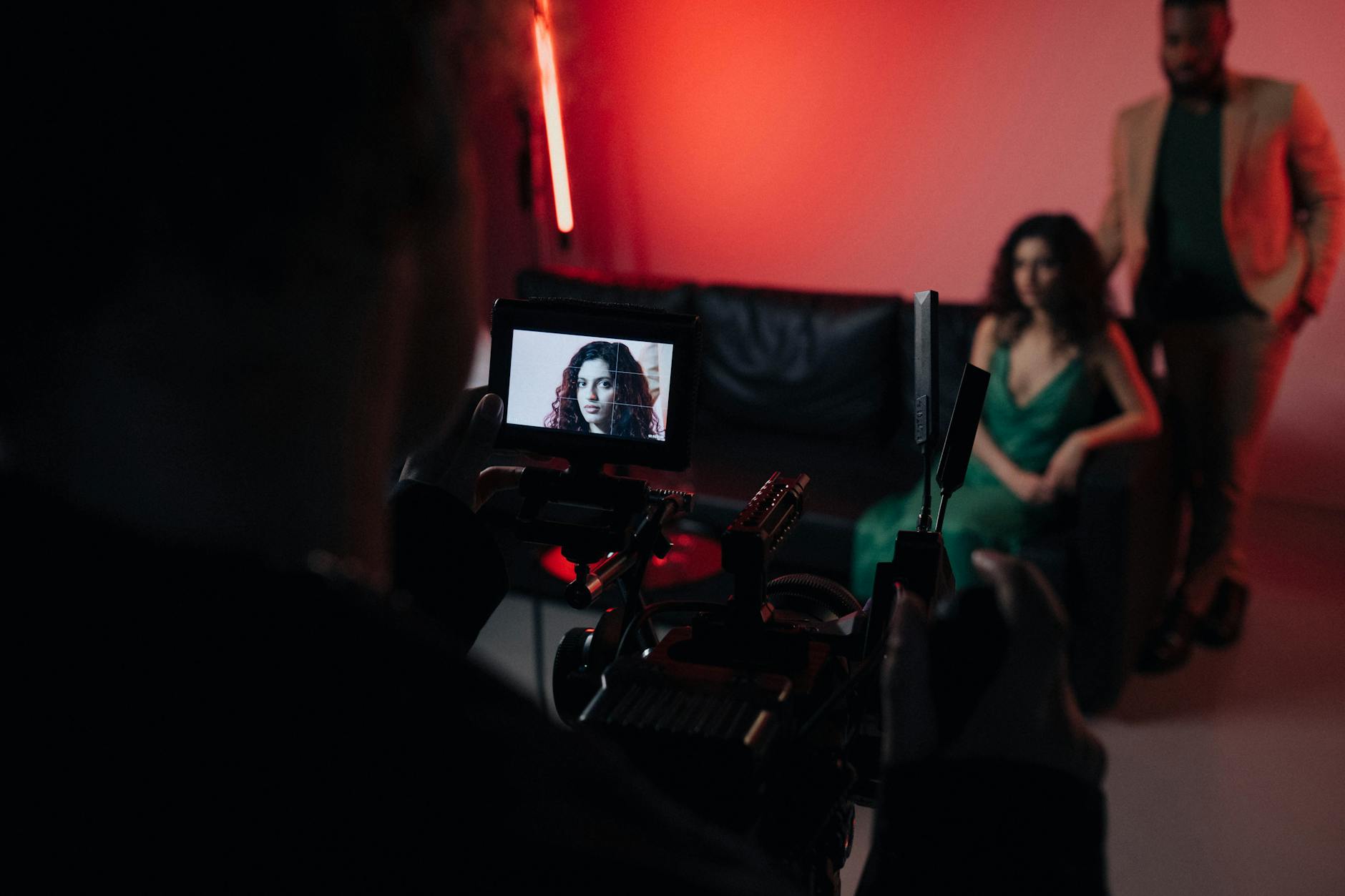
Additionally, framing the shot to include key features—such as entryways, storefronts, signage, or landscaping—adds context and visual interest. For interior spaces, aligning furniture and architectural elements within the frame can demonstrate functionality and flow. Using lines and symmetry naturally guides the viewer’s eye toward the most attractive aspects of the property, creating a balanced composition that communicates professionalism.
Optimizing Equipment and Shooting Techniques for Commercial Properties
Employing the right equipment is fundamental for producing high-quality images. A sturdy tripod helps achieve sharpness and consistency, especially in low-light conditions or when capturing HDR (High Dynamic Range) images. Wide-angle lenses with a focal length between 14mm and 24mm are typically preferred for interior shots, providing broad views that showcase spatial relationships effectively. Maintaining a level horizon and avoiding excessive distortion are critical for realistic portrayals.
Sensor size also influences image quality; full-frame cameras tend to produce sharper, more detailed images with better dynamic range, which is vital for capturing both bright outdoor scenes and darker interior spaces. Utilizing remote shutter release or timer functions minimizes camera shake, ensuring every shot is crisp. For exterior shots, a drone can be an excellent addition to capture high-altitude views, aerial access, and landscapes that ground-based photography can't effectively showcase.
Ensuring Consistency and Professionalism in Commercial Real Estate Photography
Maintaining a standardized approach across all images fosters a cohesive visual narrative that enhances the property’s marketing appeal. Set a consistent style guideline—whether it’s brightness levels, color temperature, or post-processing techniques—and apply it uniformly. High-resolution images should be optimized for clarity, with attention to correct exposure and color accuracy to reflect the property's true appearance.
Implementing a detailed shot list before shooting sessions helps prioritize key features and ensures comprehensive coverage. This includes specific rooms, exterior angles, unique architectural details, and contextual shots that define the property’s character. Consistency in framing and editing builds a professional portfolio, instills confidence among clients, and ensures that all marketing materials portray the property in the best light.
Enhancing the Visual Impact Through Skilled Post-Processing
Post-processing plays a vital role in elevating commercial real estate images, transforming raw captures into compelling visuals that accurately represent the property’s potential. The goal is to refine images for clarity, color accuracy, and attractiveness, ensuring they align with the property’s marketing objectives. Effective editing techniques help in correcting exposure inconsistencies, balancing highlights and shadows, and enhancing details that might be subdued in the original shot.
Adjustments in white balance are crucial to portray the property’s true colors, especially in spaces where lighting can be artificial or uneven. Correctly rendered colors evoke a sense of realism and help potential buyers or tenants better visualize the space. Additionally, sharpening images enhances fine details such as textures in flooring, wall finishes, and architectural elements, which can influence a viewer’s perception of quality.
Advanced Editing Techniques for Commercial Real Estate Photos
- HDR Blending: Merging multiple exposures can highlight both interior and exterior features, capturing the full dynamic range of scenes with bright sunlight or deep shadows.
- Perspective Correction: Corrects distortions caused by wide-angle lenses, ensuring walls and lines appear straight and true to scale, thereby maintaining architectural integrity.
- Sky Replacement: For exterior shots with dull or overexposed skies, replacing the sky with a clear, vibrant one can significantly improve visual appeal, making the property look more inviting and well-maintained.
- Selective Enhancements: Focusing on specific areas such as entrances, showrooms, or landscaped gardens can create focal points that draw viewers into the property’s best features.
Maintaining Authenticity and Ethical Standards in Editing
While post-processing aims to enhance, preserving the authenticity of the property remains paramount. Overly manipulated images can mislead viewers and undermine trust. Therefore, adjustments should enhance the natural qualities of the space without exaggeration. It’s essential to represent the property truthfully, allowing clients to make informed decisions based on accurate visual information.

By leveraging meticulous editing techniques, imagery can be elevated to a professional standard that stands out in competitive marketing markets. When combined with high-quality capturing practices, post-processing ensures each image functions as a powerful marketing tool, engaging viewers and ultimately aiding in the successful transaction of commercial properties.
Legal and Ethical Considerations in Commercial Photography
Executing commercial real estate photography requires adherence to established ethical standards that prioritize honesty and transparency. Photographers must ensure that all images accurately represent the property, avoiding any misleading enhancements or omissions that could distort the viewer’s perception. This involves a careful approach to editing, where adjustments are made solely to highlight true features without exaggerating dimensions, scale, or appearance.
One fundamental aspect is respecting property rights and privacy. When photographing interior spaces, obtaining necessary permissions from property owners or tenants is essential to avoid infringing on privacy expectations. This courtesy fosters trust and ensures that all parties are aligned on the scope and purpose of the imagery.
Transparency extends to the disclosure of post-processing techniques. While editing enhances visual appeal, it should not alter the fundamental characteristics of the property. For example, sky replacements or selective enhancements should be clearly justifiable as emphasizing a specific feature rather than altering the property’s true look.
In addition to respecting privacy and maintaining authenticity, photographers should be aware of intellectual property rights associated with images and branding. Proper attribution and usage rights are paramount, particularly when using proprietary equipment, software, or branded content. This careful approach ensures compliance with industry standards and maintains the professional reputation of both photographers and clients.

Overall, upholding ethical standards in commercial real estate photography not only enhances credibility but also nurtures long-term relationships with clients and stakeholders. By prioritizing accuracy, respecting legal boundaries, and practicing transparency in editing, photographers can produce compelling visuals that align with the core principles of integrity and professionalism essential in high-stakes real estate transactions.
Strategies for Maximizing the Reach of Commercial Real Estate Photos
Effective distribution of commercial real estate images plays a vital role in attracting potential tenants, investors, and buyers. To harness the full potential of high-quality visuals, it is essential to employ a multi-channel approach that ensures broad visibility across relevant platforms. First, integrating professional photographs into property listing websites enhances online appeal and search engine rankings, making properties more discoverable. When listings feature crisp, compelling images, they tend to garner higher engagement rates, leading to increased inquiries and foot traffic.
Secondly, leveraging social media channels can significantly expand exposure. Platforms such as LinkedIn, Instagram, and Facebook are highly effective for reaching targeted audiences within real estate and investment communities. Regularly posting visually striking images combined with descriptive, keyword-rich captions can elevate brand awareness and promote the property's unique features. Utilizing platform-specific features, including stories, reels, or carousel posts, can further enhance engagement.
Additionally, email marketing campaigns tailored toward prospective clients and stakeholders benefit from embedded high-resolution images. Including a link to a dedicated virtual tour or high-quality gallery can increase user interaction and interest. Digital newsletters focusing on new listings or renovated spaces should highlight the key features captured through professional photography, emphasizing the quality and appeal of the property.

Moreover, optimizing images for search engines—by using descriptive file names, alt text, and relevant metadata—aligns images with search queries, improving visibility on search engine results pages. Incorporating geotagging and localized keywords further enhances potential reach, especially for properties in specific markets like Miami. For maximum impact, consider creating virtual tours and 3D walkthroughs that integrate seamlessly with your website and marketing materials. These immersive media formats allow prospective clients to experience the property remotely, significantly increasing the chances of conversion.
Finally, maintaining consistent branding across all digital channels, through cohesive imagery and messaging, reinforces trustworthiness and professionalism. A strategic approach to content distribution ensures that high-quality commercial real estate photos do not just serve as eye candy but function as integral components of a comprehensive marketing strategy capable of engaging diverse audiences and driving tangible results.
Legal and Ethical Considerations in Commercial Photography
Maintaining a professional standard in commercial real estate photography involves adhering to established guidelines that respect property rights and privacy. It is essential to obtain the necessary permissions before photographing and publishing images of commercial properties, especially when including interiors or areas that are not publicly accessible. This ensures that all imagery aligns with best practices and prevents issues related to unauthorized use.
Furthermore, authenticity in representation is vital. Photographers should endeavor to accurately depict the property's current condition without misleading viewers or exaggerating features. This includes avoiding the use of deceptive angles or editing techniques that could distort the true appearance of spaces. Transparency with clients about the scope of post-processing ensures that the images serve as a reliable visual account of the property.
Maintenance of Confidentiality and Respect for Proprietary Information
In commercial real estate, certain details about property features or strategic layouts may be sensitive. Photographers and marketing teams should be mindful to exclude or anonymize proprietary information, such as security system placements or confidential layouts, that could compromise the property's safety or client interests.
Moreover, respect for neighboring properties and surroundings should guide photographic practices. Avoid capturing areas that are restricted or private, and ensure that the imagery adheres to local regulations concerning aerial shots or drone photography, which are often subject to specific operational standards.
Ethical Marketing and Honest Representation
Using images in a manner that upholds honesty reinforces the credibility of your marketing efforts. Commercial real estate photos should faithfully represent the property's features without embellishment. Misleading visuals can lead to dissatisfaction among prospective clients, damaging brand reputation over time.

Final Considerations for Maximizing the Impact of Commercial Real Estate Photography
Achieving exceptional commercial real estate images involves a combination of strategic planning, technical skill, and understanding client objectives. When selecting a photography team or equipment, it is vital to prioritize professionals with extensive experience specifically in commercial properties. This ensures that images are captured with an understanding of the nuances that differentiate commercial spaces from residential properties, such as larger scales, unique architectural features, and diverse layout complexities.
It is also essential to tailor the photographic approach to the target audience. For example, images intended to attract retail tenants might emphasize prominent storefronts, visibility from major roads, and customer flow areas, while photographs aimed at investors may focus on building infrastructure, amenities, and proximity to transportation hubs. Clear communication with clients about the desired outcomes helps guide the shoot process, ensuring that the final images align with marketing strategies and objectives.
Innovative Technologies to Enhance Commercial Property Photography
Recent technological advancements have significantly expanded the capabilities in commercial real estate photography. 3D virtual tours and drone footage provide immersive experiences, allowing prospective tenants and investors to explore properties remotely in detail. High Dynamic Range (HDR) imaging enhances visual depth and clarity, especially in spaces with challenging lighting conditions, while panoramic stitching offers comprehensive views of large interiors or exteriors in a single image.
Utilization of these advanced tools not only improves the visual quality but also provides prospective clients with interactive and engaging content. This added layer of immersion fosters better understanding of space layouts and features, ultimately leading to more qualified inquiries and quicker transactions.
Effective Strategies for Distributing Commercial Real Estate Photos
After capturing high-quality images, strategic distribution becomes crucial. Listing platforms with a strong commercial property focus ensure the right audience views the images, leading to increased visibility and inquiries. Additionally, integrating professional photos into digital marketing campaigns, including social media, email newsletters, and company websites, amplifies outreach efforts.
Consistency in branding and image quality across all channels enhances credibility. Incorporating SEO best practices by optimizing image filenames, alt text, and descriptions helps improve online search ranking, expanding reach organically. Regularly updating listings with fresh imagery demonstrates active management and keeps outreach efforts current, attracting repeat visits from interested parties.
Measuring the Effectiveness of Commercial Real Estate Photography
Tracking engagement metrics is essential for evaluating the impact of visual content. Data such as page views, time spent on property listings, and click-through rates provide insights into how well the images resonate with viewers. Collaboration with digital marketing specialists can help interpret these metrics, informing future photography and marketing strategies.
Feedback from clients and prospective tenants also offers valuable perspectives. Understanding which features draw the most attention allows photographers and marketers to refine their approach, highlighting the most appealing aspects of each property. Continuous improvement based on these insights ensures that photography efforts consistently align with market trends and client expectations.