
Understanding the Importance of Good Real Estate Photography
In the highly competitive Miami real estate market, the quality of property photography can significantly influence the buying decision. High-caliber imagery captures the essence of a home, highlighting its unique features and creating a compelling visual narrative that draws potential buyers in. When prospective buyers browse online listings, the initial impression formed by property photos often determines whether they schedule a viewing or move on to another listing.
Good real estate photography acts as a powerful marketing tool, enhancing property appeal and helping listings stand out amidst numerous options. Crisp, well-composed images can effectively communicate the space, layout, and ambiance of a property, creating an emotional connection that encourages immediate interest. This visual impact can lead to faster sale cycles, often at higher price points, as buyers feel more confident in their assessment based on authentic, appealing imagery.

The influence of excellent photography extends beyond initial attraction. It plays a crucial role in building trust with potential clients, demonstrating professionalism and attention to detail. Properties photographed with precision and care convey a sense of quality and credibility, which translates into increased interest and serious inquiries. Ultimately, investing in good real estate photography ensures that the property is showcased at its best, aligning with the expectations of today's digital-savvy buyers who rely heavily on online imagery to inform their purchasing decisions.
Moreover, in a vibrant market like Miami, where diverse properties compete for attention, the visual quality of listings can be the defining factor that accelerates the sales process. Well-executed imagery not only captures the property's features but also resonates with the target audience's lifestyle aspirations, fostering a stronger desire to see the property in person.
Choosing the Right Equipment and Techniques
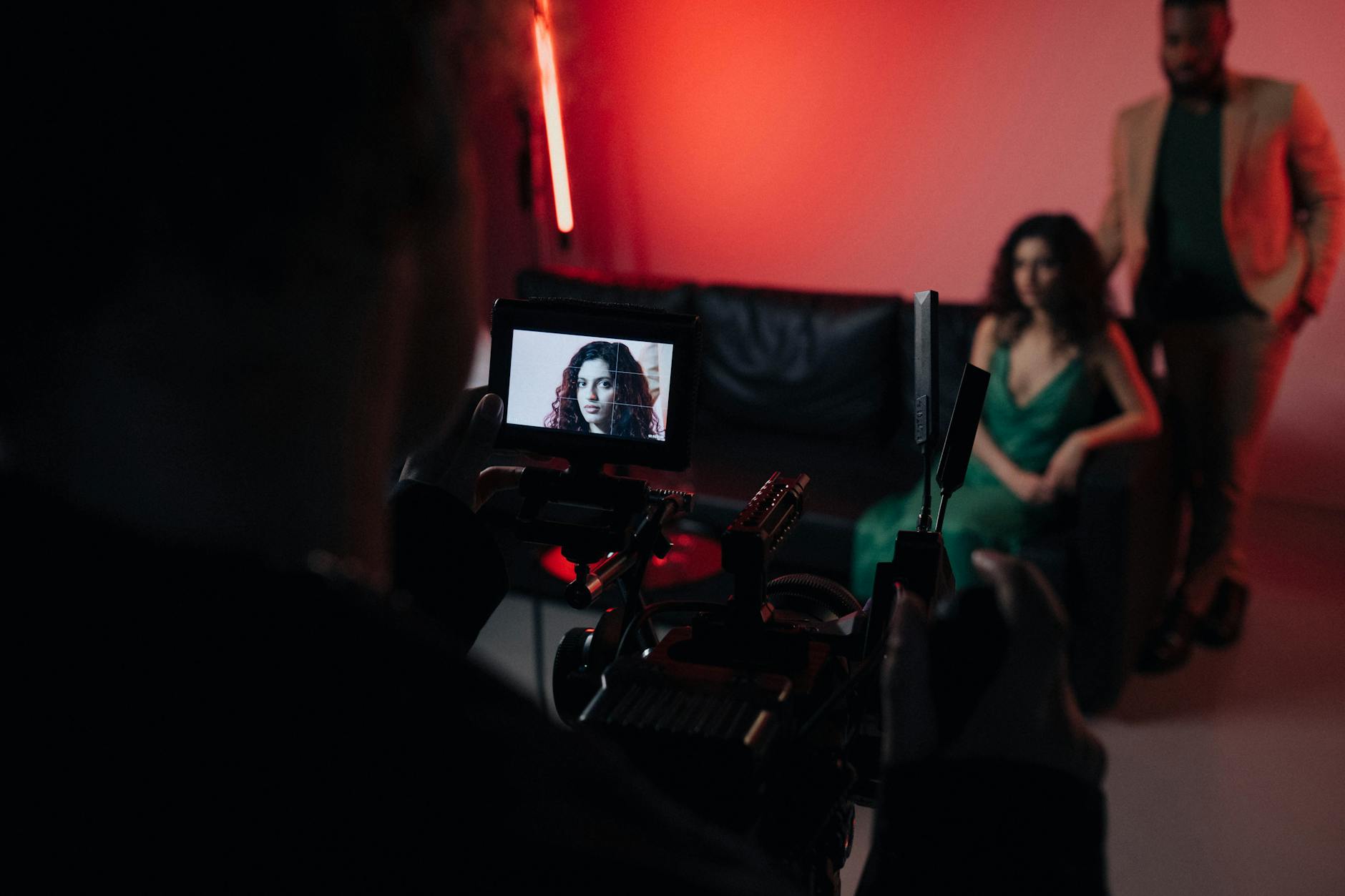
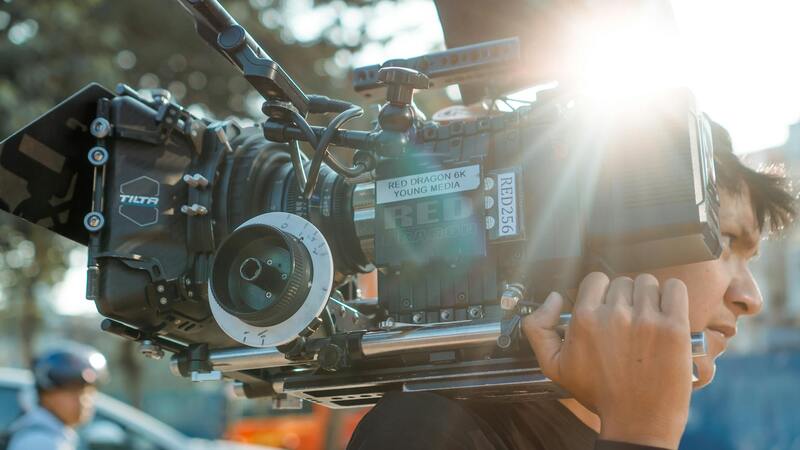
Optimizing real estate imagery begins with selecting appropriate tools and methodologies. High-quality cameras with full-frame sensors are essential for capturing detailed, vibrant images that reflect the property's true colors and textures. Wide-angle lenses are particularly effective in showcasing room layouts, providing a sense of spaciousness without distortion.
Utilizing tripods ensures stability during shots, resulting in crisp, clear photos that highlight the property’s features. For interior shots, utilizing lens correction features and ensuring minimal distortion is crucial to present rooms accurately. Drones can also be employed to capture expansive outdoor views, aerial perspectives, and neighborhood surroundings, adding a dynamic element to the listing.
In terms of techniques, adopting the exposure bracketing method allows for balancing bright windows with darker interior spaces, avoiding washed-out or overly dark areas. Implementing HDR (High Dynamic Range) imaging through multiple exposures enhances the overall clarity and detail in photos, especially in environments with mixed lighting conditions.
Furthermore, understanding the importance of vertical lines and proper composition guides the eye through each space effectively. Straightening lines and framing rooms thoughtfully contributes to a professional and inviting presentation, reinforcing the property's appeal.

Importance of Lighting in Property Photography
Lighting fundamentally influences the quality and mood of real estate images. Natural light, when harnessed effectively, can make spaces appear more welcoming and vibrant. The best photos are often taken during the day, utilizing sunlight to highlight key features and create a sense of openness.
Supplemental lighting, such as softbox setups or portable flashes, can fill in shadows, soften harsh contrasts, and render a consistent exposure throughout the space. This is particularly useful in rooms with small windows or limited daylight. It’s essential to avoid overexposure in bright areas and underexposure in shadowed zones to maintain detail.
Additionally, controlling the color temperature of lighting equipment ensures that indoor photos reflect true colors, avoiding unnatural hues. Diffusers and reflectors can be employed to soften light and reduce glare, producing softer shadows that enhance textures and architectural details.
For exterior shots, capturing the property during golden hours—shortly after sunrise or before sunset—adds warmth and depth to images, making the property more appealing.
Staging and Preparing Properties for Photography
Proper staging and preparation are vital to ensure properties look their absolute best. Decluttering spaces removes distractions, allowing viewers to focus on the property’s features and potential. Minimalist arrangements, with carefully chosen furniture and decor, help emphasize the size and flow of each room.
Refreshing the property with recent cleaning, minor repairs, and neutral color palettes creates an inviting atmosphere that appeals to a broad audience. For outdoor areas, landscaping should be tidy, vibrant, and well-maintained to enhance curb appeal.
Interior staging often involves strategically placing furniture to highlight the functionality of each space while enhancing natural light. Mirrors can be used to reflect light and create the illusion of more space. Ensuring windows are clean and open blinds or curtains to maximize incoming light is a simple yet effective step.
Attention to detail, such as arranging throw pillows, lighting candles, or adding fresh flowers, can subtly elevate the aesthetic without overwhelming the space. These small touches translate into more polished images that resonate with discerning buyers.
Editing and Post-Processing Techniques
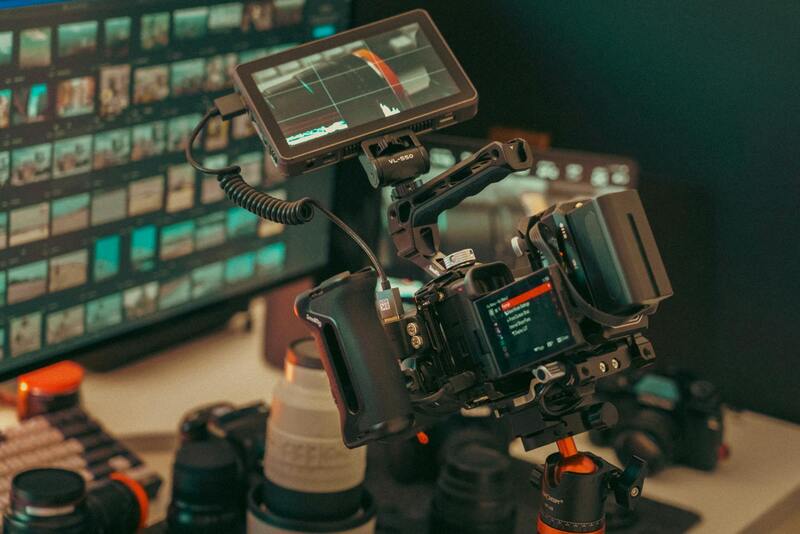
Post-processing is a crucial step in refining real estate images to communicate authenticity while enhancing visual impact. Basic adjustments include correcting brightness, contrast, and sharpness to ensure the images are vibrant but natural.
Noise reduction and lens distortion correction help produce clean, professional-looking photos, especially when wide-angle lenses are used. Correcting perspective distortion is critical in architectural photography to maintain the integrity of vertical lines and structural details.
Color correction ensures that the images accurately reflect the real property, preventing photos from appearing over-saturated or artificially altered. Highlighting textures and features through subtle sharpening can add depth and clarity.
Retouching also involves removing minor imperfections, such as dust spots, reflections, or minor blemishes, to present a polished image without misrepresenting the space.
Advanced editing software allows for background enhancements, emphasizing key areas and ensuring consistency across all images in a listing. Consistent color grading across images provides a cohesive visual story, making the listing more professional and appealing.

Hiring Professional Real Estate Photographers in Miami
Partnering with experienced real estate photographers in Miami guarantees high-quality images that capture the unique appeal of properties within this vibrant market. Professional photographers possess the specialized equipment, technical skills, and artistic sensibility needed to produce compelling visuals.
Specialized knowledge of local market trends and architectural styles allows these professionals to tailor their approach to various property types, from luxury condominiums to suburban homes. They understand the importance of timing, lighting, and staging, ensuring that each property is showcased optimally.
Additionally, established photographers often have a portfolio demonstrating versatility across different property sectors, making them a reliable choice for diverse listing needs. Their ability to deliver consistent, high-resolution images that meet the standards of online platforms significantly enhances the property's visibility.
Enlisting local experts familiar with Miami’s unique neighborhoods and architectural nuances further enhances the authenticity and attractiveness of imagery, providing a competitive edge in the bustling real estate market.
Choosing the Right Equipment and Techniques
Achieving high-quality real estate images begins with selecting the appropriate camera gear and employing effective shooting techniques. Professional real estate photographers typically utilize full-frame DSLR or mirrorless cameras equipped with high-resolution sensors to capture clear, detailed images that stand out across digital platforms. These cameras allow for superior image quality, particularly in challenging lighting conditions common in interior spaces.
Prime lenses with wide apertures, such as 16-35mm or 24-70mm, are favored for their ability to capture expansive views of rooms while maintaining sharpness across the frame. These lenses enable photographers to enhance spatial perception, making rooms appear larger and more inviting. Additionally, tilt-shift lenses may be used to correct perspective distortions, ensuring vertical lines remain straight and the property appears proportionate.
Shooting techniques also play a crucial role in producing compelling images. High dynamic range (HDR) photography, which involves capturing multiple exposures and blending them, ensures that both indoor space and exterior views are optimally exposed. Bracketing exposures helps preserve detail in bright windows and shadowed areas, delivering well-balanced photos that accurately reflect the property's ambiance.
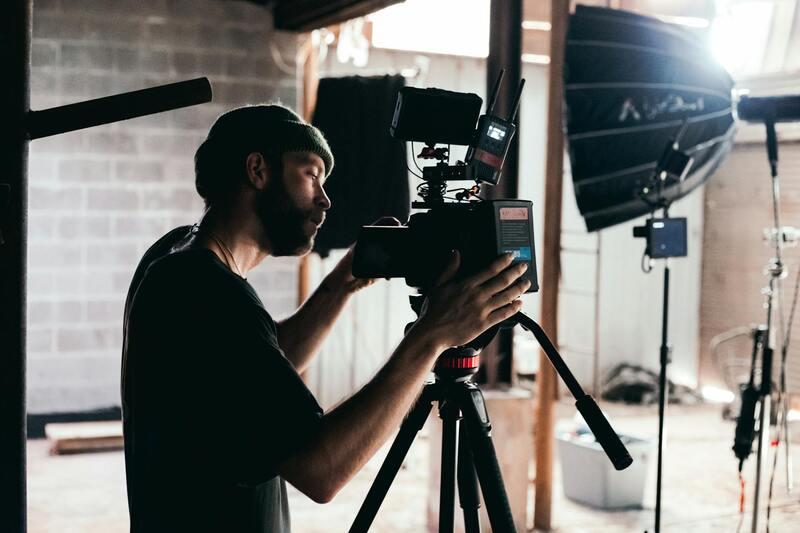
To maximize the impact of each shot, professional photographers often employ tripod stabilization, ensuring sharpness and consistency when combining multiple exposures or shooting in low-light settings. They also leverage strategic camera settings, adjusting ISO, aperture, and shutter speed to manage motion, depth of field, and noise levels effectively.
Incorporating these equipment choices and shooting practices results in images that accurately showcase each property's spatial dynamics and distinctive features, captivating prospective buyers and enhancing the overall marketing strategy.
Choosing the Right Equipment and Techniques
To achieve outstanding results in real estate photography, selecting appropriate equipment and employing proven techniques are essential. High-quality digital cameras with full-frame sensors are the foundation, providing excellent resolution and dynamic range necessary for capturing detailed property images. A camera with adjustable settings allows photographers to tailor exposures, focal lengths, and other parameters to the unique demands of each scene.
Wide-angle lenses are a staple in real estate photography because they can encapsulate entire rooms within a single frame, creating a sense of spaciousness that appeals to prospective buyers. These lenses, often ranging from 14mm to 24mm, enable capturing expansive views while maintaining clarity. To correct perspective distortions—for instance, converging vertical lines—tilt-shift lenses or software correction techniques are employed, ensuring the structural integrity of the images is preserved.
Proper lighting setups are crucial. Photographers often combine natural light with artificial lighting sources such as softboxes, diffusers, and LED panels to illuminate spaces evenly. This blend minimizes shadows, highlights architectural features, and enhances the property’s inviting atmosphere. Shooting during optimal times of day, such as early morning or late afternoon, can leverage natural sunlight to add warmth and depth to the images.
Shooting techniques like high dynamic range (HDR) photography involve capturing multiple exposures to retain detail across bright windows and shadowed corners. This ensures that interior and exterior elements are exposed correctly, providing a balanced and realistic representation of the property. Using a tripod ensures stability, resulting in sharper images, especially in low-light conditions or when combining multiple exposures.
Adjustments to camera settings—such as ISO, aperture, and shutter speed—are made meticulously to control depth of field, motion blur, and noise. For example, a narrow aperture (high f-stop) ensures sharpness throughout a room, while a longer exposure captures more light, revealing details in dimly lit spaces.
Professionals rely on a combination of advanced tech gear and mastery of photography techniques to produce consistent, high-quality images. This approach not only emphasizes the sophistication of the property but also creates engaging visuals that effectively attract and persuade potential buyers.
Optimal Composition and Framing in Property Photography
Achieving compelling real estate images begins with meticulous composition and framing. Proper framing directs the viewer's eye toward the property's most attractive features, such as a spacious living room, expansive windows, or architectural details. When capturing interiors, employing the rule of thirds can create balanced and engaging images by placing key elements along gridlines, thus avoiding cluttered or awkward compositions. For exteriors, aligning horizons and ensuring the property is centered or following diagonal lines can add dynamism and stability to photos.
Additionally, utilizing wide-angle lenses enhances the sense of space, making interiors appear larger and more inviting. However, it is essential to avoid distortion that can misrepresent room dimensions. Framing should also consider the flow of the space, ensuring that doorways, windows, and furniture are proportionally balanced within the shot to produce an accurate visual narrative.
Consistency in Style and Visual Narrative
Maintaining a consistent photographic style across all project images reinforces branding and presents a professional appearance to potential clients. This consistency encompasses the choice of angles, color temperature, and exposure settings, which should be uniform throughout a portfolio. A cohesive visual narrative helps prospective buyers envision the lifestyle offered by the property, whether by emphasizing open living spaces, outdoor amenities, or unique architectural features.
Employing a standardized approach to image editing, such as similar color corrections and saturation levels, further enhances this uniformity. A well-organized visual portfolio allows viewers to focus on property details rather than inconsistencies, increasing the likelihood of attracting qualified buyers and facilitating faster transactions.
Utilizing Proper Image Formats and Resolution for Maximum Impact
Choosing the appropriate image format and resolution is critical for maintaining quality across various marketing platforms. High-resolution images allow viewers to see fine details, making them ideal for print advertisements, brochures, and large displays. Conversely, optimized web-friendly formats such as JPEG or WebP ensure fast loading times without sacrificing visual clarity, which is crucial for online listings and virtual tours.
It is advisable to capture images at the highest available resolution during shooting to preserve quality for future use. Post-processing software can then be used to crop, resize, or compress images tailored to specific marketing needs while retaining overall visual fidelity. Proper image optimization not only enhances aesthetic appeal but also improves user experience by ensuring quick and seamless viewing on desktops, tablets, or smartphones.
Utilizing Proper Image Formats and Resolution for Maximum Impact
For real estate listings, selecting the right image formats and managing resolution effectively can dramatically influence viewer engagement and perception. High-quality, uncompressed formats like TIFF or RAW are excellent for producing detailed images during editing but are less practical for online display due to their large file sizes. JPEG remains a popular choice for web use, offering a good balance between quality and file size, especially when optimized correctly. WebP format is increasingly favored for its superior compression capabilities, providing sharp images with small file sizes, which enhances website loading speeds and overall user experience.
Capturing images at the highest resolution possible during the photography session is essential. High-resolution images retain clarity and detail, which are critical when showcasing spacious interiors, intricate architectural elements, or exterior features that benefit from close inspection. These images serve multiple purposes, from online listings to high-quality print marketing material.
Post-capture, the resizing and compression process should be handled carefully to preserve visual fidelity. Proper optimization involves balancing image quality with loading times, ensuring potential buyers experience smooth browsing without compromising on the visual impact. For online listings, a resolution of 72 to 150 DPI (dots per inch) is standard, while print media often requires 300 DPI for sharpness.
Additionally, editing software offers the ability to crop images to focus on key features, adjust resolution, and compress images without noticeable quality loss. Maintaining consistent aspect ratios and color profiles across all images creates a cohesive visual narrative that enhances property appeal and maintains professionalism throughout the property marketing campaign.
Understanding the Importance of Good Real Estate Photography
High-quality real estate photography plays a crucial role in attracting potential buyers and generating interest in a property. Well-executed images create an immediate visual impact, showcasing a property's best features and conveying a sense of space, light, and ambiance. As the first point of contact between a listing and prospective clients, compelling visuals can significantly influence their decision to explore further, schedule a viewing, or make an offer. In competitive markets like Miami, where luxury homes, waterfront properties, and modern condos are abundant, professional photography becomes a strategic asset, setting properties apart from the multitude of listings. It’s not just about capturing images but about telling a story that resonates emotionally and logically with viewers, encouraging them to envision themselves living in the space. This underscores the importance of employing skilled photographers who understand the nuances of real estate presentation, lighting, angles, and editing techniques to produce images that truly reflect the property's value and charm.

Key Elements of Successful Real Estate Photography
To achieve compelling real estate images, certain core elements must be prioritized. These include clarity, composition, lighting, and accuracy. Clarity involves capturing sharp, detailed images that highlight architectural details and interior decor. Composition refers to the strategic arrangement of elements within the frame, ensuring that key features are emphasized and the overall shot appears balanced and inviting. Lighting is perhaps the most critical factor, as enough natural or artificial light can transform a space, making rooms appear larger, warmer, and more welcoming. Accuracy ensures that the images are true to the physical space, providing an honest portrayal that builds trust with potential buyers. Proper color balance, contrast, and perspective editing help create visually appealing representations without misleading viewers. Additionally, diversity in shot selection—including wide-angle views, close-ups of unique features, and detailed shots of craftsmanship—contributes to a comprehensive and engaging property presentation.
Choosing the Right Equipment and Techniques
Professional real estate photographers rely on advanced equipment to ensure breathtaking results. A high-quality wide-angle lens is essential for capturing entire rooms and creating a sense of space, particularly in smaller areas. A DSLR or mirrorless camera with a high-resolution sensor guarantees detailed images that can be scaled for various marketing requirements. Tripods are indispensable for maintaining stability during shots, especially in low-light conditions, enabling precise framing and consistent results. Drone technology has become an invaluable tool for showcasing the exterior of large properties, highlighting surroundings, and providing aerial perspectives that add depth to property listings. To maximize image quality, photographers utilize HDR (High Dynamic Range) techniques, combining multiple exposures to balance interior brightness with exterior views, especially in scenes with diverse lighting levels. Mastery of these tools and techniques ensures that every shot reflects the property's true beauty and provides a polished presentation to viewers.

Importance of Lighting in Property Photography
Lighting stands as a cornerstone of successful real estate photography. Natural light, when harnessed effectively, illuminates interior spaces, creating a welcoming atmosphere and revealing the property's true color palette. Photographers often schedule shoots during daylight hours to capitalize on sunlight, making rooms appear larger and more vibrant. In interior shots, using supplementary lighting such as softboxes or LED panels can fill in shadows and ensure uniform illumination. Exterior shots benefit from morning or late afternoon sunlight, which produces softer shadows and enhances textures. Avoiding harsh mid-day light minimizes glare and high contrast issues. Skilled photographers know how to manipulate light—using reflectors, diffusers, and artificial lighting—to enhance details and create a balanced, inviting environment. Proper lighting not only elevates the visual quality but also influences how potential buyers perceive the property’s overall appeal.

Staging and Preparing Properties for Photography
Pre-shoot staging and preparation are vital to showcasing a property at its best. Cleaning and decluttering eliminate distractions, allowing viewers to focus on the space’s potential. Arranging furniture in a way that promotes flow and maximizes space enhances visual appeal, while strategically adding fresh flowers, art, and tasteful accessories injects warmth and personality into the rooms. Neutral tones and minimal decor help potential buyers envision their own belongings in the space. Open curtains and blinds to let in natural light, and consider moving or removing personal items that might detract from the property’s aesthetic. Addressing minor repairs—such as fixing squeaky doors, replacing burnt-out bulbs, or tidying up outdoor areas—further ensures a polished look. Proper preparation aligns the property with professional photography standards, making each shot more compelling and resonant with viewers.

Editing and Post-Processing Techniques
Post-processing solidifies the impact of real estate images by refining their visual appeal while maintaining authenticity. Photographers often correct brightness, contrast, and color balance to ensure the images accurately reflect the property's true look. Cropping can improve composition and eliminate distractions, focusing attention on the most appealing aspects of each shot. Subtle sharpening enhances details, and noise reduction ensures clarity, especially in low-light images. HDR blending may be employed to balance exposure across the entire scene, revealing details in both shadowed and brightly lit areas. Removing minor imperfections—such as reflections, unwanted objects, or blemishes—is performed judiciously to avoid altering the integrity of the space. Consistency across all images in terms of color temperature and aspect ratio fosters a cohesive presentation, reinforcing professionalism in the listing. Skilled post-processing transforms good images into outstanding visual assets that captivate and convert viewers into interested buyers.
Maximizing the Impact of Your Real Estate Listings Through Professional Photography
Once high-quality images have been captured and refined through meticulous post-processing, the next step involves strategically utilizing these visuals to enhance marketing efforts. Incorporating professional real estate photography into your listing strategy significantly elevates the property's visibility across various platforms, attracting targeted interest from prospective buyers.
Optimizing Online Listings for Maximum Reach
High-resolution images should form the cornerstone of every online listing. These visuals should be supplemented with compelling descriptions that align with the quality of the photographs. Properly formatted listings with keyword-rich descriptions improve search engine visibility, ensuring that potential buyers find your property amongst numerous competitors. Incorporating a diverse set of images — including wide shots, close-ups, and unique angles — provides a comprehensive view of the property, encouraging sustained engagement.
Enhancing Social Media Engagement
Social media platforms thrive on captivating visuals, making polished real estate photos crucial for attracting attention. Sharing consistently professional images across channels like Instagram, Facebook, and Pinterest not only boosts brand credibility but also encourages sharing and interactions. Creative virtual tours and video snippets derived from high-quality photos can deepen viewer interest, turning passive browsers into active inquiries.
Streamlining the Buyer’s Journey
Well-executed imagery streamlines the process for prospective buyers by reducing uncertainties about the property's features and condition. Clear, true-to-life images help set accurate expectations, fostering trust and speeding up decision-making. When properties are presented with visual integrity, buyers are more likely to schedule visits, reducing time on market and increasing the likelihood of competitive offers.
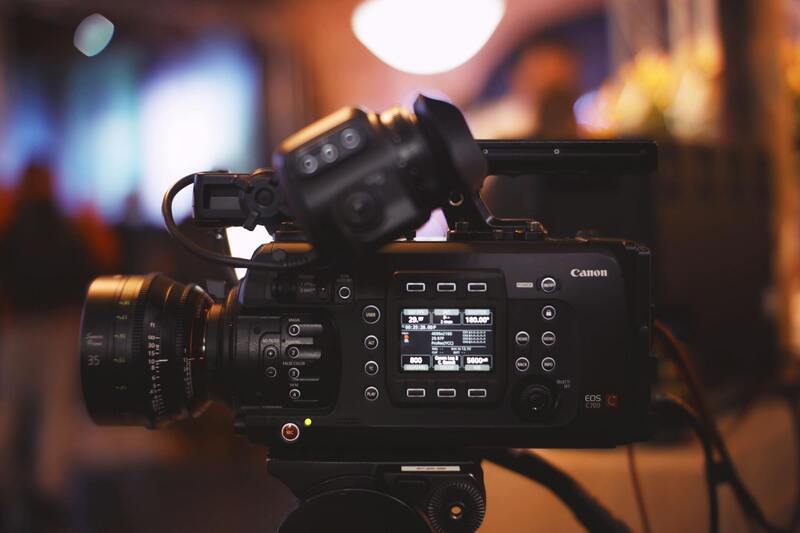
Employing professional photography as part of a comprehensive marketing plan is instrumental in achieving optimal sale outcomes. Its role extends beyond mere aesthetics; strategic deployment of quality images can elevate a property’s perceived value, evoke emotional responses, and foster quicker market decisions. When paired with targeted promotional efforts, these visuals become powerful tools that drive results, making the investment in expert photography an essential component in real estate success in Miami and beyond.