
Importance of High-Quality Real Estate Photos
In Miami's dynamic and highly competitive real estate market, the impact of high-quality property photographs cannot be overstated. These images serve as the first visual impression potential buyers and investors receive, often determining whether a property is viewed further or overlooked entirely. Outstanding photographs can significantly enhance a property's marketability, attract more inquiries, and ultimately lead to quicker sales at optimal prices.
Professional real estate photos help highlight a property's best features, creating an appealing narrative that resonates with target audiences. In a city where luxury properties, waterfront homes, and modern condos dominate the landscape, capturing the true essence of a property through compelling images can set listings apart from the competition. This visual edge not only amplifies a property's perceived value but also fosters trust and confidence among prospective buyers, who often base their initial interest solely on online listings.
Moreover, high-quality images contribute to the overall branding of real estate professionals and agencies. They reflect a commitment to excellence and attention to detail, which can influence customer perceptions and lead to repeat business. In essence, investing in superior photography is a strategic move that aligns with the expectations of today's digitally-savvy market, where most property searches begin online. As a result, professional real estate photos serve as a critical tool for maximizing a property's appeal, speeding up sales processes, and achieving the best possible return on investment in Miami's vibrant real estate scene.
Key Elements of Good Real Estate Photos
Successfully showcasing a property requires a focus on several essential components that contribute to the overall quality of real estate images. These elements ensure that photos are not only visually appealing but also truthful representations of the property.
- Lighting: Proper lighting creates a warm, inviting atmosphere, highlighting architectural details and interior spaces. Utilizing natural light during the day or professional lighting setups results in clear, vibrant images.
- Composition: Framing images effectively—focusing on the property's best features while maintaining a balanced perspective—guides viewers' attention and creates visual harmony.
- Stability: Using tripods and stabilization equipment prevents blurry images, offering crisp, professional quality photos.
- Angles and Perspectives: Shooting from strategic angles maximizes space perception and emphasizes desirable aspects of the property.
- Clarity and Resolution: High-resolution images ensure details are sharp, enabling viewers to examine features closely without distortion.
Preparing Properties for Photography
Before the camera clicks, proper preparation of the property is essential to showcase its full potential. Decluttering living spaces removes visual distractions, making rooms appear more spacious and appealing. Walls should be clean, neutral in color, and free of personal items that might detract from the overall aesthetic.
Consider staging key areas to highlight their functionality and appeal. This might include arranging furniture to create inviting flow, adding fresh linens, or placing accent pieces that enhance the ambiance. Addressing minor repairs such as fixing chipped paint, squeaky hinges, or broken fixtures also ensures the property presents itself in the best possible light.
External preparations are equally important. Landscaping should be tidy, walkways cleared, and outdoor furniture arranged to create a welcoming atmosphere. Adequate lighting outside, especially during sunset or early evening, can add warmth and depth to exterior shots.

Choosing the Right Equipment and Techniques
Securing high-quality images begins with selecting appropriate equipment and employing effective techniques. A professional-grade DSLR or mirrorless camera with a wide-angle lens (typically 14mm to 24mm) is essential for capturing expansive, distortion-free views of interior spaces. These lenses allow for more comprehensive shots in confined areas, minimizing the need for multiple images and creating a seamless portrayal of each room.
Using a tripod is equally important, as it stabilizes the camera for sharp images, especially in lower lighting conditions. This stability helps prevent motion blur and supports consistent framing across multiple shots, which is crucial when editing or creating virtual tours.
In terms of technique, shooting during optimal lighting conditions is paramount. Natural light tends to produce the most inviting images. Overcast days or shots during early morning and late afternoon provide soft, diffused lighting that reduces harsh shadows and highlights. When natural light is insufficient, professional lighting equipment—such as softboxes and diffusers—can be employed to illuminate interior spaces evenly and enhance the clarity of details.
Techniques like HDR (High Dynamic Range) imaging are often used to capture a broader tonal range between the lightest and darkest areas of an image. This process involves taking multiple shots at different exposures and blending them to retain detail in bright windows and shadowed corners. Properly executed HDR photography results in images that accurately represent the interior’s ambiance and spatial features.
Additional Strategies for Effective Real Estate Photography
- Utilize multiple lenses to optimize different spaces, such as wide-angle for interiors and telephoto for exterior details.
- Set your camera to an appropriate aperture, typically f/8 to f/11, to ensure sharpness throughout the depth of field.
- Adjust white balance to match lighting conditions, maintaining natural color tones.
- Use remote triggers or camera timers to reduce vibrations during shot setup.
- Employ panoramic stitching for capturing expansive views of large rooms or outdoor landscapes, creating an immersive experience for viewers.
Adopting these equipment choices and techniques leads to images that are both visually engaging and true to the property’s actual appearance, resulting in heightened interest among prospective buyers and tenants.
Choosing the Right Equipment and Techniques
When aiming to produce good real estate photos, selecting appropriate equipment and mastering effective techniques are essential. High-quality images depend on the right tools, such as professional-grade cameras equipped with wide-angle lenses, which are ideal for capturing comprehensive views of interiors and exteriors. Wide-angle lenses allow photographers to encompass more of a space in a single shot, making rooms appear larger and more inviting.
Utilizing tripods is a fundamental technique for ensuring stability and sharpness, especially during longer exposure shots necessary in low-light conditions or when employing HDR imaging. Proper aperture settings, typically between f/8 and f/11, help maintain a deep depth of field, ensuring multiple elements within a room are in sharp focus. Adjusting ISO to the lowest possible setting minimizes grainy images, preserving clarity and detail.
Lighting Techniques for Optimal Results
Lighting is a critical aspect of good real estate photos. Utilizing natural daylight by shooting during daytime hours with clear weather provides a soft, even illumination that highlights the space’s features authentically. If natural light is insufficient, supplementing with professional lighting equipment like softboxes or diffusers can evenly distribute light and minimize shadows.
Careful white balance adjustments during shooting help maintain true-to-life color tones, preventing images from appearing overly warm or cool. Additionally, employing techniques such as HDR photography—merging multiple exposures—ensures bright areas like windows are visible alongside shadowed corners, resulting in balanced, highly detailed images.
Incorporating Advanced Techniques
Panoramic stitching is effective for capturing expansive views of large rooms or outdoor landscapes, creating immersive visuals that draw viewers into the property. For exterior shots, using a telephoto lens can highlight architectural details and landscaping features. During indoor photography, a consistent shooting style—such as maintaining uniform angles and focal points—adds to the overall professionalism of the images.
Post-processing is the final step in producing good real estate photos. This involves adjusting exposure, contrast, and color balance to enhance the natural appearance without exaggeration. Removing minor imperfections, straightening skewed lines, and sharpening details help present the property in its best light, translating images into compelling marketing assets that attract prospective buyers and tenants.
Key Elements of Good Real Estate Photos
Capturing compelling real estate images requires a strategic approach that emphasizes technical precision and aesthetic appeal. A well-rounded set of photographs not only showcases a property’s unique features but also aligns with potential buyers’ or tenants’ expectations, elevating the property's marketability and perceived value.
One fundamental aspect of good real estate photography is composition. Proper framing ensures that the property is presented in the most flattering light, highlighting its strengths while minimizing any distractions. The use of the rule of thirds can enhance visual interest, guiding viewers' eyes toward focal points such as a stunning fireplace, a panoramic window, or an outdoor patio. Symmetry and leading lines can also be effective in creating visually balanced and engaging images.
Lighting is equally critical. Utilizing natural light during optimal times of the day—typically early morning or late afternoon—can produce warm, inviting images. For interior shots, opening curtains and turning on ambient lighting complements natural light, creating a bright, welcoming atmosphere. When natural light is limited, professional lighting equipment, such as softboxes, diffusers, or strobes, can fill in shadows and produce even illumination. The goal is to generate images that faithfully represent the property's appearance and ambiance.
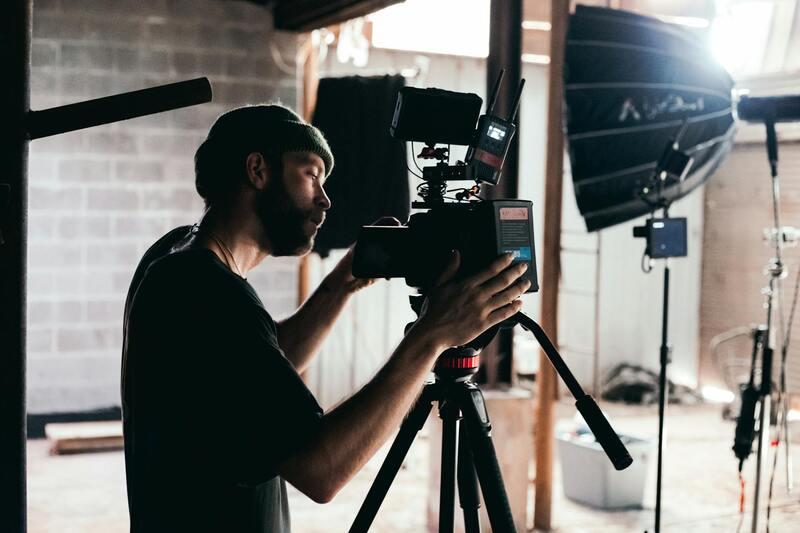
Angles play a significant role in conveying space and depth. Shooting from eye level generally offers the most natural perspective, but experimenting with slightly higher or lower angles can add visual interest or emphasize ceiling height and architectural details. Wide-angle lenses are indispensable for capturing entire rooms within a single shot without distortion, but it's important to avoid excessive distortion that can misrepresent the space.
Post-processing steps are crucial to refine images and ensure they meet high standards. Adjustments to exposure and contrast help enhance the property's visual impact, while color correction ensures accurate representations of interior and exterior hues. Cropping and straightening images eliminate skewed perspectives, and selective sharpening can emphasize textures like hardwood floors or brick facades. These enhancements serve to produce professional-quality photographs that are engaging and trustworthy.
In outdoor photography, focusing on the landscape and exterior features contributes to creating an inviting curb appeal. Properly framing gardens, patios, and architectural elements captures the property's character and environment, providing viewers with a comprehensive understanding of the property's setting.
Additional Tips for Producing High-Quality Images
- Schedule shoots during optimal lighting conditions to maximize natural light.
- Utilize a tripod to maintain stability and consistency across shots.
- Ensure the property is clean, decluttered, and well-staged before photographing.
- Experiment with different angles and focal lengths to find the most flattering perspectives.
- Use professional editing software to fine-tune images, maintaining a balance between enhancement and authenticity.

By emphasizing these core elements and techniques, real estate professionals and homeowners can generate high-quality photographs that effectively attract and engage prospective buyers or tenants. Consistent application of these best practices ensures the property’s visual narrative remains compelling and credible, facilitating a faster and more successful sale or lease process.
Meticulous Staging and Lighting Setup
For real estate photography to resonate with prospective buyers, the meticulous staging of the property is essential. Proper staging involves arranging furniture and decor to highlight the space’s potential while ensuring it looks inviting and lived-in without appearing cluttered. This visual appeal maximizes the impact of each shot, allowing viewers to envision their lives within the space. Complementing staging, the lighting setup plays a crucial role in achieving high-quality images. Utilizing natural light effectively, supplemented with professional lighting equipment when necessary, can eliminate shadows and highlight architectural details.
Careful attention should be paid to the placement of lights to prevent uneven illumination and glare. Soft, diffused light sources can help create a warm, welcoming atmosphere, especially during sunrise or sunset when natural ambient light is at its best. Properly balanced light and shadow emphasize textures and depth, giving the images a three-dimensional feel that enhances the overall perception of the property.
Utilizing Professional Equipment for Optimal Results
High-quality real estate photos hinge on the right equipment. Wide-angle lenses are instrumental in capturing a broad perspective, presenting spaces as expansive and open. Tripods ensure stability, reducing blurriness and allowing for precise framing, even in low light conditions. Creative techniques such as HDR (High Dynamic Range) imaging can be employed to balance exposure across a scene, ensuring that both interior shadows and exterior highlights are properly visible.
In outdoor shots, specialized equipment like drone cameras can offer aerial views that showcase the property's scale and nearby features, providing a comprehensive visual narrative. When deploying advanced equipment, familiarity with the tools and their settings is vital to avoid distortions or inconsistencies that could diminish the photograph’s professionalism.
Enhancing Visual Appeal through Post-Processing
Post-processing is an integral phase in producing compelling real estate images. Professional software allows for subtle adjustments that enhance the overall presentation without compromising authenticity. Techniques such as color correction, exposure adjustment, and perspective correction help ensure the images accurately reflect the property's true visual appeal.
Selective enhancement of certain elements—like sharpening textures or subtly brightening interiors—can draw viewers’ attention to desirable features. It’s critical that editing remains true to reality to foster trust and avoid misrepresentation. Maintaining this balance ensures that the pictures are both attractive and trustworthy, which is key to engaging potential buyers or tenants effectively.
Implementing Consistent Photography Practices
Consistency across all property images in a listing enhances professional credibility and provides a seamless viewing experience. Developing a standard shooting protocol—including camera settings, angles, and staging guidelines—helps achieve uniformity. Regularly updating photos to reflect current conditions prevents discrepancies that could mislead viewers or reduce trust.
Utilizing a comprehensive approach to styling, lighting, and editing fosters a compelling visual narrative. When all elements are thoughtfully coordinated, each photograph effectively communicates the property's best qualities, catching the eye of prospective buyers and facilitating quicker transactions.
Effective Use of Real Estate Photos in Marketing
Utilizing high-quality real estate images is pivotal in crafting compelling marketing campaigns that attract prospective buyers and tenants. Professionally captured photos serve as the visual foundation for a property's online presence, influencing first impressions and engagement levels. When integrated into advertising materials, property listings, and social media platforms, these images significantly increase visibility and promote interest.
To maximize their impact, it is essential to employ a strategic approach that aligns with target audiences. High-resolution images should highlight key features such as spacious interiors, modern finishes, attractive landscaping, and unique architectural elements. Showcasing these aspects through well-composed photos can create an emotional connection, encouraging viewers to take the next step in their property journey.
In digital listings, placement and presentation matter. Opening with an eye-catching exterior shot captures attention immediately, followed by interior images that illustrate the flow and functionality of the space. Incorporating a variety of perspectives and room types ensures a comprehensive portrayal of the property, broadening appeal and enabling viewers to visualize themselves living or working there.

Furthermore, integrating virtual tours or 360-degree images can elevate the marketing strategy, allowing potential clients to explore the property remotely with a realistic sense of space and design. This interactive experience can significantly boost engagement and reduce the number of physical visits, saving time for both sellers and prospective buyers.
Enhancing Online Listings and Social Media Campaigns
Well-curated images should be consistent in quality, style, and branding, creating a cohesive visual narrative that resonates across multiple platforms. Bright, clear, and properly staged photos not only attract more clicks but also foster trust and credibility.
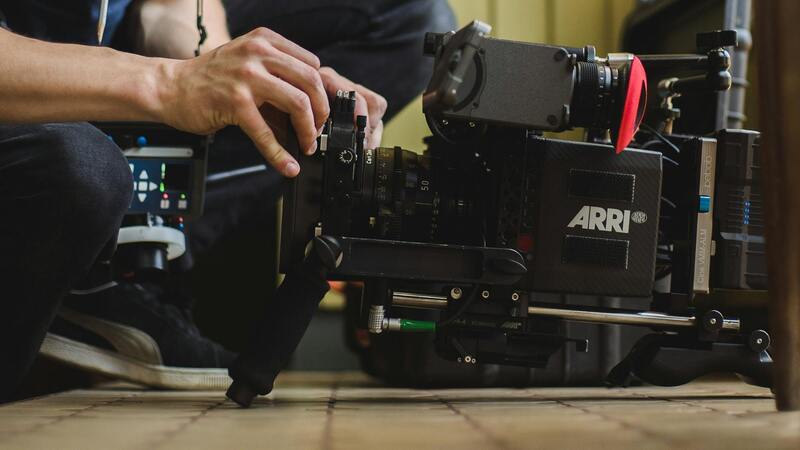
Investing in professional real estate photography ensures that each image aligns with best marketing practices, such as optimal lighting, strategic angles, and clean staging. By emphasizing the property's most appealing aspects, high-quality images can significantly influence a viewer's decision-making process and ultimately lead to faster sales or rentals.
Tips for Consistency and Updating Photos
Maintaining a consistent visual presentation across all property listings is essential to establish a recognizable brand identity and foster trust with prospective buyers and renters. Consistently high-quality images reflect professionalism and reinforce the perceived value of the property. To achieve this, real estate professionals should develop a standardized photography style that includes consistent lighting, color grading, and framing techniques. This uniformity ensures that every property listing aligns with the overall marketing strategy, making the brand more memorable and reliable to viewers.
Staying current with the latest trends in real estate photography is equally important. Regularly updating images to reflect recent renovations, changes in property condition, or seasonal variations helps maintain an accurate and appealing portrayal of the property. For example, switching to fresh photos after a renovation or staging improvements can invigorate a listing that may have gone stale, capturing renewed interest from potential clients.
Scheduling periodic reviews of all property images allows for timely updates and ensures that outdated or poorly lit photos do not diminish the property's appeal. Additionally, if a property remains listed over an extended period, new photos should be added to highlight upgrades or alterations. This refresh strategy keeps listings dynamic and engaging, encouraging viewers to revisit the property online and consider it more seriously.
Employing a robust digital asset management system can facilitate the organization and retrieval of high-quality images, making it easier to update listings systematically. Ensuring that all photographic content is stored in a centralized location simplifies the process of maintaining consistency across various platforms, including websites, social media, and virtual tour integrations.
Ultimately, the ongoing refinement of property images demonstrates a commitment to quality and professionalism. By investing in regular updates and maintaining a cohesive visual style, real estate professionals can enhance their listings' effectiveness, increase viewer engagement, and expedite sales processes. These consistent, high-quality photos serve as a powerful tool to keep listings fresh, appealing, and aligned with market expectations in Miami and beyond.
Advanced Strategies for Captivating Real Estate Photography
Achieving outstanding real estate photos that accurately showcase a property's features involves a meticulous approach that extends beyond capturing a few images. This advanced phase focuses on implementing refined techniques and consistent practices that elevate the visual presentation, ultimately making listings stand out in competitive Miami markets.
Utilizing Advanced Equipment and Techniques
To take real estate photography to the next level, professionals often incorporate high-resolution DSLR cameras equipped with wide-angle lenses, tripods, and stabilization gear. These tools help in capturing sharp, distortion-free images that highlight interior spaces comprehensively. Shooting during optimal lighting conditions—preferably during the golden hour or with balanced artificial lighting—ensures each room is displayed in its best light.
Employing HDR (High Dynamic Range) imaging can significantly improve image quality by balancing exposure levels within a scene. This technique ensures that both shadows and highlights are captured with detail, providing a more realistic view of the property's ambiance. Additionally, using drone photography offers unique perspectives of outdoor spaces, showcasing the property’s scale and surroundings from an aerial vantage point.
Strategic Composition and Lighting
Effective composition involves framing the shot to emphasize the property's most attractive features while maintaining a sense of spaciousness. The rule of thirds, leading lines, and symmetry are compositional principles that guide viewers' attention to focal points naturally.
Lighting plays a crucial role in the authenticity and appeal of real estate images. Ensuring proper exposure and minimizing shadows enhances clarity. Using diffusers or softboxes can diffuse harsh light and create a balanced, inviting atmosphere. For interior shots, turning on all available lights and opening curtains to maximize natural daylight is standard practice to achieve bright, welcoming images.
Post-Processing and Image Optimization
After capturing images, professional editing consolidates the visual impact of each photo. Adjustments typically include color correction, brightness, contrast, and sharpening to produce vibrant, true-to-life images. It is essential to avoid over-editing, which can create an unrealistic impression and potentially mislead prospective buyers.
Consistent editing styles across listings reinforce brand identity and ensure visual uniformity, particularly when a real estate agency manages multiple properties in Miami. Optimizing images for web involves resizing and compressing files to ensure fast load times without sacrificing quality, which enhances user experience and improves search engine visibility.
Maintaining Visual Cohesion and Regular Updates
Visual consistency across all property images is fundamental for a professional online presence. This encompasses the use of similar angles, lighting styles, and photographic techniques that align with the branding and marketing strategy. Regularly updating images to reflect recent modifications, new staging, or seasonal changes maintains the relevance of listings over time.
This ongoing process involves periodic review and replacement of outdated photos, especially for properties that remain on the market for extended periods. Incorporating fresh visuals can reignite interest and demonstrate active management of the listing.
Implementing a Systematic Approach for Consistency
Developing a standardized workflow for photography ensures consistency in quality and style. Such a process includes:
- Creating a detailed shot list that highlights key areas of each property.
- Establishing standard guidelines for lighting, angles, and editing procedures.
- Scheduling regular photography sessions to capture seasonal and staging updates.
- Maintaining a digital library to organize and track all images systematically.
By institutionalizing these practices, real estate professionals ensure high standards across all listings. This consistency builds trust with prospective clients and reinforces the property's perceived value.