
Importance of High-Quality Real Estate Photography
In the highly competitive Miami real estate market, the significance of high-quality photography cannot be overstated. Professionally captured and thoughtfully composed images serve as the primary visual hook for potential buyers browsing online listings. High-resolution, sharp, and well-lit photos showcase the property’s best features, making it stand out amid numerous listings. This visual appeal not only attracts more views but also enhances the perceived value of the property, encouraging quicker sales at favorable prices.
Real estate photos are often the first impression a potential buyer will get of a property. In Miami’s vibrant market, where luxury and distinctive architectural styles dominate, superior imagery conveys sophistication and authenticity. Listings with high-quality photos tend to generate higher engagement, including more inquiries, scheduled viewings, and ultimately, offers. By investing in visually compelling imagery, sellers and agents can effectively tap into the digital shift in real estate transactions, ensuring their properties reach a broader audience and attract serious buyers.
Moreover, polished real estate photos act as a reflection of professionalism and credibility of the agent or seller. They instill confidence in prospective clients, signaling that the property is being marketed with diligence and attention to detail. This often translates into faster sales cycles and higher transaction values, making professional photography an investment with measurable returns in Miami's real estate landscape.
Ultimately, high-quality real estate photos do more than just depict a property—they tell a story, evoke emotions, and motivate buyers to take decisive actions. In Miami’s competitive environment, the impact of exceptional imagery appears in increased visibility, faster sales, and better deals, making it an essential element of successful property marketing strategies.
Techniques for Capturing Stunning Real Estate Photos
To produce captivating real estate images that truly showcase a property's appeal, employing a combination of technical expertise and artistic vision is essential. One fundamental technique is mastering the use of natural light. Shooting during the golden hour—shortly after sunrise or before sunset—provides warm, diffused light that enhances the property's features without harsh shadows or glare. Properly timing shoots can dramatically improve the visual quality of images, especially in outdoor spaces and rooms with large windows.
Another crucial element is selecting optimal angles. Wide-angle lenses are a standard tool because they can capture more of a room, giving viewers a sense of space and flow. However, it's important to avoid distortion—distorted lines can detract from the professionalism and realism of the photo. The key is to keep the camera level and shoot from eye or slightly elevated angles to provide an inviting perspective that draws viewers into the space.
Proper framing is equally important. Ensure that focal points, such as a fireplace, view through windows, or unique architectural details, are centered or positioned according to compositional rules like the rule of thirds. This guides viewers' eyes naturally through the image, emphasizing the property's best aspects.

Staging the property prior to shooting significantly influences the visual storytelling. Clutter-free spaces, strategic placement of furniture, and subtle decor elements help create an inviting atmosphere. The goal is to present the property in a way that feels both aspirational and authentic, allowing potential buyers to envision themselves living there. Attention to details like fresh flowers, tidy surfaces, and neutral color palettes can elevate the overall appearance of the images.
Post-processing techniques further refine the photographs. Adjusting brightness, contrast, and color balance can enhance depth and vibrancy. Correcting distortion, straightening lines, and removing minor imperfections ensure that images accurately represent the property while maintaining a polished appearance. High-quality editing helps highlight the property's strengths without creating misrepresentations, which safeguards trust with prospective clients.
Understanding the Impact of Lighting and Composition on Real Estate Photos
Achieving visually striking real estate images relies heavily on mastering lighting and composition. Effective lighting ensures that the property appears warm, inviting, and true to its actual appearance. Utilizing natural light during early morning or late afternoon creates soft, flattering illumination that enhances interior features without harsh shadows. When shooting interiors, it’s essential to open curtains and blinds fully to allow maximum light to flood the space, which emphasizes the openness and brightness that many buyers find appealing.
In addition to natural light, supplementary lighting such as diffused flash or ring lights can be employed strategically to highlight specific areas or details within a room. Proper placement of light helps eliminate unflattering shadows and accentuates architectural features, making spaces appear larger and more appealing.
Well-thought-out composition is equally vital. This involves selecting angles that showcase the property's most attractive aspects while maintaining a sense of depth and perspective. For example, shooting from a corner position often captures more of a room's space, while maintaining straight vertical lines through careful alignment prevents distortion. Incorporating leading lines, such as hallways or pathways, directs viewers' eyes deeper into the space, creating an immersive experience that encourages further exploration of the property.
Creating a Cohesive Visual Narrative Through Consistent Style
To produce a series of compelling property images, it’s crucial to develop a consistent photographic style that aligns with the property's character and target audience. This includes maintaining uniform color tones, similar angles, and a balanced approach to light throughout the shoot. Consistency helps create a cohesive digital presentation, whether in online listings, virtual tours, or marketing brochures, fostering a professional image that builds trust with prospective clients.
Color calibration and white balance should be carefully managed during the shoot to ensure that wall colors, furniture, and decor appear natural and inviting. Slight adjustments in post-processing can unify the gallery, ensuring all photographs complement each other and tell a comprehensive story of the property’s aesthetic qualities.
Implementing Advanced Techniques for Enhanced Visuals
Beyond basic framing and lighting, incorporating advanced photography techniques can elevate the quality of real estate imagery. High dynamic range (HDR) imaging, for example, combines multiple exposures to capture both interior and exterior scenes with optimal detail and brightness. This technique is especially effective in situations with challenging lighting contrasts, such as bright windows and darker interiors.
Similarly, drone photography offers expansive views of the property and surrounding landscape, providing context and emphasizing unique features like large yards, scenic vistas, or proximity to amenities. These aerial shots can set a listing apart and pique the interest of prospective buyers by highlighting the property’s setting.
Final Considerations for Perfecting Property Images
Achieving great real estate photos requires an intentional approach that combines proper technique, presentation, and editing. It’s essential to plan each shoot carefully—considering the best times for natural light, preparing the property by decluttering and staging, and selecting appropriate equipment. Precision during shooting minimizes the need for excessive post-processing, preserving authenticity while enhancing visual appeal.
Once captured, images should undergo professional editing to correct minor imperfections, adjust exposure levels, and ensure color accuracy. Subtle enhancements can significantly impact the overall impression, making the property more attractive to potential buyers without misrepresenting its true appearance. Collaborating with experienced real estate photographers ensures that every image accurately reflects the property's strengths and appeals to a broad audience, ultimately facilitating a faster sale.
Post-Processing and Editing Tips
Post-processing plays a pivotal role in transforming captured images into captivating visual assets that highlight the property's best features. Professional editing begins with color correction to ensure that the hues are true to life, providing potential buyers with an authentic representation of the space. Adjusting the exposure and contrast enhances clarity and depth, making rooms appear more inviting and spacious. Recognizing that most photos benefit from minor refinements, editing should aim to subtly improve the image without misrepresenting the property’s true condition.
One fundamental technique involves straightening and leveling images to ensure architectural lines are true and visually appealing. This is especially important for rooms with horizontal or vertical lines that can appear skewed in unedited shots. Eliminating lens distortion or distortions caused by wide-angle lenses ensures the photos precisely match the real-world perspective, fostering trust and transparency.
Image retouching should be used judiciously to remove minor imperfections such as dust spots, scratches, or clutter visible in the frame. Lighting adjustments, including highlights and shadows, can also be fine-tuned to reveal textures and details that might not be obvious in the raw images. Maintaining a natural, consistent color palette across all photos creates a cohesive visual story that resonates with viewers.
It is equally important to optimize images for various marketing channels. High-resolution photos are essential for online listings, print materials, and social media to ensure clarity and impact. Cropping images thoughtfully can highlight focal points or architectural features, guiding the viewer’s eye to the property’s most attractive aspects.
Investing in professional editing not only amplifies the aesthetic quality of real estate photos but also elevates the overall marketing strategy, making listings more compelling and speeding up the sales process. Skilled editing respects the integrity of the space while enhancing its most enticing qualities, creating an accurate and appealing portrayal that captures the essence of each property.

Hiring Professional Photography Services in Miami
Partnering with experienced real estate photographers based in Miami guarantees a high standard of visual quality that aligns with current market expectations. Local professionals possess an in-depth understanding of the area's unique architectural styles, property types, and best lighting conditions, enabling them to capture images that truly showcase each listing’s potential.
Professional photographers specialize in utilizing the latest equipment and techniques, such as wide-angle lenses, drones, and HDR imaging, to produce striking images that appeal to prospective buyers. They also bring a strategic perspective to staging and composition, ensuring that every shot highlights the property's strengths and minimizes its weaknesses.
Beyond technical skill, reputable Miami-based photographers understand the importance of timing, weather considerations, and property presentation—all critical factors that influence the quality of photographs. By collaborating with seasoned professionals, property owners can ensure that their listings stand out in crowded online marketplaces, gaining maximum exposure and attracting qualified buyers.
Choosing the right photography partner involves reviewing portfolios, seeking client testimonials, and discussing specific needs and expectations. A well-established service provider will also advise on the best times for shoots, provide guidance on preparation, and offer post-processing services to deliver images that are ready for immediate use in marketing campaigns. This comprehensive approach guarantees the highest quality visuals that support strategic sales objectives.
Techniques for Capturing Stunning Real Estate Photos
Achieving outstanding real estate images requires a combination of technical expertise and an eye for detail. Professional photographers employ several core techniques to ensure each shot highlights the property's best features while maintaining a natural and inviting appearance.
- Utilization of Wide-Angle Lenses: Wide-angle lenses are essential tools that enable photographers to capture more of a room in a single shot. This creates a sense of space and openness, which is particularly appealing in smaller or compact areas. When used correctly, wide-angle shots can make rooms appear larger and more inviting.
- Optimal Lighting Conditions: Natural light is pivotal in showcasing properties effectively. Photographers often schedule shoots during times when sunlight floods the interior, such as late morning or early afternoon. They also use supplementary lighting, like portable flashes or reflectors, to eliminate shadows and evening out light distribution, ensuring that each room appears warm and welcoming.
- HDR Imaging and Bracketing: High Dynamic Range (HDR) techniques involve capturing multiple images at different exposures and combining them to produce a balanced exposure for all areas in the frame. This approach is particularly useful in situations with challenging lighting contrasts, such as brightly lit windows adjacent to darker interiors.
- Strategic Composition and Framing: Composition plays a crucial role in directing viewers' attention. Photographers carefully choose angles that emphasize the property's strengths, such as highlighting architectural details or attractive features like fireplaces or large windows. Proper alignment and focus ensure a clear, sharp image.
- Drone Photography for Exterior Shots: Drones provide aerial perspectives that capture the property's surroundings, landscaping, and overall estate layout. These shots can enhance listings by presenting a comprehensive view that ground-level photography cannot offer.
- Post-Capture Techniques: Proper camera settings, such as adjusting ISO and aperture, contribute to a crisp and professional look. Photographers also shoot in RAW format for greater flexibility during editing, allowing for adjustments without degrading image quality.

These methods, combined with a strategic approach to each property’s unique features and challenges, ensure that each photograph not only looks appealing but also accurately represents the property’s potential. When implemented correctly, this results in marketing visuals that resonate strongly with prospective buyers, encouraging engagement and inquiries. For property listings aiming to stand out in competitive markets like Miami, employing these professional techniques is essential for creating captivating images that facilitate faster sales and better market positioning.
Maximizing Impact with Proper Lighting and Equipment
One of the most critical aspects of capturing great real estate photos is the correct use of lighting and equipment. Professional real estate photographers rely on a combination of natural light and supplemental lighting to illuminate spaces evenly and highlight architectural features. Employing high-quality wide-angle lenses allows for expansive framing of rooms, ensuring that spaces appear both larger and inviting. Tripods are essential for maintaining stability and preventing blurry images, especially in low-light conditions.
Reflectors and diffusers are invaluable tools for controlling light, softening shadows, and minimizing glare. These accessories ensure that the images maintain a balanced exposure, revealing the true colors and textures within a property. For exterior shots, suitable filters and appropriate camera settings can enhance the vibrancy of landscaping and sky, making the property stand out in listings.
Strategic Use of Angles and Perspectives
Choosing the right angles is fundamental to creating compelling real estate images. Photographers aim to capture each room from vantage points that emphasize space and flow, often shooting from corners to showcase maximum square footage. Low or high-angle shots can accentuate certain features, such as high ceilings or architectural details, while straight-on shots provide a neutral and realistic view.
Varying perspectives, including overhead shots with drone photography, can depict property layouts comprehensively. These diverse viewpoints allow clients to understand the spatial relationships within the property and its surroundings, which can be particularly impactful for larger estates or properties with attractive landscapes.
Maintaining Consistency and Professionalism
Consistency across all images enhances the overall presentation of a property. Photographers should establish a uniform style and color tone that aligns with the property's branding or audience expectations. High-resolution images with accurate color representation help establish credibility and foster trust among viewers.
To achieve this, meticulous attention to camera settings, including aperture, shutter speed, and ISO, is necessary. Shooting in RAW format provides greater flexibility during post-processing, enabling adjustments that refine the image's clarity, brightness, and color balance without sacrificing quality.
Legal and Ethical Considerations in Real Estate Photography
Effective real estate marketing relies heavily on the integrity and accuracy of visual representations. Ensuring that photos accurately depict the property, without exaggeration or misleading embellishments, is vital for building trust and fostering positive relationships with potential buyers.
Adhering to established standards involves clear communication and proper consent when capturing images that include individuals, personal belongings, or proprietary features. Obtaining permission from property owners before conducting photography sessions is essential to respect privacy and legal boundaries.
Property owners and agents should verify that all images used in listings are current and reflect the property's true condition. Avoiding staged or heavily edited photos that distort the property's appearance helps maintain transparency and credibility in the marketplace.
Furthermore, respecting intellectual property rights is crucial. Photographers should ensure that all images are original or properly licensed, preventing unauthorized use of copyrighted content. When drone photography or advanced equipment is involved, compliance with regulations governing aerial imaging ensures safety and legal adherence.
In the context of online platforms and marketing channels, presenting an authentic representation of the property mitigates disputes and enhances reputation. Honesty in photography supports a fair transaction environment and encourages informed decision-making among buyers.

Maximizing Visual Impact through Strategic Photo Placement and Utilization
Leveraging high-quality real estate photographs effectively is paramount in attracting prospective buyers and elevating property visibility across various channels. Not only should these images be of exceptional quality, but their strategic placement in marketing materials can significantly influence viewer engagement and decision-making.
One essential aspect is integrating imagery seamlessly within property listings, promotional emails, and social media campaigns. Ensuring that photos are positioned prominently—typically at the beginning of online listings—allows potential buyers to quickly grasp the property's appeal and unique features. Incorporating multiple angles and highlight shots can provide a comprehensive view, encouraging viewers to explore further.

Beyond online listings, high-quality images are fundamental for print materials such as brochures and flyers. These tangible assets benefit from crisp, professionally captured photos that translate well into print, maintaining visual integrity and attracting interest at open houses or client meetings.
Utilizing photos correctly also involves optimizing image size and resolution for different platforms. For websites, faster load times are critical—compressed, yet high-resolution images ensure the site remains visually appealing without sacrificing performance. For social media, tailored images designed for each platform's specifications can improve reach and engagement.
Another critical factor is maintaining consistency across all visual depictions. When a property is represented with coherent style, tone, and quality, it reinforces a professional brand image and builds trust among potential clients. This approach ensures that viewers do not experience confusion or perceive discrepancies, which can impact credibility.
It's equally important to apply targeted SEO strategies to images by using descriptive file names, alt text, and captions enriched with relevant keywords. For instance, detailed descriptions like 'luxurious Miami beachfront condo with sunset views' enhance searchability, driving more organic traffic to listings.
Finally, integrating high-quality photographs into virtual tours and immersive experiences can significantly expand the property's reach, attracting remote buyers or international investors. Interactive elements paired with captivating images can lead to higher engagement rates and facilitate faster decision-making processes.
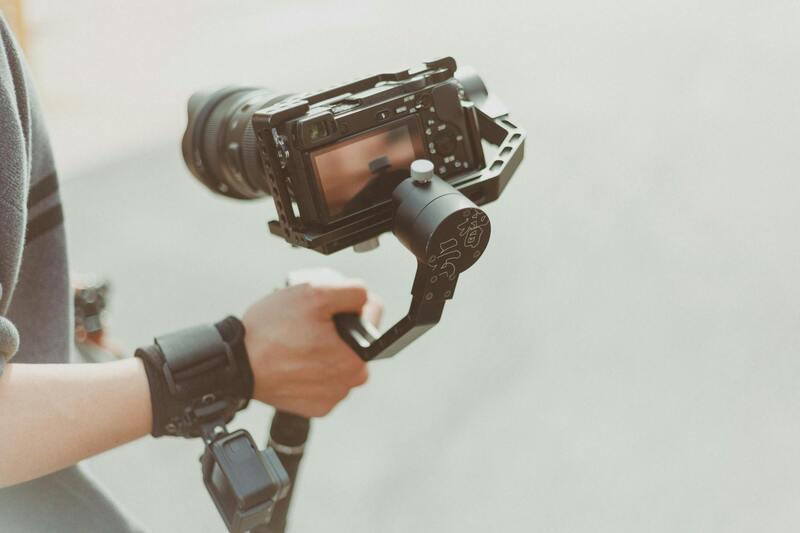
In essence, the deliberate and thoughtful distribution of visually compelling, authentic real estate photos across all marketing channels is instrumental in converting online interest into physical visits and ultimately, successful transactions. A well-executed visual strategy not only highlights the property’s best features but also cultivates confidence and trust with buyers, bolstering the overall marketing campaign’s effectiveness.