
Importance of Quality Photos in Real Estate Listings
In the highly competitive real estate market, securing the attention of potential buyers requires more than just an appealing property. High-quality photos serve as the first impression for prospective buyers browsing online listings. They provide a visual story that highlights the home's unique features and spatial qualities, ultimately influencing the decision-making process. Well-taken images help to accurately portray the property’s condition, scale, and ambiance, fostering trust and interest.
Investing in professional photography for a house for sale photo not only enhances the property's visual appeal but also broadens its reach across digital platforms. Listings with stunning images typically garner more clicks, visits, and inquiries. They can effectively differentiate a listing in a saturated market and position the property as a desirable option. Additionally, quality photos set a tone of professionalism and credibility, ensuring potential buyers perceive the listing as legitimate and well-presented.
In essence, the significance of compelling visuals cannot be overstated—they serve as an essential marketing tool that can accelerate the sale process and maximize the property's market value. Recognizing this, many successful sellers and real estate professionals prioritize professional photography to produce a polished and attractive listing.

Preparing a House for Photo Shooting
Effective preparation is crucial for capturing standout images that truly represent a property's potential. Begin by decluttering every room, removing personal items, and ensuring surfaces are clean and organized. Consider strategic staging to enhance space perception—this can include rearranging furniture, adding fresh linens, and incorporating tasteful decor. Ensure windows are clean to maximize natural light, which plays a pivotal role in creating inviting images.
Pay attention to the home's curb appeal, as the exterior is usually the first shot. Mow the lawn, trim bushes, and wash windows. Exterior shots should depict an inviting and well-maintained facade. Inside, open curtains and blinds to let in natural light, and turn on ample lighting to eliminate shadows.
Timing of the shoot should align with optimal lighting conditions—typically late morning or early afternoon when sunlight is abundant without creating harsh shadows. Having all accessories, lighting, and equipment ready beforehand facilitates a smooth and efficient photo session.
Key Elements of Effective House Photos
- Lighting: Natural light enhances warmth and clarity; avoid photos taken during overcast or dim days.
- Angles: Capture images from strategic vantage points to showcase space and flow.
- Composition: Use the rule of thirds and ensure balance in each shot.
- Focus: Maintain sharp focus on key features and ensure images are not blurry.
- Details: Highlight unique architectural details, upgrades, and attractive features.
Choosing the Right Equipment and Techniques
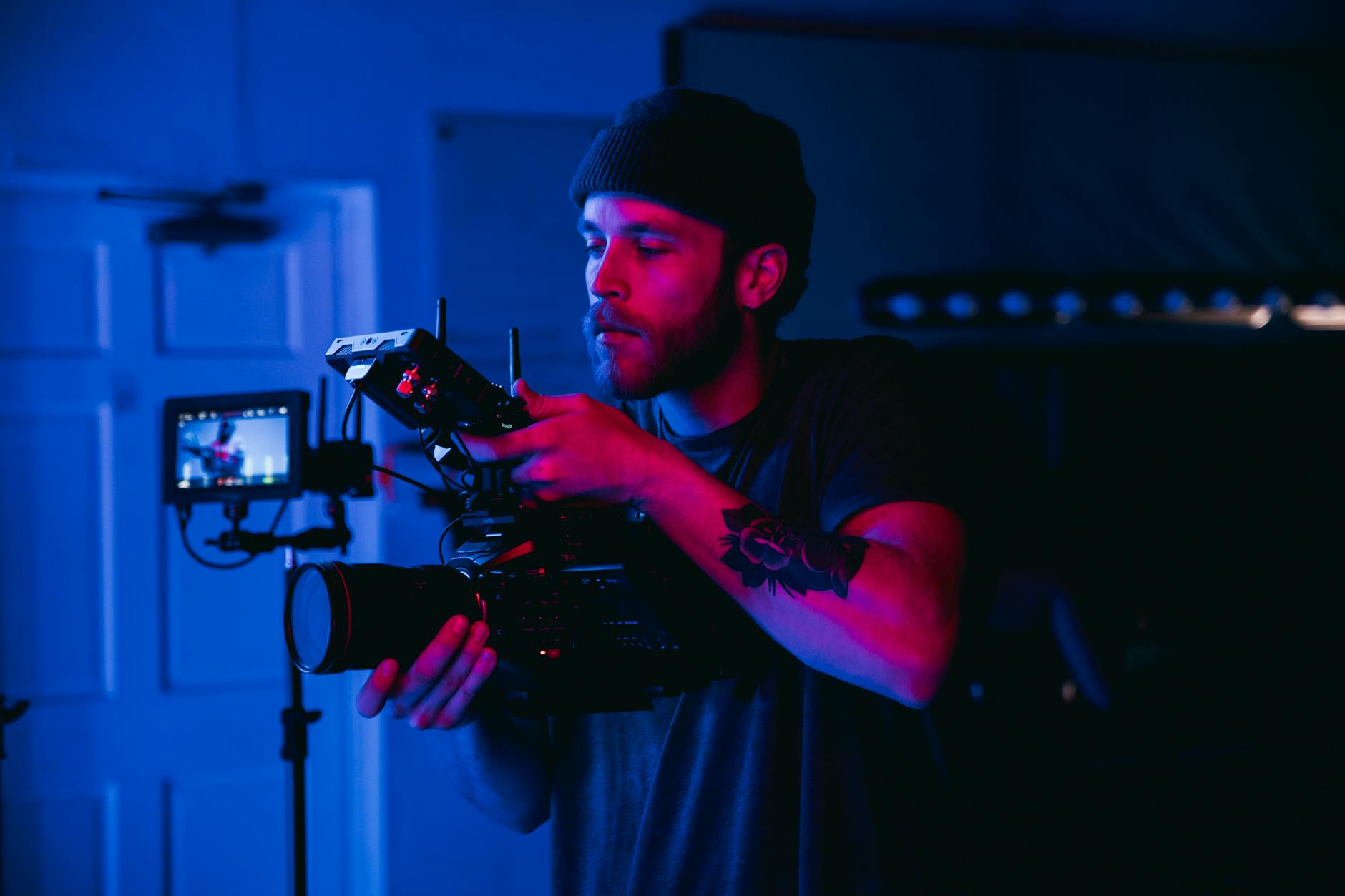
The quality of the photos greatly depends on the equipment used. Professional DSLR or mirrorless cameras with wide-angle lenses are preferred for capturing spacious interiors. Tripods are essential for stabilizing shots, especially in lower light situations. Properly calibrated settings and wide aperture options help to achieve sharpness and depth.
Employ techniques such as HDR (High Dynamic Range) shooting to balance interior and exterior lighting, ensuring both are visible without overexposure or underexposure. Consider using drone photography for aerial shots that showcase the property’s lot size and surroundings.
Timing and Lighting for House Photos
The best time for house photos is during periods of optimal natural lighting. Early morning or late afternoon—known as the golden hour—offers soft, warm light that enhances the appearance of both interiors and exteriors. Overcast days are also favorable as they provide diffuse light that minimizes harsh shadows.
Avoid shooting in the midday sun when shadows are intense and the contrast can obscure details. Plan visits around weather forecasts to ensure favorable conditions. Furthermore, consider the layout of the property to determine the best angles and times for natural light to accentuate key features.
Proper lighting not only improves image quality but also evokes a welcoming atmosphere that appeals to buyers.
Editing and Post-Processing Tips
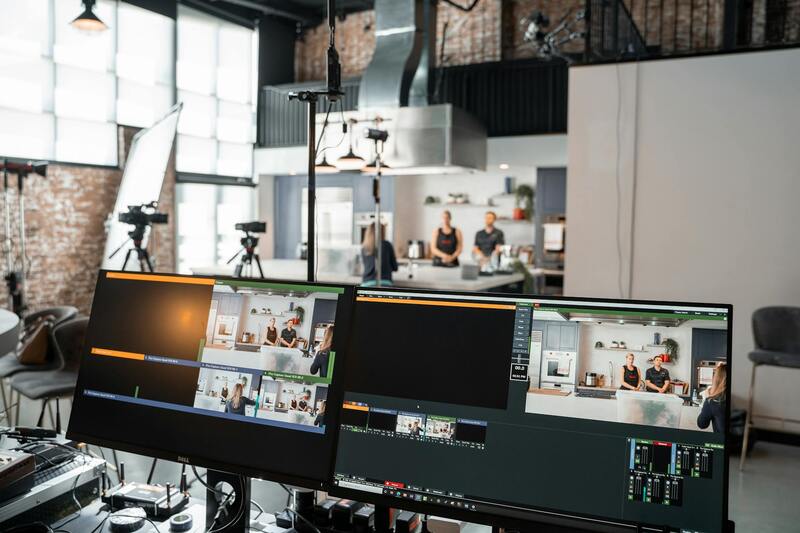
Post-processing enhances the original images, ensuring they accurately and attractively represent the property. Basic adjustments include correcting exposure, contrast, and white balance to achieve natural, vibrant colors. Cropping helps improve composition and remove distractions from the frame.
Avoid over-editing, which can mislead viewers and detract from authenticity. Instead, focus on subtle enhancements that highlight the property's best features. Consider straightening lines, reducing noise, and improving clarity without altering the true appearance.
Utilize professional editing software or hire experienced editors who understand architectural photography. The goal is to produce images that are clear, inviting, and faithful to the actual property.
Key Elements of Effective House Photos
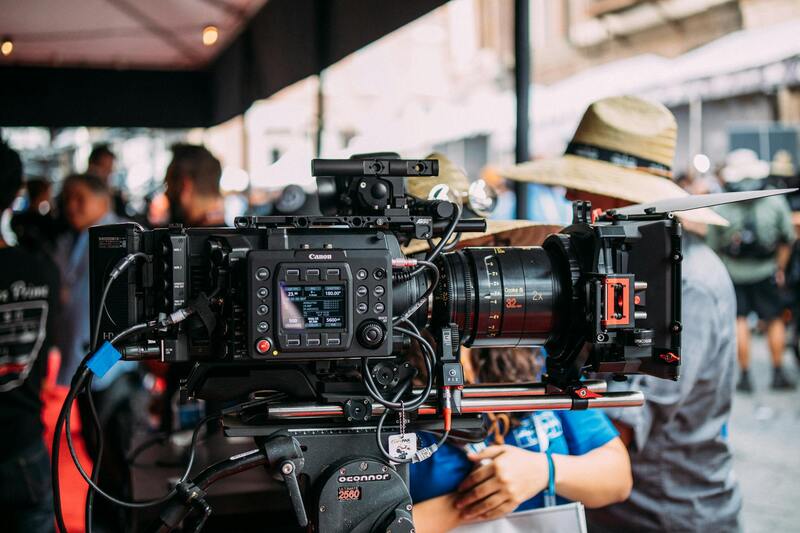
Achieving impactful real estate images hinges on capturing essential elements that highlight the property’s best features. Composition is vital; framing shots to emphasize spaciousness, architectural details, and unique selling points can significantly influence how potential buyers perceive the home. Ensuring the camera is level prevents distorted lines, maintaining the aesthetic integrity of each shot.
Lighting remains a paramount factor. Utilizing natural light to illuminate interiors creates a warm, inviting atmosphere that entices viewers. For interior shots, aim to shoot on days with consistent, diffuse sunlight to minimize shadows and harsh contrasts. When photographing exteriors, early mornings and late afternoons often provide the most flattering light, bringing out textures and colors.
Property angles should be thoughtfully chosen to showcase layout and flow. Wide-angle lenses are commonly used to capture more of the space in a single shot, making rooms appear larger. However, it's crucial to avoid distortion by maintaining proper focal lengths and shooting from appropriate distances.
Including images of key areas—such as the living room, kitchen, master bedroom, and outdoor living spaces—ensures prospective buyers get a comprehensive view of the property. Additionally, attention to detail—such as staged furniture, neat shelves, and cleared countertops—helps create a polished appearance that appeals directly to viewer preferences.
Color accuracy and clarity are essential. High-resolution images preserve details and textures, while accurate color reproduction reflects the true look of the home. Proper exposure and focus are non-negotiable; blurry or dark images diminish the overall appeal and trustworthiness of the listing.
Choosing the Right Equipment and Techniques
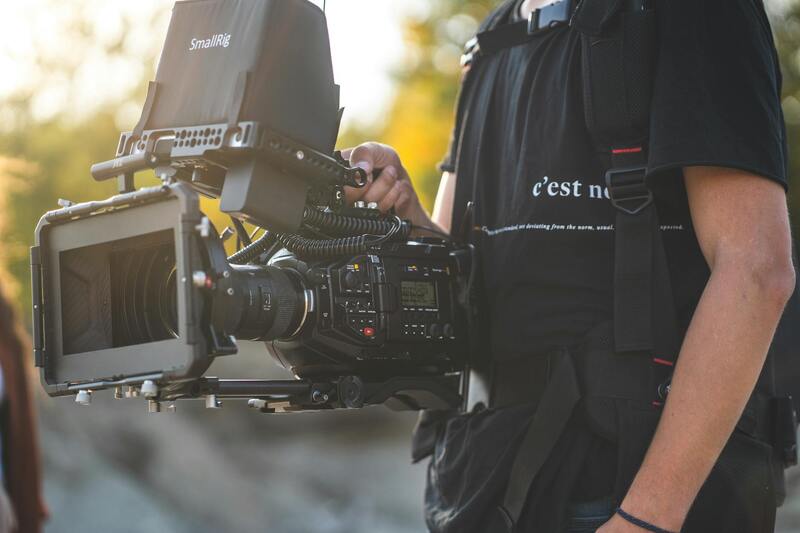
The selection of equipment directly impacts the quality of house for sale photos. Professionals typically opt for high-resolution digital cameras with wide-angle lenses, enabling them to capture expansive spaces without distortion. Tripods are essential to ensure stability and sharpness, especially in low-light conditions or interior shots where longer exposure times are necessary.
Use of polarizing filters can help reduce glare from windows, enhancing interior visibility and contrast. For outdoor photos, graduated neutral density filters can balance exposure between the sky and the ground, ensuring neither is overexposed or underexposed.
Adopting specific photography techniques can further elevate image quality. Bracketed exposures combined through HDR (High Dynamic Range) processing can bring out details in shadows and highlights, making images more vibrant and true-to-life. Bracketing is particularly beneficial for interior shots with bright windows and darker corners.
Mastering camera settings—such as aperture, ISO, and shutter speed—is vital for capturing clear, well-exposed images. A narrow aperture (higher f-stop) ensures greater depth of field, keeping both foreground and background in focus, which is advantageous in real estate photography.
Timing and Lighting for House Photos
Precise timing and lighting conditions are fundamental for achieving captivating house photos. The best time to photograph exteriors is during the golden hour—shortly after sunrise or before sunset—when the sun casts warm, diffuse light that enhances textures and colors, reducing harsh shadows and glare.
For interior shots, overcast days provide ideal diffused lighting that evenly illuminates rooms without overpowering shadows. This consistency allows for natural-looking images that accurately depict the property's ambiance and features.
Being mindful of weather conditions is also critical. Cloudy or rainy days may require additional lighting or post-processing adjustments, but oftentimes, these conditions produce softer, more pleasing images. Conversely, extremely bright sun can create strong shadows and highlights that obscure details, so scheduling shoots during moderate lighting conditions helps maintain image quality.
Additionally, consider the house’s orientation and natural light pathways. Photographs taken when sunlight streams through windows can help showcase bright, welcoming interiors. Avoid capturing images during the mid-summer midday hours when sunlight is most intense, as this can lead to overexposed elements and distracting shadows.
Importance of Quality Photos in Real Estate Listings
High-quality photographs are a cornerstone of effective real estate marketing, significantly influencing a potential buyer’s first impression of a property. Detailed, well-composed images help showcase the home's unique features, highlight its best attributes, and create an emotional connection that encourages viewers to envision themselves living there. Real estate images that are crisp, properly exposed, and professionally staged translate into increased engagement, longer viewing times, and ultimately, faster sales.
Utilizing high-quality photos aligns with the standards of reputable property listings and enhances the credibility of the seller's marketing efforts. Such images not only increase online visibility but also improve search engine rankings for property searches. This visibility ensures that the home appears prominently among search results, drawing more interested buyers and facilitating quicker transactions.
Preparing a House for Photo Shooting
Proper preparation is essential to attain exceptional house photos. A messy or unkempt space can diminish visual appeal, so decluttering each room is a necessary first step. Remove personal items and excess furniture to create a clean, spacious environment that accentuates the home's size and flow.
Staging plays a pivotal role in maximizing the visual impact of a property. This involves arranging furniture, enhancing decor, and ensuring each room looks inviting and functional. Simple upgrades, such as fresh flowers or strategically placed accent pieces, can add warmth and interest to the scene.
Regular maintenance also contributes to the property's visual appeal. Fixing minor repairs like squeaky door hinges, peeling paint, or flickering lights ensures that the property appears well-maintained and cared for. Clean windows, polished floors, and freshly laundered linens help create a pristine environment that photographs beautifully.
Beyond physical preparation, consider scheduling the shoot during optimal lighting conditions. As previously discussed, early morning or late afternoon provides natural light that enhances the depth and vibrancy of interior and exterior images. Simultaneously, ensure the property is tidy, well-lit, and free of clutter just before the shoot begins.
Key Elements of Effective House Photos
- Lighting: Proper lighting reveals the true colors and textures of the interior and exterior, emphasizing space and atmosphere.
- Angles: Shooting from strategic angles highlights spaciousness and architectural features, creating a sense of depth.
- Composition: Framing each shot carefully ensures that all essential features are visible and well-balanced, guiding the viewer’s eye through the space.
- Details: Close-ups of attractive features, such as countertops or unique architecture, can add interest and context to the listing.
Effectively combining these elements produces compelling images that resonate with prospective buyers and inspire interest in the property.
Choosing the Right Equipment and Techniques
Investing in quality photography gear—such as wide-angle lenses and high-resolution cameras—ensures sharp, expansive images that capture the full scope of a room. Tripods help stabilize shots, eliminating blur and allowing for precise framing. Consider using professional lighting or reflectors to control natural light and eliminate shadows.
Techniques such as HDR (High Dynamic Range) imaging can balance challenging lighting contrasts, ensuring details are visible both in bright and shaded areas. Drones may also be employed to capture striking exterior views and aerial shots, providing a comprehensive perspective of the property’s surroundings.
Editing and Post-Processing Tips
Post-shoot editing is crucial for refining images and creating a polished presentation. Adjustments to brightness, contrast, and color balance help produce vibrant and true-to-life visuals. Removing imperfections or distractions blends seamlessly into the final image, enhancing its overall appeal.
However, editing should be subtle and natural, avoiding overly processed images that could mislead potential buyers. Professionally retouched photos reflect the property accurately while maximizing its aesthetic impact.
Legal and Ethical Considerations
When creating real estate photographs, transparency about what is depicted is essential. It is important to accurately represent the property’s condition and features without manipulation that could deceive viewers. This ethic maintains the trustworthiness of your listing and aligns with industry standards.
Partnering with Professional Photography Services in Miami
Collaborating with experienced real estate photographers ensures the highest quality images that meet industry best practices. Local professionals are familiar with Miami's unique lighting conditions and architectural styles, allowing them to adapt techniques accordingly. Their expertise in staging, equipment, and post-production results in compelling house photos that increase the property’s marketability and attract serious buyers.
Utilizing Advanced Equipment and Techniques for Superior House Photos
Achieving high-quality real estate images demands the right tools and methods. Professional-grade cameras with high-resolution sensors are fundamental, capturing sharp details and vibrant colors that truly showcase the property's features. Digital single-lens reflex (DSLR) or mirrorless cameras often provide the flexibility and image quality necessary for compelling house photos.
In addition to choosing the appropriate camera, incorporating specialized lenses significantly impacts the final results. Wide-angle lenses are especially valuable in real estate photography, allowing photographers to capture more of each room without distortion, thus conveying a realistic sense of space. These lenses enable viewers to see the full extent of interior layouts, making rooms appear larger and more inviting.
High Dynamic Range (HDR) photography is another essential technique. By merging multiple exposures, HDR captures details in both bright and shadowed areas, resulting in well-balanced images that reflect true lighting conditions. This method is particularly useful in rooms with mixed light sources or large windows, ensuring a consistent and appealing visual presentation.
Proper tripod setup ensures stability and sharpness in every shot. It facilitates precise compositions and allows for longer exposures when necessary, such as in low-light settings. Additionally, utilizing remote shutters or timers minimizes camera shake, delivering crisp images every time.

Understanding the importance of lighting is critical. Natural daylight enhances the aesthetic appeal and authenticity of photographs. Photographers often schedule shoots during the 'golden hour'—shortly after sunrise or before sunset—when soft, warm light creates an inviting atmosphere.
In addition to natural light, supplemental lighting options like diffused flash or portable LED panels can be employed to eliminate shadows and highlight key features without creating harsh contrasts. Proper lighting ensures that the colors are accurate and the textures are detailed, making interior spaces look both realistic and alluring.
Legal and Ethical Considerations
When capturing high-quality house for sale photos, adherence to proper practices is essential to maintain transparency and trustworthiness. It’s crucial to obtain permission from property owners before conducting any photography sessions, especially when shooting homes that are not yet publicly listed or are part of private developments. Respect for privacy entails ensuring no personal belongings, confidential documents, or sensitive areas are inadvertently included in the images.
Incorporating images that portray the property accurately is fundamental. This involves avoiding manipulations or alterations that could mislead potential buyers regarding the condition, size, or features of the house. Transparency about modifications made during editing—such as color correction, de-noising, or perspective adjustments—is a mark of professional integrity and helps in building confidence among prospective clients.
Additionally, photographers and real estate agents should be aware of standards related to the portrayal of the property. This includes representing the space without exaggeration or distortion and avoiding misleading angles that could alter perceptions of size or layout. Honest presentation supports informed decision-making for buyers and aligns with ethical marketing practices.
Using legally obtained property images and ensuring proper attribution when necessary demonstrates respect for intellectual property rights. Collaboration with property owners and listing agents through clear communication helps set expectations and secures consent for all aspects of the photo session.

Adhering to these practices not only safeguards the reputation of real estate professionals but also contributes to a fair and ethical marketplace. Well-executed, honest visual content aligns with engaging marketing strategies and encourages confident investment decisions from potential buyers.
Choosing the Right Equipment and Techniques
To capture compelling house for sale photos that truly highlight a property’s potential, selecting the appropriate equipment and applying effective techniques is essential. Digital single-lens reflex (DSLR) cameras and high-quality mirrorless cameras are preferred for their superior image clarity and manual control options, which allow photographers to fine-tune settings for different lighting conditions and room sizes. Wide-angle lenses, typically ranging from 14mm to 24mm, are instrumental in capturing the full scope of interior spaces without distortion, giving prospective buyers a realistic sense of the layout.
Tripods are invaluable, ensuring stability during shots and enabling longer exposures in lower light conditions, particularly in rooms with limited natural light. Employing HDR (High Dynamic Range) photography techniques allows for balanced exposures that reveal details both in bright highlights and shadowed areas, providing a comprehensive view of each space.
Proper technique extends to framing and composition. It’s important to eliminate clutter, arrange furniture neatly, and choose perspectives that accentuate the room’s spaciousness and flow. Shooting from eye level usually provides a natural perspective, but strategic overhead or angled shots can highlight unique features or architectural details. Additionally, ensuring horizontal lines are level and vertical lines are straight maintains the integrity of the space, preventing distortions that could mislead viewers.
Effective use of aperture settings—typically f/8 to f/11—provides sufficient depth of field, ensuring that both foreground and background elements remain sharp. Focus points should be carefully selected to highlight key features like fireplaces, kitchen islands, or external views, guiding viewers’ attention to the property’s most attractive attributes.
Timing and Lighting for House Photos
The timing of the photo shoot significantly influences the visual appeal of house images. Shooting during daylight hours, especially during the golden hour—shortly after sunrise or before sunset—can generate warm, inviting lighting that enhances room ambiance and external curb appeal. Proper control of outdoor lighting ensures that shadows and highlights complement the property’s features rather than obscure details.
Utilizing natural light minimizes the need for extensive post-processing and creates authentic representations of the space. When natural light is limited, strategically placed artificial lighting—such as softboxes, diffusers, or even portable LED panels—can fill in shadows and create an even, flattering illumination across interior surfaces. Balancing interior and exterior exposures through HDR techniques can provide a cohesive view of the property, capturing both indoor ambiance and outdoor scenery in a single, compelling image.

Key Elements of Effective House Photos
Creating impactful real estate images requires careful attention to several core elements that highlight a property's most attractive features while providing an accurate depiction of its space and condition. A well-balanced photo can significantly influence buyer interest, generate more inquiries, and facilitate faster sales. Understanding these key components can elevate the quality of your house for sale photos and ensure they resonate with prospective buyers in a competitive Miami market.
Staging and Decluttering
Before capturing images, it is essential to prepare the property by decluttering and staging. Removing personal items, excess furniture, and unnecessary décor helps create a clean, inviting environment. Effective staging emphasizes the home’s strengths, such as spaciousness or architectural details, and allows potential buyers to envision themselves living there. Furniture and décor should be arranged to showcase the flow of rooms and functional spaces without overcrowding or blocking natural pathways.
Showcasing Architectural Features
Highlight distinctive architectural elements such as vaulted ceilings, large windows, custom moldings, or unique ceiling designs. Clear, unobstructed shots of these features can attract buyers interested in the property’s design appeal. Use appropriate angles to accentuate these elements without exaggerating proportions, ensuring viewers get an honest representation.
Capturing External and Internal Views
External shots should emphasize curb appeal, including landscaping, entryways, and outdoor amenities. Incorporate wide-angle shots that include the entire façade and surrounding environment. Interior images should focus on key areas such as the living room, kitchen, bedrooms, and bathrooms. Multiple perspectives within the same space can provide a comprehensive understanding of size, layout, and functionality.
Maintaining Color Accuracy and Clarity
Color consistency is vital for a realistic presentation. Ensure that the hues of walls, furniture, and features faithfully reflect their true colors. Sharpness and clarity are equally important; images should be in high resolution, free of motion blur, and well-focused to showcase fine details and textures.
Creating a Cohesive Visual Narrative
The collection of images should tell a story of the property's potential, guiding viewers through the space seamlessly. Organize shots logically—from exterior to interior, room by room—to build a visual journey. Consistent lighting, angles, and style across all images reinforce professionalism and credibility.
Legal and Ethical Considerations in House Photography
Adhering to established standards in property photography is essential to presenting a true representation of the house for sale. Using official and authorized methods ensures consistency, transparency, and integrity in all visual materials circulated to potential buyers. When capturing images, it is crucial to respect the property’s privacy and safeguard sensitive areas by obtaining proper permissions and ensuring confidential spaces are appropriately handled.
All photographs should reflect the true state of the property without distortion or manipulation that could mislead viewers. This includes not only avoiding overtly retouched or exaggerated images but also maintaining consistent color tones and proportions. Proper metadata documentation of images can serve as an official record, confirming the authenticity and original capture conditions of the photographs, thus reinforcing trust with prospective clients.
Employing these official practices assures clients and viewers that the images are accurate and reliable. This transparency is fundamental in fostering confidence in the listing and mitigating any concerns about misrepresentation or deceptive marketing. Additionally, adhering to industry guidelines and standards helps prevent legal complications and supports fair marketing practices within the real estate sector.
Documenting and Securing Property Images
- Maintain detailed records of all photography sessions, including date, time, location, and equipment used.
- Ensure images are stored securely with proper backups to prevent loss or tampering.
- Use watermarks or digital signatures carefully, if necessary, to verify authenticity without detracting from the visual presentation.
Respecting Privacy and Confidentiality
It is vital to obtain consent from property owners and residents before photographing interior spaces that may include personal belongings or confidential areas. Avoid capturing images that could infringe on privacy rights or reveal sensitive information. When in doubt, focus on public or common areas that showcase the property's features without compromising privacy.
Alignment with Industry Standards and Best Practices
Staying informed of evolving guidelines, such as those from real estate associations or standards organizations, helps ensure that all images meet recognized professional criteria. This includes appropriate image resolution, aspect ratios, and ethical considerations in presenting the property in a manner that aligns with legal and ethical duties.