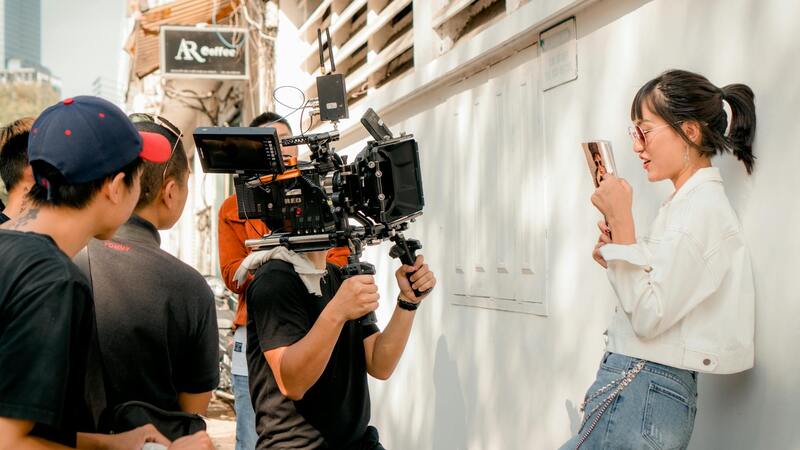
Importance of High-Quality Real Estate Photography
In the highly competitive real estate industry, the visual presentation of a property can significantly influence its marketability and sale prospects. Professional photography serves as a vital tool in attracting potential buyers by highlighting the property’s best features and creating a compelling first impression. High-quality images foster greater engagement on online platforms, making listings more attractive and easier to find among numerous options. Well-composed photographs not only showcase the aesthetic appeal of a property but also communicate its value, layout, and unique selling points effectively.
Real estate photography transcends simple image capturing; it involves an artful combination of technical skills and a strategic approach to detail. Photos that accurately depict space, lighting, and ambiance help buyers envision themselves living in the property. Conversely, low-quality images can deter interest and diminish a listing’s perceived value. As such, employing a dedicated photographer with specialized knowledge of real estate photography can transform a standard listing into a powerful marketing asset.
The impact of professional images extends beyond attracting initial inquiries. They serve as vital tools for building trust and credibility with clients, establishing a property’s desirability, and ultimately accelerating the sales process. When buyers are presented with compelling visuals that reflect the true beauty and potential of a property, their interest increases, which can lead to more showings and competitive offers.
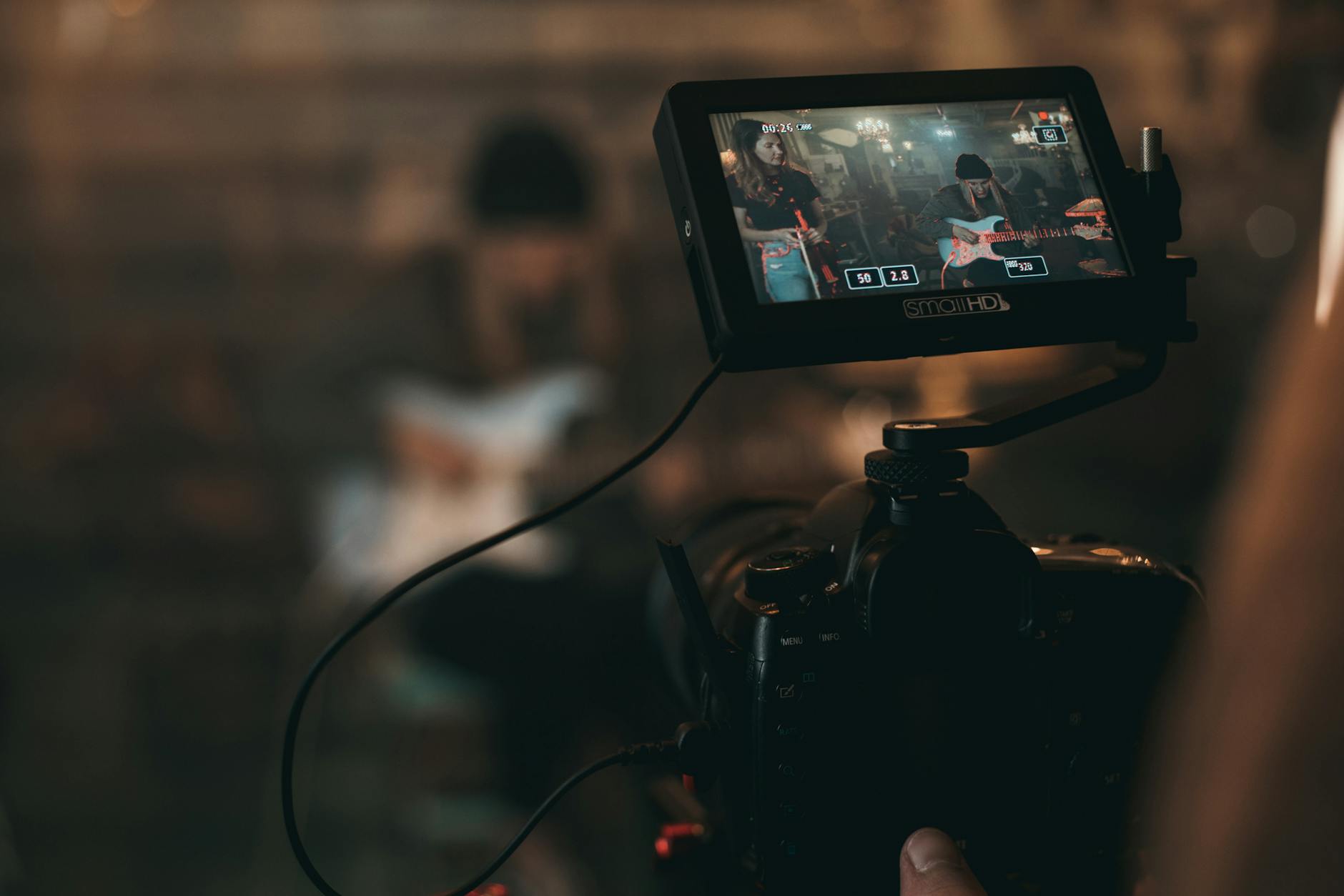
Engaging, high-quality pictures are especially crucial in the digital age where most property searches begin online. Potential buyers often browse multiple listings rapidly, making the quality of imagery a decisive factor in their decision to pursue further inquiries. The visual narrative created through professional photography can effectively differentiate a property, build emotional connections, and enhance overall market visibility.
Key Skills and Equipment for Real Estate Photography
To produce captivating and professional real estate images, a photographer for real estate agents must possess a carefully curated blend of technical skills and access to specialized equipment. Mastery over camera settings, lighting techniques, and composition principles ensures that each shot accurately represents the property's features and atmosphere. Precision in adjusting ISO, aperture, and shutter speed is essential to capture well-exposed photographs across varying lighting conditions, from sunlit living rooms to dimly lit basements.
Understanding the importance of perspective ensures that rooms appear spacious and inviting. Utilizing techniques such as wide-angle lenses allows for comprehensive coverage of interior spaces, providing viewers with a sense of depth and scale. A keen eye for detail helps to highlight unique architectural features or upgrades that may appeal to potential buyers.
Equally important are the tools that facilitate high-quality imaging. Modern real estate photographers often rely on full-frame digital cameras equipped with wide-angle lenses, stabilization equipment, and tripods to achieve steady, crisp images. Drone photography also plays an increasing role, offering aerial views that showcase large properties or unique landscape features.
Post-processing software like Adobe Lightroom and Photoshop is invaluable for refining images—correcting color balance, enhancing lighting, and removing imperfections without overly altering the natural appearance of the property. Efficient image delivery methods, such as cloud-based platforms, ensure quick turnaround times for agents and clients, maintaining the momentum of marketing campaigns.
In addition to technical expertise, understanding the specific needs and branding strategy of real estate agents can help tailor the photographic approach, ensuring consistency across listings and strengthening the overall marketing effort.

Preparing Properties for Photoshoots
Effective preparation of a property prior to a photoshoot can significantly impact the overall quality and appeal of the images captured. This involves meticulous staging, thorough cleaning, and strategic arrangement of furniture and decor to highlight the property's best features. Ensuring that each room is free of clutter and personal items creates a neutral environment that appeals to a broader audience, allowing potential buyers to envision themselves within the space.
Proper lighting is a critical component, and often natural light should be maximized by opening curtains and blinds to allow sunlight to fill the space. In cases where natural light is insufficient, supplementary lighting equipment such as softboxes or LED panels can be used to evenly illuminate rooms while avoiding harsh shadows or glare. Moreover, body positioning and the selection of angles should emphasize room proportions and architectural details, making spaces appear larger and more inviting.
Attention to minor details during property preparation is equally vital. This includes ensuring all surfaces are clean and free of smudges, highlighting freshly painted walls or updated fixtures, and removing any personal clutter. Landscaping and exterior curb appeal also play a significant role; well-maintained lawns, clean walkways, and strategic placement of outdoor furniture can create a welcoming first impression for prospective buyers.
Seasonal considerations may also influence preparation—significant efforts should be made to enhance the property's aesthetics according to the season, such as adding seasonal decor or ensuring exterior features are tidy and presentable. Overall, a well-prepared property sets the stage for professional photography, capturing its true potential and increasing its desirability on the market.
Best Practices for Shooting Real Estate Photos
Achieving the highest quality images requires adherence to a set of established best practices that encompass technical mastery, composition, and efficient workflow. First, selecting the appropriate camera settings is crucial. Using wide-angle lenses typically facilitates capturing expansive interior spaces, but care should be taken to avoid distortion—moderation in lens use preserves natural proportions.
Stability is fundamental; using tripods ensures sharpness and consistency across multiple shots. When shooting interior spaces, a balanced combination of horizontal and vertical perspectives can effectively showcase room layouts and architectural features. Additionally, employing HDR (High Dynamic Range) techniques can balance exposure between bright windows and darker interior areas, rendering a more accurate and appealing image.
Scene composition also matters—aligning the shot to emphasize the most attractive elements of each room while maintaining symmetry and avoiding clutter can lead to a more engaging visual presentation. External shots should highlight key landscape features, entryways, and outdoor amenities, providing a comprehensive view of the property.
Post-Processing and Image Delivery
Post-processing is essential for fine-tuning images, ensuring they meet high visual standards without altering the authentic appearance of the property. Utilizing editing software like Adobe Lightroom and Photoshop allows for adjustments in brightness, contrast, color balance, and sharpness. Subtle enhancements can make rooms appear brighter and more spacious, attracting more attention from prospective buyers.
Retouching should be performed with care to avoid over-editing, which can detract from the realism and trustworthiness of the images. Removing minor imperfections, such as reflections or distracting objects, helps maintain focus on the property's best features. Once the editing process is complete, images should be optimized for online delivery—resized and compressed to ensure quick loading times, which facilitates prompt marketing efforts.
Delivering images through secure cloud platforms allows real estate agents and clients to access high-resolution files efficiently, enabling them to incorporate the photos into various marketing materials, from online listings to printed brochures. Consistency in image quality and presentation further reinforces the professional image of the real estate business.
Establishing Trust and Building Relationships with Real Estate Professionals
For a photographer serving real estate agents, cultivating strong relationships within the local real estate market is essential. These professionals rely heavily on high-quality visual marketing to attract potential buyers and close deals efficiently. Demonstrating a consistent record of professionalism, reliability, and exceptional results positions the photographer as a trusted partner rather than just a service provider.
Fostering communication is key. Regularly updating agents on upcoming shoots, understanding their specific needs, and offering flexible scheduling options show a commitment to their business priorities. Providing educational insights, such as tips on staging or lighting, can further deepen the collaboration, positioning the photographer as a valuable resource beyond just image capture.
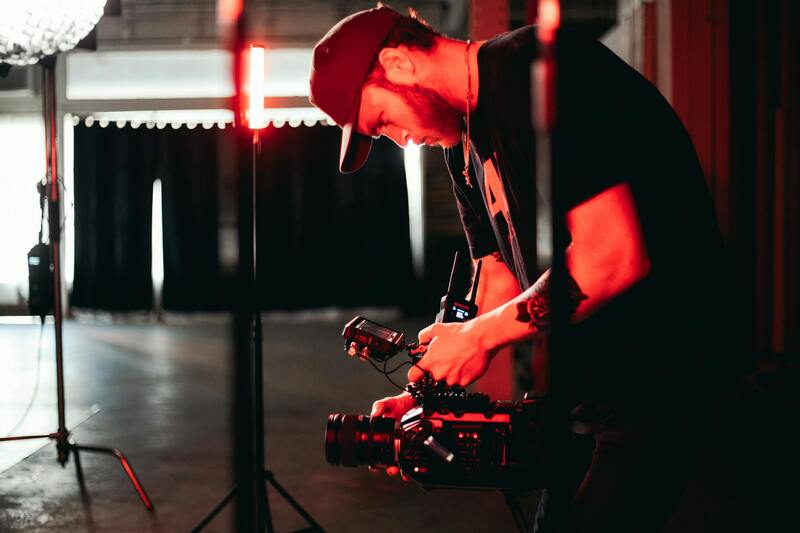
Networking events, industry seminars, and local real estate association meetings are ideal platforms for meeting agents and demonstrating expertise. Building a portfolio that highlights diverse property types and showcasing success stories can significantly influence agent confidence in the photographer’s abilities. Additionally, offering promotional packages tailored to the needs of real estate professionals shows an understanding of their business cycle, encouraging repeat collaborations.
On the technical front, providing consistent, high-quality results creates a positive reputation that spreads through word-of-mouth referrals. Maintaining transparency about work processes, turnaround times, and pricing solidifies trust and fosters long-term partnerships. The goal is to become an integral part of the agent’s marketing team, helping them showcase their listings in the most compelling way possible.
Understanding Local Market Trends and Adapting Services Accordingly
Real estate photography professionals should stay informed about regional market dynamics. For instance, trends in property styles, popular outdoor amenities, or architectural designs can influence the types of images that resonate most effectively with potential buyers. Adjusting photography styles to match these preferences ensures that listings appeal to the target demographic.
Additionally, familiarity with local competitive landscapes allows photographers to refine their service offerings. For example, if the market increasingly values drone footage or virtual tours, integrating these elements can provide an edge over competitors. Having a well-rounded skill set and up-to-date equipment tailored to current market demands positions the photographer as a go-to resource within the local real estate community.
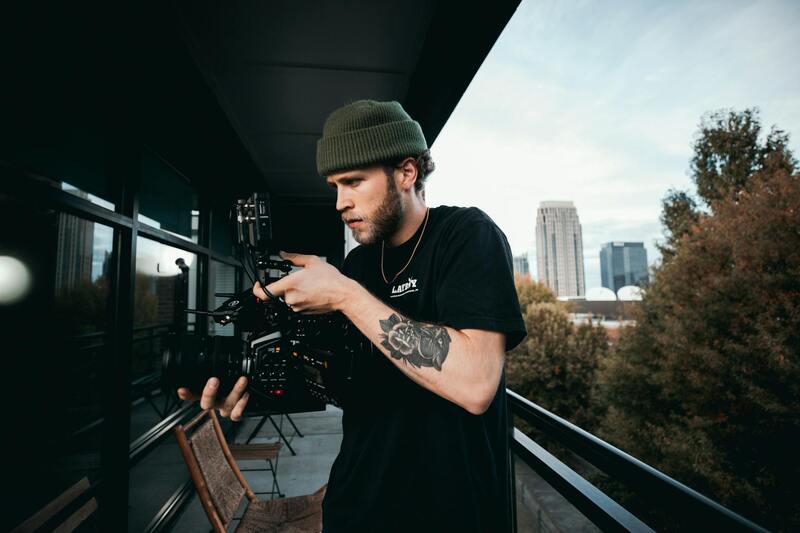
Remaining current with regional economic shifts and housing trends allows photographers to advise clients on the best visual presentation strategies. For instance, during periods of increased interest in outdoor living spaces, capturing high-quality exterior shots and landscape details becomes vital. Similarly, understanding seasonal effects, such as the importance of winter or fall aesthetics, helps produce compelling images year-round.
By aligning photography services with local market needs and concerns, professionals can establish a reputation for delivering relevant, compelling visual content that directly supports the sales process. This proactive approach not only meets the expectations of real estate agents but also solidifies a photographer’s standing as an essential element of effective property marketing.
Best Practices for Shooting Real Estate Photos
Executing high-quality real estate photography requires a comprehensive understanding of the environment and technical excellence. Photographers specializing in real estate must prioritize certain best practices to ensure their images stand out, effectively showcasing a property's best features while providing an honest representation. One fundamental approach involves capturing the property in optimal lighting conditions, which often means scheduling shoots during the time of day when natural light fills the rooms most evenly. Early morning or late afternoon light can create warm and inviting atmospheres, making spaces appear more appealing. Properly managing exposure, white balance, and lens distortion is vital to produce sharp, true-to-life images that accurately depict the property.
Angle selection plays a crucial role in emphasizing a property's spaciousness and highlighting architectural details. Wide-angle lenses are commonly employed to make rooms look larger, but they should be used judiciously to avoid distortion that could mislead potential buyers. Additionally, elevating the camera to a height that captures the room's full scope helps create a more immersive view. It's advantageous to prepare each shot by decluttering spaces, ensuring there are no distractions or visual clutter that could detract from the property's appeal. When photographing exteriors, capturing multiple angles at different times of day under varying weather conditions can provide a comprehensive visual story that appeals broadly to prospective buyers.

Incorporating techniques such as HDR (High Dynamic Range) imaging can help balance interior lighting with outdoor views, especially in spaces where windows create high-contrast lighting scenarios. Drones are also increasingly incorporated into real estate shoots to provide captivating aerial shots that highlight property size, landscaping, and surrounding neighborhood features. Moreover, maintaining a consistent editing style ensures that all images in a listing present a uniform professional appearance, strengthening the overall marketing effort. These camera and composition techniques, combined with meticulous property staging, are essential for producing compelling images that attract potential buyers and elevate the property's marketability.
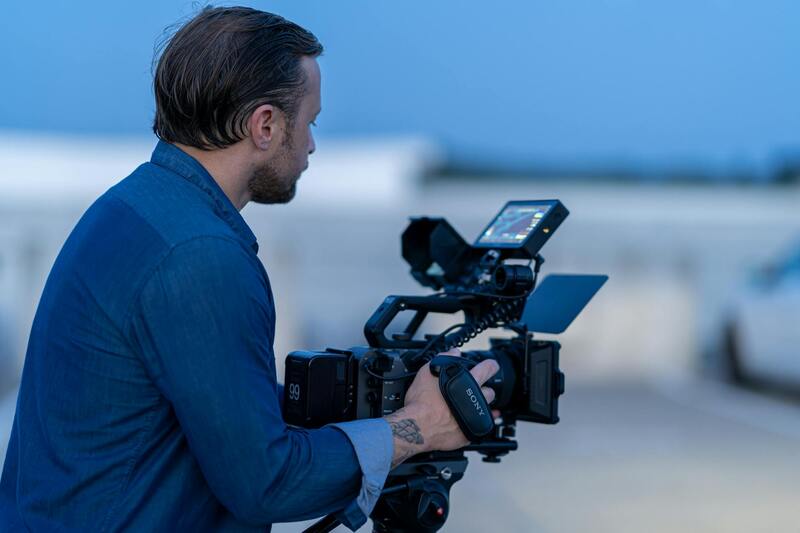
Local Market Trends and Legal Considerations
Understanding local market trends is essential for photographers specializing in real estate. Familiarity with regional buying patterns, seasonal fluctuations, and neighborhood developments allows photographers to tailor their services and deliver images that resonate with audience preferences. Analyzing market behavior helps identify optimal times for scheduling shoots, ensuring properties are captured at their most appealing moments and presented in ways that align with current buyer interests.
Additionally, awareness of applicable regulations and guidelines is vital. Photographers should be knowledgeable about property rights, usage rights for aerial shots, and compliance with regional standards concerning the depiction of properties. This includes ensuring that all images accurately represent the property without misleading or exaggerating features, which maintains trust and upholds professional standards.
When conducting aerial photography, special attention should be given to airspace regulations, required permissions, and safety protocols. Securing necessary authorizations prior to drone use prevents delays and legal complications, enabling smooth operation and positive client relationships. Proper documentation of permissions and adherence to privacy considerations are equally important, especially when capturing images in public spaces or adjacent properties.

As technology advances, staying informed about the latest tools and legal frameworks ensures that photographers can offer services that are both innovative and compliant. This proactive approach not only enhances the quality of work but also demonstrates professionalism, fostering lasting collaborations with real estate agents and agencies.
- Monitor regional real estate market reports to understand buyer preferences.
- Stay updated on drone flight regulations and obtain necessary permissions.
- Ensure accurate representation of properties without distortion or misinterpretation.
- Respect privacy laws when photographing in or around private properties.
- Document all legal permissions and agreements related to photography sessions.
Building Relationships with Real Estate Professionals
Developing strong, professional relationships with real estate agents is essential for photographers aiming to establish a successful career in property photography. Consistent communication, reliability, and delivering high-quality images foster trust and encourage repeat collaborations. A photographer should understand the unique needs of each agent and tailor services accordingly, demonstrating flexibility and professionalism.
Personalized service is key. Offering quick turnaround times, detailed consultations on preferred styles, and proactive suggestions for property staging can set a photographer apart. Maintaining an organized portfolio that showcases diverse properties and styles also helps agents see the value of ongoing partnerships. Respect for deadlines and clarity in communication reinforce a reputation for dependability.
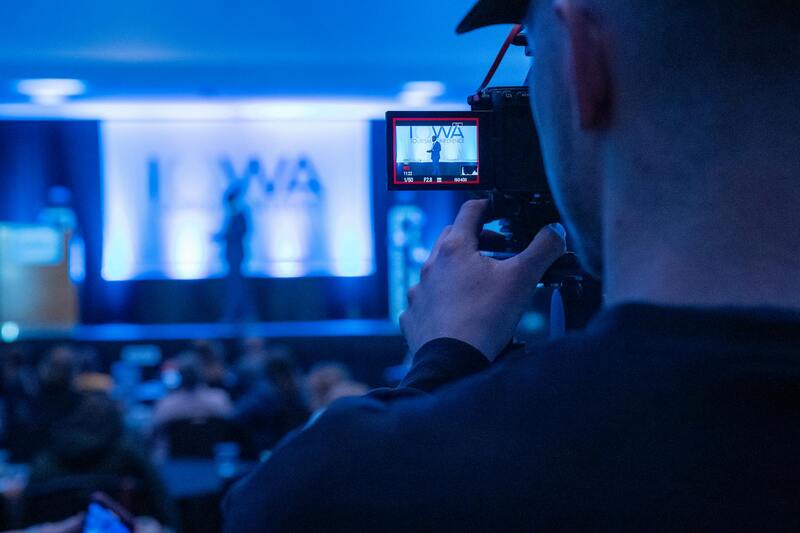
Networking plays a crucial role. Attending local real estate events, trade shows, and industry meetups can facilitate direct interactions with agents and brokers. Building a reputation within the local market positions a photographer as a go-to resource for property presentation needs. Additionally, maintaining a professional online presence, including an optimized website and active social media profiles, showcases recent work and client testimonials that reinforce credibility.
Understanding Local Market Trends and Legal Considerations
Staying informed about local market conditions helps photographers align their services to meet current demand efficiently. This includes understanding whether there is a preference for certain property types, such as luxury homes, commercial spaces, or rental units. An awareness of regional pricing trends can also inform service packages and proposals, ensuring competitive yet profitable offerings.
Legal considerations extend beyond drone permissions and property rights. Photographers should familiarize themselves with privacy laws pertaining to capturing images in public spaces adjacent to private properties, especially in densely populated or regulated neighborhoods. Securing necessary permissions and documenting agreements beforehand prevent misunderstandings and protect professional interests.
It is also advisable to keep detailed records of all agreements, including client instructions, shot lists, and image delivery timelines. This documentation supports transparency, manages expectations, and provides clarity in case of disputes or revisions. Regularly refreshing knowledge of regional property disclosure statutes and image rights allows a photographer to operate confidently within legal boundaries, ultimately fostering trust and longevity in client relationships.
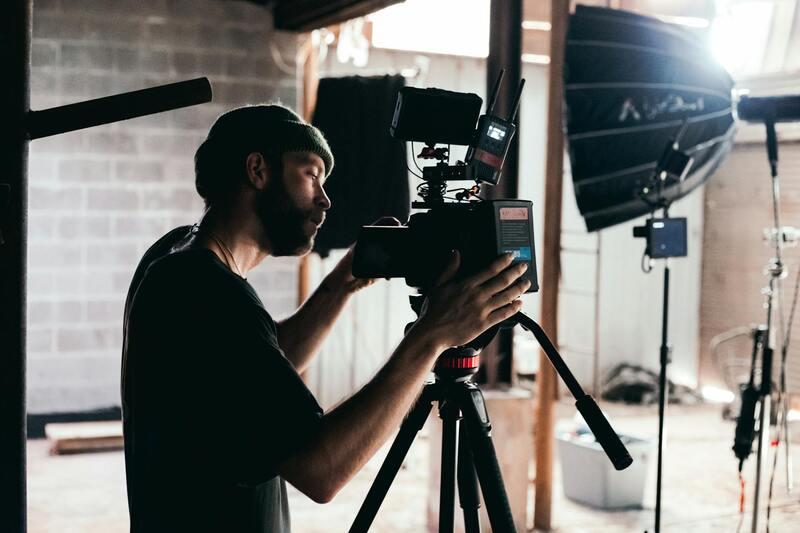
Effective Marketing and Building a Portfolio to Attract Real Estate Agents
Once a photographer has established a strong foundation in technical skills, equipment proficiency, and legal awareness, the next crucial step involves strategic marketing and portfolio development. For photographers aiming to serve real estate agents, demonstrating their expertise through targeted marketing efforts significantly enhances visibility and credibility within the industry.
Developing a Professional Portfolio
A comprehensive and visually compelling portfolio is an essential asset for attracting real estate clients. This portfolio should showcase a diverse range of property types, including residential homes, commercial spaces, luxury estates, and rental units. High-quality images with consistent editing styles not only highlight technical skills but also communicate an understanding of aesthetic preferences prevalent in the local market.
Including before-and-after shots or behind-the-scenes images can provide insight into the photographer's process, emphasizing attention to detail and commitment to quality. Additionally, incorporating client testimonials or case studies can serve as social proof, reinforcing credibility and demonstrating a track record of satisfied clients.

Effective Online Presence and Networking
Building a professional website that is SEO-optimized for keywords such as photographer for real estate agents enhances discovery by potential clients. The website should feature a user-friendly interface, comprehensive galleries, service descriptions, and clear contact information.
Active engagement on social media platforms, particularly LinkedIn, Instagram, and Facebook, helps expand reach within the real estate community. Sharing recent projects, client testimonials, and industry-related content fosters relationships and positions the photographer as a knowledgeable and reliable partner.
Networking with local real estate agencies, property developers, and staging companies enables word-of-mouth referrals and collaborative opportunities. Attending industry events, open houses, and real estate seminars further strengthens professional ties and enhances visibility.
Leveraging Testimonials and Referrals
Positive feedback from satisfied clients acts as a powerful marketing tool. Encouraging clients to share their experiences through testimonials and online reviews builds trust among prospective real estate agents. Implementing a referral program offers incentives for clients and partners to recommend services, cultivating a steady stream of new business.
Utilizing Targeted Advertising
Investing in online advertising campaigns, including Google Ads and social media ads, enables precise targeting of real estate professionals within specific geographic regions. Advertisements highlighting specialized services, such as twilight photography, 3D virtual tours, or drone imaging, attract clients seeking premium property presentation.
Offering Value-Added Services
Diversifying service offerings to include virtual staging, drone footage, or 3D floor plans can differentiate a photographer from competitors. Providing comprehensive package deals that combine various services appeal to real estate agents looking to streamline their listing processes.
Continuous Education and Market Adaptation
Staying informed about emerging trends, new technologies, and evolving preferences in real estate marketing allows photographers to adapt their offerings proactively. Attending industry workshops and maintaining memberships in professional photography associations ensures ongoing development and reinforces authority in the field.