Understanding the Importance of Professional Home Photography
In the dynamic real estate landscape of Miami, where competitive listings flood the market daily, the significance of high-quality home photography cannot be overstated. Professionally captured images serve as the first impression potential buyers form of a property, making visual appeal a critical factor in generating interest and accelerating sales. Superior photography highlights the unique features of a home, from spacious interiors to stunning exterior vistas, capturing the essence that appeals to prospective buyers.
Research consistently demonstrates that listings accompanied by professional photographs garner more viewings and higher engagement online. As an integral part of a comprehensive marketing strategy, high-caliber images help properties stand out amidst a sea of similar listings, emphasizing the home's best attributes with clarity and allure. In Miami’s vibrant real estate scene, where luxury residences and waterfront properties are prevalent, the quality of visual presentation can significantly influence buying decisions and the ultimate sale price.
Employing skilled photographers who understand the nuances of architectural and interior photography ensures that each space is depicted accurately and attractively. With the city’s diverse architectural styles, from modern condos to historic homes, specialized techniques are vital in highlighting a property’s unique character. This strategic approach to home presentation facilitates a quicker sale process and often results in a higher return on investment for homeowners and agents alike.
Moreover, professional home photography aligns with digital marketing trends, where online listings are primary touchpoints for potential buyers. Well-composed images not only captivate viewers but also instill confidence in the property's quality, encouraging inquiries and showings. Therefore, investing in expert photography is a strategic move for any real estate professional or homeowner aiming to maximize their property's market potential in Miami's competitive environment.
Essential Equipment and Camera Settings
Achieving high-quality images of homes requires more than just a good eye; it depends heavily on the use of appropriate equipment and optimal camera settings. Professionals dedicated to photographing homes in Miami typically employ advanced DSLR or mirrorless cameras equipped with wide-angle lenses, which allow capturing more of a space in a single frame. These lenses are crucial for interior photography as they help portray rooms accurately without distortion, creating a sense of space and openness.
In addition to the camera and lenses, tripod stability is fundamental to ensure sharp images with precise framing. Tripods also facilitate longer exposure times, which are often necessary in interior shots where natural light might be limited.

Key camera settings enhance the quality of home photographs. Setting the ISO to the lowest possible value minimizes grain, which is essential for clear, crisp images. Aperture control is critical; a narrower aperture (higher f-stop) enhances depth of field, keeping both foreground and background in focus—ideal for showcasing interior details.
Shutter speed adjustments depend on lighting conditions. In bright environments, faster shutter speeds help prevent overexposure, whereas in darker spaces, slower shutter speeds combined with a tripod help gather sufficient light. Using a tripod also allows for the use of smaller apertures without sacrificing exposure, which contributes to overall image sharpness.
Color accuracy is maintained through proper white balance settings, calibrated to match the lighting environment. Adjusting white balance ensures that the colors of walls, furniture, and decor appear natural and appealing. Additionally, shooting in RAW format provides maximized flexibility during post-processing, allowing precise adjustments in exposure, color, and contrast without degrading image quality.
To optimize the photographic process in Miami's diverse lighting scenarios—from coastal sunlight to indoor artificial lighting—professionals often employ external light sources or reflectors. These tools help balance exposure and eliminate shadows, ensuring that all areas of a home are brightly and evenly lit.
Utilizing Proper Equipment and Camera Settings for Home Photography
Achieving professional-quality images of homes requires more than just a good camera; it necessitates the appropriate equipment combined with optimal camera settings. Wide-angle lenses are essential for home photography because they allow capturing expansive interior spaces in a single shot, providing viewers with a comprehensive perspective of the room’s layout and design. These lenses typically range from 14mm to 24mm on a full-frame camera, minimizing distortion while maximizing coverage.
When setting up for a shoot, selecting the correct aperture is critical. For interior photos, a narrower aperture (around f/8 to f/11) ensures sufficient depth of field, keeping both foreground and background elements sharp and in focus. This clarity helps highlight intricate architectural details and decor features. Adjusting ISO to the lowest possible value minimizes image noise, especially in well-lit environments, resulting in clean and crisp images.
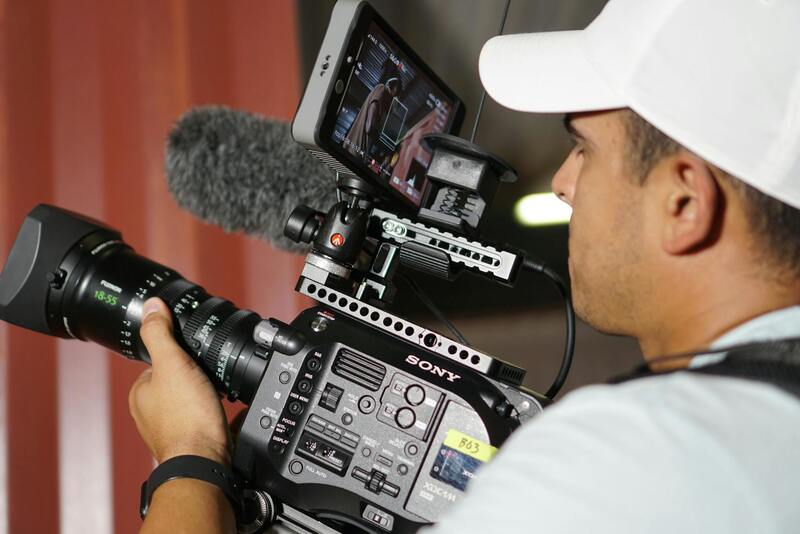
Lighting can vary significantly depending on the time of day and the space’s natural light availability. To counteract the challenges posed by mixed lighting conditions, professionals often utilize external light sources, such as portable LED panels or reflectors. Properly balanced lighting eliminates harsh shadows and highlights interior features with accuracy, making spaces appear inviting and well-lit. Additionally, adjusting shutter speeds appropriately—faster speeds in bright sunlight and slower speeds in darker rooms—helps maintain proper exposure without sacrificing image quality.
Stability is fundamental in home photography. The use of a sturdy tripod allows for slower shutter speeds when necessary, preventing camera shake and ensuring maximum sharpness. This is particularly valuable when shooting in low-light areas or when employing narrower apertures for depth of field. High-quality tripods also help maintain consistent framing across multiple shots, simplifying the stitching process for wide panoramic images or virtual tours.
In addition, proper white balance settings are crucial for color reproduction accuracy. Matching the white balance to the lighting conditions—whether natural daylight, incandescent, or fluorescent—ensures that wall colors, furniture, and decor are rendered authentically. Shooting in RAW format is highly recommended, as it offers extensive post-processing flexibility for fine-tuning exposure, contrast, and color balance without degrading image quality.
Overall, integrating the right equipment with properly calibrated camera settings forms the foundation of high-quality home photography. This meticulous approach guarantees images that not only highlight a home’s aesthetic appeal but also accurately represent its spatial and design elements, which is vital in the competitive Miami real estate market.
Utilizing Proper Techniques for Capturing Home Features
Achieving high-quality images of homes requires more than just good equipment; it hinges on employing the right techniques to showcase the property's unique features effectively. Homeowners and real estate professionals alike benefit from understanding how to manipulate environmental and technical aspects to produce compelling photographs.
One crucial aspect of photographing homes is the strategic use of perspective. Shooting from a corner angle often provides a comprehensive view of a room, highlighting its dimensions and layout. This method emphasizes depth and makes interior spaces appear larger, which is especially beneficial for small or narrow rooms. When photographing exteriors, selecting a vantage point that captures the entire facade without obstructions can significantly enhance curb appeal.
Proper framing emphasizes key elements within a space, guiding viewers’ eyes to focal points such as a central fireplace, a panoramic window, or architectural details. Using the rule of thirds can aid in placing these features within the composition, creating a balanced and inviting image. It’s equally vital to remove clutter and distractions before shooting, ensuring the focus remains on the home's best attributes.
Another essential technique involves adjusting camera angles to emphasize architectural strengths and minimize imperfections. Shooting slightly from eye-level provides a neutral perspective, while high or low angles can dramatize or downplay certain elements, depending on the desired effect. It’s equally important to incorporate natural light whenever possible, as this enhances color accuracy and brings vibrancy to images.
The Role of Focal Points and Depth of Field
Identifying focal points within the scene helps in directing attention and creating a narrative within the image. For bedrooms, this could be a bed with decorative pillows; for kitchens, a stylish island or high-end appliances. Using a wide aperture to create a shallow depth of field can isolate these elements from their background, adding visual interest.
Conversely, employing a narrower aperture ensures more of the scene remains in sharp focus, suitable for showcasing entire rooms or exterior façades. Combining these techniques allows the photographer to craft images that are both aesthetically pleasing and informative, providing a true representation of the home's features.
Capturing Details and Creating a Cohesive Image Series
Detail shots, such as intricate crown moldings, hardware, or unique architectural finishes, complement broader room images and add depth to a property’s visual presentation. These images should be carefully composed, using appropriate lighting and angles to highlight craftsmanship and design.
Maintaining consistency across all photographs is key to creating a cohesive presentation. This involves uniformity in lighting, color temperature, and perspective, which collectively provide potential buyers with a seamless visual experience. Properly curated image series not only showcase the home's best features but also elevate the overall marketing strategy, ensuring listings stand out in a competitive market.
Advanced Techniques for Capturing Home Details and Enhancing Visual Cohesion
Achieving a compelling visual narrative requires more than just capturing broad shots of a property; it also involves meticulous attention to detail. Photographers specializing in home imagery focus on shooting close-ups of noteworthy elements such as ornate crown moldings, decorative hardware, textured wall finishes, and state-of-the-art appliances. These detailed images serve to highlight craftsmanship, luxury touches, and unique architectural features that distinguish one property from another.
When photographing intricate details, it is essential to control lighting to minimize shadows and reflections that could obscure texture or color fidelity. Utilizing diffused natural light or soft artificial lighting enhances subtle design features without washing out or overly emphasizing imperfections. Proper framing and angles further ensure that the detail shots complement broader room images, adding richness and depth to the overall portfolio.
Consistency across the collection of images plays a vital role in creating a seamless visual story. This can be achieved through standardized color correction, maintaining similar lighting tones, and using comparable camera settings throughout the shoot. Such uniformity helps potential buyers or renters to perceive the property as a cohesive, well-maintained space, strengthening the impact of the listing.
To maximize the impact, consider a strategic sequence—a mix of wide-angle shots to showcase the entire space and close-ups that emphasize fine features. This approach provides viewers with a comprehensive understanding of the property, enticing them to envision themselves within these elegant spaces. Attention to detail in both photography and post-processing ensures that each image accurately reflects the home’s true quality, fostering trust and interest among prospective clients.
Moreover, employing a consistent editing style—whether through color grading, contrast adjustment, or sharpness enhancements—creates a cohesive series that resonates with viewers. This is crucial not only for marketing materials but also for establishing a professional, polished brand identity for the home photography service.
Finally, integrating these high-quality detail images with expansive shots results in a versatile portfolio capable of showcasing a property’s full potential. When executed thoughtfully, this comprehensive approach to photographing homes effectively attracts serious buyers and elevates the overall marketing strategy.
Legal and Ethical Considerations in Home Photography
When engaging in professional home photography, adherence to established standards and practices is essential to foster trust, ensure client satisfaction, and uphold the integrity of your services. This involves respecting the privacy and property rights of homeowners, securing proper permissions before entering and photographing a property, and being transparent about the use of images. Such practices not only demonstrate professionalism but also help in building lasting relationships with clients and real estate professionals.
Securing explicit consent from homeowners or property managers before conducting shoots is crucial. This consent should cover aspects such as the areas to be photographed, intended use of images, and any restrictions on publication or sharing. Clear communication beforehand reduces misunderstandings and ensures all parties are aligned on expectations and usage rights.
Maintaining a high standard of accuracy in your photographic representations is also vital. This means avoiding deceptive practices such as extensive photo editing that significantly alters the appearance of a property beyond acceptable enhancements. The goal is to present each space authentically, accurately representing its features and condition. Doing so cultivates trust with clients and prospective buyers, and contributes to a reputation for integrity within the real estate community.
Additional ethical considerations include respecting the cultural and personal sensitivities of homeowners. Being courteous and discreet during shoots, especially in private or sensitive areas, shows respect and professionalism. It is also important to adhere to local regulations related to photography, such as restrictions on drone usage or capturing certain areas, which vary by jurisdiction and property type.
From a legal perspective, proper documentation, such as signed agreements detailing the scope of work, rights to images, and confidentiality clauses, can protect both the photographer and the client. These documents help clarify responsibilities and establish clear boundaries, minimizing potential disputes and clarifying usage rights for promotional materials, listings, and advertisements.
In summary, embracing ethical and professional standards in photographing homes is fundamental to success in this field. It involves respecting property rights and privacy, maintaining honest representations of spaces, and adhering to legal guidelines. Observing these principles helps foster trust, enhances your reputation, and ultimately contributes to the sustainability and growth of your home photography business.
Ensuring Proper Permissions and Consent
One of the core strategies for conducting reputable home photography is obtaining explicit permissions from property owners before the shoot. This involves providing clear documentation that outlines the scope of photography, how the images will be used, and any limitations or restrictions the owner might have. Securing written consent not only safeguards the interests of both parties but also establishes a professional boundary that respects the homeowner's preferences and rights.
In addition to permissions, photographers should be diligent in verifying which areas of the home are suitable for photographing. Some spaces may contain personal items or sensitive areas that homeowners prefer to exclude from promotional materials. Respecting these preferences is crucial for maintaining trust and upholding a professional code of conduct.
Utilizing Written Contracts and Clear Documentation
Implementing comprehensive contracts plays a vital role in legitimizing home photography endeavors. These documents should detail the scope of work, rights to images, usage rights, and any confidentiality clauses. Clearly outlining these elements helps set expectations and minimizes the potential for misunderstandings or disputes.
Contracts also serve as an important record that can be referenced in case of disagreements or questions about image rights, especially if the photographs are used for commercial purposes or advertising campaigns. Including stipulations for proper attribution, licensing, and permitted platforms for image distribution enhances transparency and protects all parties involved.
Maintaining Respect for Privacy and Property
Respecting the privacy of homeowners involves more than just obtaining permission; it also requires discretion during the photography session. Photographers should be sensitive when capturing areas that homeowners consider private or personal, such as bedrooms, bathrooms, or family spaces. When in doubt, it’s advisable to discuss specific concerns beforehand to ensure comfort and cooperation.
Moreover, photographers should avoid capturing areas or items that could potentially infringe on privacy, like personal documents or sensitive equipment. During the shoot, maintaining a respectful attitude and being unobtrusive demonstrates professionalism and fosters a positive relationship with clients.
In terms of property rights, it’s important to avoid altering or damaging a space during the shoot. Photographers should adhere to guidelines that prevent any unintentional harm and leave the premises as they found them, ensuring a trustworthy reputation within the community.
Legal and Ethical Considerations in Home Photography
Ensuring compliance with established standards and maintaining ethical integrity is fundamental for professionals engaged in photographing homes. This involves adopting practices that respect both the property and the individuals involved, fostering trust and credibility within the real estate community and among homeowners.
Respect for Privacy and Property
One of the most vital aspects of home photography is safeguarding the privacy of residents. This requires thoughtful planning to avoid capturing personal or sensitive areas unless explicitly permitted. Photographers should communicate with homeowners about which spaces can be photographed and whether any areas should be excluded, such as bedrooms or private offices.
During the shoot, discretion is key. Photographers must remain unobtrusive, avoid taking intrusive shots, and be mindful of personal belongings or private documents that could unintentionally appear in images. An emphasis on maintaining a respectful demeanor helps preserve the homeowner’s comfort and trust, positively influencing the overall experience.
Property Care and Respecting Space
Photographers should exercise care not to disturb or damage property during the process of capturing images. This includes being cautious with furniture, fixtures, and decor to prevent unintentional harm. Adhering to the principle of leaving the space as it was found underscores professionalism and respect for the client’s property. Any equipment brought in should be used safely, and post-shoot cleanup should be thorough.
Image Use and Distribution
Proper documentation and clear agreements about how images are used can prevent misunderstandings regarding usage rights. It is essential to establish which platforms or marketing avenues the photos will be employed on, whether in print, online listings, or social media. This clarity ensures that all parties have mutual expectations about the scope and duration of image use.
Adherence to Ethical Standards
Photography professionals should align their practices with industry standards that promote honesty and integrity. This includes avoiding image manipulation that could misrepresent a property’s true appearance, as well as disclosing any enhancements made during post-processing. Maintaining transparency about the capabilities and limitations of the photographs sustains the trust placed in the photographer’s craft.
Handling Confidential Information
In cases where homes contain confidential or personal information—such as security systems, personal documents, or private collections—photographers must take precautions to avoid capturing these elements. Any inadvertent shots should be digitally removed or refrained from during the shoot. Respectful handling of such sensitive material upholds the ethical responsibilities associated with photographing private residences.