
Understanding the Importance of Professional House Photography
Effective visual presentation plays a crucial role in contemporary real estate marketing, especially within a competitive market like Miami. High-quality house photography is more than just capturing images; it is about showcasing the property’s unique features in a way that resonates with potential buyers. Well-crafted photographs can instantly convey the property's personality, scale, and appeal, making it stand out amid numerous listings.
Professional house photography emphasizes clarity, composition, and lighting, all of which significantly influence viewer perception. In Miami's vibrant real estate scene, where buyers often browse online before scheduling viewings, compelling images act as a virtual tour that entices prospective homeowners. They highlight key selling points such as spacious living areas, modern upgrades, outdoor amenities, and architectural details that appeal to the target demographic.
Potential buyers tend to form initial impressions based solely on listing photos, underscoring the necessity for high-caliber imagery to make an impactful first impression. Properties presented with professional photography often see increased engagement, more inquiries, and quicker sales processes. In this context, investing in expert photographic services ensures that each property’s most attractive features are highlighted, ultimately enabling real estate professionals, agents, and property owners to elevate their marketing strategies effectively.
Beyond visual appeal, high-quality images also foster trust and transparency. They demonstrate that the property is well-maintained and cared for, which can positively influence buyer confidence. Given Miami’s diverse market, where luxury homes, beachfront estates, and urban condos abound, tailored photography techniques can be used to appeal to specific segments, whether aiming for a high-end clientele or first-time homebuyers.
In a digital age, where nearly all property searches commence online, utilizing professional house photography becomes an indispensable component of a successful real estate strategy. It transforms listings from simple advertisements into compelling visual narratives that resonate with audiences and motivate action.
Choosing the Right Equipment for House Photography
Professional house photography requires more than just a good camera; it demands specialized equipment that can capture a property's essence with clarity and precision. The choice of gear dramatically influences the quality of images, ensuring that both interior and exterior features are rendered accurately and attractively.
At the core of successful real estate photography is a high-resolution digital camera, often a full-frame mirrorless or DSLR model. These cameras provide the image detail necessary for large, crisp prints and online displays. The ability to shoot in RAW format is critical, as it allows for maximum flexibility during post-processing, ensuring vibrant colors and balanced exposures.

Complementing the camera body, wide-angle lenses—typically ranging from 14mm to 24mm—are pivotal for capturing expansive interior spaces, making rooms appear larger and more inviting. A lens with a low distortion profile ensures that straight lines remain straight, preserving architectural integrity in images.
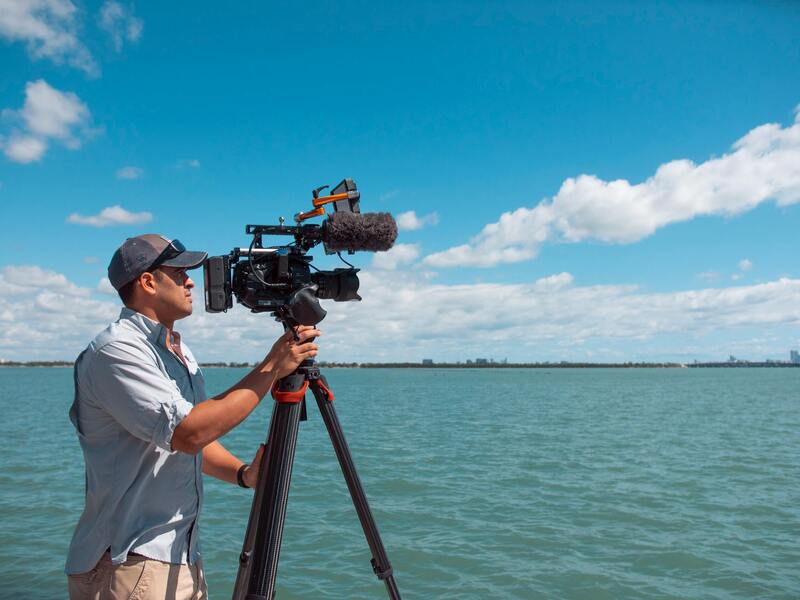
Tripods are indispensable for achieving stability, especially in low light conditions or when using longer exposure times. They minimize camera shake, resulting in sharp, clear images. Additionally, camera stabilizers or gimbals can be helpful for exterior shots, especially while capturing dynamic scenes with movement or when shooting from challenging angles.
Lighting equipment also plays a crucial role. While natural light enhances natural colors and creates inviting atmospheres, supplementary lighting such as portable LED panels can help illuminate darker areas or even out uneven lighting conditions. Use of reflectors and diffusers further refines the illumination, softening shadows and ensuring a balanced presentation of space.
Drone photography is increasingly common in residential property marketing, providing aerial shots that showcase the property’s layout, surrounding landscape, and neighborhood context. A high-quality drone equipped with a stabilized camera enhances the visual storytelling, offering potential buyers a comprehensive view that static photos cannot achieve.
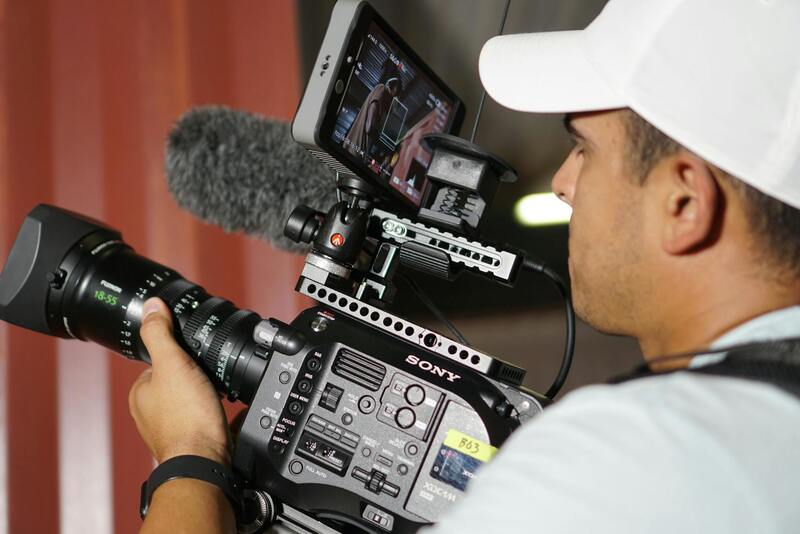
When selecting equipment for photographing houses, it's essential to consider the scale of the property, lighting conditions, and desired outcome. Investing in reliable, professional-grade gear ensures that every image aligns with high standards, ultimately reflecting the property’s value and appeal to prospective buyers and investors.
Techniques for Capturing Interior and Exterior Shots
Achieving high-quality photos of residential properties requires a mastery of various photographic techniques tailored to both interior and exterior environments. For interior shots, controlling natural light is essential. Strategically opening curtains or blinds can maximize sunlight, creating bright, inviting spaces. When natural light is insufficient, professional photographers utilize supplementary lighting sources, such as softboxes or LED panels, to reduce shadows and ensure even illumination across rooms. The use of wide-angle lenses is common to capture the full scope of a living area without distortion, helping prospective buyers visualize the space effectively.
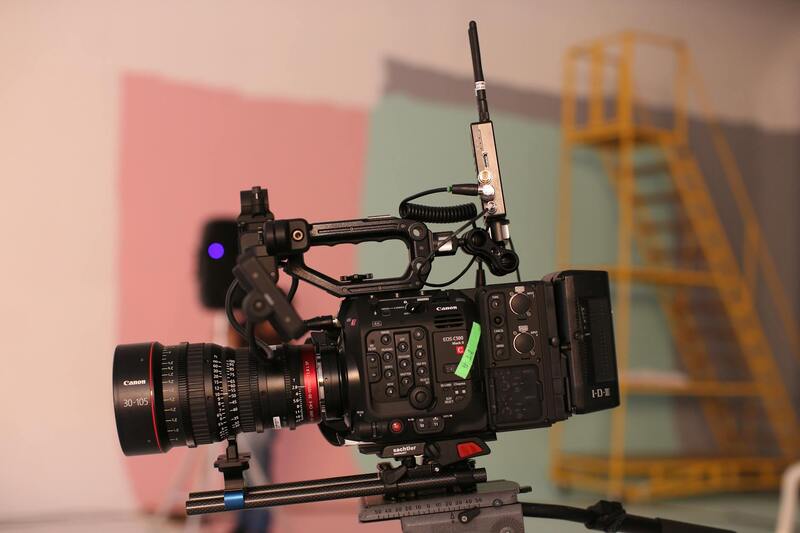
Exterior shots demand different considerations. The best times for capturing exteriors are during the golden hour—shortly after sunrise or before sunset—when natural light is warm and soft, providing an appealing glow. Tripods stabilize the camera, especially in lower light conditions, preventing blur and ensuring sharpness. Shooting from various angles adds depth and context, revealing the property's design, landscaping, and nearby features. Drones are invaluable for capturing aerial views, showcasing the layout of the property and its surroundings from a compelling vantage point.
- Using a tripod for stabilization, particularly in low-light exterior conditions.
- Incorporating multiple angles to highlight all aspects of the property's facade and landscaping.
- Employing aerial drone footage to provide comprehensive exterior perspectives, landscape views, and neighborhood context.
When photographing houses, attention to detail is crucial. Ensuring all elements are tidy, the lens is clean, and camera settings are optimized prevents flaws such as glare, reflections, or distortion. Consistency in exposure, color balance, and framing across images helps create a cohesive visual presentation that effectively appeals to online viewers and potential clients.
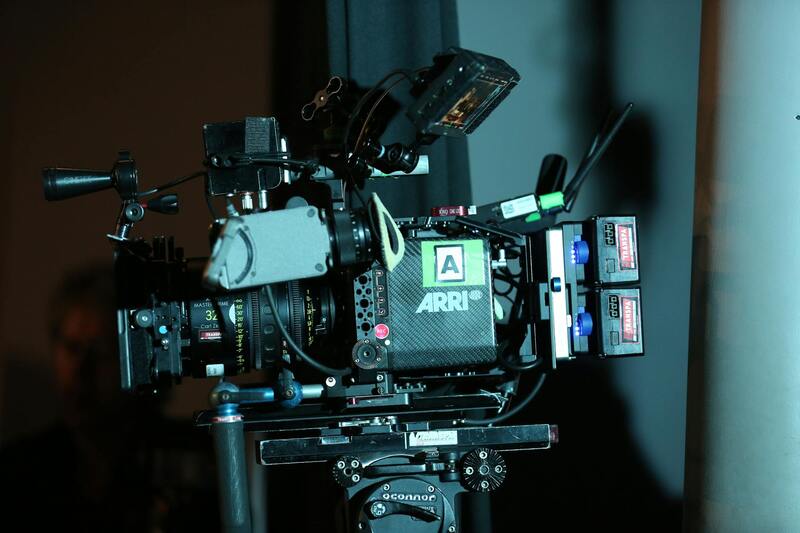
Mastering these techniques allows professional photographers to produce compelling images that accurately represent the property’s unique features and attract interest from prospective buyers or investors.
Techniques for Capturing Interior and Exterior Shots
Achieving high-quality images of residential properties requires a strategic approach to framing, composition, and lighting. When photographing interiors, utilizing natural light whenever possible helps to create warm, welcoming images that resonate with potential buyers. Positioning the camera at eye level or slightly elevated can provide an authentic perspective of the space, highlighting the room’s layout and scale. Incorporating wide-angle lenses allows for a comprehensive view without distortion, capturing the full extent of rooms, especially in tight spaces.
For exterior shots, selecting the appropriate angles is crucial to emphasize the property's curb appeal. Shooting from corners offers a dynamic perspective that reveals the facade’s architectural details and landscaping. Ensuring the horizon is level and the vertical lines are straight maintains image credibility. Lighting plays a pivotal role; overcast days provide diffuse light that reduces harsh shadows, while early mornings and late afternoons generate warm tones that enhance visual attractiveness.
Mastering the use of light, shadows, and reflections allows photographers to craft inviting images that showcase both the interior ambiance and exterior charm. Properly balanced exposure ensures that details are preserved in the brightest and darkest areas, eliminating washed-out highlights or lost shadows. Attention to clutter and maintaining the property's cleanliness enhances the visual appeal, ensuring the focus remains on the home’s features.
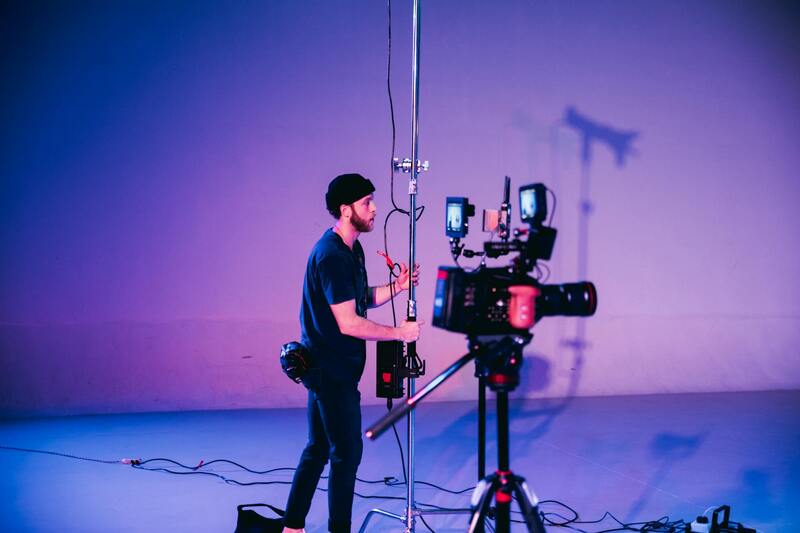
In addition to these principles, the use of interior staging can significantly impact the perceived space and functionality. Strategic furniture placement, balanced color schemes, and decorative accents guide the viewer’s eye and create a sense of lifestyle potential. Meanwhile, exterior shots benefit from landscaping details and proper time-of-day choices to highlight architectural elements and outdoor amenities.
By consistently applying these techniques, a photographer can produce a balanced portfolio of images that effectively communicate the property's value, appeal broadly to prospective clients, and support robust online marketing efforts.

Legal and Ethical Considerations in House Photography
Conducting professional house photography involves adherence to guiding principles that respect property rights, personal privacy, and truthful representation. Ensuring images accurately reflect the property without misleading viewers is paramount. This means avoiding overly edited or manipulated photos that could distort the property's actual appearance, maintaining honesty in visual storytelling.
When capturing images of homes, it’s essential to obtain proper permissions from property owners or authorized representatives, especially when photographing interior spaces that may contain private belongings or sensitive areas. Respect for residents' privacy and comfort should guide the photographer’s approach, minimizing disruptions or exposure of personal items that are not part of the property's market presentation.
Transparency with clients about the scope and nature of the photoshoot fosters trust and sets clear expectations. This includes discussing which areas will be photographed, the stylistic approach, and any restrictions or considerations related to the property’s use or availability. Maintaining ethical standards also involves ensuring that the images used in listings are recent and accurately represent the current state of the property to prevent potential discrepancies that can affect buyer decisions.
Additionally, photographers must be cognizant of copyright and intellectual property laws. Using only licensed or self-produced equipment, including images, ensures compliance and avoids legal pitfalls. Properly crediting any third-party elements incorporated into the visuals or marketing materials is equally vital to uphold integrity and professionalism.
Techniques for Capturing Interior and Exterior Shots
Effective house photography hinges on employing specific techniques that highlight the property’s best features, both inside and out. For interior shots, the goal is to produce images that are bright, inviting, and true to life. Leveraging natural light whenever possible creates a warm atmosphere, emphasizing the space’s openness and architectural details. Photographers often position the camera at a height consistent with human eye level, capturing rooms from an angle that showcases proportions and flow.
Using a wide-angle lens is a standard practice, allowing for capturing more of the room in each shot and giving potential buyers a comprehensive view of the space. To avoid distortion, it’s essential to balance the lens’s use, ensuring lines remain straight and relationships between objects are accurate.
When photographing exteriors, the focus is on presenting the home's curb appeal. Timing shoots during optimal lighting periods — typically early morning or late afternoon — can accentuate the property's features with softer, more flattering light. Incorporating elements such as landscaping and outdoor living spaces into the frame enhances overall visual appeal.
For outdoor shots, utilizing a tripod stabilizes the camera, aiding in capturing sharp images amid varying light conditions. Include wide shots that showcase the property's facade, as well as detail shots of unique architectural elements, landscaping, or textured surfaces. Utilizing HDR (High Dynamic Range) techniques can also help balance exposure, especially in scenes with contrasting bright and dark areas.
A meticulous approach to composition includes observing the rule of thirds, leading lines, and symmetry, guiding viewers' eyes toward focal points. Paying attention to tidiness—removing clutter, adjusting furniture, or staging outdoor furniture—ensures the spaces appear pristine and appealing.
Post-Processing and Editing of House Photos
Post-processing plays a critical role in bringing professional house photos to life while maintaining authenticity. Adjustments in exposure, contrast, and color balance enhance the vibrancy of images, making them more appealing without misrepresenting the property. Proper editing ensures that lighting discrepancies are minimized, especially in interiors where natural light may vary significantly across different spaces.
Retouching involves removing minor imperfections such as dust spots, reflections, or distracting elements that could detract from the scene. It is important to do this subtly, preserving the integrity of what potential buyers will see when touring the property.
HDR blending is frequently used to manage scenes with high contrast. This technique combines multiple exposures, ensuring details are visible both in shadows and highlights. This results in balanced, detailed images that are more reflective of real-life conditions.
Color correction and sharpening are additional steps that make images appear crisp and vibrant. These edits should be consistent across all photographs to establish a cohesive visual portfolio.
Finally, resizing images to optimize their load times and visual impact on online platforms enhances viewer experience. Properly edited photos are essential for creating compelling listings that attract interest and accurately represent the property.
Legal and Ethical Considerations in House Photography
Responsible house photography involves adhering to industry best practices that respect privacy, property rights, and the trust of clients. Photographers must obtain proper authorization from homeowners or property managers before capturing images, especially in instances where personal belongings or private spaces are visible. It is essential to communicate clearly about the scope of the photoshoot and the intended use of images to ensure mutual understanding.
Respect for privacy goes beyond obtaining permission. Photographers should be diligent in avoiding capturing identifiable or sensitive information inadvertently, such as personal documents, license plates, or private outdoor spaces not intended for public viewing. In cases where such elements are unavoidable, digital editing or strategic cropping can prevent unintended disclosures.
Moreover, authenticity is a key aspect of ethical house photography. It is important to represent the property accurately by avoiding manipulations that could mislead viewers. This includes refraining from excessive staging or digital enhancements that alter the true appearance of the property’s features.
Adhering to these principles reinforces confidence with clients and enhances the reputation of the photographer as a trustworthy professional. Transparent communication, respect for privacy, and commitment to honesty are foundational to sustainable practices in photographing houses.
Legal and Ethical Considerations in House Photography
When engaging in house photography, maintaining strict adherence to lawful practices and ethical standards is paramount. Photographers must secure explicit permission from property owners or authorized representatives before accessing private residences or outdoor spaces. This ensures clarity about the scope of the shoot and respects the property’s boundaries.
Safeguarding privacy involves meticulous attention to detail, particularly when shooting in environments with personal belongings or confidential areas. Photographers should avoid capturing or inadvertently including sensitive information such as personal documents, license plates, or exclusive outdoor features that are not meant for public viewing. Employing digital editing tools, strategic cropping, and frame adjustments helps mitigate the risk of unwanted disclosures.
Authenticity is a core component of ethical house photography. Maintaining truthful representations of a property means resisting temptation to over-stylize or digitally enhance images beyond what is actually present. The goal is to provide an accurate and honest portrayal for prospective buyers or tenants, facilitating informed decisions without misleading visuals.
Transparency in communication is essential. Clear discussions about the intended use of images, image rights, and distribution channels further solidify trust between photographers and clients. This open approach fosters a professional environment where both parties can confidently proceed with the project.
Adhering to these practices not only enhances the reputation of photographers but also sustains ethical standards within the industry. Celebrating integrity in every shot ensures the images serve their purpose effectively without compromising trust or privacy.
- Secure proper authorization before entering or photographing a property
- Communicate clearly about the intended use and distribution of images
- Carefully review images to avoid capturing private or sensitive information
- Refrain from digital manipulation that misrepresents the property
- Maintain transparency with clients regarding rights and usage
By following these rigorous standards, photographers uphold their commitment to professionalism, ensuring that the visual content they produce is both compelling and ethically grounded.