
Understanding the Importance of Interior Photography
High-quality interior photography plays a pivotal role in the real estate market by effectively showcasing a property's features and creating an inviting atmosphere for prospective buyers. Well-executed images serve as the first impression, capturing the essence of a space and highlighting its unique characteristics. This visual appeal can significantly influence a buyer's perception, often determining whether they wish to explore the property further or move on to the next listing.
When prospective buyers view online listings, they typically encounter multiple property images. In this highly competitive environment, the quality and accuracy of interior photographs can make a critical difference. Bright, clear, and professionally shot images help to portray the space in its best light, emphasizing size, layout, and design elements. Conversely, poorly lit or blurry images can diminish a property's perceived value, reducing the chances of engagement and viewings.
Effective interior photography also enhances the credibility of the listing, establishing trust between the seller, agent, and potential buyer. It reflects attention to detail and a commitment to presenting the property accurately. Features such as natural light, architectural details, and room functionality are all better represented through skillful photography, providing viewers with a realistic sense of what to expect. This level of visual communication can accelerate the decision-making process and foster a quicker sale.
Furthermore, a comprehensive collection of professional interior images creates consistency across marketing channels, including websites, social media, and print materials. Consistency in high-quality visuals contributes to a strong brand image for real estate professionals and agencies, reinforcing their reputation for excellence. When these images are used strategically, they also support virtual tours and online viewings, expanding the property's reach to a broader audience.
Ultimately, investing in professional interior photography results in more meaningful engagement, higher interest, and increased chances of closing a deal efficiently. The visual storytelling conveyed through compelling interior images is indispensable in modern real estate marketing strategies, making it an essential aspect of property sales success.
Choosing the Right Equipment and Settings
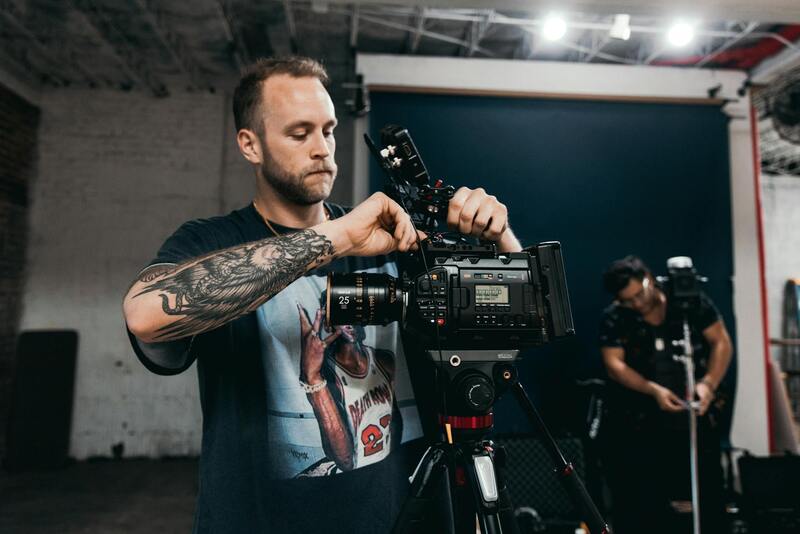
Success in photographing real estate interiors hinges significantly on selecting appropriate equipment and understanding optimal camera settings. High-quality gear ensures crisp images that accurately depict the space, textures, and details of each room. A full-frame DSLR or mirrorless camera equipped with a wide-angle lens—typically in the range of 14mm to 24mm—provides the necessary field of view to capture expansive indoor scenes without distortion. Tripods are essential to stabilize the camera, especially in lower light conditions, allowing for longer exposures that enhance image clarity and reduce motion blur.
Camera settings should be adjusted carefully to balance exposure, color accuracy, and depth of field. Using a small aperture (high f-stop number, such as f/8 to f/11) increases depth of field, keeping more of the interior in sharp focus. ISO settings should be kept as low as possible to prevent graininess, especially in well-lit environments. Shutter speeds must be optimized based on lighting conditions; longer exposures can capture more natural light but require camera stabilization. Additionally, shooting in RAW format preserves maximum detail and flexibility during editing, ensuring the final images reflect the true essence of the space.
It’s also important to consider lens accessories such as polarizing filters to reduce reflections and glare from glass surfaces or shiny fixtures. For spaces with variable lighting, a combination of portable LED lights or flash units can be employed to fill shadows and evenly illuminate darker areas without creating unnatural highlights. Knowing how to adjust camera settings in real-time based on variation in room lighting and size ensures each shot is both accurate and appealing.
Lighting Techniques for Interior Photography
Lighting is a fundamental aspect of capturing authentic and inviting interior images. Natural light is often the most desirable source because it produces soft, even illumination that enhances colors and emphasizes architectural details. Shooting during daylight hours when sunlight floods the space provides a dynamic and warm appearance to the interiors.
To maximize natural light, it’s advisable to open curtains or blinds and shoot during mid-morning or late afternoon, avoiding harsh midday sunlight that can create strong shadows and overexposed areas. When natural light alone is insufficient, supplementary artificial lighting can be used strategically. Softbox fixtures or LED panels with adjustable brightness levels help diffuse light evenly across the room, eliminating shadows and highlighting key features.
Combining natural and artificial lighting requires careful balancing to prevent color casts and maintain realism. Using consistent color temperature settings on artificial lights and white balance adjustments on the camera can harmonize different light sources, resulting in cohesive and professional-looking images. Reflectors and bounce boards are simple tools that redirect light into shadowed areas, adding depth without distorting the scene.
Beyond technical considerations, understanding how light interacts with interior materials—such as wood, fabric, and metallic surfaces—enables photographers to enhance textures and colors authentically. Pursuing mastery in lighting techniques transforms standard images into compelling visual stories that appeal to prospective buyers and elevate the overall property presentation.
Utilizing Natural and Artificial Lighting for Authentic Interior Representation
Achieving the most accurate depiction of a real estate interior hinges on effective lighting strategies that combine natural and artificial sources. To authentically showcase a space’s ambiance and architectural details, photographers should seek to maximize the use of natural daylight by shooting during mid-morning or late afternoon when sunlight offers a soft, warm glow. Opening curtains and blinds helps flood the room with diffused light, reducing the reliance on artificial lighting and minimizing shadows. When natural light falls short—such as on cloudy days or during early morning or late evening—supplementary artificial lighting becomes indispensable.
Artificial lighting tools like softboxes and LED panels are essential for balancing the scene’s illumination. Softboxes diffuse light evenly, eliminating harsh shadows and spotlighting key interior features. Adjustable LED panels afford the flexibility to modify brightness and color temperature, ensuring consistent tone throughout the image. Strategic placement of lights—such as positioning them to fill in shadowed areas without creating hotspots—helps produce a well-lit, inviting environment.
Color harmony between natural and artificial light sources is vital. Using lights with adjustable color temperatures allows photographers to match the warmth of daylight, maintaining a cohesive visual appearance. White balance settings on the camera should be carefully calibrated to prevent unnatural color casts, which could misrepresent the space’s true aesthetic. Employing reflectors and bounce boards is an effective technique to redirect light into shadowed areas, softening contrasts and adding depth without compromising realism.
Mastery of Lighting Interactions with Interior Materials
Understanding how different interior surfaces interact with light is fundamental in creating compelling images. Materials such as wood, fabric, glass, and metallic finishes each reflect, absorb, or transmit light uniquely. Recognizing these behaviors enables photographers to adjust their lighting approach accordingly. For example, capturing the rich grain of wooden floors or the subtle sheen of metallic fixtures requires precise control of light intensity and angle. Optimal lighting not only accentuates textures but also preserves the authentic color palette of the interiors, making the photographs more engaging and credible.
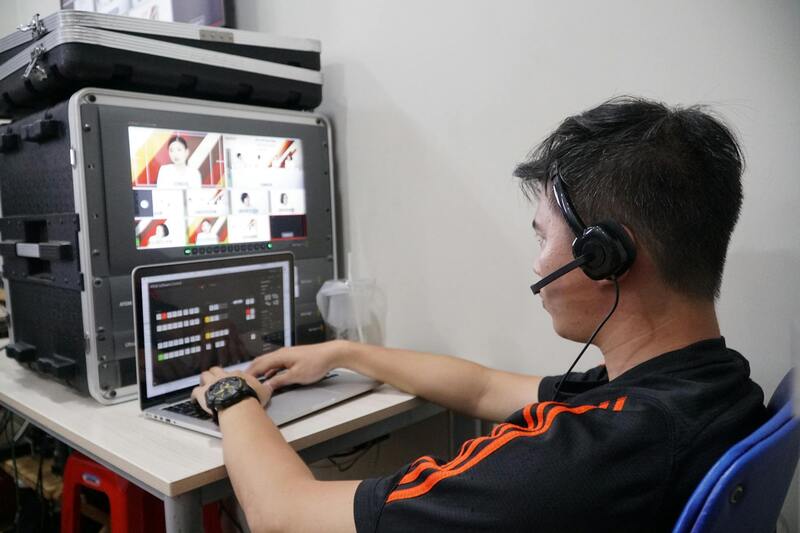
This level of mastery involves continuous experimentation and understanding the interplay between light and various surface properties. The right lighting setup can transform a standard shot into a vivid and realistic portrayal that appeals to prospective clients, highlighting the property’s unique features with clarity and style.
Assessing and Harnessing Available Light Sources
Effective interior photography hinges on a thorough understanding of the light sources present within a space. Natural light, originating from windows and other openings, offers a soft, diffuse quality that enhances the authenticity of interior photos. Positioning the camera to maximize the influx of daylight and utilizing wide-angle lenses can capture expansive views that highlight the space's openness. It is important to consider the time of day, as sunlight shifts, changing the mood and ambiance of the scene.
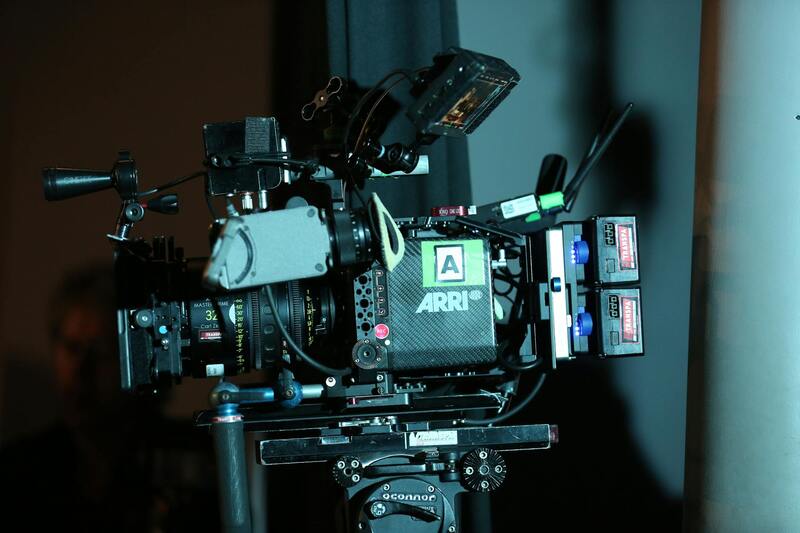
Artificial lighting, including ceiling fixtures, lamps, and track lighting, plays a crucial role in complementing natural light. When integrating artificial light, the goal is to balance the intensity and color temperature so that images depict true-to-life colors and details. Using portable continuous lights or off-camera flash units allows for precise control, filling shadows, and highlighting architectural features without creating harsh contrasts.
Assessing Light Direction and Quality for Optimal Results
Understanding the direction of light within an interior environment is essential for creating depth and dimension in photographs. Light coming from the side can emphasize texture and form, while overhead lighting often results in flatter images. Side lighting can be particularly effective in showcasing architectural details and surface textures, such as the grain of hardwood floors or the intricate patterns of an ornate ceiling.
The quality of light influences the overall mood of an image. Soft, diffused light produces gentle shadows and minimizes reflections. This can be achieved through the use of diffusion panels or by shooting on days with overcast skies. Conversely, hard, direct light can produce stark shadows and high contrast, which might be desirable to accentuate specific features or create a dramatic effect.
Managing Shadow and Reflection Challenges
Shadows and reflections are critical factors to control during interior photography. Unwanted shadows can obscure details or distort proportions, while reflections may produce distracting or misleading images. Using polarizing filters can reduce reflections on glass surfaces, while adjusting the angle of the camera relative to reflective surfaces helps minimize glare. Employing fill lights and reflectors can also soften shadows and ensure balanced illumination across all areas of the room.
Utilizing Proper Shooting Techniques and Angles to Highlight Space
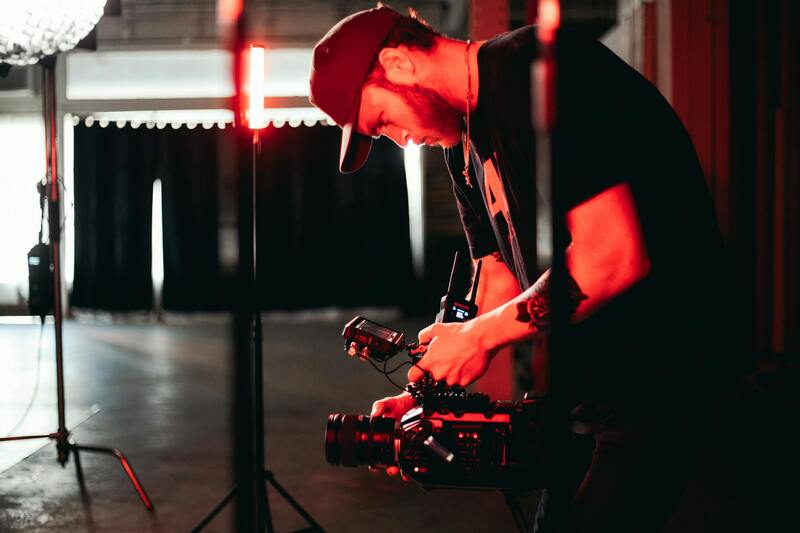
Achieving compelling imagery of real estate interiors involves strategic positioning and camera orientation. Employing wide-angle lenses enables capturing expansive views of rooms, making spaces appear larger and more inviting. The choice of lens should balance distortion and field of view; typically, lenses ranging from 14mm to 24mm are suitable for interior shots without overly warping the scene.
When framing shots, it's essential to consider perspectives that emphasize the room's most appealing features. Shooting from a corner often provides a sense of depth and dimension, allowing viewers to grasp the spatial layout. Elevating the camera slightly above eye level to approximately 4 to 5 feet can eliminate obstructions and showcase the room’s vertical space effectively. Additionally, shooting at eye level or slightly below can create intimate, relatable views that resonate with potential buyers.
Vertical and horizontal lines play a critical role in creating harmonious compositions. Ensuring these lines are straight during the shot preserves the room’s proportions and prevents distortions that can diminish the photograph's professionalism. In cases where lines appear skewed, using camera corrections or adjusting the angle can rectify the perspective in post-processing or on-site during shoot setup.
Establishing a Consistent Viewpoint Across Shots
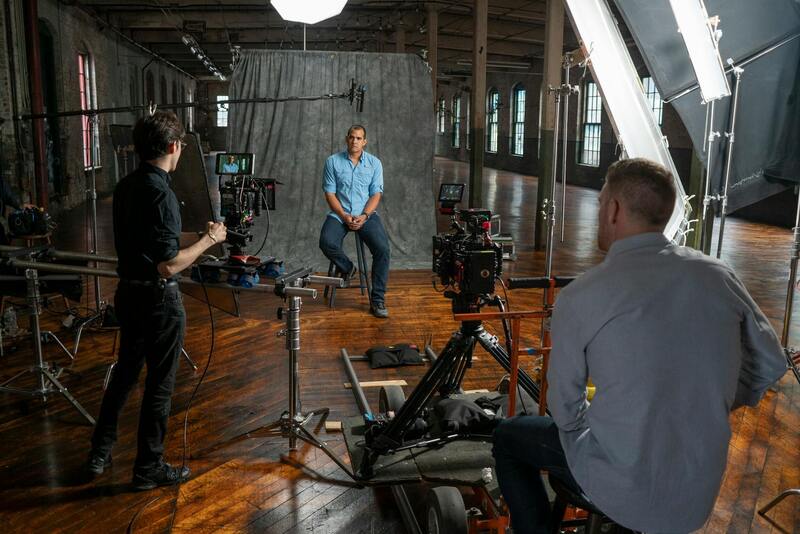
Consistent vantage points across different rooms and angles facilitate a coherent visual narrative for property listings. Establishing a standard height and orientation for camera placement ensures uniformity in image presentation, which helps viewers transition smoothly between photographs. This consistency enhances the overall professionalism of the listing and aligns with marketing best practices.
In addition to shot consistency, paying attention to the alignment of furniture, fixtures, and architectural elements can further optimize visual appeal. Keeping elements level and aligned with the camera’s axis prevents unnatural tilts that can distract or confuse viewers. Using tripods with electronic leveling or laser guides can assist in maintaining this precision across multiple images.
Minimizing Distortion and Maintaining Proportions
Distortion is a common challenge in interior photography, particularly when wide-angle lenses are used. To mitigate this, photographers should avoid excessive wide-angle shots that can cause exaggerated perspectives and skew proportions. When unavoidable, applying correction tools during post-processing or using in-camera settings for lens correction can help maintain accurate proportions.
Another approach involves shooting from multiple angles to provide a comprehensive view of the space. This allows viewers to understand the room’s true scale, particularly when measurements or architectural details are vital in the presentation. Combining various perspectives ensures a balanced and authentic representation of the interior environment.
Strategies for Authentic and Accurate Interior Representation
Achieving genuine and trustworthy photographs of real estate interiors requires adherence to established imaging practices that emphasize authenticity. Photographers should focus on capturing the space as it exists, avoiding any manipulation that can falsely enhance or diminish features of the property. This practice builds confidence with clients and prospective buyers, ensuring that the visual representation aligns with reality. It is vital to avoid overly saturated colors, exaggerated contrast, or any post-processing techniques that could mislead viewers about the true state of the interior.
One of the most effective methods to maintain accuracy is through the use of calibrated monitors and consistent editing workflows. calibrated devices ensure that colors, brightness, and contrast are true to life, avoiding discrepancies that might arise from uncalibrated equipment. During editing, adjustments should be minimal, focusing on enhancing clarity without altering the authentic appearance of the space. The goal is to present a reliable visualization that accurately depicts how the property appears in person.
The Role of Professional Attire and Presentation
While the focus is primarily on technical skills, the presentation and professionalism of the photographer also influence the integrity of the imagery. Wearing professional attire communicates seriousness and respect for the client's property, fostering a positive working relationship. Additionally, setting up the shoot in a manner that respects the space—such as removing clutter, personal items, or distracting decorations—helps capture the environment in its best light.
Ensuring the property is tidy and free from clutter not only increases visual appeal but also aligns with the authentic representation ethos. A clean, well-organized space allows viewers to focus on the structural and design features without distraction. Photographers should communicate these staging tips with property owners beforehand to facilitate a smooth and effective shoot.
Implementing a Consistent Photographic Approach
Consistency across a property’s photographic portfolio reinforces the professionalism of the listing. Establishing a standard protocol for framing, angles, and lighting ensures that all images seamlessly complement each other, offering viewers an immersive and coherent experience. This includes selecting uniform camera heights, similar focal lengths, and maintaining consistent exposure settings throughout the shoot.
Adopting a systematic approach minimizes discrepancies between photos, enabling viewers to develop an accurate sense of scale and spatial relationships within the property. When these standards are applied diligently, the collection of images effectively communicates the property's true character and appeal.
Implementing Proper Image Management and Usage
Effectively showcasing interior photography requires a strategic approach to image management and utilization. High-quality images should be stored and organized systematically to facilitate easy retrieval and consistent application across various marketing channels. Maintaining an organized digital library ensures that each image aligns with the intended presentation style and branding guidelines. Clear labeling and categorization support efficient workflows, especially when multiple properties are involved.
Utilizing images ethically involves securing proper permissions for each shoot and respecting privacy directives, particularly in occupied properties. Photographers should establish clear agreements with property owners, detailing how images will be used, distributed, and archived. This proactive communication helps prevent misunderstandings and ensures that all parties are aligned on the scope of image application.
When deploying interior photographs online or in print, it's essential to optimize images for target platforms. This includes selecting appropriate resolutions, file formats, and compression settings to balance visual quality with loading speed, enhancing viewer experience and engagement. Proper image management not only safeguards professional standards but also maximizes the impact of visual storytelling in real estate marketing efforts.
Maintaining Consistency Across Photography Campaigns
Consistent visual presentation plays a crucial role in establishing a reputable brand identity for real estate listings. Several key elements should be standardized across all interior shoots, including camera angles, lighting setups, color grading, and framing techniques. This consistency helps create a cohesive visual narrative that appeals to viewers and strengthens recognition.
Adopting a standardized workflow does not restrict creativity; rather, it ensures that every property is represented accurately and professionally. For instance, using the same camera height and focal length for each shot maintains uniformity in perspective, allowing viewers to compare properties more effectively. Consistent editing styles, such as color correction and brightness adjustments, contribute to an authentic yet compelling presentation.
Moreover, establishing brand-specific presets and templates for post-processing can streamline workflows, saving time while preserving a high standard of quality. Through diligent application of these standards, real estate professionals can produce a compelling portfolio that reflects their expertise and commitment to excellence in interior photography.
Legal and Ethical Considerations in Real Estate Interior Photography
Professional interior photography in real estate hinges on adhering to established practices that respect privacy, property rights, and industry standards. Ensuring authenticity and honesty in imagery is essential for maintaining trust with clients and prospective buyers.
Photographers must obtain explicit permission from property owners or representatives before conducting shoots. This consent ensures that all parties are aware of the use of images and prevents any misunderstandings regarding image rights and disclosure. Clear communication about the scope of photography and the intended platforms for distribution helps cultivate a transparent working relationship.
It is also vital to respect the privacy of tenants or residents who may still be residing in the property. Avoiding capturing personal belongings, sensitive areas, or confidential information preserves privacy and upholds ethical standards. When shooting inhabited spaces, strategic framing and careful staging can prevent inadvertent inclusion of private items.
Furthermore, accuracy in photo representation is critical. Manipulative alterations that could mislead viewers, such as digitally adding or removing features or significantly altering the appearance of the space, should be avoided. Authentic visuals foster trust, ensure fair marketing practices, and align with best industry standards.
Adhering to these guidelines not only respects ethical principles but also enhances the credibility of the photographer and the real estate listing. Clients depend on truthful images to make informed decisions, and maintaining high standards of integrity contributes to the overall reputation of the real estate marketing process.