
Importance of High-Quality Real Estate Photography
In the competitive Miami real estate market, the quality of property photographs significantly impacts a property’s ability to attract potential buyers and generate interest. Professional real estate photography elevates the visual appeal of listings, making properties stand out amidst numerous options available online. High-resolution, well-composed images can effectively showcase a property's best features, from modern kitchens to expansive waterfront views, enticing viewers to schedule viewings and inquire further. Moreover, in an age where most homebuyers begin their search online, captivating images increase a listing’s visibility on digital platforms, enhancing click-through rates and engagement.
In addition to increasing online exposure, professional photography plays a crucial role in enhancing perceived property value. Well-crafted images that accurately represent the property's space, lighting, and unique attributes create a sense of trust and professionalism. This can lead to higher offers and faster sales, providing a competitive edge in Miami's bustling real estate landscape. Recognizing the importance of high-quality visuals is essential for any agent aiming to maximize their listings’ potential and establish a reputable presence in the market.
Types of Real Estate Photography for Agents
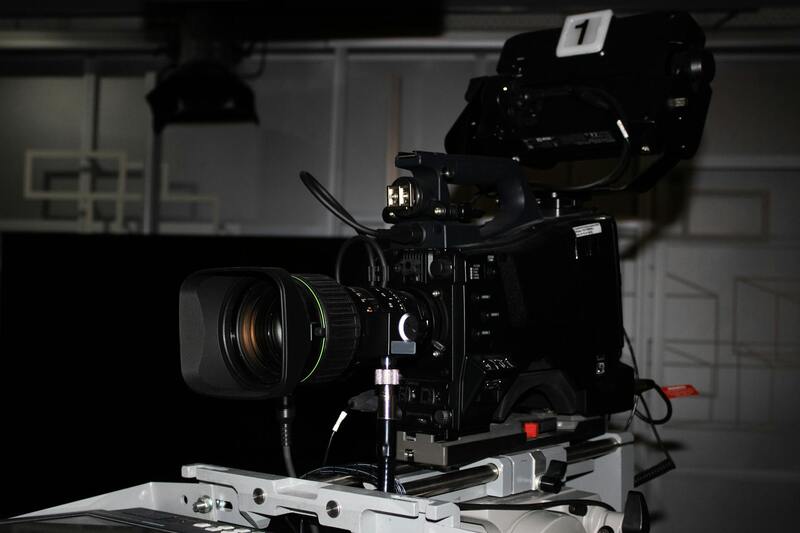
Real estate agents have a variety of specialized photography options at their disposal to effectively showcase different property types and conditions. The selection of the appropriate photography style depends on the property’s features, target market, and marketing strategy. These photography types include wide-angle shots, drone imagery, twilight photography, 3D virtual tours, and detailed macro shots.
Wide-angle photography is the cornerstone of most real estate listings, allowing potential buyers to grasp the full scope of a room or outdoor space. By capturing expansive views in a single frame, this method emphasizes the scale and proportions of a property, making rooms appear larger and more inviting.
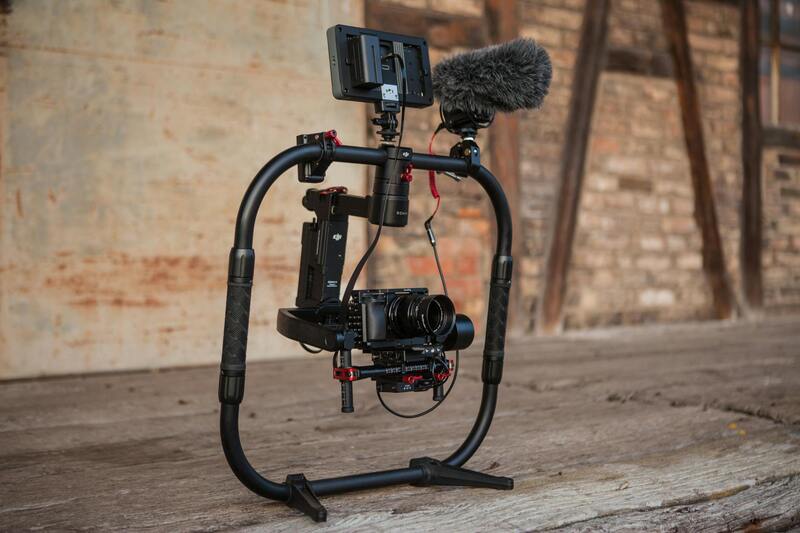
Drone photography adds a dynamic perspective, especially valuable for waterfront properties, sprawling estates, or homes with extensive landscapes. Aerial shots provide a comprehensive view of the property’s surroundings, proximity to key amenities, and the overall property layout.
Twilight photography captures properties during the golden hour or early evening, accentuating lighting and exterior features. This style creates a warm, inviting atmosphere that can differentiate listings from competitors.
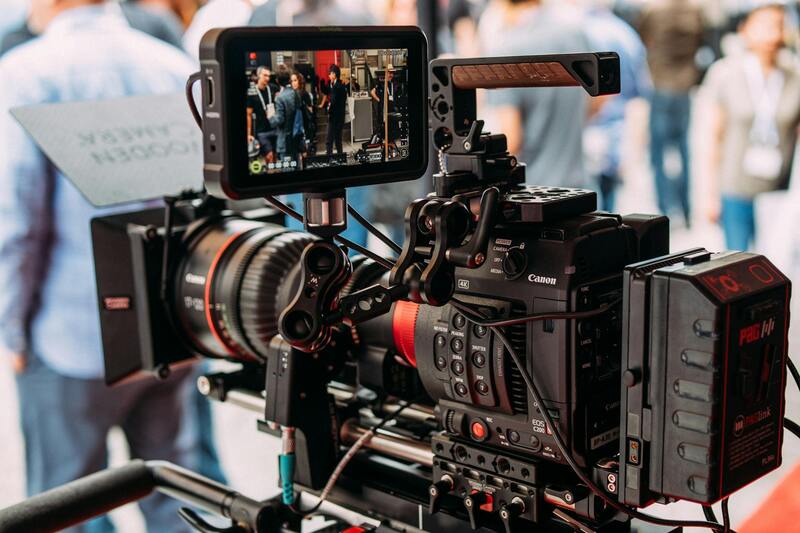
3D virtual tours and high-resolution videos provide immersive experiences, allowing prospective buyers to virtually walk through the property. These digital tools are particularly effective in reaching remote buyers and enhancing online engagement.
Macro shots focus on specific features such as intricate architectural details, high-end fixtures, or unique design elements, helping to highlight the property’s character and craftsmanship.
By strategically employing these varied photography styles, real estate agents can craft compelling visual narratives that cater to different buyer preferences and property characteristics, ultimately boosting marketability and sales potential.
Best Practices for Real Estate Photography in Miami
Achieving exceptional real estate photography requires adherence to proven techniques that highlight a property’s best features while maintaining professional standards. In Miami’s competitive market, the quality of visuals can significantly influence buyer interest and engagement. Curious about ways to elevate property images? Here are essential practices tailored for Miami real estate professionals:
- Optimal Lighting Conditions: Scheduling photo shoots during the golden hour ensures natural light enhances the property's features without harsh shadows. If shooting indoors, utilize multiple light sources and professional lighting equipment to create bright, evenly lit spaces that reveal the true character of each room.
- Staging and Decluttering: Prior to photographing, ensure the property is well-staged, tidy, and free of personal clutter. A clean, styled environment allows viewers to envision themselves living in the space. Accent neutral colors and minimalistic decor to appeal to a broader audience.
- Use of Tripod and Stability: Employing a tripod guarantees sharp, distortion-free images. Stable shots are crucial for wide-angle and interior photos, providing clarity and professionalism that attract serious buyers.
- High-Resolution Equipment: Invest in professional-grade cameras capable of capturing high-resolution images. This ensures detailed visuals that showcase the intricacies of high-end fixtures, materials, and architectural details vital to Miami’s luxury market.
- Consistent Composition and Angles: Maintain a steady approach by photographing from similar angles across all images. This consistency helps create a cohesive and appealing visual story, making listings easier to navigate visually for potential buyers.
- Highlight Unique Selling Points: Focus on distinctive architectural elements, premium finishes, and outdoor amenities. Use close-up shots for intricate details and wide-angle views for general space, offering a comprehensive perspective of the property’s appeal.
- Post-Processing and Editing: Employ professional editing to enhance images without overdoing it. Adjust brightness, contrast, and color balance to accurately reflect the property’s ambiance. Properly edited photos can significantly boost online listing attractiveness.
- Showcase Interior and Exterior Harmony: Balance interior shots with exterior views, capturing landscaped yards, pools, or waterfront access common in Miami properties. A harmonious presentation helps buyers appreciate the complete lifestyle offering.
- Include Aerial and Twilight Shots: Incorporate drone photography and twilight images to add depth and allure. Aerial shots reveal the surrounding neighborhood and property scale, essential for waterfront or sprawling estates. Twilight imagery creates warmth and highlights exterior lighting, making listings more captivating especially in high-end markets.
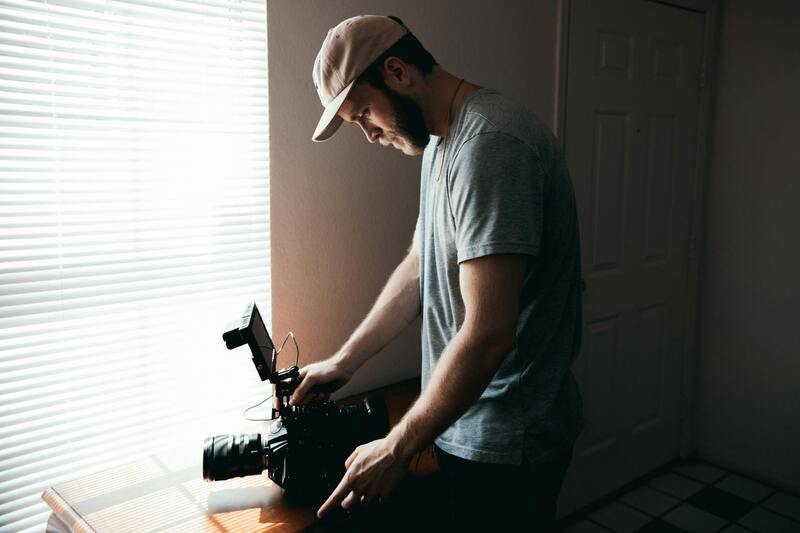
Adhering to these best practices ensures that property images resonate effectively with prospective buyers, conveying both the essence and exclusivity of Miami’s real estate offerings. Skilled execution of these techniques can set listings apart in a crowded marketplace, ultimately accelerating sales and elevating an agent’s reputation for quality and professionalism.
Legal Considerations and Best Practices in Real Estate Photography
Ensuring compliance with established standards in real estate photography is essential for maintaining a professional and trustworthy online presence. This encompasses adhering to intellectual property rights, securing necessary permissions for photography, and respecting property privacy. Property owners and agents should obtain explicit consent before capturing images, particularly when including neighbors' properties, private areas, or sensitive features. Clear agreements help prevent misunderstandings and reinforce ethical practices.
It is also advisable to use imagery that accurately represents the property without distortion or misleading enhancements. Techniques such as HDR imaging, if applied, should be used responsibly to reflect true colors and lighting conditions, avoiding over-editing that might deceive potential buyers. Accurate representations foster transparency and facilitate informed decision-making, which underpins a positive reputation for real estate professionals.
Maintaining consistency in image quality and style across listings aligns with professional standards and enhances brand recognition. This consistency can involve standardized framing, lighting, and post-processing procedures that ensure each property is showcased optimally while abiding by industry best practices.
Furthermore, it's recommended to keep abreast of local regulations related to drone photography, especially in Miami’s urban and waterfront settings. Properly obtaining aerial imagery permits and respecting No-Fly Zones safeguards against potential legal issues while capturing remarkable shots from above. Employing licensed drone operators or certified photographers guarantees adherence to safety and operational standards.
Protection of client and property confidentiality should also be a priority. Avoid capturing identifiable individuals or private moments unless explicit consent has been given. When in doubt, focus on architectural details, spatial layouts, and exterior features that illustrate the property's characteristics comprehensively.
By integrating these responsible practices, real estate agents reinforce their credibility and ensure that their marketing efforts align with professional expectations. This commitment not only enhances listing appeal but also underscores a dedication to ethical marketing in Miami’s dynamic property market.
Official Methods for Enhancing Real Estate Photography
Utilizing professional photography techniques is essential for presenting properties effectively in the digital landscape. Official methods in real estate photography include employing high-quality cameras with interchangeable lenses, utilizing HDR (High Dynamic Range) imaging to balance lighting disparities, and ensuring precise focus to highlight key architectural features. These techniques guarantee that images faithfully represent the property's true colors, textures, and spatial dimensions, which translates to more accurate property views for potential buyers.
Additionally, adherence to industry-standard post-processing protocols enhances image clarity and visual appeal without misrepresenting the property's features. This involves color correction, brightness and contrast adjustments, and retouching to remove minor imperfections, all while maintaining authenticity. Proper staging and timing are also vital; capturing images during optimal lighting conditions, such as early morning or late afternoon, can dramatically improve the overall look of listing photos.
For exterior shots, employing drone photography with certified operators adds a comprehensive perspective of the property's surroundings and landscape, providing prospective buyers with an immersive experience. When incorporating aerial imagery, it is imperative to comply with local regulations, including obtaining necessary permits and being mindful of no-fly zones, particularly in Miami’s urban and waterfront areas. Respecting privacy and securing explicit consent when photographing adjacent private properties or identifiable individuals further aligns with ethical standards.
Utilizing official equipment and certified professionals demonstrates commitment to quality and ethical practice, which reinforces consumer confidence and enhances the credibility of real estate listings. Moreover, systematizing these methods within a structured workflow ensures consistency across multiple properties, fostering a recognizable brand standard in Miami’s competitive market.
Legitimate Techniques for Maximizing Listing Visibility
Beyond the technical aspects, legitimate marketing strategies backed by authoritative methods can significantly boost property visibility. Integrating high-resolution images into multiple online platforms, including real estate portals, social media, and email campaigns, ensures broad reach and engagement. Metadata optimization, such as including relevant keywords in image descriptions and alt tags, aids search engines in indexing each property accurately, increasing discoverability.
Implementing virtual tours, 3D walkthroughs, and interactive floor plans complements photography efforts, providing prospective buyers with an immersive experience. These tools depend on high-quality imagery to develop convincing virtual content, which improves time-on-listing metrics and buyer interest.
Finally, maintaining comprehensive documentation of all photographic and imaging procedures — including licensing, consent forms, and permits — ensures transparency and accountability. This systematic approach helps mitigate potential misunderstandings and solidifies professional integrity within the industry, contributing to sustained success in Miami’s vibrant real estate sector.
Legal Considerations and Best Practices
Authentic and professional real estate photography requires adherence to established standards that respect property rights, privacy, and intellectual property. Prior to capturing images, obtaining appropriate permissions from property owners ensures compliance with property access regulations. This step prevents potential disputes and demonstrates respect for client confidentiality.
During the photography process, it is crucial to avoid misrepresenting the property through manipulations that could mislead prospective buyers. Adjustments should enhance the natural features of the property without creating false impressions. Maintaining the integrity of the images fosters trust between agents and clients, reinforcing a reputation for honesty and transparency.
Documentation related to copyright licenses and usage rights is vital for the responsible management of property images. Clear agreements should specify usage parameters for marketing campaigns, online listings, and third-party platforms. These legal provisions help prevent unauthorized use and ensure that all stakeholders operate within the accepted bounds of property marketing.
Utilizing images exclusively for the purposes permitted in licensing agreements mitigates risks associated with misuse or infringement. Regularly updating licenses and permissions aligns with evolving marketing strategies and legal frameworks, ensuring ongoing compliance.
Moreover, respecting privacy laws, especially when photographing interior spaces, prevents incidents related to sensitive information disclosure. Discretion and careful planning during the shoot process uphold ethical standards and contribute to sustained industry credibility.
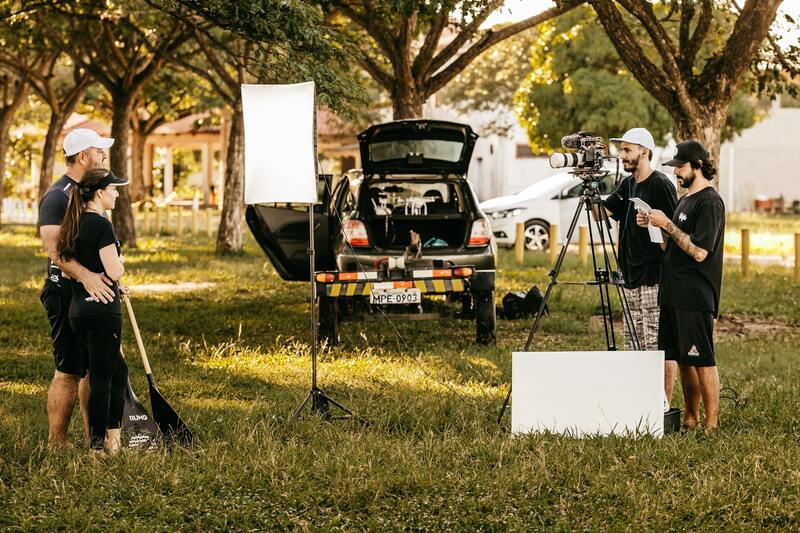
Legal Considerations and Best Practices
When engaging in real estate photography, especially within a dynamic market like Miami, adhering to specific best practices ensures smooth operations and maintains high standards of professionalism. These guidelines focus on obtaining and documenting the proper rights and permissions for each image used in property listings and promotional materials. Securing clear agreements with clients regarding the use and distribution of photographs establishes a foundation of trust and clarity.
It is essential to conduct thorough briefings with property owners or representatives prior to the shoot, outlining the intended use of images. This process not only streamlines the shoot but also ensures all parties are aligned on expectations. Having written consent for photographing interior spaces, especially when sensitive areas or personal belongings are involved, helps to prevent potential misunderstandings.
For professional photographers and agencies, maintaining meticulous records of licensing, permissions, and usage rights is a best practice. These records serve as proof of compliance, especially when images are intended for multiple platforms, including online listings, print brochures, or social media campaigns. Regular review and updating of agreements accommodate evolving marketing strategies and ensure continuous adherence to standards.
In terms of technical approaches, photographers should avoid digital manipulations that could misrepresent a property’s features. Enhancing images by adjusting lighting, color balance, and perspective should be done with care to preserve authenticity. These practices support ethical marketing strategies, fostering trust between agents and prospective buyers.
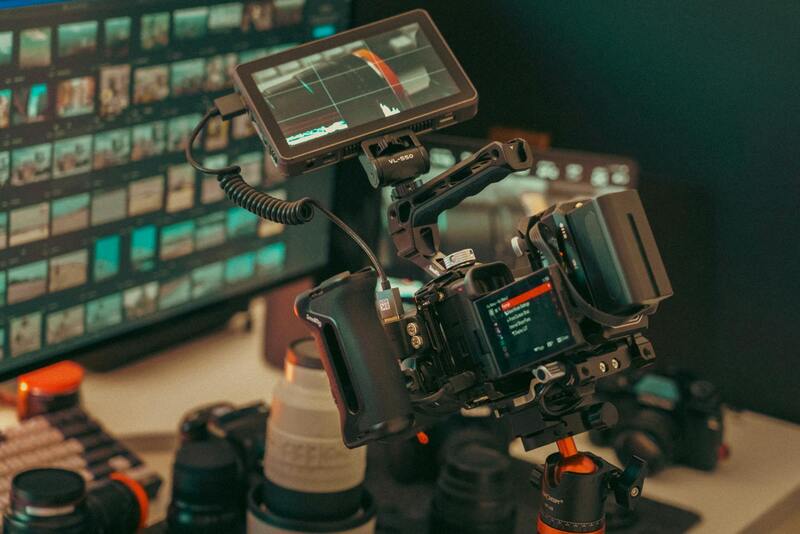
Respecting privacy laws when photographing interiors, especially in occupied properties, involves obtaining explicit consent for any images that might reveal personal information or unsought areas. Photographers should approach such shoots with discretion, ensuring that no sensitive data or confidential information is inadvertently captured or shared.
Furthermore, local regulations in Miami might have specific requirements regarding drone photography, the use of fixtures, and signage, among others. Staying informed about these regulations and integrating compliance into the workflow enhances the professionalism and legal adherence of the marketing efforts.
Legal Considerations and Best Practices in Real Estate Photography
Ensuring your property images adhere to established legal standards and best practices safeguards your reputation and enhances client trust. One fundamental aspect involves respecting the privacy rights of property occupants and neighbors. Photographers should obtain explicit consent before photographing interior spaces, especially when personal belongings, confidential information, or private areas are visible. This mitigates potential disputes and maintains ethical standards in marketing efforts.
Additionally, photographers must be aware of local regulations governing drone usage for aerial shots in Miami. Permits may be necessary, and specific restrictions, such as altitude limits and no-fly zones, must be observed to avoid unintended legal consequences. Staying informed about these rules ensures that aerial images are captured within legal boundaries, preserving the professionalism of the campaign.
When utilizing images across multiple platforms, clear agreements should outline the scope of use, licensing rights, and any restrictions. This transparency helps prevent misunderstandings and ensures all parties are aligned on image deployment, from online listings to print material. Documented permissions also serve as a safeguard in case of disputes, affirming that the images are used appropriately and ethically.
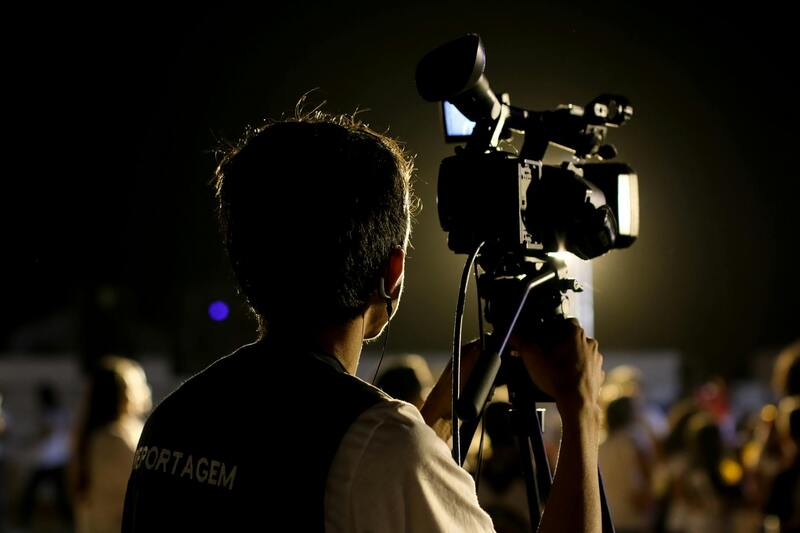
Another critical aspect pertains to the use of digital enhancements. Photographers should avoid misrepresenting a property’s features through excessive retouching or false perspective adjustments. Instead, enhancements should focus on improving lighting, color accuracy, and clarity to provide a true reflection of the property. Such practices uphold the integrity of marketing materials and ensure prospective buyers receive an accurate depiction of the listing.
In Miami’s dynamic real estate environment, staying updated with evolving promotional standards and regulations is essential. Regularly reviewing policies related to property photography, signage, and advertising ensures continuous compliance. This proactive approach not only fosters trust but also positions agents and photographers as responsible professionals committed to transparent marketing practices.