
Understanding the Role of a Professional Home Photographer
A professional home photographer specializes in capturing the essence and appeal of residential properties through high-quality imagery. Their primary goal is to present homes in a manner that highlights their best features, ambiance, and spatial layout. This involves more than just taking pictures; it requires a strategic eye for lighting, composition, and detail that resonates with potential buyers or renters. The images produced by a skilled photographer serve as a crucial marketing tool, often forming the first impression for prospective clients viewing a property online.
In the competitive Miami real estate market, captivating visuals can significantly influence a property's success. A well-executed photograph can elevate a listing, attracting more interest and leading to faster sales or leases. These professionals understand how to create images that evoke emotion and provide an accurate yet enticing representation of a home. They work meticulously to capture the natural light, interior decor, and overall atmosphere, ensuring each shot aligns with the property’s unique character.
Beyond aesthetic appeal, a professional home photographer also offers expert advice on staging visuals to maximize appeal, optimize lighting conditions for clarity and vibrancy, and utilize advanced editing techniques to enhance images without compromising authenticity. Their work not only boosts online listings but can also be instrumental in print marketing materials, virtual tours, and social media campaigns, making their role essential for contemporary real estate marketing efforts.
Key Skills and Equipment Used by Professional Home Photographers
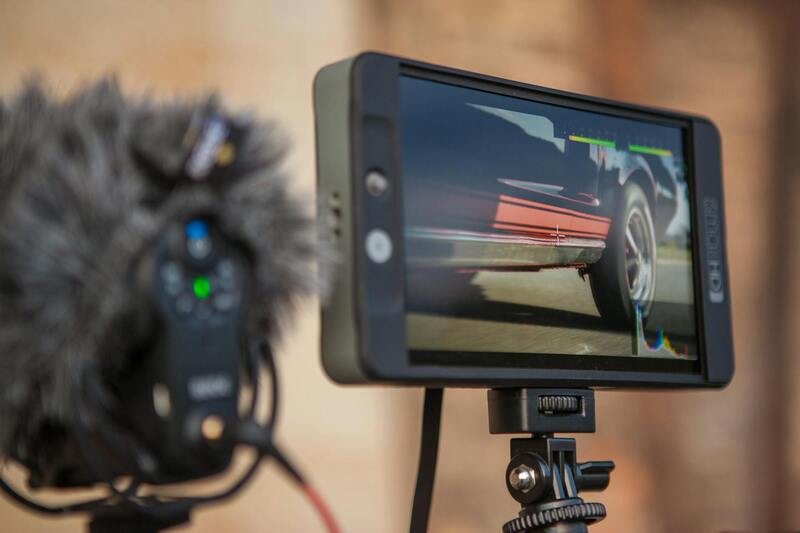
Successful home photographers combine technical expertise with aesthetic sensibility. They possess a keen understanding of how to manipulate lighting, angles, and composition to create compelling images that stand out online. Mastery of camera settings such as aperture, shutter speed, and ISO allows them to produce sharply focused, brightly lit photos that reveal the true character of a space.
Modern equipment plays a vital role in this profession. High-resolution digital cameras with wide-angle lenses are standard, capturing expansive views of interiors and exteriors in a single shot. Additionally, professional photographers often utilize drone photography for capturing sweeping exterior shots and aerial views of large properties or scenic neighborhoods.
Other essential tools include tripod mounts for stability during long exposures, lighting accessories to balance interior light variations, and post-processing software for detailed editing and enhancement. These technical skills and tools ensure each image meets the highest standards of quality and professionalism.
Essential Techniques and Equipment in Professional Home Photography
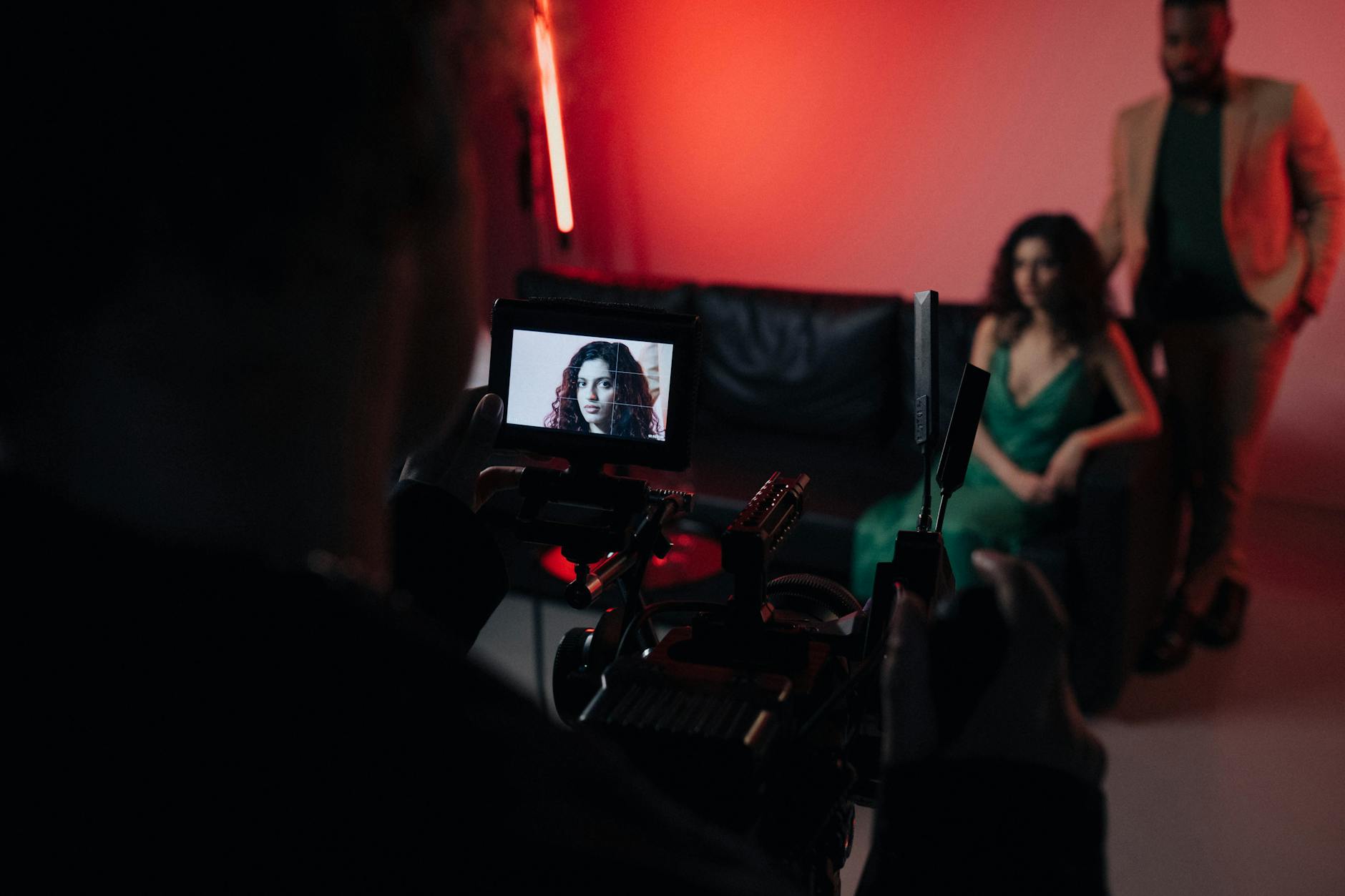
To produce captivating and high-quality images that effectively promote residential properties, professional home photographers rely on a combination of advanced techniques and specialized equipment. Mastering these elements ensures that each photograph accurately represents the property’s unique features while appealing to prospective buyers or renters.
One fundamental technique employed is the use of proper lighting. Professionals often utilize natural light during daytime shoots, selecting optimal times when sunlight enhances the ambiance without creating harsh shadows. When natural light is insufficient, they incorporate auxiliary lighting such as softboxes, reflectors, or portable strobes to evenly illuminate spaces and highlight interior details.
Angles and composition also play critical roles. Skilled photographers analyze rooms to find the most flattering angles that maximize space perception and showcase key features. Wide-angle lenses are predominantly used to capture more of a room in a single shot, giving viewers a comprehensive view of the space without distortion. Additionally, hyper-focused attention is given to vertical lines to prevent crooked images that could compromise visual integrity.
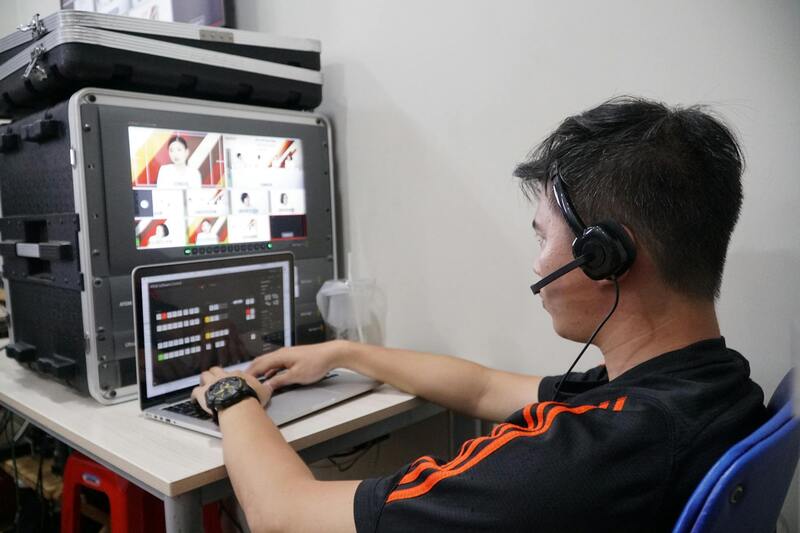
Post-processing is an integral aspect of professional residential photography. Photographers leverage advanced editing software such as Adobe Lightroom and Photoshop to fine-tune exposures, correct color imbalances, and remove distractions. These modifications not only improve the aesthetic quality but also ensure consistency across series of images, maintaining a cohesive look that aligns with the property’s branding or listing presentation.
Equipment selection is equally vital. High-resolution digital cameras with full-frame sensors deliver detailed images essential for large-format prints and online listings. Wide-angle lenses, typically ranging from 14mm to 24mm, help capture expansive views and interior layouts efficiently. Tripods offer stability for long exposures in low-light conditions and help maintain consistent framing throughout the shoot.
Exterior shots benefit from drone technology, allowing aerial views that showcase the property’s surroundings and landscape features. Drones equipped with high-resolution cameras provide unique perspectives inaccessible from ground level, capturing the property in its full context within the neighborhood.
Other tools include lighting accessories such as portable LED panels, which assist in evening or shadow-heavy scenes, and remote shutter releases that eliminate camera shake. These technical components complement the photographer’s skill set, enabling the creation of stunning images that elevate property marketing efforts.
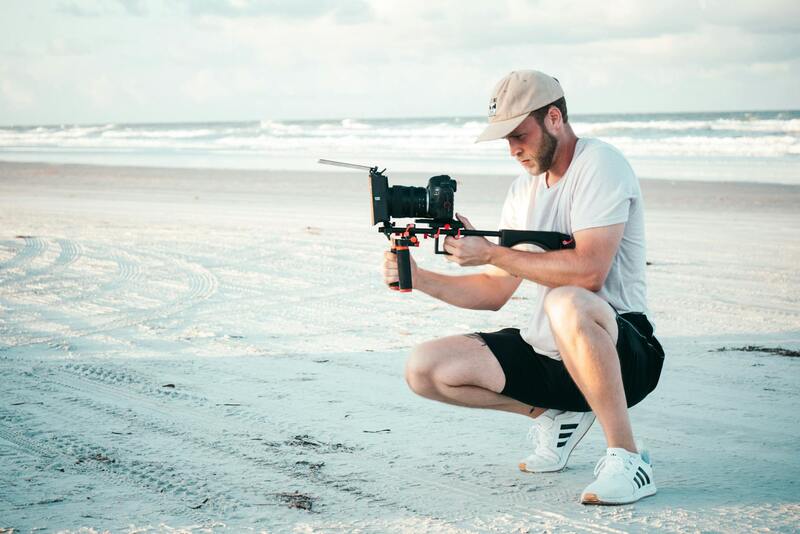
By aligning technical expertise with top-tier equipment, professional home photographers in Miami can consistently produce images that set listings apart, attract more interest, and ultimately lead to faster sales or rentals. Their ability to capture spaces accurately and attractively translates into increased confidence from real estate agents and property owners alike, making their services an invaluable asset in the competitive Miami market.
Photography Styles and Techniques for Residential Properties
Effective residential property photography in Miami requires a range of styles and techniques tailored to showcase the unique features of each home. A professional home photographer understands how to utilize various lighting, angles, and staging methods to highlight the strengths of a property while minimizing less desirable aspects. The choice of style often depends on the target audience and the architectural characteristics of the residence.
Natural light photography remains a cornerstone, capturing the home's interior in its most authentic and inviting condition. Photographers may schedule shoots during peak daylight hours to maximize the use of sunlight streaming through windows, creating a warm and welcoming atmosphere. Supplementing natural light with controlled artificial lighting ensures consistent brightness, especially in rooms with limited daylight or shadowed areas.
In some cases, photographers employ stylistic techniques such as HDR (High Dynamic Range) imaging to balance the light contrast between windows and interior spaces. HDR renders detailed images that reveal both shadowed corners and bright exterior views, providing a comprehensive representation of the property.
Another effective approach is the use of wide-angle lenses, typically ranging from 14mm to 24mm. These lenses enable the inclusion of more space into a single shot, making rooms appear larger and more open to potential buyers or renters. Proper utilization of these lenses requires skillful composition to avoid distortion and maintain accurate spatial relationships.
In addition to traditional still photography, drone imaging plays a pivotal role in showcasing larger properties or homes with extensive landscapes. Aerial shots capture the property’s exterior, surrounding environment, and landscaping features from perspectives impossible to obtain from the ground, offering a comprehensive visualization that appeals to prospective buyers.
Proper staging and decluttering are integral to professional techniques, ensuring spaces look their best without visual distractions. Skilled photographers often provide guidance on arranging furniture, minimizing clutter, and enhancing focal points within each room. Post-processing also complements these efforts, enhancing colors, adjusting brightness levels, and removing minor visual imperfections to create polished, compelling images.
Mastering these varied styles and techniques allows professional home photographers in Miami to craft images that not only attract attention but also accurately represent the property’s potential. This meticulous approach helps increase engagement, betters the online listing appeal, and fosters faster move-ins or sales, ultimately supporting the success of any real estate presentation.
Utilizing Off-Camera and Natural Light for Optimal Results
One of the primary responsibilities of a professional home photographer is mastering lighting techniques to achieve vibrant and inviting images. Proper use of off-camera flash or external lighting sources allows for even illumination across all spaces, reducing unwanted shadows that can obscure architectural details or make rooms appear smaller. Natural light, when harnessed effectively, can create a warm and authentic atmosphere, enhancing the home's visual appeal without appearing overly staged.
Adjusting camera settings such as aperture, ISO, and shutter speed in concert with lighting arrangements ensures each shot captures the space's true essence. Photographers often schedule shoots during times of day when natural light is most abundant and diffused, such as early morning or late afternoon, to maximize brightness and softness.
Post-Processing Techniques to Refine Visual Content
Post-processing is a vital component of professional home photography, providing the opportunity to enhance images so they stand out in competitive markets. Adjustments to brightness, contrast, and saturation help to produce vibrant yet realistic images. Skilled photographers use editing to correct lens distortions, straighten skewed perspectives, and remove minor imperfections like dust marks or blemishes, ensuring each photograph presents the property at its best.
Selective focus and depth of field adjustments emphasize key features, guiding viewers’ eyes toward focal points and enhancing overall composition. Additionally, the consistent application of color grading creates a cohesive visual flow across all images, which is particularly valuable for online listings or marketing materials.
Effective Composition Techniques for Home Photography
Composition plays a crucial role in communicating the home's layout and appeal effectively. Professional photographers employ techniques such as the use of leading lines, symmetry, and the rule of thirds to create visually balanced images that guide the viewer’s gaze naturally through each room.
Careful consideration of angles and vantage points ensures that each photograph maximizes spatial perception, making rooms appear larger and more inviting. The deliberate placement of furniture and decorative elements—often guided by staging advice—further enhances the visual narrative, showcasing the property’s potential.
Collaborating with Homeowners and Agents for Outstanding Results
Effective communication is essential to align expectations and achieve the desired photographic outcome. Professional home photographers often discuss the property’s best features with homeowners or real estate agents beforehand, offering guidance on staging, decluttering, and the most flattering angles for each space. This collaboration ensures that the final images reflect the home's unique character and appeal to targeted audiences.
During the shoot, photographers maintain a client-centric approach, considering the preferences and priorities of all stakeholders. Post-shoot, they review images collaboratively, making adjustments if necessary to ensure satisfaction and maximize the property's marketability.
Understanding the Significance of Proper Editing in Residential Photography
While capturing high-quality images is fundamental, the importance of meticulous post-processing cannot be overstated in professional home photography. Skilled editors use advanced software to enhance images in a manner that complements the property’s true character and appeal. This process involves correcting color balance, adjusting exposure levels, and restoring details in shadows and highlights, ensuring each image accurately reflects natural lighting and space.
Color correction plays a vital role in maintaining visual consistency across a series of photographs. It helps convey the mood and atmosphere of the home, whether bright and airy or cozy and inviting. Additionally, minor retouching might be employed to remove distracting elements, such as imperfections on walls or clutter in the background, without altering the genuine aesthetics of the property.

Utilizing Virtual Staging to Highlight Property Potential
In many cases, real estate professionals incorporate virtual staging techniques into their marketing strategy. Virtual staging involves digitally adding furniture, decor, and accents to vacant or sparsely furnished rooms, offering prospective buyers a realistic visualization of what the space could become. This method not only saves time and costs associated with physical staging but also provides flexibility in showcasing various styles tailored to target audiences.
For a professional home photographer, collaborating with virtual staging specialists or possessing in-house capabilities ensures that images are seamlessly integrated, producing attractive and believable depictions of the property. When executed with precision, virtual staging enhances the overall presentation, highlighting room functionality, flow, and design potential, thus capturing the interest of viewers more effectively.
Importance of Consistent Branding and Image Style
In the competitive Miami real estate market, maintaining a consistent visual brand is crucial for establishing trust and recognition. A professional home photographer adopts a specific style and aesthetic that aligns with the branding of the real estate agents or agencies they serve. Consistent use of color schemes, lighting styles, and composition techniques create a recognizable portfolio that appeals to prospective buyers.
This consistency allows real estate agencies to build a strong visual identity, making their property listings stand out across multiple platforms. Furthermore, a well-defined style communicates professionalism and attention to detail, reinforcing client confidence and encouraging repeat collaboration.
Utilizing Advanced Techniques and Equipment for Optimal Results
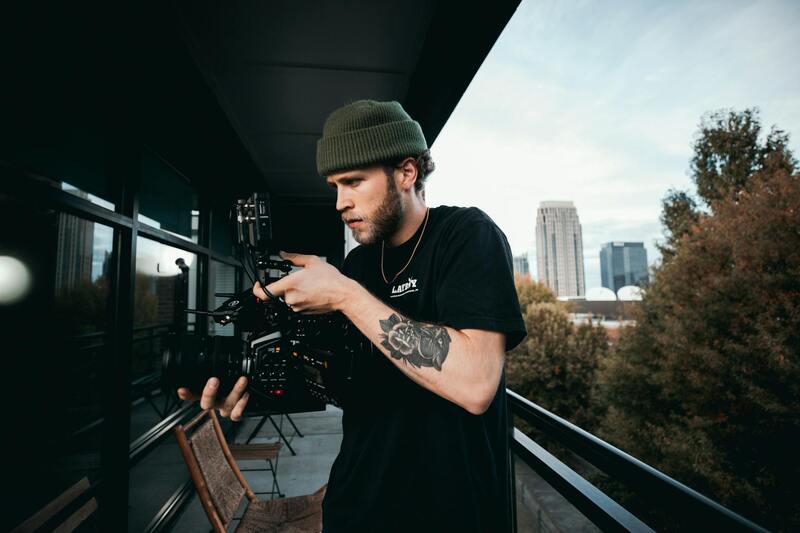
Professional home photographers leverage a range of advanced techniques and high-quality equipment to produce compelling images that effectively showcase a property’s best features. Using full-frame digital cameras with high-resolution sensors allows for exceptional clarity, detail, and dynamic range, ensuring that every corner of a room is captured vividly. Wide-angle lenses are standard tools, enabling the photographer to encompass entire rooms within a single shot, which enhances the perceived space and flow of the interior.
Lighting plays a critical role in residential photography. Professionals often employ external flash units, diffusers, and reflectors to manage natural light and eliminate harsh shadows. When necessary, multiple flash setups are arranged strategically to evenly illuminate darker areas, ensuring a balanced exposure that accurately reflects the home’s ambiance. Additionally, some photographers incorporate HDR (High Dynamic Range) imaging techniques to blend multiple exposures, capturing details in both highlights and shadows that might otherwise be lost.
Tripods are essential for stability, especially during longer exposure shots in dimly lit interiors. Drones and aerial photography may also be utilized to highlight larger properties or unique outdoor features, providing a comprehensive visual narrative. Post-processing software such as Adobe Photoshop or Lightroom is employed to enhance colors, adjust contrast, and correct minor imperfections, ensuring each image aligns with the desired aesthetic and presentation standards.
Adopting a Strategic Approach to Image Composition and Layout
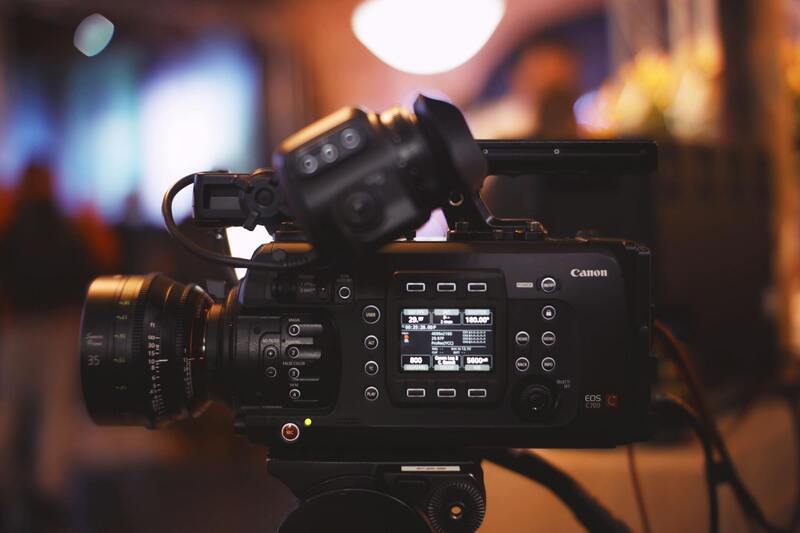
Effective composition is fundamental in professional home photography. Photographers meticulously plan each shot, considering the layout and flow of the space to emphasize its strengths. Strategic placement of the camera ensures that rooms are depicted as spacious and inviting. Elements such as furniture, natural light sources, and architectural features are carefully framed to guide viewers’ eyes through the space.
Vertical and horizontal lines are aligned to create a sense of balance and symmetry, which inherently appeals to viewers. Photographers might also utilize techniques like the rule of thirds to position key features within the frame, drawing attention to focal points. The sequence of images is often curated to tell a cohesive story of the property, starting from the exterior with curb appeal shots, moving through the interior spaces, and concluding with unique features or outdoor amenities.
This thoughtful approach to composition ensures that each visual element works harmoniously to evoke an emotional response, inspiring prospective buyers to envision themselves living in the home. The result is a compelling set of images that maximize property appeal and boost engagement across marketing platforms.
Guidelines for Official and Legitimate Photography Methods
When engaging professional home photography services, it is essential to adhere to established and recognized practices that uphold the integrity and quality of property images. This involves utilizing authorized equipment, following industry-standard procedures, and respecting property rights and privacy. Certified image capturing techniques ensure that the photographs reflect an accurate, high-quality depiction of the residence, which is vital for creating trustworthy listings that attract genuine interest from prospective buyers or tenants.
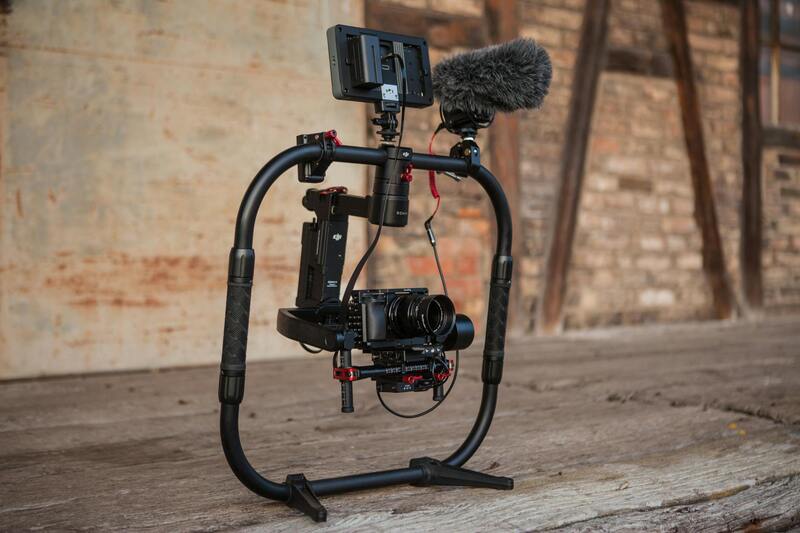
Professional home photographers in Miami employ a combination of advanced camera gear, lighting equipment, and post-processing tools, all conforming to authorized specifications. For example, high-resolution DSLR or mirrorless cameras are used to capture detailed images with superior clarity, color accuracy, and depth. Tripods and stabilizers are employed to produce sharp, distortion-free images, particularly in interior shots where maintaining straight lines and proportions is critical.
In addition to equipment, legitimate methods include following safety and privacy guidelines. Photographers obtain permission from homeowners or property managers before accessing and photographing spaces, ensuring all images are captured within agreed parameters. Respecting property boundaries and pet safety during shoots is equally emphasized, aligning with professional standards and client expectations.
Utilizing Legal and Ethical Post-Processing Techniques
Post-processing, such as color correction, perspective correction, and image enhancement, must be performed using approved software, maintaining a natural appearance without exaggeration or misleading alterations. This process should be transparent and documented, providing a consistent visual presentation that accurately depicts the property's current condition. Ethical editing guarantees that images are an honest representation, which builds trust with clients and potential buyers.
Documentation and Quality Assurance
Official methods also involve maintaining detailed records of each shoot, including session notes, equipment used, and post-processing steps. Such documentation supports quality assurance and ensures compliance with industry standards. Regular calibration of camera systems and training on the latest techniques further assist photographers in providing legitimate and high-quality services.
Adherence to Industry Certifications and Standards
Many professional photographers pursue certifications from reputable industry organizations, demonstrating their commitment to recognized practices. Certification programs often require ongoing education and adherence to ethical guidelines, helping confirm that the methods employed are legitimate and conform to best practices within the field.
By following these official protocols, Miami home photographers can deliver images that are both beautiful and trustworthy, ultimately enhancing the property's market appeal and maintaining high professional standards within the real estate photography landscape.
Understanding the Role of a Professional Home Photographer
A professional home photographer specializes in capturing the essence and unique features of residential properties through high-quality images. They utilize advanced techniques and equipment to produce visuals that not only highlight the property's best attributes but also adhere to industry standards for accuracy and visual appeal. Their role extends beyond simple picture-taking; they are responsible for creating a compelling visual narrative that resonates with potential buyers and emphasizes the property's value in a competitive market.
Key Skills and Equipment Used by Professional Home Photographers
Expertise in lighting, composition, and post-processing are fundamental skills possessed by professional home photographers. They employ specialized cameras, wide-angle lenses, and sometimes drone technology to capture both interior and exterior aspects with precision. Proper lighting techniques, including natural light harnessing and supplemental lighting setups, ensure images are bright, clear, and inviting. Post-processing software, such as Adobe Lightroom and Photoshop, is used to refine images, correct color balance, and remove minor imperfections while maintaining authenticity.
Importance of Professional Home Photography for Miami Real Estate
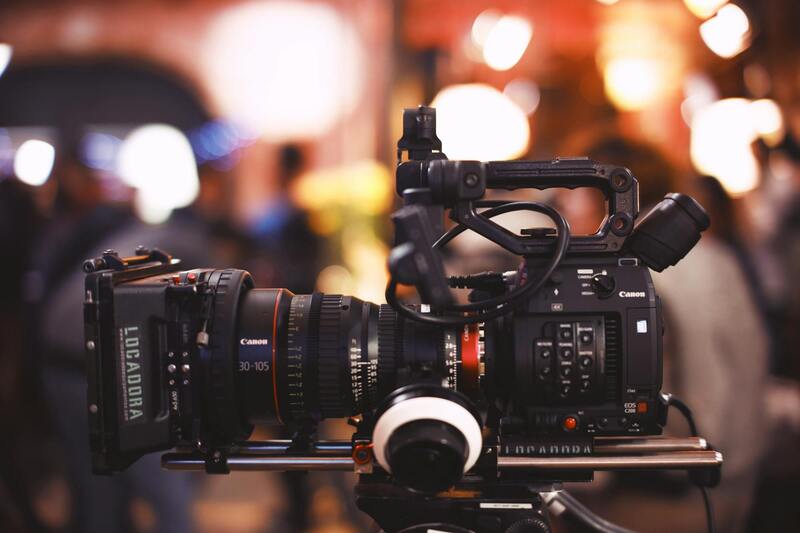
In Miami's vibrant real estate market, compelling visuals are crucial for attracting potential buyers. Professional photography helps properties stand out in online listings, which are often the first interaction prospective buyers have with a home. Accurate and attractive images can significantly influence a viewer’s decision to schedule a viewing or make an offer. With Miami's diverse architecture and luxurious residences, the quality and style of photography can make a marked difference in the property’s marketability and sale speed.
Effective Marketing and Increased Visibility
Properly executed professional images enhance online engagement, leading to more inquiries and foot traffic. This heightened visibility also fosters trust and credibility, positioning the listing as a premium offering in the competitive market.
Photography Styles and Techniques for Residential Properties
Different properties benefit from a tailored photographic approach, which may include wide-angle shots to capture spaciousness, HDR (High Dynamic Range) imaging to balance lighting conditions, and staged photography to showcase the property's potential. Drone photography is increasingly employed to provide dramatic aerial perspectives, especially for larger estates or properties with appealing surroundings.
Technique Emphasis
- Interior Photography: Emphasizes natural light, clean spaces, and strategic angles to convey openness.
- Exterior Photography: Highlights curb appeal, landscaping, and architectural details.
- Virtual Tours and 3D Imaging: Offers interactive experiences, allowing viewers to navigate the property remotely for a comprehensive view.
Choosing a Professional Home Photographer in Miami
Selecting an experienced professional requires assessment of their portfolio, understanding of best practices, and familiarity with the local market. It’s essential to verify that the photographer follows official industry standards, utilizes legitimate equipment, and employs proven post-processing techniques that produce honest and engaging images.
Key Considerations
- Review previous work to evaluate image quality and style compatibility
- Confirm their adherence to ethical editing and quality assurance protocols
- Ensure they have experience with diverse property types prevalent in Miami
- Discuss the scope of services, including virtual staging, drone footage, and virtual tours
The Process of Booking and Working with a Home Photographer
Effective collaboration begins with clear communication of the property's features and the desired visual style. A professional photographer will schedule a shoot during optimal lighting conditions, typically early morning or late afternoon. They will document the process thoroughly, from equipment used to post-processing steps, maintaining a record that assures adherence to industry standards. During the session, photographers focus on capturing images that authentically represent the property's current condition, then use approved editing practices to enhance without misleading.
Post-Shoot Procedures
- Review and selection of images
- Consistent color correction and cropping
- Delivery of high-resolution digital files suitable for marketing platforms
- Optional add-ons such as virtual staging or drone footage
Benefits of Investing in Professional Home Photography
High-quality images significantly elevate a property’s online presentation, attracting more potential buyers and reducing time on the market. They help convey the lifestyle and unique features of Miami residences, appealing to a global audience. In addition, professional photography fosters trust and credibility, positioning the listing as a premium offering. This strategic investment enhances marketing efforts across multiple channels, including MLS listings, social media, and virtual tours, ultimately leading to better sales outcomes.