
Understanding the Importance of Professional House Photography
In the competitive Miami real estate market, the presentation of a property can significantly influence its market performance. High-quality house photography serves as the first point of connection between potential buyers and a property. When potential buyers browse online listings, they are often drawn to images that are clear, well-lit, and professionally composed. These images highlight the property’s best features and create an emotional response that encourages a viewing or purchase decision.
Studies and market analyses show that homes featuring professional photography tend to sell faster and often at a higher price compared to those with amateur photos. In Miami’s diverse and vibrant housing landscape, appealing visuals can distinguish a listing amid numerous others. Exceptional photographs enhance the perceived value of a property, showcase its unique architectural elements, and paint an inviting scene that resonates with prospective buyers.
Moreover, visually compelling images can extend the reach of a listing through online platforms, social media, and real estate portals. They help generate more clicks, shares, and inquiries, which are vital metrics for a successful sale. For agents and homeowners alike, investing in professional house photography is a strategic move to maximize exposure and attract serious buyers.
In Miami’s thriving real estate scene, capturing the essence of a property through expert photography can be the key to turning a listing into a sought-after home. This process involves more than just snapping pictures; it requires an understanding of lighting, composition, and how to best showcase a property's unique features to appeal to a wide audience.
By prioritizing professional house photography, sellers and agents can effectively communicate the property's value and lifestyle potential, fostering stronger interest and accelerating the sales process. In a market where visual impression significantly impacts buyer decisions, investing in high-quality photography is not just an aesthetic choice but a crucial element of strategic marketing.
Choosing the Right Equipment and Settings
High-caliber professional house photography begins with selecting the proper equipment tailored for residential spaces. A DSLR or mirrorless camera with a full-frame sensor is preferred, as it delivers superior image quality with excellent detail and color accuracy. The lens choice is equally critical; wide-angle lenses—typically between 14mm and 24mm—are instrumental in capturing expansive interior spaces and exteriors, providing a comprehensive view that helps potential buyers visualize the property's true scale.
In addition to camera gear, utilizing a sturdy tripod is essential to achieve sharp images, especially in interior settings with varying light conditions. A tripod stabilizes the camera, enabling longer exposure times that can accentuate natural lighting without introducing motion blur. Remote shutter releases or camera timers further assist in minimizing vibrations, ensuring crystal-clear images.
Optimal camera settings are vital for achieving professional-level results. Shooting in the RAW format is recommended because it retains maximum detail and facilitates extensive post-processing adjustments. Aperture settings should be chosen carefully; a narrower aperture (higher f-number, such as f/8 to f/11) enhances depth of field, keeping multiple elements in focus—from foreground furnishings to background architectural features.
Proper exposure is crucial, especially in scenes with high contrast between natural light and shaded areas. Utilizing exposure bracketing—taking multiple images at different exposure levels—allows for creating high-dynamic-range (HDR) images, which capture details in both bright and dark areas. When working in interior spaces, managing white balance settings ensures color consistency, whether you prefer a neutral tone or a warmer ambiance that complements the property’s aesthetic.
Preparation and Staging of Properties for Photography
Before any camera goes to shutter, thorough preparation and staging are fundamental to showcasing a property at its best. This involves decluttering spaces to eliminate distractions and create a sense of openness. Ensuring that all surfaces, fixtures, and furniture are spotless and well-arranged enhances visual appeal. Proper staging might include repositioning furniture to accentuate architectural features or optimize flow, as well as adding tasteful decor to evoke a welcoming atmosphere.
Natural lighting plays a pivotal role in professional house photography. Scheduling shoots during daylight hours, particularly when sunlight fills rooms, can dramatically improve image quality. Opening curtains and blinds allows for an abundance of natural light, reducing the need for artificial lighting and providing a more authentic portrayal.
In exterior shots, maintaining well-manicured landscaping, cleaning the windows, and repairing or refreshing paintwork elevate curb appeal. Incorporating seasonal accents or outdoor furniture can add charm and context to outdoor spaces, making them more inviting to prospective buyers.
Techniques for Capturing High-Quality Interior Shots
Interior photography demands a combination of technical skill and artistic vision. To maximize space and light, positioning the camera at a height around chest level provides a natural perspective. Shooting from slightly elevated angles can help capture more of the room, emphasizing spaciousness.
Utilizing natural light sources is preferable, but in darker areas, supplementing with professional lighting fixtures—such as softboxes or LED panels—ensures even, shadow-free illumination. Avoid harsh shadows or overly high contrast, which can diminish the photo's clarity.
Pay attention to ceiling height and architectural details that can influence composition and focal points. Be mindful of clutter or unwanted reflections, such as window glare or shiny surfaces; using polarizing filters can help in reducing reflections and enhancing colors.
Posture and alignment are key: triple-check that the horizon is level, and ensure that vertical lines, like door frames and windows, are straight to avoid distortion. Editing software can assist in straightening lines and correcting minor color discrepancies, but the foundation of a compelling shot is built during the capture process.
Choosing the Right Equipment and Settings
When aiming to deliver exceptional results in professional house photography, selecting appropriate equipment and utilizing optimal settings is essential. High-quality DSLR or mirrorless cameras equipped with wide-angle lenses—typically between 14mm and 24mm—are preferred for capturing expansive interior spaces and exteriors, allowing you to encompass more of the scene in a single shot. Tripods are indispensable, providing stability for sharp images, especially when shooting in low-light conditions or using slow shutter speeds.
Understanding the camera settings that impact image quality is crucial. Aperture settings around f/8 to f/11 are generally ideal for interior shots, ensuring enough depth of field to keep all architectural details in focus. Adjust ISO settings to the lowest possible value to minimize noise, especially in well-lit environments. Shutter speed should be balanced to prevent motion blur; a tripod allows for longer exposures without compromise.
Lens choice directly influences the perspective and overall composition. Wide-angle lenses help capture the full scope of rooms, but it's important to avoid distortion that can make spaces appear unnaturally skewed. Using tilt-shift lenses, if available, can correct perspective distortions, ensuring straight lines and true-to-life proportions. Additionally, employing circular polarizing filters can reduce reflections from shiny surfaces or glass, resulting in richer colors and clearer images.
Mastering Camera Settings for Different Scenarios
- Interior Shots: Use a tripod, set a small aperture (f/8–f/11), low ISO, and a balanced shutter speed to handle varying light levels.
- Exterior Shots: Shoot during the golden hour—shortly after sunrise or before sunset—to take advantage of soft, warm lighting. Adjust exposure settings to prevent overexposing bright outdoor elements.
- Low Light Conditions: Rely on tripod stabilization and longer exposures to capture sufficient detail without introducing noise. Consider bracketing exposures for high dynamic range (HDR) processing.
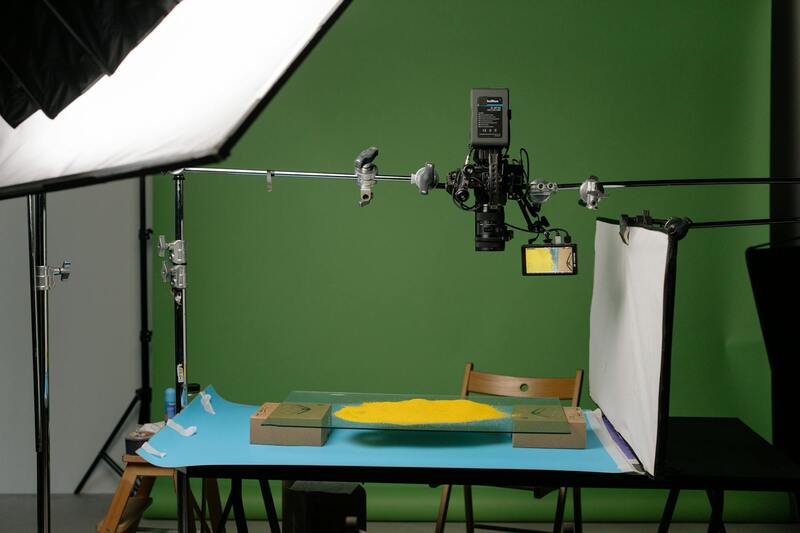
Achieving professional house photographs hinges on the right combination of equipment, technical knowledge, and situational awareness. Carefully adjusting camera settings according to lighting conditions, room size, and architectural features ensures each shot meets high-quality standards and accurately represents the property's character and appeal.
Advanced Composition and Lighting Techniques for Interior Photography
Achieving stunning interior shots requires meticulous attention to composition and lighting. The goal is to create images that showcase the property's best features while maintaining a natural and inviting atmosphere. To accomplish this, thoughtful framing is essential. Use the rule of thirds to position focal points and create balanced, engaging images. Avoid clutter in the frame to ensure the viewer's focus remains on key architectural elements and design features.
When it comes to lighting, natural light is preferred for its ability to produce soft, true-to-life color tones. Schedule shoots during periods of abundant natural light, such as mid-morning or late afternoon, to maximize its benefits. Diffusing harsh sunlight with sheer curtains or using reflectors can help soften shadows and distribute light evenly throughout the space. In spaces with limited natural light, supplement with professional lighting equipment like softboxes or LED panels. These tools provide consistent, controllable illumination that highlights textures and spatial details without creating distracting glare.
Proper camera angles play a pivotal role in emphasizing the spaciousness and architectural clarity of interiors. Position the camera at eye level to avoid distortion and capture an authentic perspective. Use vertical lines, such as walls and doorframes, to lead the viewer's eye through the scene. Shooting from a corner often provides a more comprehensive view of the room, showcasing its layout and flow.
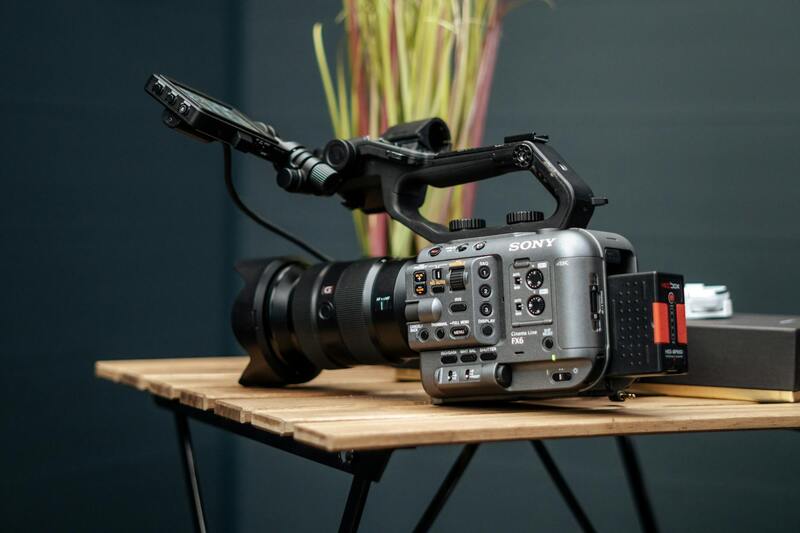
Maximizing the Impact of Exterior Shots and Curb Appeal
Exterior photography is crucial in establishing the property's first impression. Techniques such as shooting during the golden hour leverage the warm, inviting glow of natural sunlight, making landscapes and architectural features stand out. Incorporate the surrounding environment—trees, sidewalks, or nearby water features—to add context and depth to the images.
Use a wide-angle lens to capture the full scope of the property, including its unique architectural details. Pay attention to framing the shot to include the driveway, front porch, or garden to illustrate curb appeal effectively. Elevating camera height slightly above ground level can help avoid distortion and provide a more attractive perspective. Ensure all prominent elements are sharp and properly exposed to maintain visual harmony.
Incorporate small creative touches, such as leaning the camera to include clear pathways, well-maintained lawns, and attractive landscaping. These details convey a sense of care and enhance the overall attractiveness of the property.
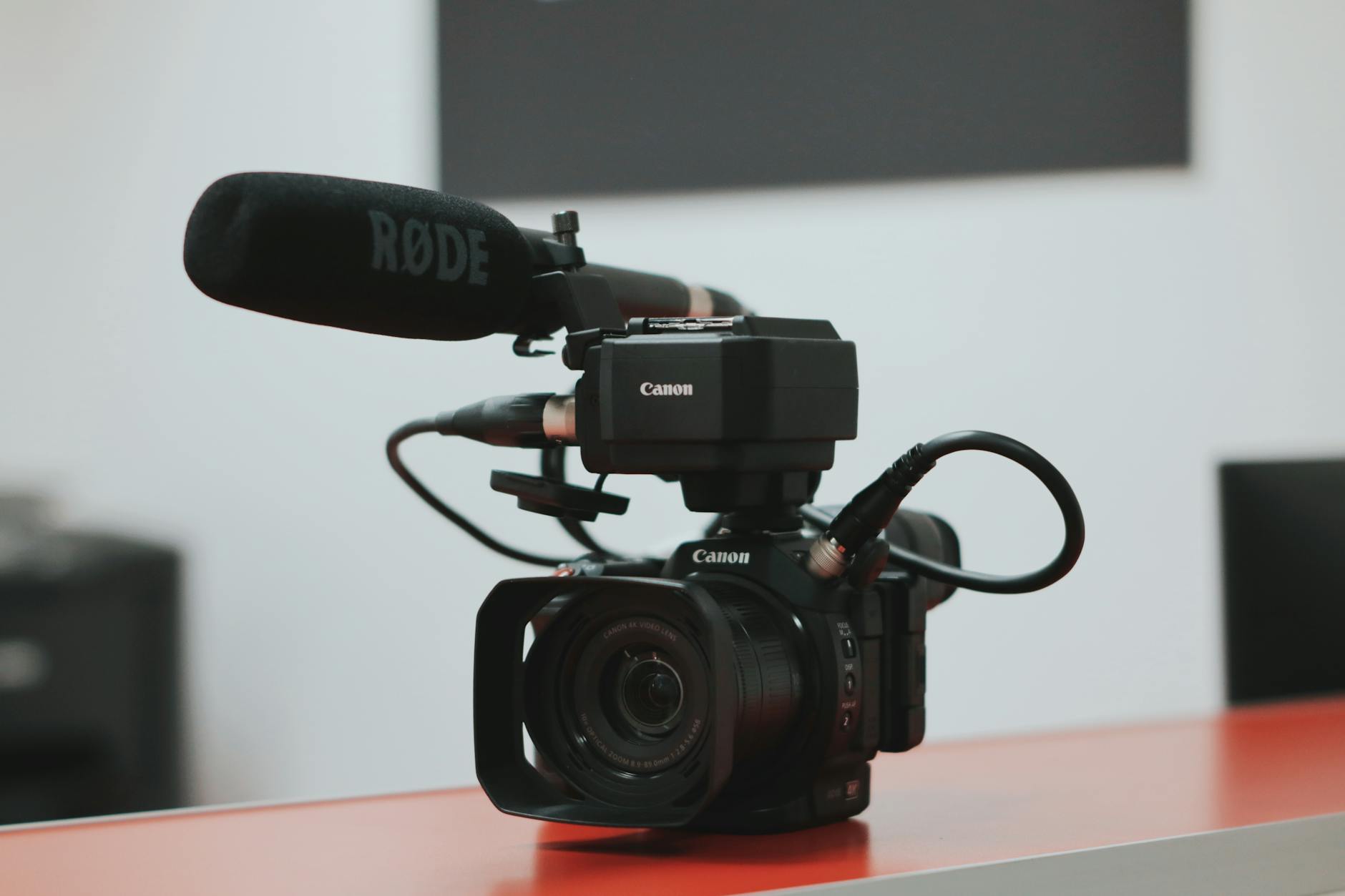
Key Considerations for Post-Processing and Enhancing Your Images
Post-processing is a vital step to refine and elevate real estate photography. Basic adjustments such as correcting brightness, contrast, and color saturation help ensure images are vibrant and true to life. Avoid over-editing, which can lead to unrealistic results or distort the property’s actual appearance.
HDR (High Dynamic Range) processing is especially useful for balancing lighting in scenes with varying light levels, such as interiors with windows or exterior shots during sunset. Merging bracketed exposures creates images that reveal details in both shadows and highlights.
Line straightening, perspective correction, and removing minor imperfections like streaks or dust spots contribute to a polished, professional look. Consistency across all images is essential for a cohesive presentation, which can be achieved through batch editing techniques.

Applying Professional House Photography to Marketing Strategies
High-quality images serve as the foundation of compelling real estate marketing. They catch the eye on listings, brochures, and online platforms, significantly increasing engagement and inquiry rates. When used strategically, professional photographs can differentiate a property in a competitive market.
Integrate images into virtual tours, 3D walkthroughs, and social media campaigns to broaden reach and showcase the property’s unique features dynamically. Consistent, professional visuals also build credibility and trust with prospective buyers, emphasizing the property's value.
Careful selection and sequencing of images highlight key selling points, from spacious living areas to landscaped gardens. Incorporate both wide-angle shots for context and detailed close-ups of finishes, fixtures, and distinctive architecture to appeal to a diverse buyer demographic.
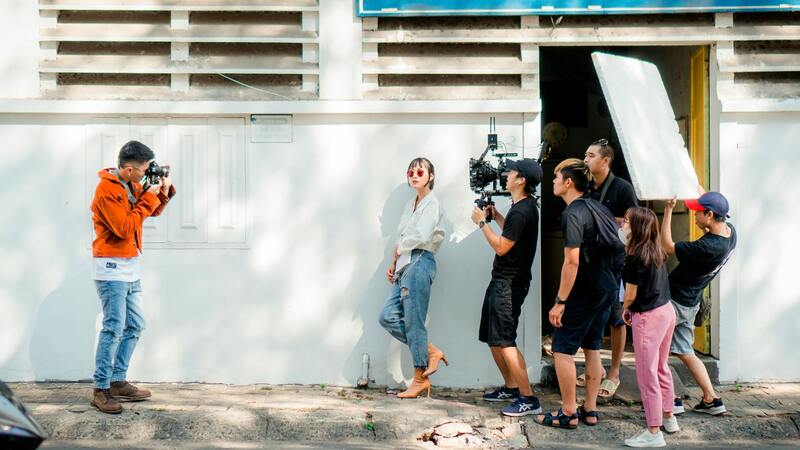
Techniques for Capturing High-Quality Interior Shots
Achieving outstanding interior images requires meticulous attention to detail and mastery of photographic techniques. Utilizing wide-angle lenses allows photographers to encompass more of a room, providing a sense of space that appeals strongly to potential buyers. Proper lighting, whether natural or artificial, plays a crucial role in highlighting the property’s best features. During shoots, it’s essential to balance interior light sources to avoid undesirable shadows or overexposure, ensuring that colors are vibrant and true to life.
Employing a tripod guarantees stability, leading to sharper images with precise alignment. It also facilitates longer exposures in low-light settings, capturing the room’s ambiance effectively. Photographers should carefully select aperture settings to maximize depth of field, keeping both foreground and background elements in sharp focus. Typically, an aperture range between f/8 and f/11 strikes the right balance for interior shots.
Line straightening and perspective correction are vital post-capture steps, ensuring vertical lines such as walls and doorframes are perfectly aligned. This attention to detail preserves a professional appearance and prevents distortions that could diminish the property’s appeal. Additionally, adjusting color balance and contrast enhances the visual impact without making images appear unnatural.
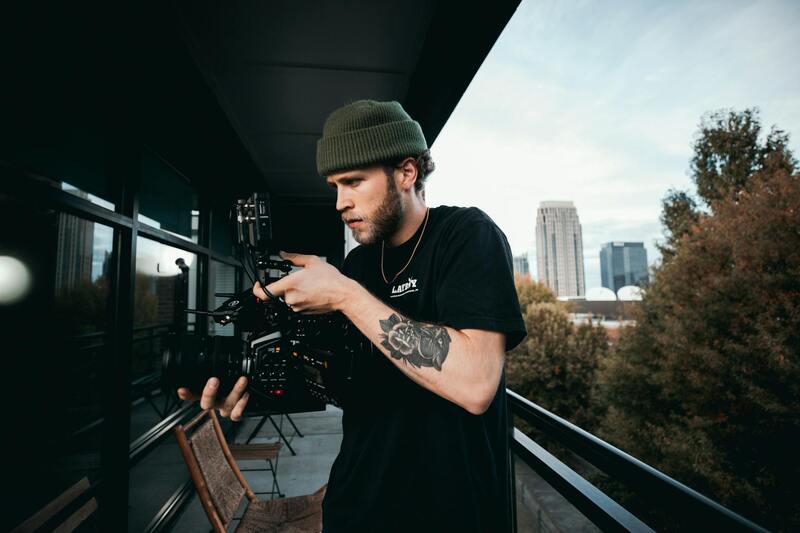
Image editing software allows for subtle enhancements, such as removing minor imperfections like dust spots or glare and fine-tuning brightness and contrast. Batch editing capabilities enable consistency across multiple images, which is particularly important when creating a cohesive listing package. Ultimately, the goal is to produce images that faithfully represent the property's interior, capturing its unique atmosphere and architectural features.
High-quality interior photography can illuminate the spatial relationships within a home, helping prospective buyers visualize living arrangements. Strategic focus on key areas, such as kitchens, living rooms, and master bedrooms, combined with creative composition, underscores the property’s best attributes. Using different shots—wide-angle for overall context, close-ups for textures and finishes—provides a comprehensive narrative that appeals to diverse tastes and expectations.
Understanding the Importance of Professional House Photography
Professional house photography plays a vital role in the successful marketing of real estate properties. High-quality images serve as the first point of contact between potential buyers and a property, often dictated by online listings. Well-crafted photographs not only draw attention but also evoke emotional responses that can lead to faster sales and higher offers. When prospective buyers scroll through countless listings, images that are sharp, well-lit, and accurately represent the property stand out prominently, increasing the likelihood of engagement and interest.
Beyond aesthetics, professional photography ensures an accurate portrayal of a property's spatial dimensions and unique architectural features. This accuracy fosters trust and confidence in potential buyers, helping them to visualize themselves within the space. Properly executed images can highlight a property's best attributes—be it a stunning kitchen, spacious living area, or beautiful outdoor surroundings—while subtly downplaying less desirable aspects. In a competitive market like Miami, the quality of visuals can significantly influence a property's perceived value and appeal.
Employing skilled photographers who understand real estate marketing ensures consistency across listings, reinforcing the property's branding and presentation. These professionals utilize advanced techniques such as HDR imaging, strategic lighting, and specialized lenses to create compelling images that convey the true essence of the property. Such precision and attention to detail in visual storytelling elevate the property's profile, enabling it to attract serious buyers and achieve optimal market positioning.
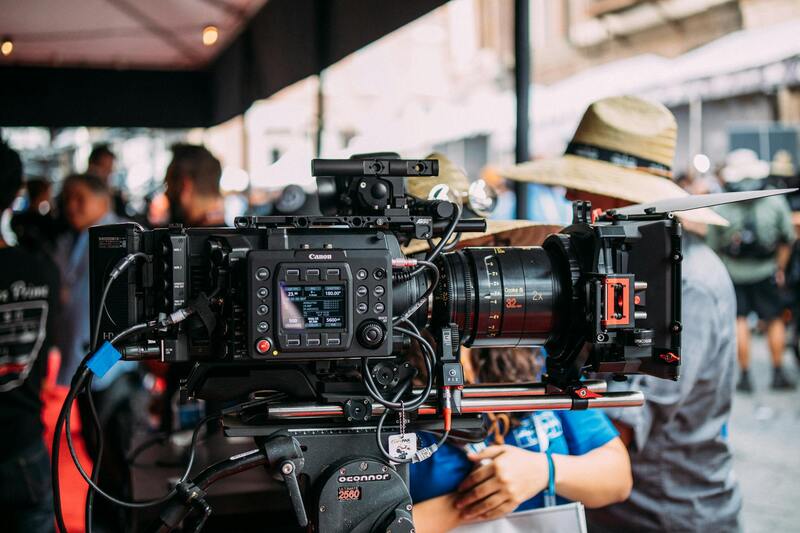
Choosing the Right Equipment and Settings
Selecting the appropriate tools is fundamental to capturing impactful house images. Professional photographers typically employ high-resolution DSLR or mirrorless cameras equipped with wide-angle lenses. These lenses are essential for capturing expansive views of interiors and exteriors within confined spaces, providing a comprehensive perspective without distortion.
Optimizing camera settings enhances image clarity and color accuracy. Using a low ISO setting minimizes grain and noise, ensuring crisp details. Adjustments to aperture and shutter speed are tailored to lighting conditions; a smaller aperture (higher f-stop) increases depth of field, keeping entire rooms in sharp focus. Conversely, slower shutter speeds are used with tripod stabilization for interior shots in low-light conditions, preventing motion blur. Proper white balance adjustments ensure natural color rendering, which is critical for accurately representing the property's ambiance.
In addition to camera choice and settings, professional lighting equipment such as strobes and diffusers help achieve balanced lighting that eliminates harsh shadows and highlights architectural details. When necessary, off-camera flashes can be used to illuminate dark corners without overexposing well-lit areas, producing evenly lit images that bolster the property's appeal.
Preparation and Staging of Properties for Photography
Preparing a property before shooting is crucial for achieving stunning, market-ready images. Staging involves arranging furniture, decor, and accessories to highlight the home’s best features while maintaining a clean and inviting atmosphere. Well-staged spaces appear more spacious and appealing, helping prospective buyers envision their lives within the home.
Decluttering is a fundamental step—removing personal items, excessive accessories, and any clutter that distracts from architectural features or obstructs the flow of natural light. A thorough cleaning ensures surfaces are spotless, surfaces gleam, and the overall environment looks pristine. Attention should be paid to details such as fresh linens, strategically placed throw pillows, and tasteful decor accents that complement the style of the property.
Maximizing natural light is especially important; opening curtains and blinds allows sunlight to flood into the space, creating bright and lively images. If necessary, supplemental lighting can be used to enhance poorly lit areas or eliminate shadows. Outdoor spaces should be tidy and well-maintained, with landscaping and curb appeal enhancing the home's exterior impression. Proper staging and preparation align with professional photography standards, resulting in images that accurately showcase the property’s true potential.
Techniques for Capturing High-Quality Interior Shots
Achieving high-caliber interior shots involves a blend of technical skill and artistic composition. Wide-angle lenses are favored for capturing the breadth of rooms, giving viewers a sense of space even in smaller areas. The vantage point should be carefully chosen; typically, shooting from a corner offers a comprehensive perspective that includes multiple walls, maximizing the sense of depth and openness.
Ensuring proper lighting is paramount. During the shoot, photographers often balance ambient natural light with supplemental artificial lighting to avoid overexposure or underexposure. Techniques such as shooting during the golden hour or utilizing multiple light sources can enhance visual warmth and clarity.
Focus plays a vital role; the camera’s autofocus should be directed at key focal points, such as a feature wall or centerpiece, to ensure sharpness where it matters most. Depth of field adjustments also help keep foreground and background elements crisp, creating inviting and immersive images.
Creative composition includes leading lines, symmetry, and framing to draw viewers’ eyes toward focal points, subtly guiding their cursor through the space. Incorporating unobstructed views, decluttered surfaces, and strategic angles results in inviting, professional images that effectively communicate the home's layout and character.
Legal and Ethical Considerations in Professional House Photography
Executing high-quality house photography requires adherence to certain principled practices that uphold the integrity of the images and respect the property and its owners. While the focus remains on capturing the essence and appeal of a home, photographers must ensure they have appropriate permissions before entering and photographing a property. This involves clear agreements with homeowners or property managers, establishing a mutually understood scope of work and usage rights for the images produced. Authenticity is key in professional house photography, meaning images should accurately represent the property's condition and features. Avoiding any form of image manipulation that could mislead prospective buyers or clients sustains transparency and trust. Photographers commit to realistic lighting, accurate colors, and truthful representations of space, which contribute to a credible marketing process. Proper disclosure about the use of images is also critical. When showcasing a property, permissions should encompass the intended distribution channels — whether for MLS listings, social media, or print advertisements — ensuring all promotional efforts are transparent and respectful of stakeholder agreements. Furthermore, respecting privacy is paramount. Photographers should focus on capturing the home's visual highlights without infringing on occupants' personal spaces or capturing sensitive areas that are not intended for public viewing. Utilizing controlled access and photography schedules ensures the process respects the privacy and personal belongings of residents. In addition to respecting privacy and permissions, professional conduct encompasses punctuality, clarity in communication, and timely delivery of high-quality images. This not only enhances client satisfaction but also fosters long-term professional relationships. Finally, leveraging legitimate methods like using high-grade DSLR or mirrorless cameras, proper lighting equipment, and editing tools ensures the images reflect the property’s true appeal while maintaining ethical standards in presentation. This responsible approach helps preserve the reputation of the photographer and the agency they represent, ensuring that the promotional material remains trustworthy and compelling.
Utilizing Advanced Techniques for Authentic Property Representation
Implementing multifaceted strategies in professional house photography ensures that each property’s unique characteristics are vividly conveyed while maintaining accuracy and integrity. This approach involves a combination of technical expertise, creative vision, and strategic planning. For instance, adopting High Dynamic Range (HDR) imaging allows photographers to capture a broader spectrum of light and shadow, resulting in images that reveal intricate details across varying lighting conditions. This technique is especially beneficial in spaces with significant contrast between natural light and interior lighting, ensuring that both elements are balanced tastefully.
Equally important is the mastery of aperture control. Using a smaller aperture (higher f-number) can increase depth of field, keeping more of the scene in sharp focus, which is vital for capturing interior layouts and architectural details. Conversely, a wider aperture (lower f-number) can be employed to isolate focal points or create a pleasing background blur, drawing attention to focal features within the space.
Controlling shutter speed is another critical element, especially when photographing dynamic elements such as moving shadows or reflections. Utilizing a tripod stabilizes the camera during longer exposures, enabling sharp images without motion blur. Additionally, employing panoramic techniques or stitching multiple exposures can effectively showcase expansive interiors or exterior landscapes, providing viewers with a comprehensive perspective of the property.
Lighting expertise remains fundamental. Skilled photographers leverage natural lighting to produce inviting, well-lit images during daylight hours. Supplementing with professional lighting equipment, such as softboxes, diffusers, and reflectors, ensures an even distribution of light, eliminating harsh shadows and enhancing furniture, textures, and architectural features. The careful placement of lights can also emphasize focal points and create a sense of depth.
Emphasizing Smooth, Consistent Composition and Perspective
Achieving compelling compositions relies heavily on the use of proper framing, vertical/horizontal alignment, and strategic viewpoint selection. Straightening lines to avoid skewed walls or floors enhances realism and viewer trust. Employing wide-angle lenses expands spatial perception, making rooms appear larger and more inviting, but should be used judiciously to prevent distortion.
In addition, photographing from eye level or slightly above can present a more flattering perspective, especially for interior spaces. Consistency across images, in terms of angle and lighting, creates a cohesive visual narrative that engages prospective buyers or renters effectively.
Ensuring Ethical and Accurate Visual Representation
Beyond technical proficiency, maintaining authenticity and honesty in imagery is paramount. This involves avoiding excessive post-processing that might misrepresent the property’s true appearance. Subtle edits, such as adjusting brightness, contrast, and color balance, enhance visual appeal without misleading viewers. The goal is to produce high-quality images that accurately reflect the space's current condition, size, and ambiance.
For exterior shots, showcasing the property's curb appeal with well-timed captures during optimal lighting conditions—such as golden hour—can dramatically enhance attractiveness. Highlighting well-maintained landscaping, architectural details, and inviting entryways provides an immediate visual hook for potential clients.
In conclusion, mastering these advanced techniques and adhering to ethical standards in professional house photography not only elevates the visual presentation but also builds trust and credibility. When executed with precision, these methods serve as vital tools to produce compelling property images that resonate with prospective buyers and facilitate seamless marketing campaigns, reinforcing the power of high-quality visuals in real estate sales and rentals.