
Importance of High-Quality Photos for Real Estate Agents
In today’s competitive real estate market, high-quality images serve as a cornerstone for successful property marketing. Professional photography elevates the visual appeal of listings, capturing the attention of prospective buyers and tenants across digital platforms. When clients browse online, listings with crisp, well-lit, and accurately represented photographs stand out amid a crowded marketplace, encouraging quicker engagement and more inquiries. High-resolution images not only portray the property in its best light but also demonstrate the professionalism of the real estate agent, fostering trust and confidence. These visual assets facilitate a clearer understanding of the space, layout, and unique features, reducing the need for initial site visits and streamlining the sales process.
This emphasis on quality imagery translates into tangible benefits, including increased website traffic, longer on-page durations, and higher conversion rates. For agents aiming to build their reputation and expand their market reach, investing in top-tier photography becomes a strategic priority. Moreover, well-crafted images can significantly boost social media presence, enabling targeted promotion and engaging a broader audience. Ultimately, professional real estate agent pictures are not merely aesthetic enhancements; they are vital tools that enhance the effectiveness of marketing efforts, leading to faster transactions and satisfied clients.
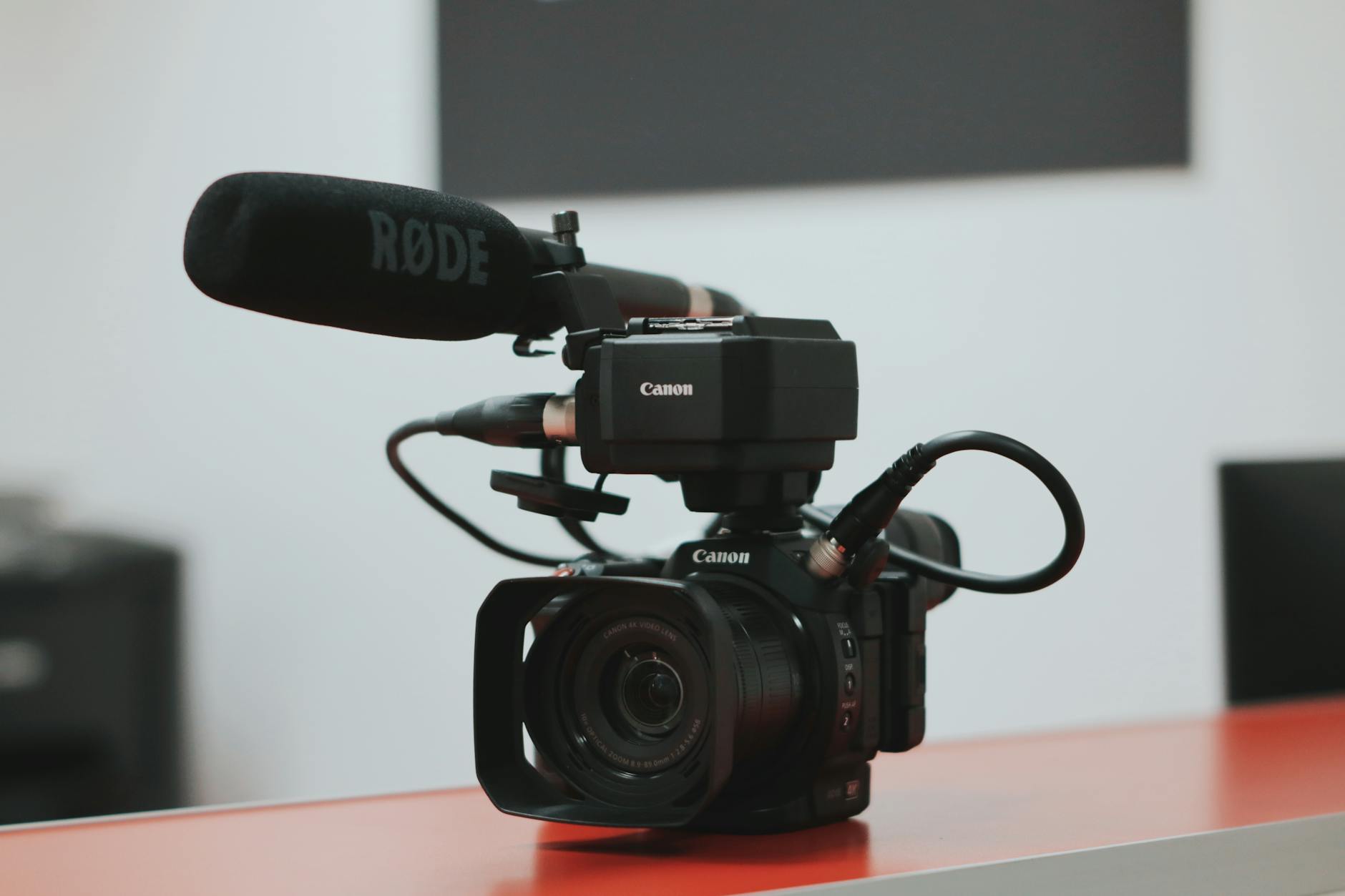
Selecting Skills and Qualities in a Photographer
Choosing the right photographer is essential for capturing the true essence of a property. An experienced real estate photographer possesses a nuanced understanding of lighting, composition, and staging, ensuring each shot highlights the property’s strengths. They should be skilled in utilizing both natural and artificial light to create a welcoming atmosphere, avoiding shadows or overexposure that can distort the perception of space. Attention to detail is critical—professionals should be adept at minimizing visual distractions and ensuring the property appears clean, inviting, and accurately represented.
Beyond technical expertise, a reliable photographer demonstrates a keen eye for angles that enhance room dimensions and architectural features. They should also be familiar with the latest photography trends and equipment, such as wide-angle lenses and drone cameras, to provide comprehensive visuals. Effective communication skills are equally important, allowing the photographer to understand the agent’s vision and objectives fully. When selecting a professional, reviewing portfolios and seeking client testimonials can offer insights into their consistency, creativity, and adherence to deadlines.
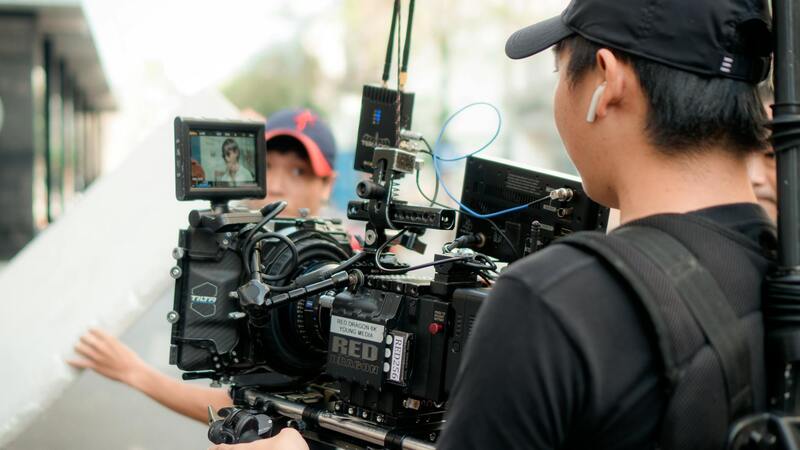
Tips for Professional Residential and Commercial Agent Photos
- Schedule shoots during daylight hours to utilize natural light effectively.
- Declutter and stage interiors to accentuate the property's best features.
- Use wide-angle lenses to capture entire rooms and create a sense of space.
- Incorporate drone photography for showcasing large estates or commercial properties from above.
- Ensure all photos are sharp, properly exposed, and accurately color-balanced.
- Highlight unique architectural details or upgrades that differentiate the property.
- Capture exterior shots during optimal lighting conditions to emphasize curb appeal.
- Capture multiple angles of key areas, including kitchens, bathrooms, and living spaces.
- Adopt consistent framing and style to create a cohesive visual story across listings.
- Work with the photographer to plan the shoot and discuss specific features to focus on.
Best Practices for Styling and Preparing to Shoot
Preparation is crucial for maximizing the quality of real estate photos. Begin with thorough cleaning and decluttering of all spaces to ensure surfaces and floors look pristine. Staging rooms with neutral decor and removing personal items help create an inviting atmosphere and allow potential buyers to envision their own lives in the space. Lighting should be optimized—turn on all interior lights, open blinds, and remove heavy curtains that block outside light.
Minor repairs, such as fixing leaks, replacing burnt-out bulbs, and tidying up outdoor areas, can dramatically enhance photo quality. Position furniture to highlight room dimensions and avoid cluttered corners or distracting items. It’s also important to schedule the shoot at a time when natural lighting is at its peak, typically mid-morning or late afternoon. Finally, communicate specific goals to the photographer, such as emphasizing special features or capturing particular angles, to ensure alignment with marketing strategies.
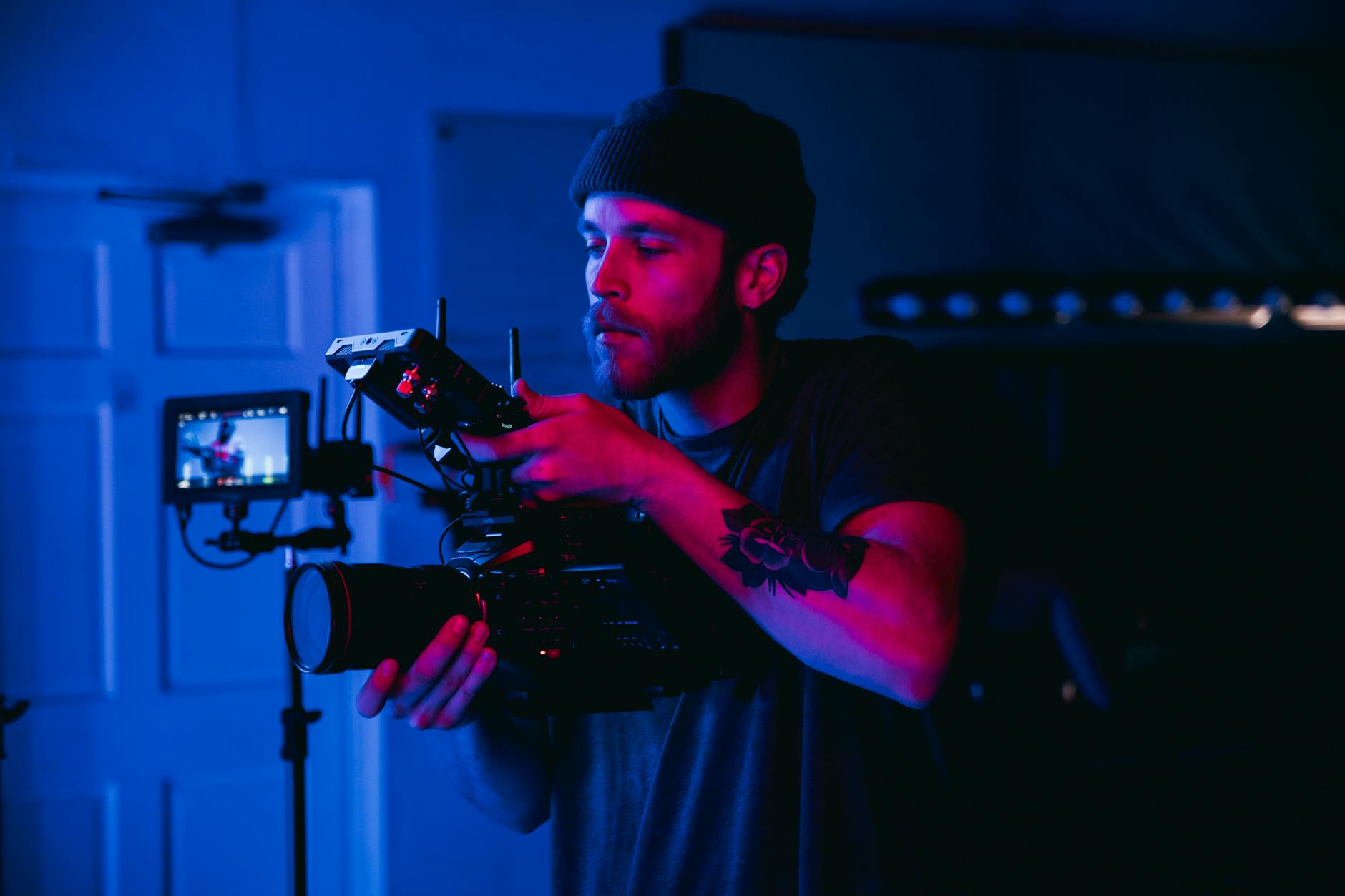
Details Key Photographer Skills, Experience, and Qualities That Ensure the Creation of Effective Real Estate Agent Pictures
To achieve compelling and persuasive real estate photography, it is essential to work with a photographer possessing a robust set of skills and qualities. These attributes ensure that each property is highlighted in its best light, drawing potential buyers and elevating the listing’s marketability.
First and foremost, technical expertise is crucial. A skilled real estate photographer has a deep understanding of camera settings, lens selection, and lighting techniques. This knowledge enables them to capture images that accurately represent the property’s space, dimension, and ambiance. They excel at working with both natural and artificial lighting, ensuring images are well-lit, color-balanced, and free of shadows or overexposure.
Experience is another vital factor. Photographers with extensive experience in real estate understand how to stage a property visually through their lens. They recognize which angles best showcase room proportions, architectural features, and outdoor spaces. Their familiarity with various property types—residential, commercial, or luxury—allows them to adapt their approach accordingly.
Professional qualities include attention to detail and an artistic eye. A detail-oriented photographer meticulously captures every aspect of a property, from the subtle textures in interior decor to the landscape details in outdoor shots. Their artistic sense helps in framing shots creatively to enhance the visual appeal and mood of each image.
Additionally, good communication skills are essential. Photographers need to collaborate effectively with real estate agents to understand marketing goals and highlight specific features. Flexibility and punctuality contribute to smooth scheduling and efficient shoots, minimizing disruptions to the property owner or tenants.
Lastly, technical adaptability—such as proficiency with advanced editing software— allows for post-processing that enhances image clarity and color accuracy while maintaining a natural look. Photographers who stay updated with emerging trends and equipment adoption are better equipped to deliver superior results consistently.
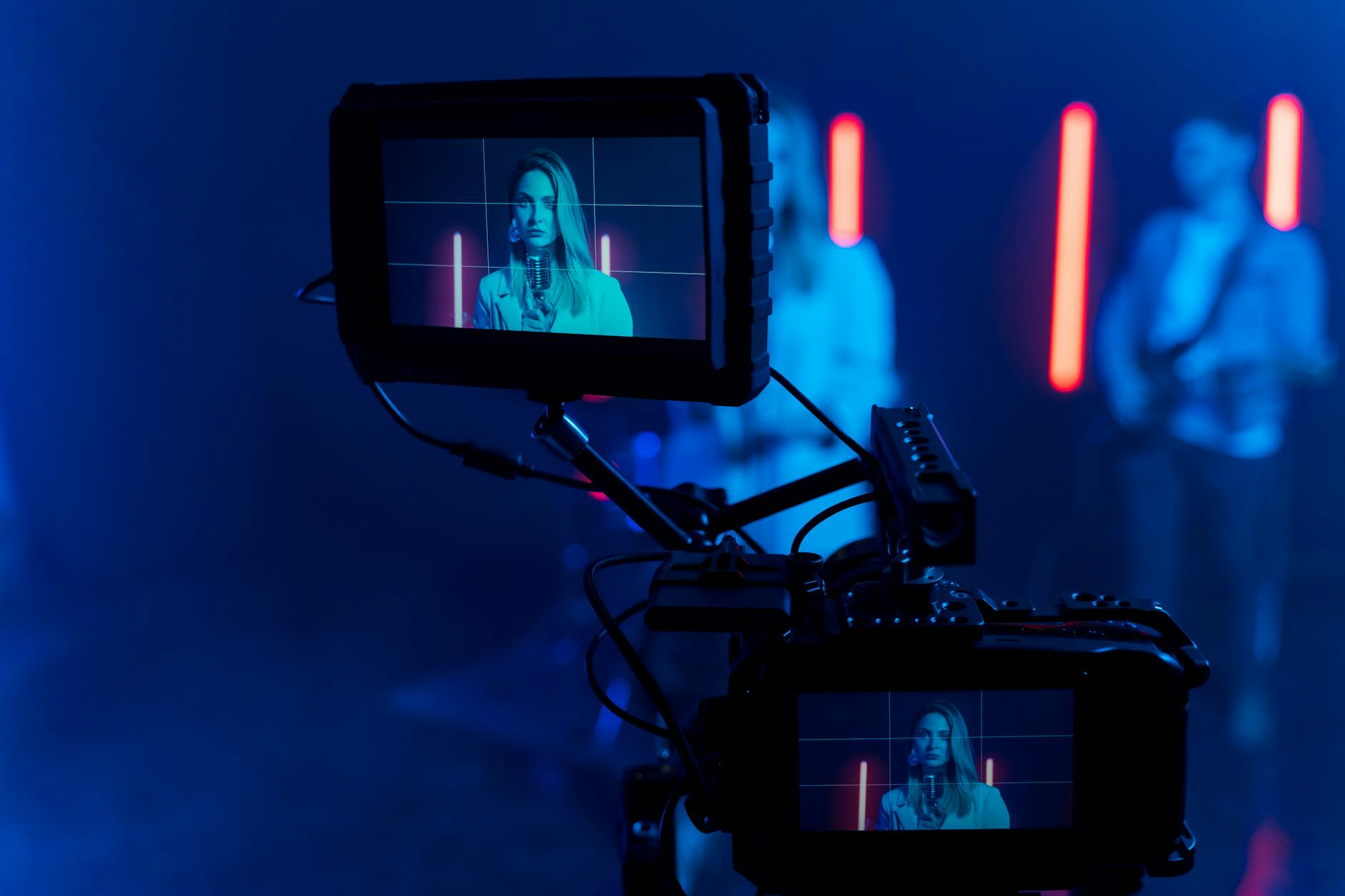
Best Practices for Styling and Preparing to Shoot
Preparing a property thoroughly prior to a professional photo shoot is crucial to ensure that each image accurately and attractively represents the space. Clear, strategic styling can significantly impact the overall visual appeal, making properties more inviting and memorable to potential clients.
Start by decluttering every area. Remove personal items, excess furniture, and any items that do not serve a purpose in showcasing the space’s strengths. A tidy environment helps viewers focus on the layout and features rather than distractions. Ensuring that surfaces are clean and free of fingerprints, dust, and stains enhances the impression of the property’s maintenance.
Lighting is another key consideration. Maximize natural light by opening curtains and blinds, especially during daylight hours. Supplement with appropriate artificial lighting to eliminate shadows and dark corners, creating a bright, welcoming atmosphere. For outdoor shots, aim for overcast days or shoot during the golden hour for softer, more flattering light.
Careful staging plays an essential role in making spaces appear larger and more appealing. This might include adding tasteful decorative elements like fresh flowers, plush pillows, and subtle artwork. In kitchens and bathrooms, ensure fixtures and surfaces are spotless and well-maintained. The goal is to evoke a sense of comfort and potential, prompting viewers to imagine themselves living or working there.
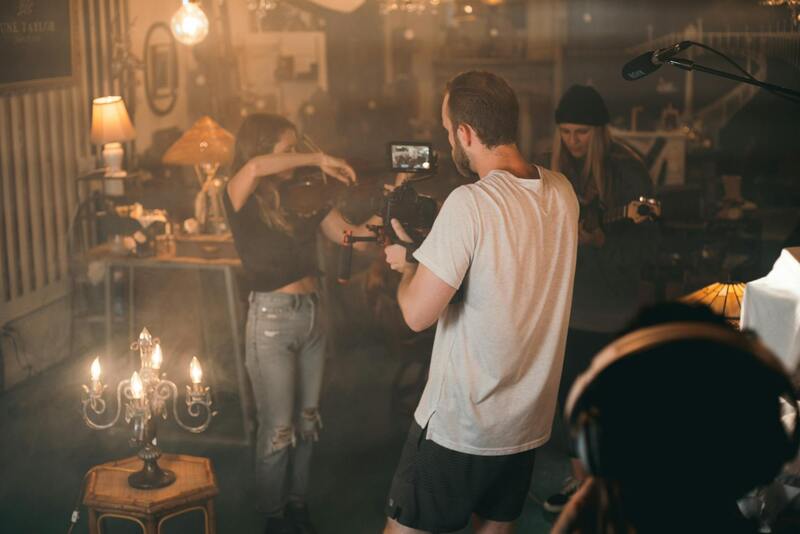
Coordinate with the photographer beforehand to plan shot lists and angles that best showcase each property’s unique characteristics. If possible, conduct a walkthrough to identify ideal vantage points and assess lighting conditions. This proactive approach minimizes surprises on the day of the shoot, ensuring a smooth process and high-quality results.
In essence, a combination of decluttering, optimal lighting, effective staging, and strategic planning forms the foundation for capturing professional real estate images that command attention and foster engagement.
Technical Aspects of Real Estate Agent Photography
Mastering the technical aspects of real estate photography is fundamental to producing images that truly showcase a property’s value. This includes understanding the importance of proper camera settings, lens selection, and post-processing techniques that enhance the visual appeal without misrepresenting the property.
Professional real estate photography begins with the right equipment. A high-resolution camera capable of wide-angle shots ensures expansive views of interior spaces, making rooms appear larger and more inviting. A tilt-shift lens or a dedicated wide-angle lens helps to correct distortions that can occur when capturing tight interior corners or exterior facades. Additionally, utilizing a tripod stabilizes the camera, allowing for sharp images and consistent framing, especially in low-light conditions.
Exposure settings are crucial for balancing light and shadow. Shooting in RAW format provides greater flexibility during post-processing, enabling nuanced adjustments to brightness, contrast, and color balance. Properly calibrated white balance settings ensure that colors appear natural and true to life, which is essential for attracting serious buyers or tenants.

Post-processing plays a vital role in refining images for maximum impact. This process includes correcting lens distortions, straightening lines, and enhancing lighting to emphasize the property’s best features. It’s important, however, to avoid over-editing, which can create false impressions and undermine viewer trust. Consistent editing styles help maintain a professional appearance across all listing photos, reinforcing a strong and credible brand identity for real estate agents.
Understanding the technical foundations of real estate photography ensures that each image not only looks stunning but also accurately reflects the property. This approach helps attract more potential clients by providing a detailed and truthful portrayal of the space, which is essential for effective marketing in today’s competitive real estate market.
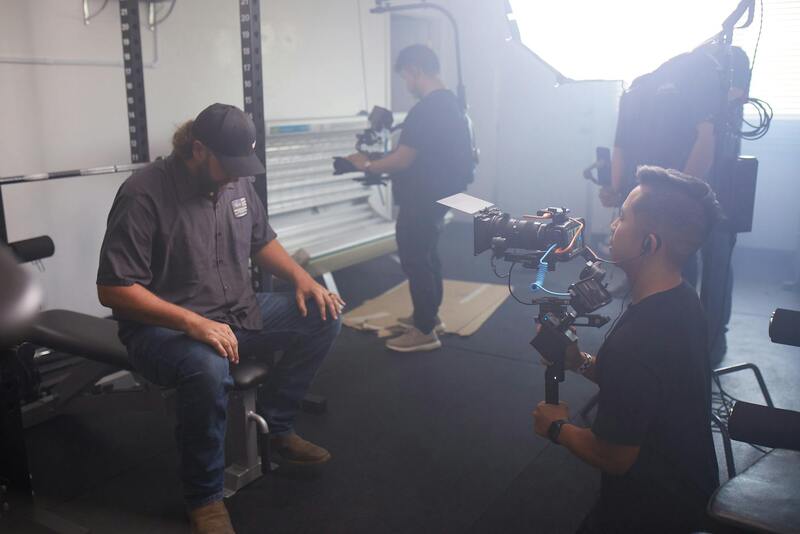
Technical Aspects of Real Estate Agent Photography
Achieving professional real estate agent pictures begins with a comprehensive understanding of technical photography fundamentals. Lighting plays a pivotal role; natural light is preferred, but supplementing with controlled artificial lighting can eliminate shadows and highlight interior details effectively. Properly balanced exposure settings help to create images that faithfully represent the property's true colors and ambiance, which is critical for attracting serious buyers.
Camera angles should be thoughtfully chosen to emphasize the property's best features without creating distortions or misleading perspectives. Wide-angle lenses are often used to capture more of each room, but care must be taken to avoid distortion that can make spaces appear larger or more awkward than they are. Maintaining consistent height and level within shots ensures uniformity across all images, reinforcing professionalism and helping viewers navigate the property seamlessly.
Post-processing enhances image quality through techniques that correct lens distortion, straighten skewed lines, and adjust lighting and color balance to produce polished, appealing images. Adjustments should be subtle enough to preserve the authenticity of the property, avoiding overly retouched visuals that could mislead potential clients. Consistently applied editing styles across all photographs reinforce a professional brand and facilitate better visual storytelling.
Incorporating high-resolution images ensures clarity and detail, allowing viewers to see every feature vividly. Shooting in RAW format provides maximum flexibility for detailed adjustments during editing, resulting in images that are both attractive and true to life. The combination of precise technical execution and meticulous post-processing creates compelling visuals that effectively captivate prospective buyers and tenants.
Integrating Photos into Marketing and Online Platforms
Effective use of high-quality images across a variety of marketing channels significantly enhances a listing’s visibility and appeal. Prominently featured images on websites, social media, and listing portals draw attention and generate interest. Optimizing photo file sizes and formats ensures quick loading times without sacrificing image quality, which is essential for maintaining viewer engagement in digital environments.
Structured and consistent photo galleries help create a cohesive and professional online presence. Including a diverse range of images—exteriors, interiors, and specialty shots—offers a comprehensive view of the property, catering to the varied interests of potential clients. Detailed captions and strategic placement of key visuals serve to highlight distinctive features and reinforce the property’s unique selling propositions.
Investing in professional photography is a strategic move that leads to increased online engagement, faster sales, and higher listing values. Skilled real estate agents collaborate closely with photographers and marketing teams to ensure the visual content aligns with overall branding efforts. This harmonized approach maximizes the real estate property’s marketability and appeals to discerning clients seeking transparency and quality in their property representations.
Technical Aspects of Real Estate Agent Photography
Mastering the technical components of real estate agent photography is essential for producing images that accurately represent properties and convey professionalism. A clear understanding of camera settings, lighting techniques, and post-processing methods ensures each shot highlights the property’s strengths and creates a compelling visual story.
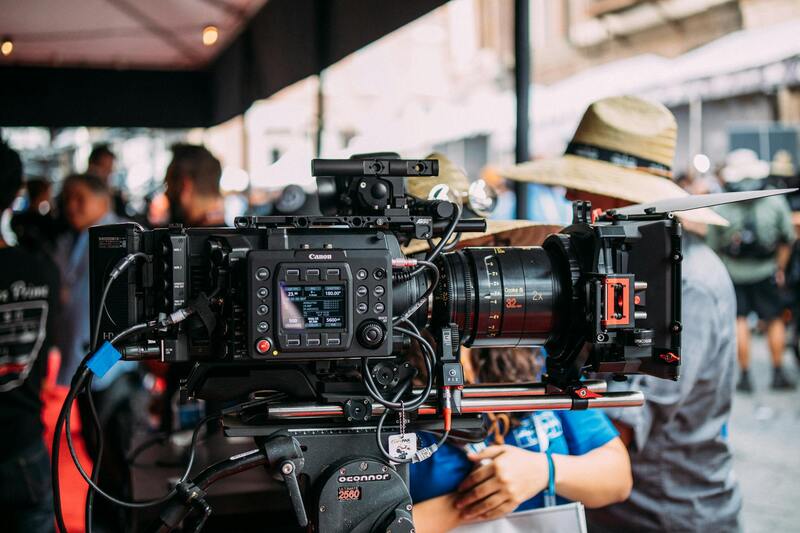
Modern real estate photography typically benefits from using high-resolution DSLR or mirrorless cameras equipped with wide-angle lenses. These tools allow capture of expansive interior spaces while maintaining image clarity. Adjusting aperture settings optimizes depth of field, ensuring both foreground and background elements remain sharp. Proper shutter speed and ISO settings are crucial for capturing well-exposed images in various lighting conditions, especially in spaces with limited natural light.
Lighting is a cornerstone of high-quality real estate photography. Professional agents often prefer to shoot during times when natural light is abundant, such as late morning or early afternoon, to enhance the brightness and warmth of space. When natural light is insufficient, supplementing with diffused artificial lighting prevents harsh shadows and uneven illumination.
Post-processing involves editing images to correct color balance, straighten horizons, and enhance details without overdoing it. Consistent editing styles across a portfolio contribute to a cohesive visual identity, reinforcing the agent's brand image. Skilled editors ensure that images look vibrant and true to life, helping potential clients envision themselves in the space.
File management is often overlooked but critically important. Organizing images with clear, descriptive filenames facilitates efficient workflows and easy uploading to listing platforms. Using appropriate file formats—such as JPEG for web use—ensures optimal balance between image quality and file size, maintaining quick load times for digital listings.
When deliberating on equipment and editing techniques, real estate agents should choose options that support their specific property types and marketing goals. Whether capturing expansive outdoor environments or intricate interior details, having the right technical foundation guarantees that every photograph serves as a powerful marketing tool.
Key Elements for Capturing Professional Real Estate Agent Pictures
Creating high-quality images of real estate agents themselves plays a pivotal role in establishing trust and professionalism within the property marketing realm. These photographs are often the first visual interaction prospective clients have with an agent, making it essential that they portray confidence, approachability, and competence. To achieve this, selecting the right photographer is paramount, ensuring that every shot aligns with the agent’s personal brand and the expectations of the target market.
Defining the Ideal Photographer for Real Estate Agent Portraits
When opting for a professional to photograph real estate agents, it’s crucial to prioritize experience in commercial and portrait photography. The ideal photographer understands how to work with various lighting conditions, backgrounds, and presentation styles that best highlight the agent’s attributes. They should demonstrate a keen eye for composition, ensuring that the portrait communicates professionalism while also capturing personality and approachability.
Additionally, a skilled photographer must be proficient in post-production editing to enhance the clarity, color balance, and overall aesthetic of the images without compromising authenticity. Consistent delivery of high-quality work that aligns with current visual trends fosters trust and credibility in the agent's personal branding efforts.
Qualities to Look for in a Photographer
- Extensive portfolio of corporate and portrait photography
- Understanding of branding and marketing aesthetics
- Ability to capture natural expressions and confident poses
- Efficient workflow for quick turnaround times
- Good communication skills to guide subjects during shoots
Tips for Achieving Striking and Authentic Agent Photos
- Preparation of Wardrobe and Grooming: Choose professional attire that aligns with the agent’s personal brand—neutral colors and simple patterns work best. Make sure grooming is impeccable to avoid distractions from the main focus: the face and expression.
- Setting and Background: Opt for neutral, uncluttered backgrounds that do not detract from the subject. A plain wall or subtle office setting often works well, but custom backdrops that reflect the agent’s expertise can add a personalized touch.
- Posing and Expression: Encourage natural, confident postures with genuine expressions. The aim is to showcase approachability and professionalism simultaneously. Coaching agents on how to relax can make a significant difference in the final image.
- Lighting Techniques: Use soft, diffused lighting to minimize shadows and highlight facial features. Proper lighting setup ensures that images look sharp and flattering across various platforms.
- Consistency in Style: Maintain a cohesive visual style across various agent portraits to reinforce branding efforts. This includes similar backgrounds, color grading, and lighting styles.
Preparation Steps to Maximize Shooting Sessions
Prior to the shoot, provide the agent with detailed guidance on wardrobe choices, grooming, and desired expressions. Conduct a brief consultation to understand their brand identity and specific preferences. During the photoshoot, create a relaxed environment to help subjects feel comfortable and natural. Multiple shots from different angles increase the likelihood of capturing the perfect image, providing a variety of options for use across promotional channels.
Technical Foundations for Perfect Agent Photography
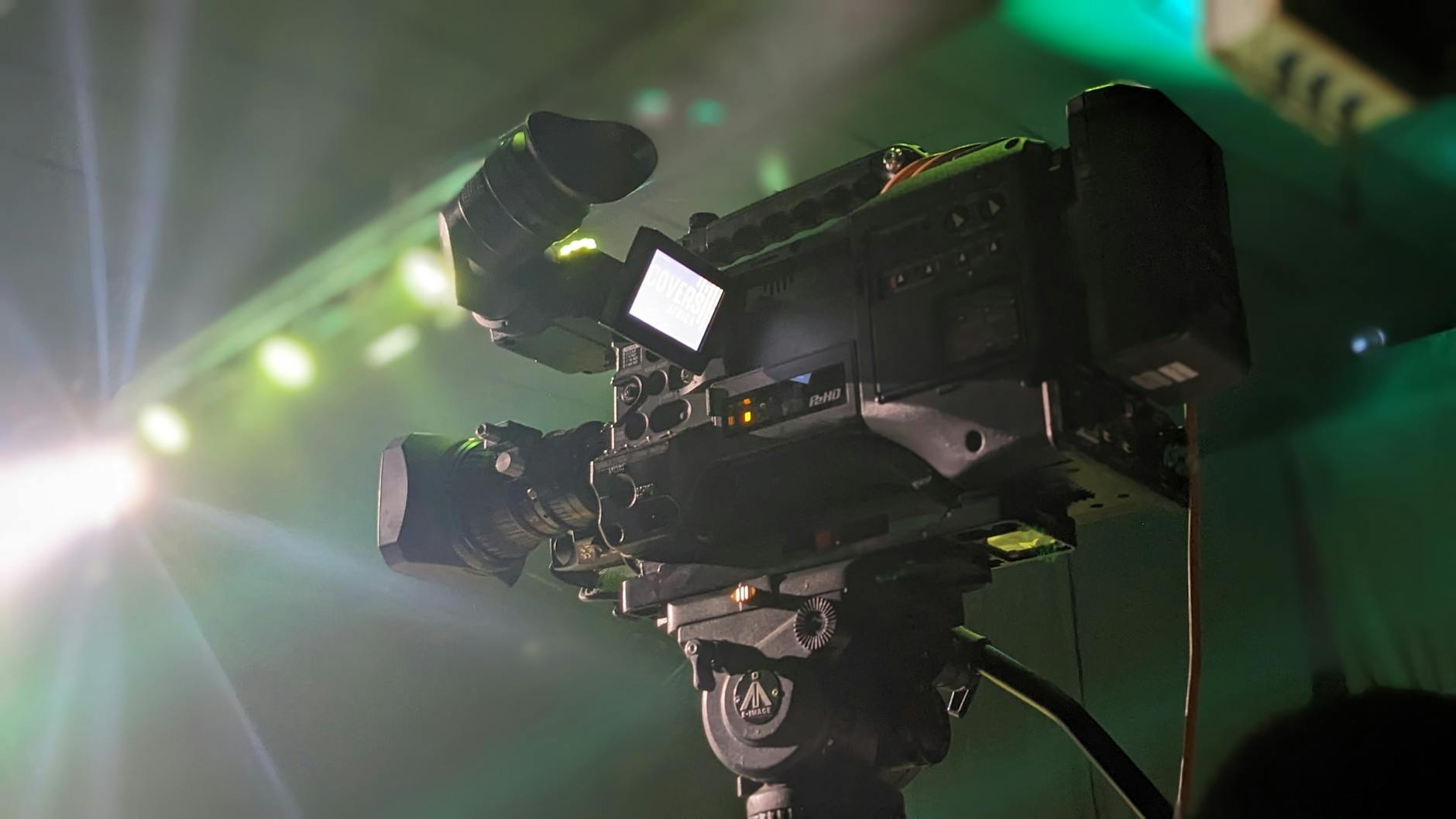
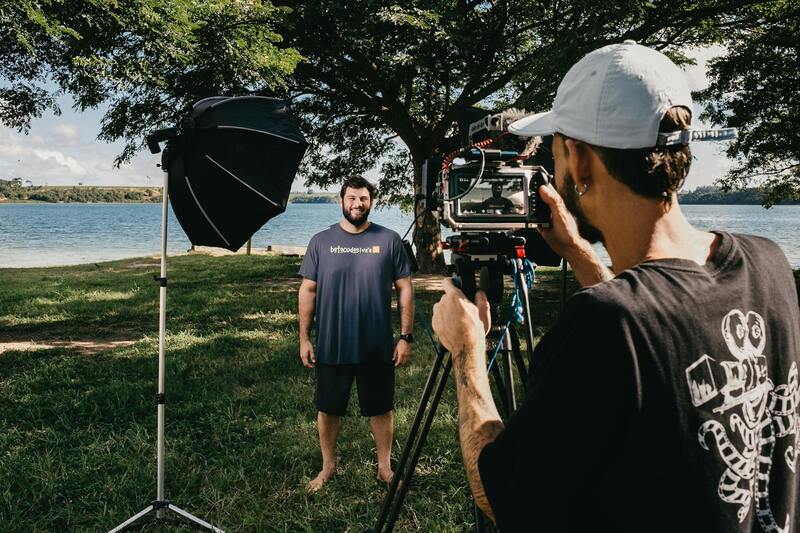
Utilizing the appropriate camera gear, including high-resolution DSLR or mirrorless cameras, is fundamental for sharp and detailed images. Aperture settings should be chosen to create a pleasing background blur, drawing focus directly to the agent. Consider focal length to avoid distortion, especially in close-up or portrait shots.
Proper lighting setup is essential: a combination of key lights, fill lights, and reflectors can produce well-balanced, professional results. Consistency in color temperature helps maintain a cohesive look that aligns with branding guidelines.
Post-processing should enhance the image without overediting. Basic adjustments such as brightness, contrast, and skin tone correction refine the final appearance, ensuring consistency across marketing materials. Maintaining an organized workflow with proper file management allows for easy revisions and timely delivery.
Seamless Integration into Marketing Strategies
Once produced, these professional images should be strategically incorporated into online profiles, listings, and marketing collateral. High-resolution portraits lend credibility to personal websites and social media platforms, fostering increased engagement with potential clients. Consistent use of high-quality agent images across digital and print advertisements strengthens brand recognition and presents a unified professional front.
Legal and Ethical Considerations
In the realm of professional real estate agent photography, adherence to legal and ethical standards is paramount to maintain credibility and trustworthiness. Photographers and agents should ensure that all images used in marketing campaigns accurately and honestly represent the property and the individual. This involves obtaining consent from individuals appearing in photographs, especially in personalized shots that feature the agent prominently. Proper authorization helps in avoiding potential disputes and upholds transparency with clients.
Photographers must also respect intellectual property rights when selecting backgrounds, props, or elements incorporated into the images. Using licensed or original content prevents infringement issues that could tarnish an agent's reputation. It is advisable to establish clear agreements outlining image rights and usage terms before the photo shoot, ensuring mutual understanding between all parties involved.
Moreover, ethical considerations extend to the portrayal of the property. It is essential that photos do not deceive or mislead potential clients regarding the condition, size, or features of the property. Fair and honest representation builds trust and fosters long-term relationships with clients and prospects.
Finally, maintaining confidentiality, especially when photographing private or sensitive spaces, demonstrates professionalism and respect for clients’ privacy. Sensitive information or personal belongings should be appropriately managed or excluded from professional images.