
Importance of Professional Real Estate Photography
In the competitive landscape of real estate, high-quality imagery plays a crucial role in shaping potential buyers' perceptions of a property. The first visual impression often determines whether a viewer will explore further or move on to other listings. Professional real estate photography captures the property's best features, showcases space and light effectively, and provides a polished, appealing presentation. This not only enhances the property's allure but also accelerates the sales process by attracting serious buyers who are impressed by the visual quality of the listing.
When prospective buyers browse online listings, they tend to make snap judgments based on the images they see. Listings with professionally captured photos tend to generate more interest, leading to higher engagement and more inquiries. Such images underscore the property's value and appeal, reinforcing the idea that it has been well-maintained and thoughtfully presented. This increased interest often translates into quicker showings and a faster closing process, as the initial visual impact has already built trust and excitement around the property.

Moreover, professional photography minimizes common visual errors such as poor lighting, distorted perspectives, and cluttered scenes. This meticulous attention to detail ensures that each image accurately reflects the property's true potential and creates a compelling narrative that resonates with prospective buyers. In essence, investing in professional real estate photography is a strategic move that significantly increases the likelihood of attracting qualified buyers and expediting the sale process.
Key Elements of Effective Real Estate Photos
- Lighting: Natural light should be maximized, and supplemental lighting used to eliminate shadows and enhance brightness.
- Composition: Framing should highlight the property's best features while maintaining a sense of space and flow.
- Perspective: Wide-angle shots are often used to showcase room sizes, but should be balanced to avoid distortion.
- Decluttering: Removing personal items and unnecessary furniture helps prospective buyers visualize themselves in the space.
- Detail Shots: Close-ups of unique features and finishes add depth and interest to the listing portfolio.
Choosing the Right Equipment and Techniques
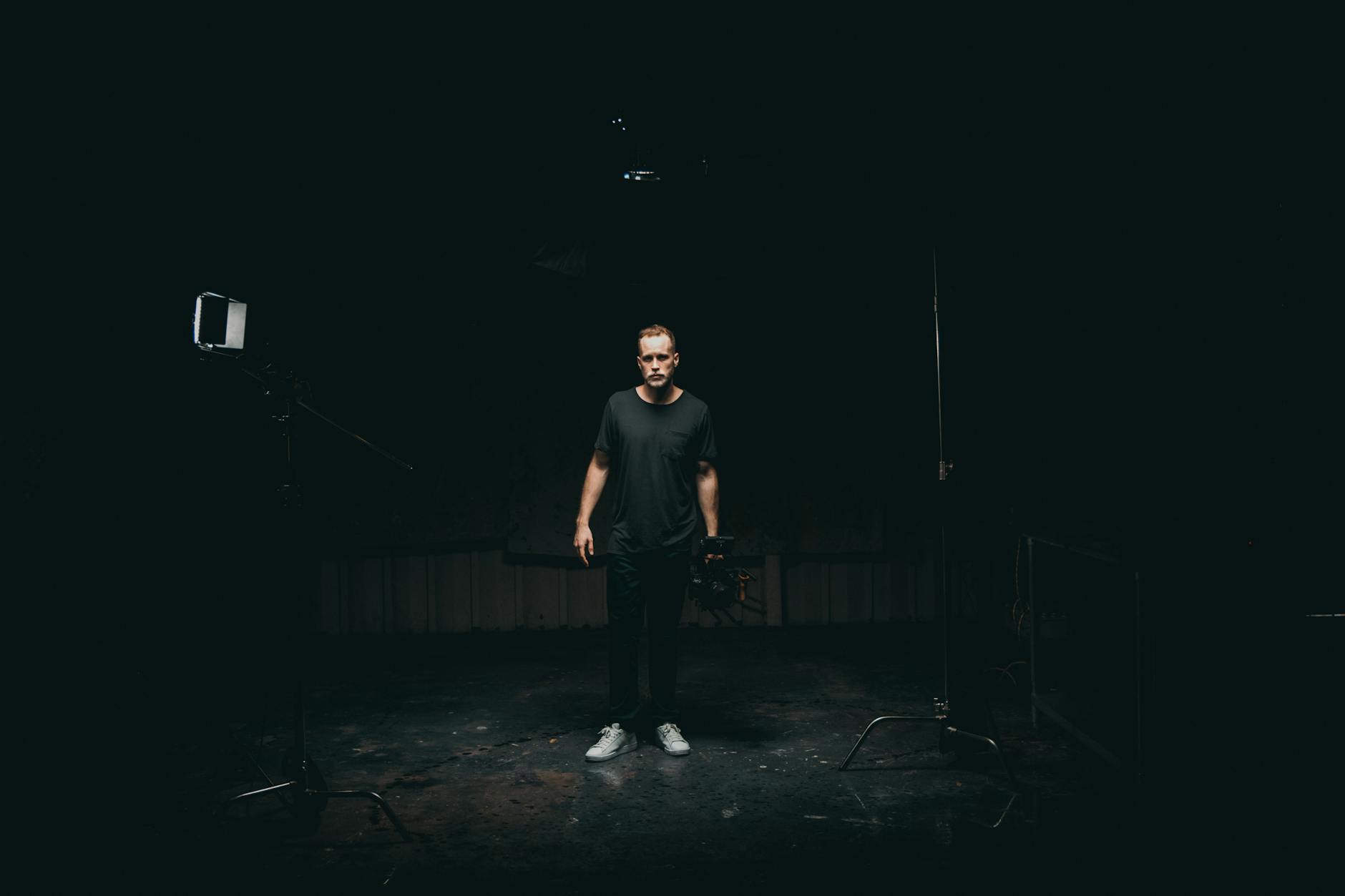
Capturing professional-grade images requires specialized equipment beyond standard cameras. High-resolution digital cameras with wide-angle lenses enable photographers to capture expansive views of rooms while maintaining clarity. Tripods are essential for stabilizing shots, especially in low-light conditions, to prevent blurring. Additionally, professional photographers may utilize drone photography for aerial views and virtual tour technology to enhance online listings.
Techniques such as HDR (High Dynamic Range) imaging allow for balanced exposure in scenes with mixed lighting conditions. Bracketing different exposures ensures that both shadowed areas and highlights are well-rendered, resulting in images that accurately depict the property's visual range. Skilled post-processing further enhances these images, correcting minor flaws and adding finishing touches that make listings stand out.
Benefits of Professional Real Estate Photographers
Employing experts in real estate photography guarantees a consistent, high-quality visual presentation that aligns with current market trends. Professionals understand how to stage spaces optimally, select the best angles, and utilize lighting to emphasize a property's strengths. Their experience results in images that are not only aesthetically pleasing but also strategically optimized for digital platforms, social media, and print advertising.
Furthermore, professional photographers are familiar with various editing and post-processing techniques that elevate raw images into compelling marketing tools. This includes adjustments to color balance, brightness, contrast, and minor retouching to ensure each shot appears crisp and inviting. Engaging images always translate into increased visibility and higher conversion rates, making professional photography a valuable investment for any property owner or agent.
Key Elements of Effective Real Estate Photos
Achieving compelling real estate images requires attention to several crucial components that maximize the property's visual appeal. Proper lighting is fundamental, as it enhances the natural features of the space and highlights architectural details. Photographers often utilize both natural light and supplemental lighting equipment to ensure rooms are bright and welcoming, preventing shadows and dark corners that can detract from the overall presentation.
Composition stands as another vital element. Effective framing and positioning guide the viewer’s eye toward the property's most attractive features. The rule of thirds, leading lines, and symmetry are compositional techniques frequently employed to create balanced images that draw attention and evoke a sense of harmony within the space.
Angles play a strategic role in rendering spaces look their best. Wide-angle lenses are typically utilized to capture a broader perspective, making rooms appear more spacious. Skilled photographers choose angles that showcase a property's flow and layout, avoiding distortions that could mislead potential buyers. Additionally, shooting from eye level tends to produce natural and realistic views, fostering trust and interest.
Staging is equally important, as arranging furniture and decor thoughtfully can accentuate a property's strengths and minimize its flaws. Clear, clutter-free spaces with well-placed accessories create a clean and inviting environment that resonates with viewers. When combined with effective lighting and thoughtful angles, staging amplifies the visual impact of real estate images, making them more engaging and persuasive.
Choosing the Right Equipment and Techniques
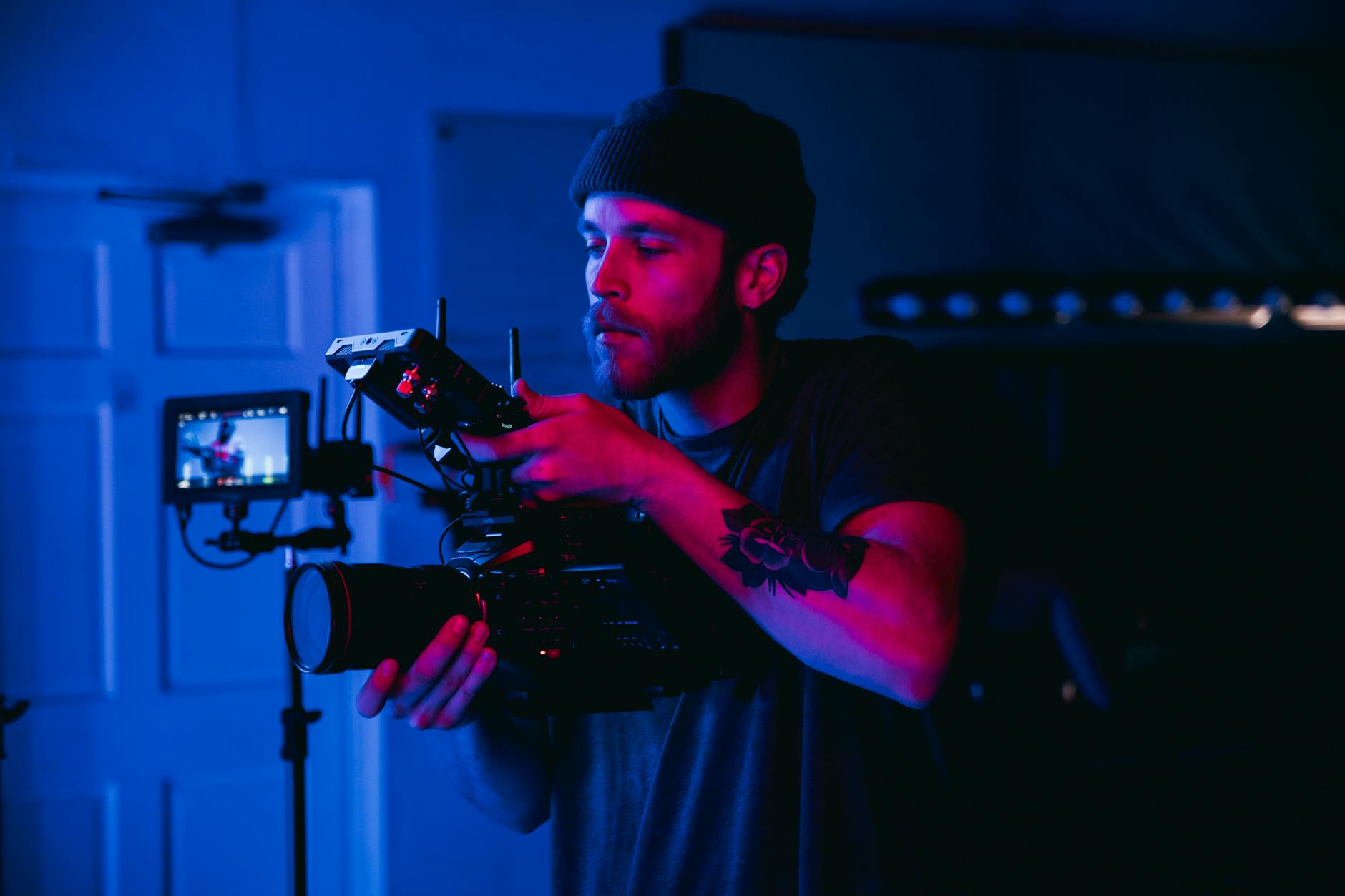
Utilizing the appropriate equipment is essential for capturing professional-grade real estate photos. High-quality DSLR or mirrorless cameras with wide-angle lenses allow photographers to document spaces accurately and artistically. Tripods provide stability, reducing motion blur, especially in interior shots with low lighting conditions.
Advanced techniques such as HDR imaging help balance exposure across scenes with diverse lighting conditions, preventing overexposed highlights or underexposed shadows. Bracketing multiple exposures and merging them during post-processing ensures a balanced, detailed image that reflects the true ambiance of the property.
Drone photography is increasingly incorporated to capture striking aerial views, revealing surrounding landscapes, property boundaries, and unique architectural features. Virtual tour technology, often integrated with high-resolution images, enables potential buyers to navigate through the property remotely, providing an immersive experience that enhances online listings.
Benefits of Employing Professional Real Estate Photographers
Partnering with experienced photographers ensures consistent, high-quality images that adhere to the latest industry standards. Professionals possess the knowledge to optimize each shot through precise staging, angle selection, and lighting techniques, ensuring the property looks its absolute best. Their familiarity with various shooting and editing tools means that raw images are transformed into compelling marketing assets.
Effective post-processing is an integral part of professional photography. Adjustments to color, contrast, and brightness refine the visual presentation without misrepresenting the property. Minor retouching, such as removing distractions or imperfections, ensures the images appear crisp, inviting, and accurate representations of the space.
This level of quality significantly increases the property's visibility across digital platforms, social media, and print campaigns. Attractive images draw more attention, generate increased engagement, and translate into higher interest levels among prospective buyers or tenants, making professional photography a strategic investment.
Choosing the Right Equipment and Techniques
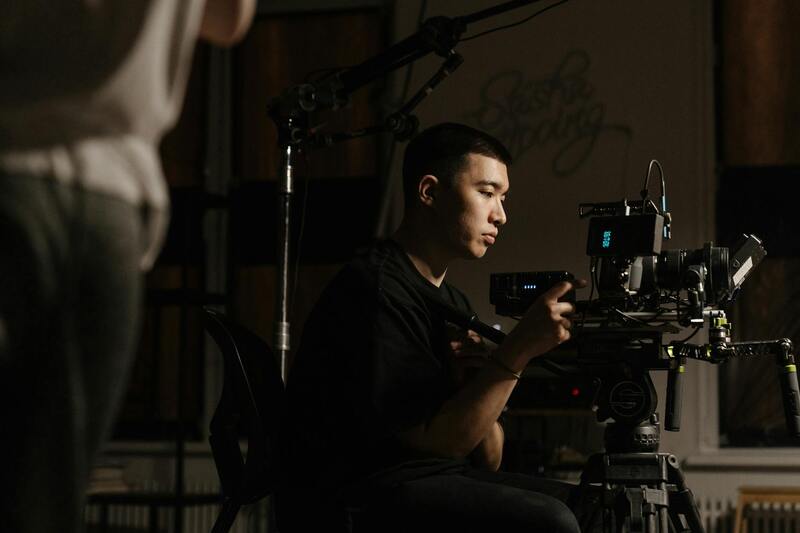
High-quality real estate imagery begins with selecting the appropriate equipment and applying effective techniques that highlight the property’s strengths. Professional real estate photographers invest in advanced camera gear, such as full-frame DSLR or mirrorless cameras, which excel in capturing detailed, vibrant images with excellent depth of field. These cameras provide the resolution necessary to produce crisp images that retain clarity even when enlarged for print or digital platforms.
Specialized lenses are equally vital. Wide-angle lenses, typically between 14mm and 24mm, allow photographers to capture expansive interior spaces, making rooms appear more spacious and inviting. These lenses minimize distortion while emphasizing the spatial flow and layout of each room.

Beyond ground-level photography, drone technology plays a key role in capturing captivating aerial views that provide prospective buyers with a comprehensive perspective of the property’s surroundings. Aerial shots can highlight the property’s position within the neighborhood, nearby amenities, and landscape features, adding depth to the overall marketing presentation.
Techniques such as proper staging and lighting optimization are employed to ensure each shot highlights the property's best features. Natural light is harnessed by scheduling shoots during optimal times of day, typically early morning or late afternoon, when shadows are softer and lighting is more flattering. Supplementing natural light with professional lighting equipment, including softboxes and reflectors, helps eliminate shadows and evenly illuminate interior spaces.
Photographers may also use HDR (High Dynamic Range) imaging to balance exposures across different lighting conditions, ensuring interior and exterior elements retain detail. Correct camera settings, including aperture, ISO, and shutter speed, are meticulously chosen to maximize sharpness and clarity. Techniques like bracketing and compositional guidelines, such as the rule of thirds, further elevate the quality of images.
Attention to detail in both equipment choices and shooting methods results in images that authentically represent the property while captivating viewers. This combination ensures that the visual marketing assets are not only aesthetically pleasing but also serve as accurate reflections, building trust with potential clients.
Choosing the Right Equipment and Techniques
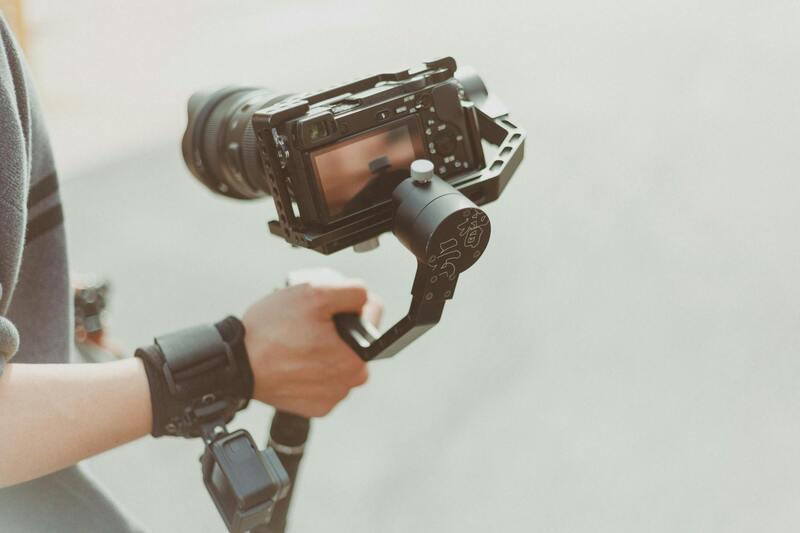
To capture compelling real estate images, selecting appropriate equipment and employing proven techniques are vital. A high-resolution digital camera with a wide-angle lens (typically between 14-24mm) enables the photographer to encompass more of the space within a single shot, thereby making rooms appear larger and more inviting. A sturdy tripod minimizes camera shake, ensuring sharp images, especially in low-light conditions where longer exposures are necessary.
Lighting plays a crucial role in the quality of real estate photography. Natural light is maximized by scheduling shoots during peak daylight hours, but supplementary artificial lighting provides consistency and enhances specific features. Professional photographers often use softbox lights, reflectors, and diffusers to craft an even glow that accentuates architectural details and interior finishes without creating harsh shadows or hotspots. These tools help achieve a balanced, welcoming ambiance in every image.
HDR imaging techniques are frequently employed to produce images with an extensive dynamic range, which allows interior and exterior elements to be captured with rich detail and vibrant color. This process involves capturing multiple shots at different exposure levels and blending them seamlessly in post-processing, resulting in images that accurately reflect the property's true appearance regardless of lighting conditions.
Correct camera settings are meticulously selected to optimize image clarity. Aperture settings are adjusted to ensure sufficient depth of field, while ISO levels are kept low to avoid noise. Shutter speeds are calibrated based on the scene’s brightness to achieve properly exposed images. Framing guidelines like the rule of thirds are integrated into composition to create visually appealing photographs that guide the viewer’s eye effectively.

Through careful selection of equipment and diligent application of advanced photographic techniques, images not only faithfully depict the property but also evoke an emotional response from prospective buyers, ultimately boosting interest and inquiries. Every detail, from lens choice to lighting adjustments, contributes to a portfolio of images that serve as powerful marketing tools in the competitive real estate industry.
Benefits of Professional Real Estate Photographers
Enlisting the expertise of professional real estate photographers elevates the quality and impact of property images, translating directly into increased interest and faster sales. These experts possess an in-depth understanding of how to utilize advanced equipment and techniques to showcase properties in their best light. They are adept at adjusting camera settings, such as aperture, shutter speed, and ISO, to produce crisp, vibrant images that accurately represent the property's features. One of the paramount advantages is their proficiency in capturing compelling visual narratives through strategic composition. Utilizing principles like the rule of thirds, leading lines, and symmetry, they create balanced and engaging photographs that draw viewers into the property. Skilled professionals also employ high dynamic range (HDR) imaging, which allows for capturing details in both bright and shadowed areas simultaneously, resulting in images with rich tonal contrast. This technique ensures that interior spaces appear inviting without losing exterior details, effectively presenting the property regardless of lighting conditions. Moreover, experienced real estate photographers understand the importance of lighting in photography. They often work during the optimal time of day or utilize supplementary lighting to illuminate spaces evenly, avoiding harsh shadows or overexposure. This meticulous attention to lighting enhances the warmth and appeal of the images, making rooms appear larger and more welcoming. Additionally, they skillfully manage angles, ensuring that each shot highlights the property's best features while maintaining a consistent style throughout the portfolio. The post-processing phase is equally crucial, where professionals employ industry-standard editing tools to refine images without overstating reality. Adjustments such as color correction, straightening lines, and minor retouching enhance the overall presentation while preserving authenticity. These enhancements ensure that every image aligns with the brand's message and appeals to prospective buyers. Investing in professional real estate photography is a strategic decision that pays dividends by increasing online engagement, boosting listing attractiveness, and ultimately closing sales more efficiently. High-quality images generate more clicks and inquiries, as they effectively communicate the property's unique qualities and foster emotional connections with potential buyers. This level of visual sophistication sets listings apart in a competitive market, demonstrating a commitment to excellence and attention to detail.
Ensuring Authenticity and Consistency in Your Property Listings
One of the most critical aspects of professional real estate photography is maintaining consistency across all images. This consistency helps establish a cohesive visual narrative, making it easier for prospective buyers to navigate the property’s features and imagine themselves living there. Uniform lighting, color tones, and angles contribute to a polished and credible presentation that accurately reflects the property’s true appearance.
To achieve this, capturing images under similar lighting conditions or adjusting post-processing settings ensures that each shot aligns with the overall visual style. Consistent styling and framing also help in portraying the property as well-maintained and thoughtfully curated, which can significantly influence buyer perceptions. A uniform aesthetic enhances the professionalism of the listing and adds credibility, fostering trust and engagement.

Another crucial method involves employing a strategic approach to shot selection. Prioritizing the property's standout features, such as an inviting kitchen, spacious living areas, or a scenic outdoor space, draws attention to its key selling points. This focus allows potential buyers to quickly identify the property's unique qualities, reinforcing a positive first impression.
Utilizing High-Quality Equipment and Techniques
The use of high-resolution cameras equipped with wide-angle lenses plays an essential role in capturing expansive and detailed images that showcase the property’s scale and detail. Proper stabilization tools, such as tripods, help ensure sharp, distortion-free images, which are fundamental for portraying spaces accurately.
Advanced techniques like HDR (High Dynamic Range) imaging enable photographers to balance the lighting levels within a single shot, capturing both shadowed and brightly lit areas with clarity. This method prevents overexposure or underexposure, providing a realistic and vibrant view of each room.
Enhancing the Exposure and Color Accuracy
Proper exposure settings guarantee that images are neither too dark nor too bright, maintaining texture and depth. Calibration of color accuracy during shooting and editing ensures that the images represent the property’s actual appearance. Accurate color reproduction, including wall shades, flooring, and natural light, helps prevent misleading impressions that could lead to buyer disappointment.
Implementing Effective Composition and Angles
Careful planning of camera angles can accentuate the space and highlight its most appealing features. Utilizing vertical lines to avoid distortion and shooting at elevations that showcase the room’s dimensions contribute to an inviting and realistic portrayal.
Incorporating these official and proven methods guarantees that each image offers an authentic, attractive, and consistent depiction of the property, reinforcing the seller's credibility and encouraging buyer interest.
Utilizing Professional Real Estate Photos for Maximum Market Impact
High-quality real estate imagery serves as a cornerstone for effective marketing execution. When professional photographs accurately reflect a property's aesthetic and spatial qualities, they significantly improve the property's visibility across multiple channels. These images are often the first touchpoint for potential buyers, making their quality crucial for capturing interest and encouraging engagements.
Strategically integrating professional photos into online property listings ensures each listing stands out in a crowded market. Optimized images enhance search engine rankings, drawing more traffic to property websites and listing portals. The visual appeal of these images also boosts conversion rates, as viewers are more likely to inquire about a property they find visually compelling.
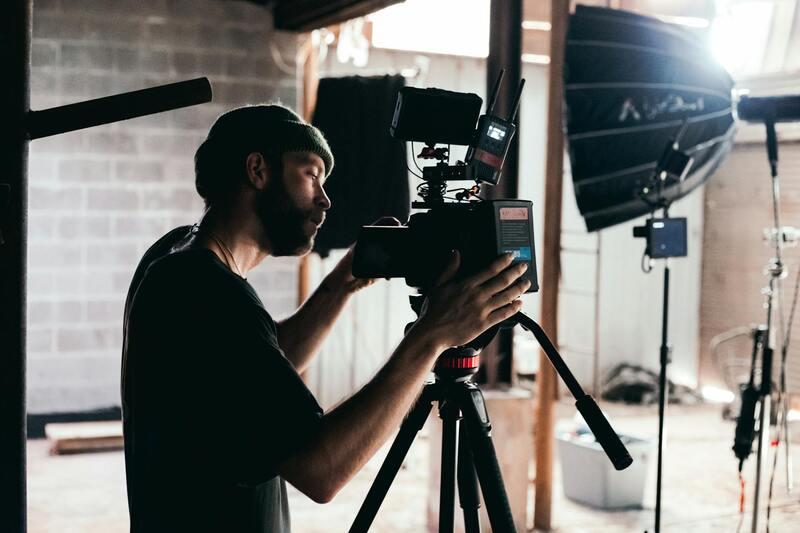
Beyond online listings, professional real estate pictures play an essential role in social media marketing campaigns. Platforms like Instagram and Facebook thrive on visually engaging content, and well-crafted photographs help build a compelling narrative around a property. This visual storytelling can be further enhanced with targeted advertising, reaching specific buyer demographics and increasing leads.
Virtual tours, often complemented by high-end photography, allow prospective buyers to explore properties remotely. These immersive experiences rely heavily on crisp and detailed images to create a realistic sense of space. Quality visuals also lend credibility to virtual experiences, encouraging viewers to schedule in-person visits or make quick purchase decisions.
Print marketing materials—including brochures, flyers, and signage—also benefit from professional images. Clear, vibrant visuals communicate quality and professionalism, instilling confidence in potential buyers and investors. They serve as tangible representations of the property, capturing attention in physical settings such as open houses or direct mail campaigns.
Enhancing Property Appeal and Buyer Engagement through Professional Photography
- Attracts more online traffic and inquiries
- Improves visibility across listing platforms and social media
- Creates memorable virtual and print experiences
- Builds trust with prospective buyers through quality presentation
- Reduces time on market by accelerating buyer interest
Implementing professional real estate photography as part of a comprehensive marketing strategy ensures a cohesive and persuasive presentation of a property. This approach not only enhances aesthetic appeal but also promotes transparency and trustworthiness, creating a compelling narrative that draws buyers closer to making a purchase.

Maximizing the Impact of Professional Real Estate Photos in Your Marketing Strategy
Deploying high-quality real estate imagery effectively extends beyond the initial camera shoot, integrating seamlessly into a comprehensive marketing plan that reaches potential buyers across multiple channels. Thoughtfully crafted visual content can make the difference between a property sitting on the market and one selling swiftly, by establishing a compelling narrative and facilitating a seamless property viewing experience for prospective buyers.
Leveraging Photos for Online Listings
Online listing platforms serve as the first point of contact for most prospective buyers. Professional images enhance the visual appeal of property listings, significantly increasing click-through rates and inquiries. High-resolution photos capture all the details and ambiance of a home, encouraging viewers to envision themselves living in the space. Additionally, images that are properly formatted and optimized for each platform improve search visibility through associated algorithms, driving more organic traffic to your listings.
Enriching Virtual Tours and 3D Presentations
While static images form the foundation of online marketing, their integration with virtual tours and 3D walkthroughs enriches the virtual experience. Professional photographs act as a backbone for these immersive methods, where cohesive and high-quality visuals create a fluid and engaging experience. Proper tone, lighting, and perspective in the initial images enhance the realism of virtual walks, leading to increased engagement and scheduled in-person visits.
Social Media Optimization
Social media platforms thrive on visually appealing content, making them ideal for showcasing your property with striking images. Customizing images for different formats—such as square posts, stories, or videos—maximizes reach. Consistent, professional photography helps establish a recognizable brand identity for real estate agents or agencies, fostering trust and recognition among followers. Sharing high-quality visuals on platforms like Instagram, Facebook, and LinkedIn amplifies exposure and attracts a broader audience, including potential investors and international buyers.
Print and Offline Marketing Materials
Despite the digital dominance in property marketing, print media remains an influential channel. Utilizing professional images in brochures, flyers, and direct mail campaigns enhances the tangible presentation of the property. Bright, vivid visuals communicate quality and sophistication, capturing attention quickly in busy environments like open houses or mailboxes. Well-curated visuals echo the online representations, creating consistency and reinforcing the property's appeal across all touchpoints.
Strategic Use of Visual Content in Open Houses and Sales Events
In physical showings, high-quality imagery can be incorporated into displays and presentation screens, enhancing the property's narrative. Visuals can guide viewers through the property, emphasizing key features and potential improvements. A cohesive visual presentation ensures potential buyers leave with a strong, positive impression, increasing the likelihood of an offer.