
Importance of Professional Property Photography
In the competitive Miami real estate market, the significance of high-quality property photography cannot be overstated. First impressions play a crucial role in attracting potential buyers or renters, with images often serving as the initial point of contact. Professional photographs provide a vivid, inviting depiction of a property’s best features, making listings more compelling and memorable. Well-crafted visuals not only showcase the property's aesthetics but also highlight its unique selling points, such as spacious interiors, modern amenities, and appealing outdoor spaces.
Studies indicate that listings with professional images generate higher engagement and increased interest. This heightened visibility often translates into faster sales or lease agreements, reducing the time a property remains on the market. In Miami's dynamic real estate environment, where competition among sellers is fierce, compelling property photography can set a listing apart from the multitude of options available to prospective buyers. It enhances the perceived value of the property, encouraging inquiries from serious prospects and fostering greater trust in the listing's authenticity.
Furthermore, high-quality visuals facilitate online marketing efforts across various digital platforms. When potential buyers browse online, vibrant and professional images stand out, prompting them to schedule viewings or request additional information. This kind of visual marketing supports a streamlined sales process, making every listing more accessible and appealing to a broad audience.
In summary, professional property photography is an indispensable component of effective real estate marketing in Miami. It elevates the appeal of listings, builds credibility with prospective clients, and ultimately enhances the likelihood of successful transactions. Given the vibrant and fast-paced nature of Miami's property market, investing in expert photography services can be the decisive factor that transforms a property listing from ordinary to exceptional.
Key Elements of Effective Property Photography
Achieving captivating property images requires precise attention to several core technical and artistic elements. Lighting stands out as one of the most critical factors, as it influences the clarity, mood, and overall impact of the photographs. Proper use of natural light, supplemented by professional lighting equipment when necessary, ensures spaces are bright, welcoming, and accurately represented. Optimal lighting reduces shadows and highlights the property's best features, giving potential buyers a realistic view of the space.
Composition, another essential aspect, involves framing the property to emphasize its strengths and create visual interest. A balanced shot that avoids clutter, uses leading lines, and adheres to the rule of thirds can guide viewers' eyes effectively across the image. Including a sense of scale helps viewers understand the size and proportion of rooms, facilitating a clearer mental image of the property.

Staging also plays a pivotal role. When spaces are thoughtfully arranged with furniture, decor, and accessories, they appear more inviting and functional. Staging helps buyers visualize themselves living in the space, which can significantly influence their emotional connection to the property. Professional photographers often coordinate with stagers or provide guidance to ensure the environment complements the photographic process.
Preparation and Staging for Photo Shoots
Preparation involves decluttering, cleaning, and ensuring all areas are spotless before shooting. Windows should be cleaned, and any personal items or excess furniture should be minimized to create a clean canvas that enhances the property's natural appeal. Strategically placing elements within the space can also highlight architectural features and foster a sense of harmony.
Staging further elevates the visual appeal. A well-staged property looks polished and inviting. It involves selecting appropriate furniture, decor items, and arranging spaces to highlight their best qualities. This process requires a keen understanding of interior design principles and an eye for detail, ensuring that each room resonates with warmth and functionality.
Technical Equipment and Photography Techniques
The high quality of property photography heavily depends on using advanced equipment. Wide-angle lenses capture more of a room in a single shot, which is essential for conveying spaciousness. Tripods help maintain stability, eliminating blurs caused by hand movement. Drones may be employed for exterior shots to showcase the property and its surroundings from unique perspectives.
Photographers also utilize advanced techniques such as HDR (High Dynamic Range) imaging to balance exposure across different areas of a shot, ensuring that both bright and shadowed regions are visible in detail. Proper camera settings, tripod stabilization, and post-processing work together to produce images that are sharp, balanced, and True-to-life.
Legal and Ethical Considerations
When conducting property photography, respecting the privacy and rights of property owners and occupants is paramount. Permission should be obtained prior to photographing private spaces or using drone technology to capture aerial views. Additionally, photographs should accurately reflect the property's existing conditions without digital manipulation that could mislead viewers. Transparency and adherence to ethical standards foster trust and credibility in marketing efforts.
Post-Processing and Image Enhancement
Post-shoot editing refines images to highlight their best qualities. Adjustments include brightness, contrast, color correction, and straightening lines to ensure images are visually appealing while remaining honest representations. Professional retouching can remove minor imperfections, such as blemishes or distractions, further elevating the property’s presentation. It is crucial to balance enhancement with authenticity to maintain the trust of prospective buyers.
Marketing Strategies Using Property Photos
High-quality images serve as a foundation for compelling online listings. They are used across multiple platforms—MLS, real estate websites, social media, and email campaigns—boosting visibility and engagement. Combining vibrant photographs with detailed descriptions and virtual tours creates a holistic marketing approach that attracts serious buyers and accelerates the sales process.
Trends and Innovations in Property Photography in Miami
Miami’s real estate market continually embraces cutting-edge technology and stylistic trends. Drone photography provides sweeping views of expansive properties and scenic surroundings, capturing moments that ground-level shots cannot. 3D virtual tours and immersive virtual reality experiences allow prospective buyers to explore the property remotely, increasing accessibility and interest. Additionally, hyper-local and lifestyle-oriented photography emphasizes neighborhood amenities and lifestyle perks, resonating with buyers seeking a particular community vibe.
Technical Equipment and Photography Techniques
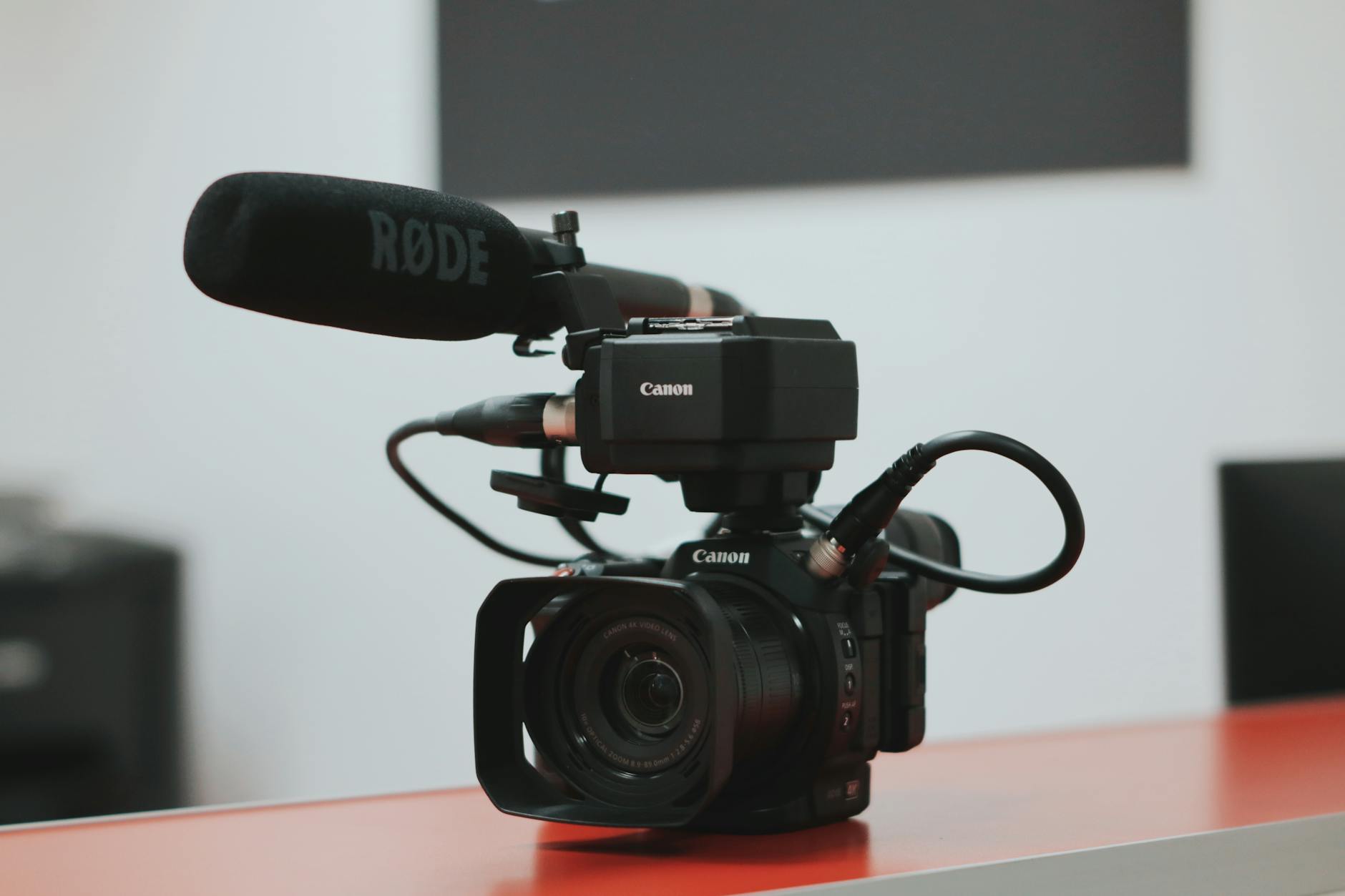
To deliver high-caliber property images, professional photographers invest in a comprehensive suite of advanced equipment and employ refined techniques. The foundation of exceptional property photography lies in the right gear, including high-resolution digital cameras equipped with wide-angle lenses. These lenses are essential for capturing expansive room layouts and making interior spaces appear larger, offering viewers a realistic sense of scale and proportion.
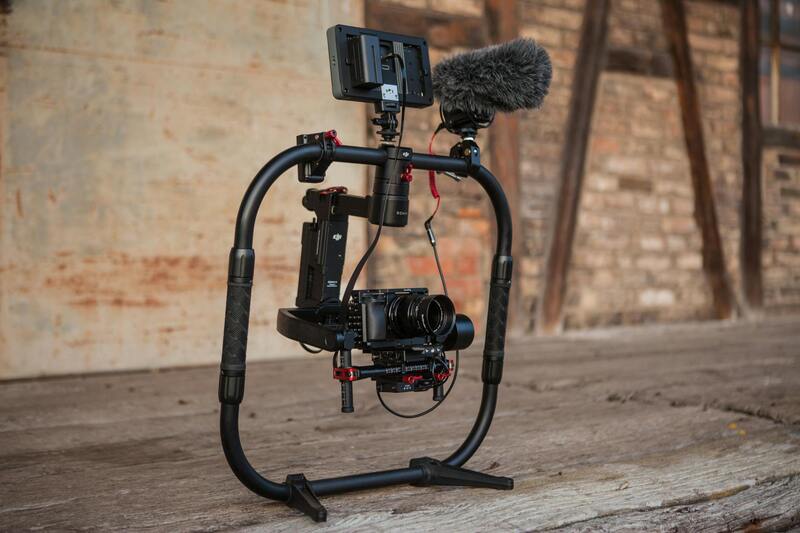
Camera stabilization tools, such as tripods or gimbals, are utilized to achieve sharp, distortion-free images, especially in low-light conditions or when shooting in tight spaces. Use of HDR (High Dynamic Range) photography is prevalent to balance bright windows with darker interior areas, ensuring consistent exposure throughout images. This technique combines multiple shots at different exposures to produce a balanced photograph that faithfully depicts the scene.
Lighting plays a pivotal role in property photography. Professional photographers often use multiple light sources, including softboxes and reflectors, to eliminate shadows and highlight key features. For properties with ample natural light, scheduling shoots during peak daylight hours ensures scenes are illuminated in a warm, inviting manner. In interiors with limited sunlight, supplemental lighting creates an even, flattering brightness.
Beyond equipment, mastery of photographic techniques like proper framing, balanced composition, and perspective correction is crucial. Utilizing principles such as the rule of thirds and leading lines guides viewers’ eyes toward focal points, enhancing visual interest. Correcting perspective distortions ensures walls and furniture lines are straight, preserving the integrity of the space as the viewer perceives it.
Post-shoot, images are reviewed and often processed using professional editing software. Adjustments include color correction, exposure enhancement, and noise reduction. These steps ensure the final images are vibrant and clear, yet genuine. Retouching may also address minor imperfections, such as minor blemishes or distracting elements, to maintain authenticity.
Legal and Ethical Considerations in Property Photography
Ensuring compliance with industry standards and respecting property rights are fundamental aspects of professional property photography. Photographers must obtain explicit permission from property owners before capturing images, particularly when photographing interior spaces or private areas. This practice upholds trust and aligns with ethical guidelines within the real estate marketing realm.
Additionally, photographers should avoid misrepresenting properties. This involves accurately portraying the space without employing deceptive techniques such as excessive staging or digitally altering images in a way that could mislead potential buyers or renters. Authenticity in images fosters transparency, which is crucial for establishing credibility and fostering positive client relationships.
Maintaining confidentiality is equally important. Photographers need to pay attention to sensitive details that do not appear in images but could compromise privacy, such as personal items or security features. Properly managing and protecting this information reflects professionalism and a commitment to ethical standards.
Furthermore, adherence to copyright laws is vital. Using licensed or original images prevents unauthorized use of third-party content and ensures all visual assets are legally compliant. This practice not only protects the photographer but also provides peace of mind to clients relying on the images for marketing purposes.
In addition to legal considerations, adhering to ethical guidelines enhances the reputation of photography services within Miami’s competitive real estate market. Clients value transparency and professionalism, which can significantly impact their decision-making process. It is also an important factor when establishing long-term relationships with real estate agents, property developers, and homeowners.
Post-Processing and Image Enhancement
After capturing high-quality images on-site, the next stage involves meticulous post-processing to ensure each photograph meets professional standards and accurately represents the property’s features. Post-processing encompasses a range of techniques including color correction, brightness and contrast adjustment, and lens distortion correction. These edits help to produce images that are vibrant, clear, and true to life, providing viewers with an engaging visual experience.
An essential aspect of effective property photography is maintaining consistency across images. Standardized editing protocols ensure that all photos share aesthetic coherence, which reinforces the property’s sense of harmony and appeal. Additionally, image sharpening and noise reduction play vital roles in enhancing detail and clarity, making spaces look crisp and inviting.
Photo retouching should be performed with care to avoid overly drastic alterations that could mislead viewers or compromise the authenticity of the listing. Subtle enhancements—such as removing minor imperfections, adjusting perspective distortion, and balancing lighting—can significantly improve visual impact without reducing credibility.
Utilizing advanced editing software allows photographers to selectively emphasize key features of the property. For example, brightening shadowed areas or subtly boosting the ambiance of a room can draw attention to its best qualities. Importantly, these edits should uphold a natural appearance to maintain trustworthiness and transparency in visual marketing.
Legal and Ethical Considerations in Property Photography
Engaging in property photography demands adherence to established standards that ensure the visual content accurately represents the actual state of the property. Photographers should prioritize integrity by avoiding manipulative techniques that could mislead potential buyers or tenants. This includes refraining from excessive digital alterations that distort the property's true appearance, such as artificially enlarging spaces or manipulating architectural features beyond realistic enhancement.
Respecting the privacy of current occupants and neighbors is also fundamental. Photographers must obtain necessary permissions before capturing images, especially in shared or occupied spaces. This respectful approach helps maintain trust and upholds the professional reputation of the photography service.

It is equally important to ensure all images are consistent with the property's actual condition, avoiding any招 misleading representations. This not only builds credibility with clients but also aligns with industry best practices for marketing transparency. Photographers should keep detailed records of their shooting processes and editing stages, which can be provided to clients upon request to affirm the authenticity of the images.
Furthermore, respecting intellectual property rights by not infringing upon copyrighted content or unauthorized use of proprietary design elements upholds professional integrity. Proper licensing for any equipment, software, or copyrighted assets used during the photography process is essential to operate within ethical boundaries.
In summary, conducting property photography with a focus on accuracy, privacy, and honest representation strengthens client relationships and enhances the reputation of the service provider. Maintaining strict adherence to these ethical standards ensures the property images not only attract interest but also uphold the fairness and professionalism expected within Miami's vibrant real estate industry.
Legal and Ethical Considerations
Maintaining the integrity of property photography requires careful attention to legal and ethical practices. Photographers must respect the privacy of current residents and ensure that sensitive areas or personal belongings are not inadvertently included in images. This involves obtaining explicit consent from property owners or tenants, especially in private residences, before conducting any photoshoots. Clear communication about the scope of the photography session and the intended use of images helps to foster transparency and trust.
In addition, photographers should be cautious when capturing images of neighboring properties or public spaces, ensuring that no proprietary or confidential information is unintentionally exposed. This attention to scope prevents potential disputes or misunderstandings with clients or third parties.
It is vital to practice ethical editing by avoiding manipulations that could misrepresent the property's appearance. Enhancements should aim to improve clarity and color accuracy without altering the fundamental features or layout of the space. This commitment to authenticity safeguards the credibility of the images and promotes honesty in marketing efforts.
Developing a consistent documentation process is another key aspect. Keeping detailed records of shooting locations, angles, and editing procedures ensures transparency and provides verifiable evidence of the property's true features. These records can be valuable if questions about image authenticity arise later, reinforcing a photographer's commitment to integrity.
Adhering to licensing agreements for equipment, software, and proprietary design elements is equally important. This prevents the unauthorized use of copyrighted content, aligns with industry standards, and upholds a professional reputation. Proper licensing not only ensures compliance but also demonstrates respect for intellectual property rights within the field of property photography.
By integrating these practices into everyday workflows, photographers can foster trust with clients and establish a reputation for delivering honest, high-quality visual content. Ethical standards are fundamental for long-term success, helping to build strong relationships in Miami's competitive real estate market while upholding the industry’s best practices for authenticity and respect.
Legal and Ethical Considerations in Property Photography
Maintaining high standards of integrity is paramount in property photography. This involves securing explicit permission from property owners or authorized representatives before capturing images, ensuring that all individuals' privacy rights are respected. Photographers should adhere to the established confidentiality agreements and refrain from entering or photographing areas not authorized for public viewing or promotion.
Accurate depiction of the property is crucial. Significantly altering images through unethical editing—such as adding or removing features, enlarging spaces, or manipulating perspective—can mislead prospective buyers or renters. Ethical property photography emphasizes authenticity, providing a true visual representation that aligns with the property's actual condition and features.
It’s also essential to avoid infringing upon the rights of others visually or contextually. This entails being cautious about capturing private moments or sensitive information that could inadvertently be disclosed in the background of photos. Photographers should develop a disciplined approach to framing shots, ensuring focus remains solely on the property without encroaching on the privacy of neighboring residents.

Proper documentation is another critical aspect. Keeping detailed records of the locations and angles used during shoots, along with the editing process, provides transparency in the presentation of visuals. Such documentation can also serve as evidence of the authenticity of images, especially when the market demands verifiable representations.
Compliance with copyright and licensing agreements for all images, software, and equipment is vital. Unauthorized use of copyrighted content undermines credibility and could lead to disputes. Respect for intellectual property rights demonstrates professionalism and a commitment to lawful practices, which are highly valued in Miami's competitive property market.
Post-Processing and Image Enhancement
Post-processing should enhance the original image without distorting reality. Effective techniques include adjusting brightness, contrast, and sharpness to improve clarity and color accuracy. Removal of minor blemishes or distractions can help highlight the property's best features but should not alter fundamental aspects such as room proportions or structural elements.
Utilizing professional editing software allows for consistent quality across all images. Photographers should develop standardized editing workflows to maintain visual harmony and authenticity. This consistency reinforces trust with clients and helps establish a recognizable brand in Miami's vibrant real estate scene.
Careful review of edited images prior to publication ensures that no unintentional alterations compromise the property’s depiction. The aim is to produce compelling visuals that accurately reflect the property, supporting effective marketing campaigns.
Marketing Strategies Using Property Photos
High-quality property photos are instrumental in attracting prospective buyers and renters. Strategic placement of images across property listings, social media, and other digital platforms enhances visibility and engagement. Consistent branding and professional presentation foster credibility and trust among potential clients.
Incorporating a variety of images — including exterior shots, interior panoramas, detail close-ups, and contextual environment images — provides a comprehensive view of the property’s features. Utilizing virtual staging, 3D tours, and drone imagery can further elevate marketing efforts, offering immersive experiences that resonate with modern audiences.
Effective property photography not only boosts online engagement but also accelerates the sales process. When visuals accurately depict the property’s true condition and features, prospective buyers can make informed decisions, reducing the likelihood of surprises during viewings or transactions.