
Importance of High-Quality Property Photos
In the competitive real estate market of Miami, compelling property photos serve as a cornerstone for successful sales and rentals. The first impression of a property often comes through its visual presentation on online listings. Professionally captured images not only enhance the visual appeal but also establish credibility and trust with prospective buyers or tenants.
High-quality photos significantly influence how a property is perceived. Clear, well-lit photos help convey the true character and features of a property, enticing viewers to explore further. Listings with visually appealing images tend to generate more clicks, visitations, and inquiries, ultimately accelerating the sales process. Conversely, listings with poor-quality visuals can be overlooked, regardless of the property's actual value, delaying sale timelines and possibly reducing the final sale price.
The impact of property photos extends beyond initial impression. They play a vital role in virtual engagement, especially when potential buyers conduct online research before visiting in person. Effective visuals provide a realistic preview, helping buyers determine whether a property aligns with their preferences. This filtering process saves time for both buyers and sellers, focusing efforts on interested and qualified prospects.
Moreover, professional photography can elevate a property’s market position, highlighting unique features and the ambiance of the space. Bright, crisp images with strategic angles allow viewers to appreciate the layout, design, and finishes, which may be less evident in amateur photos. This enhanced presentation often results in higher offers and more favorable sale terms, reinforcing the importance of investment in quality visuals.

Key Elements of Successful Property Photography
Achieving standout property images involves understanding essential components that contribute to an effective photograph. Composition, lighting, and perspective are crucial, as they shape how prospective buyers perceive the space.
- Clear and Sharp Images: Using professional camera equipment and techniques ensures crisp images free from blurriness and distortion.
- Optimal Lighting: Natural light is preferred for its warmth and authenticity, but supplementary lighting may be needed indoors to brighten dark areas.
- Balanced Framing: The shot should encompass the room’s full extent without unnecessary clutter or obstructions.
- Perspective: Shooting from strategic angles can accentuate space and flow, making rooms appear larger and more inviting.
- Highlighting Features: Focus on distinctive architectural elements, modern upgrades, and outdoor amenities to elevate the property's appeal.
Choosing the Right Equipment and Techniques
Utilizing appropriate technological tools and methods is essential for capturing exceptional property photos. DSLR or mirrorless cameras with wide-angle lenses are standard, enabling comprehensive views of interior spaces. A tripod stabilizes shots, minimizing movement and blurriness, especially in low-light conditions. Advanced techniques such as HDR (High Dynamic Range) imaging can help balance exposure between bright windows and darker corners, producing evenly lit images.
Employing a systematic approach to photography—such as planning shot lists, aligning camera height with eye level, and considering the time of day—ensures consistency and quality across images. Skilled photographers also know how to stage a property, removing personal clutter and arranging furniture to enhance spatial perception.
Best Practices for Indoor Property Photography
Indoor photographs require attention to detail to showcase the property's best features. Clean, organized spaces provide a welcoming atmosphere, and removing personal items avoids distractions. Using ample lighting and wide-angle lenses helps in capturing the room's full potential, while maintaining perspective to prevent distorted images.
For rooms with limited natural light, supplement with professional lighting equipment like softboxes or LED panels, creating evenly illuminated scenes that reflect true colors. Positioning the camera at a height of approximately 3 feet from the floor ensures natural eye-level views, promoting relatability and spatial awareness.
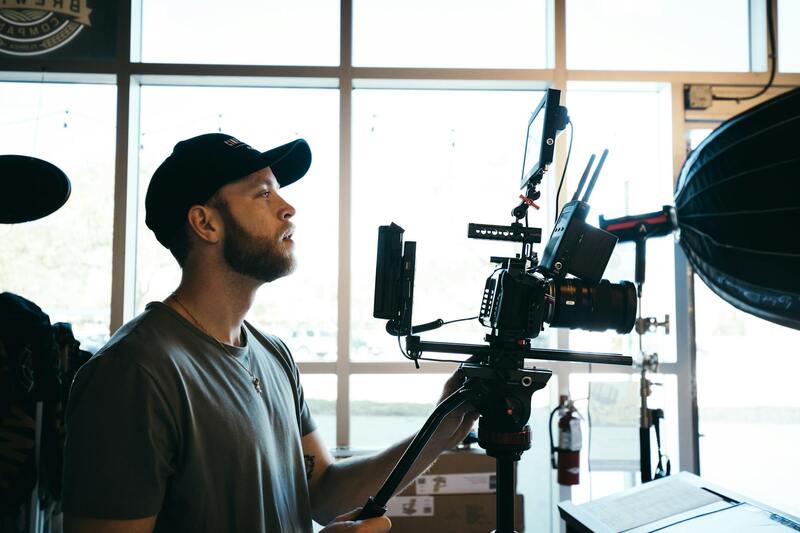
Key Elements of Successful Property Photography
Achieving compelling property photos hinges on several core elements that work cohesively to present a home's best features. Composition is fundamental; framing shots to emphasize spaciousness, balance, and focal points helps create images that attract prospective buyers or renters. Utilizing symmetry and leading lines guides the viewer's eye through the space, making rooms appear more inviting and well-organized.
Lighting plays a critical role, as it influences mood and color accuracy. Natural light, when accessible, should be maximized to produce lively, true-to-life images. When ambient light isn’t sufficient, professional lighting setups like softboxes or LED panels should be employed to eliminate shadows and highlight key architectural details. Proper lighting ensures coloring remains vivid and decor details stand out clearly.
Staging involves carefully arranging furniture, decor, and accessories to showcase a property's potential. Strategically placing furniture to illustrate scale and flow allows viewers to envision their future生活. Removing clutter and personal items from view helps create a neutral, universally appealing environment that appeals to a broader audience.
Angles and perspective matter significantly; shooting from eye level typically yields the most natural results. Wide-angle lenses can enlarge interior spaces visually, but photographers should be cautious to avoid distortion. Consistent shot angles across different rooms enhance the cohesiveness of property presentations, making the overall listing appear professional and polished.
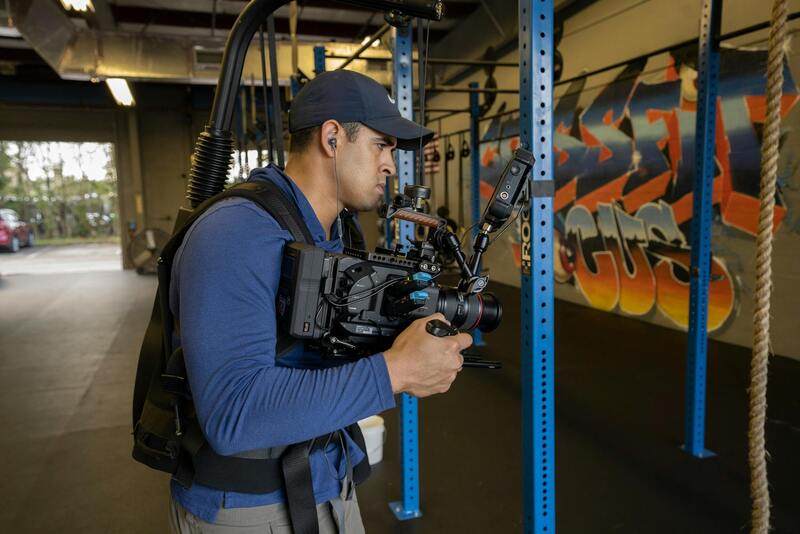
Choosing the Right Equipment and Techniques
Selecting appropriate tools is essential for high-quality property photography. Camera equipment with high resolution capabilities ensures detailed images that translate well across various marketing platforms. Wide-angle lenses, usually between 14mm and 24mm, are standard for interior shots, allowing the full space to be captured without the need for multiple images. Tripods are indispensable for stability, especially during low-light conditions, preventing blurriness and providing sharp, clear shots.
Advanced techniques such as High Dynamic Range (HDR) imaging are highly effective in balancing contrasting light conditions—highlighting bright windows while maintaining clarity in darker corners. Bracketing multiple exposures and merging them produces evenly lit images that accurately reflect the interior’s ambiance.
Investing in professional lighting equipment, including softboxes and LED panels, can dramatically improve images taken in low-light environments. These tools create balanced illumination, removing harsh shadows and ensuring color consistency.
Furthermore, proper camera settings—such as a low ISO to reduce noise, appropriate aperture for depth of field, and a slow shutter speed—are instrumental in capturing sharp, vibrant images. Post-capture techniques like correct white balance adjustment and raw image editing enhance visual quality further, ensuring the final photos are optimized for marketing efforts.
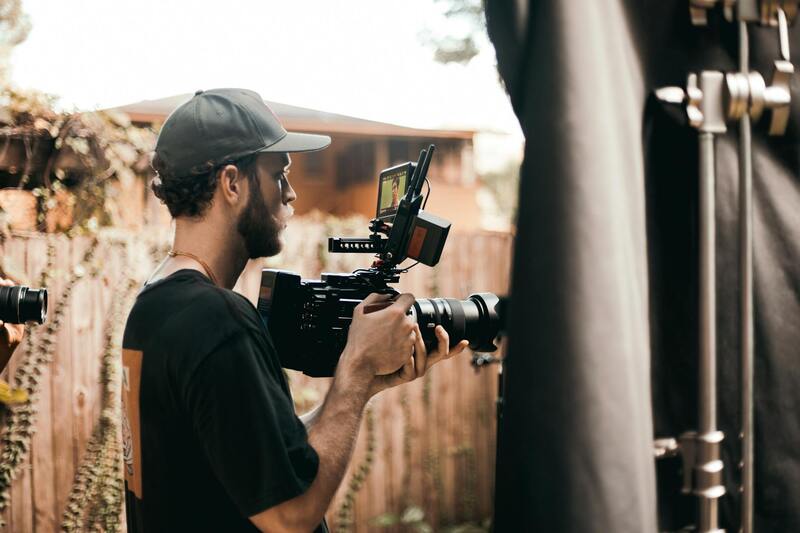
Best Practices for Indoor Property Photography
Capturing compelling indoor property photos requires adherence to specific techniques that enhance the space's appeal and authenticity. Proper composition begins with the optimal arrangement of furniture and decor to create a sense of balance and spaciousness. Using a tripod ensures stability, allowing for longer exposures that yield brighter, more detailed images without camera shake. Positioning the camera at a height roughly at eye level minimizes distortion and provides a more natural perspective of the room.
Leveraging natural light is vital; shooting during the day when sunlight floods through windows produces vibrant interiors with accurate color representation. When natural light is insufficient, professional lighting tools play a crucial role. Softboxes and LED panels help eliminate shadows and add a consistent glow, especially in rooms with limited windows or shaded areas.

Using a wide-angle lens (typically between 14mm and 24mm) allows the entire room to be captured in a single shot, giving viewers a comprehensive sense of space. However, caution is necessary to avoid distortion—professional photographers skillfully correct perspective during post-processing to maintain realistic proportions.
Adjusting camera settings is critical for high-quality images. A low ISO setting reduces noise, especially in low-light environments. A small aperture (f/8 to f/11) increases depth of field, keeping more of the room in focus. A slow shutter speed, used in conjunction with a tripod, permits more light to enter and creates a well-exposed image. Bracketing multiple exposures and merging them through HDR techniques further balances interior lighting against bright windows, preserving details in both highlights and shadows.

Post-processing is the final step to refine images. Correct white balance ensures the colors are true to life, while sharpening enhances details. Adjustments to contrast and brightness should highlight the property’s best features without overdoing it, maintaining an authentic feel that appeals to prospective buyers and renters.
Mastering these indoor photography practices significantly impacts the visual storytelling of a property, making it more attractive and memorable in listings. Consistency in style and quality across all interior shots also reinforces professionalism and boosts marketing effectiveness.
Techniques for Capturing Appealing Outdoor Shots
While indoor photography focuses on showcasing the property's interior features, outdoor property photos play a vital role in creating a compelling overall presentation. To highlight a property's curb appeal effectively, photographers should employ techniques that emphasize the landscape, architectural details, and outdoor amenities.
Utilizing the right time of day, typically during the golden hour—shortly after sunrise or before sunset—can produce warm, inviting lighting that enhances the property's vitality. During these periods, natural light is soft, reducing harsh shadows and reflections that can detract from image quality.
Incorporating perspectives that showcase the property's scale and surroundings aids prospective buyers in visualizing the home's relationship within its environment. Wide-angle lenses are excellent for capturing expansive outdoor areas such as yards, gardens, patios, and driveways, conveying a sense of space that appeals to viewers.
Careful composition is essential, ensuring that elements like well-maintained landscaping, outdoor lighting fixtures, and attractive pathways are framed to draw attention. Including focal points such as a scenic view or unique outdoor features can create images that truly stand out. Additionally, ensuring the exterior environment is tidy—free of clutter and damaged elements—helps maintain a professional appearance.
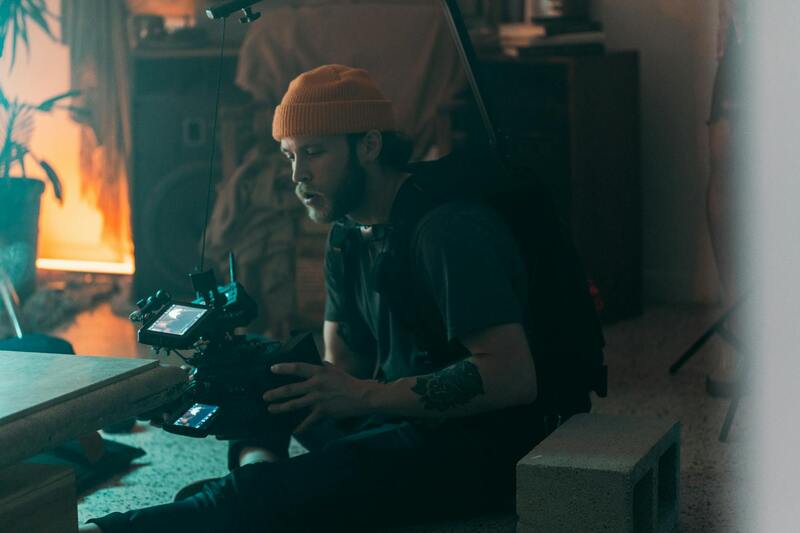
Paying attention to details such as reflecting natural sunlight in swimming pools, highlighting outdoor furniture, and capturing architectural elements from strategic angles can significantly boost the property's visual appeal. Incorporating seasonal elements, like vibrant foliage during fall or blossoming plants in spring, can further attract interest, making the exterior photos more lively and engaging.
Heavy editing or artificial enhancements should be avoided to preserve authenticity. Natural, high-quality images allow potential buyers to form accurate impressions of the property's exterior, encouraging inquiries and visits.
Incorporating Landscaping and External Features Effectively
Beyond photography techniques, attention to landscaping plays an essential role in maximizing outdoor visual appeal. Well-maintained lawns, trimmed shrubs, and clean walkways not only improve the overall look in photographs but also reflect ongoing property upkeep, which can influence decision-making processes.
Using editing tools to subtly enhance color vibrancy and contrast can make outdoor images more inviting while maintaining realistic representations. Highlighting key features such as patios, decks, or outdoor cooking areas through strategic framing can inspire prospective occupants to envision their lifestyle in the space.
Proper positioning of the camera—favoring eye-level angles or slightly elevated shots—ensures that the depth and proportions of outdoor spaces are accurately portrayed. Complementing technical skill with an understanding of the property's unique outdoor appeal results in images that not only attract attention but also accurately reflect the property's true potential.
Highlighting Exterior and Outdoor Spaces
Capturing the full essence of a property's exterior and outdoor areas is a crucial aspect of compelling property photography. These images serve as the initial visual impression for prospective buyers or renters, making it vital to showcase features that enhance curb appeal and demonstrate outdoor living potential. Strategic framing and lighting play key roles in emphasizing swimming pools, landscaped gardens, patios, decks, and other outdoor amenities. When photographing these areas, it's important to focus on angles that highlight depth and spatial relationships, allowing viewers to imagine themselves enjoying these features.
Effective exterior photography begins with the timing of the shoot. Utilizing natural light during golden hour—shortly after sunrise or before sunset—can produce warm, inviting images that accentuate textures and colors. Properly positioning the camera at eye level or slightly above ensures that proportions are accurate and that outdoor spaces appear proportionate and realistic.
When depicting landscaped areas, attention to detail is essential. Highlight well-maintained lawns, blooming flower beds, and neatly trimmed shrubs. Clean pathways and fresh exterior paint also contribute positively to the visual narrative. If suitable, incorporating elements such as outdoor furniture or decorative lighting can suggest functional, stylish outdoor living spaces.
Effective Techniques for Outdoor Photography
- Utilize wide-angle lenses to capture entire outdoor areas and create a sense of spaciousness.
- Include foreground elements like plants or outdoor furniture to add depth and context.
- Experiment with different times of day to find the lighting conditions that best showcase the outdoor features.
- Maintain consistency in perspective to provide a cohesive view of the property's exterior.
- Pay attention to weather conditions, choosing bright, clear days for vibrant outdoor images.
Another key aspect is removing distractions that could detract from the property's appeal. Ensuring lawns are free of debris, maintaining clean outdoor structures, and tidying up landscaping enhances the overall visual presentation. Proper composition and attention to these details can significantly elevate the attractiveness of outdoor property photos, encouraging prospective occupants to view the space as both welcoming and functional.
Highlighting Exterior and Outdoor Spaces
Capturing the exterior and outdoor areas of a property demands a strategic approach to showcase their full potential. Proper framing and lighting are key elements in emphasizing features like lush lawns, inviting outdoor kitchens, or spacious patios. Wide-angle lenses are particularly effective in illustrating the expanse of outdoor spaces, giving prospective buyers or renters a sense of scale and context.
In outdoor photography, including foreground elements such as garden furniture or decorative planters can add depth, guiding the viewer’s eye through the scene. Timing your shoot during the golden hour—early morning or late afternoon—can produce soft, natural light that enhances textures and colors without harsh shadows.
Maintaining consistency in perspective across different shots ensures a cohesive visual story of the outdoor environment. Clean, well-maintained landscaping—free of debris, with neatly trimmed shrubs and freshly painted structures—helps the property appear as inviting and ready for occupancy. When appropriate, including accessories like outdoor dining sets, fire pits, or ambient lighting can suggest an outdoor lifestyle that appeals to potential tenants or buyers.
Using Property Photos for Marketing and Listings
Effective property photos serve as vital tools in showcasing a property's unique features and defining its overall appeal in various marketing channels. High-quality images significantly influence a potential buyer or renter’s first impression, often determining whether they will explore further or pass on the opportunity. To maximize their impact, property photos should be optimized for different platforms, including online listings, virtual tours, and print media.
Optimizing Images for Online Platforms
When uploading property photos to online listings, clarity, resolution, and accuracy are paramount. High-resolution images ensure that details are sharp, allowing viewers to appreciate the quality of finishes, fixtures, and landscaping. Incorporate a variety of shots that capture both the overall layout and specific features, providing a comprehensive view of the property.
- Use descriptive filenames with relevant keywords to improve search visibility.
- Include an assortment of images that highlight key Remainder features such as spacious kitchens, modern bathrooms, and landscaped yards.
- Ensure that photos are properly formatted to reduce load times without sacrificing quality.
Creating Engaging Virtual Tours
Virtual tours require seamless panoramic images or 3D renders that allow viewers to navigate the property interactively. These visual tools are increasingly popular, especially for remote buyers or renters, enabling a realistic experience from anywhere. Invest in high-quality panoramic photography or 3D virtual staging to enhance engagement.
Designing Print Marketing Materials
For printed brochures, flyers, or banners, the visual presentation must be compelling and true to life. Use images with color accuracy, high contrast, and balanced lighting to draw attention. Consider incorporating strategic layouts that direct viewers’ focus toward the property’s most attractive features, such as a sunlit living room or an inviting outdoor entertaining area.
Strategic Use of Property Photos
Whether online or offline, the goal is to craft a visual narrative that emphasizes the property’s strengths. Consistent styling and a cohesive photo sequence can tell an engaging story that resonates with your target audience. Well-selected images can also differentiate your listing from competitors, increasing the likelihood of inquiries and visits.

Enhancing Property Listings with Effective Property Photos
Accurate and compelling property photos are pivotal in capturing potential buyers' interest and conveying the true essence of a space. High-quality images serve as a visual handshake, offering the first impression that can influence a viewer’s decision to explore further or schedule a visit.
Strategic Placement and Consistent Style
To maximize impact, each photograph should be thoughtfully composed, highlighting the property's unique features and spatial flow. Consistency in style—such as color grading, lighting, and angles—ensures a cohesive visual story throughout the listing, fostering a professional appearance that builds trust. Using a uniform perspective helps viewers better understand the property's proportions and layout, making it easier to envision themselves in the space.
Creating an Engaging Visual Narrative
A series of well-selected images that follow a logical sequence—starting from the exterior, progressing through main living areas, and ending with bedrooms and additional amenities—provides a comprehensive overview. This layout guides potential buyers or tenants through the property's key selling points organically, maintaining their interest throughout the viewing process.
Leveraging High-Resolution Images
Clear, high-resolution photos reveal minute details and textures, such as elegant finishes, quality materials, and design accents. These close-up shots can significantly influence perceptions of quality and craftsmanship, making the listing more attractive. Incorporating high-resolution images ensures your property stands out in digital listings, especially when viewed on larger screens.
Incorporating Natural and Artificial Lighting
Proper lighting markedly influences the ambience portrayed in property images. Utilizing natural light, especially during peak daylight hours, brightens spaces and conveys an inviting atmosphere. Supplementing with professional artificial lighting minimizes shadows and ensures even illumination, emphasizing key features without distortions or color casts that can detract from authenticity.
Utilizing Different Angles and Perspectives
Varying camera angles—such as wide shots to showcase room dimensions and detailed close-ups of architectural features—enhance the viewer’s understanding of the space. Twisting the camera slightly or shooting from a corner allows images to appear more dynamic and engaging, providing depth and context that flat, head-on shots often lack. Including drone images for expansive outdoor views adds a layer of grandeur to the property presentation.

Optimizing Photos for Different Platforms
It is crucial to tailor images to specific platforms, ensuring fast load times without sacrificing quality. Optimized photos enhance user experience and prevent frustration caused by slow-loading pages. Different platforms may require varied aspect ratios or resolutions; therefore, professional editing ensures consistent appearance across all listings, social media, and marketing materials.
Implementing Aesthetically Pleasing Compositions
Composition techniques such as the rule of thirds, leading lines, and framing can dramatically elevate the visual appeal of property photographs. Thoughtful staging—removing clutter, arranging furniture to maximize space, and adding subtle decorative touches—further enhances each shot's attractiveness.
High-quality property photos aren't merely about capturing what’s in a space—they are about telling the story of a home in a manner that resonates with prospective buyers or renters. With proper equipment, keen attention to detail, and a strategic approach, real estate photography can significantly elevate a property's marketability and facilitate quicker, more lucrative transactions.