
Importance of High-Quality Property Photos
In the competitive Miami real estate market, the impact of high-quality property pictures cannot be overstated. They serve as the initial point of engagement for prospective buyers browsing online listings. Well-crafted images capture the attention of viewers amidst a sea of options and can significantly influence their decision to explore further or schedule a viewing. Exceptional photos do more than showcase a property’s physical attributes; they evoke emotional responses that motivate potential buyers to act.
Studies consistently demonstrate that listings with superior visuals tend to attract higher online engagement metrics. These include increased click-through rates, longer viewing durations, and a higher likelihood of inquiries. For sellers and real estate professionals operating in Miami, where the market features diverse properties—from luxury condos overlooking Biscayne Bay to sprawling suburban estates—professional property pictures elevate the perceived value and desirability of a listing.
Moreover, high-quality images help eliminate ambiguity about a property's size, layout, and features. They provide a transparent and inviting portrayal that encourages serious buyers to move forward in the sales process. A captivating image can also generate buzz across social media platforms, broadening a property’s visibility beyond traditional online listings.

In a market characterized by both upscale luxury developments and unique local neighborhoods, property pictures are a vital component of a comprehensive marketing strategy. When executed with expertise, these images not only showcase a property’s best features but also convey the lifestyle and ambiance associated with living in Miami. Well-organized, high-resolution photographs help elevate a listing from ordinary to extraordinary, making it stand out in a crowded marketplace and ultimately aiding in achieving faster sales at optimal values.
Key Elements of Effective Property Photography
Successfully capturing property images requires more than just a good camera. It involves a deliberate approach to various technical and artistic elements that can significantly influence how a potential buyer perceives the property. Mastering these key aspects ensures each photograph highlights the home’s best features and creates an inviting atmosphere that resonates with viewers.
Lighting
Natural lighting plays a pivotal role in producing appealing property images. Photographers often schedule shoots during the daytime, ideally during the 'golden hour' when sunlight is soft and warm, reducing harsh shadows and glare. Proper lighting illuminates interior spaces evenly, emphasizes architectural details, and boosts the overall clarity of the images. Supplementing natural light with well-placed artificial lighting can further enhance visibility and highlight specific features, such as a modern kitchen or a scenic outdoor patio.
Composition
Effective composition involves arranging elements within the frame to draw the viewer's eye and create a sense of harmony. Techniques like the rule of thirds, leading lines, and framing help create balanced, engaging images that guide potential buyers through a property's layout effectively. Ensuring the horizon is level and avoiding clutter or distractions within the shot helps maintain a polished appearance. Good composition highlights the space's flow and scale, giving viewers a true sense of size and proportion.
Angles and Perspectives
Choosing optimal camera angles is crucial to showcasing a property's spatial qualities. Wide-angle lenses are popular in real estate photography because they capture more of a room in a single shot, making spaces appear larger and more open. Shooting from eye level provides a natural perspective, while roof or drone shots can offer impressive views of the property's exterior and surrounding environment. Multiple perspectives from different angles collectively provide a comprehensive visual narrative that appeals to potential buyers.
Staging and Detailing
Staged properties with minimal clutter and thoughtfully arranged furnishings reflect a home's potential to prospective buyers. Attention to detail, such as fresh flowers, strategically placed décor, and clean surfaces, enhances the visual appeal. Proper staging can evoke a lifestyle aspiration, showcasing each room’s functionality and ambiance. When combined with effective photography, staging transforms ordinary spaces into desirable homes, prompting immediate interest.

Overall, the integration of these elements results in high-impact images that accurately represent the property’s unique characteristics and attract serious inquiries. Skilled photographers understand how to balance these components, ensuring the final photos deliver a compelling narrative that sets a listing apart in the competitive Miami real estate market.
Choosing the Right Equipment and Techniques
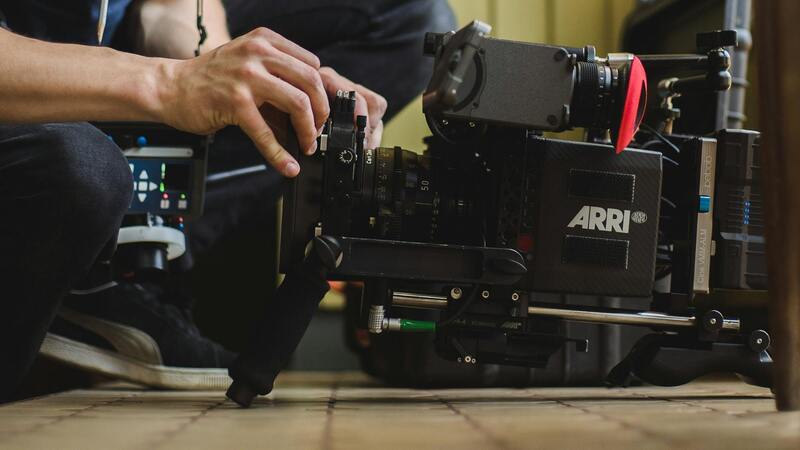
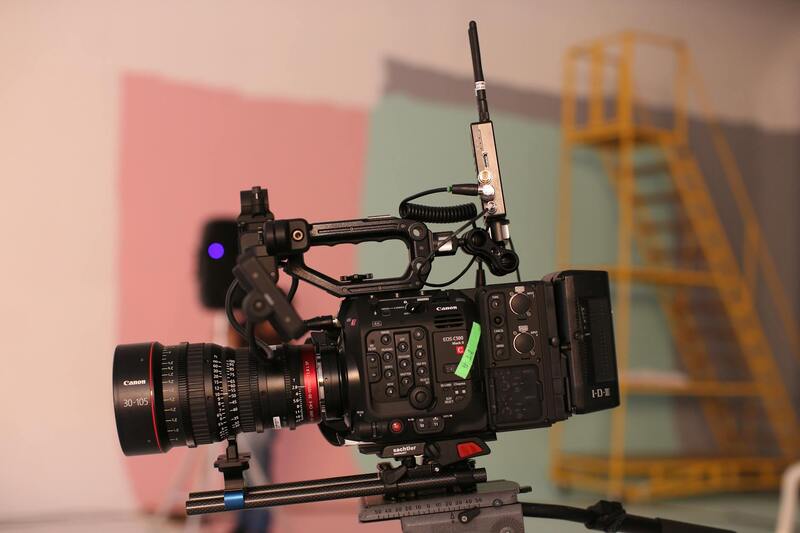
Achieving stunning property photos begins with selecting the appropriate equipment and applying effective techniques. Professionals rely on high-resolution digital cameras equipped with wide-angle lenses to capture expansive and detailed images that highlight a property's best features. The choice of lens plays a significant role; wide-angle lenses allow for broader shots of rooms, making spaces appear more spacious and inviting. Additionally, using tripods ensures stability during shooting, resulting in sharp, clear images free from motion blur.
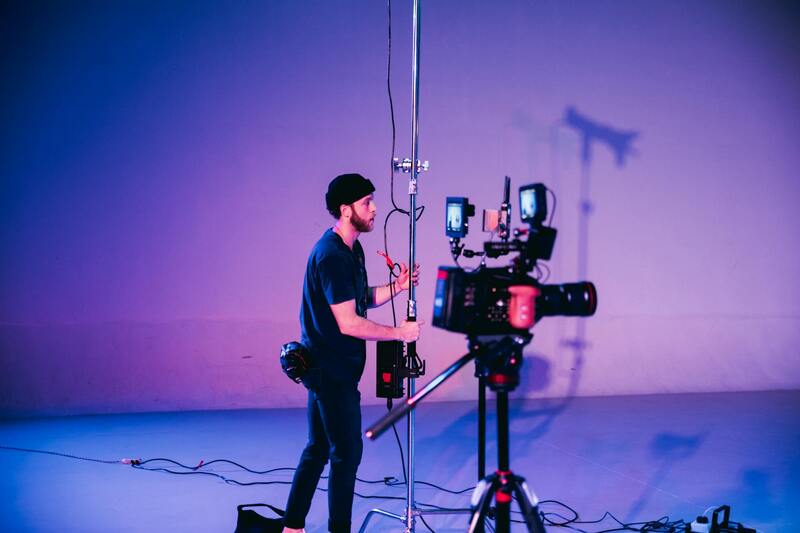
Lighting is another critical element in property photography. Utilizing natural light whenever possible helps produce bright, vibrant photos that showcase the property's authentic ambiance. Shooting during peak daylight hours when sunlight streams through windows can enhance shadows and highlights without the need for extensive artificial lighting. However, in low-light settings or interior shots, auxiliary lighting such as external flashes or diffusers can help eliminate harsh shadows and evenly illuminate spaces.
Mastering camera techniques like proper exposure, focus, and depth of field ensures that every important detail is captured with clarity. For example, adjusting aperture settings allows for sharp focus from foreground to background, emphasizing both the key features and overall spatial relationship of rooms. Additionally, employing HDR (High Dynamic Range) photography helps blend multiple images taken at varying exposures, creating well-balanced pictures that reveal both bright highlights and shadowed areas.
Applying these techniques consistently ensures the production of high-quality images that accurately represent the property’s aesthetics and layout. Skilled photographers understand how to manipulate equipment and settings to avoid common pitfalls such as distortions or color inaccuracies. This careful attention to detail results in property pictures that stand out online, encouraging more viewings and inquiries.
Choosing the Right Equipment and Techniques
Capturing compelling property pictures requires more than just a good camera; it involves selecting the appropriate equipment and applying techniques that maximize visual appeal. Professional-grade DSLR or mirrorless cameras with high-resolution sensors are preferred, as they can produce sharp, detailed images essential for showcasing a property's features. Lenses play a critical role: wide-angle lenses (typically 10-24mm or 14-24mm) enable photographers to capture an entire room or space in a single shot, making interiors appear more spacious and inviting.
Supplementing high-quality cameras with quality tripods ensures stability during shooting, preventing blurriness caused by hand movement, especially in lower-light environments. Remote shutter releases or camera timers can further eliminate vibrations, producing crisp images.

Lighting techniques are equally important. Natural light, when available, can be harnessed to produce vibrant, authentic photos. Photographers often shoot during the daytime, leveraging daylight that streams through windows to give the images a warm, inviting tone. To avoid harsh shadows and overexposed areas, diffusers or reflectors may be used to soften light and distribute it evenly across rooms.
In interior settings where ambient lighting falls short, auxiliary lighting setups—such as portable flash units, softboxes, or LED panels—are employed to illuminate dark corners without making the space appear artificially lit. Dimmable lights can help balance the interior and exterior brightness levels, especially when capturing views looking out through windows.
Another technique involves employing High Dynamic Range (HDR) imaging. By capturing multiple exposures and blending them, HDR produces balanced images that reveal intricate details in both bright and shadowed areas. This method is particularly effective in spaces with high contrast between indoor lighting and outdoor views.
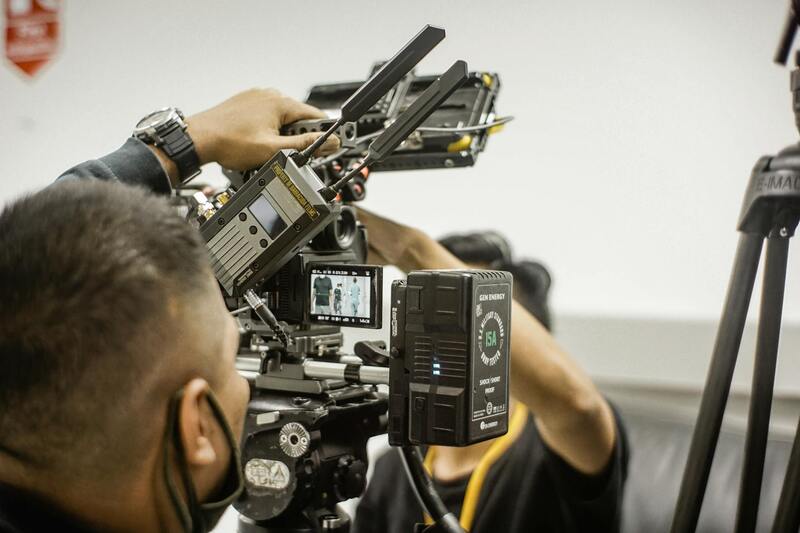
Effective photography also involves understanding camera settings such as aperture, shutter speed, and ISO. Adjusting the aperture controls depth of field, with smaller apertures (higher f-stop numbers) providing sharp focus throughout the scene. A balanced combination of ISO settings and shutter speed minimizes noise and motion blur, ensuring the clarity of each shot.
Post-processing is an extension of these techniques, where professional editing software is used to correct distortions, enhance colors, and ensure the images are true to life. Skilled photographers aim for images that accurately represent the property's aesthetics while maintaining a natural appearance—over editing can detract from credibility and appeal.
Choosing the Right Equipment and Techniques
High-quality property pictures depend heavily on selecting appropriate equipment and employing proven techniques. Professional real estate photography typically begins with the use of a DSLR or mirrorless camera equipped with a wide-angle lens. These lenses are essential for capturing expansive views of rooms and exteriors, making spaces appear larger and more inviting. A focal length between 14mm and 24mm usually achieves optimal wide-angle shots without significant distortion that can misrepresent the property.
Tripods are indispensable tools that ensure stability and sharpness, especially in low-light conditions or when shooting interiors with longer exposure times. Proper stabilization prevents blurring caused by hand movement, preserving the clarity necessary for compelling images. Additionally, using remote triggers or camera timers allows photographers to avoid shake caused by pressing the shutter button.
Understanding and adjusting camera settings is crucial. Aperture controls depth of field; selecting an aperture between f/8 and f/11 provides sufficient sharpness across the entire scene. Shutter speed adjustments facilitate correct exposure, especially when working indoors with varying light sources. ISO settings should be kept as low as possible to reduce noise, which can degrade image quality.
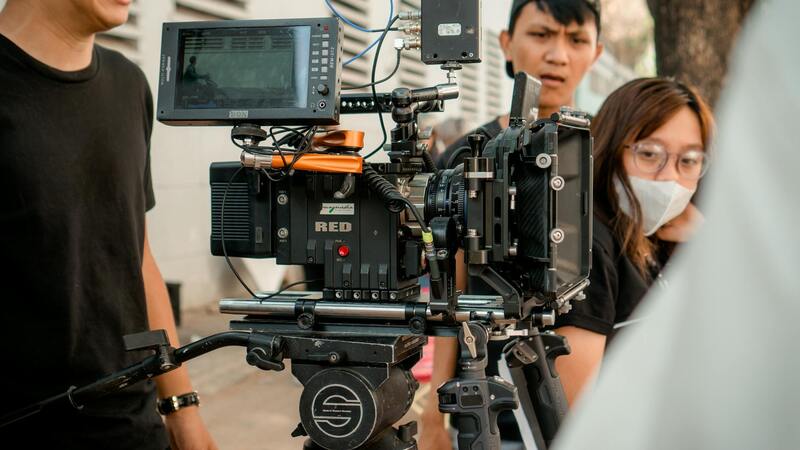
In challenging lighting environments, supplemental lighting techniques come into play. Using portable flash units, softboxes, or LED panels can illuminate dark corners without altering the natural ambiance of the space. When capturing scenes through windows, employing neutral density filters or adjusting exposure settings helps balance indoor lighting with external views, avoiding washed-out backgrounds or overly dark interiors.
High Dynamic Range (HDR) imaging is a common method to handle scenes with stark contrasts. It involves capturing multiple images at different exposures and merging them to produce a balanced photograph that reveals details in both shadowed and brightly lit areas. This technique is especially beneficial for rooms with large windows or views that require detailed representation.
Effective property photography also involves mastering camera angles and composition. Straightening lines, avoiding clutter, and focusing on appealing features of the property contribute to a compelling visual presentation. Incorporating leading lines, symmetry, and natural framing enhances the depth and visual interest of images.
Legal and Ethical Considerations
When capturing and utilizing property pictures for online listings, it is essential to adhere to established practices that respect the rights of property owners and maintain transparency with viewers. This involves obtaining proper authorization from property owners or representatives before conducting photo shoots, ensuring all image representations accurately reflect the property's condition and layout. Disclosing any renovations, enhancements, or staging work performed helps set clear expectations for prospective buyers or renters. In addition to permissions, it is important to avoid manipulating images in ways that could be misleading. This includes refraining from excessive digital enhancements that distort the true appearance or features of the property. Accurate color reproduction, correct perspective, and faithful representation of room sizes contribute to an authentic viewing experience. Another key aspect involves respecting privacy when photographing properties, especially in multi-unit dwellings or developments with shared amenities. Awareness of surrounding areas and avoiding intrusive shots of neighboring properties or personal spaces safeguards privacy rights. Finally, maintaining a consistent and truthful portrayal across all visual content fosters trust and builds credibility with potential clients. Photographers should also keep records of permissions and the conditions under which images were taken, ensuring accountability and transparency in marketing efforts.
Enhancing Property Images for Maximum Impact
Creating compelling property pictures that attract interested buyers or tenants requires more than just high-resolution images. It involves a strategic approach to showcase the property's best features while maintaining transparency and authenticity. High-quality images serve as a visual narrative, guiding viewers through the property's story and helping them envision living or working there.
To achieve this, photographers should focus on capturing a variety of angles and perspectives that highlight the spatial layout and design details. Natural lighting during the day can improve brightness and color accuracy, emphasizing the property's warmth and appeal. Incorporating wide-angle lenses allows for a broader view of rooms, giving viewers a clearer sense of space without distorting proportions. When shooting exteriors, consider the best times of day when sunlight enhances the property's curb appeal.
Beyond technical quality, the composition of each shot plays a crucial role. Symmetry and balance, such as centered furniture or evenly framed windows, direct the viewer’s eye and create an aesthetically pleasing image. Highlight unique architectural features or upgrades that differentiate the property from competitors. Including images of key areas such as kitchens, bathrooms, and outdoor spaces provides a comprehensive view that supports the property's selling points.
Maintaining Accuracy and Integrity in Property Visuals
While enhancement can enhance visual appeal, it must not compromise the authenticity of the images. Digital adjustments should focus on correct color reproduction, proper exposure, and minor corrections for lens distortion or perspective. Over-editing or manipulating elements to the extent that the images no longer reflect reality can lead to mismatched expectations, which may harm credibility and trust with potential clients.
Steps to Optimize Your Property Pictures for Digital Platforms
- Consistent Style and Branding: Use a uniform editing style and include branding elements subtly within images to reinforce recognition across listings.
- Capture Multiple Perspectives: Present a variety of shots for each area, including wide-angle and detailed close-ups, to give a full understanding of the space.
- Highlight Renovations and Unique Features: Emphasize upgraded fixtures, smart technology, or bespoke architectural details that increase perceived value.
- Maintain Transparency: Clearly depict the property's condition, avoiding staged or overly curated images that could be perceived as misleading.
- Optimize Image Sizes and Formats: Ensure images are compressed appropriately for quick load times without sacrificing quality, making listings more accessible across devices.
Innovative Techniques to Elevate Property Photography
Employing modern photography techniques, such as HDR imaging, can produce images with balanced highlights and shadows, showcasing the property in its best light regardless of lighting conditions. Drone photography offers a bird’s-eye view of the property and surrounding area, providing prospective clients with context regarding location and neighborhood features.
360-degree virtual tours further enhance engagement, allowing viewers to explore the property interactively online. These immersive experiences complement static images by delivering a comprehensive understanding of space and flow, making online listings more dynamic and attractive.
Legal and Ethical Considerations in Property Photography
Adhering to established standards in property photography encompasses a range of ethical practices that ensure transparency and integrity in listing representations. While highlighting the importance of showcasing properties accurately, it is essential to employ methods that respect both the property owner and prospective buyers or renters. Professional photography should reflect the true condition and features of a property without exaggeration or misrepresentation, maintaining trust and credibility in the market.
One fundamental aspect involves obtaining proper permissions from property owners prior to photographing. This consent process guarantees clarity regarding the images being used for promotional purposes and avoids potential disputes. When capturing the property, photographers must avoid manipulating images in ways that could deceive viewers, such as removing or altering features that are permanently present or absent, which might mislead potential clients.
Additionally, the consistent application of visual standards plays a crucial role. This includes verifying that lighting, angles, and perspectives are used responsibly to portray each room accurately. Overly edited or heavily staged images that significantly deviate from reality can compromise the integrity of the listing. The goal is to present the space in a manner that prospective clients can expect to encounter upon viewing the property in person.
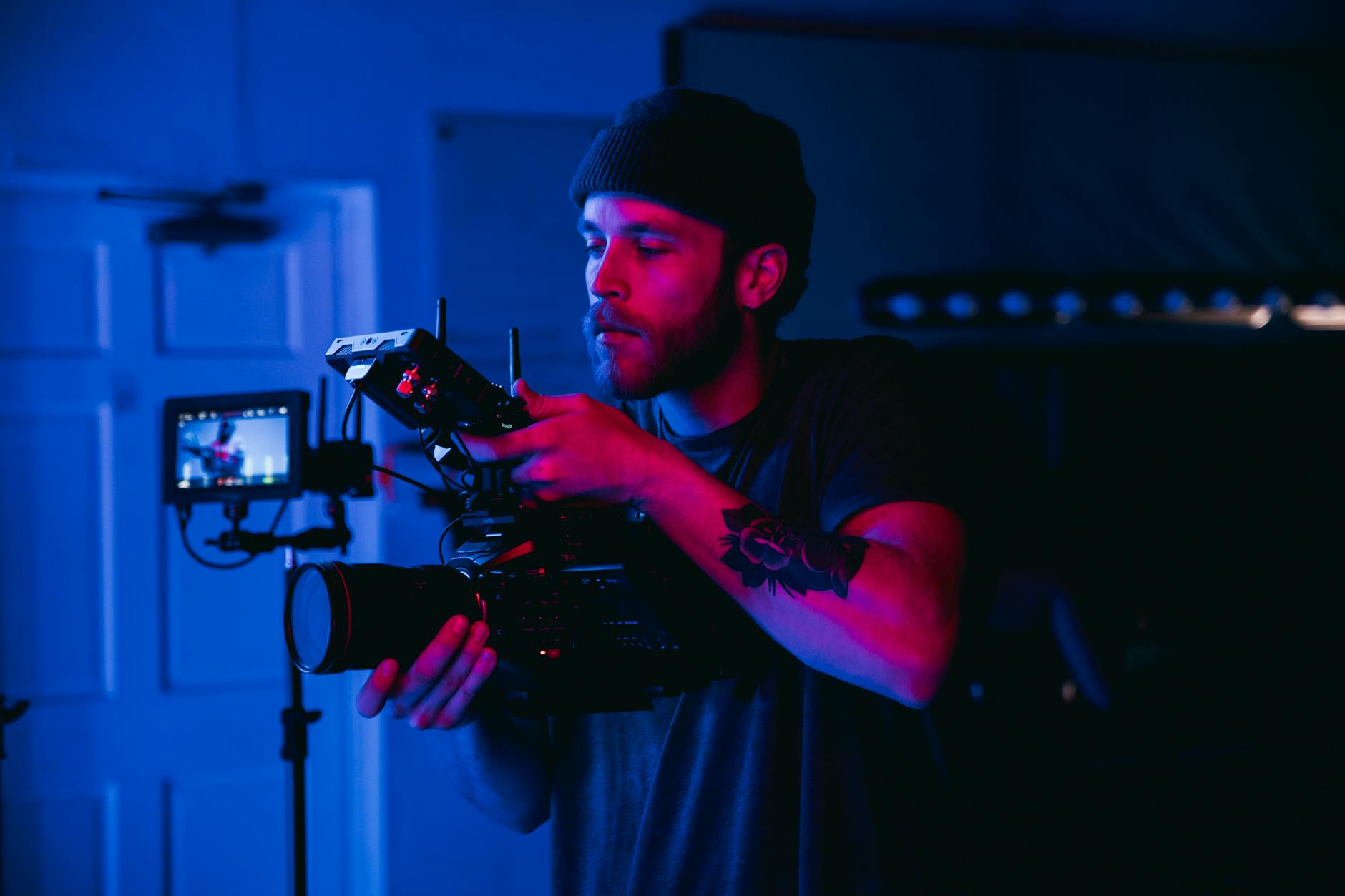
Respecting privacy and security is also critical. Sensitive areas or personal belongings should be either excluded from photographs or adequately obscured. This approach strikes a balance between offering comprehensive visuals and safeguarding the privacy of current occupants, fostering a professional and respectful presentation.
In terms of editing, it is advisable to limit adjustments to enhance clarity and color accuracy rather than drastically altering the property's appearance. Professional photographers often utilize techniques such as high-dynamic-range (HDR) imaging, which balances light and shadows to capture the space as it appears in reality, avoiding overly dramatic effects that could distort viewers' expectations.
Conclusion
By maintaining transparency, respecting privacy, and adhering to responsible photographic practices, real estate professionals can foster trust and ensure that property listings reflect genuine representations. Such diligence not only upholds the credibility of the listing but also elevates the overall reputation of the professionals involved, paving the way for successful transactions based on accurate and honest visual communication.