Understanding the Purpose of a Real Estate Agent Photoshoot
In today’s competitive real estate market, the visual presentation of an agent plays a crucial role in establishing credibility and attracting clients. A professional real estate agent photoshoot serves as a strategic tool to highlight an agent’s professionalism, approachability, and industry expertise. High-quality images project confidence and trustworthiness, making potential clients more likely to reach out for consultations or listings.
Effective photography can significantly enhance an agent's online presence across multiple platforms, including personal websites, social media, and online property listings. By showcasing well-crafted images, agents can differentiate themselves in a crowded marketplace, immediately capturing the attention of prospective clients and establishing a memorable brand identity. Moreover, professional photos provide a visual narrative that conveys expertise and dedication, reinforcing an agent’s commitment to quality service.
Beyond marketing, a comprehensive photoshoot allows agents to present their personality and professional demeanor. This authentic representation helps forge personal connections, which are key in real estate transactions. Clients are more inclined to partner with agents they find approachable and trustworthy, qualities that are effectively communicated through polished, professional images.
In addition to personal branding, a well-executed photoshoot supports broader marketing strategies. It provides high-resolution, versatile images that can be utilized in various promotional materials, from print flyers to digital ads. Such consistency in visual branding enhances recognition and reinforces an agent’s reputation as a dedicated, professional service provider.
Investing in a dedicated real estate agent photoshoot signifies a commitment to quality and professionalism. It sets a tone of seriousness that resonates with clients seeking knowledgeable and reliable partners in their property endeavors. Ultimately, the visual narrative created through a professional photoshoot plays a vital role in shaping public perception, increasing client engagement, and achieving success in a highly visual-driven industry.
Selecting a Suitable Location and Setting
Choosing the right location for a real estate agent photoshoot is crucial in conveying professionalism and approachability. The setting not only reflects the agent’s brand but also influences the overall tone of the imagery. It’s essential to identify environments that highlight the agent’s personality while enhancing the visual appeal of the photographs.
When selecting locations, consider spaces that resonate with the target clientele and the type of properties represented. For instance, a sleek modern office conveys sophistication and efficiency, ideal for agents specializing in high-end properties. Conversely, a contemporary, well-maintained workspace with a welcoming ambiance might appeal to clients seeking approachable, client-focused service.
Outdoor settings can also be effective, especially when pictures are intended to showcase the agent’s connection with the community or a passion for outdoor activities. A park, city plaza, or an attractive local landmark can add a dynamic element to the photos, making them more engaging.
The backdrop should be neat, well-maintained, and free from clutter that could distract viewers. Natural lighting is often optimal; thus, choosing locations with good daylight exposure is advisable. If shooting indoors, ensure ample lighting and a clean, organized environment that complements the agent’s attire and overall aesthetic.
Clever use of background elements, such as branded signage or relevant props, can subtly reinforce the agent’s identity and expertise. Ultimately, the goal is to select settings that authentically represent the agent’s professionalism while resonating with their target audience.
Preparing the Property for the Photoshoot
Effective preparation of the property ensures that the focus remains on the agent and the space they are promoting. This involves meticulous staging to highlight key features and create an inviting atmosphere.
- Cleanliness and Decluttering: Remove unnecessary items, personal belongings, and clutter to create a pristine environment that appears spacious and well-maintained.
- Lighting: Maximize natural light by opening curtains and blinds. Complement this with professional lighting equipment to minimize shadows and create a bright, welcoming feel.
- Staging: Arrange furniture and decorative elements to enhance the space’s best features. Use neutral colors and minimal décor so that the environment appears timeless and adaptable to future marketing materials.
- Exterior Appearance: Ensure lawns are trimmed, pathways are clean, and any outdoor furniture is tidy. First impressions are formed from curb appeal, so these details are vital.
Psychologically, a well-prepared property communicates quality and attention to detail, translating into increased client confidence. This thorough staging process elevates the overall quality of the photographs, providing a professional and polished look that supports marketing efforts effectively.
Choosing the Appropriate Background and Setting for a Real Estate Photoshoot
When planning a real estate agent photoshoot, selecting the optimal background and setting plays a crucial role in maximizing visual impact and conveying the desired professional image. The background must complement the agent's brand and target market while highlighting the property’s unique qualities. It’s essential to evaluate each location within the property, considering factors such as lighting conditions, architectural features, and overall aesthetic appeal.
Indoor environments benefit from backgrounds that showcase the residence’s layout, design style, and key features. Opt for settings with natural light, neutral color schemes, and uncluttered spaces to avoid distracting the viewer. Conversely, when shooting outdoors, the environment should reflect the property's curb appeal, including well-maintained landscaping, clean pathways, and appealing scenery. Natural backdrops such as gardens, water features, or architectural facades can add depth and interest to the images.
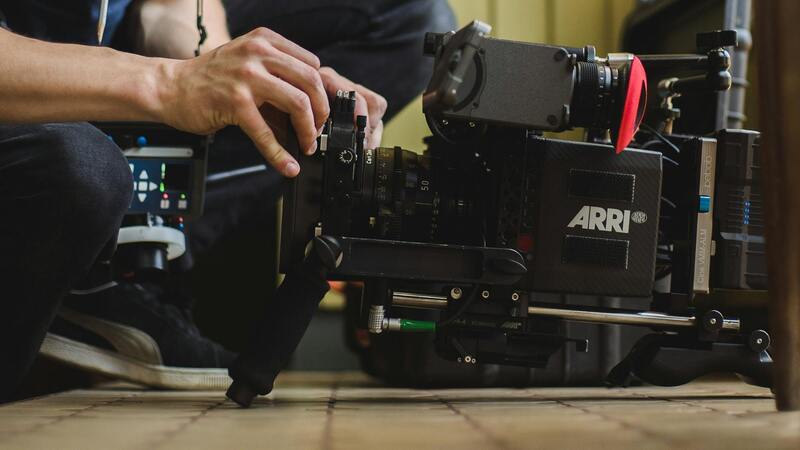
Consider the angle and composition when choosing the background. A compelling shot often features a clean, unobstructed view that draws the viewer’s eye toward the focal point—be it the agent, the property, or a specific architectural element. Utilizing elements such as doorways, windows, or outdoor features can create a layered, engaging composition that guides the viewer’s attention naturally.
Properly curated backgrounds help convey the lifestyle or ambiance the property offers, thereby aligning with the target demographic. For example, a modern apartment with sleek decor should be set against contemporary backgrounds, while a rustic home may benefit from scenic outdoor elements that emphasize its charm.

Ultimately, the goal is to create a cohesive visual narrative that resonates with prospective clients. This involves collaboration between the agent, photographer, and production team to ensure that the chosen settings reflect the property’s strengths and the agent’s professional image. Careful planning and consideration of the background and setting will produce high-quality images that stand out in a competitive real estate market.
Technical Aspects of a Real Estate Agent Photoshoot
Executing a professional real estate agent photoshoot requires attention to a range of technical elements that ensure the final images meet industry standards and effectively showcase the property. High-resolution equipment, optimal lighting conditions, and precise camera angles all contribute to compelling visuals that capture attention and convey the property’s essence.
Utilizing high-quality DSLR or mirrorless cameras equipped with wide-angle lenses is essential for capturing expansive interior spaces and architectural details without distortion. Proper lens selection allows for a comprehensive view of rooms while maintaining clarity and depth. Additionally, professional lighting, whether natural or supplementary, helps in avoiding shadows and highlights the property’s best features.
The timing of the shoot plays a crucial role in leveraging natural light. Morning or late afternoon often provides softer, more flattering sunlight, which can add warmth and depth to images. For interiors, ensuring that windows are unobstructed and that light sources are balanced helps create an inviting atmosphere.
Equipment calibration, including adjusting white balance, ISO, and aperture settings, ensures color accuracy and image clarity. Employing exposure bracketing methods can also help balance overly bright or dark areas within the photos, ensuring a consistent and professional appearance.
During post-processing, images are refined with color correction, touch-ups, and cropping to accentuate the property’s strengths further. High-quality images not only attract potential buyers but also strengthen the agent's credibility in the competitive real estate landscape. Properly executed technical aspects demonstrate meticulous attention to detail, which translates into a more compelling marketing campaign.

Collaborating with Photographers and the Production Team
Effective collaboration between real estate agents and professional photographers is fundamental to capturing images that truly reflect the property's best features. Clear communication regarding the desired aesthetic, specific details to highlight, and any unique selling points ensures that the photos resonate with the target audience. Sharing a detailed shot list can streamline the process, allowing the photographer to prepare equipment and plan the lighting setup accordingly.
It’s important for the agent to provide insights about the property's standout characteristics and the story they want the images to tell. This collaborative approach fosters a shared vision, resulting in photos that are both visually appealing and strategically aligned with marketing goals. Photographers should be encouraged to suggest angles and compositions that maximize space perception and highlight architectural elements.
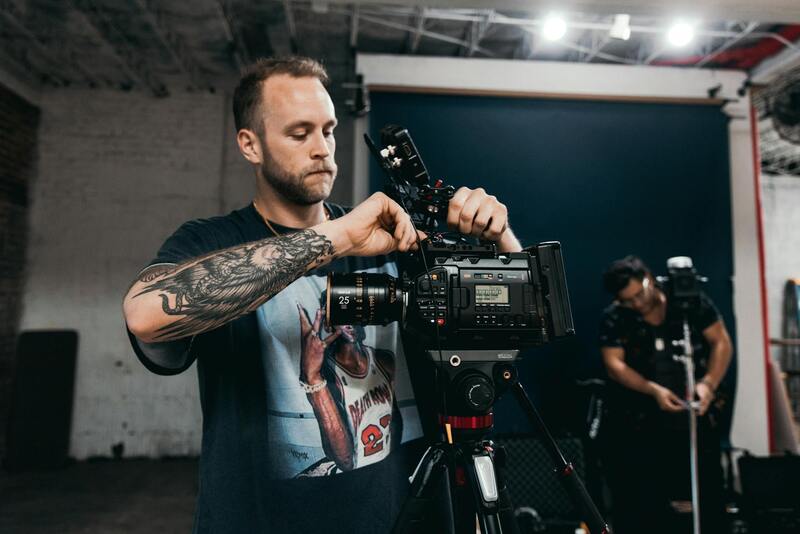
During the shoot, the production team may include lighting technicians, stylists, and assistants. Their combined expertise ensures optimal setup, proper staging, and seamless execution. Regular check-ins during the session allow for real-time adjustments, ensuring consistency and quality in the final images. A well-coordinated team effort reduces the need for reshoots and minimizes delays in the property’s marketing timeline.
Timing and Best Practices for a Photoshoot
Scheduling a photoshoot at the right time of day enhances the visual impact of exterior and interior images. Early mornings or late afternoons often provide optimal natural lighting, creating warm, inviting photos that attract potential buyers. Overcast days can also be beneficial, as diffuse light reduces harsh shadows and highlights, ensuring even illumination across the property.
Before the shoot, it's essential for the team to prepare a detailed plan that covers shot sequences, lighting arrangements, and any props or staging items needed. This preparation minimizes disruptions and ensures all key areas are captured efficiently. Additionally, weather conditions should be considered; postponing the shoot during heavy rain or storms maintains the quality of exterior photos and preserves the property's curb appeal.
Transitions between interior and exterior photography should be coordinated to make the most of the lighting conditions. The final schedule should allocate sufficient time to photograph each space thoughtfully, avoiding rushed captures that may compromise image quality. Employing a systematic approach simplifies the editing process later and ensures consistency across all images.
Post-Processing and Using Photos Effectively
After the photoshoot, meticulous editing enhances the visual appeal while preserving authenticity. Adjustments to color balance, brightness, and contrast help in presenting the property as it appears in real life, avoiding over-enhancement that could mislead viewers. Removing minor imperfections and optimizing image clarity further elevates the professionalism of the presentation.
High-quality images serve as the cornerstone of digital marketing efforts. They should be formatted and optimized for various platforms, including MLS listings, social media, and the agent’s website. Consistency in style and tone across all images reinforces branding and builds trust with potential buyers.
Utilizing compelling photographs in virtual tours, floor plans, and promotional materials maximizes engagement. When integrated effectively, these visual assets can accelerate the decision-making process for buyers and enhance the agent's reputation as a detail-oriented professional committed to showcasing properties at their best.
Understanding the Purpose of a Real Estate Agent Photoshoot
A professional real estate agent photoshoot serves to create a compelling visual narrative of a property, highlighting its best features and attracting potential buyers. This visual storytelling not only captures the spatial layout and design elements but also conveys the lifestyle and ambiance associated with the property. High-quality images act as the digital first impression, offering viewers a glimpse into the quality and uniqueness of a listing. Properly executed photos can significantly enhance online visibility, increase engagement, and ultimately shorten the time on market.
The aim extends beyond simple representation; it involves showcasing a property's distinctive characteristics, emphasizing its functionality, and creating an emotional connection with prospective buyers. Photos should accurately depict the property's condition, space, and ambiance without overselling, thereby maintaining transparency and building trust. As real estate is a competitive market, compelling imagery can be the decisive factor that turns potential interest into a scheduled viewing or an offer.
Choosing the Right Photography Style and Aesthetic
Selecting an appropriate photography style aligns with the property’s target market and branding strategy. Traditional real estate photography focuses on clarity, balanced lighting, and accurate color reproduction, ensuring viewers receive an honest representation of the property. On the other hand, lifestyle or staging photography emphasizes creating aspirational images that depict a potential lifestyle, often incorporating styled furniture and decor to evoke emotion and inspire imagination.
Bright, airy visuals are usually preferred for residential properties as they enhance the sense of space and cleanliness. Contrastingly, darker, moodier aesthetics might be suited for luxury or unique properties aiming to evoke sophistication and exclusivity. Consistency in style across all images ensures a cohesive and professional presentation, reinforcing branding efforts and attracting the desired buyer demographic.
Selecting a Suitable Location and Setting
The choice of locations within the property for photography plays a critical role in capturing its appeal. Focus should be on well-lit, clutter-free areas that highlight the functionality and flow of the space. Key areas include the primary living rooms, kitchens, bathrooms, master bedrooms, and outdoor spaces such as patios or gardens. Each shot should be carefully composed to emphasize the property's strengths, such as high ceilings, architectural details, or scenic views.
Timing is also essential; scheduling shoots during optimal lighting conditions, typically late morning or early evening, can maximize natural light and minimize shadows. Additionally, considering seasonal aesthetics—like blooming flowers or lush greenery—can add vibrancy to outdoor images, making the property more inviting.
Preparing the Property for the Photoshoot
Preparation is key to ensuring the property looks its best during a photoshoot. This involves thorough cleaning, decluttering, and staging to create a neat and inviting environment. Clutter distracts viewers and diminishes perceived space, so organizing countertops, removing personal items, and tidying up storage areas are essential steps.
Staging can significantly influence how potential buyers perceive the property's potential. This may involve rearranging furniture to accentuate spaciousness, adding fresh flowers, aligning decorative elements, or adjusting lighting to enhance warmth and depth. It's also wise to address minor repairs, such as fixing leaky faucets, repainting scuffed walls, or replacing burnt-out bulbs, to avoid distracting imperfections in photos.
Outfit and Personal Presentation for Agents
Personal presentation by agents during the photoshoot impacts how prospective buyers perceive professionalism and trustworthiness. Agents should opt for business casual attire that is neat, clean, and in neutral tones to avoid distracting from the property itself. Well-groomed appearance and confident posture contribute to a positive image, aligning with the professional standards expected in real estate transactions.
It's important for agents to coordinate their clothing choices with the property’s aesthetic to ensure consistency. For instance, if the property boasts modern design elements, smart casual attire with sleek accessories may be appropriate. Conversely, a more traditional setting may call for slightly formal attire. Being punctual, respectful, and engaged throughout the session also reflects positively on the agent’s brand, reassuring clients of their dedication and professionalism.
Coordinating with Photographers and the Production Team
Effective communication with your photography and production team is essential to ensure the photoshoot runs smoothly and meets the desired standards. Before the scheduled session, clarify the specific goals for the shoot, including the types of shots needed to highlight the property's most attractive features. Share any particular preference for angles, lighting, or styles that align with your marketing strategy.
During the planning phase, discuss the sequence of the shoot. Determine the preferred order for images—starting perhaps with exterior shots during optimal lighting conditions, then progressing to interior spaces. This planning minimizes delays and allows the team to allocate equipment, lighting, and manpower efficiently.
It’s also advantageous to conduct a walkthrough of the property with the photographer beforehand. This allows for identifying potential challenges, such as difficult lighting spots or awkward layouts, and strategizing how to optimize each scene. Providing the photography team with details about the property's unique features can help them tailor their approach, ensuring that the visuals truly capture the essence of the space.
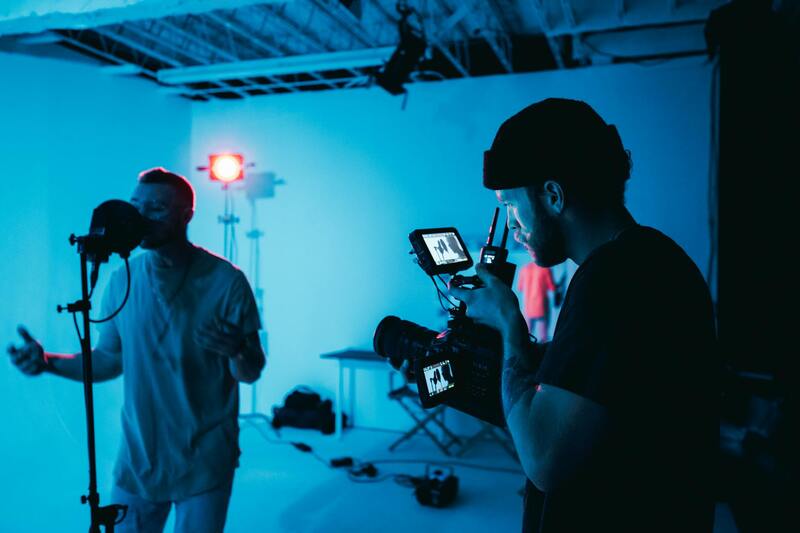
Additionally, establish a timeline for the session to encourage punctuality and efficiency. During the shoot, maintain an open dialogue with the team, offering feedback or adjustments as necessary. This collaborative approach guarantees that the resulting images align with your expectations and marketing objectives.
Post-photoshoot, review the images promptly. If possible, request a preliminary selection to ensure the shots meet quality and composition standards. Address any concerns or requests for retouching directly with the team early on to prevent delays in deploying the photos across your marketing platforms.
Proper collaboration not only enhances the visual quality but also solidifies a professional partnership, ensuring future shoots are equally productive and aligned with your brand standards.
Understanding the Importance of Proper Image Usage in Real Estate Marketing
Once high-quality images have been captured during the real estate agent photoshoot, the next crucial step involves strategic utilization across marketing channels. Proper image placement and presentation significantly influence how potential buyers perceive the property, making it essential to follow established best practices for maximized impact.
Optimizing Visuals for Online Listings
In today's digital real estate landscape, online listings serve as primary touchpoints for prospective buyers. Ensure that the images used in these listings are high-resolution and professionally processed to highlight the property's best features. Incorporate a balanced mix of wide-angle shots showcasing entire rooms and detailed imagery that emphasizes unique design elements or upgrades.
Additionally, arrange photographs to tell a compelling visual story. Prioritize images that depict the home's flow and spatial relationships, helping viewers visualize themselves within the space. Use consistent lighting and color correction to maintain a cohesive look throughout the listing, which can enhance perceived quality and professionalism.
Effective Use of Photos in Marketing Materials
Beyond online listings, quality images are vital components of brochures, flyers, and email campaigns. Incorporate selected photographs into print and digital collateral that targets prospective buyers and agents. Keep in mind that layout and design should complement the images, ensuring they stand out without overwhelming the overall message.
For social media promotion, adapt images to specific platform formats, utilizing cropping and sizing techniques. Highlight stunning vistas or key property features to capture attention quickly. Strategically pacing the release of different images can build anticipation and maintain engagement throughout a property’s marketing campaign.
Harnessing Photos for Virtual Tours and 3D Presentations
High-quality photos form the foundation for immersive virtual tours and 3D walkthroughs. Integrate the images seamlessly into interactive platforms, allowing potential buyers to explore the property remotely with realistic detail. These virtual experiences are especially valuable in reaching a wider audience and facilitating remote decision-making processes.
Maintaining Consistency and Brand Cohesion
It’s important to establish a consistent aesthetic and style that aligns with your brand identity. Whether through specific color grading, framing, or composition standards, consistency helps reinforce your reputation for professionalism while making your listings instantly recognizable.
Legal and Ethical Considerations in Image Usage
Always ensure that the images used adhere to property rights and privacy standards. Secure necessary permissions if the images feature individuals or private settings. Respect intellectual property rights by using only images produced through authorized channels, which preserves credibility and avoids potential disputes.