
Importance of High-Quality Real Estate Photos
In the competitive Miami real estate market, the significance of high-quality real estate photos cannot be overstated. These images serve as the virtual front door to a property, capturing its unique features and appeal in a way that words alone cannot convey. Well-composed, professional photographs help listings stand out amidst countless others, attracting more potential buyers and facilitating quicker sales cycles.
Recent studies have demonstrated that listings featuring high-quality images receive significantly more views and inquiries, often leading to faster offers and higher closing prices. Buyers tend to form first impressions based on photos, making them a critical component of an effective marketing strategy. In a vibrant, visually-driven city like Miami, where luxury and aesthetic appeal are particularly valued, the quality of property photos directly influences a buyer’s perception and decision-making process.
Furthermore, professional photography enhances the perceived value of a property, often justifying higher listing prices. It highlights the property’s best features, from spacious living areas to stunning outdoor views, and accurately represents the property’s condition and layout. This clarity reduces the likelihood of misconceptions and accelerates negotiations, resulting in a more seamless transaction process.
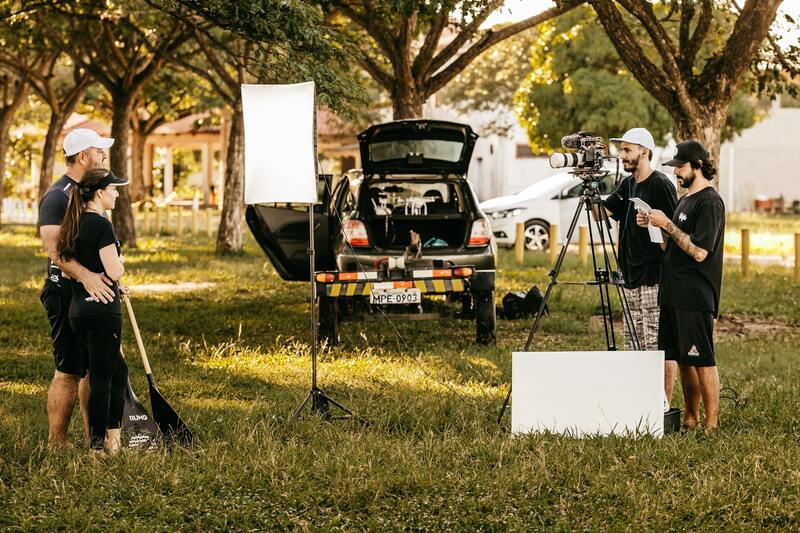
In summary, high-quality real estate photos are not merely aesthetic choices but strategic tools that can significantly impact the success of property listings. Engaging images create a compelling narrative of the property’s potential, ensuring listings gain maximum visibility with targeted audiences. For real estate professionals in Miami, investing in top-tier photography is an essential step toward achieving outstanding sales results and establishing a reputable market presence.
Choosing the Right Equipment and Techniques
Employing suitable equipment and techniques is fundamental to capturing compelling real estate images that accurately represent a property's appeal. Professionals utilize high-resolution digital cameras equipped with wide-angle lenses, which allow for capturing expansive interior views and enhancing perceived space within rooms. Additionally, specialized camera equipment such as tripods ensures stability and precision during shooting, preventing blurry images that can detract from a listing’s attractiveness.
Natural lighting plays a crucial role in real estate photography. Skilled photographers time their shoots to take advantage of optimal sunlight conditions, often scheduling during broad daylight with clear weather. They also use reflectors and diffusers to manipulate natural light, minimizing harsh shadows and ensuring even illumination. In spaces with limited natural light, professional lighting setups—including softboxes and strobe lights—are employed to brighten interiors without creating unnatural color casts.
Techniques such as HDR (High Dynamic Range) imaging blend multiple exposures to maintain detail in both shadows and highlights. This approach is especially useful in scenes with contrasting lighting, like bright windows facing interior spaces. Additionally, precise staging and decluttering before shooting allow property features to shine and help prospective buyers visualize their potential living environment without distractions.
The Role of Professional Photography Services
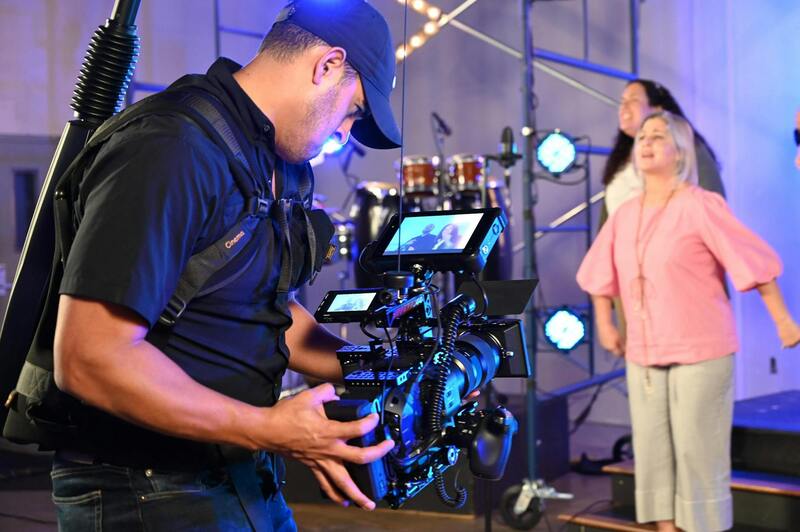
Engaging experienced photography agencies provides a strategic advantage in showcasing properties effectively. These professionals bring a comprehensive understanding of lighting, composition, and the latest photographic technologies, ensuring each shot enhances the property's best features. They also possess the skills to quickly adapt to unique property characteristics and lighting conditions, delivering consistent quality across listings.
Professional photographers offer services that go beyond basic photography, including aerial drone shots for capturing expansive outdoor views, twilight photography to evoke mood and ambiance, and virtual staging to help buyers imagine personalized living spaces. These diverse offerings expand the visual narrative of a property, making listings more engaging and memorable.
Editing and Post-Processing for Real Estate Photos
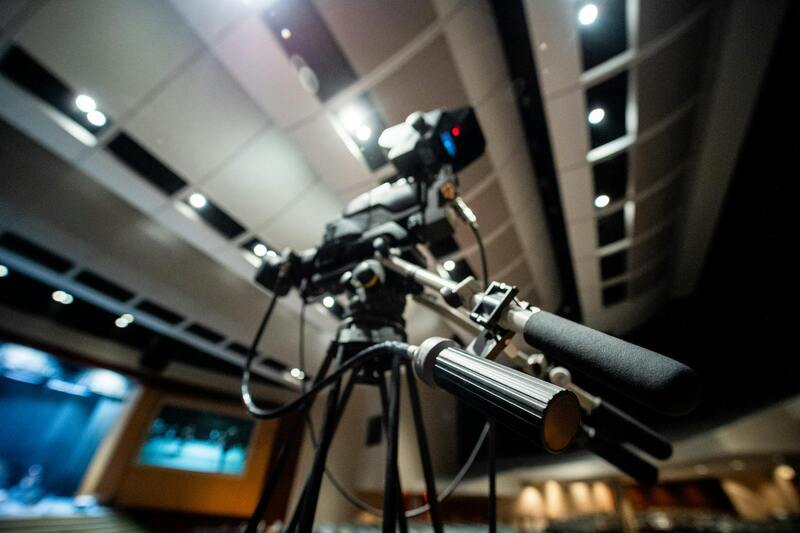
Post-production editing enhances raw images by correcting color balance, adjusting exposure, and eliminating visual imperfections. Skilled editing ensures that images accurately reflect the property's appearance while maintaining a natural and appealing look. Techniques like perspective correction straighten lines and improve spatial accuracy, making rooms appear more inviting and proportionate.
Retouching may involve removing minor clutter, optimizing lighting effects, or enhancing landscape features to highlight outdoor amenities. The goal is to create a polished, professional final product that captivates viewers without misleading or exaggerating the property's qualities.
Optimizing Photos for Online Listings and Marketing
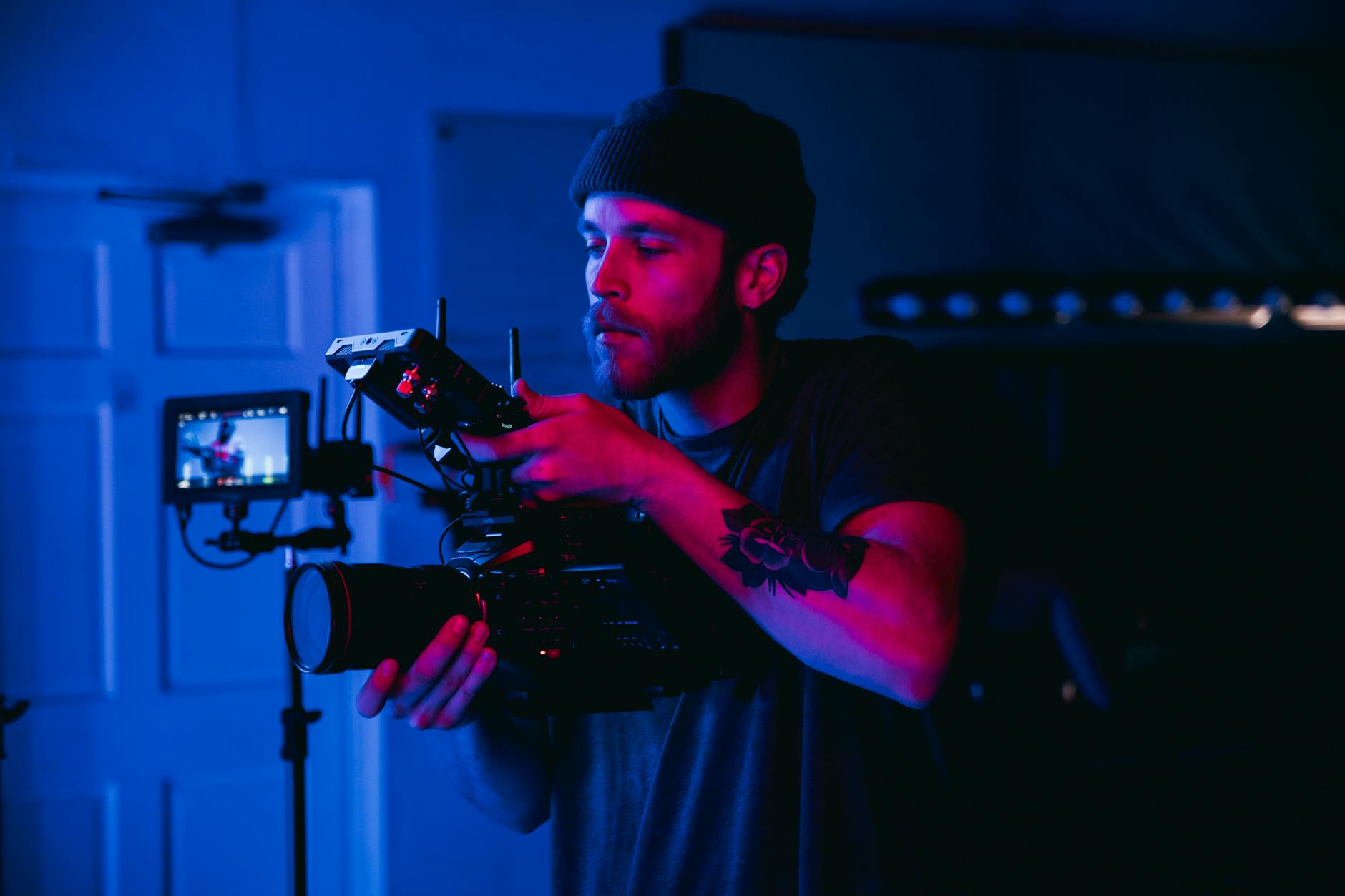
Proper optimization ensures that photos load quickly, display correctly across devices, and rank well in search results. This includes resizing images for various platforms, applying appropriate compression to reduce file sizes without sacrificing quality, and embedding relevant metadata such as keywords and location tags.
Effective optimization also involves creating high-resolution images to appeal to viewers on desktop and high-quality displays. Thumbnails and carousel images are designed to maintain visual impact even at smaller sizes. Additionally, consistent visual branding across all marketing channels reinforces professional reputation and builds trust with prospective clients.
Choosing the Right Equipment and Techniques
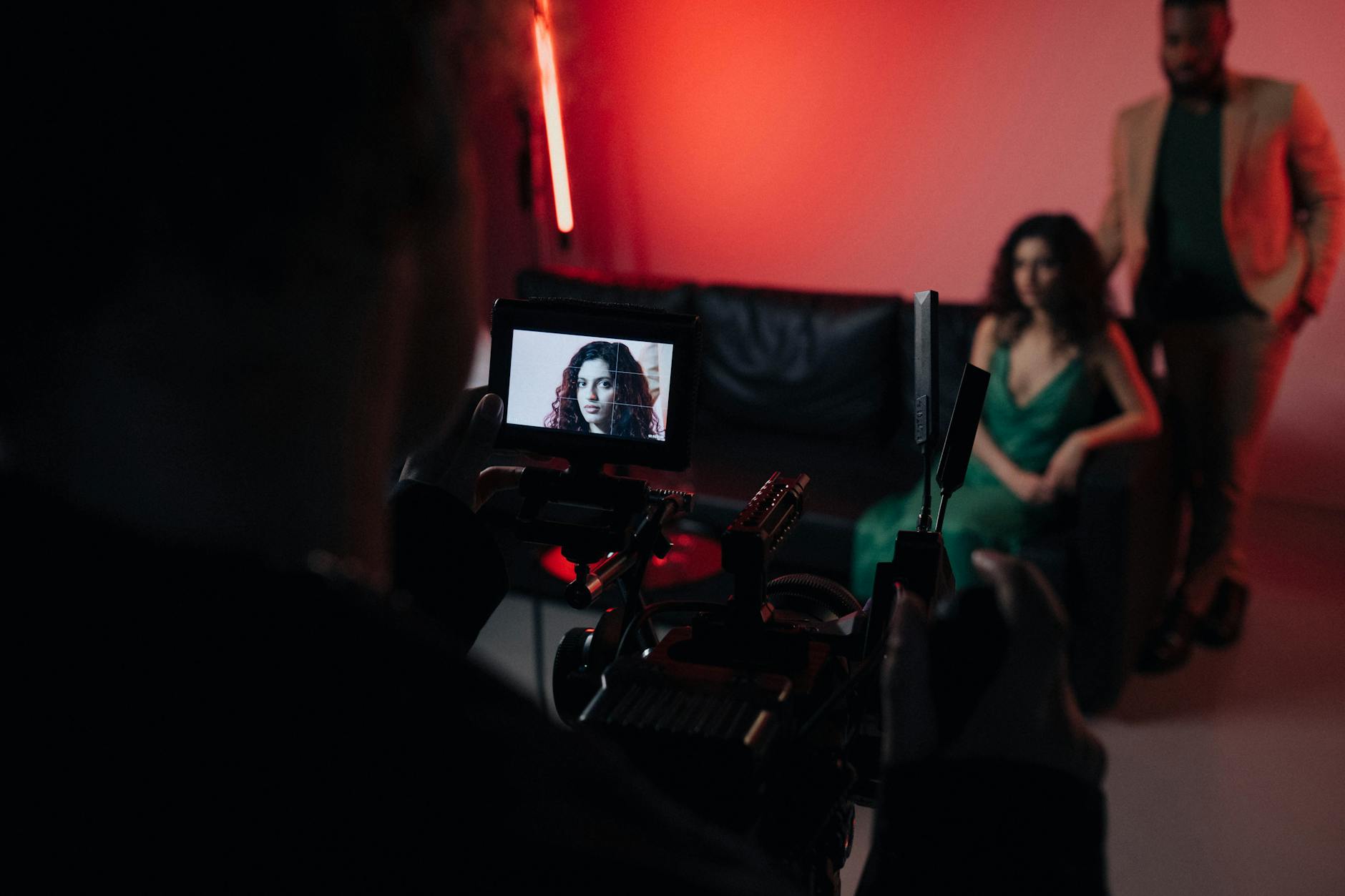
To produce compelling real estate business photos, utilizing the appropriate equipment and techniques is essential. Professional-grade cameras with high-resolution sensors are the foundation for capturing detailed and sharp images that showcase the property's features effectively. Wide-angle lenses are particularly valuable, as they allow photographers to capture more of a room or exterior in a single shot, creating a sense of spaciousness that appeals to potential buyers.
Drone photography has become an integral part of the real estate visual marketing toolkit. Aerial shots provide unique perspectives that highlight property size, landscape context, and proximity to significant amenities or scenic views. These images are especially potent for large estates, commercial properties, and waterfront homes, offering prospective clients a comprehensive view of the property's placement within its environment.
In addition to equipment, mastering various photographic techniques enhances image quality. Proper lighting, whether natural or artificial, is critical. Utilizing HDR (High Dynamic Range) techniques can balance interior lighting, ensuring bright, inviting rooms without overexposing windows or shadows. Correcting perspective distortions, especially for interior shots, maintains geometric accuracy, making rooms appear more proportionate and pleasing.
Staging the property prior to shooting is another important consideration. A tidy, well-arranged space with appropriate furniture and decor can significantly improve the visual appeal, allowing images to better communicate the property's value. Consistent use of techniques such as tripod stability, appropriate aperture settings, and carefully planned composition will result in images that are clear, well-lit, and engaging.
Editing and Post-Processing for Real Estate Photos
Post-processing is a crucial step in transforming raw images into compelling visuals that resonate with potential buyers. This process involves carefully enhancing photographs to highlight the property’s best features without misrepresenting its actual condition. Skilled editing ensures the photos are bright, crisp, and inviting, making the property stand out amidst numerous online listings.
Adjustments such as color correction, brightness, contrast, and sharpness help to create a vibrant and balanced image that accurately represents the property's atmosphere. Proper white balance adjustments can correct indoor lighting inconsistencies, ensuring that walls, furniture, and fixtures appear natural and true to life. Additionally, removing minor distractions or imperfections—such as dust spots, reflections, or unwanted objects—helps maintain focus on the property itself.
One common technique in real estate photography post-processing is HDR blending, which combines multiple exposures to produce images with detailed highlights and shadows. This technique is especially effective for interiors with windows, where balancing the exterior view with interior lighting can be challenging.
Perspective correction is another important aspect. Sometimes, wide-angle lenses create distortions that can make walls appear bent or skewed. Post-processing software allows for subtle adjustments to straighten lines and improve the geometric accuracy of images, providing a more realistic perception of space.
Care must be taken to avoid over-editing. Inauthentic enhancements can mislead buyers and potentially diminish trust. The goal is to present the property in the most appealing and truthful manner possible, capturing its true essence and potential.
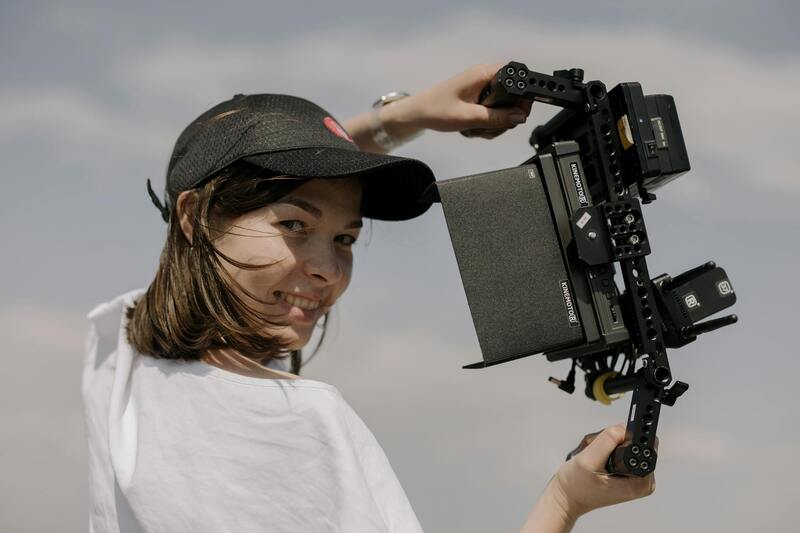
Advanced editing software, such as Adobe Photoshop or Lightroom, offers extensive tools for fine-tuning images. Real estate professionals often employ these tools to unify the aesthetic style across multiple listings, ensuring a consistent presentation that reinforces the property's branding.
For properties with significant outdoor space or unique architectural features, editing can be used to enhance landscape images and capture the property's full potential. Properly processed photos not only attract more viewers but can also lead to faster sales by providing a polished, professional visual narrative of the property.
Technical Aspects of Real Estate Photography
When aiming to produce compelling real estate photos, attention to technical details such as lighting, perspective, and composition is crucial. Proper lighting ensures the property looks inviting and highlights its best features. Utilizing natural light during the day produces warm, vibrant images that resonate with viewers, while controlled artificial lighting can illuminate darker areas and prevent shadows.
Perspective plays a significant role in portraying space accurately. Wide-angle lenses are commonly used to capture more of a room within a single frame, giving viewers a sense of the property's scale. However, it's essential to use these lenses carefully to avoid distortion, which can mislead viewers regarding room dimensions. Correctly aligning the camera and employing perspective correction tools in post-processing can help maintain geometric accuracy.
Composition is the foundation of aesthetically pleasing images. Framing the key features of each room, including focal points such as fireplaces, large windows, or beautiful architectural details, directs viewers' attention effectively. Symmetry, leading lines, and the rule of thirds are compositional techniques that enhance visual interest.
Utilizing Natural and Artificial Light
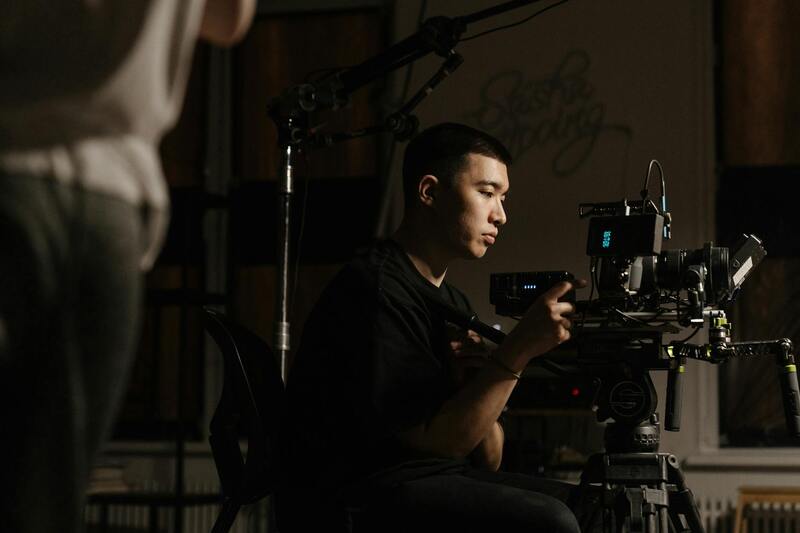
Maximizing natural light involves shooting during daylight hours, ideally when the weather is clear to allow ample sunlight. Opening blinds and curtains, and removing unnecessary objects from view, can also help brighten interior shots. When natural light is insufficient or inconsistent, professional lighting equipment such as softboxes, LED panels, or bounce reflectors can create a uniform, inviting ambiance.
Balancing interior and exterior lighting is critical, especially for listings with large windows or scenic views. High Dynamic Range (HDR) photography techniques often come into play here, merging multiple exposures to capture both bright exteriors and shadowed interiors without sacrificing detail.
Maintaining Consistency Across Images
Consistency in framing, lighting, and editing ensures that all photos in a listing or portfolio present a unified visual story. Using standardized camera settings, editing presets, and staging techniques contributes to a professional look, reinforcing the property's appeal and making navigation through the images seamless for potential buyers.
Legal and Ethical Considerations in Real Estate Photos
Maintaining a transparent and honest representation of properties is fundamental in real estate photography. Photographers and agents must ensure that images accurately reflect the property's condition, layout, and features without exaggeration or omission. This authentic portrayal builds trust with prospective buyers and preserves the integrity of the listing.
It is important to obtain proper permissions when photographing private spaces or personal belongings within a property. Respect for privacy and adherence to regulations regarding property access and photography are essential. Clear communication with property owners or tenants about the scope of the shoot, the type of images taken, and their intended use helps prevent misunderstandings or issues later on.
Adhering to ethical standards also involves avoiding manipulative editing practices that could mislead viewers. While post-processing enhances image quality, it should not alter the property's true appearance significantly. Overly airbrushed or heavily edited photos that distort reality compromise the credibility of the listing and can lead to dissatisfaction or mistrust from prospective buyers.
In addition to respecting property rights and privacy, ensuring compliance with advertising regulations related to real estate marketing is vital. Descriptions and images must align, providing a truthful depiction that supports fair marketing practices. This alignment helps avoid potential disputes or penalties and fosters a reputation for professionalism within the industry.

Choosing the Right Equipment and Techniques
Assembling the proper tools and applying advanced techniques are fundamental to capturing compelling real estate photos that attract potential buyers. The selection of equipment must align with the unique features of each property, ensuring images highlight space, light, and architectural details effectively.
High-quality cameras with a wide-angle lens are essential for capturing expansive interior shots, allowing for a comprehensive view of living areas without distortion. Tripods are vital to maintain stability and achieve sharp, clear images, especially in low-light conditions or during interior shots where longer exposures are necessary.
Lighting plays a crucial role in real estate photography. Utilizing natural light maximizes the brightness and authenticity of spaces, emphasizing the property's welcoming atmosphere. Supplementing with professional lighting equipment, such as portable flash units or continuous soft lights, helps fill shadows, balance light levels, and showcase rooms regardless of external weather conditions.

Advanced techniques also contribute significantly to compelling imagery. HDR (High Dynamic Range) photography combines multiple exposures to depict both interior shadows and exterior daylight accurately, resulting in balanced images that preserve details in all areas of the shot.
Vertical lines, walls, and doorways must be carefully managed to prevent distortions that can misrepresent a property's proportions. Shooting from multiple angles ensures a comprehensive view, enabling prospective buyers to visualize the space cohesively.
Posture and positioning are equally important. Shooting from eye level or slightly elevated angles produces natural and inviting perspectives, encouraging viewers to imagine themselves within the space. Careful framing and composition, emphasizing focal points such as key architectural features or spacious areas, further enhance the appeal.
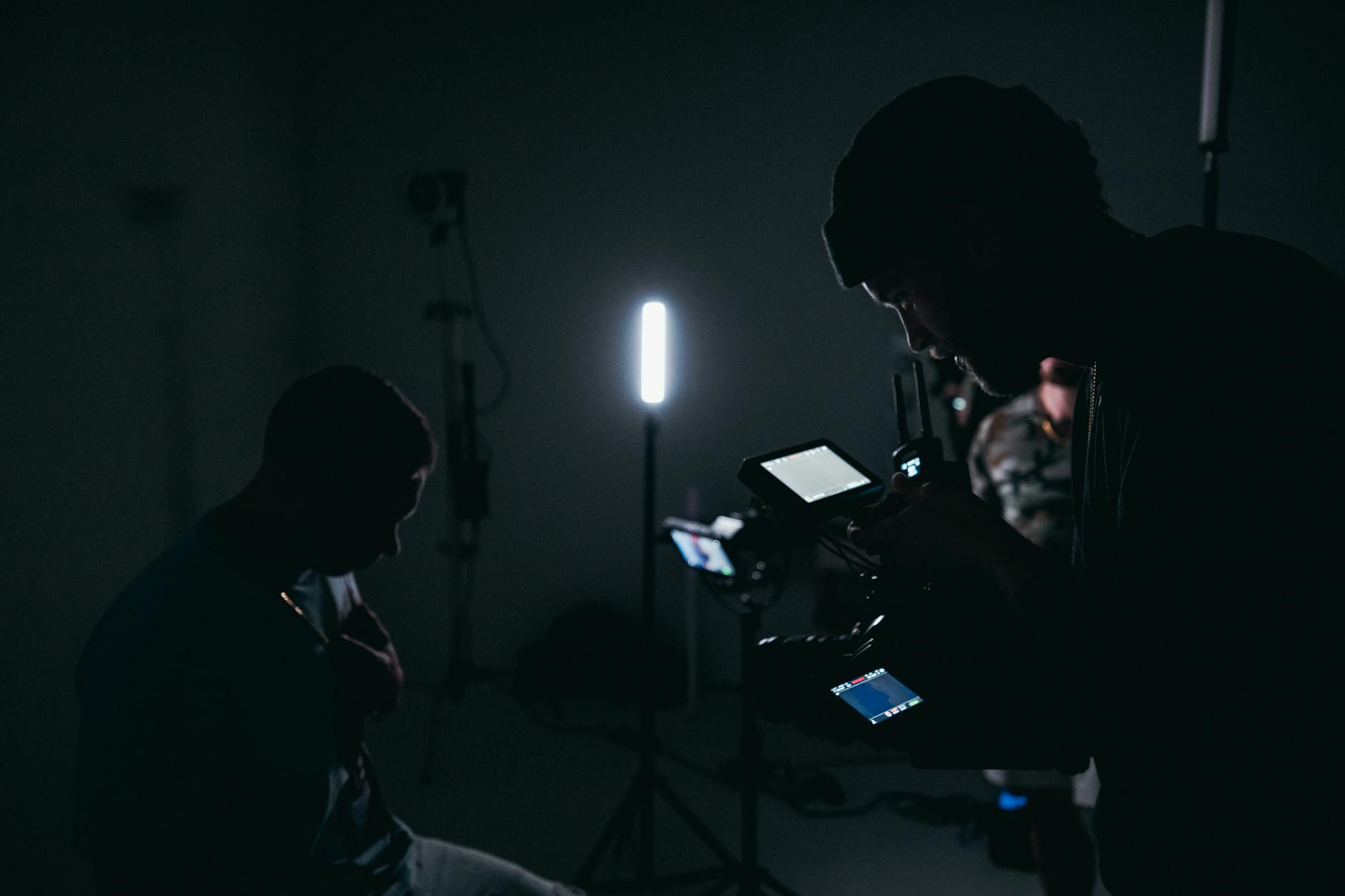
Investing in the right gear and honing technical skills ensures each photograph accurately and appealingly showcases the property, ultimately facilitating faster sales and higher engagement from prospective buyers.
Legal and Ethical Considerations in Real Estate Photos
Maintaining integrity and professionalism in real estate photography is essential for building trust with clients and ensuring a transparent representation of the property. Photographers should always adhere to truthfulness in their images, avoiding any form of manipulation that could mislead potential buyers. Accurate portrayal of the property's condition, size, and features fosters credibility and supports fair marketing practices.
It is important to obtain consent when photographing properties, especially in cases involving private residences or spaces with restricted access. Ensuring that permissions are secured prevents any legal complications and aligns with industry standards of respect and professionalism.
Photographers should also be mindful of the use of image editing. While basic adjustments such as brightness, contrast, and color correction are acceptable to enhance visual appeal, excessive editing that alters the true appearance of a property can damage credibility. Preserving the authentic look of interiors and exteriors ensures potential buyers receive a genuine preview, facilitating informed decision-making.
Additionally, representing a property with honesty includes avoiding the use of photos that do not accurately depict conditions, such as staging areas or alterations. If renovations or improvements are planned or underway, informative captions or disclaimers should accompany images to clarify the current state of the property.
In the digital age, compliance with platform-specific guidelines and privacy policies is crucial. This includes respecting intellectual property rights by using only authorized images and ensuring that listings are free from copyrighted content unless proper permissions are obtained.
Best Practices for Ethical Real Estate Photography
- Obtain explicit permission from property owners or stakeholders before photographing.
- Present the property honestly without embellishments or misleading alterations.
- Reserve advanced editing for color correction and minor enhancements, avoiding distortion of the property's true appearance.
- Disclose any staging or renovation statuses through captions or annotations.
- Respect privacy by avoiding images of private areas or personal belongings without consent.
- Adhere to platform-specific guidelines for photo submissions, ensuring compliance with relevant policies.
Concluding Insights
Adopting these ethical practices not only aligns with industry standards but also enhances the reputation of both the photographer and the real estate professional. Authentic and honest imagery fosters trust, facilitates smoother transactions, and ultimately contributes to a positive reputation in the Miami real estate market. Upholding these principles is fundamental for sustainable success in real estate photography, ensuring that visual content remains a powerful and credible tool for property marketing.