
Importance of High-Quality Listing Photos
In the fast-paced Miami real estate market, the first impression of a property resides in its online presentation. Professional real estate listing photography can significantly influence how potential buyers perceive a property, often determining whether they move forward with a viewing or consider other options. High-quality images serve as a visual gateway, showcasing the property’s best features and creating an emotional connection even before a physical visit.
Effective listing photos not only attract more online interest but also facilitate a quicker sale process. Buyers tend to scrutinize images carefully, and listings with crisp, well-composed photographs frequently garner higher engagement levels. When a property’s photos highlight its spaciousness, natural light, and unique architectural details, it fosters a sense of desirability and trust.
In Miami’s highly competitive environment, where properties range from luxurious waterfront estates to stylish urban condos, the visual impact becomes even more crucial. Superior photography can elevate a listing above the competition, giving it a distinct edge in a crowded marketplace. Real estate professionals recognize that investing in professional listing photography often results in shorter timeframes on the market and higher closing prices.
Moreover, professional images contribute to a consistent and polished brand image for agents and property developers. They set a benchmark of quality that attracts discerning buyers and invites serious interest. With online platforms serving as the primary avenue for property searches, the visual presentation can be the decisive element in a buyer’s journey.

Choosing the Right Equipment and Techniques
To produce compelling real estate listing photos, it is essential to utilize professional-grade equipment and apply advanced photographic techniques. High-resolution cameras with wide-angle lenses are fundamental, as they allow for capturing expansive interior spaces and Exterior vistas without distortion. A wide-angle lens, ideally between 14mm and 24mm for full-frame cameras, helps maximize the perceived space, giving potential buyers a realistic sense of openness and flow within the property.
Tripods are indispensable tools for stabilizing the camera, especially in low-light conditions or when using longer exposure times. This ensures sharp, blur-free images, which are critical for emphasizing the clarity and detail of the property’s features. Additionally, employing remote shutter releases or camera timers prevents any camera shake during shot capture, further enhancing image quality.

Understanding optimal aperture settings is also vital. Typically, a smaller f-stop (around f/8 to f/11) is used to achieve a deep depth of field, ensuring all elements within the room are sharply in focus. Proper use of ISO settings, strictly kept low (ISO 100-200), minimizes noise and maintains crispness in detailed images.
In addition to camera equipment, lighting techniques are crucial. Utilizing external flash units or portable strobes can balance indoor lighting, especially in spaces with challenging lighting conditions or mixed natural and artificial light sources. Bracketing exposures and combining them through HDR (High Dynamic Range) imaging helps to capture both the bright exterior views and interior details without overexposure or underexposure.
Best Practices for Shooting Interior Spaces
Interior photography demands careful attention to composition and lighting to accurately showcase a property’s appeal. Starting with a clean, uncluttered space allows the focus to remain on the architectural features and ambiance. Shooting during the day, with abundant natural light, is ideal; opening curtains and blinds maximizes sunlight diffusion. When natural light is insufficient, supplementary lighting can enhance the atmosphere without creating harsh shadows or unnatural color casts.
Angles and height play critical roles in interior shots. Shooting from a corner or slightly above eye level offers a comprehensive view of the room, portraying its dimensions more effectively. Including multiple perspectives—such as wide shots of living rooms, kitchens, bedrooms, and bathrooms—provides potential buyers with a detailed understanding of the layout and flow.
Capturing Appealing Exterior and Community Shots
Exterior shots should emphasize curb appeal, highlighting the property’s architectural style, landscaping, and distinctive features. Shooting during early morning or late afternoon provides warm, soft light that enhances textures and colors. Aerial images captured with drones can showcase the property within its neighborhood context, giving viewers a sense of location, proximity to amenities, and surrounding community vibes.
Community shots—such as parks, streetscapes, and local attractions—serve as a compelling extension of the listing. They help paint a picture of lifestyle and environment, increasing the property’s desirability. It's important to select angles that portray these elements attractively, avoiding clutter or unappealing backgrounds.
Post-Processing and Image Optimization
Post-processing is a vital phase where images are refined to meet professional standards. Adjustments to brightness, contrast, and color balance should be subtle but effective, ensuring that images accurately reflect the property's real appearance. Clipping or unwanted objects can be removed using editing software, maintaining a clean aesthetic. It’s critical, however, to avoid over-processing, which can distort the true image of the property and erode buyer trust.
Optimizing images for online platforms involves resizing for faster load times and adding appropriate metadata, including descriptive alt text, to improve visibility in search results. High-quality images should be delivered in formats compatible with real estate websites and mobile devices, ensuring they look compelling regardless of the viewing medium.
Integrating Virtual Tours and 3D Imagery
The inclusion of virtual tours and 3D walkthroughs complements professional photography, offering an immersive experience that engages potential buyers deeper. These tools are especially effective in attracting remote or international clients, providing an accurate sense of space and flow that static images alone cannot convey. Properly captured and integrated, virtual and 3D elements enhance the overall presentation, encouraging more inquiries and viewings.
Working with Miami Real Estate Agents and Clients
Collaborative communication with local agents and property owners ensures that photographic efforts align with marketing strategies. Understanding the key features of each property and its target audience informs shooting styles and image selection. Clear schedules and expectations, combined with professional guidance, facilitate smooth workflows, resulting in images that resonate with prospective buyers and effectively showcase the property's unique characteristics.
Details Camera Equipment, Lens Selection, and Shooting Techniques That Optimize Image Quality for Listings
Achieving exceptional real estate listing photography begins with the right choice of equipment and techniques, as these elements significantly influence image clarity, color accuracy, and overall visual appeal. Professional-grade DSLR or mirrorless cameras are preferred because of their superior sensor quality, which captures more detail and provides the flexibility needed for high-resolution images. When selecting lenses, wide-angle options—typically between 14mm and 24mm—are invaluable for capturing spacious interiors and expansive exterior views, allowing potential buyers to appreciate the full scope of each space without distortion.
Utilizing a tripod ensures stability during shots, resulting in crisp, sharp images that are free from camera shake. Consider employing a tilt-shift lens for precise perspective control, especially in exterior shots, to avoid vertical distortions that can make buildings look skewed. Proper aperture settings—usually around f/8 to f/11—are crucial for maximizing depth of field, ensuring that both foreground and background elements are in sharp focus.
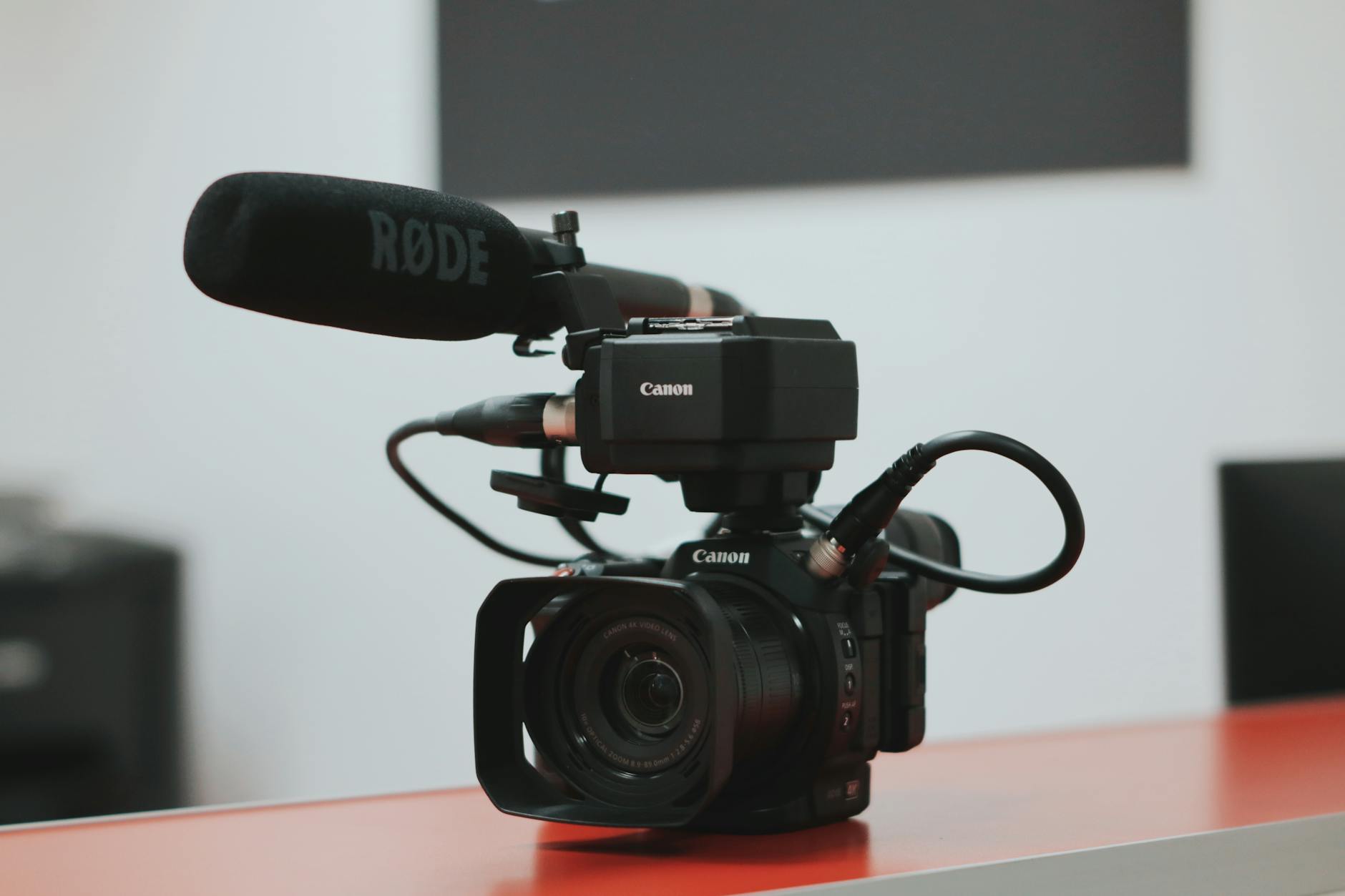
Shooting techniques should emphasize natural lighting whenever possible. Coordinate during daylight hours to utilize abundant sunlight, which enhances colors and highlights architectural features. Use HDR (High Dynamic Range) techniques, blending multiple exposures to accurately render interior spaces with varied lighting conditions—bright windows contrasted with darker corners—without losing detail. Avoid overly artificial or exaggerated edits, aiming instead for accurate, inviting representations of the property.
Strategic composition is essential. Apply the rule of thirds to position key features, and open curtains or doors to create a sense of space and flow. When photographing exteriors, include elements that showcase the property's surroundings, such as landscaped gardens or nearby amenities, to give viewers a comprehensive understanding of the ambiance and lifestyle offered.
In terms of post-processing, subtle adjustments to brightness, contrast, and color balance help enhance images without compromising authenticity. Use editing software to correct lens distortions and straighten horizons, ensuring that images accurately represent the property’s proportions. Consistency in editing style across all shots fosters a cohesive visual narrative that appeals to prospective buyers.

Best Practices for Shooting Interior Spaces
Interior shots should emphasize the property's best features while maintaining a natural, welcoming appearance. Begin by decluttering the space to reduce visual noise and enhance focus on architectural details and design elements. Use wide-angle lenses to capture as much of the room as possible, presenting a spacious and inviting environment.
Illumination plays a critical role; turn on all available lights and open curtains to maximize natural light. Shooting during the day ensures softer, more flattering light that conceals shadows and highlights textures. When lighting is insufficient, consider using portable lights or reflectors to fill in shadows, especially in darker corners.
Pay attention to the angles—shoot from a corner to provide depth and perspective that makes the room appear larger. Avoid shooting directly at bright windows to prevent lens flare and blown-out highlights; instead, angle the shot slightly away from intense light sources. Consistent verticality should be maintained by correcting any tilting horizon lines during post-processing.
To further enhance interior visuals, incorporate staged elements like fresh flowers, plush cushions, or artful decor. These add warmth and personality, helping potential buyers envision living in the space. Images should be taken from multiple vantage points to cover different perspectives, ultimately providing a comprehensive view of each room.
Capturing Appealing Exterior and Community Shots
Exterior photography aims to showcase the property's curb appeal and the surrounding neighborhood. The best time to shoot outdoor images is during the golden hour—shortly after sunrise or before sunset—when natural light produces warm, inviting tones and minimizes harsh shadows. Use a drone when needed to capture aerial views of the property and its proximity to key features such as parks, schools, or commercial centers, providing a broader context for prospective buyers.
Focus on the front of the property, including landscaping, entranceway, and driveway, to create an inviting first impression. Ensure the lawn is freshly cut, and any seasonal elements are tidy. Capture the backyard, patio, or pool area with careful attention to symmetry and balance, highlighting outdoor amenities that add value.
Community shots should incorporate attractive street views, local attractions, and nearby features that contribute to a desirable lifestyle. Include images of pedestrian-friendly walkways, community parks, and vibrant local businesses. These images help prospective buyers imagine their daily routines and community engagement, reinforcing the property's appeal.

Post-Processing and Image Optimization
Post-processing is essential in refining real estate images to maximize their impact. The process begins with color correction—ensuring whites are true, and colors are vibrant yet natural—so that properties look appealing while remaining faithful to the actual scene. Adjust contrast and sharpness carefully to enhance details without creating an overly processed appearance.
Resizing images for various platforms ensures fast loading times, which is especially crucial for mobile viewers. Compressed images should retain high resolution to preserve quality. Metadata, such as descriptive alt text, improves search engine visibility by making images more accessible and discoverable during online searches.
In addition to standard adjustments, removing minor imperfections such as lens flare, dust spots, or distracting objects enhances professional presentation. Cropping images to optimize composition helps to eliminate unnecessary elements and focus viewer attention on the property's highlights. Maintaining consistency across all images—regarding style, tone, and color palette—creates a uniform and professional portfolio that builds trust with prospective clients.
Properly optimized images serve a dual purpose: attracting more viewers through improved search rankings and providing an accurate, appealing portrayal of the property that encourages viewings and inquiries. The careful balance of technical excellence and authentic representation is key to compelling real estate listing photography.
Best Practices for Shooting Interior Spaces
When photographing interior spaces for real estate listings, the primary goal is to present the property as inviting and functional, encouraging potential buyers to envision themselves living there. Achieving this requires a strategic approach to lighting, composition, and detail. Natural light is often the best option; therefore, shooting during daylight hours with curtains open maximizes brightness and creates a lively atmosphere. Use wide-angle lenses to capture the full scope of rooms while maintaining straight horizons to avoid distortion, which can diminish the space's perceived dimensions.
Ensure that all major features, such as countertops, cabinetry, and fixtures, are clearly visible and unobstructed. Decluttering surfaces and arranging furniture to showcase room potential enhances visual appeal. For darker spaces, supplemental lighting—like portable LED panels—can illuminate shadowed areas, ensuring even exposure across the scene. To maintain consistency, photograph each interior with similar angles and lighting conditions, which helps in establishing a cohesive look across the entire listing portfolio.
Consider the flow of each space, capturing images that highlight connection points between rooms. Overhead shots combined with eye-level perspectives provide viewers with a comprehensive understanding of layout and space utilization. Additionally, capturing details such as high-end finishes, unique architectural features, or recent upgrades adds value by emphasizing the property's distinctive qualities.
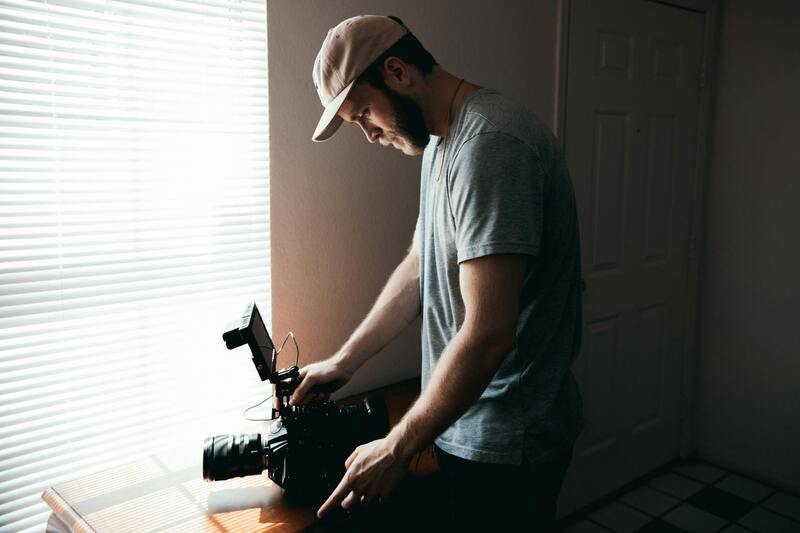
Properly balancing lighting and composition not only enhances the aesthetic but also accurately portrays the property's condition. This careful approach promotes transparency and builds trust, encouraging potential buyers to schedule viewings.
Capturing Appealing Exterior and Community Shots
Exterior photography plays a crucial role in framing the property's first impression. Focus on capturing the front facade during optimal lighting conditions—typically early morning or late afternoon—to achieve appealing warm tones and soft shadows. Wide-angle lenses help encompass the entire front elevation while maintaining perspective. Highlight key features such as landscaping, driveway, and outdoor living spaces to communicate the property's curb appeal effectively.
In addition to the main residence, neighborhood and community shots provide context and showcase lifestyle benefits. Capture nearby parks, walkways, or amenities that add value to the listing. Aerial shots using drones can offer unique vantage points of the property and surrounding areas, providing a comprehensive view that ground-level photography cannot achieve. Pay attention to seasonal conditions; ensuring the landscape appears tidy and vibrant boosts overall visual attractiveness.

Consistency in lighting and styling across exterior and community images complements interior photos, creating a seamless visual story that attracts interest and enhances the property's marketability.
Choosing the Right Equipment and Techniques
Securing high-quality images for real estate listings begins with selecting appropriate equipment and applying precise techniques. The choice of camera plays a pivotal role: professional-grade DSLR or mirrorless cameras with full-frame sensors deliver superior image quality, dynamic range, and low-light performance. These features are essential for capturing the nuances of interior spaces and exterior details under varying lighting conditions.
Lens selection is equally critical. Ultra-wide-angle lenses, typically within the 14mm to 24mm range, enable photographers to capture expansive views of rooms and outdoor scenes, making spaces appear larger and more inviting. However, it is important to avoid excessive distortion; lenses with minimal distortion profiles should be preferred to maintain proportions and avoid misleading representations.
Tripods are vital tools that ensure stability and sharpness, especially in low-light environments or when employing longer exposures. Using a tripod allows for consistent framing and eliminates camera shake, which could otherwise compromise image clarity. Additionally, remote shutters or timers reduce vibrations during shot capture, further enhancing image sharpness.
Lighting techniques significantly influence the appeal of real estate photos. Employing natural light during the 'golden hours'—shortly after sunrise or before sunset—casts warm, soft illumination that flatters both interior and exterior features. Supplementary lighting such as portable flashes, LED panels, or reflectors can fill shadows and even out lighting inconsistencies, especially in interior spaces with large windows or complex layouts.
Applying bracketing techniques—taking multiple shots at different exposures—and combining them through High Dynamic Range (HDR) processing can balance the bright and dark areas of an image. This approach ensures details are preserved and images accurately reflect real-life conditions.
Mastering these equipment choices and techniques allows for creating compelling, truthful representations of properties that resonate with potential buyers. Precision in both equipment use and shooting methodology lays the foundation for compelling imagery that elevates a listing’s appeal in a competitive real estate market.
Importance of High-Quality Listing Photos
High-quality real estate listing photography is a critical factor in capturing potential buyers’ attention and generating interest in a property. Well-executed photos serve as the initial impression for many online viewers, making them essential for standing out in a competitive market. Clear, professionally shot images not only highlight the property's best features but also convey a sense of authenticity and trustworthiness. Potential buyers often make quick judgments based on visual cues; thus, having images that accurately reflect the property's condition and appeal can significantly increase engagement and inquiries. Moreover, exceptional visuals facilitate faster sales cycles, reducing the time a property spends on the market. When images are crisp, well-lit, and thoughtfully composed, they create emotional resonance, encouraging viewers to envision themselves living in the space. This connection can be the decisive factor that motivates a potential buyer to schedule a viewing or make an offer. Investing in high-caliber real estate listing photography demonstrates professionalism and dedication, reinforcing a property’s perceived value and attracting serious prospects. As the digital landscape continues to evolve, the importance of high-quality visuals in online listings becomes even more pronounced, shaping the success of real estate marketing efforts.

Key Elements of Attractive Real Estate Photos
Capturing compelling real estate images hinges on several critical elements. Composition is paramount; framing shots to highlight the property's best angles and features ensures each image communicates value. Utilizing a wide-angle lens allows photographers to encompass more of a space within a single frame, giving viewers a comprehensive view of the rooms' size and layout. Proper lighting is essential—natural light during the golden hours accentuates warmth and ambiance, but supplementary lighting might be necessary to eliminate shadows and ensure consistent brightness. Decluttering spaces and staging rooms with tasteful decor help create inviting environments that resonate with viewers. Details such as clean windows, well-maintained surfaces, and neutral color palettes in staging further enhance image quality. Perspective plays a role in emphasizing feature depth and room dimensions; capturing from eye level and aligning horizontal lines ensures images feel natural and accurate. Post-processing adjustments, including color correction and exposure optimization, refine images without altering their authenticity. Overall, an emphasis on clarity, balance, and authenticity ensures each photo effectively communicates the property’s魅力 and potential.

Choosing the Right Equipment and Techniques
Effective real estate listing photography relies heavily on selecting appropriate equipment and mastering specific techniques. Professional-grade cameras with full-frame sensors and wide-angle lenses are standard for capturing expansive, detailed images that accurately represent interior and exterior spaces. Tripods are indispensable for achieving sharp, distortion-free shots and maintaining consistent framing across multiple images. Using remote shutter releases or timers minimizes vibrations, ensuring maximum clarity. Mastery of camera settings—including aperture, shutter speed, and ISO—enables photographers to adapt to different lighting conditions and depths of field requirements. Techniques such as HDR photography help balance high-contrast environments, resulting in well-exposed images that reveal both shadows and highlights. Properly calibrated white balance ensures colors appear true to life, enhancing the overall authenticity of the visuals. Additionally, employing lens filters like polarizers can reduce reflections, especially through windows or shiny surfaces. Developing a systematic approach—scouting the property, planning shots, and adjusting settings—ensures consistency and professionalism across the portfolio. Adopting these equipment choices and techniques guarantees high-quality images that not only look appealing but also serve as accurate representations of the property for prospective buyers.
Best Practices for Shooting Interior Spaces
Shooting interior spaces requires meticulous attention to detail and an understanding of space optimization. To enhance perceptions of room size, set your camera at a height around eye level—generally 4 to 5 feet from the ground—and monitor vertical lines to prevent distortion. Use wide-angle lenses judiciously to capture entire rooms without exaggerating dimensions, which can mislead buyers. Ensure all interior lights are balanced; supplement natural lighting with portable flashes or LED panels to fill shadows and create a warm, inviting environment. Declutter extensively before shooting, removing personal items and excess furniture that could distract from the space's features. Use staging techniques—such as adding fresh towels, arranging furniture to reflect natural flow, and highlighting architectural details—to create a visually appealing scene. Incorporate multiple shots from various angles to offer a comprehensive view of each room; include key features like fireplaces, built-in shelving, and high-end appliances. Pay careful attention to doorways and corners, which can help frame the space effectively. After capturing the images, review each for consistency in lighting and composition, and consider wide-angle stitching in tight spaces to produce seamless wide views. Adhering to these practices results in interior photos that communicate the ambiance, scale, and functionality of the property, enticing viewers to explore further.

Capturing the Exterior and Community Atmosphere
When showcasing a property’s exterior, it's crucial to highlight its curb appeal by capturing images under optimal lighting conditions, preferably during the golden hour when natural light enhances colors and textures. Utilize a wide-angle lens to encompass the entire façade, landscaping, and driveway, providing a comprehensive view that entices potential buyers. Frame shots from different angles to emphasize unique architectural features and symmetry, creating a visual narrative of the property’s identity.
In addition to the home itself, including images of the surrounding neighborhood fosters a sense of community and helps buyers envision their future lifestyle. Focus on nearby parks, walking trails, local amenities, and streetscape views. These shots should convey a lively, safe, and inviting environment, which can significantly influence the buyer's emotional connection to the property.
Careful attention to lighting, weather conditions, and seasonal elements can further enhance exterior photography. Clear, sunny days with minimal shadows are ideal, but overcast days can provide soft, diffuse light that smooths out textures and reduces harsh contrasts. Incorporate elements like well-maintained lawns, blooming gardens, and clean façades to underscore the property's appeal.
Strategic composition in exterior photography involves capturing the property at eye level with an emphasis on symmetry and balance. Use leading lines, such as pathways or fences, to draw the viewer's eye toward focal points like front doors or architectural details. Incorporate seasonal landscaping to keep the images vibrant and engaging. Shooting from multiple vantage points provides a diverse set of visuals that can be used across various marketing platforms to showcase the property’s full potential.
Remarkably, the integration of aerial drone photography offers a compelling perspective, highlighting the property’s size, landscaping, and proximity to key amenities. These shots are particularly effective in demonstrating large estates, waterfront views, or picturesque neighborhoods. When executed with professional-grade equipment and proper planning, aerial imagery elevates the overall quality and attractiveness of the real estate listing.
Optimizing Visual Content for Real Estate Listings
Effective real estate listing photography requires more than just good camera equipment; it involves a strategic approach to capturing images that resonate with potential buyers. High-quality visuals serve as the first impression, setting the tone for the rest of the property’s marketing campaign. By emphasizing clarity, proper framing, and consistent style, photographers can create compelling visuals that stand out across digital platforms, from MLS listings to social media campaigns.
Utilizing Advanced Techniques for Image Clarity
Achieving sharp, well-exposed photographs hinges on mastering exposure settings and focusing techniques. Natural lighting, when harnessed correctly, can significantly improve image quality. Photographers often prefer shooting during the golden hour—shortly after sunrise or before sunset—when the light is soft, warm, and diffuse. This reduces harsh shadows and highlights, resulting in images that highlight the property’s best features without unflattering glare or underexposure.

Perspective plays a crucial role in making spaces appear larger and more inviting. Using a wide-angle lens allows capturing full room views in a single shot, but should be employed judiciously to avoid distortion. Maintaining proper camera positioning—eye level or slightly above—helps portray the space accurately and appealingly. Consistent white balance and color calibration ensure images maintain realistic tones that reflect the actual property conditions.
Refining Post-Production and Image Optimization
Next, editing is essential to polish images for maximum impact. Post-processing should enhance natural colors, correct distortions, and remove minor imperfections such as dust or shadows that distract viewers. High-resolution images should be optimized for web use, reducing file sizes without sacrificing quality to ensure quick loading times across various devices and browsers. Properly optimized images contribute to an improved user experience and higher engagement rates.
The Power of Digital Enhancements and Virtual Experiences
Integrating virtual tours and 3D imagery into listings elevates the property's presentation, providing immersive experiences that facilitate remote viewing. Employing high-quality 3D walkthroughs and interactive floor plans allows potential buyers to explore the space more thoroughly, gaining a better understanding of layout, flow, and spatial relationships. These tools can significantly increase interest and reduce unnecessary showings by pre-qualifying viewers who are genuinely interested.
Incorporating these advanced visuals into online listings boosts their visibility and appeal. When combined with high-quality photography, virtual tours and 3D imagery help create a comprehensive virtual presentation that appeals to a broader audience, including international buyers and remote clients. This multi-faceted approach ensures the property’s features are showcased accurately and attractively, fostering confident purchasing decisions.